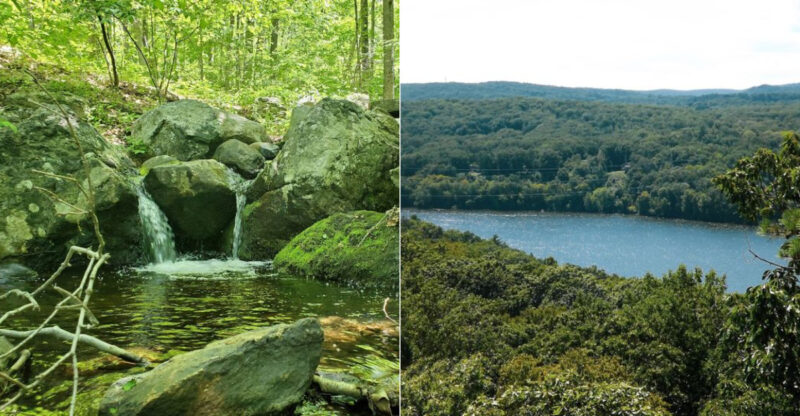
Many Locals Don’t Know About This Beautiful Waterfall Park In Connecticut
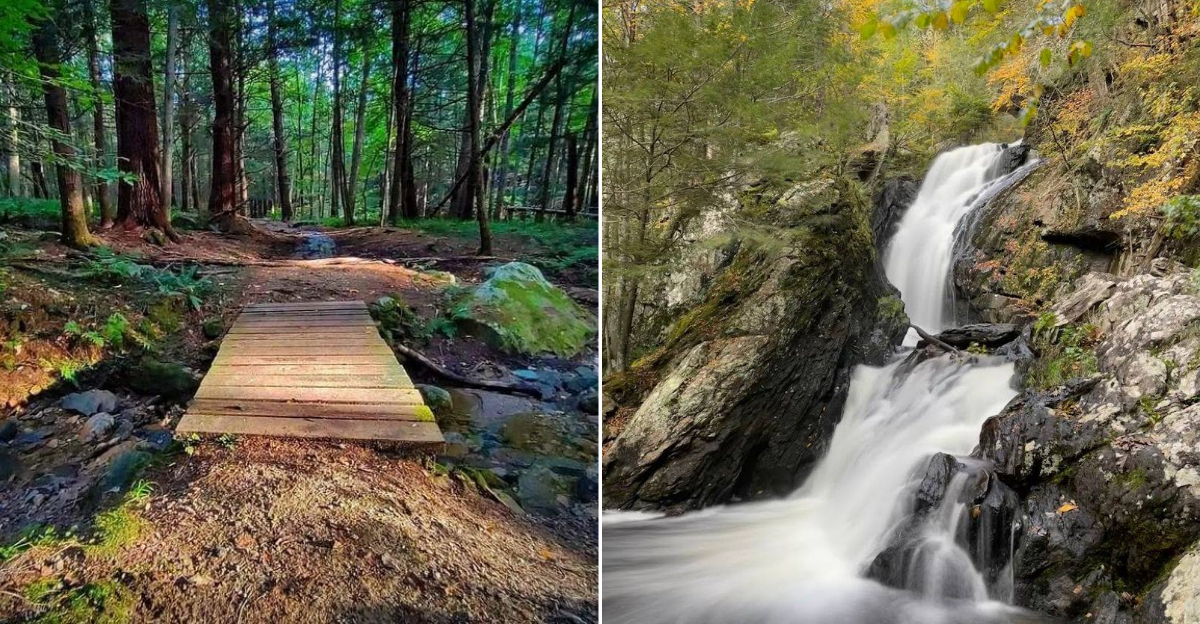
Finding a waterfall park this beautiful within such easy reach feels almost too good to be true and yet here it is waiting to be discovered.
The falls themselves are genuinely stunning, the kind that make you stop completely and just stand there for a while taking it all in without feeling any urge to move on.
The trails leading up to them have their own quiet charm and the whole experience feels like a proper outdoor adventure without requiring any serious hiking commitment.
Nature really outdid itself with this one and the fact that so many locals have no idea it exists makes stumbling onto it feel like a personal victory.
Most people driving past have no clue that a beautiful Connecticut waterfall park this impressive is sitting right there. The relative quiet here is a big part of what makes it so special and something tells me that is not going to last forever.
1. A Quiet Waterfall Escape In Norfolk
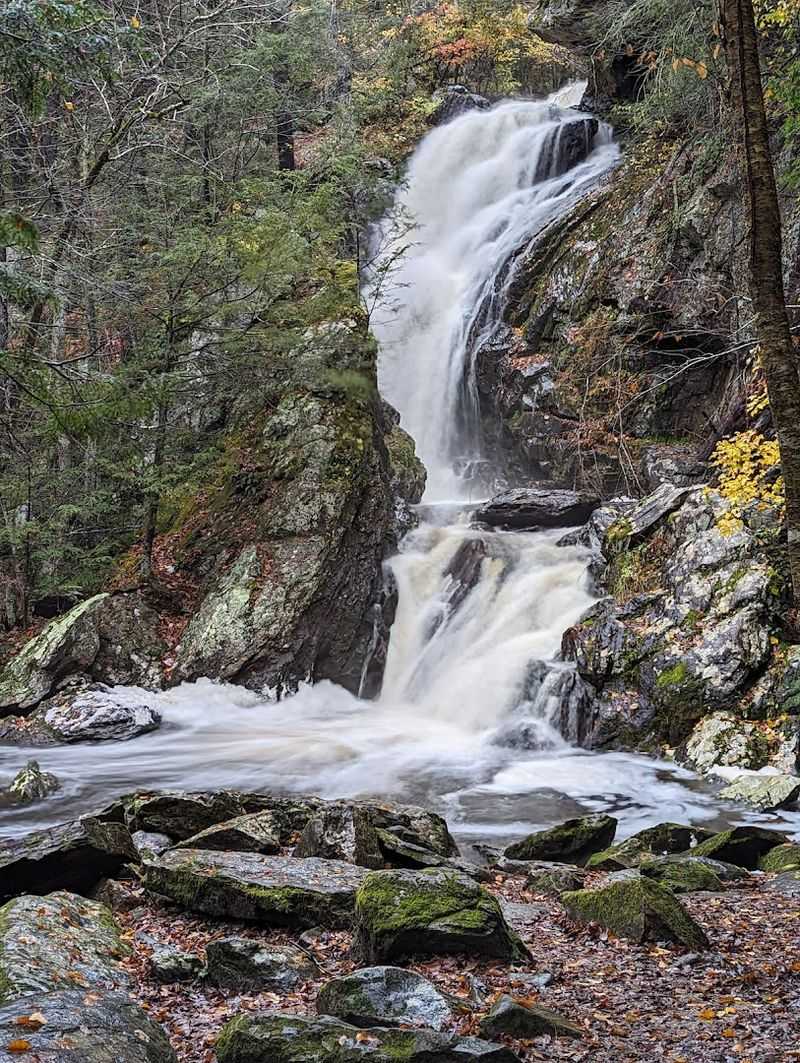
A great outdoor escape does not need a long drive or a packed itinerary to feel worth the trip. Campbell Falls State Park keeps things simple in the best way, with a quiet Norfolk setting, a short woodland walk, and a waterfall that feels like a reward at the end.
The park is open 24 hours a day and does not charge an entry fee, which makes it an easy pick for a spontaneous nature break.
The walk to the falls covers roughly half a mile from the in-state parking area, following a shaded forest path before dropping gradually toward the waterfall. Tall trees frame both sides of the trail, and the sound of rushing water starts building before the falls come into view.
That slow reveal makes the hike feel more exciting than its short distance might suggest.
This is not the kind of park filled with playgrounds, restrooms, or extra distractions, and that natural simplicity is part of the appeal. Picnic tables near the parking area give visitors a comfortable place to pause before or after the walk.
Campbell Falls State Park is located off Spaulding Road in Norfolk. Dogs are welcome on leash, making it a calm, scenic choice for pet owners who want an easy outing without added stress.
2. Why The Falls Feel Like A Hidden Gem
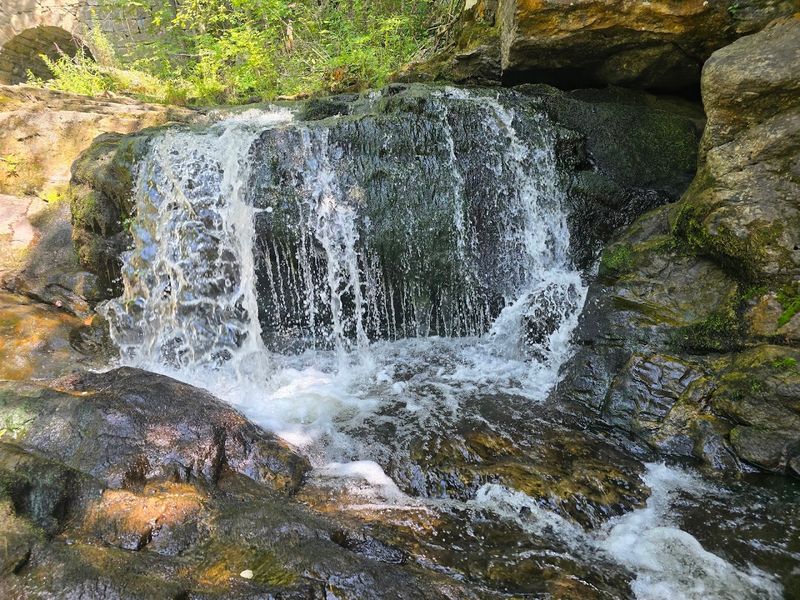
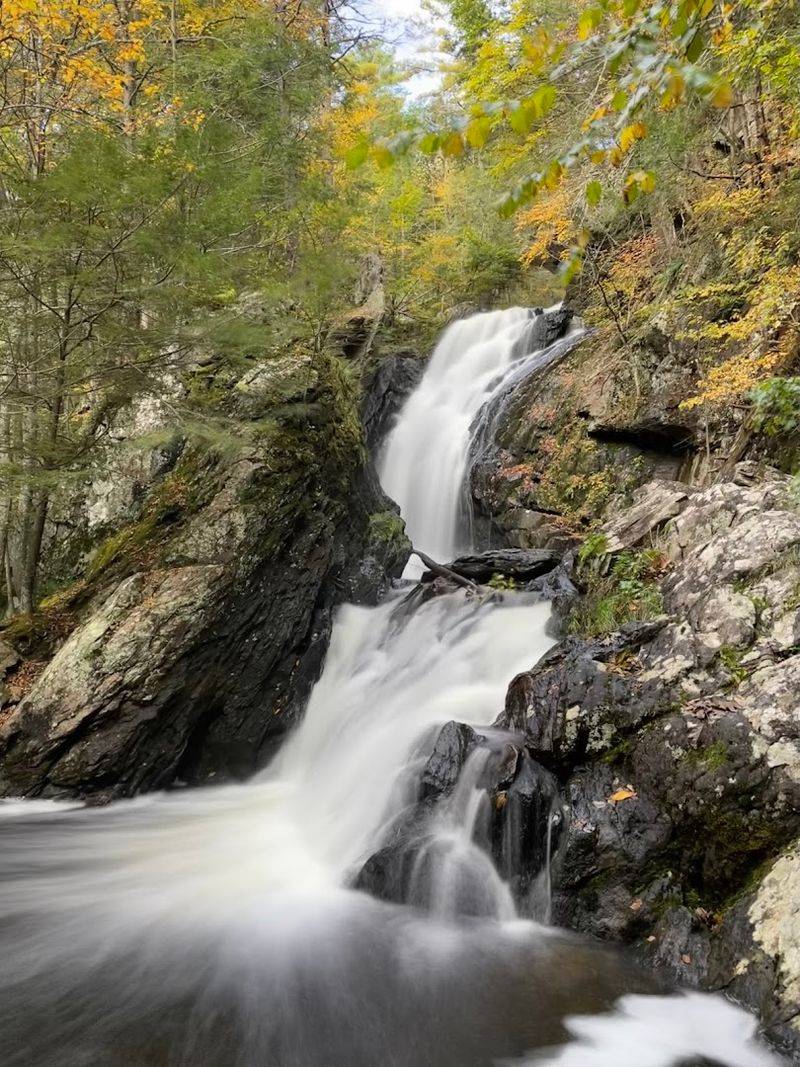
Standing at the base of Campbell Falls for the first time tends to catch people off guard in the best possible way. The waterfall drops over a series of rocky ledges, and the volume of moving water creates a steady, immersive sound that feels completely removed from everyday life.
The rocky pool at the base reflects light in shifting patterns depending on the time of day and season.
Part of what makes this place feel undiscovered is how little fanfare surrounds it. There are no gift shops, no ticket booths, and no long lines forming at the trailhead.
The trail entrance is located to the left of the parking lot, which is a detail that first-time visitors sometimes miss, so arriving with that knowledge saves a few minutes of confusion.
The terrain along the path includes tree roots, rocks, and some uneven ground, so wearing proper footwear makes the walk considerably more comfortable. After rainfall, some sections of the trail tend to get muddy, which is worth keeping in mind when planning a visit.
Still, the payoff at the end of the trail makes every careful step feel completely worthwhile.
3. The Whiting River Adds The Soundtrack
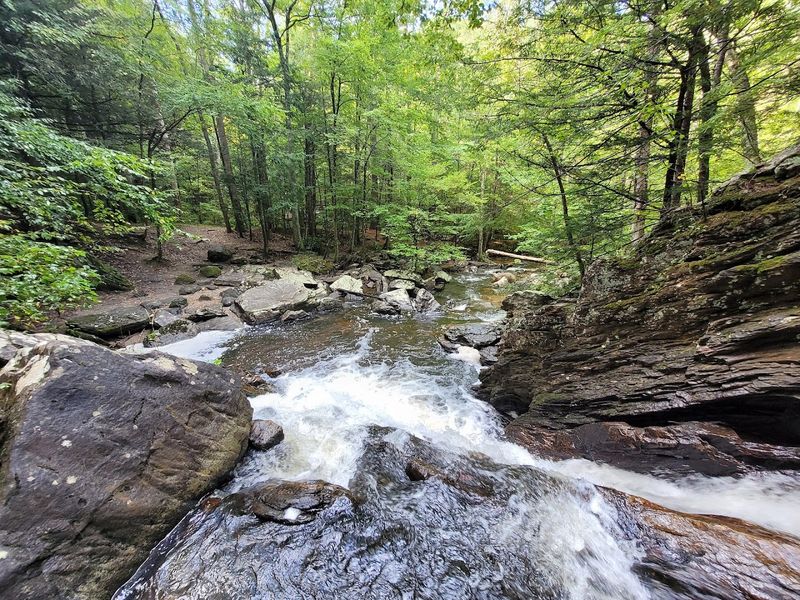
Before the waterfall even comes into view, the Whiting River makes its presence known through sound.
The river runs through the heart of Campbell Falls State Park, and walking alongside it on the way to the falls creates a calming, almost meditative experience that many visitors describe as one of the highlights of the trip.
The sound of water moving over stones builds gradually as the trail descends.
The river has a clear and rocky character, with water that shifts in speed and depth depending on recent rainfall and the time of year.
Ginger Creek also runs through the park and can be crossed to access steeper trails toward the ridgeline, adding a bit of adventure for those who want to explore beyond the main path to the falls.
Watching the river from the trail offers a different kind of enjoyment than standing at the base of the falls.
The movement of water through the rocks, the way light filters through the canopy above, and the occasional glimpse of wildlife nearby all contribute to a sensory experience that feels genuinely restorative.
The Whiting River is not just scenery here; it is the living pulse running through the entire park.
4. When To Visit For Stronger Water Flow
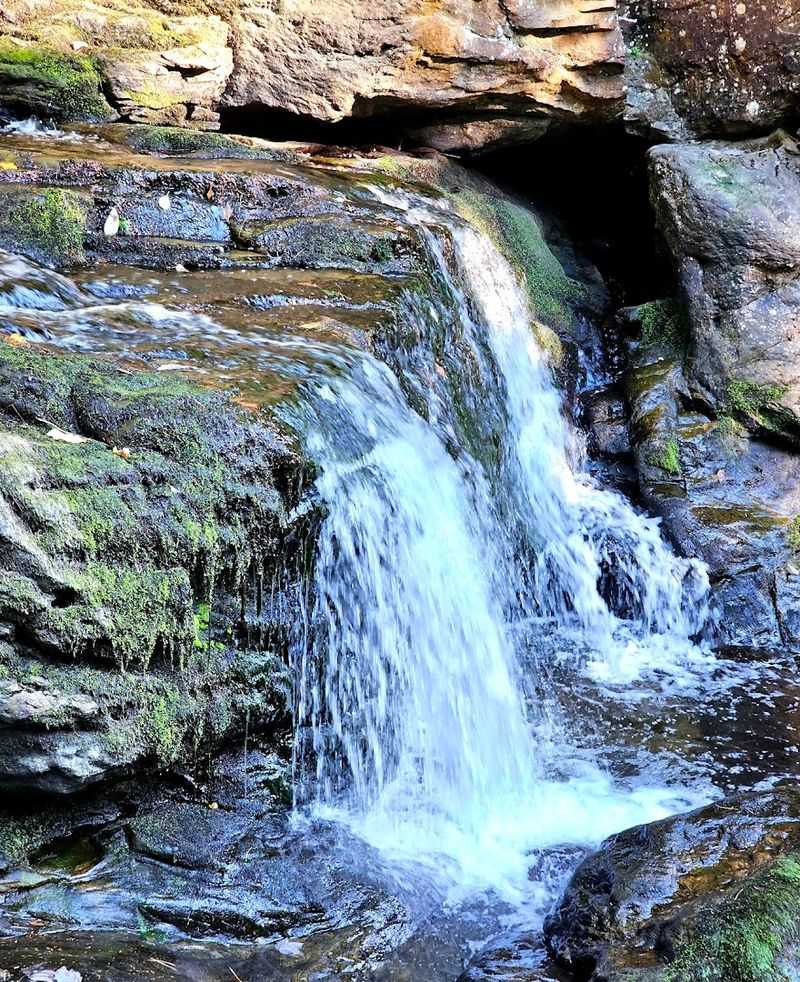
Season and weather can change the whole feel of Campbell Falls, especially when the Whiting River is running strong. Spring usually brings the most dramatic flow, as snowmelt and seasonal rain send more water over the rocky ledges.
During that stretch, the falls look and sound much more powerful than they often do in a dry summer spell.
Late October brings a different kind of beauty, with fall foliage surrounding the trail in warm shades of orange, red, and yellow. The contrast between the moving water and the colorful canopy creates a scene that photographs exceptionally well.
Weekday visits during autumn tend to be quieter than weekends, when the trail can see more foot traffic from leaf-peepers exploring the Litchfield Hills region.
During dry seasons, the falls can appear reduced in volume, which is worth knowing before making a special trip solely for the water. That said, even at lower flow, the rocky formation and surrounding forest still make the hike enjoyable.
Winter visits are possible since the park stays open year-round, and seeing ice formations along the ledges during colder months adds a completely different kind of visual drama to the falls.
5. A Peaceful Spot For Nature Photos
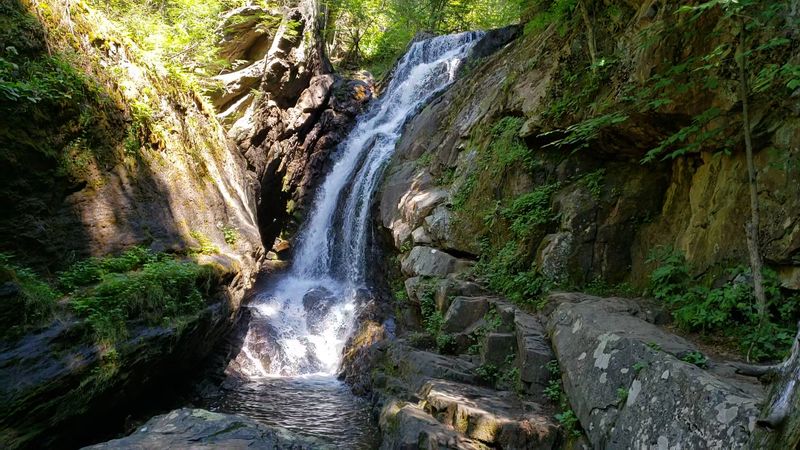
Photographers who enjoy natural settings tend to find Campbell Falls genuinely rewarding to work with. The falls drop over a series of dark, textured rock faces, and the surrounding forest provides a consistently green and layered backdrop that works well in almost any lighting condition.
Morning light filtering through the tree canopy creates a soft, diffused quality that suits both wide-angle and close-up compositions.
The rocky pool at the base of the falls offers multiple angles and vantage points, so spending time moving around the area rather than settling on one spot tends to produce more varied and interesting results. The trail also passes several smaller stream sections and rock formations that make for compelling subjects on the way to and from the falls.
One practical note for photo enthusiasts is that the rocks near the water can be slippery, particularly after rain or during early morning when moisture collects on the stone surfaces.
Stepping carefully and wearing footwear with solid grip helps maintain stability while composing shots.
The park does not get crowded on most weekdays, which means there is often enough time and space to set up without feeling rushed or interrupted by other visitors passing through the frame.
6. Hiking And Fishing In One Scenic Place
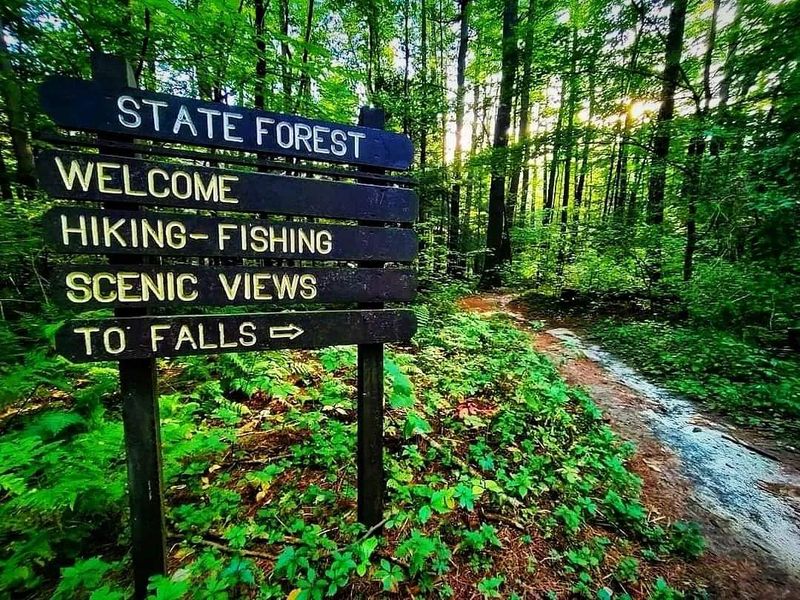
Campbell Falls State Park offers more than just a walk to a waterfall.
The Whiting River that runs through the park is a recognized fishing spot, and anglers who visit the area often combine a morning on the water with a hike to the falls later in the day.
The river’s rocky character and forested banks give it the kind of setting that makes fishing feel like a genuine escape rather than a casual pastime.
The trails in the park extend beyond the main route to the falls, offering hikers the chance to explore additional terrain including steeper paths toward the ridge and gentler routes along the river corridor.
The variety of trail options means that a single visit can cover quite different types of terrain depending on how much time and energy visitors want to spend.
For families or groups with mixed interests, the combination of easy hiking and accessible fishing makes the park a practical choice that keeps everyone engaged.
The natural surroundings stay quiet and undeveloped throughout, so the overall atmosphere remains consistent no matter which part of the park visitors choose to explore.
Bringing proper footwear for uneven terrain and being prepared for muddy sections near the water helps make the day run smoothly.
7. A State-Line Surprise Nearby
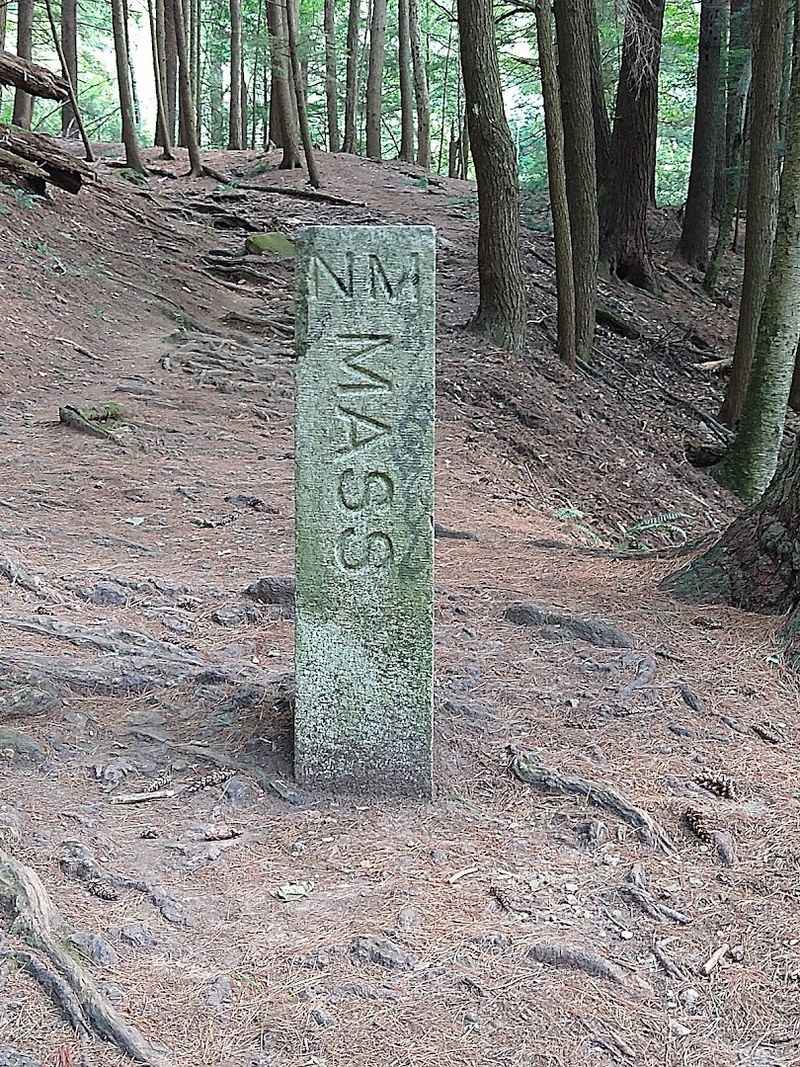
One of the more unexpected details about a visit to Campbell Falls is the presence of stone border markers along the trail.
The park straddles the line between Connecticut and Massachusetts, and two historic markers are erected near the falls to indicate exactly where one state ends and the other begins.
Coming across them mid-hike adds a small but memorable moment of discovery to what is already an enjoyable walk.
The Connecticut-side parking area is located roughly halfway between the trailhead and the falls, and the state line marker appears about five minutes into the walk from that lot.
From the Massachusetts side, a shorter path of roughly a quarter mile leads directly to the falls, and a gravel road near that access point overlooks the top of the waterfall, offering a completely different perspective than the view from the base.
Standing at a spot where two states meet while surrounded by old-growth forest and the sound of rushing water nearby gives the visit a quietly historical feeling that most people do not expect from a short day hike. The markers are easy to spot along the trail and make for an interesting photo stop that adds context to the natural setting around them.
8. A Short Hike With A Big Payoff
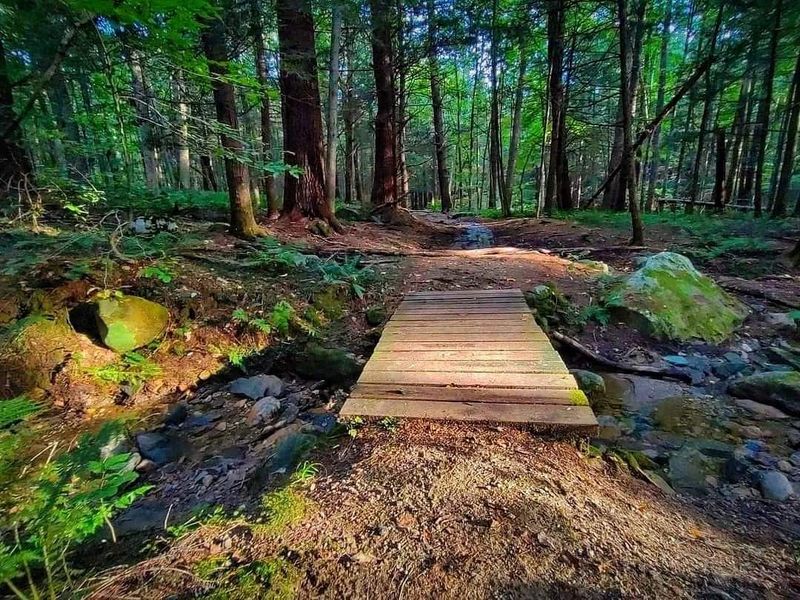
A short hike with a big payoff is exactly what makes Campbell Falls such a satisfying stop. The walk from the in-state parking area to the base of the falls takes roughly 20 minutes at an easy pace, with about 2,000 steps along the route according to hikers familiar with the path.
The trail slopes gently downhill on the way in, so the return includes a modest climb back up, but most visitors can handle it comfortably.
Pine needles cover portions of the forest path, giving the walk softer footing and that fresh, earthy scent that makes a woodland trail feel extra calming. Rock formations appear along the route, adding something interesting to notice between the parking area and the falls.
Some visitors mention that trail markers could be clearer in certain sections, so following the well-worn path is the easiest way to avoid unnecessary detours.
From the Massachusetts side of the park, the route to the falls is even shorter at roughly a quarter mile, which can be helpful for families with young children or visitors who want a quicker walk.
Both approaches lead to the same beautiful waterfall view, and the short distance leaves plenty of time to enjoy the surrounding area afterward.
9. Why Locals Still Miss This Place
Despite being open every day of the year with no entry fee and a trail short enough to complete in under an hour, Campbell Falls State Park remains largely unknown to many residents. Part of the reason is simply location.
Norfolk sits in the far northwest corner of the state, away from the major highways and tourist corridors that funnel visitors toward more well-known destinations in the Litchfield Hills area.
The park also lacks the kind of amenities that typically appear in travel guides or social media roundups. There are no restrooms, no visitor center, and no organized programming, which means it does not generate the same buzz as parks with more developed infrastructure.
For visitors who prefer a quiet and unstructured outdoor experience, that absence is actually one of its strongest qualities.
Word of mouth has historically been the main way people find out about the falls, often through a recommendation from someone who has already been.
Campbell Falls State Park, located off Spaulding Road in Norfolk, is the kind of place that tends to create loyal repeat visitors rather than one-time tourists.
Once someone makes the trip, the combination of easy access, natural beauty, and genuine quiet makes it very hard not to return.