Guests Are Filling Handmade Bowls With Chili At This Idaho Fundraiser And Taking The Bowls Home To Fight Hunger
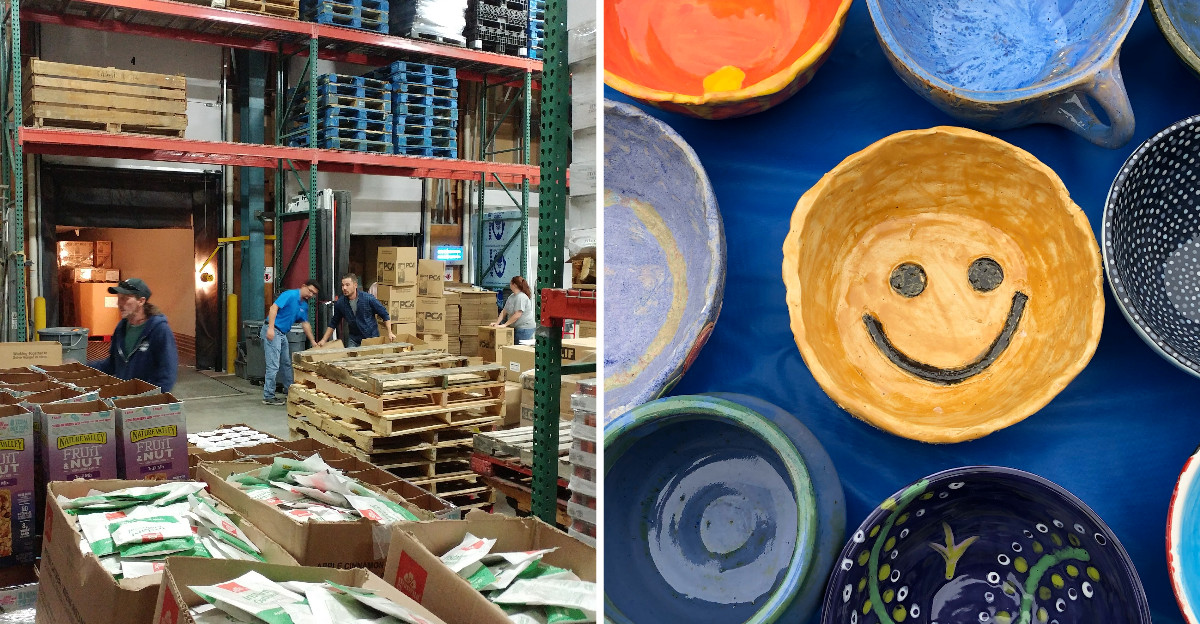
More than a thousand handmade bowls, each one shaped on a potter’s wheel, line the tables at one Idaho fundraiser.
Guests pick a bowl, fill it with chili, and then carry that bowl home for good.
I love that the dish outlasts the meal.
Long after the chili is gone, the bowl sits in a kitchen cabinet as a quiet reminder. It says somebody in your town went without food, and you helped change that.
The idea behind it is simple and a little genius.
An empty bowl stands for an empty table. The money from each one goes to fighting hunger in Idaho communities.
So how do potters turn out that many bowls?
What lands in them, and where does the money go after the last spoonful?
The answers are more interesting than I expected, and they start with a lump of wet clay.
1. The Empty Bowls Idea
A high school art teacher in Michigan started this whole thing back in 1990. John Hartom and his students made ceramic bowls to raise money for a food drive, and the idea caught on fast.
That project grew into the Empty Bowls movement. Today, communities around the country host their own versions, and Idaho has joined in.
The format stays wonderfully simple. You buy a ticket, choose a handmade bowl, and enjoy a simple meal of soup or chili.
Then you keep the bowl. That last part is what makes the event stick in people’s memories.
Why an empty bowl? It’s meant to remind you of the many kitchen tables where food runs short.
Honestly, it’s one of the smartest fundraising ideas out there. You get art, dinner, and a reason to feel good, all for one ticket.
The concept also lets local artists give in the way they know best. A potter might not have spare cash, but they can make bowls by the dozen.
Idaho versions often team up with the Idaho Foodbank or local pantries. Your bowl becomes a small piece of a much bigger effort across the state.
Not bad for an idea born in an art classroom.
2. Hand-Thrown, One At A Time
Ever tried centering clay on a spinning wheel? It looks easy until the lump wobbles and flops sideways.
Hand-thrown means a person shaped each bowl on a potter’s wheel. No molds, no factory line, just hands, water, and patience.
The process takes more steps than you might guess. After throwing, a bowl dries until it’s firm enough to trim its foot.
Next comes the first kiln firing, called a bisque fire. That hardens the clay so it can take glaze.
Glazing is where personalities really show up. One bowl might be glossy blue, while its neighbor wears a speckled earthy brown.
A second firing melts the glaze into a glassy, food-safe finish. Only then is the bowl ready for chili.
Multiply those steps by more than a thousand bowls. Now you see why potters often start making them months before the event.
No two bowls turn out exactly alike, even from the same potter. Thickness, rim shape, and glaze drips all vary a little.
That’s part of the fun. You aren’t grabbing a dish off a store shelf, you’re choosing a small piece of handmade art.
Somebody in Idaho spent real time on the one you pick.
3. More Than 1,000 Bowls On The Tables
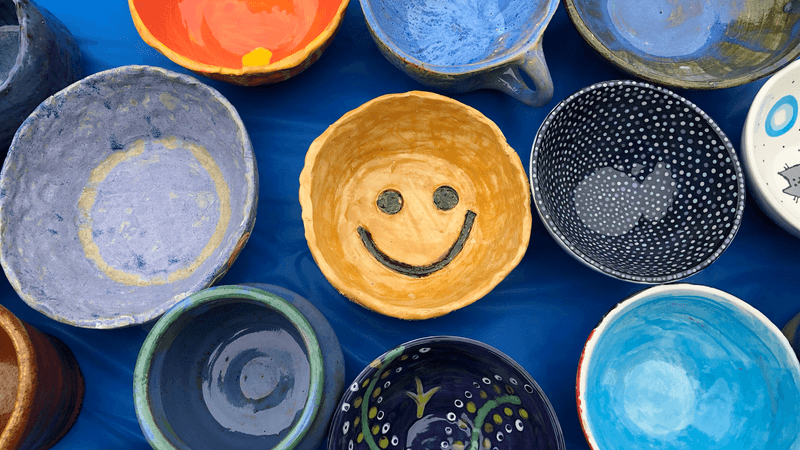
Picking one favorite out of more than a thousand bowls is harder than it sounds. Decision paralysis, but make it ceramic.
Those numbers turn the tables into something close to a pop-up gallery. Rows of rims and glazes stretch out in shapes and colors you won’t see in a big-box store.
Some bowls lean wide and shallow. Others sit deep and sturdy, ready for a serious helping.
Here’s a tip that costs you nothing. Pick the bowl up and feel its weight before deciding.
A handmade bowl should feel right in your hands. That comfort matters more than a flashy glaze once you’re eating from it.
The sheer count also tells you something about community buy-in. Reaching four digits takes many potters, many kiln loads, and plenty of volunteer hours.
Each bowl on those tables equals a ticket sold. More bowls mean more dollars headed toward hungry families.
It’s a little like a giant, edible math problem. The more bowls that go home, the more meals Idaho pantries can provide.
So take your time browsing. Just maybe don’t hover too long over the one someone else is eyeing.
4. Chili In The Bowl
Chili makes a lot of sense for a crowd this size. It’s hearty, it holds well in big pots, and it tastes fine on a chilly Idaho day.
Soup gets the spotlight at many Empty Bowls events. Here, chili fills that role, which feels very fitting for a state that takes comfort food seriously.
The meal stays simple on purpose. Fancy food isn’t the point, and the modest menu keeps the focus on hunger.
Think about it for a second. You’re eating the kind of filling meal some neighbors can’t count on having.
That small reminder lands harder than a speech ever could. It’s dinner with a built-in message.
Of course, your new bowl gets its first real test right away. Does the rim feel nice on a spoon?
Does it keep the chili hot? You’ll find out fast.
Later, at home, that same bowl can hold oatmeal, salad, or a mountain of popcorn. Chili just got the honor of going first.
Not a bad debut for a dish someone shaped by hand. Most kitchen bowls never get a first meal with a purpose like this.
5. Where The Money Goes
Your ticket does a lot more work than your spoon. Once the event wraps up, the money heads toward feeding people across Idaho.
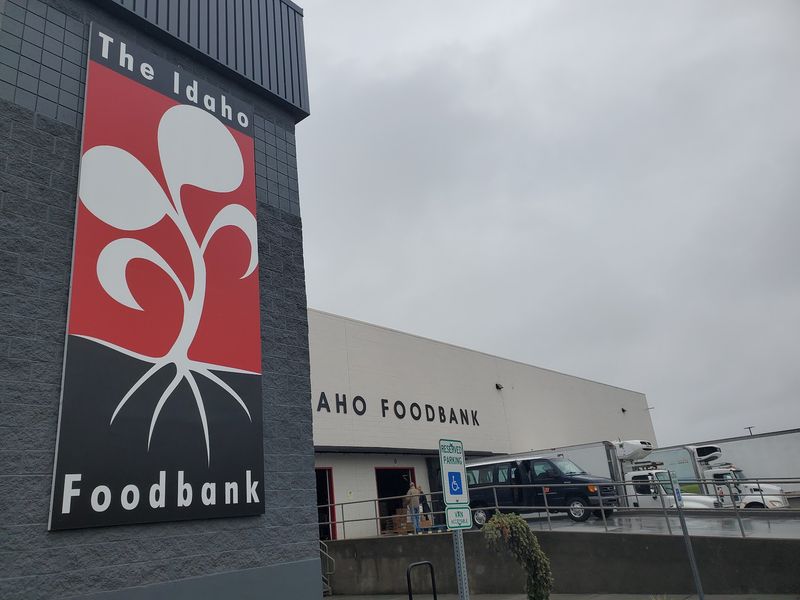
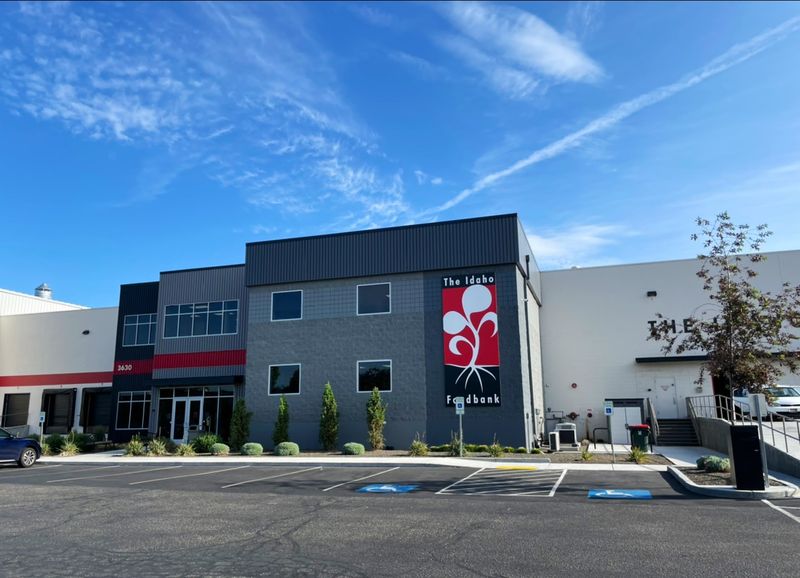
The Idaho Foodbank has been fighting hunger in the state since 1984. It runs warehouses in Boise, Lewiston, and Pocatello, which helps it reach both the Treasure Valley and far corners of the state.
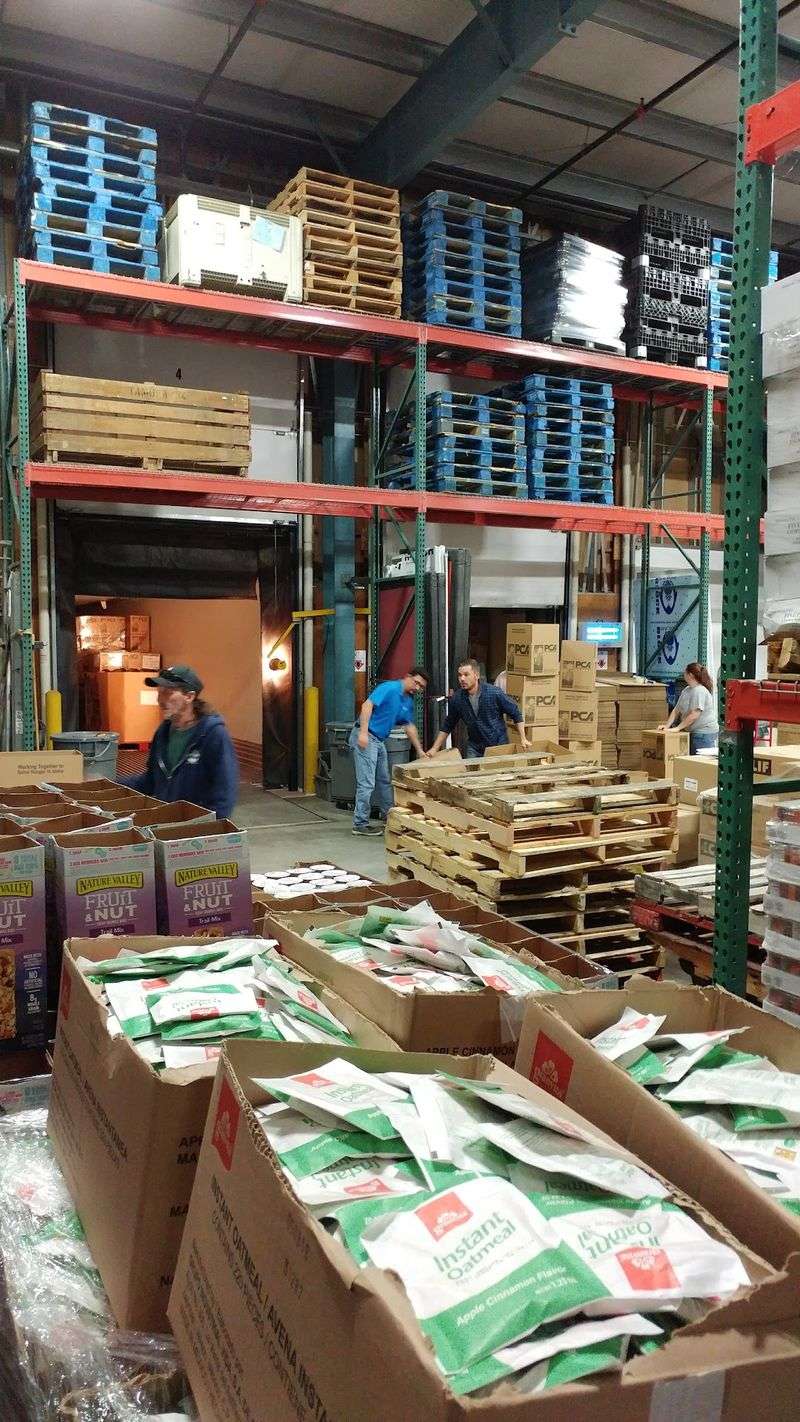
From there, food moves out through a network of partner pantries, schools, and community programs. Rural areas count on that reach, since grocery stores can be a long drive away.
Food banks can often stretch cash further than a home shopper. Buying in bulk and working with donors helps each dollar travel farther.
That’s why a bowl fundraiser packs such a punch. Your one ticket can turn into several meals for a family nearby.
Hunger in Idaho doesn’t always look like you’d expect. It can mean seniors on fixed incomes, working parents, or kids who rely on school meals.
A bowl on your shelf won’t solve that alone. Still, it’s a real, practical piece of the answer.
And honestly, it’s a much better souvenir than a keychain.
6. Potters, Students, And Volunteers
Behind each table of bowls stands a small army of clay-covered helpers. Some are professional potters, and some are students still learning to center clay.
Empty Bowls events often lean on local studios, school art programs, and hobby potters. Many people donate both their clay and their kiln time.
That mix is part of the charm. A polished bowl from a longtime potter might sit right beside a slightly lopsided first attempt.
Both raise the same money. Both end up loved in somebody’s kitchen.
Volunteers handle the rest of the heavy lifting. They set up tables, serve chili, wash dishes, and keep the lines moving.
Bowl-making sessions can turn into social events of their own. Neighbors who might never meet end up glazing side by side.
It’s a nice reminder that helping doesn’t require a big checkbook. Sometimes it just takes muddy hands and a free afternoon.
For students, the lesson goes beyond art class. They see firsthand how a skill can feed people in their own Idaho town.
Not every school project gets that kind of payoff. Most end up on a fridge door.
7. The Bowl You Take Home
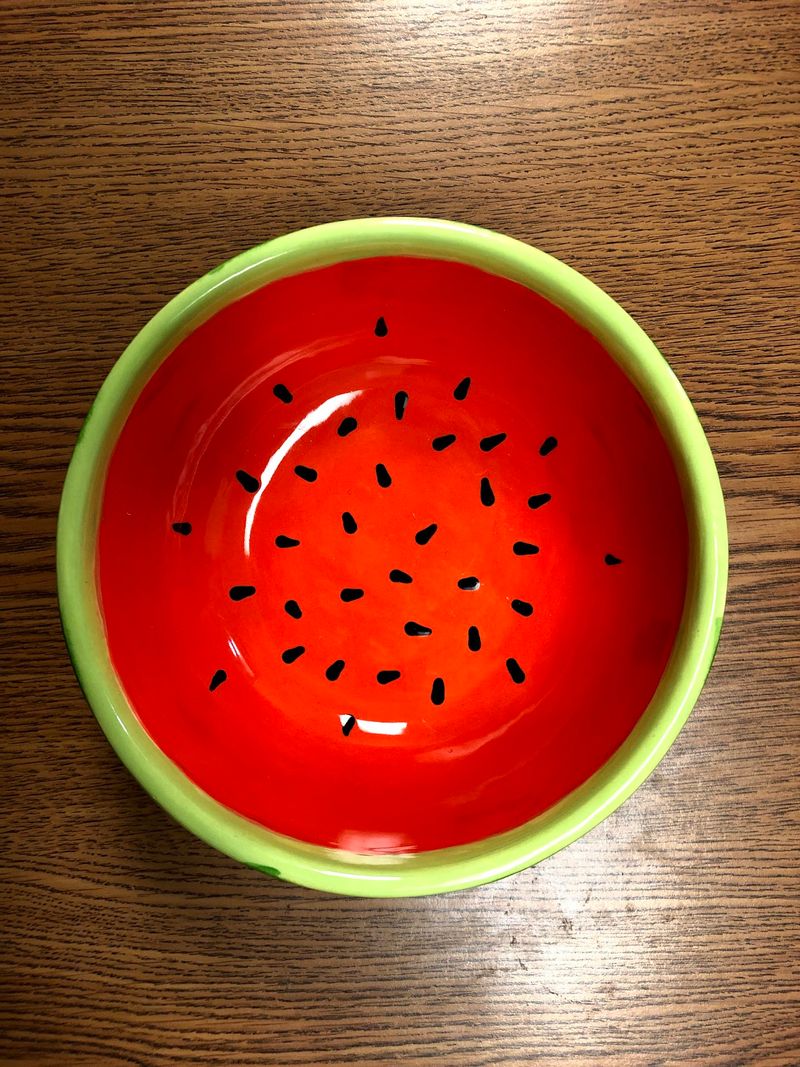
Most fundraiser souvenirs end up in a junk drawer. A handmade bowl tends to land in heavy rotation instead.
That’s the clever twist of the whole event. You walk out with something useful, not just a paper receipt.
Months later, you might be eating cereal from it on a sleepy Tuesday. Then you remember where it came from.
That small moment keeps the cause alive long after the chili pots are scrubbed. It’s a quiet nudge to keep caring.
Many folks who attend year after year build a little collection. Each bowl marks a different event and maybe a different potter.
Picture a shelf where no two pieces match. Somehow, that feels better than a perfect matching set.
A quick care note helps too. Handmade glazed bowls are usually made to be food safe, but ask whether yours suits the dishwasher or microwave.
Treat it kindly, and it can last for years. Your chili bowl might even outlive your current couch.
Not many Idaho fundraisers leave you with dinner, art, and a reason to smile at your cupboard. One bowl does it all at once.