Every Wall Of This Idaho Basque Museum Tells The Story Of Sheepherders Who Crossed An Ocean
Lonely sheepherders once carved their names and thoughts into aspen trees deep in the Idaho backcountry.
Some of those tree carvings now help tell their story inside a downtown museum.
The men who made them came from a small corner of Europe.
They spent long months alone with their flocks, far from family, food from home, and anyone who spoke their language.
I like how this place refuses to treat them as a footnote.
You can peek inside a real sheepwagon here. You can also tour the boarding house where these herders once ate, slept, and found their people again.
I believe most Idahoans have walked past it without knowing what’s inside. It’s the only museum of its kind in the United States.
So why does it sit in Idaho, of all places?
The Only Museum Of Its Kind In America Sits In Downtown Boise
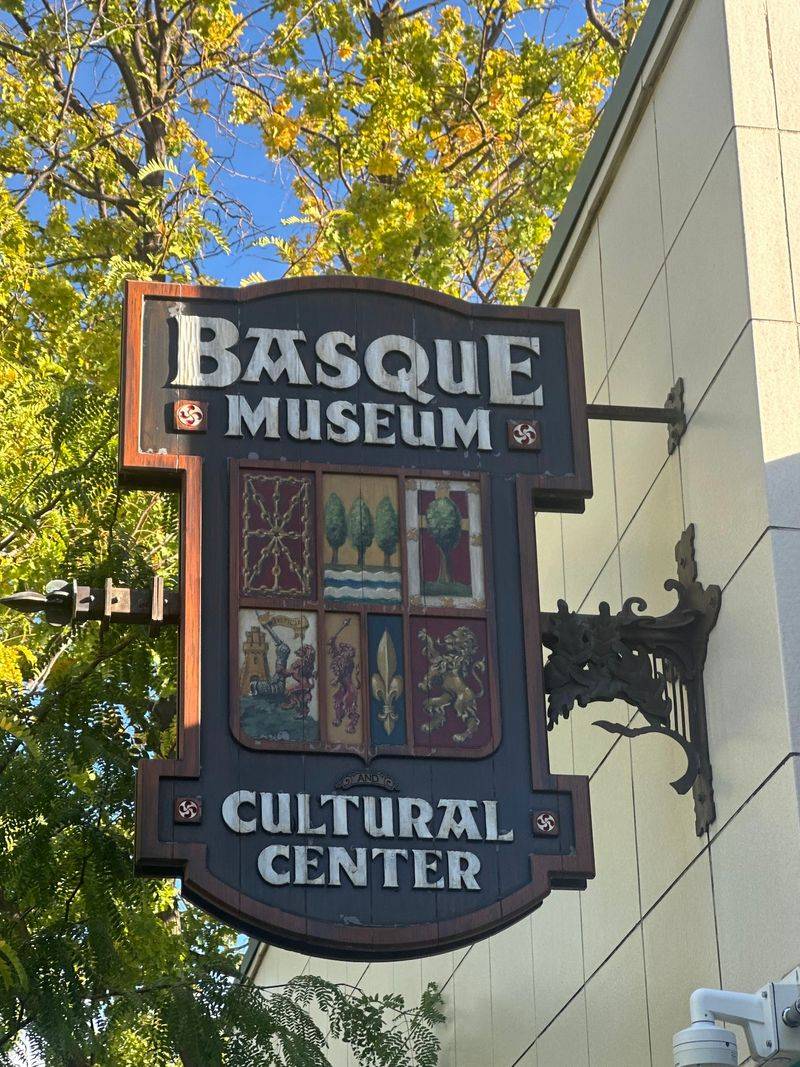
Boise holds a title few cities can claim. The Basque Museum and Cultural Center is the only Basque museum in the United States.
It’s also the only one of its kind outside the Basque Country itself. That homeland straddles the border of Spain and France, roughly 5,000 miles from Idaho.
So why here? The Treasure Valley became home to one of the largest Basque communities in America.
Sheep ranching pulled them west, and many stayed for good.
The museum’s mission is simple and serious. It works to preserve, promote, and perpetuate Basque history and culture for anyone curious enough to stop in.
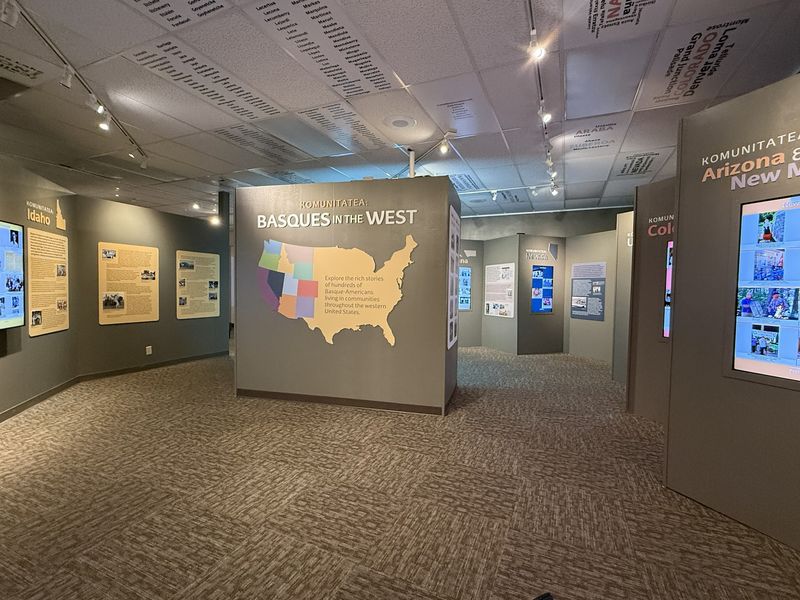
That mission covers a lot of ground. Exhibits trace thousands of years of Basque life, from the old country to the sagebrush of the American West.
The collections include photographs, artifacts, oral history recordings, manuscripts, and a library. Researchers use them, but casual visitors get plenty too.
Don’t expect flashy screens around every corner. The museum is small, clean, and focused, with easy-to-read displays and a handful of interactive stations.
Think of it as a well-told family story rather than a theme park.
Why Basque Herders Left Home For Idaho Hillsides
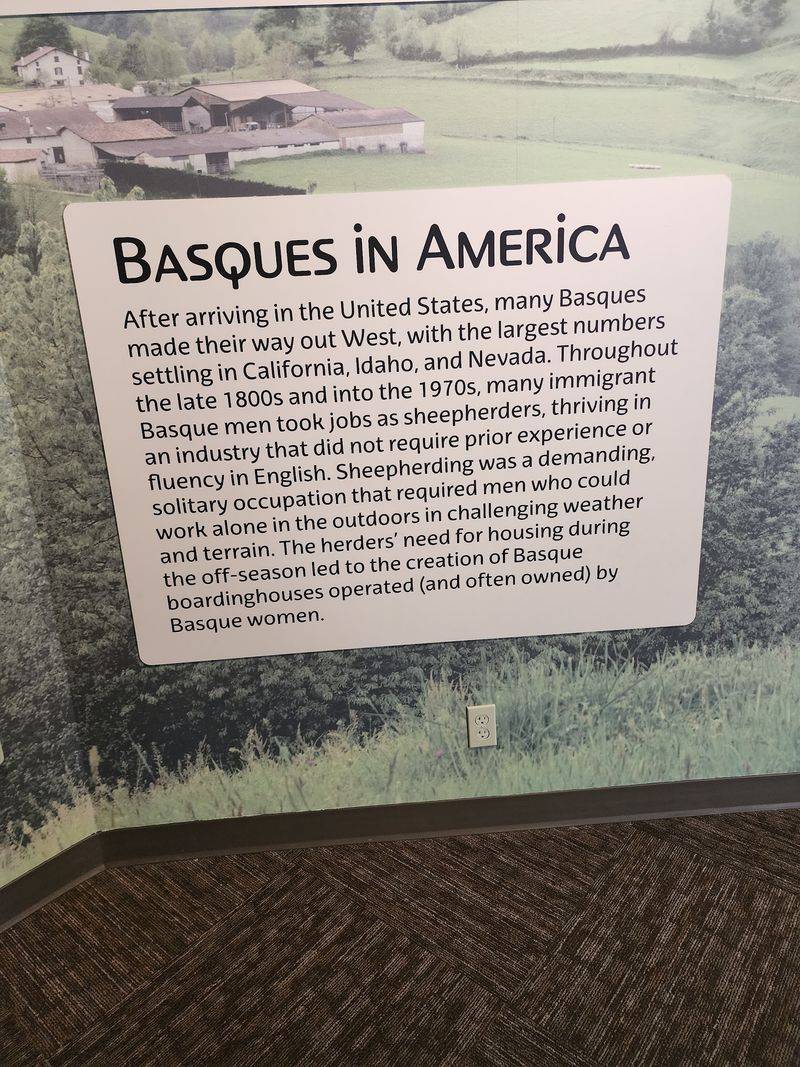
Hundreds of young Basque men arrived in the American West during the 1930s and 1940s. Most came for one job: watching sheep.
Life back home had grown hard. Repression under the dictator Francisco Franco pushed many to look elsewhere for a future.
Meanwhile, Western ranchers had a problem. They had huge flocks and not nearly enough people willing to tend them.
The fit seemed obvious, at least on paper. Legislation in 1950 even made it easier for Basque men to come over specifically for herding work.
Of course, paperwork doesn’t prepare anyone for the reality. These herders often spent months with only sheep and a dog for company.
Many didn’t speak English when they arrived. Some had never seen mountains quite like the ones they’d soon call their office.
The museum lays out this migration clearly, without heavy jargon. You follow the path from small coastal and mountain villages to remote Idaho ranges.
It’s a story of grit, homesickness, and slow success. Plenty of Idaho families today trace their roots right back to those long walks behind a flock.
A Real Sheepwagon You Can Actually Peek Inside
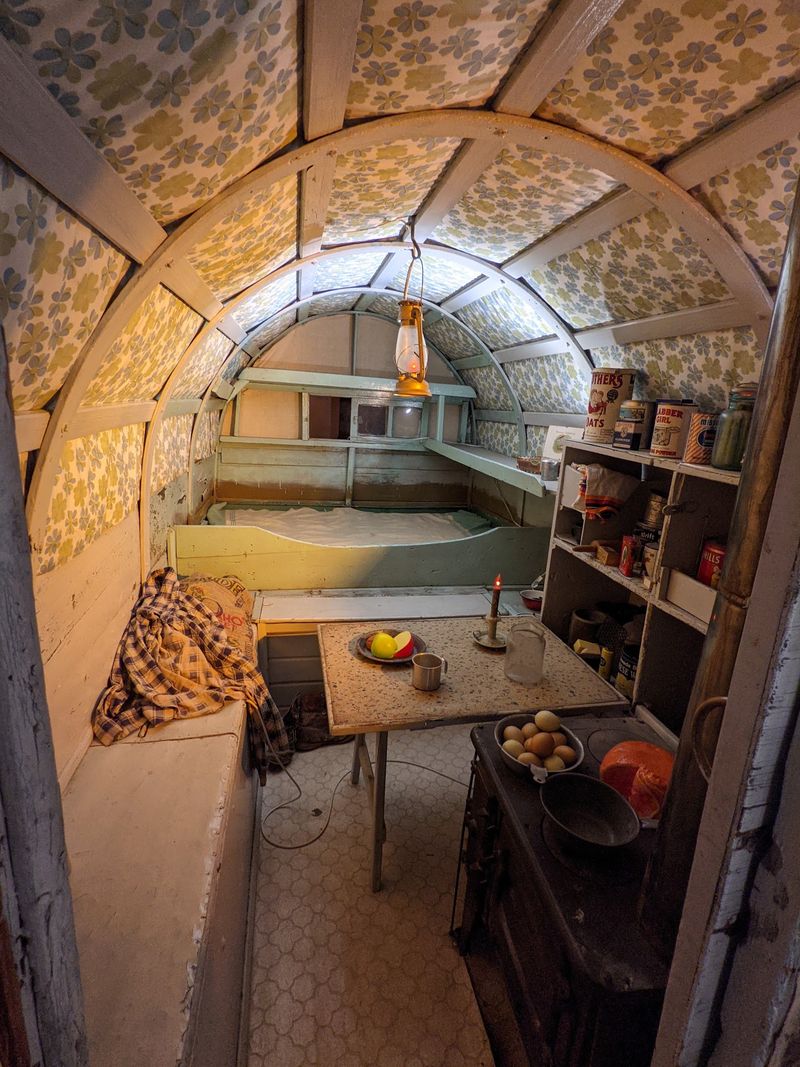
Tiny homes were trendy long before social media discovered them. Basque herders lived in sheepwagons, and one authentic example sits inside the museum.
It anchors an exhibit called Artzainak: A Life of Solitude and Hard Work. Artzainak is the Basque word for shepherds, and the title doesn’t sugarcoat anything.
The exhibit focuses on how sheepherding shaped Basque immigration. It also shows how herding opened the door to work across the American West.
You’ll see tools of the trade laid out like a working kit. Photographs by Jan Boles add faces and landscapes to the story.
Then there’s the wagon itself. Visitors can look inside and see how little space one person had for months at a time.
That glimpse lands harder than any wall text could. Suddenly the word solitude in the exhibit title feels very literal.
The exhibit covers life on ranches and out in the wilderness. Both settings asked for patience, toughness, and a lot of self-reliance.
Kids tend to understand the wagon instantly. Adults usually start doing quiet math about how they’d handle a single summer in there.
Tree Carvings That Read Like Diaries From The Backcountry
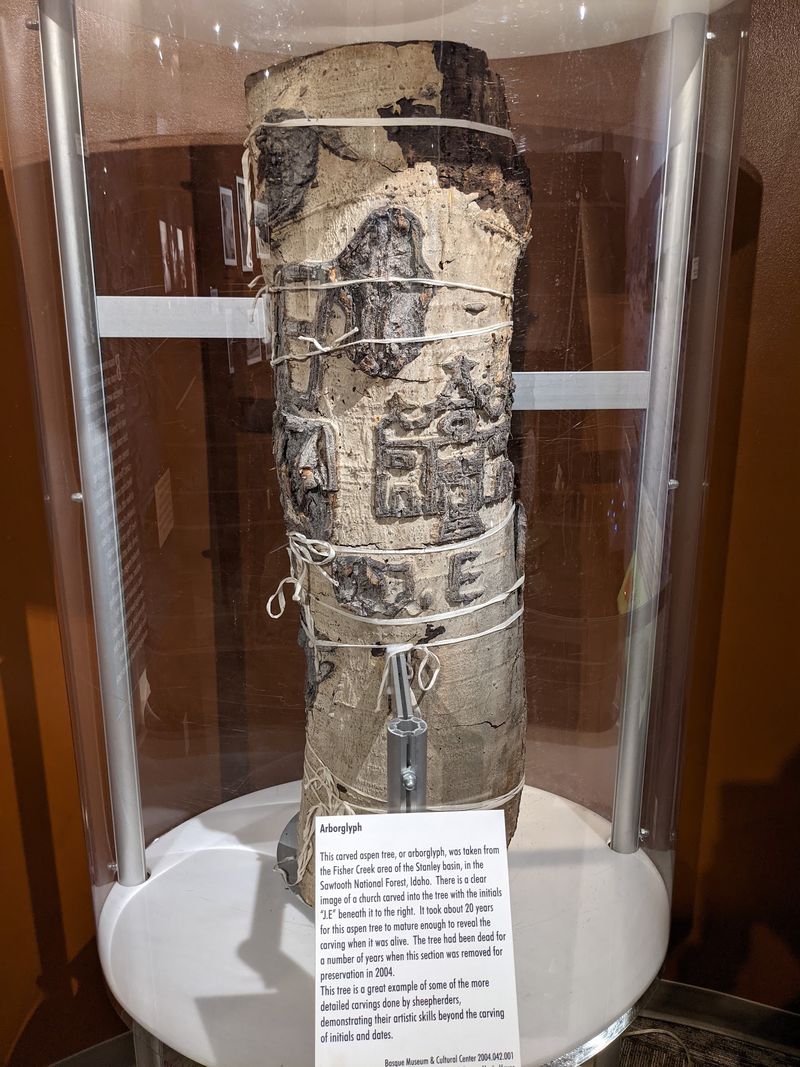
Long before anyone posted a status update, Basque herders carved theirs into aspen bark. These carvings are called arborglyphs.
The museum features examples of these unusual markings. Each one came from a herder spending long stretches alone with the sheep.
Aspen bark scars as it grows, so the carvings stayed readable for years. Names, dates, drawings, and short messages turned trees into a kind of slow mail.
Some carvings simply said, in effect, I was here. Others hinted at home villages, loneliness, or plain boredom on a quiet afternoon.
Seeing them indoors changes how you read a mountain trail. Idaho hikers sometimes pass old aspen groves without realizing those trunks once held conversations.
I can’t imagine a more personal artifact. These weren’t made for an audience or a museum, just for the moment.
That’s what makes them so affecting. They capture a voice that history books usually skip.
After seeing them, you may start checking every aspen you pass in the Sawtooths or Boise foothills. Fair warning, that habit tends to stick.
Next Door, A Boarding House Where Herders Felt At Home
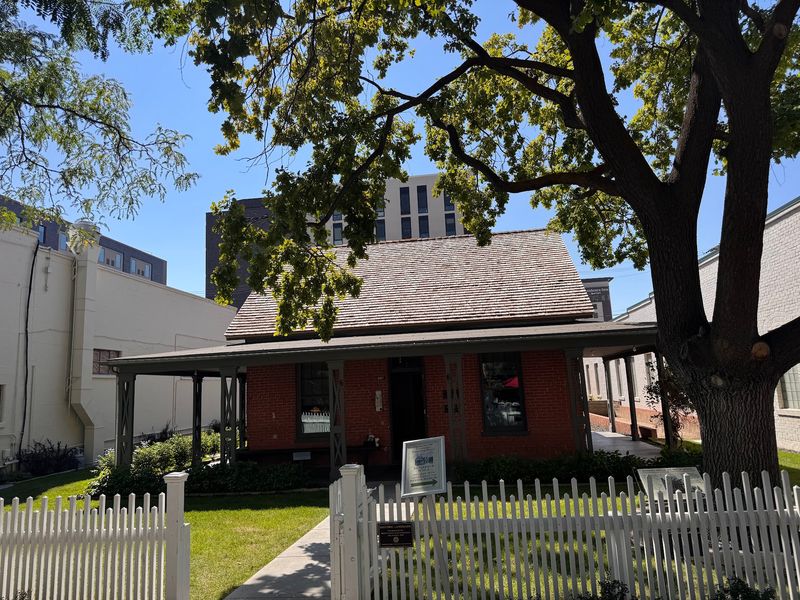
Every lonely herder needed somewhere to land. In Boise, one of those places stood right next to today’s museum.
The Cyrus Jacobs-Uberuaga House operated as a Basque boarding house from 1910 to 1965. Herders found lodging, meals, and company under its roof.
Boarding houses like this were called ostatuak. They worked as social and cultural centers for men who’d spent months out on the range.
Picture a winter break with your own language, your own food, and friends who understood the job. That was the payoff after all that solitude.
The museum itself began inside this house in 1985. It later expanded into the larger building next door.
Today the restored house is part of the museum complex. Tours are included with admission, though they depend on volunteer availability.
The house doesn’t rely on many signs, so the guides do the storytelling. That human touch fits a building that was always about people gathering.
Plan ahead, because the house tour may end earlier than the museum day. Arriving early gives you time for both without rushing.
Language Lessons, Preschoolers, And A Culture Still Very Alive
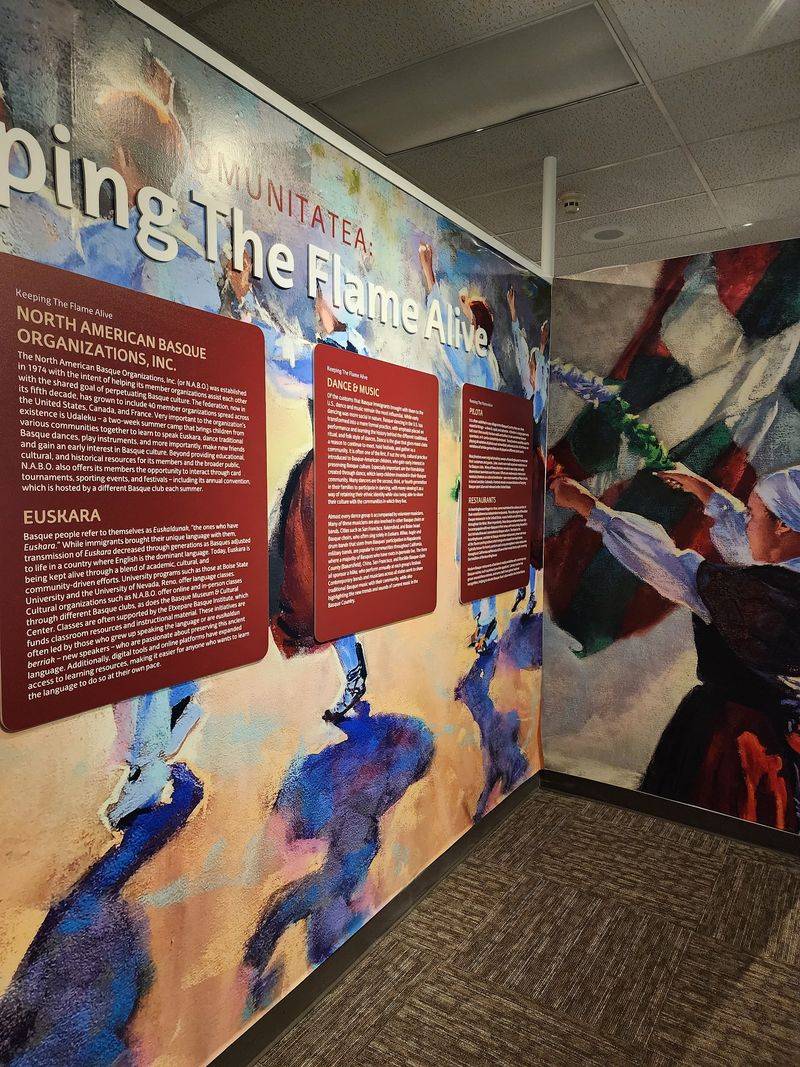
Euskara is one of Europe’s most unusual languages. It isn’t related to Spanish, French, or any neighboring tongue.
The center offers classes in Euskara for anyone ready for a challenge. Expect plenty of letters like x, z, and k doing heavy lifting.
Even more surprising is Boiseko Ikastola. It’s a Basque language immersion preschool hosted by the museum.
It’s also the only Basque immersion preschool outside the Basque Country. Little kids in Idaho are learning words their great-grandparents carried across the Atlantic.
That detail shifts the whole visit. The museum isn’t only about looking backward at sheepwagons and old photos.
A living community keeps the culture moving forward. Classes, events, and group tours all add to that energy.
The museum also supports the wider celebration of Basque life in Boise. Jaialdi, the big Basque festival, has drawn proud visitors from far beyond Idaho.
So you’re not visiting a time capsule. You’re stepping into a culture that still meets, speaks, dances, and teaches on this very block.
Plan Your Afternoon Around The Basque Block
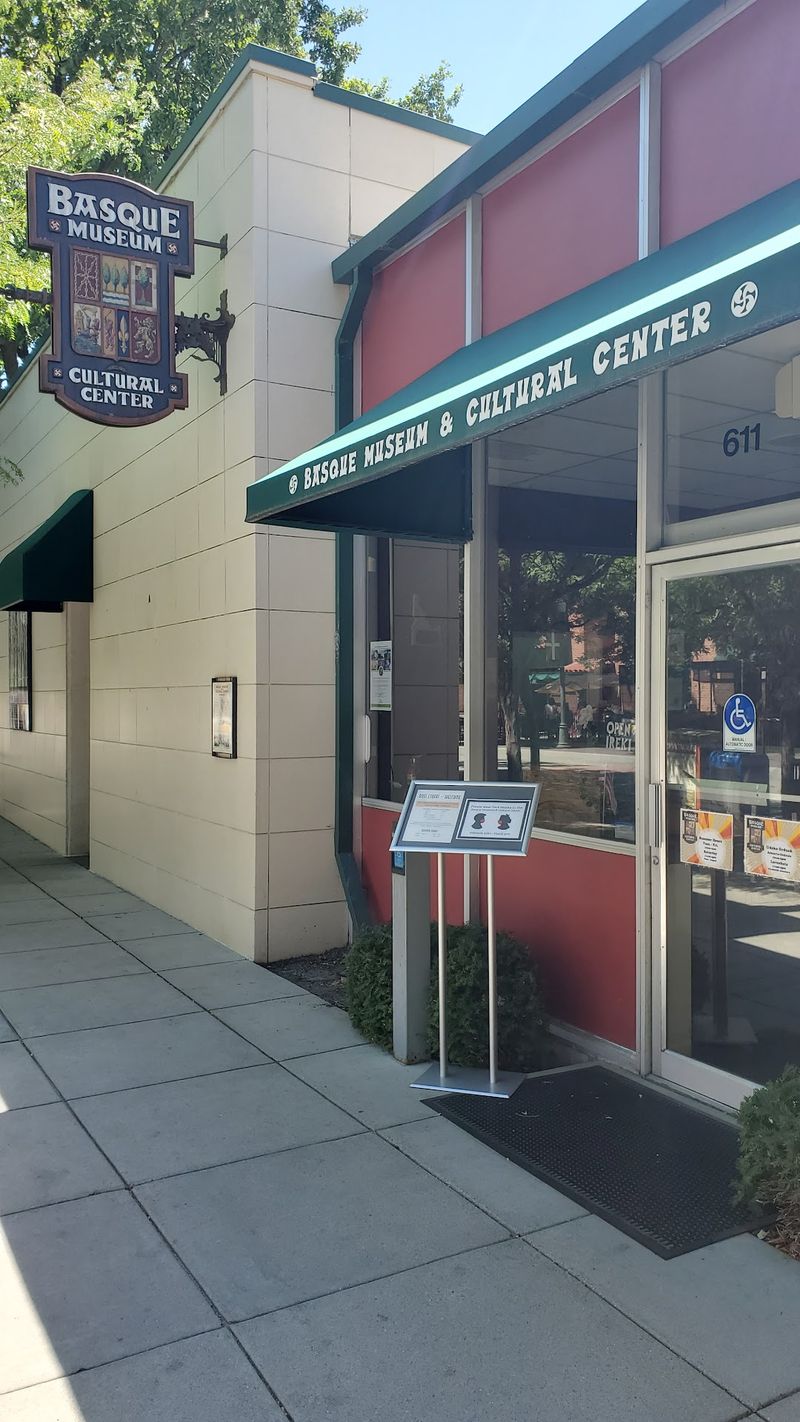
Good news for planners: the museum sits right in the middle of downtown. You’ll find it at 611 W Grove St, Boise, ID 83702.
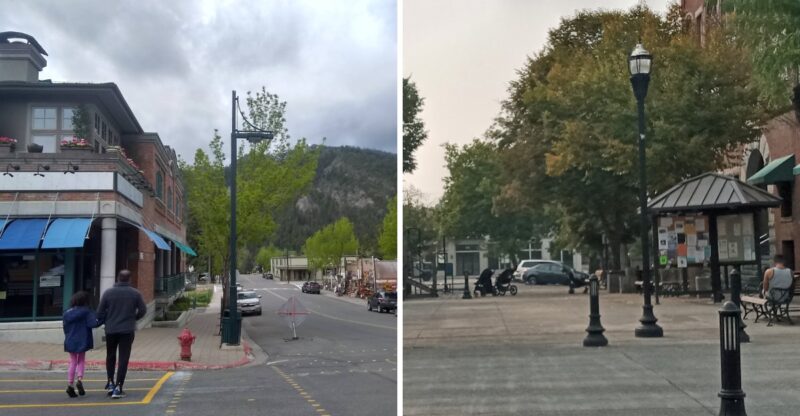
That address places you on the Basque Block. The street gathers Basque restaurants, cultural spaces, and plenty of character in one walkable stretch.
The museum opens Tuesday through Saturday, with shorter Saturday hours. It closes Sundays, Mondays, and holidays, so check before driving in.
Admission costs a few dollars. Your ticket also covers the boarding house next door when volunteers are available.
Most people need about an hour to see everything. Add extra time if the house tour is running or you love reading every panel.
A small museum store sells gifts with Basque flavor. It’s a fun stop for souvenirs you won’t find in a typical Idaho gift shop.
Can’t make the trip right away? A virtual tour covers the boarding house and the Basque Block in multiple languages.
Families with kids will find the space easy to manage. It’s compact, calm, and simple to pair with lunch nearby.
A Small Museum With A Story Bigger Than Its Walls
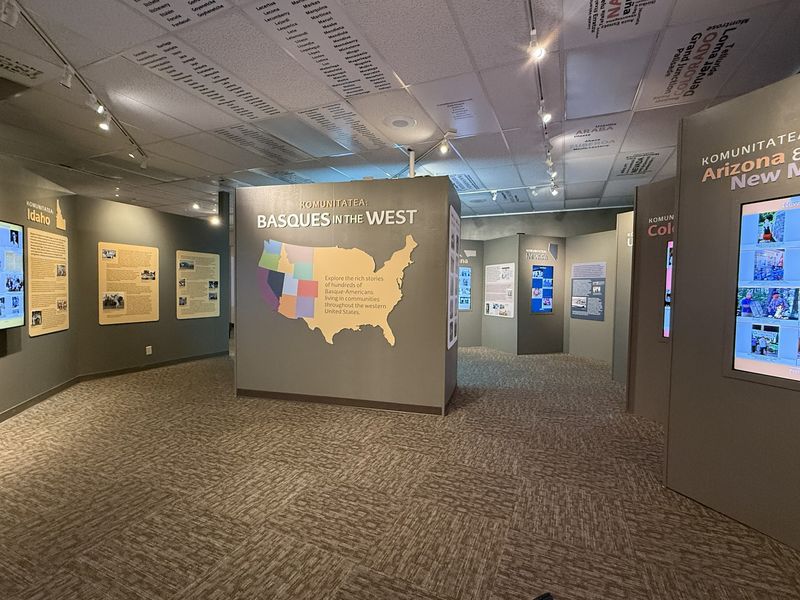
Some museums impress with size. The Basque Museum and Cultural Center impresses with heart.
Its rooms are modest, and the displays stay straightforward. Yet the story inside stretches from Europe’s mountains to Idaho’s open ranges.
You meet herders through their tools, their wagon, and their carvings. Then you meet their legacy through classrooms, festivals, and a preschool full of Euskara.
That arc feels rare. Few places in Idaho connect a hard past and a lively present so neatly.
I believe it suits almost anyone with an hour and some curiosity. History fans, families, and longtime Boise residents all get something out of it.
It also works beautifully as part of a downtown day. Pair it with a walk down the Basque Block, and the culture becomes something you can almost taste.
Idaho has plenty of big-name attractions. This one quietly explains part of who Idaho became.
Next time you drive past a sheep flock on a Snake River Plain highway, you may think of those wagons. And maybe of an aspen tree somewhere, still holding a herder’s name.