This Little-Known North Carolina Mountain Temple Was Built With 46 Tons Of Hand-Carved Indian Granite
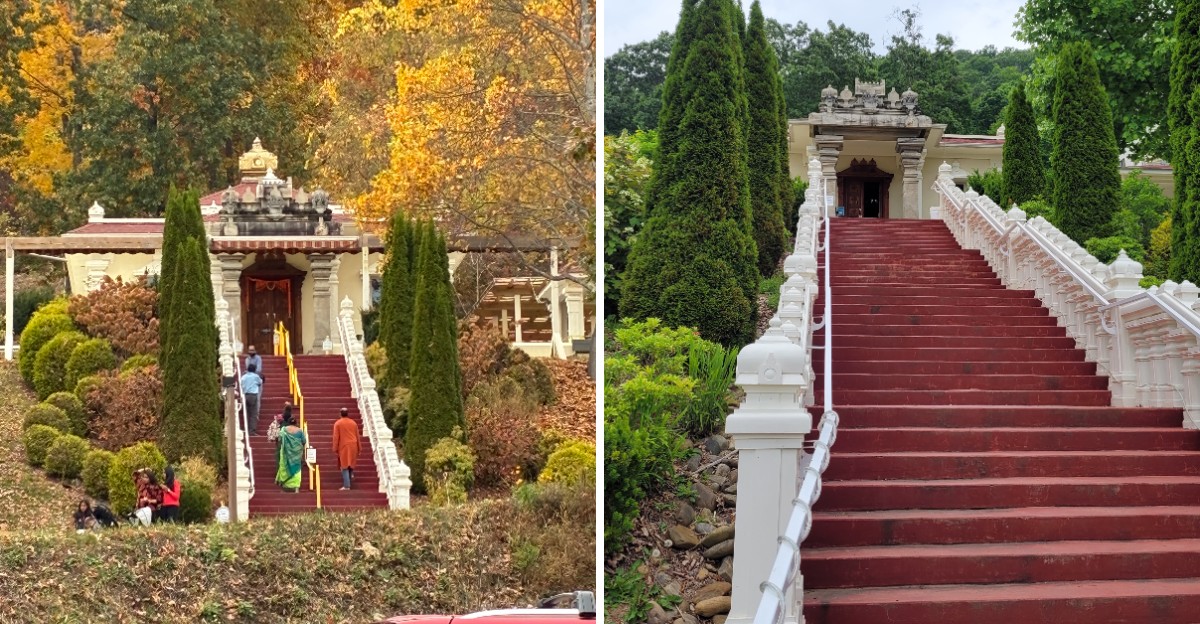
Forty-six tons of hand-carved granite crossed the world for this temple.
I honestly cannot get over that amount of stone.
Artisans in South India shaped the pieces before they were shipped to North Carolina.
The same craftsmen later came here to finish the work themselves.
That makes the temple feel far more personal to me than something assembled from ordinary materials.
Even the setting feels unexpected.
Ancient Indian building traditions rise against Blue Ridge scenery instead of a crowded city skyline.
A nearly 15-foot statue of Lord Hanuman adds another dramatic detail once you reach the grounds.
I would probably spend half the visit studying the stonework before remembering to look at the mountains.
Some places impress me with size.
This one does it with the journey behind every piece.
Forty-Six Tons Of Granite Made The Long Trip To These Mountains
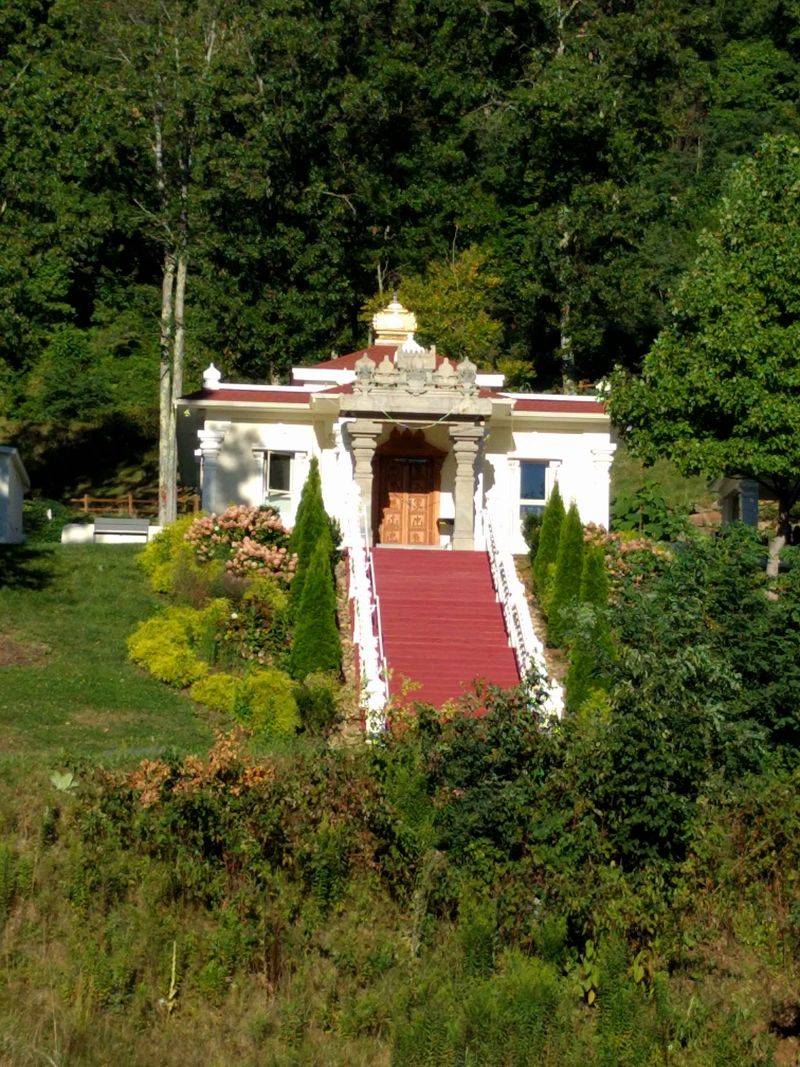
Granite usually stays put, but this batch crossed an ocean. Sri Somesvara Temple in western North Carolina was built with 46 tons of hand-carved granite imported from South India.
That stone became the temple’s deities, shrines, and detailed entryway.
The project moved fast once it started. Workers poured the foundation in July 2009.
After the 46 tons of partly finished granite carvings arrived from India in 2008, seven shilpis reached Mount Soma on October 12, 2010, to complete the intricate stonework and installation.
Then came the big moment. The temple was consecrated on May 16, 2011, after five days of sacred ceremonies.
That’s a quick finish for something carved almost entirely by hand.
I love that the stone itself carries the story. Each carving reflects hours of patient work by artisans trained in a very old tradition.
You aren’t just looking at a building here. You’re looking at craftsmanship that traveled thousands of miles to stand in the Blue Ridge.
When you visit, take a slow look at the carvings before heading inside. Notice how the details repeat and flow across the stone.
It’s a quiet reminder that some things still get made the slow way, and they look better for it.
Ancient Building Rules Shaped Every Inch Of The Design
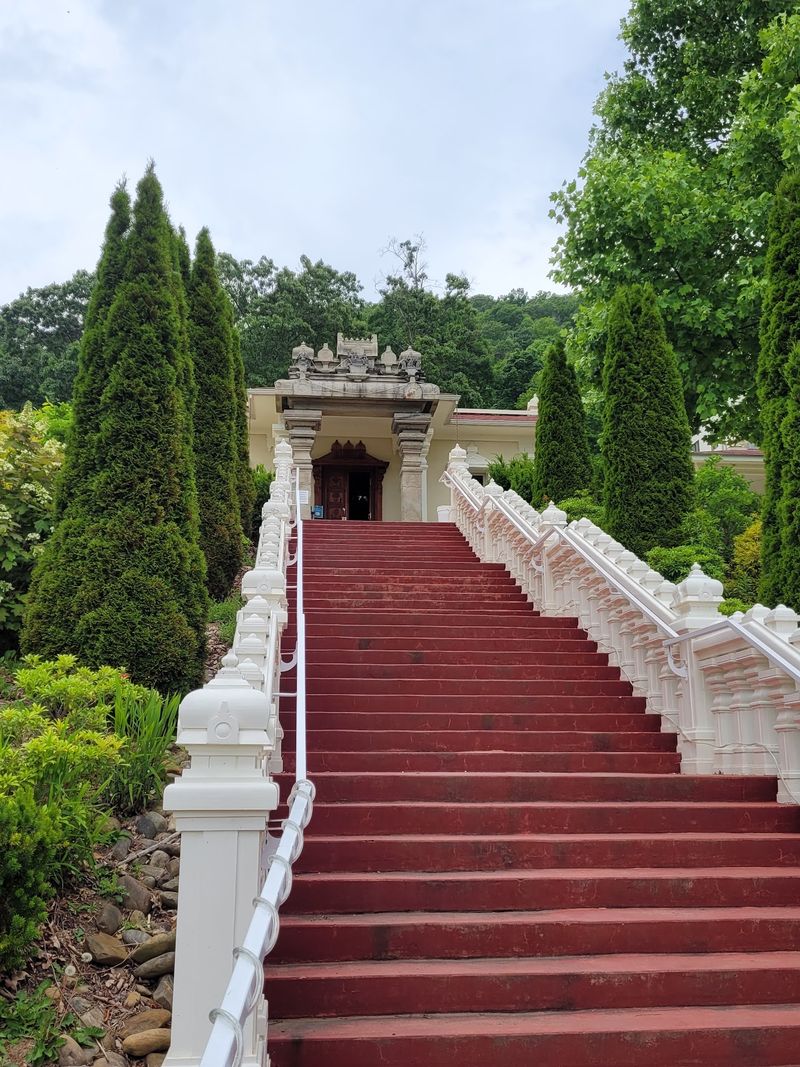
Most buildings follow modern codes. This one had to follow two sets of rules at once.
The temple is described as a 100 percent Vastu-designed Vedic temple, built on ancient architectural principles meant to promote harmony.
The design came from Sthapati S. Santhanakrishnan.
He studied directly under Dr. V. Ganapati Sthapati, a famous master temple builder from India.
American architect Michael Borden also contributed to the plans.
Funding came from Lyle and Marcia Bowes. Marcia also took on a giant job, coordinating construction so the temple met both Vastu design and American building standards.
I believe that might be the trickiest part of the whole story.
Think about it for a second. One rulebook is thousands of years old, and the other comes from a county permit office.
Somehow both got satisfied in the same structure.
The result is one of only a handful of authentic Vedic Vastu temples in America. The Kauai temple in Hawaii is another well-known example.
So when you see the Dravidian-style carvings at Sri Somesvara Temple, you’re seeing a rare kind of architecture for this country. That makes the drive feel even more worthwhile.
You’ll find all of this at 95 Mount Soma Blvd, Clyde, NC 28721. Clyde sits in Haywood County, west of Asheville.
The drive up is winding, so take it easy.
An Ivory Granite Linga Sits At The Very Heart Of It All
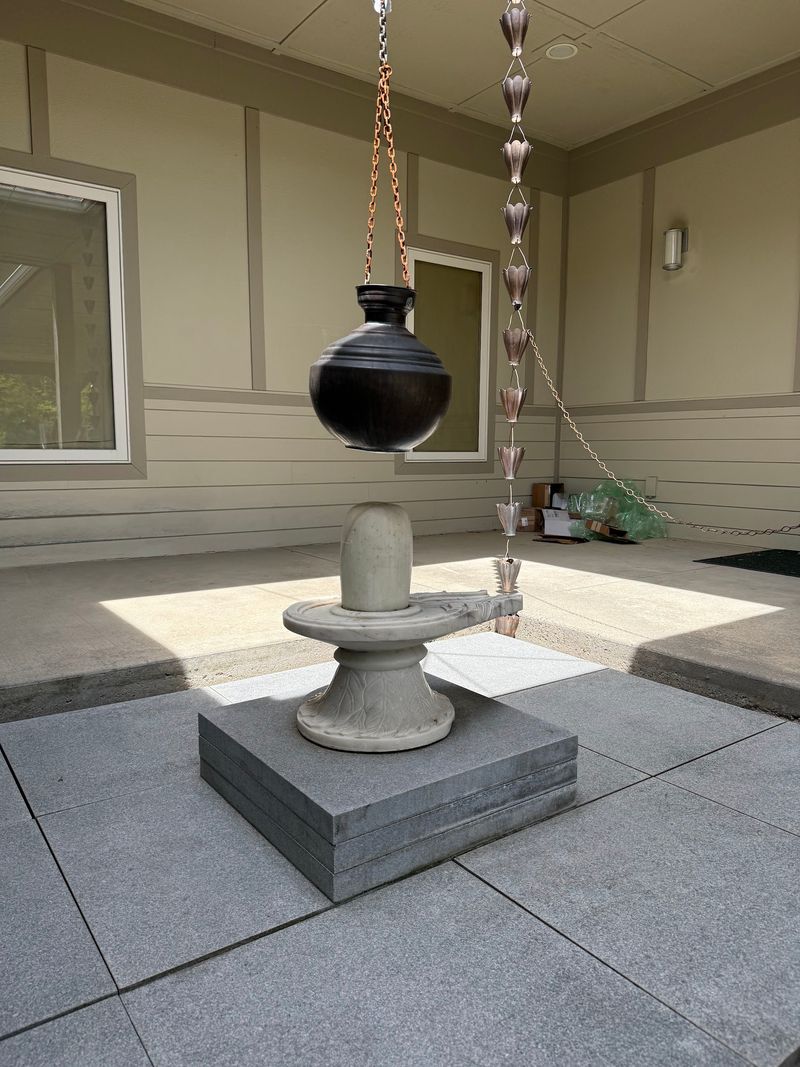
Lord Somesvara, a form of Shiva, is the main focus here. At the heart of the temple stands the sacred Shiva Linga, the central focus of worship dedicated to Lord Somesvara.
People travel long distances just to sit near it and experience the deep silence of the shrine.
The temple also honors other important deities. You’ll find Ganesh, Karthikeya, Uma or Parvathi, the Navagrahas, and Nagadevatha.
Each has its own place within the sacred space.
Inside, the temple is fairly small and simple. That’s part of the charm, honestly.
Nothing competes for your attention except the shrines and the quiet.
A few manners matter before you enter. A sign asks visitors to remove their shoes.
Photography and video aren’t allowed inside, so let your phone take a break.
I like that rule more than I expected. It nudges you to actually look around instead of framing the perfect shot.
Your memory can handle this one.
If you want to participate more deeply, the temple offers poojas and ceremonies that visitors can sponsor. Check the schedule before you go.
Even a short visit gives you a feel for why so many people call this mountain a sacred place.
Good Luck Missing A 20-Foot Hanuman Statue
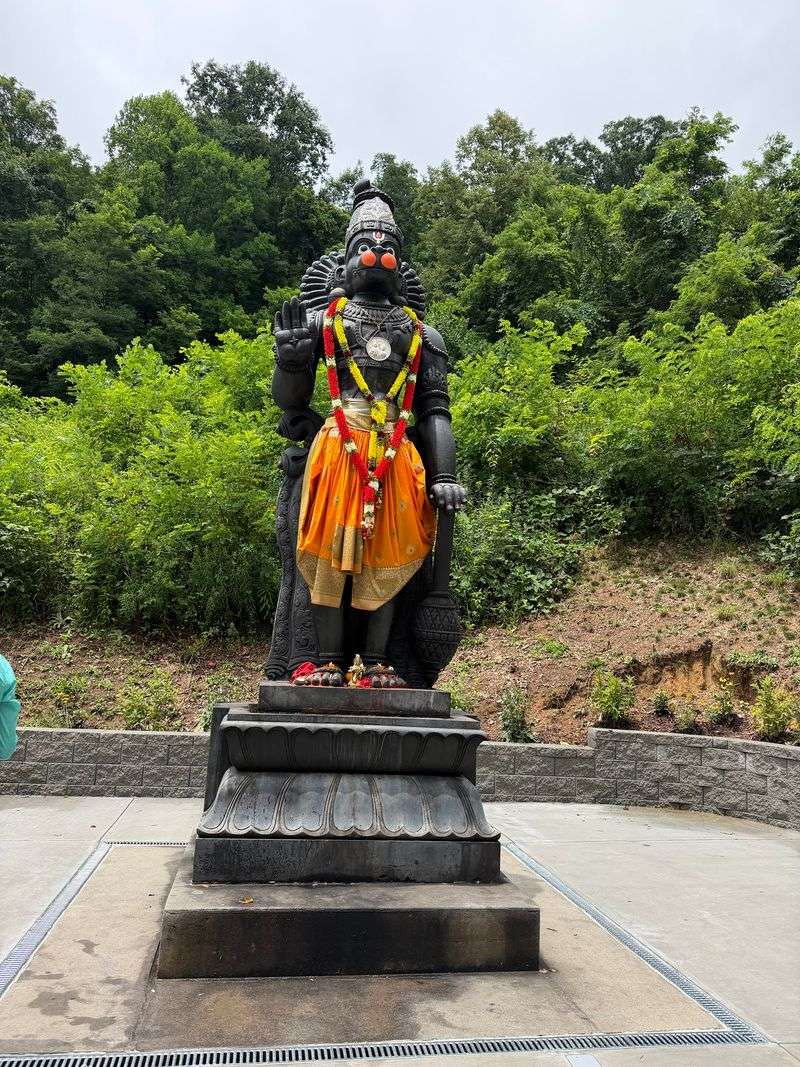
Some temple statues are easy to walk past. This is not one of them.
A short walk from Sri Somesvara Temple stands a striking black granite statue of Lord Hanuman, measuring 14 feet, 9 inches with its pedestal.
Hanuman is beloved in Hindu tradition for his strength, loyalty, and devotion. Seeing him this large, with the Blue Ridge Mountains as a backdrop, feels a little surreal.
It’s the kind of view that makes you tilt your head back and just stare.
Nearby, you’ll also find hand-carved black granite Navagrahas. These represent the nine planets in Vedic tradition.
Their dark stone makes a sharp contrast with the green trees around them.
Don’t skip the Nandi statue either. Nandi is the sacred bull who serves as Shiva’s companion and gatekeeper.
He’s a fitting guardian for a Shiva temple on a mountaintop.
The area around the Hanuman statue is part of Hanuman Park. That’s also a handy access point for anyone using a wheelchair.
Visitors who need step-free access or assistance with the temple’s stairs should contact the staff before arriving. They can confirm the most suitable route and current accessibility arrangements.
Walk Behind Nandi For A View Worth The Extra Steps
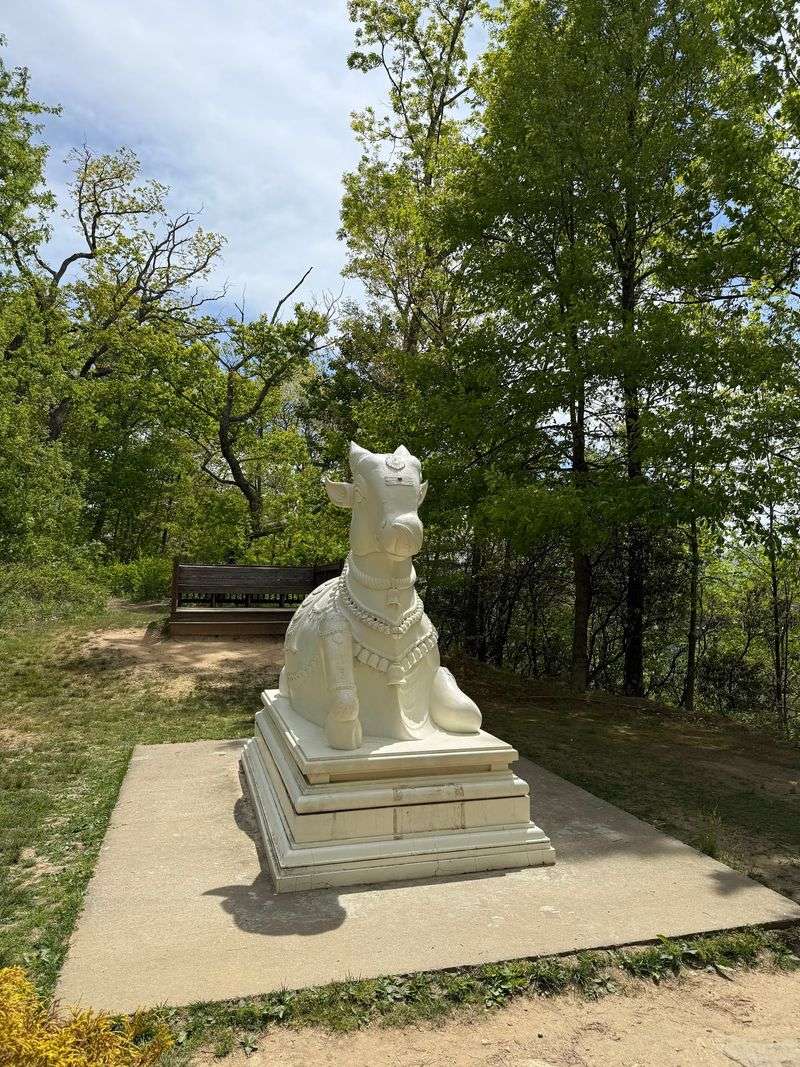
Behind the Nandi statue, a trail heads off toward something lovely. It leads to a sunrise lookout spot with wooden chairs and a wide mountain view.
Bring a little patience and maybe a jacket.
Sri Somesvara Temple sits above surrounding mountains and valleys. That high perch gives the whole place a peaceful, open feeling.
The lookout lets you soak it up without walls or crowds around you.
Many visitors bring their own food and treat the grounds like a quiet picnic spot. Mount Soma has designated picnic areas where visitors can enjoy food while respecting the temple’s peaceful surroundings
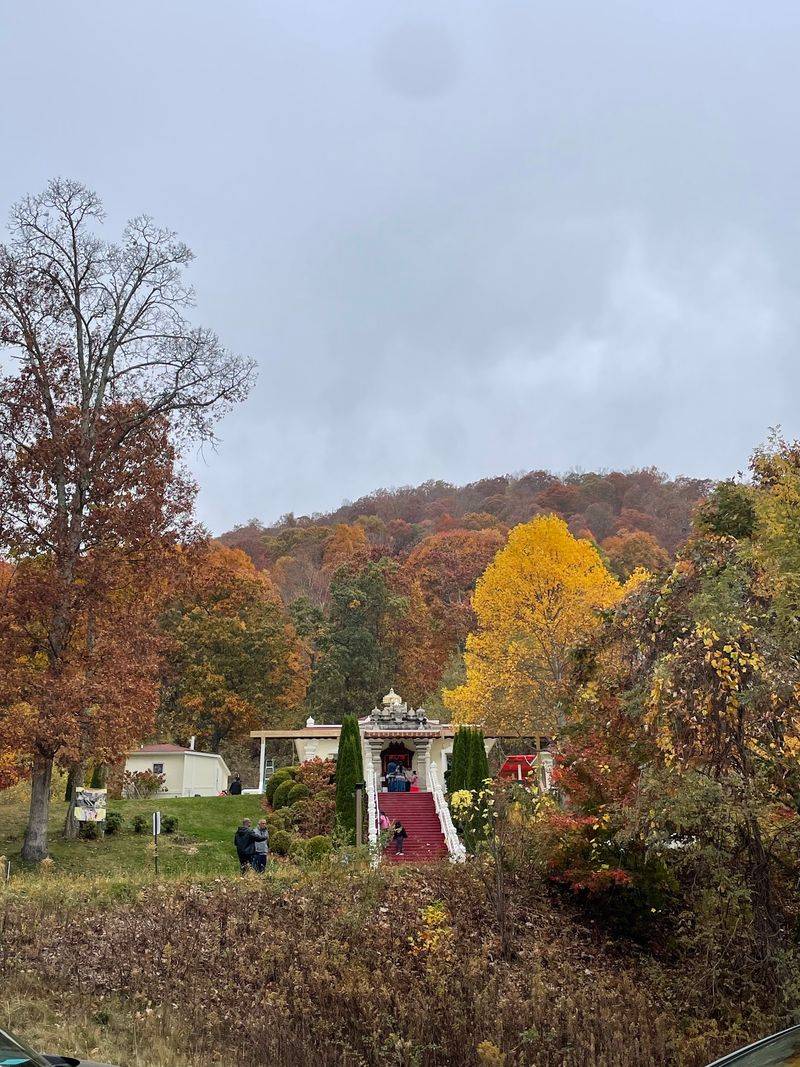
The fall colors here can be especially gorgeous. Late October into early November tends to bring the Blue Ridge’s warm reds and golds.
That’s prime time for this view, if your calendar allows it.
Small trails also loop around the temple area. They’re short, easy, and great for stretching your legs after the winding drive up.
I’d call them the perfect cool-down after a visit inside.
Wear comfortable shoes you can slip off easily. You’ll be removing them at the temple door anyway.
Your feet will thank you on the trail.
A Shiva Linga Gets A Nonstop Bath At Ganga Park
Flowing water does the ritual work at this spot. Down the road from the temple, Ganga Park features Shiva lingas set right in a small stream.
The moving water continuously bathes them, a bit like a never-ending abhishekam.
Getting there takes a short walk. The path runs a little over half a mile to the river area.
It’s a pleasant stroll through the woods, not a serious hike.
The setting feels calm and natural. You’ll hear running water and see the green Blue Ridge forest all around.
It’s a different mood from the stone temple above.
Mount Soma also includes Mahanandi Park and Hanuman Park. Together, these spaces turn a temple visit into a half-day outing.
Plan extra time if you want to see them all.
One kind request is worth sharing. Please keep Ganga Park tidy and avoid leaving idols or other items behind.
The beauty of this place depends on the stream staying clear and natural.
Bring water and good walking shoes. The trip back up is the same distance, just with a slightly different attitude about hills.
The Temple Anchors A Whole 448-Acre Mountain Community
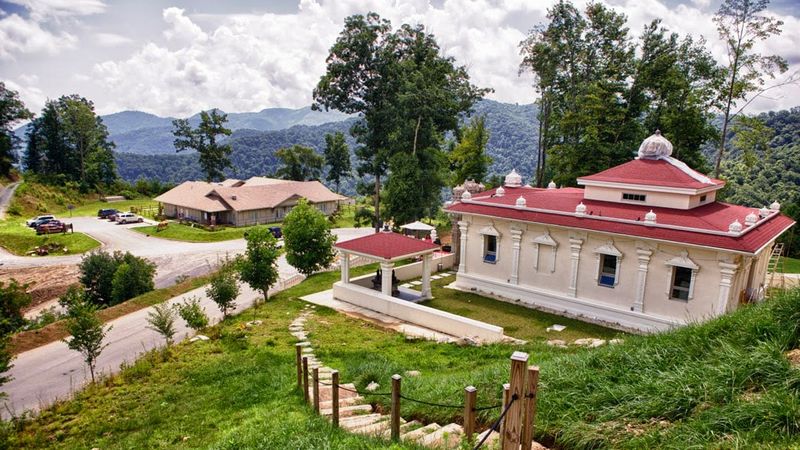
Sri Somesvara Temple doesn’t stand alone. It’s the spiritual heart of Mount Soma, a 448-acre Vedic community in the Blue Ridge Mountains of North Carolina.
Some fans call this spot the Mount Kailash of the West.
That nickname points to the sacred Himalayan peak linked to Lord Shiva. It’s a big comparison.
Still, a mountaintop Shiva temple in the Smokies region makes the idea feel earned.
The community’s vision is ambitious. Its goal is to help humanity evolve by blending ancient spiritual wisdom with modern life.
Over time, organizers hope it grows into an enlightened city and a global spiritual destination.
Several facilities support that mission. There’s a visitor center and a meditation hall for quiet contemplation.
A Yagya Shala hosts havans, which are traditional fire ceremonies.
One heads-up from the community itself: GPS can get confused in these mountains. Double-check your route before you lose cell service.
Getting lost is scenic, but still annoying.
Stay The Night And Breakfast Comes To You
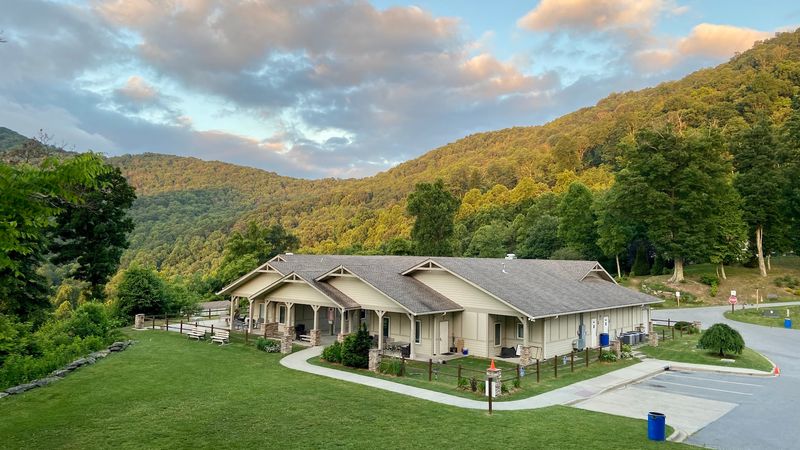
Day trips are great, but Mount Soma also lets you linger. Overnight lodging ranges from cottage floors with private baths to simple ashram-style dormitory rooms.
Pick cozy privacy or a no-frills retreat vibe.
Food is part of the stay too. Soma’s Kitchen serves weekend breakfast, which is complimentary for overnight guests.
It also offers lunch on Saturdays and Sundays.
Weekday mornings work a little differently. Breakfast is placed in your accommodation the night before.
That’s one less thing to think about before your morning meditation.
The canteen isn’t always open, so plan ahead. If you’re driving in from far away, packing a lunch is a smart backup.
Plenty of visitors eat outdoors and turn it into a mountain picnic.
A couple of booking rules are worth knowing. Same-day reservations aren’t possible.
Cancellations earn a credit toward a future stay or puja sponsorship instead of a refund.
I like the idea of waking up here before day visitors arrive. Early light over the Blue Ridge sounds like the right start for a slow, thoughtful day.
Just book a few days ahead.
Time Your Visit Around The Midday Break And Evening Aarathi
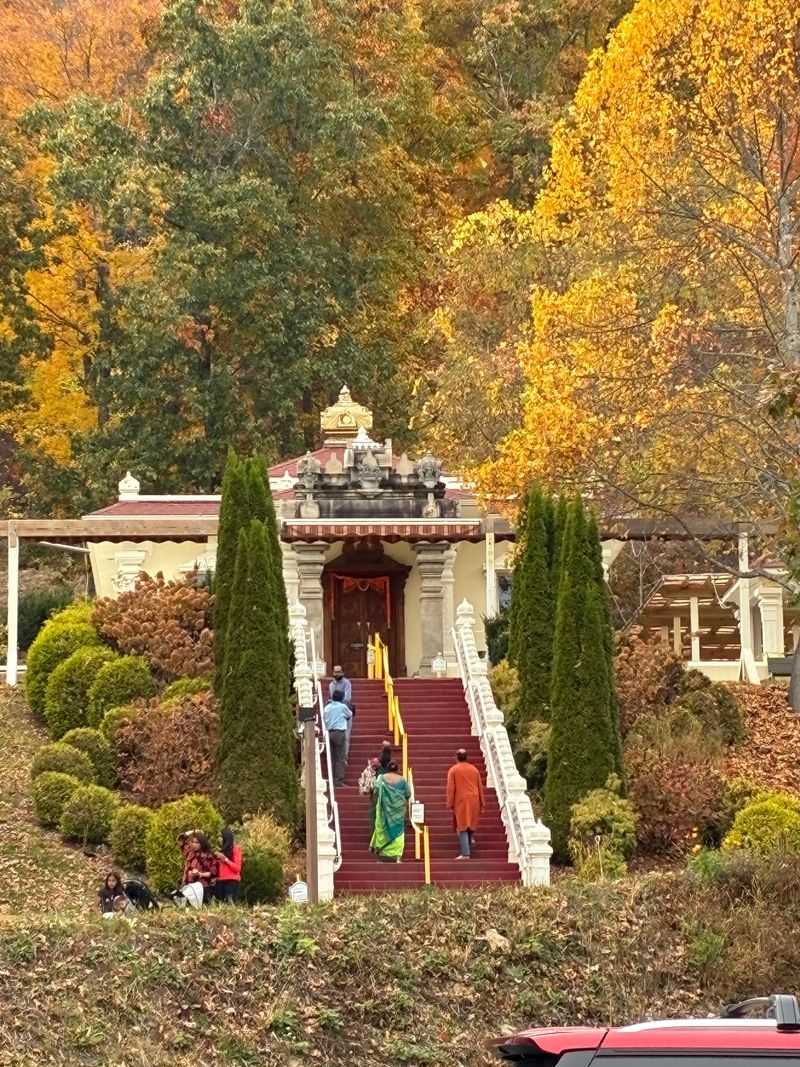
Timing matters here more than at most attractions. Sri Somesvara Temple opens to visitors daily at 10 AM and welcomes guests until 1:30 PM, when it closes for its midday break.
That midday gap catches people off guard. Use it to explore the trails, visit Ganga Park, or enjoy a picnic.
The break can actually make your day feel more relaxed.
Evening brings Aarathi, a ceremony of light currently scheduled for 5:30 PM. The temple generally closes at 6 PM, although festival schedules may differ.
Watching lamps glow against the mountain dusk sounds like a lovely way to end the day.
Visitors can choose a quick general darshan or a longer Rudrabhishekam. The longer option means sitting with a group for a full pooja.
Pick based on how much time you have.
Weekends and holidays tend to bring more visitors. Parking can also tighten up during Shravan month, especially on Mondays.
Arrive early if you’re coming then.
Schedules can shift during festivals and special events. Check the temple’s official schedule before heading out.
A North Carolina mountain drive is beautiful, but nobody wants to arrive during a closed gate.