The 10 Best Suburbs Near Madison, Wisconsin For An Affordable Retirement
One town on this list gets its weather forecast from a groundhog, and another claims the humble coffee break was born on its streets.
Retirement planning just got a lot more fun. Both towns sit within a short drive of Madison, Wisconsin.
That means you can keep big-city hospitals, concerts, and Badger games without paying big-city prices for housing.
Now flip the lens to daily life. Several of these communities run senior centers with lunch programs, rides to appointments, and card groups that take euchre very seriously.
Some even lend out walkers and shower chairs, which beats buying gear you’ll only use for two weeks.
Which camp are you joining? Team Groundhog and Team Coffee Break both promise a retirement where your budget gets to relax, too.
1. Stoughton
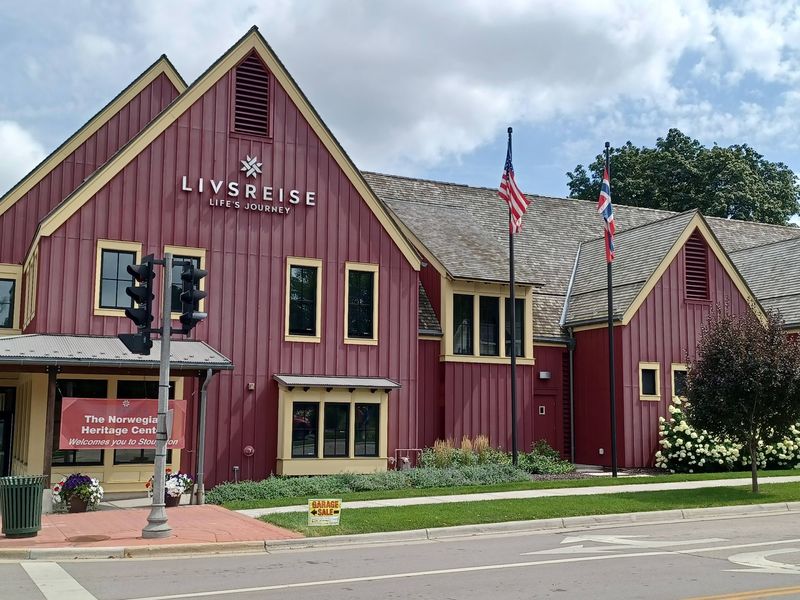
Few towns throw a birthday party for another country, but this one does it with parades and folk dancing. Stoughton celebrates Syttende Mai, Norway’s Constitution Day, each May with serious Norwegian pride.
That heritage shows up downtown, too. Main Street is home to the Stoughton Opera House, a restored 1901 theater that still hosts concerts and performances.
Its intimate auditorium is a fine reason to spend an evening close to home. Coffee lovers, this next part is for you.
Stoughton claims a role in creating the American coffee break, linking the tradition to Norwegian immigrant workers who negotiated time for coffee and family errands. It’s a local origin story, rather than a universally established first.
Now for the practical details. Beside the Yahara River, the Stoughton Area Senior Center serves adults 55 and older from 248 W. Main St.
Its programs include exercise, social activities, nutrition, case management, transportation assistance, and an equipment loan closet, with some services restricted by residency.
Yahara Senior News keeps its calendar accessible, while the riverside location makes a pleasant setting for a short walk after an activity.
Among these Wisconsin communities, Stoughton is one of the more approachable housing markets, although home condition and taxes still matter.
Roughly 15 miles southeast of Madison, it gives you a distinct historic downtown without putting metropolitan healthcare far out of reach.
2. Sun Prairie
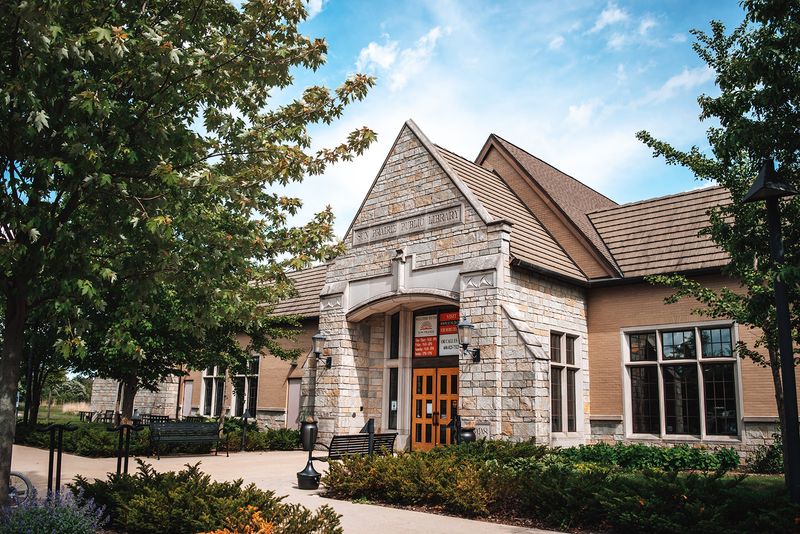
Not many cities trust a rodent with the weather. Sun Prairie calls itself the Groundhog Capital of the World, and its famous groundhog, Jimmy, makes a spring prediction each February 2.
The tradition stretches back to the 1940s, giving winter an unusually entertaining moment in Cannery Square.
Painter Georgia O’Keeffe was also born on a farm in the Sun Prairie area in 1887, another claim to fame that has nothing to do with forecasting.
Retirees have a substantial local resource at the Colonial Club Senior Activity Center, 301 Blankenheim Lane.
Established in 1970, it serves older adults across northeastern Dane County through case management, supportive home care, caregiver respite, and an adult day program.
Midday meals, home delivery for eligible residents, educational classes, outings, and card games create chances to connect.
The Senior MEDS program offers medication education, while support groups provide a gathering place for caregivers and people managing ongoing health needs. Availability and eligibility vary by service.
For everyday outings, the historic downtown has shops, cafés, and walking routes. Madison’s northeastern neighborhoods and medical facilities are within reach by road.
Housing deserves a realistic calculation. Sun Prairie has grown rapidly, and asking prices can exceed Madison’s, especially in newer developments.
Its real appeal is the combination of city conveniences, a well-established older-adult network, and a groundhog that insists on having the last word about winter.
3. Fitchburg
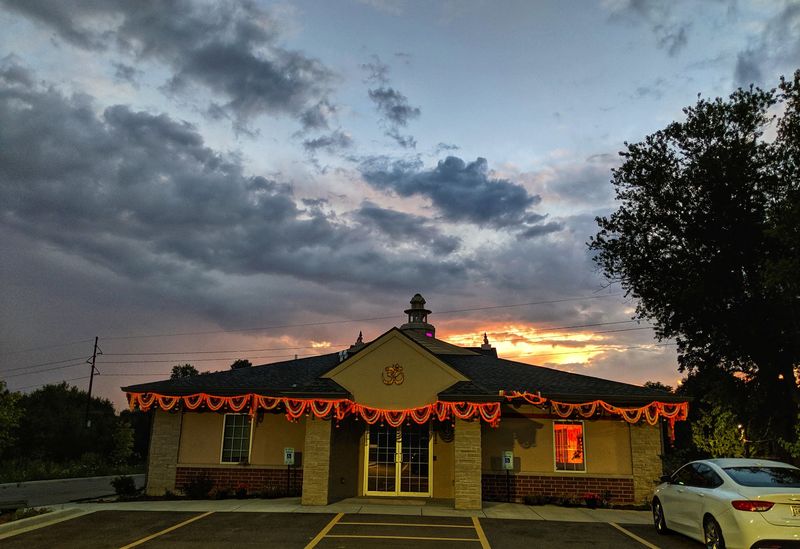
Here’s a suburb that can’t quite decide between city and countryside, and that’s the fun of it. Fitchburg shares its northern edge with Madison, yet farmland still stretches across its southern side.
That split personality works well for retirees who enjoy convenient shopping and a little open space.
The paved Capital City State Trail winds through the area, connecting to paths around Madison and nearby parks. Cyclists on designated state-trail sections may need a trail pass, while walkers can enjoy the same scenery at their own pace.
The Fitchburg Senior Center at 5510 Lacy Road goes well beyond a calendar of games. Its services include midday and home-delivered meals, case management, transportation coordination, social activities, and educational programs.
Medical rides may be arranged through volunteer drivers, subject to availability and advance scheduling.
Some days feature art or movement classes; others bring lectures or technology help. That variety gives older adults opportunities to build a routine around interests rather than appointments alone.
Housing ranges from condominiums and established neighborhoods to newer homes. Fitchburg’s typical values and listing prices are often higher than Madison’s, so affordability depends heavily on property type and location.
For a retirement that keeps you close to the capital’s specialist care, the practical advantage is location. You can enjoy a prairie walk in the afternoon and still have urban services nearby when you need them.
4. Middleton
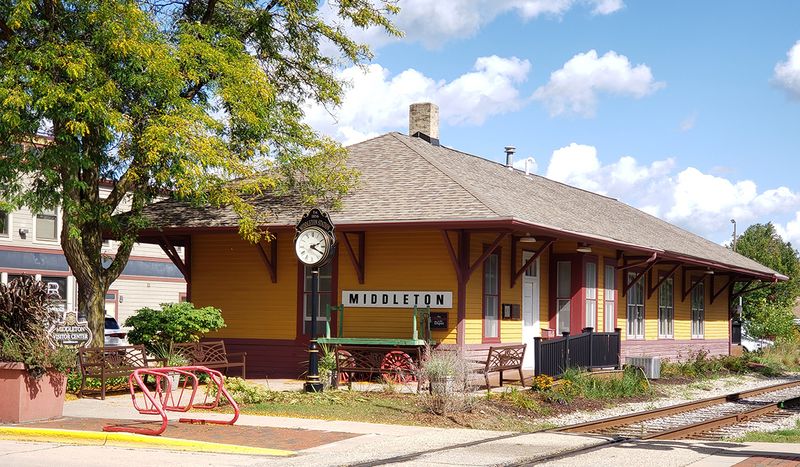
Got a favorite condiment? Middleton is home to the National Mustard Museum, which shows off thousands of mustards from around the world.
Yes, a whole museum about mustard. Its displays on Hubbard Avenue hold more than 6,000 examples, and admission is free.
That is an entertaining outing for visiting relatives, especially those who insist that every condiment tastes the same.
The town has earned bigger praise, too. Money magazine named Middleton America’s Best Place to Live in 2007. Its walkable downtown, shops, cafés, and neighborhood parks help explain the appeal.
Nature lovers can explore Pheasant Branch Conservancy, with prairie, wetlands, wooded sections, and natural springs.
Some access points have been affected by 2026 construction around Century Avenue, making posted detours worth checking before a walk.
The Middleton Senior Center, at 7448 Hubbard Avenue, offers opportunities for adults 55 and older. Watercolor classes, writing groups, book clubs, musical programs, and travel activities provide a surprisingly full social calendar.
Now the budget reality: Middleton is among the pricier Madison-area suburbs. Recent housing data places its typical home values comfortably above the city’s, and even smaller properties deserve careful comparison.
The advantages are the amenities, established neighborhoods, and proximity to west-side healthcare, not a promise of inexpensive housing.
If walkability and culture rank high on your retirement checklist, Middleton makes its case without needing another trophy.
5. McFarland
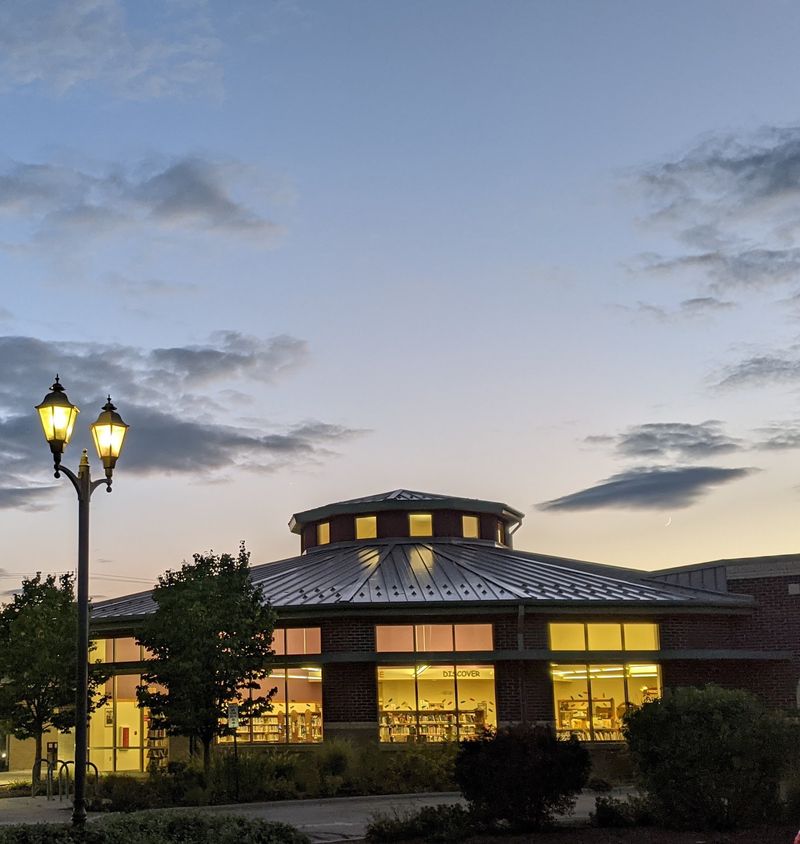
Lake views tend to come with a big price tag, but McFarland offers something even people without waterfront property can enjoy. The village borders Lake Waubesa, just southeast of Madison.
Walkers and cyclists get a special bonus. The Lower Yahara River Trail runs between McFarland and Madison, crossing the water on a nearly mile-long boardwalk.
It’s a memorable place to watch birds or admire the marshes, and McDaniel Park gives you access to the route.
Behind the scenery sits a practical support system. McFarland Senior Outreach Services operates from 5915 Milwaukee Street, serving residents 60 and older in the village and several surrounding communities.
Case management, meal programs, wellness activities, and social gatherings are part of its work.
Its equipment loan closet includes walkers, wheelchairs, shower chairs, and other useful items for eligible borrowers.
Home-delivered meals and other assistance have specific service-area requirements, so residents should ask which programs apply to their address.
McFarland’s housing choices include established streets and lakefront properties, with considerable differences between them. Waterfront homes can carry substantial ongoing expenses, even when everyday village life feels modest.
For someone seeking a Wisconsin community with nature right on the doorstep, McFarland’s strongest advantage is shared access to the lake.
Nearby public parks add picnic spots and views across the water in every season. You can enjoy that spectacular boardwalk without maintaining a private dock.
6. Verona
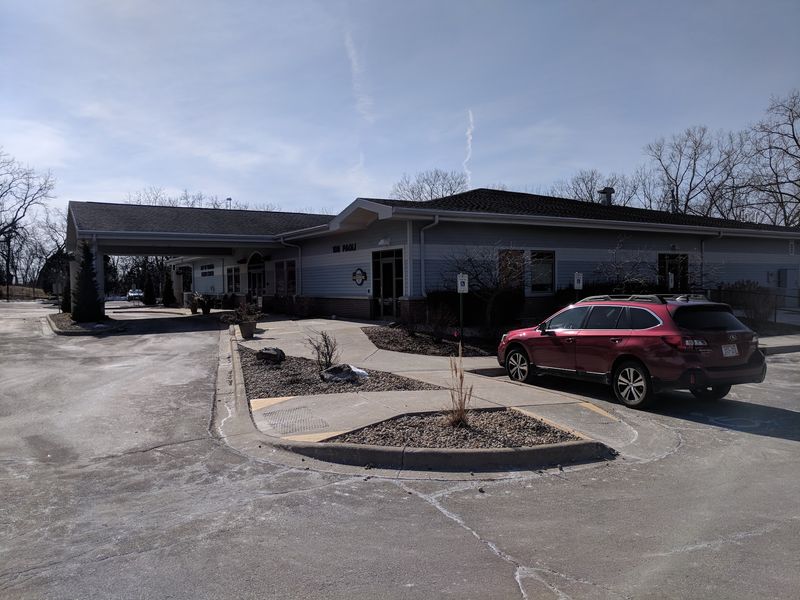
Some towns pick a modest slogan, and Verona went straight for Hometown USA. That’s a bold title for a city just southwest of Madison.
The area has grown alongside major employers, including the expansive Epic Systems campus.
Development has brought shopping and services, though it has also pushed many housing choices toward the higher end of the regional market.
The Verona Senior Center serves adults 55 and older from 108 Paoli Street. The center provides exercise programs, activities, volunteer opportunities, case management, and nutrition services.
Home-delivered meals are available to qualifying residents, while transportation options can help older adults reach local destinations and some medical appointments.
Its newsletter, The Chronicle, makes it easier to follow classes and events without having to guess what’s happening this week.
A visit to the center can be as social as a group exercise session or as practical as a conversation about accessible equipment.
Outdoor time is another bonus. The 40-mile Military Ridge State Trail runs through the area toward Dodgeville.
Construction near Verona has created a marked detour on part of the route, with work projected into 2027, so check your route before setting off.
A smaller condo or older home may offer a different financial picture than a new subdivision. Verona suits retirees prioritizing services, trails, and nearby healthcare over rock-bottom housing costs.
7. Oregon
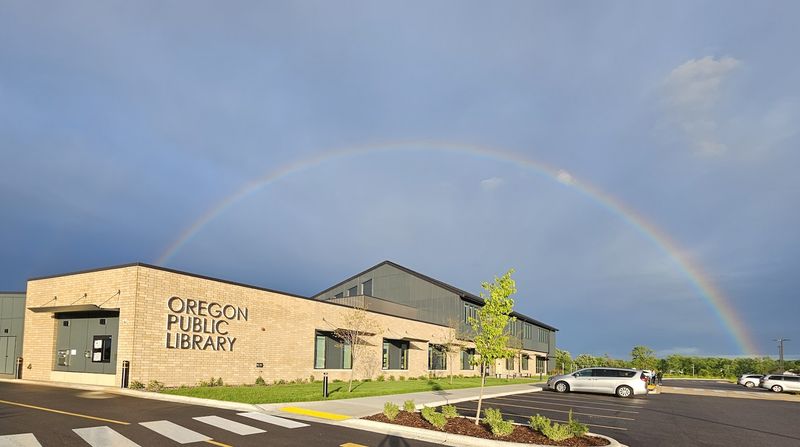
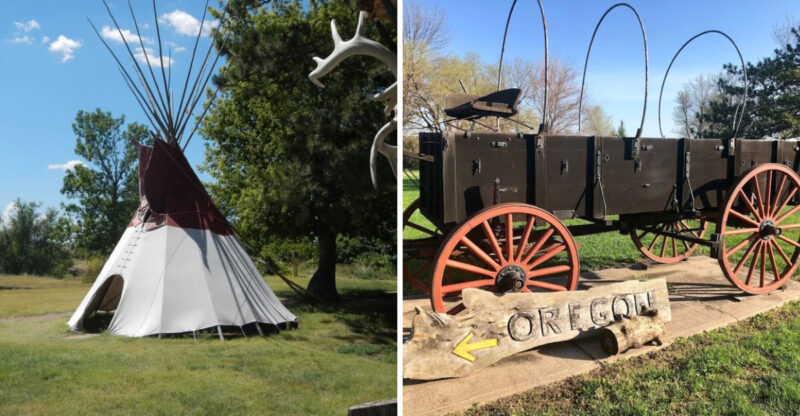
No passport or covered wagon required. This Oregon sits roughly 10 miles south of Madison, right here in Wisconsin.
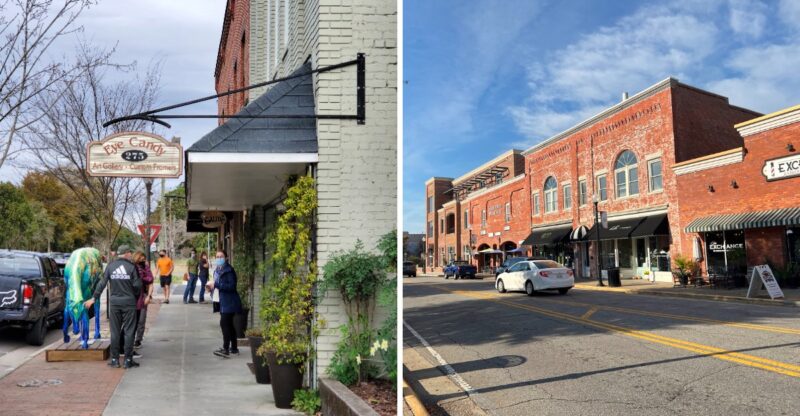
It’s a village with a relaxed pace and convenient access to the capital. The downtown features local shops and cafés, with parks and residential streets giving the community a quieter feel than the city to its north.
The Oregon Area Senior Center, at 219 Park Street, is an especially practical local resource.
It provides outreach, case management, home-delivered meals, transportation help for medical appointments, and guidance on Medicare and other benefits to eligible residents in its service area.
Need a walker for a few weeks after surgery? The equipment loan closet includes walkers, wheelchairs, shower chairs, and other temporary aids. That can be more useful than a dozen brochures about aging well.
The center also operates C.L.U.B., a licensed adult day program held several mornings each week, with social activities, movement, music, and meals. Transportation may be available depending on service area and scheduling.
Housing costs here have generally been above Madison’s, especially for newer houses, so a retirement budget needs a property-by-property comparison. Downsizing can help, but it isn’t an automatic bargain.
Oregon’s appeal is the combination of a village atmosphere and organized everyday support. Even when you don’t need assistance, having those resources nearby adds reassurance for the years ahead.
8. Waunakee
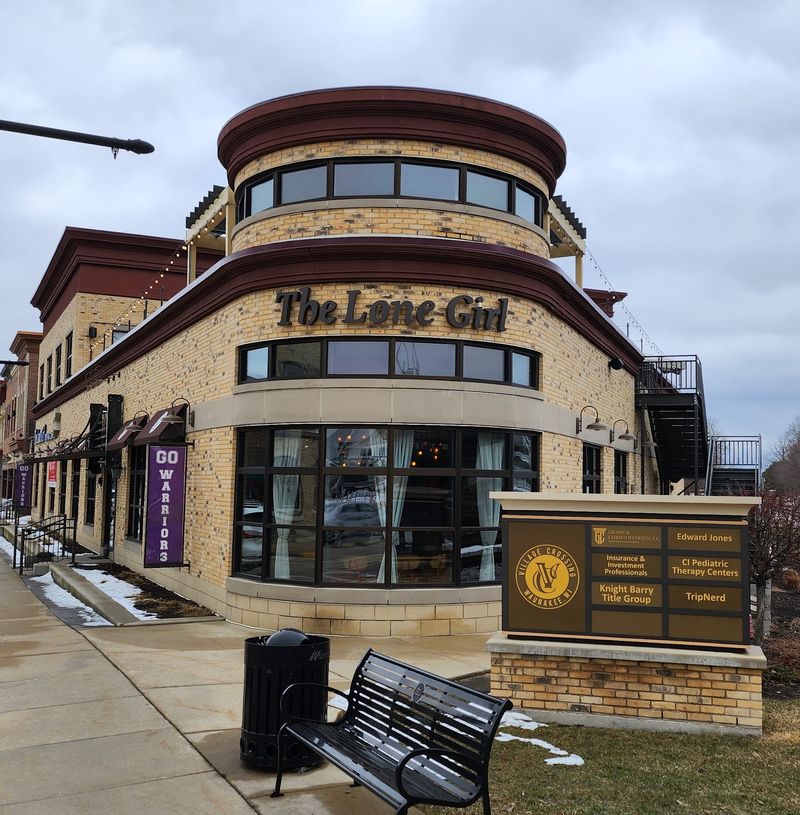
Talk about confidence. Waunakee’s slogan is The Only Waunakee in the World, and so far, nobody has proven it wrong.
The village sits north of Lake Mendota, near Madison’s northern neighborhoods. Local parks, a library, and a growing business district give it more going on than that playful slogan might suggest.
Retirees will want to know about the Waunakee Senior Center, which operates from the Village Center at 333 S. Madison Street.
Its case managers connect qualifying older adults with information on housing, home support, meal services, and transportation.
The center provides congregate lunches and home-delivered meals for eligible residents, along with an equipment loan closet.
Social activities, recreational programs, and volunteer opportunities round out the calendar. Silver Notes, the monthly newsletter, brings schedules and meal menus together.
It’s worth understanding the service boundaries: some activities welcome anyone 55 and older, while case management, rides, and home-delivered meals have age or residency requirements.
One financial detail deserves attention. Waunakee is among the more expensive communities around the capital, with typical housing values and current asking prices above Madison’s.
The appeal lies in the local services and amenities, rather than a low-cost promise. That distinction matters.
For a retiree who puts community involvement high on the list, Waunakee offers plenty of ways to stay connected throughout the year, even on an ordinary weekday.
9. DeForest
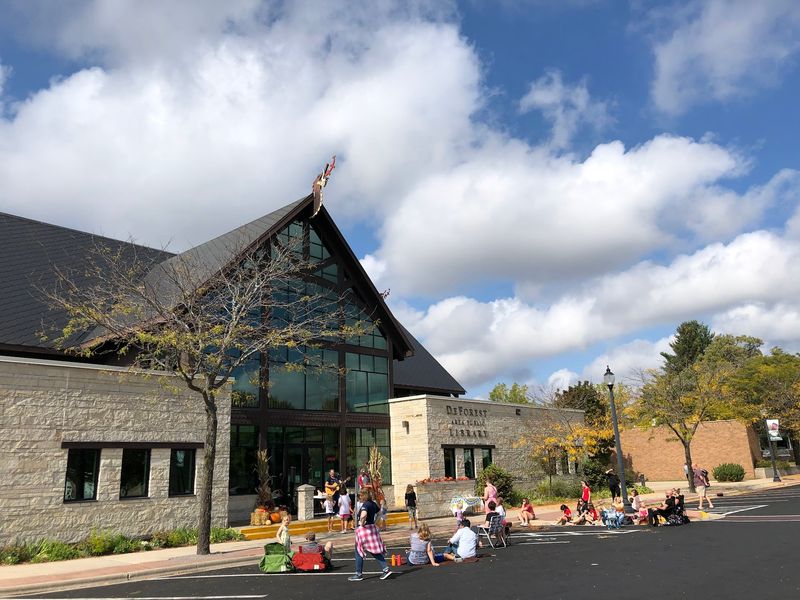
Road trippers know DeForest as a highway town, but retirees might see it differently. The village sits just north of Madison, near Interstate 39/90/94.
That location makes regional appointments, family visits, and trips to the capital comparatively straightforward.
Closer to home, the Yahara River corridor provides green space and pleasant places to walk, away from the main roads.
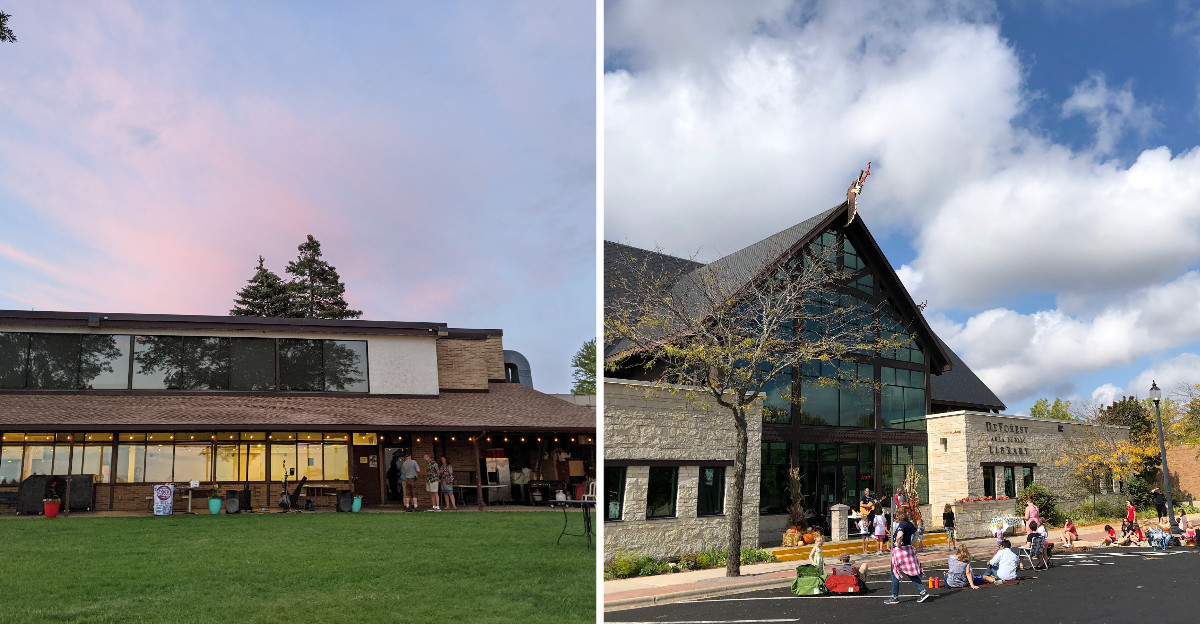
Community life has a useful gathering place at the Cornerstone Community Center, 505 N. Main Street.
Serving DeForest, Windsor, and Vienna, it offers older adults social and educational programs, volunteer opportunities, and events designed to encourage independence.
Recent activities have included music performances, crafting, and presentations on everyday subjects. The DeForest Area Public Library adds reading programs and a welcoming indoor destination when the weather turns chilly.
For those thinking about changing care needs, the community also has assisted-living options. Availability, staffing, and individual services are best compared directly rather than assumed to be identical across facilities.
The housing market is mixed: some established homes can be more attainable than properties in the western suburbs, while newer construction may cost considerably more.
Monthly xpenses deserve as much attention as the initial purchase.
DeForest is best suited to people who value highway access, familiar neighborhoods, and places to meet others. Not every retirement pleasure needs an elaborate itinerary; sometimes a good library and an easy park walk do the job.
10. Monona
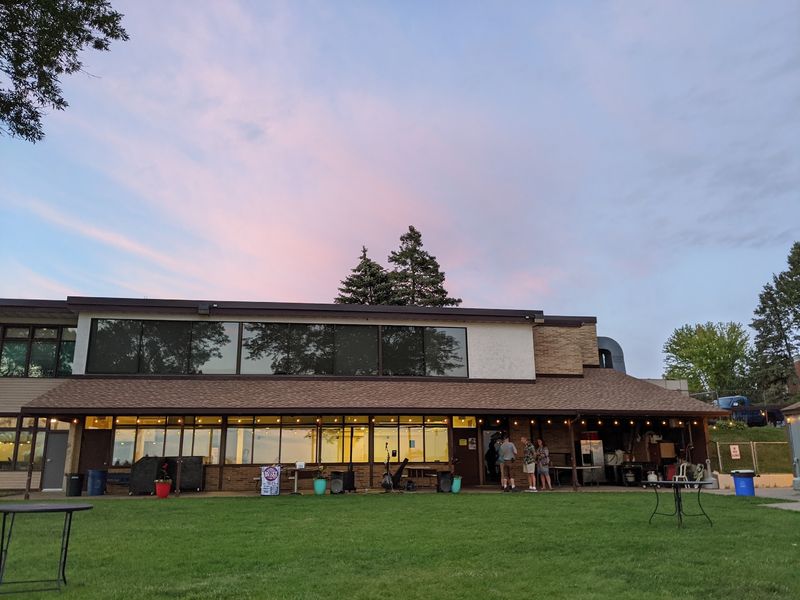
Monona pulls off a neat trick by being almost surrounded by Madison while staying its own city. It follows part of Lake Monona’s eastern shoreline, with the capital close at hand.
That geography gives residents the benefits of a smaller municipality alongside access to Madison’s shops, medical networks, and cultural events.
Lakefront parks offer places to sit and watch the water without needing to own a shoreline property.
Cyclists can follow the approximately 13-mile Lake Monona Bike Loop through Monona and Madison. Some portions use local streets, so it’s worth checking the route if you prefer separated paths.
The Monona Senior Center, inside the community center at 1011 Nichols Road, welcomes adults 50 and older.
Its calendar includes fitness, education, recreation, volunteer opportunities, and social activities. Programs such as chair yoga and the senior chorus give neighbors something to put on their schedules besides errands.
Homes range from established ranches to larger waterfront properties, and their costs vary substantially.
Current market information does not support calling Monona a uniformly inexpensive alternative to Madison; compare taxes, upkeep, and the specific location before making a decision.
For someone dreaming of a Wisconsin retirement near the lakes without giving up city conveniences, Monona is an appealing final stop. A sunset by the water makes a particularly lovely finish to an otherwise ordinary day.