Nebraska Towns Where History Feels Unusually Easy To Picture
Nebraska does not typically top the list when people argue about which states carry the most history, and that is precisely where this state wins.
While everyone else is busy filing into the obvious destinations, this state has been quietly preserving the kind of detail that makes the past feel genuinely close rather than curated for tourists.
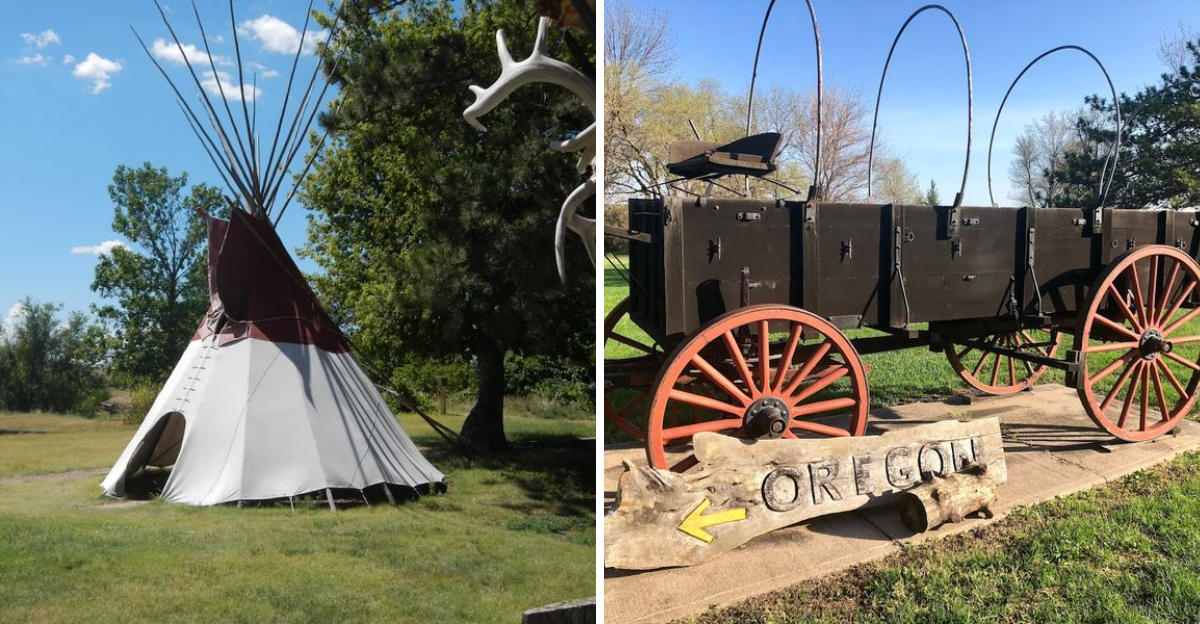
Stand near the wagon ruts outside Scottsbluff and the arithmetic becomes uncomfortable fast.
Real people carved those grooves into the earth, and the grass has simply grown around them ever since.
Spot the Victorian storefronts in Plattsmouth or the reconstructed fort walls in Fort Calhoun, and something shifts in your chest that no museum caption quite manages to produce.
Nebraska history does not ask you to use your imagination very hard, because most of it is still standing right where it happened.
These towns are the clearest proof of that, and each one makes the case differently.
1. Brownville
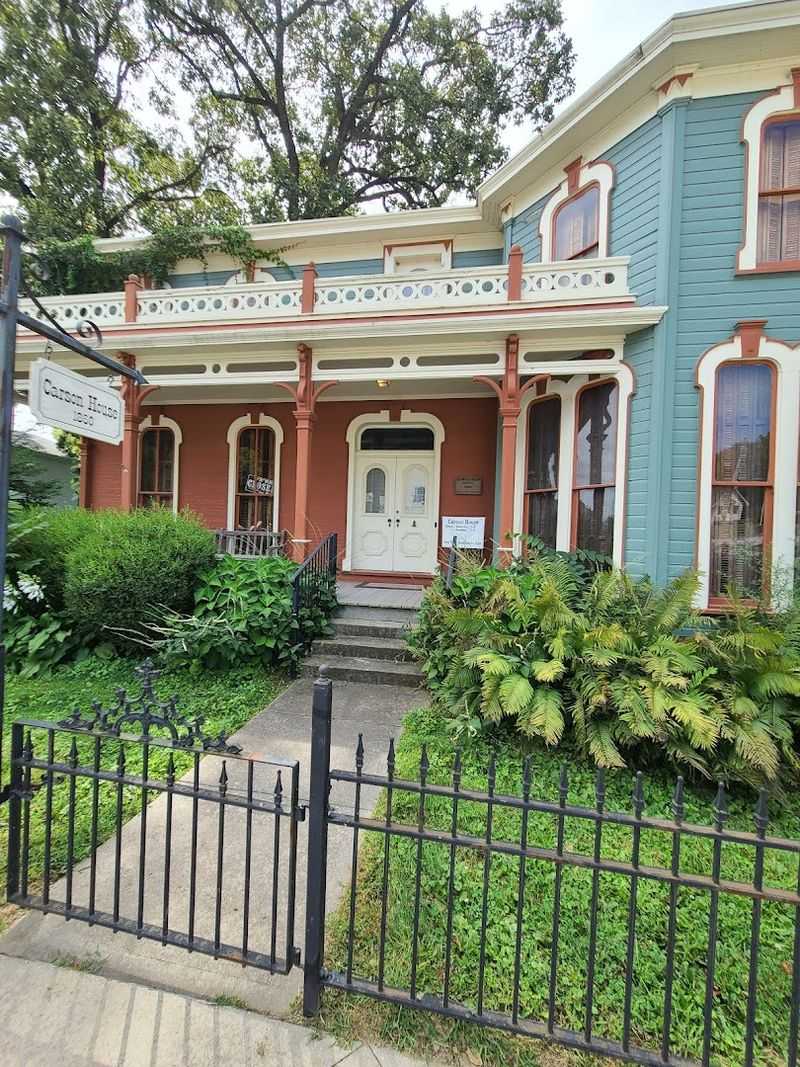
Standing on the Missouri River bluff in Brownville, you get the feeling that the 1800s never quite packed up and left.
This tiny town was once one of Nebraska’s busiest river ports, and the bones of that era are still very much visible.
The Brownville Historical Society Museum fills a building that once served real commercial purposes, and the stern-wheel riverboat the Spirit of Brownville still takes passengers out on the water.
That kind of continuity is rare. Most towns gut their history; Brownville just kept it running.
The streets here are quiet now, lined with restored homes and art galleries that moved in without erasing what came before.
You can walk from a church to a working pottery studio in about four minutes. The scale of the place makes everything feel personal.
Nothing is labeled at arm’s length or behind thick glass.
Brownville invites you to stand right next to it, which makes the history feel startlingly real and surprisingly easy to absorb.
2. Red Cloud
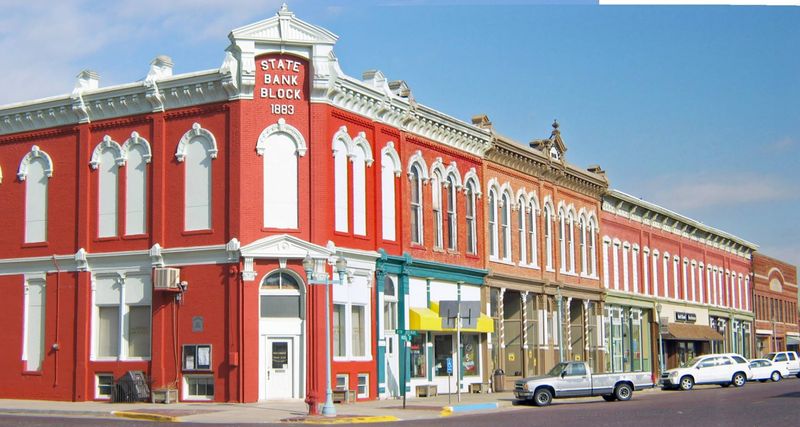
This is the kind of town that makes you want to slow down before you even park the car.
It was home to Willa Cather, one of America’s most celebrated writers, and the landscape she described in her novels is still right there waiting for you.
The Willa Cather Foundation runs a remarkable network of preserved sites across town, including her childhood home, the opera house, and the church she wrote about.
Walking through these buildings feels less like a tour and more like reading her books from the inside. The detail is that good.
Beyond the literary connections, Red Cloud sits on the edge of the Republican River valley with a horizon so wide it feels cinematic.
The town itself has maybe a thousand residents, but it carries cultural weight well above its size. Visitors from all over the world come here specifically to understand what shaped one of America’s great literary voices.
Once you see the landscape, the writing makes complete sense. That connection between place and story is something Red Cloud delivers better than almost anywhere else in the state.
3. Fort Calhoun
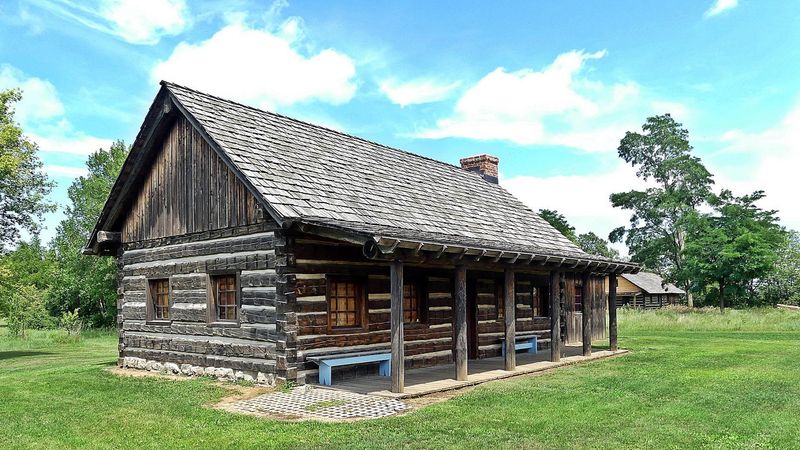
Fort Calhoun sits just north of Omaha, but it feels like it exists in a completely different century. The town is perched above the Missouri River bottomlands, and the views alone are worth the drive.
What makes it historically compelling, though, is what sits just outside of town.
Fort Atkinson State Historical Park preserves the site of the first U.S. military fort west of the Missouri River.
The reconstruction is thorough and thoughtful, with costumed interpreters, a working blacksmith shop, and cannons that look ready to fire. Kids go absolutely wide-eyed here, and honestly, so do adults.
The fort housed nearly a thousand soldiers at its peak in the 1820s, making it the largest American settlement west of the Mississippi at the time.
That fact tends to land differently once you are standing inside the reconstructed walls and looking out at the same bluffs the soldiers saw.
Fort Calhoun the town is charming and unhurried, with old homes and a quiet main street.
But the real draw is the fort, where history is not just described but physically rebuilt around you in a way that makes it genuinely hard to forget.
4. Nebraska City
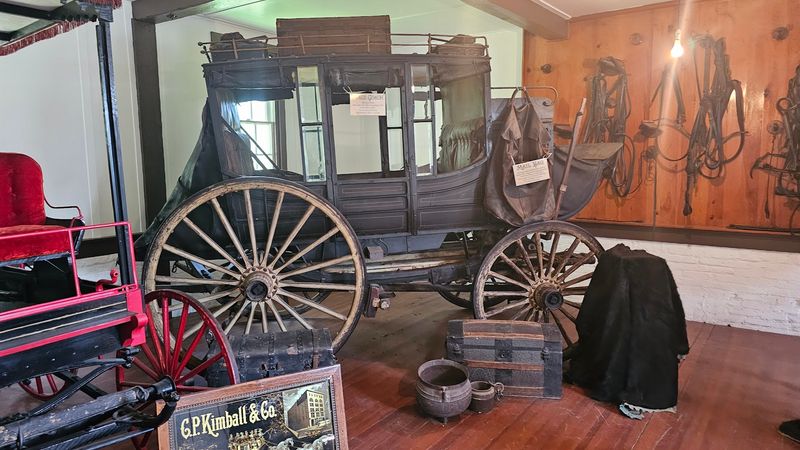
Nebraska City has two things that most towns would trade almost anything for: a legitimate national origin story and a house worth writing home about.
J. Sterling Morton, who founded Arbor Day right here in 1872, called this place home, and his estate is still standing and open to visitors.
Arbor Lodge State Historical Park features the Morton mansion, a 52-room beauty surrounded by mature trees that Morton himself planted.
The grounds feel more like an arboretum than a state park, which makes sense given the man’s obsession with trees. Strolling through in autumn is genuinely one of the better free experiences in Nebraska.
Beyond the Morton legacy, Nebraska City was a major outfitting point on the Missouri River for westward-bound pioneers.
The Mayhew Cabin and Historical Village preserves a stop on the Underground Railroad, adding another layer of significance to an already historically rich town.
The combination of those two stories, one about environmental legacy and one about human freedom, gives Nebraska City a depth that surprises most first-time visitors.
It rewards a full day, not just an afternoon. Come with curiosity and leave with a much bigger sense of what this stretch of river meant to American history.
5. Plattsmouth
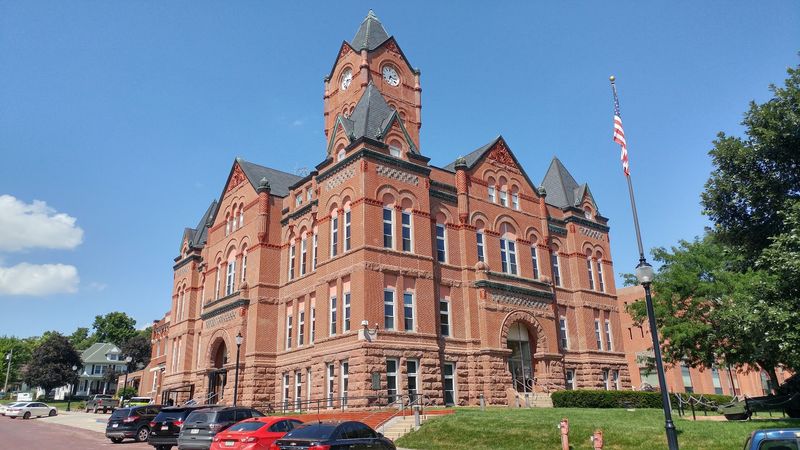
Plattsmouth has one of those downtowns that makes you stop and look up.
The Cass County Courthouse is a Victorian-era showpiece, and the surrounding blocks of brick storefronts look like they were built to last forever, which, apparently, they were.
Sitting at the confluence of the Platte and Missouri Rivers, Plattsmouth was a natural crossroads for early Nebraska settlement. The Burlington Railroad arrived here in 1869, and the town boomed accordingly.
That railroad heritage is still visible in the architecture, the layout of the streets, and the general sense that this place once had serious commercial ambitions.
The Cass County Historical Society Museum does a solid job of connecting the dots between the town’s river crossing past and its railroad present.
The exhibits are well-organized and specific enough to feel genuine rather than generic.
What makes Plattsmouth especially satisfying for history lovers is that it has not been over-restored or turned into a theme park version of itself.
The patina is real. The buildings are used.
People actually live and work here, which gives the whole place an authenticity that polished tourist towns often lose.
Plattsmouth feels like history being lived in, not just displayed.
6. Scottsbluff
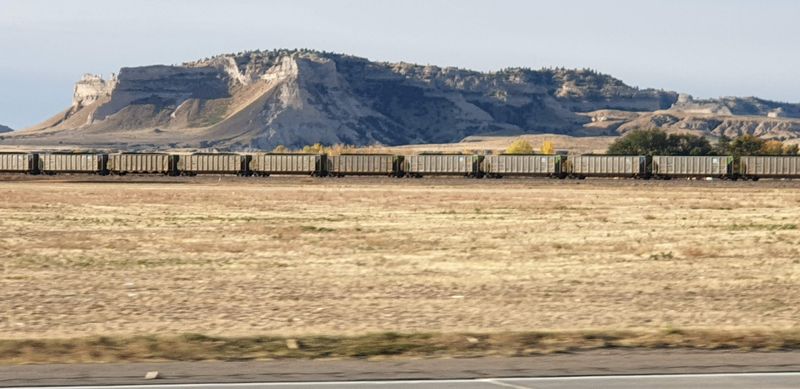
There are landmarks, and then there is Scotts Bluff.
The massive sandstone formation rising nearly 800 feet above the North Platte River valley was one of the most recognized navigational markers on the entire Oregon Trail.
Pioneers could spot it from miles away and knew exactly where they were.
Scotts Bluff National Monument preserves the bluff and the surrounding landscape in a way that makes the emigrant experience feel immediate.
You can hike the same ridge trails or drive the tunnel road to the summit, where the view stretches into Wyoming on a clear day.
The visitor center holds original paintings by William Henry Jackson that capture the trail era with remarkable precision.
The town of Scottsbluff itself grew up around the sugar beet industry in the early 20th century, which gives it a different layer of history beyond the pioneer narrative.
Legacy of the Plains Museum covers both stories well. What I find most compelling about this area is the physical scale of the monument itself.
Standing at the base of those bluffs and imagining a wagon train rolling past puts you in direct conversation with the past in a way that no exhibit can fully replicate. The landscape is the exhibit here.
7. Chadron
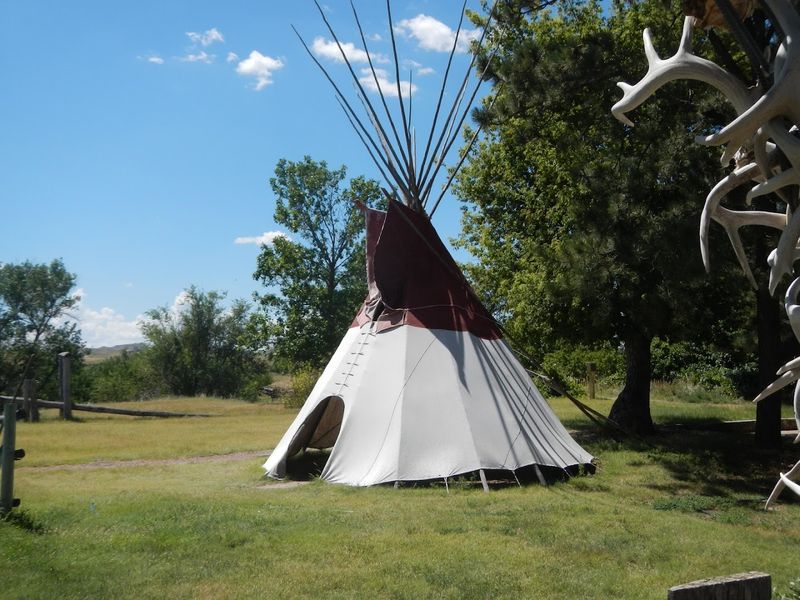
It sits in the northwest corner of Nebraska where the Pine Ridge breaks up the flat horizon into something dramatic and unexpected.
The town has a frontier quality that feels earned rather than performed, which is a distinction worth paying attention to.
The Museum of the Fur Trade, located just east of Chadron, is one of the most specific and well-curated small museums in the entire country.
It covers the North American fur trade from the 1500s through the 1900s with a collection that includes trade goods, firearms, and Native American artifacts that tell the story from multiple perspectives.
Serious history enthusiasts make special trips here from across the country.
Chadron itself has a lively connection to the 1893 Great Cowboy Race, a 1,000-mile endurance ride from Chadron to Chicago that captured national attention and still gets talked about locally with visible pride.
Chadron State College gives the town an energy that keeps it from feeling frozen in amber.
The surrounding Pine Ridge landscape, with its cedar canyons and dramatic overlooks, provides a backdrop that makes every historical story feel appropriately epic.
Few Nebraska towns balance natural beauty and cultural depth quite as well as Chadron manages to do.
8. Minden
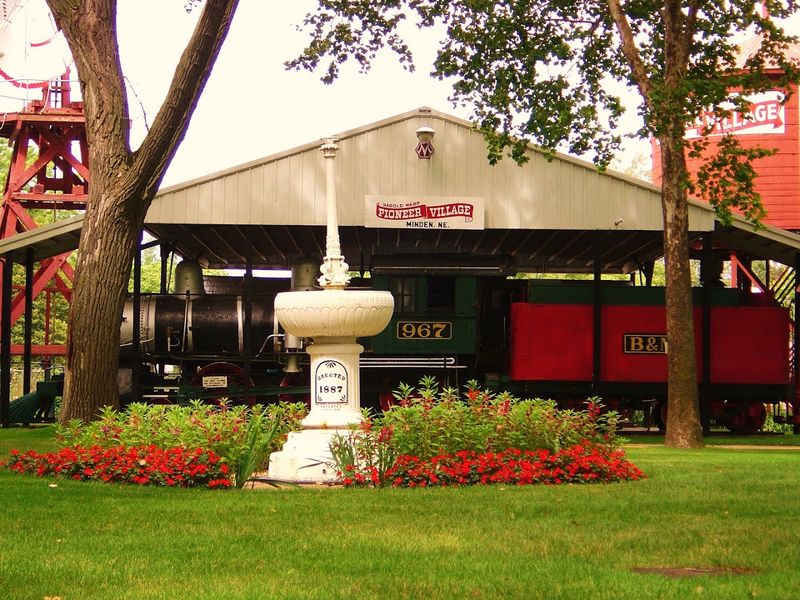
Minden is home to one of the most ambitious private history projects ever assembled in rural America.
Harold Warp Pioneer Village covers 20 acres and contains 28 buildings packed with over 50,000 artifacts tracing American life from 1830 to the mid-20th century. The sheer volume of stuff is staggering.
Harold Warp was a Nebraska native who made his fortune in plastics and then spent decades collecting everything from covered wagons to early automobiles to vintage carnival rides.
The result is part museum, part time capsule, part lovable obsession. You could spend a full day here and still not see everything.
The collection spans farm equipment, household appliances, transportation, and trades in a way that connects everyday life across generations.
What makes Pioneer Village special is not just the artifacts but the philosophy behind them.
Warp believed that ordinary objects told the real story of American progress, and walking through his collection, it is hard to argue with him.
The town of Minden itself is a pleasant small Nebraska community with a classic courthouse square. But the Village is the reason people drive from three states away.
It is the kind of place that makes you appreciate how much changed in a single century and how quickly people figured out how to make life easier and faster.
9. Genoa
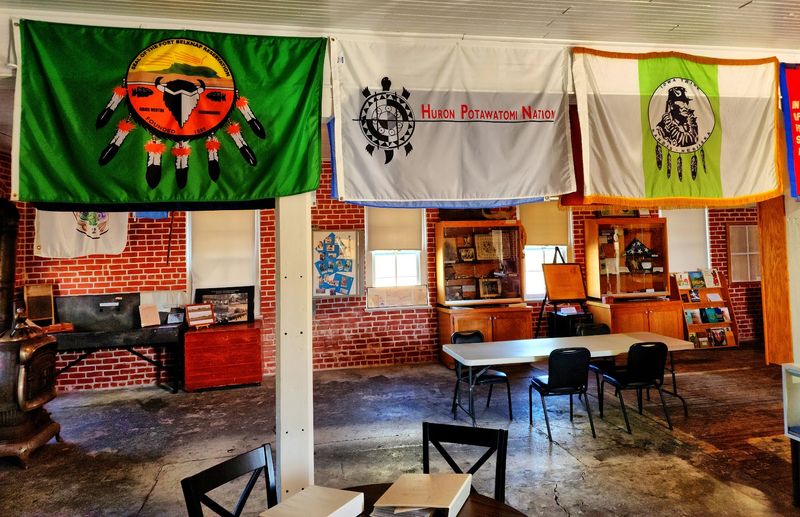
This town carries a story that most Nebraskans do not know nearly well enough.
Founded in 1857 by Mormon settlers who hoped to establish a permanent colony, the town was later selected as the site of one of the first federal Indian industrial schools in the country.
That history is layered, complicated, and worth sitting with.
The Genoa U.S. Indian Industrial Boarding School operated from 1884 to 1934 and educated thousands of Native American children from dozens of tribes.
The Genoa Indian School Digital Reconciliation Project has done significant work to document and share that history, and a small museum in town helps visitors understand what happened here without flinching from the complexity.
The town itself is quiet and compact, with a main street that still shows its 19th-century bones. The courthouse and several original commercial buildings survive in good condition.
What draws me to Genoa is the honesty of its historical presentation. It does not package the past into something comfortable.
It presents it as it was, which takes more courage than most towns show.
For anyone interested in the full, unvarnished story of how Nebraska was settled and what that settlement cost, Genoa is an essential stop that rewards careful attention and an open mind.
10. Kearney
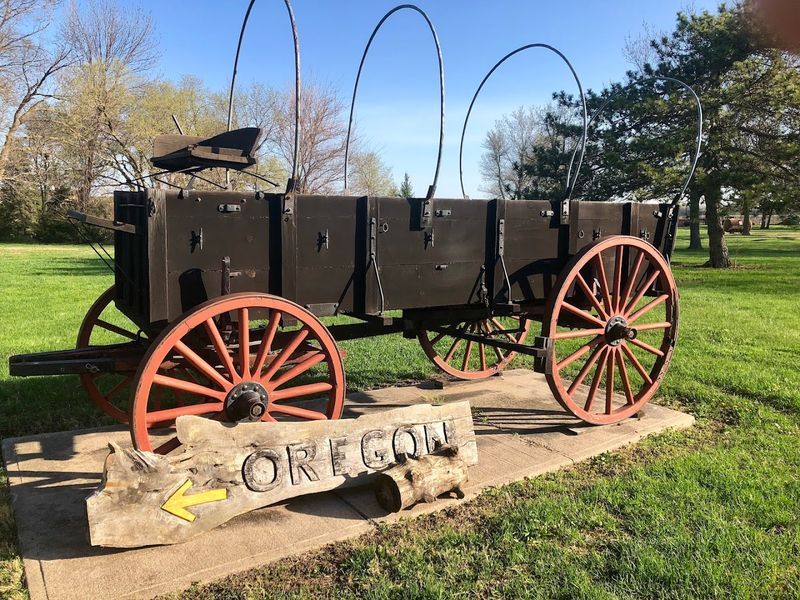
Kearney has long leaned into its ‘Midway City’ identity, thanks to its historic association with being halfway between major points on the American road map.
It literally spans Interstate 80, and inside it tells the complete story of the Great Platte River Road, the corridor that carried more westward migration than any other route in American history.
The exhibits cover the Oregon Trail, the Pony Express, the transcontinental telegraph, and the railroad in a sequence that makes the whole sweep of 19th-century westward movement feel connected and logical.
The production quality is genuinely impressive for a regional attraction, with immersive scenes and audio that pull you through each era without feeling rushed.
Fort Kearny State Historical Park, just east of town, adds another dimension.
The fort was established in 1848 specifically to protect emigrants on the trail, and the reconstructed stockade and interpretive center bring that protective role to life clearly.
Kearney also has a strong university presence that keeps the town energetic and well-maintained.
The combination of the Archway, the fort, and the town’s position at the literal crossroads of the nation makes Kearney one of the most satisfying history stops on any Nebraska road trip. It earns every mile of the detour.