One Idaho Miner Spent Years Building A Working Model Mine Now Displayed Free In This Tiny Town Museum
Twenty-nine levels of a real Idaho mine, plus more than 100 miles of tunnels, fit inside a single museum model.
I had to read that twice. The miners who worked those levels spent their shifts underground, and now you can see the whole maze at once.
A second model goes even bigger.
It lays out seven mines in a row, running east across a valley that built its fortunes on silver, lead, and zinc. I love that you can trace them like a map.
The building holding these models has its own backstory. It went up in 1906 as the home of a mining company boss, and it opened as a museum in 1986.
Best part? Admission has been free during the summer season.
I can’t think of a cheaper way to peek inside a mountain, can you? Just check the season before you go.
1. Twenty-Nine Levels Of Bunker Hill
Most mines keep their secrets in the dark, but one model in Kellogg lays them out in plain sight. It shows 29 levels of the Bunker Hill mine, stacked one above another.
That kind of depth is hard to picture from the surface. Seeing the levels in miniature turns an abstract number into something your eyes can actually follow.
You can trace how the workings drop deeper into the mountain, level after level. It gives you a feel for how far miners traveled before their real work even started.
Mining companies needed maps of their underground workings to plan safely and efficiently. A three-dimensional model like this one turns that kind of map into something anyone can read.
Bunker Hill stood among the biggest names in Idaho’s Silver Valley for generations. The model helps you grasp why that name still carries weight around Kellogg.
Try counting the levels yourself before reading the label. It makes a fun little challenge, and it slows you down enough to notice the details.
Take your time here, because this display anchors the museum’s story. Once you see the scale of the mine, the rest of the exhibits make much more sense.
Address: 820 McKinley Avenue, Kellogg, ID 83837
2. The Seven Mines Model
One mine wasn’t enough for the people behind this museum’s models. A second display shows the layout of seven mines sitting side by side across the valley.
Seeing them together changes your sense of the place. Instead of isolated operations, you see a whole district working the same mineral-rich ground.
The model lets you compare how each mine sits in relation to its neighbors. You can spot where they cluster and how they spread east along the valley.
That big-picture view is rare, even for people who grew up in Shoshone County. From the road, you usually catch only mine portals, headframes, or old waste piles.
Here, the underground spacing comes into focus. It’s like finally seeing the back of a tapestry after staring at the front for years.
Pair this model with the Bunker Hill display for a quick lesson in scale. One shows depth, while the other shows reach across the land.
Together, they explain why this corner of Idaho became a mining powerhouse. You leave with a mental map that makes the drive home a lot more interesting.
3. Free Summer Admission
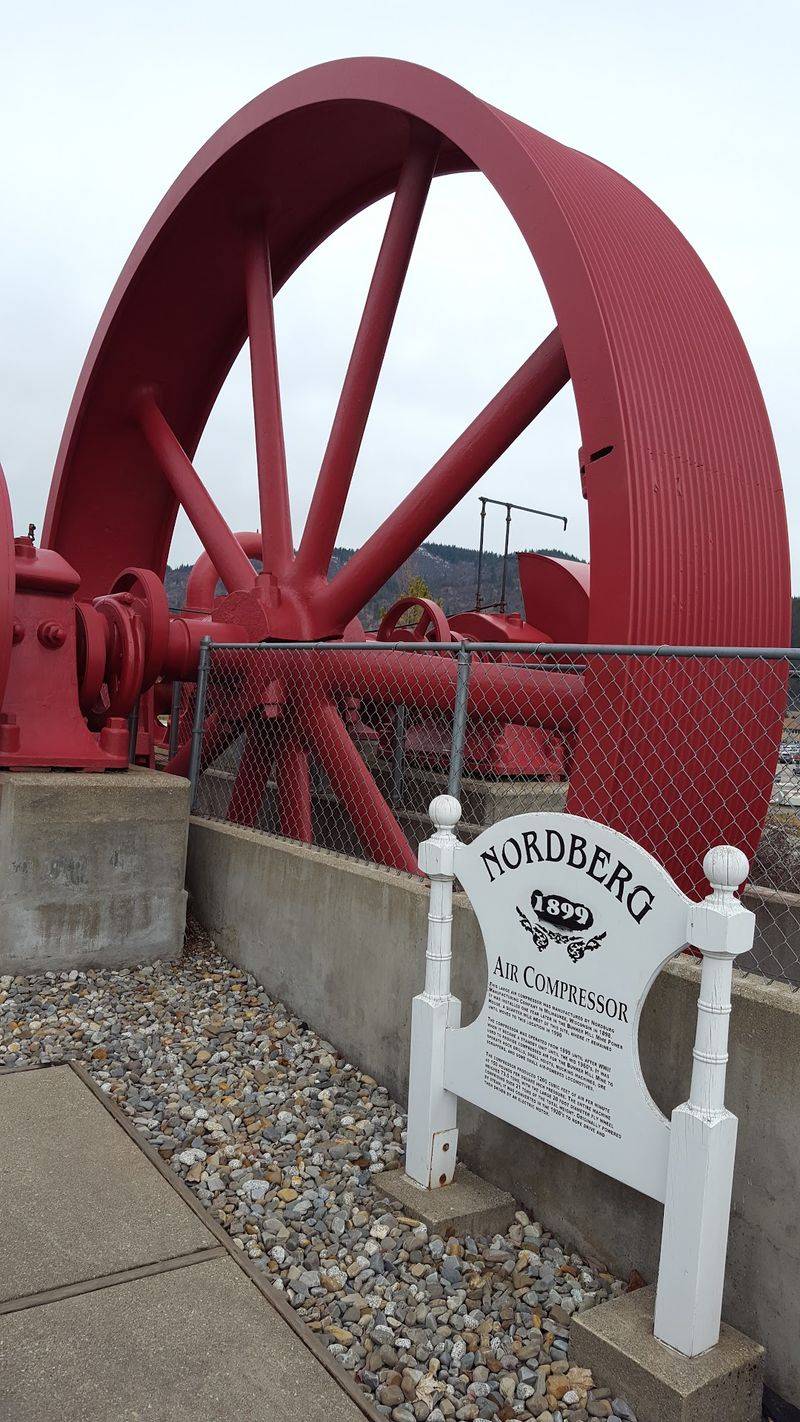
Free and fascinating rarely show up in the same sentence, yet here they do. The museum has offered free admission during its summer season.
That makes it an easy stop for families watching their budget. It also suits travelers who want a quick look without committing to a big ticket.
Policies can change from year to year, so check before driving. The museum’s own announcements are the best place to confirm what the current season looks like.
Free entry means you can come back without a second thought. Seeing the mine models again often reveals details you missed the first time around.
It’s also a handy rainy-day backup during an Idaho summer trip. A sudden mountain shower becomes a perfect excuse to head indoors and learn something.
Small museums rely on community support to keep going. If the models impress you, a donation is an easy way to say thanks.
Either way, you walk away with a richer understanding of the Silver Valley. Not bad for a stop that costs nothing at the door during summer.
4. The Bunker Hill Staff House
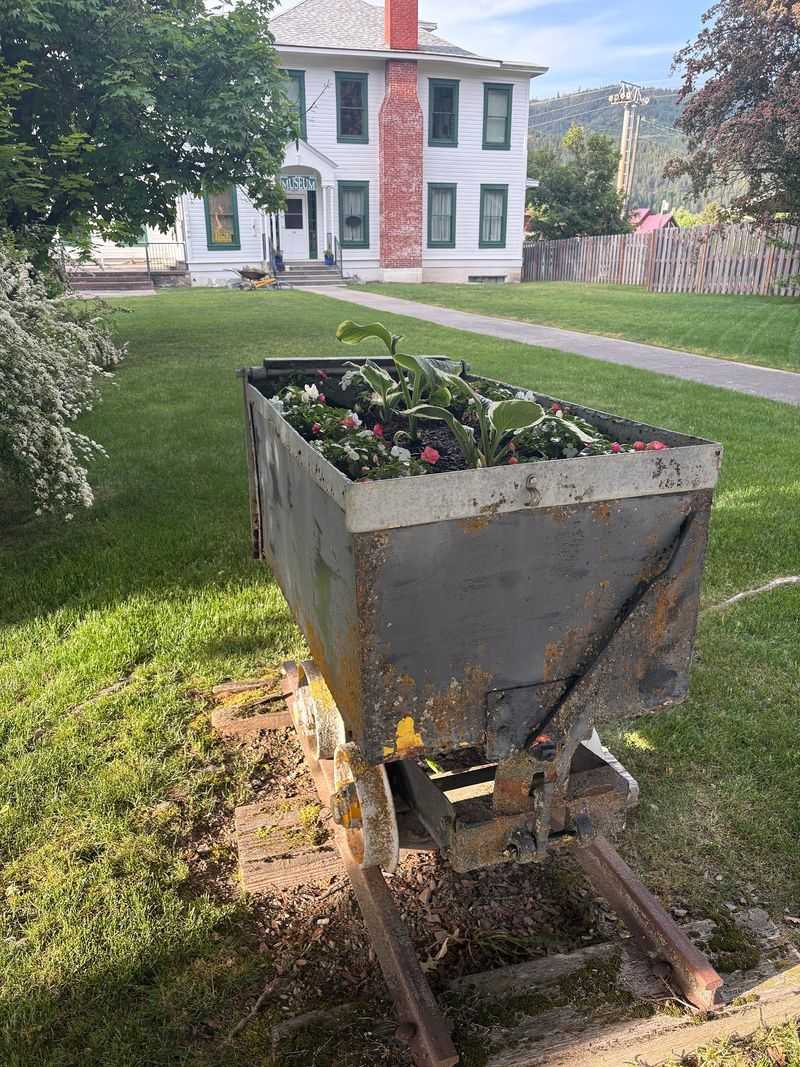
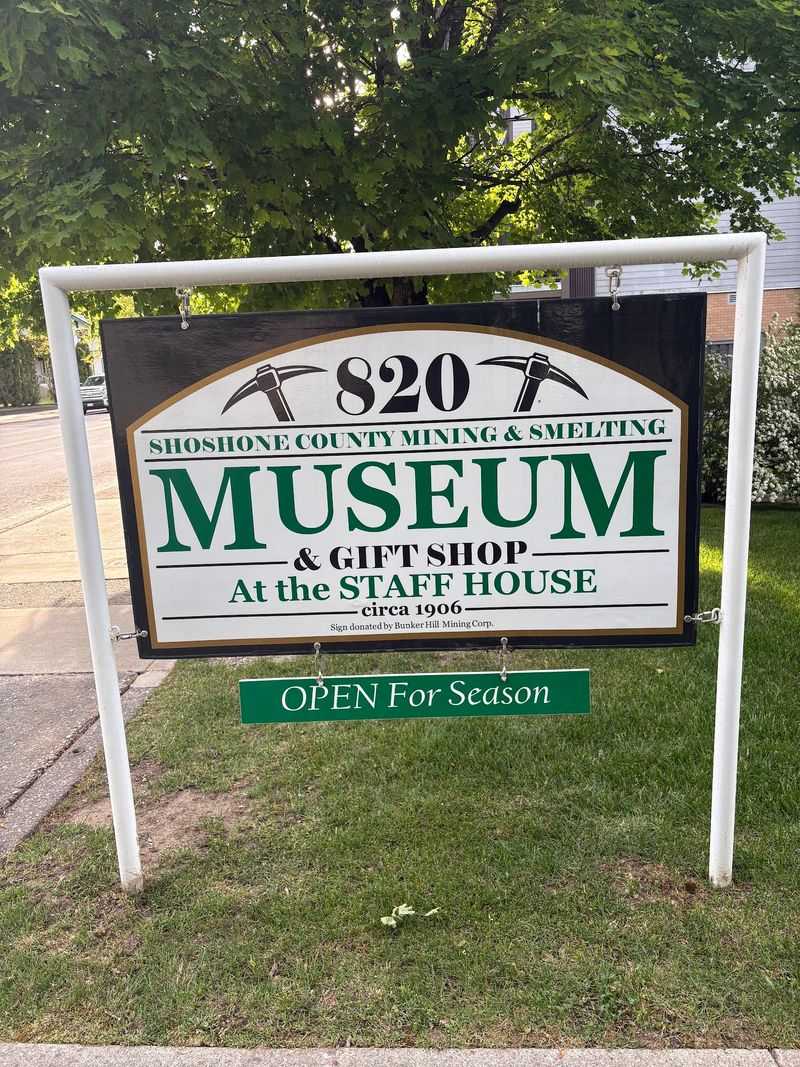
Before it held mine models, the building held people. The museum sits inside the Bunker Hill Staff House, built back in 1906.
That date puts the house more than a century deep into Kellogg’s story. It went up while the Bunker Hill operation was growing into a major force in Idaho mining.
Old buildings carry history in their bones, and this one suits the museum’s mission. You learn about mining inside a structure tied directly to a mining company.
It’s a smart pairing. The setting reminds you that this history isn’t borrowed from somewhere else.
The name itself hints at the building’s role. A staff house connects to the people who managed and ran the company’s operations.
Take a moment outside before heading in. Knowing the house dates to 1906 makes the visit feel like a trip into the valley’s past.
Repurposed buildings tell two stories at once. Here, you get the story of the house and the story of the mines it once served.
5. Rock And Mineral Displays
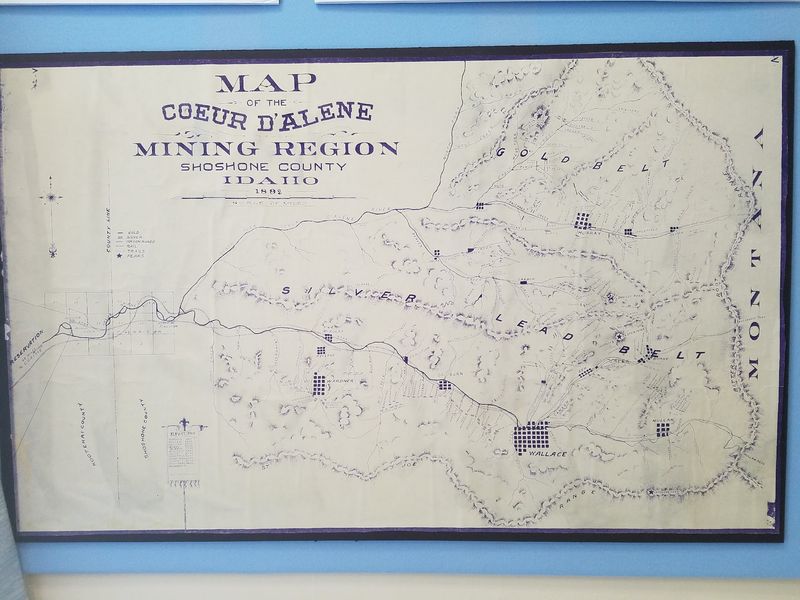
Shiny rocks have a strange pull on people of any age. The museum feeds that instinct with an extensive collection of rock and mineral displays.
These specimens connect directly to the mine models. The tunnels existed because of what waited inside the rock.
Seeing minerals up close helps the history click. Ore stops being an abstract word and becomes something you can actually look at.
Rockhounds will want extra time here. Casual visitors may be surprised how quickly they start comparing colors and textures.
It’s also a natural teaching moment for kids. Ask them to pick a favorite specimen and guess what makes it special.
Idaho calls itself the Gem State, so a strong mineral collection feels right at home. Here, it shares space with the mining story that made this valley famous.
Pair the minerals with the mine models for the full picture. One shows what was found, and the other shows where crews went to find it.
6. The Bunker Hill Smelter
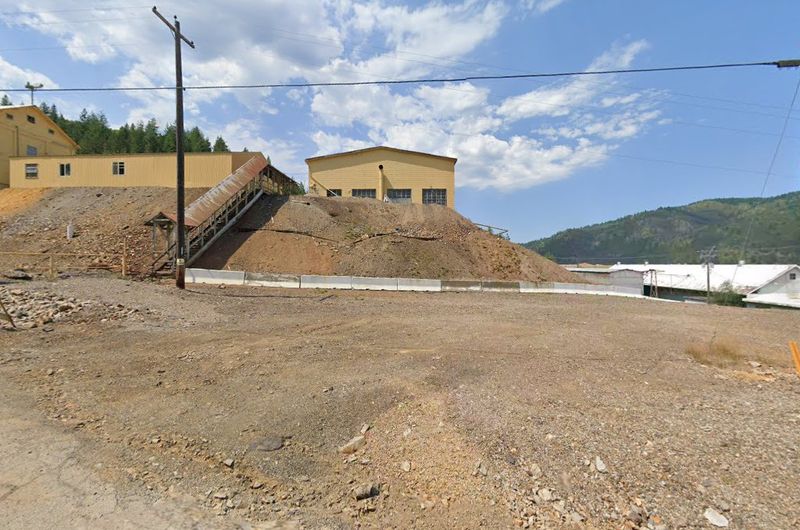
Mining grabs the headlines, but smelting finished the job. The museum’s name puts smelting right beside mining for good reason.
Ore pulled from the ground needed processing before it became valuable metal. The Bunker Hill Smelter handled that step in Kellogg.
The museum preserves smelting history alongside its mining exhibits. That makes the story feel complete, from tunnel to finished metal.
Smelting shaped Kellogg’s economy and landscape for decades. It’s a major chapter, even if it gets less attention than the mines.
The smelter closed in 1981, and the valley went through big changes afterward. Cleanup and recovery became part of the area’s modern identity.
Learning about the smelter helps explain today’s Kellogg. The town you see now grew from that long industrial past.
It’s a reminder that Idaho towns rarely stay frozen in time. The museum helps you understand where Kellogg came from and how it got here.
Address: 820 McKinley Avenue, Kellogg, ID 83837
7. The Legend Of Noah Kellogg’s Donkey
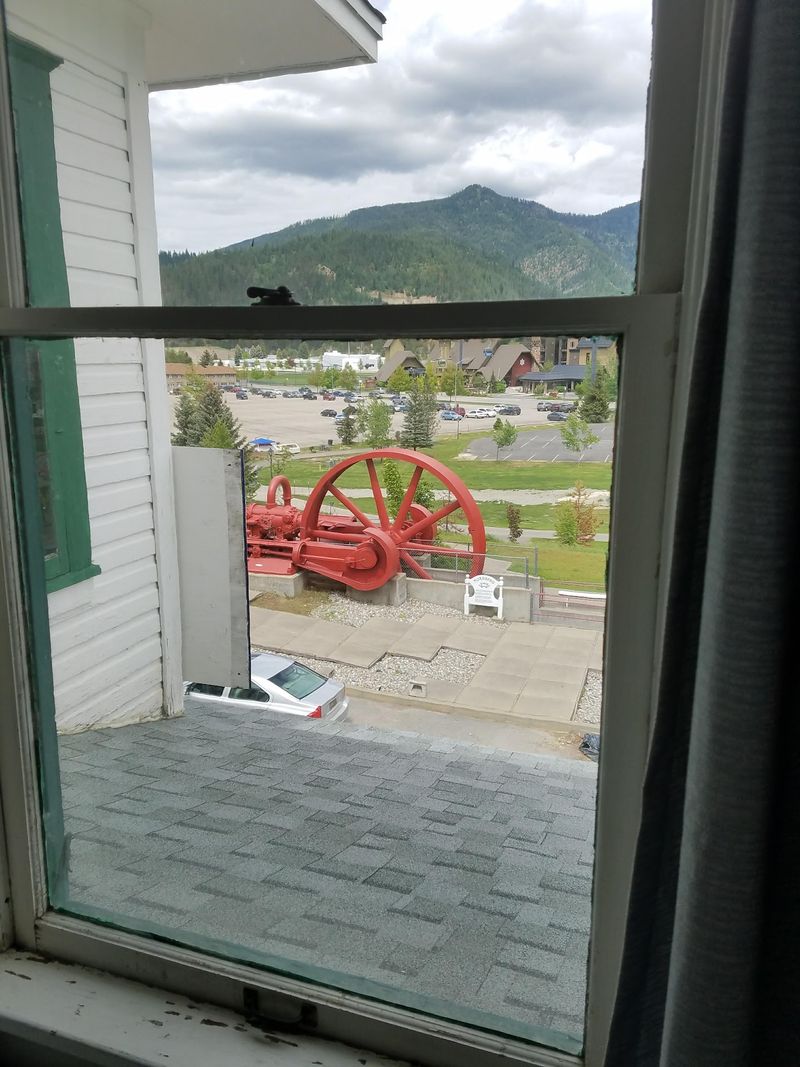
Not many mining fortunes get credited to a donkey. Local legend says Noah Kellogg’s donkey wandered off and led to the ore discovery in 1885.
The story has been told for generations in the Silver Valley. Whatever the exact details, it’s become part of Kellogg’s identity.
It’s the kind of tale that makes history fun. A stubborn animal turns into the hero of a mining boom.
The legend pairs nicely with a museum visit. The exhibits show engineering and scale, while the story adds a quirky human touch.
Share it with kids before you arrive. It gives them a playful hook before they see the giant mine models.
Then point out the Bunker Hill model and connect the dots. A wandering donkey, so the story goes, helped launch a mine with 29 levels.
It’s a reminder that big history can start small. Sometimes it takes just one curious animal and a lucky afternoon.
8. A Short Season Worth Planning Around
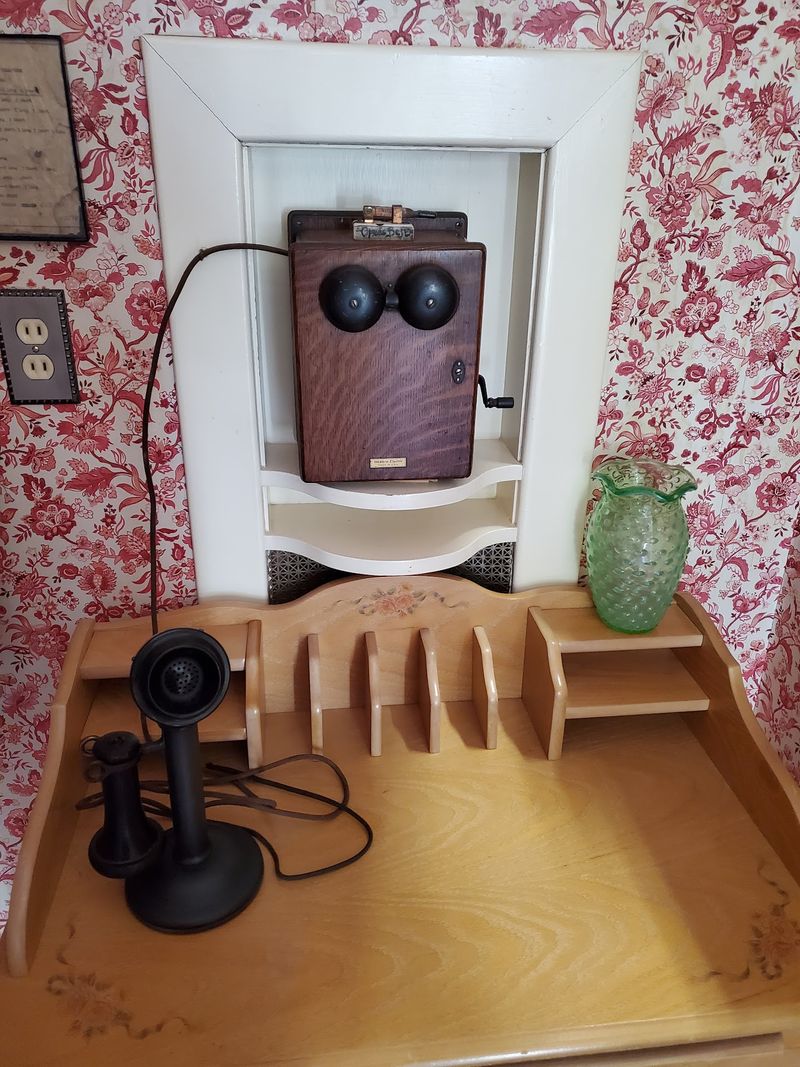
This museum keeps a summer schedule, so timing matters. It typically reopens around Memorial Day weekend and closes in late September.
That window lines up nicely with Idaho road-trip season. Long days and open highways make the Silver Valley an easy summer destination.
Hours and days can shift, so check before driving. A quick look ahead saves you from pulling up to a locked door.
Plan around the season if the mine models are your main goal. Missing the window means waiting until the next summer.
Early summer and late summer can both work well. Pick a time that fits your travel plans and the rest of your itinerary.
Pairing the museum with other Kellogg stops makes for a full day. Silver Mountain Resort sits nearby, and the Trail of the Coeur d’Alenes passes through town.
A little planning turns a quick stop into a memorable outing. These models are worth arranging a summer day around.