This Idaho Museum Keeps Over 100 Pinball Machines Running And $10 Gets You Unlimited Play
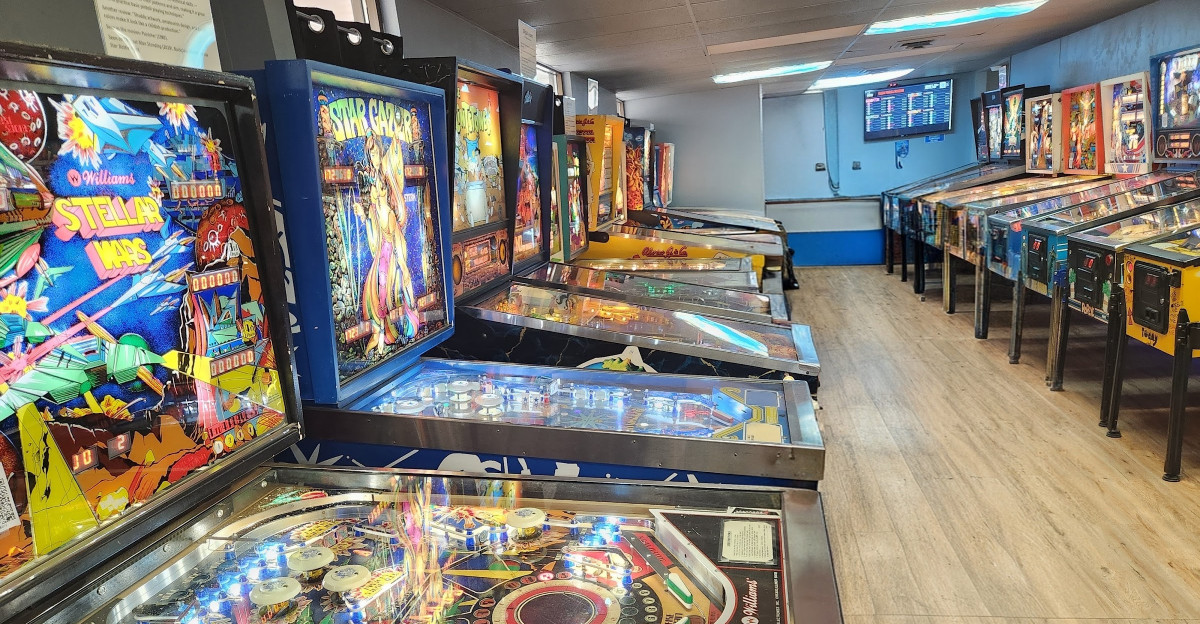
More than 100 pinball machines sit set to free play in one building, and not a single quarter slot matters.
One admission covers the whole night. That deal alone made me sit up.
The collection spans decades, from 1960s electromechanical games to brand-new releases.
Volunteers keep the machines tuned and ready. Little history notes explain where each game came from.
I like how this place treats pinball as both a game and a piece of American culture.
It runs as a nonprofit right here in Idaho. You can learn something between flips, or just chase a high score until closing.
The open hours are short, so timing matters. Miss the window, and the flippers wait for another day.
So which machine would you try first?
A Boise Building Where Every Flipper Is Fair Game
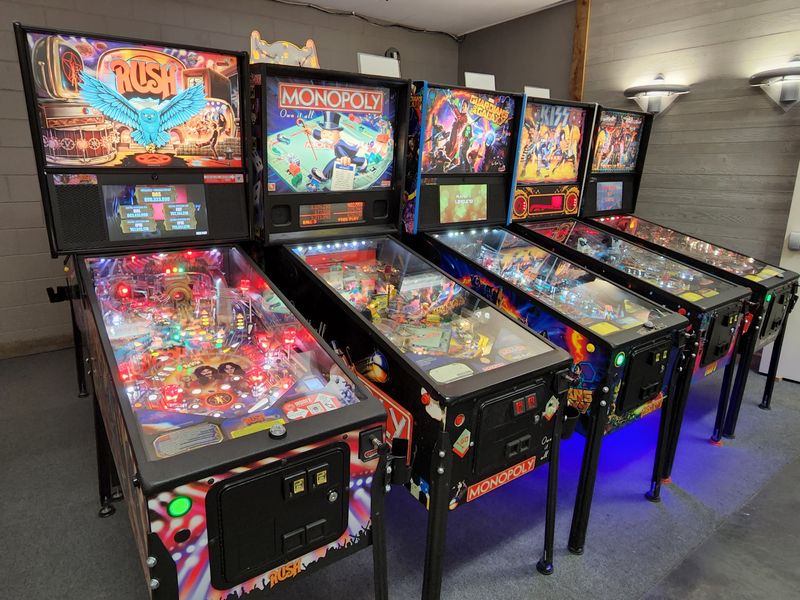
Rows of glowing backglasses greet anyone who comes through the door at the Idaho Pinball Museum in Boise. It’s a museum in name, but almost every exhibit expects you to touch it.
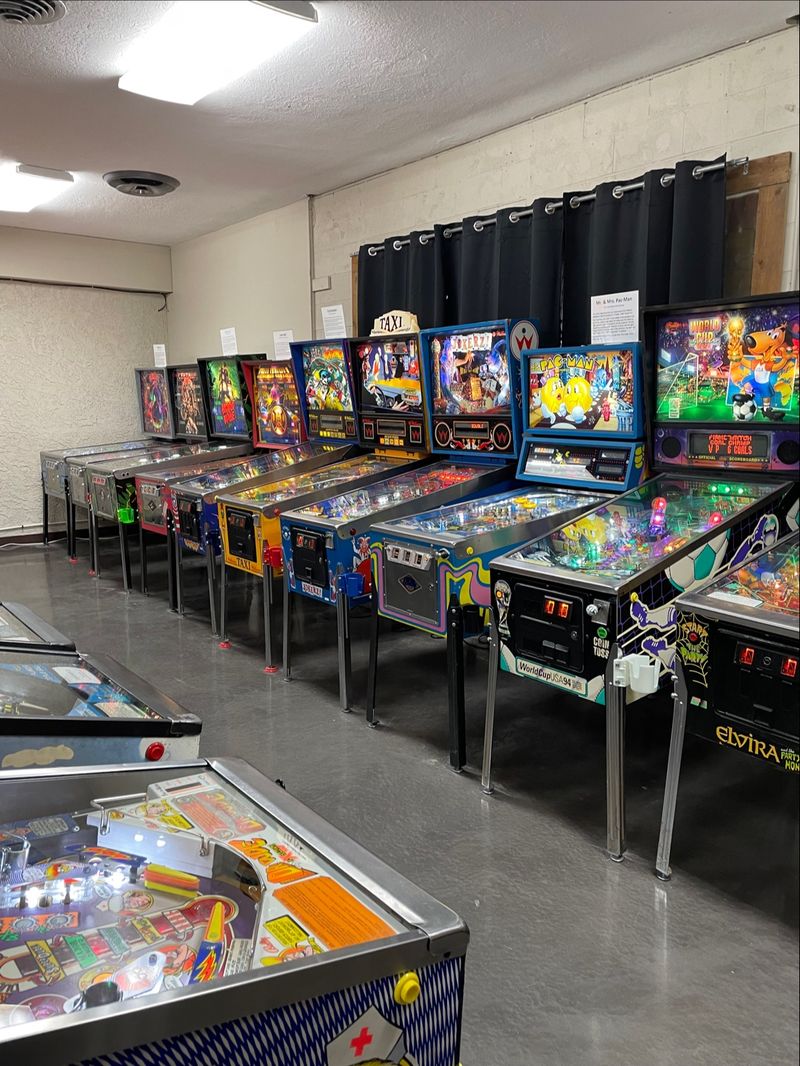
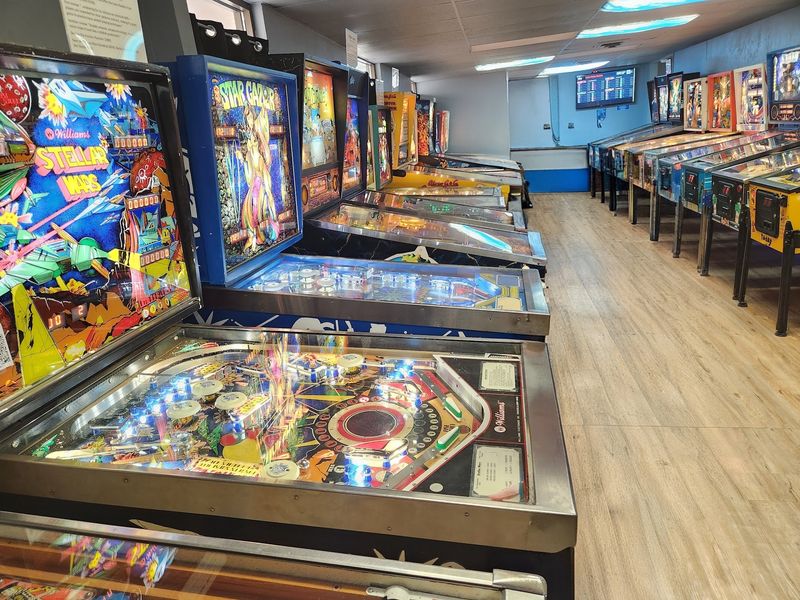
The building holds more than 100 working pinball machines on the floor. Nearly all of them run on free play once you’ve paid admission, so there’s no coin-feeding between turns.
A handful of machines sit on loan and still take a dollar per game. That’s a tiny exception in a room packed with options.
Everything else is yours to flip as long as the doors stay open.
The setup feels refreshingly simple. Pay once, pick a machine, and play until something else catches your eye.
Then move on and do it again.
That approach makes the place easy to love for beginners and longtime players alike. Nobody has to budget games or ration turns.
You just play.
It’s also the largest public pinball collection in Idaho. For a state with plenty of mountains and rivers, that’s a fun indoor surprise.
Boise suddenly has a serious claim on the silver ball.
Nonprofit Roots With A Curious Streak
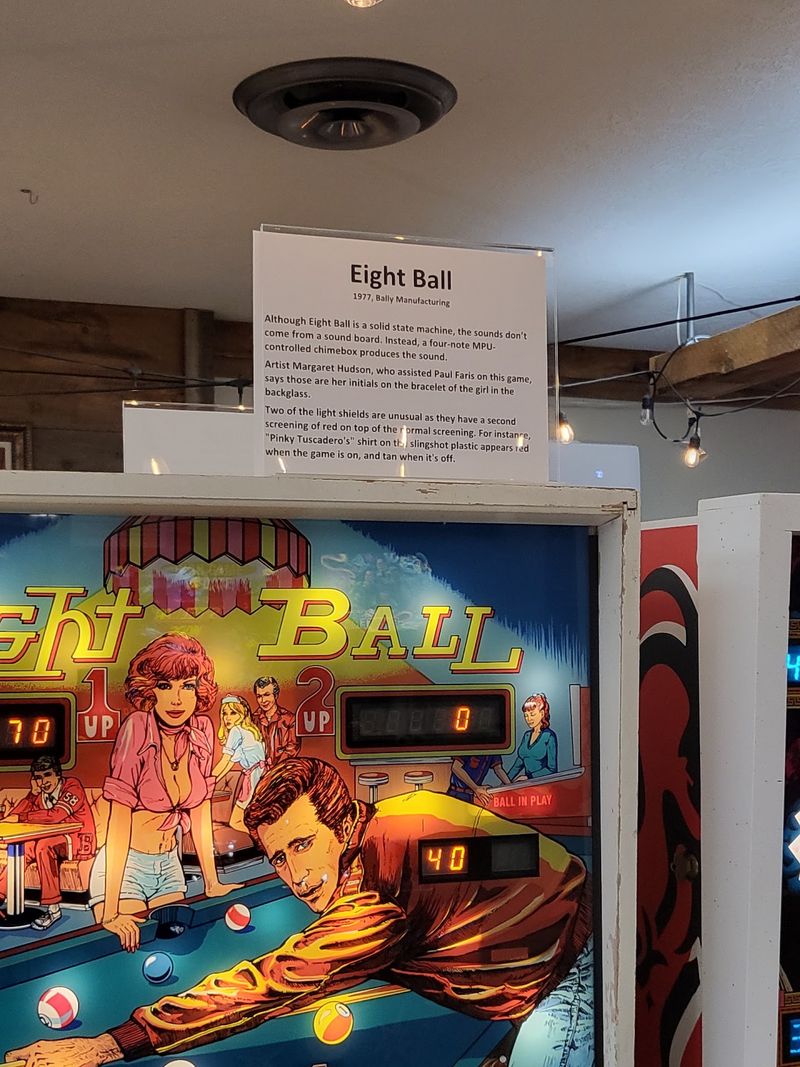
Behind all the bells and bumpers sits a real mission. The Idaho Pinball Museum operates as a nonprofit focused on education, not just entertainment.
Its goal is to spark curiosity about science, art, pinball history, and vintage mechanical gaming. That’s a lot of learning hiding inside a game most people know from bowling alleys.
Small information pieces near the machines share their background and history. You can read about a game, then step up and play it.
History rarely gets this hands-on.
Pinball also mirrors American culture across the decades. The artwork, themes, and sounds shift with each era.
Walk the rows and you’re basically browsing pop culture with flippers attached.
Staff and volunteers have been known to show guests the inner workings of a machine. Seeing the switches, coils, and wiring underneath changes how you look at every bounce.
Suddenly physics feels a lot more exciting.
I believe that’s the clever part here. Kids think they’re just playing games.
Meanwhile, they’re getting a peek at engineering, design, and decades of history. Sneaky, in the best way.
Six Decades Of Silver Balls Under One Roof
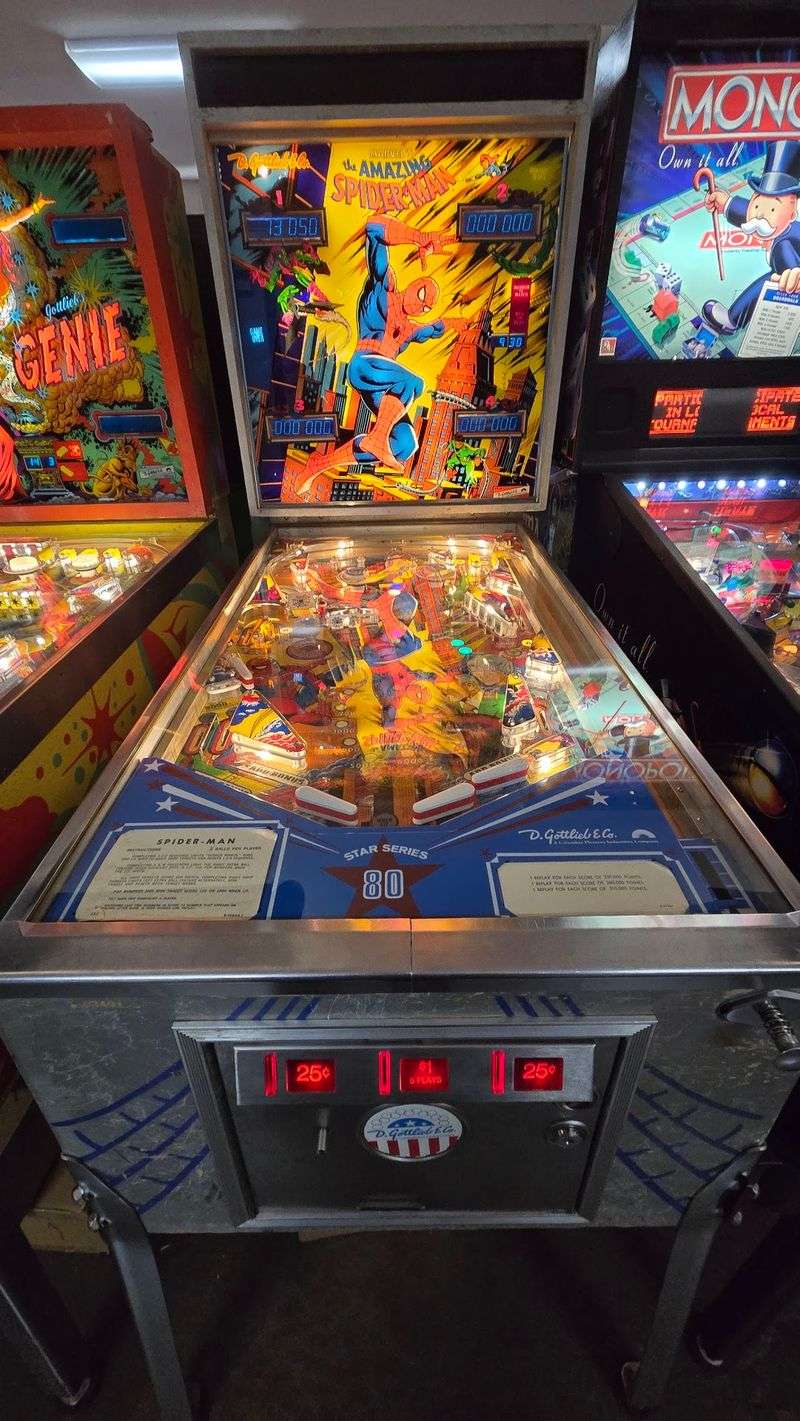
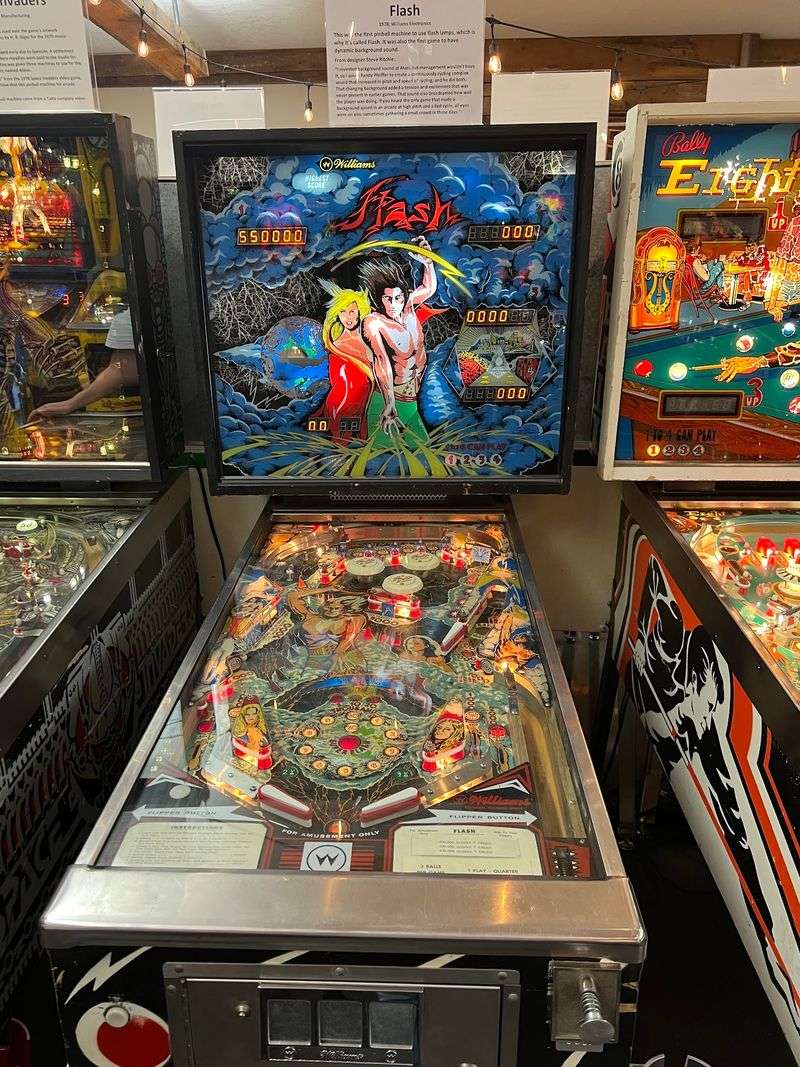
Old electromechanical games from the 1960s share floor space with brand-new releases. That range makes the collection feel like a time machine with flashing lights.
The older machines, often called EMs, rely on mechanical scoring and real bells. Newer games bring screens, ramps, and complex rule sets.
Playing both back to back is a quick lesson in how far pinball has traveled.
Rare and unusual titles turn up too. Many players run into machines they’ve never seen anywhere else.
That’s half the fun of browsing the rows.
Fans have mentioned favorites like a Dolly Parton machine, Genie, Doodle Bug, and Gilligan’s Island. Lost World and Gold Ball have also appeared on the floor.
The lineup does change, so don’t count on any single title.
New games get added over time, which keeps return trips interesting. A machine you missed last month might be waiting next time.
Nobody has to know the difference between eras to enjoy it. Still, once you notice the shift from chimes to digital callouts, it’s hard to stop comparing.
Every decade has its own personality.
Volunteers Who Keep The Bumpers Bouncing
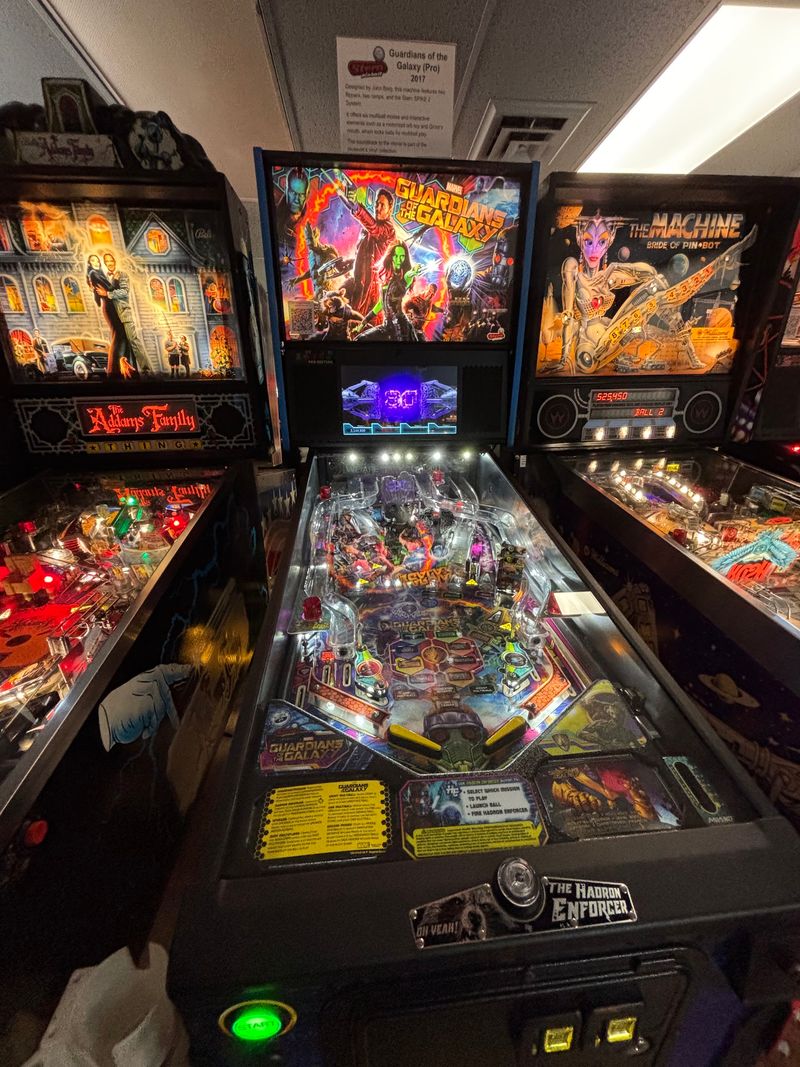
Keeping one pinball machine healthy takes patience. Keeping more than 100 running takes a dedicated crew and plenty of spare parts.
The Idaho Pinball Museum leans on people who fix and maintain the machines during open hours. Preventive maintenance happens right on the floor, so games stay in rotation for players.
That care shows up where it counts. Flippers respond, lights work, and scoring behaves the way it should.
A dead flipper can ruin a game, so this matters more than it sounds.
The machines aren’t cranked to maximum volume, either. An acoustic tile ceiling also helps soften the noise.
A busy night still gets lively, though, and hearing your own machine’s callouts can take effort.
Watching repairs is part of the show. A raised playfield reveals a maze of switches and coils that most players never see.
It’s oddly satisfying to watch someone coax an old game back to life.
Behind every smooth game is someone who spent time making it that way. Remember that when your ball drains.
The machine probably isn’t the problem.
Thursday Nights Belong To The Competitors
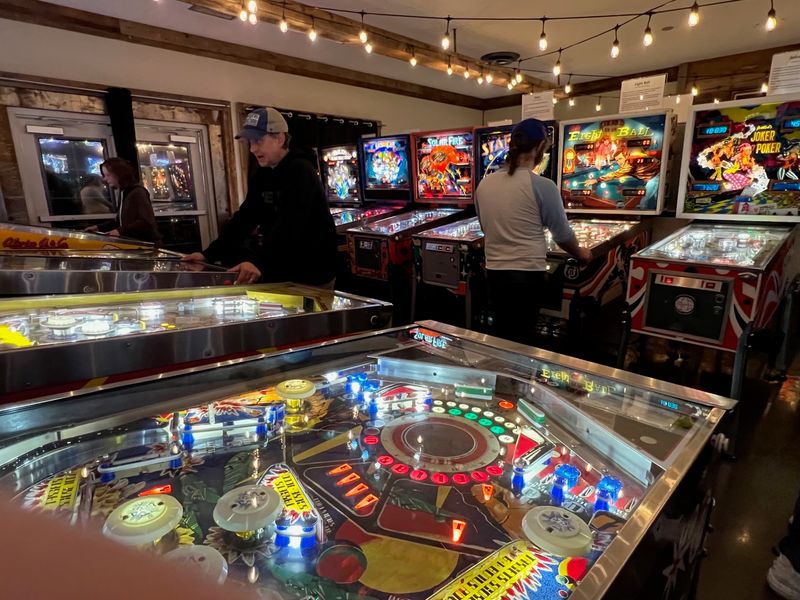
Casual flippers share the room with some seriously focused players. The museum hosts IFPA-registered tournaments, which tie into the International Flipper Pinball Association rankings.
Tournaments run on Thursday evenings and on Saturdays. Ranked play brings energy, concentration, and a few dramatic groans when a ball slips between the flippers.
Newcomers sometimes jump into their first tournament with almost no experience. That’s brave, and it’s also how plenty of players catch the bug.
Learning a brand-new machine under pressure creates memories fast.
There’s also Belles and Chimes, a meetup for women pinball players. It happens on the first Sunday of the month.
That’s a welcoming way to find playing partners and build skills together.
Tournament nights can get busier than usual. Groups have still managed to find machines, though, thanks to the sheer size of the collection.
If you’d rather avoid the competitive buzz, plan around tournament times. If you love a challenge, show up and watch how the experts play.
You’ll pick up tricks like nudging and ball control just by paying attention.
Bring Snacks, Bring Friends, Bring Grandpa
Ages twelve to seventy-two have shared a single visit here, and that range says plenty. Pinball turns out to be one of the rare games every generation understands.
Admission applies to everyone two and up. Younger kids can watch the lights, while older ones chase scores against their parents.
Grandparents may recognize machines from their own youth.
Guests can bring their own food and drinks with permission. Many games even have cupholders attached, which is a thoughtful touch.
Just keep glass containers at home.
The vibe stays casual and friendly. Owners usually greet guests near the front door and help first-timers understand how open play works.
Players tend to share machines and rotate after a round or two.
Hosts may also gently nudge machine hoggers along. That keeps the popular games moving and fair for everyone.
A small, family-run feel sits at the heart of the place. Two songs were even commissioned for the museum, including one that plays at the end of the day.
Hearing it means the session’s wrapping up, so squeeze in one last ball.
Plan Around A Short But Sweet Schedule
Timing matters more than anything else here. Public open play happens only a few days a week, so a spontaneous Tuesday trip won’t work.
Open play currently runs Thursday and Friday evenings, plus Saturday afternoons. The rest of the week, the doors stay closed to walk-ins.
Check the museum’s own channels before driving over, since schedules can shift.
You’ll find the Idaho Pinball Museum at 1104 N Cole Rd, Boise, ID 83704. It sits on the west side of the Treasure Valley, an easy hop for anyone around Boise, Meridian, or Nampa.
One admission covers unlimited play on nearly every machine for as long as the museum stays open. The only exceptions are the few loaned games that take a dollar.
Budgeting doesn’t get much easier.
Private events are also available for groups. Rentals include access to a partial kitchen for food setup.
Birthday parties work for ages fourteen and up.
Arriving early in a session gives you the most playing time. Once that closing song starts, it’s time to head home and plan your rematch.
Why This Idaho Pinball Stop Earns A Spot On Your Calendar
Few outings in Idaho give this much fun for so little cash. One modest admission opens the door to more than 100 games, plus a little history on the side.
The Idaho Pinball Museum works for nearly anyone. Families get a cheap evening out, history fans get stories behind the machines, and competitive players get ranked tournaments.
Even pinball skeptics have walked out converted.
The biggest hurdle is the short schedule. Plan ahead, pick an evening or Saturday afternoon, and give yourself a few hours.
You’ll likely need them.
Supporting the place helps it keep going. It’s a nonprofit, so buying merchandise or adding a little extra at the door goes straight toward the mission.
I can’t imagine a better rainy-day plan in Boise. It’s also a perfect cold-weather escape when the Treasure Valley turns gray.
Go with a friend, pick a rival machine, and settle a score. Lose to a 1960s game with chimes and bells.
Then try again, because nobody’s counting quarters here.