25 Adorable Baby Mammals Have Arrived At This California Zoo And Visitors Are In For A Treat
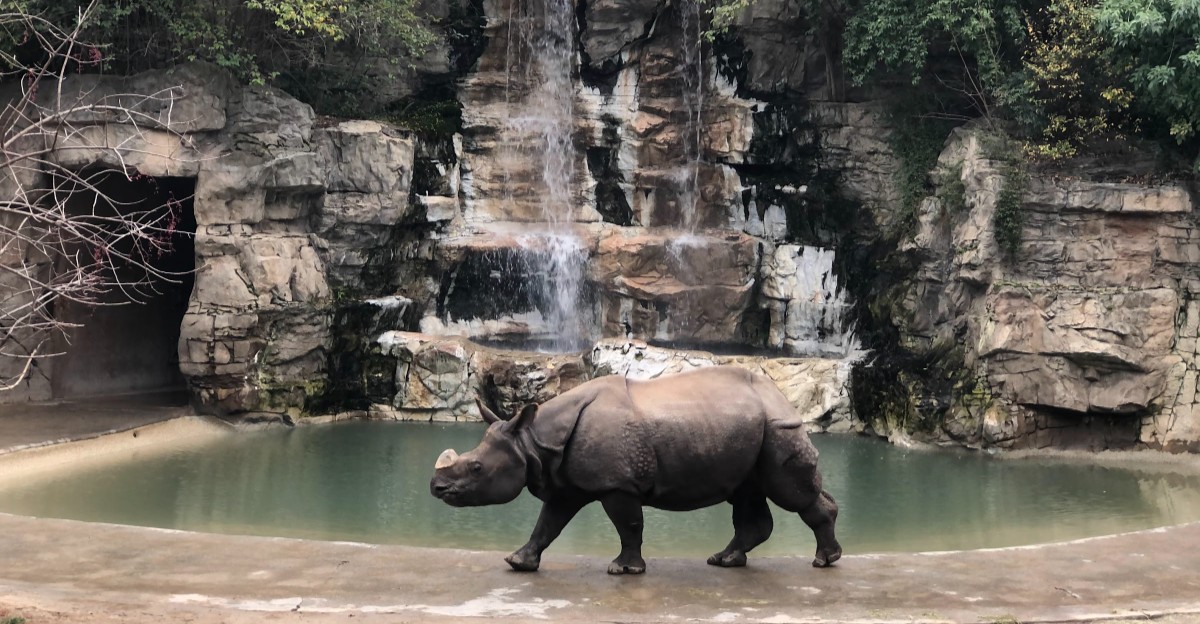
A baby white rhino named Eloise arrived at the Fresno Chaffee Zoo on November 28, 2025, just one day after Thanksgiving.
Her arrival gave the zoo another reason to celebrate during the holiday weekend, and she quickly became one of its most exciting new residents.
Then summer brought even more newcomers to this busy nursery. Two lion cubs arrived on the Fourth of July, and a baby tapir and a tiny siamang followed just one week later.
I can’t imagine a better excuse to plan a zoo day in California right now. A baby giraffe joined the crew in August, and a young orangutan’s name went up for a public vote in the fall.
I like how each arrival comes with its own little story and a name that’s easy to fall for. Which fuzzy, wobbly, or wrinkly baby would you visit first?
A Baby Rhino Named Eloise Kicked Off The Whole Cuteness Wave
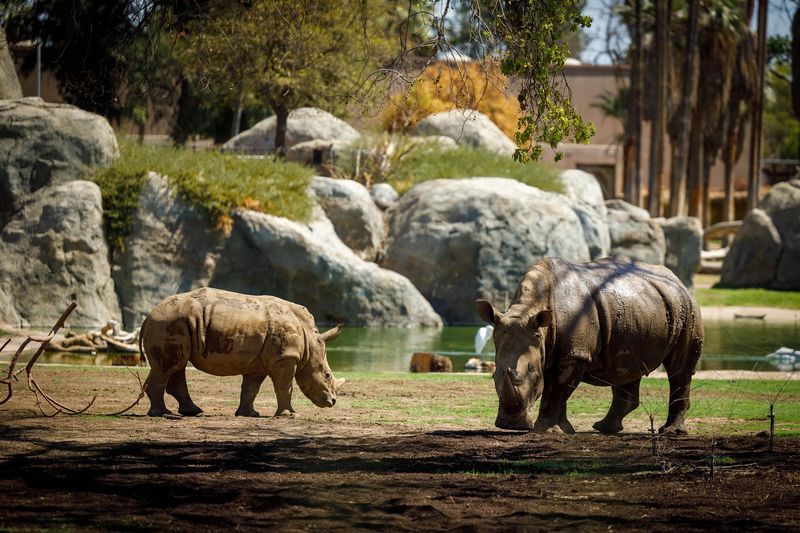
Eloise didn’t wait for spring to make her debut. The white rhino calf was born at the Fresno Chaffee Zoo on November 28, 2025, right in the middle of the holiday season.
That timing made her the opening act for a big run of baby mammals. Honestly, few animals can pull off a dramatic entrance quite like a rhino.
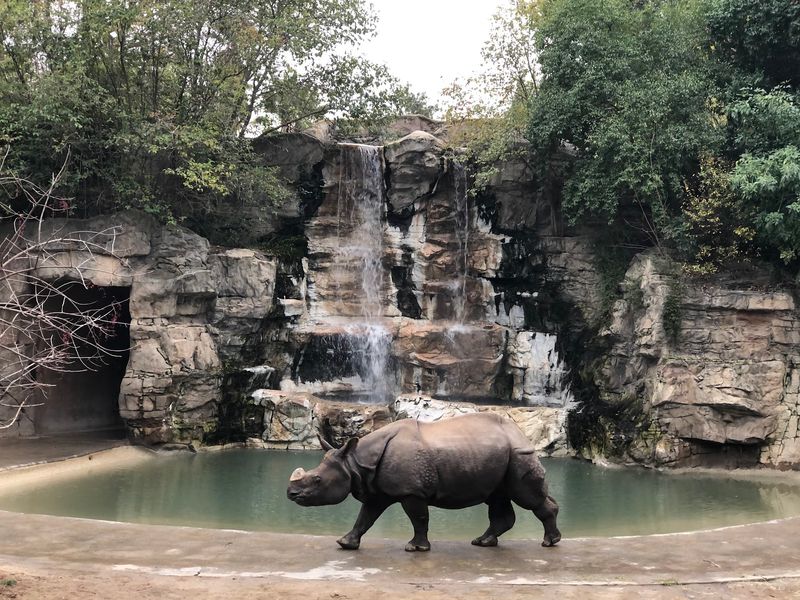
White rhinos live in African Adventure, the zoo’s 13-acre exhibit. You’ll find lions, African elephants, and cheetahs sharing that same part of the zoo.
Here’s a fun fact for the car ride over. White rhinos are among the largest land mammals on Earth, so even a baby starts life pretty sturdy.
Rhino calves stay close to their mothers, which makes the pair a sweet sight together. Keep an eye out for a smaller shape trailing a much larger one.
Patience pays off with big animals like these. They move at their own pace, and sometimes they nap for a while before strolling into view.
A quick tip helps on warm days. Animals often get sleepy as the afternoon heats up, so plan an earlier stop at the rhino area if you can.
Two Lion Cubs Arrived With Their Own Fireworks Built In
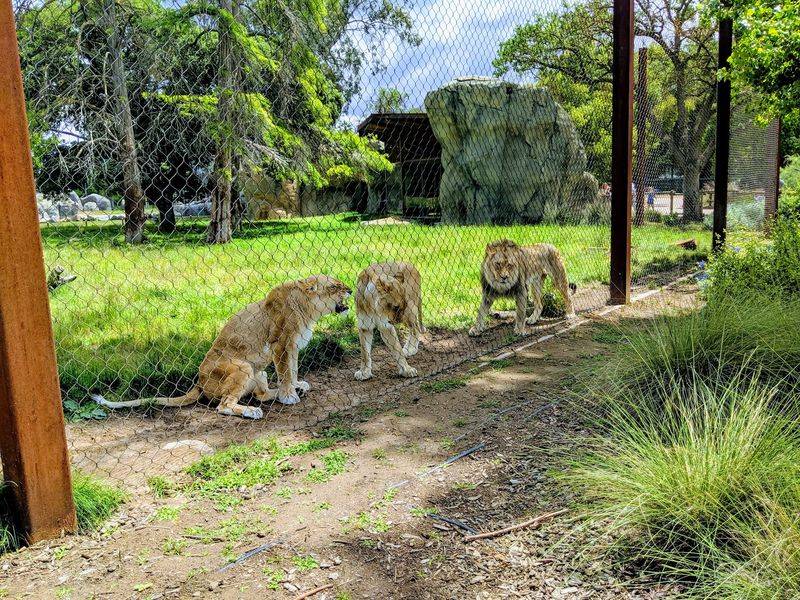
Talk about a birthday that’s impossible to forget. Indy and Jubilee, two African lion cubs, were born on July 4, 2026.
Their names fit the holiday perfectly. Indy brings Independence Day to mind, while Jubilee sounds like a full-blown celebration.
Lions call African Adventure home at the zoo. That large area also features elephants, cheetahs, and white rhinos, so there’s plenty to see between cub check-ins.
Lion cubs are famous for their playful streak. They pounce, tumble, and chew on just about anything, which is basically practice for adult life.
Little cubs also tire out fast. A wild play session can end with a sudden nap in the shade, so don’t be surprised by a pile of sleepy fur.
Bring a camera with a decent zoom if you have one. Cubs move quickly, and a burst of photos gives you a better shot at catching that perfect pounce.
Kids might enjoy comparing the cubs to the grown lions nearby. It’s a neat way to talk about how animals change as they get older and bigger.
Listen Closely Because A Tiny Siamang Has A Lot To Say
Siamangs are some of the loudest primates around, and their songs can travel far. So yes, the newest one might grow up to be a real chatterbox.
Her name is Soleil, and she was born on July 11, 2026. Soleil means sun in French, which feels like a cheerful pick for a summer baby.
Siamangs are a type of gibbon from Southeast Asia. They have a special throat sac that puffs up like a balloon when they call.
Families often sing together in the wild. Those duets help them stay connected and let neighbors know whose patch of forest is whose.
Baby siamangs hold tight to their mothers for months. Look for a small dark bundle tucked against a parent while the adults swing around.
Arms are the real stars with these primates. Siamangs have long arms built for swinging from branch to branch with smooth, easy moves.
Visiting in the morning can be a smart move. Many primates are more active earlier in the day, and you might even catch a burst of their famous calls.
Winston The Baby Tapir Looks Like A Walking Watermelon
Baby Malayan tapirs wear a pattern of stripes and spots that looks a lot like a watermelon. Grown-ups, meanwhile, sport a bold black and white look that seems painted on.
Winston joined the zoo family on June 11, 2026. He shares a birthday with Soleil the siamang, which makes that day extra busy for the zoo team.
Those baby markings actually have a purpose. In shady forests, the stripes help young tapirs blend in with patches of light and shadow.
As Winston grows, his coat will slowly change. Over time, he’ll trade the stripes for the classic two-tone pattern of an adult.
Tapirs have a short, bendy snout that works a bit like a tiny trunk. They use it to grab leaves and sniff around for snacks.
Water is a big deal for these animals. Tapirs are strong swimmers and often cool off in pools, so check any water nearby.
Kids usually love spotting the difference between baby and adult coats. It’s a fun little science lesson hiding inside a very cute package.
Sienna Is Proof That Giraffes Start Out Tall
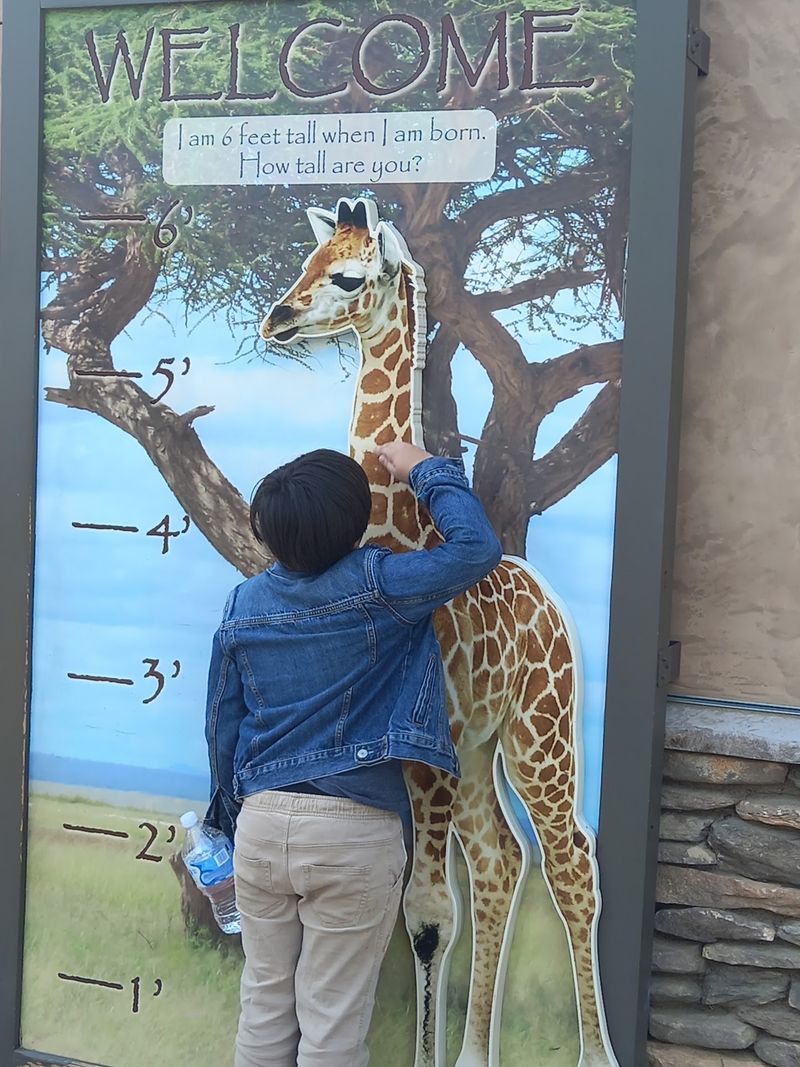
A newborn giraffe can already be taller than most grown-ups. Sienna, a Masai giraffe, arrived on August 18, 2026, and she’s starting life with a serious height advantage.
Masai giraffes have jagged, leafy-looking spots. Every giraffe has its own unique pattern, a bit like a fingerprint.
Giraffes live within African Adventure at the Fresno Chaffee Zoo. That area also includes Twiga Terrace, where guests can feed the giraffes.
Twiga means giraffe in Swahili, so the name makes perfect sense. Feeding sessions bring you face to face with long purple tongues and very curious eyes.
Giraffe feeding is a separate experience, so plan for it ahead of time. It’s one of the most popular things to do at the zoo, and it’s easy to see why.
Young calves might not join feeding time right away. Still, watching Sienna explore near the older giraffes is a treat all on its own.
Bring your phone ready for photos at the terrace. Getting eye level with a giraffe is the kind of picture that ends up on the fridge for years.
The Public Helped Name A Brand-New Orangutan
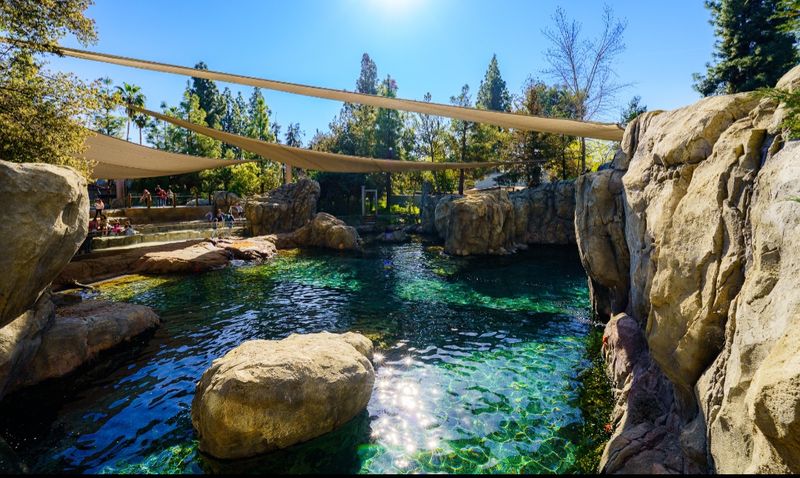
Ever wanted a say in naming a baby ape? Fans got that chance when a Sumatran orangutan was born on October 5, 2026, and the name went to a public vote.
That’s a pretty special way to welcome a newcomer. It turns a birth announcement into something the whole community can join.
Orangutans live in Kingdoms of Asia, one of the zoo’s newer exhibits. It’s designed to feel like a trip through a Southeast Asian forest.
Elevated walkways and close-up viewing areas make this part of the zoo stand out. You can look up, look across, and sometimes see the apes at surprising angles.
Sumatran orangutans are critically endangered in the wild. Every birth in a zoo program matters for the future of the species.
Baby orangutans stay with their mothers for years, longer than many other mammals. They learn climbing, food skills, and nest building by copying mom.
Malayan tigers and sloth bears also live in Kingdoms of Asia. Give yourself extra time here, because there’s a lot packed into this leafy corner.
Give The African Savanna Area A Good Long Look
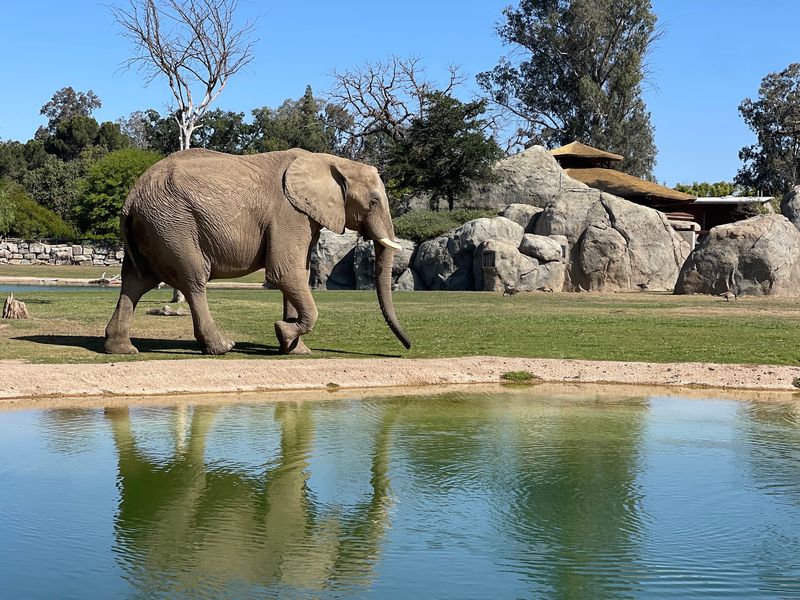
Thirteen acres is a lot of room for wildlife. That’s the size of African Adventure, and it’s where many of the zoo’s biggest animals spend their days.
Lions, African elephants, cheetahs, and white rhinos all live in this part of the zoo. It’s also where you’ll catch Eloise, Indy, Jubilee, and Sienna.
The Kopje Lodge sits right in front of a savanna habitat. It gives you an open view of animals sharing a wide space together.
That setup makes a great resting spot for tired legs. You can take a break and still watch big animals moving across the landscape.
Elephants are always a crowd-pleaser. Their size, trunks, and dusty baths make them easy to watch for a long stretch.
Cheetahs can be harder to spot, so slow down here. They often rest low in the grass, and a careful look can pay off.
Plan to spend real time in this area rather than rushing. With so many new babies nearby, African Adventure might become your family’s favorite part of the whole day.
Sea Lions And Stingrays Steal Plenty Of Attention Too
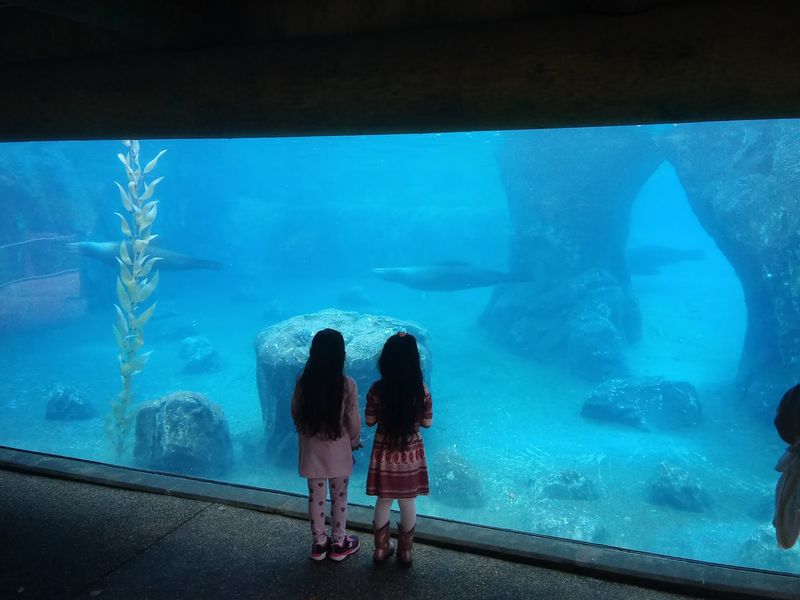
Fresno sits a few hours from the ocean, yet a slice of the coast lives right here. Sea Lion Cove was designed after Point Lobos, a famous rocky spot on the California coast.
California sea lions and harbor seals live in this exhibit. Sea lions are the chatty, flippered show-offs, while harbor seals tend to be calmer and rounder.
Underwater viewing is where things get fun. Watching sea lions zoom and twist through the water feels like a free swim show.
Stingray Bay offers a different kind of up-close moment. Guests can touch and even feed the stingrays in a shallow pool.
Use two fingers and a light touch when you reach in. Staff nearby can share tips, and the rays glide past like smooth little pancakes.
Stingray Bay is a big favorite with kids. It’s hands-on, a little thrilling, and pretty unforgettable for first-timers.
Combine these two stops for a nice break from the heat. Watching water animals on a warm Central Valley afternoon somehow makes everyone feel a few degrees cooler.
Kangaroos, Farm Friends, And Dinosaurs Round Out The Day
Red kangaroos lounging in Fresno sounds a little wild. Roo Walkabout makes it real, with kangaroos, emus, and kookaburras bringing a piece of Australia to California.
Kangaroos are famous for hopping, but they also love lazy rest breaks. Don’t be surprised if they’re stretched out like they own the place.
Valley Farm offers a cozy change of pace. It’s a nice stop for younger kids who enjoy friendly, familiar animals.
The zoo also has a Tropical Rainforest exhibit and a Reptile House. Both are good spots to explore when you want something a bit different from the big mammals.
Zoorassic Park adds animatronic dinosaurs as a special ticketed experience. It’s offered for a limited time, so check before you go if dinosaurs are on your list.
Animal chats happen throughout the day too. They’re short, easy to join, and packed with facts kids can repeat at dinner.
Want something extra special? Behind-the-Scenes Adventures can include meeting a warthog or joining a sea lion training session.
A Few Smart Tips Before You Meet The Babies
This zoo has been welcoming guests for nearly a century. It opened in 1929 as the Roeding Park Zoo, and it carried a few other names before becoming the Fresno Chaffee Zoo in 2006.
Today it covers 39 acres and houses more than 190 species. That’s a lot of ground, so comfy shoes are a must.
You’ll find the zoo at 894 W Belmont Avenue, Fresno, California 93728. It’s open daily from 9 a.m. to 4 p.m.
Arriving early is a great idea, especially in summer. Animals tend to be more active before the afternoon heat sets in.
The zoo is accredited by the Association of Zoos and Aquariums and the World Association of Zoos and Aquariums. Those groups focus on animal care and conservation work.
Bring water, sunscreen, and a hat for the walk. Shade and benches help, but the Central Valley sun doesn’t mess around.
Most of all, take your time with the babies. Eloise, the lion cubs, Winston, Soleil, Sienna, and the young orangutan will only be this small for a short while.