This North Carolina County Just Approved A Two-Year Pause On New Data Centers
Unanimous votes usually make me pay attention, especially when they put a two-year pause on something as massive as data centers.
Every commissioner in one eastern North Carolina county agreed to hit the brakes in November 2026.
Residents had been asking hard questions about water use and electricity demand.
Noise came up too, along with concerns about how quickly artificial intelligence is driving new development.
I found the reason for the pause especially interesting.
County planners acknowledged that their existing rules were not really written for projects on this scale.
Some residents wanted a permanent ban, but state law limits how far local governments can go.
So the county bought itself something else instead: time.
Now I want to know what officials can change before those two years disappear and another proposal lands on the table.
The Vote That Stopped The Paperwork Cold
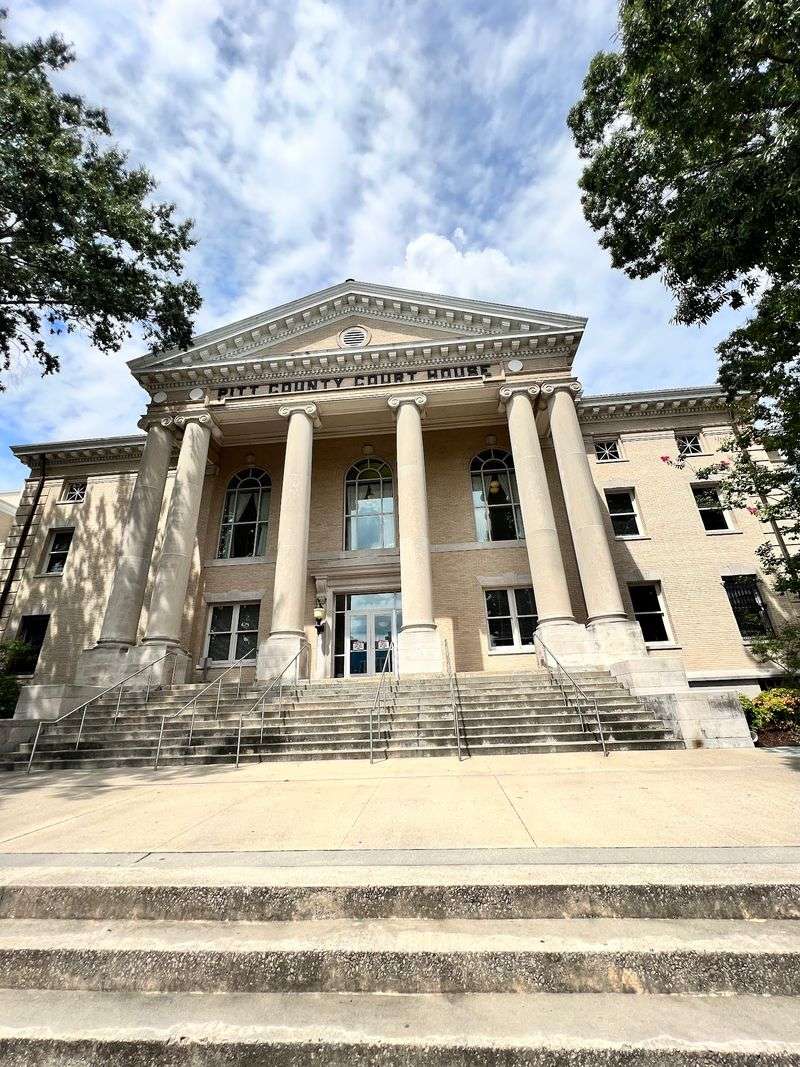
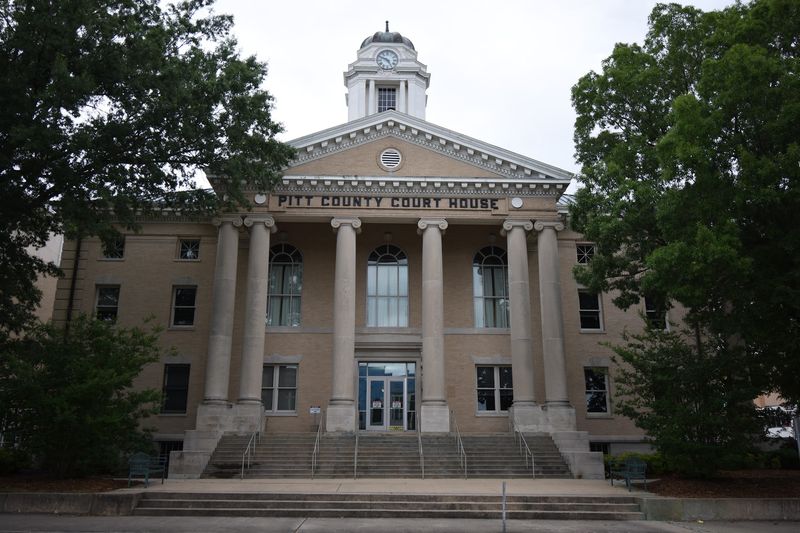
Pitt County North Carolina made its choice on November 16, 2026. The Pitt County Board of Commissioners approved a two-year moratorium on new data centers, and the vote was unanimous.
So what does a moratorium actually do? The county stopped accepting and processing applications for new data centers during this window.
The moratorium temporarily restricts new data center construction, development, and permitting, although certain previously approved projects may be exempt. A company can’t simply file papers and wait in line for a green light.
Think of it like a library pausing new book orders while it rebuilds the shelves. The books aren’t banned forever.
The county just needs a better system before anything new arrives.
Unanimous votes are worth noticing. Local boards often split on growth questions, especially when jobs and tax money enter the conversation.
Here, every commissioner landed in the same place. That tells you the concerns felt real and widely shared across the board.
For residents, the takeaway is simple. For the next two years, the county has room to think.
And thinking time is something fast-moving industries rarely give anyone.
That pause could shape the county for decades to come.
Your Power Bill Got A Seat At The Table

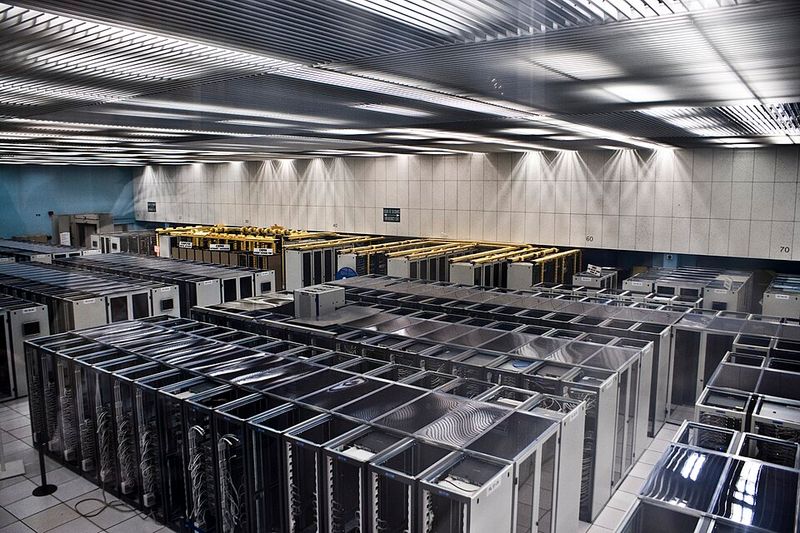
Electricity sat near the top of the worry list. Data centers run huge banks of computers around the clock, and those machines need enormous amounts of power.
Residents in Pitt County raised this concern loudly before the vote. When one building uses that much energy, people naturally wonder how it affects everyone else on the grid.
You don’t need an engineering degree to follow the logic. More demand can mean more strain, and households want to know who carries that load.
Energy consumption was named among the key impacts the county wants to study. That includes how these facilities might fit with existing resources across the area.
A practical tip for curious readers: watch for future county meetings on this topic. Planning discussions are public, and they often explain technical issues in plain language.
Asking smart questions early beats complaining after a project breaks ground. North Carolina residents clearly understood that here.
The pause gives officials time to gather real numbers instead of guesses. Better data about data centers feels fitting, honestly.
And your monthly bill, at least indirectly, finally got some attention in the room.
Water Questions Nobody Wanted To Skip

Computers get hot. Really hot. Many data centers rely on water to keep their equipment cool, and that thirst made residents nervous.
Water usage was one of the main concerns voiced before the moratorium passed. People wanted to know how much a single facility might draw and what that means locally.
Eastern North Carolina depends on its water resources for homes, farms, and businesses. Adding a heavy new user without a clear plan understandably felt risky to many folks.
The county listed environmental resources among the impacts it now plans to evaluate. Water fits squarely inside that study.
Here’s a helpful way to think about it. Every new big user changes the math for everyone sharing the same supply.
Good rules can set limits, require reporting, or guide facilities toward smarter cooling methods. Without stronger, more specific regulations, the community could struggle to manage the demands of large data center facilities.
Pitt County chose not to rely on hope. Officials want facts first.
If you care about local water, this is a great moment to learn more. Clean, reliable water rarely makes headlines until something goes wrong, and preventing that is the whole point.
The Hum That Neighbors Did Not Want
Noise pollution made the list too, and it’s easy to see why. Large cooling systems and backup equipment can create a steady sound that carries.
For people who live in quiet rural areas, that matters a lot. Country evenings are supposed to sound like crickets, not machinery.
Residents in Pitt County raised noise as a real concern before the vote. It wasn’t a side issue tucked behind bigger topics.
Noise rules are usually handled through zoning and land-use standards. That’s exactly the kind of thing the county now plans to rewrite.
Smart regulations might address distance from homes, sound limits, or buffers between properties. Those details will come through the planning process, not overnight.
If you’ve ever lived near a highway or a busy plant, you understand the stakes. Sound you can’t escape wears on a person.
The pause protects neighbors while leaders figure out fair standards. The moratorium gives officials time to consider stronger noise protections before additional data center developments move forward.
Honestly, that seems like basic courtesy written into public policy. A little peace and quiet is a reasonable thing to protect.
Old Rules Met A Brand New Industry
County Planning Director Jonas Hill didn’t sugarcoat things. Before the vote, he pointed out gaps in the existing ordinance covering large data processing facilities.
His message was clear. Current zoning rules were not well equipped for this industry.
That kind of honesty from a planning office is refreshing. It’s much easier to admit a problem before a project lands than after.
Zoning rules decide what can be built where. Pitt County already had rules for data processing facilities, but officials recognized that those regulations did not fully address the demands of much larger data center developments.
Technology moved fast. Local codes, as usual, moved at a slower pace.
So the county faced a choice. It could approve projects under outdated rules or stop and update the playbook first.
Pitt County picked the second option. The two-year pause gives staff time to study impacts and write land-use regulations that actually fit.
For anyone who follows local government, this is a useful lesson. Rules only work when they match the world as it is today.
Hill’s warning helped turn a vague worry into a concrete plan. That’s good public service in action.
Why Nobody Could Just Say Never
Plenty of people wanted more than a pause. Some community members pushed for a complete ban on data centers in Pitt County.
County staff explained the problem. County officials explained that North Carolina’s land-use laws limit their ability to impose a permanent, blanket prohibition on lawful development.
That legal limit shaped everything. Instead of a permanent no, leaders chose a time-limited moratorium.
It might feel like a compromise, and in a way it is. But a pause still carries real weight.
During these two years, no new applications move forward. That gives the county breathing room it simply didn’t have before.
Understanding these limits helps residents speak up more effectively. Understanding these legal limits can help residents focus on regulations the county has the authority to adopt.
Asking for strong rules, though, can make a big difference. That’s where public input truly matters.
North Carolina counties work within boundaries set by the state. Knowing those boundaries is half the battle in local politics.
So the next time a hot topic hits your county, find out what local leaders can actually do. It saves frustration and points energy toward results that stick.
A Big Rulebook Is Coming By 2027
Here’s a twist many folks missed. The data center study ties into something much bigger for the county.
Pitt County is creating its first unified development ordinance, often called a UDO. Completion is projected for the end of 2027.
A UDO gathers zoning, subdivision, and development rules into one organized document. Instead of hunting through scattered codes, everyone works from a single playbook.
Builders like that clarity. Residents do too, because it’s easier to understand what can happen near their homes.
The new data center regulations are meant to fold right into this effort. That means the rules won’t stand alone as an awkward add-on.
It’s a pretty efficient approach. Why write one patch when you’re already rebuilding the whole system?
The timing lines up nicely with the two-year moratorium. By the time the pause wraps up, the county hopes to have modern rules in place.
If you’re interested in local growth, keep an eye on UDO updates. Big decisions about roads, homes, and businesses will flow through this document for years.
The Auditorium Where Residents Spoke Up
Democracy got a little crowded on a Monday night. The public hearing took place in the Eugene James Auditorium inside the County Administration Building.
You’ll find that building at 1717 W. 5th Street, Greenville, N.C. Greenville serves as the county seat for Pitt County.
Public hearings give everyday people a microphone. Residents brought concerns about energy, water, noise, public safety, and artificial intelligence.
Some also raised broader social and ecological questions. That’s a wide range of worries for one meeting.
Want a practical tip? Public hearing dates are posted by the county in advance, so planning to attend is easier than you think.
Showing up in person sends a signal. Commissioners notice when a room fills with people who care.
Written comments can help too, especially if your schedule is packed. Clear, specific points tend to carry more weight than general complaints.
This hearing proved that local voices still shape real outcomes. A unanimous vote followed the conversation, after all.
Not bad for an evening that started with a sign-up sheet and a few folding chairs worth of courage.
What The Next Two Years Could Mean For You
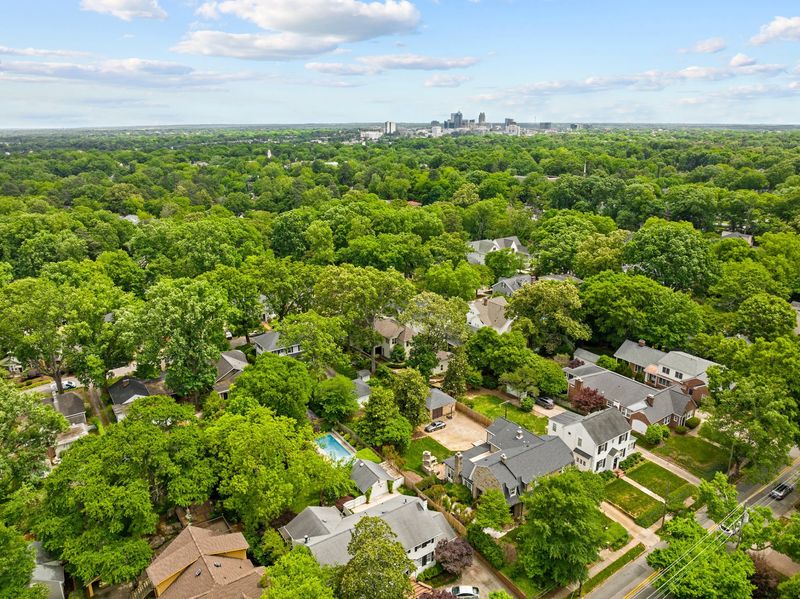
Pitt County is no tiny dot on the map. Pitt County recorded 170,243 residents in the 2020 Census, ranking 16th in population among North Carolina’s 100 counties.
It also sits in the Inner Banks region and anchors the Greenville metropolitan area. So decisions made here ripple out to plenty of people.
Over the next two years, officials will study impacts on the environment, energy, and public safety. Then they’ll craft land-use rules to match.
That’s where you come in. Following the process now beats reacting later.
Read local news coverage when updates come out. Attend a meeting if a topic grabs you.
Ask how new rules might affect your neighborhood, your utility costs, or local jobs. Good questions shape better policy.
Other counties may watch closely too. A thoughtful approach here could become a model elsewhere in the state.
The pause isn’t a final answer. It’s a chance to get the answer right.
And honestly, a community that stops to think before a big change deserves a little applause. Two years can pass quickly, so stay curious and stay involved.