This Tiny Georgia Market Is Packed With Filipino Groceries, Crispy Lumpia And Authentic Homemade Food
Fresh lumpia, garlic rice, and a fried egg on the same plate as crispy pork belly. That combo has a name, lechon-si-log, and it’s waiting at a small family market in Georgia.
The food here gets cooked fresh every day in small batches. That means some dishes can sell out.
I like how that one detail tells you everything about the kitchen’s priorities.
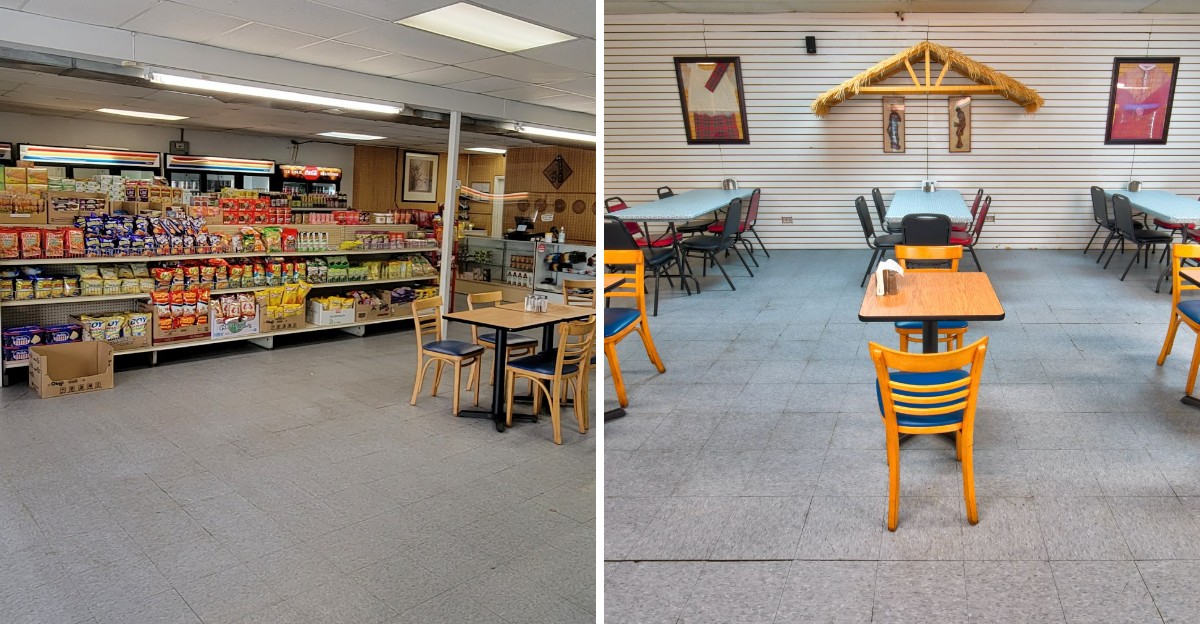
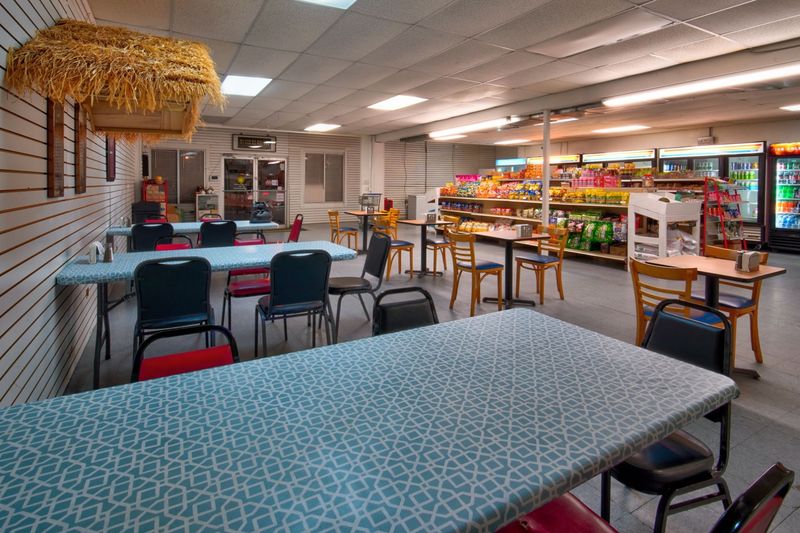
Half the room works as a grocery store. You’ll find jasmine rice, fish sauce, frozen lumpia, and snacks that big supermarkets never seem to carry.
The other half serves plates that taste like a Filipino family dinner.
I can’t imagine a better way to explore a whole cuisine in one quick stop. You can eat lunch, then shop for tomorrow’s dinner.
One Family Built It From A Dream And A Lot Of Lumpia
MJ Asian Market and Filipino Food started with one woman and a big idea. Marevic Garcia opened the market in 2016 after moving her family from Pampanga, Philippines, to Warner Robins.
Her path to running a kitchen wasn’t a straight line. Before the market, she worked at Walmart and at a local school.
That background makes the place feel personal. You’re not ordering from a chain with a corporate recipe binder.
Pampanga matters here, too. The province is often called the culinary capital of the Philippines, so the roots of this kitchen run deep.
The business also pushed through the COVID-19 pandemic. Plenty of small shops struggled during that stretch, and this one kept its doors open and its fryers hot.
Today it still runs like a family operation. Names like Justin and Marie come up often when people talk about the friendly faces behind the counter.
I believe that kind of staying power says a lot. A small Georgia market doesn’t last nearly a decade without steady cooking and real care.
So when you grab a plate here, you’re tasting a family story. Not a bad bonus for a lunch break.
You’ll find the market at 122 Manor Ct, Warner Robins, GA 31093. It sits in a small shopping center, so it’s easy to miss if you drive too fast.
The Crispy Rolls Everyone Seems To Order First
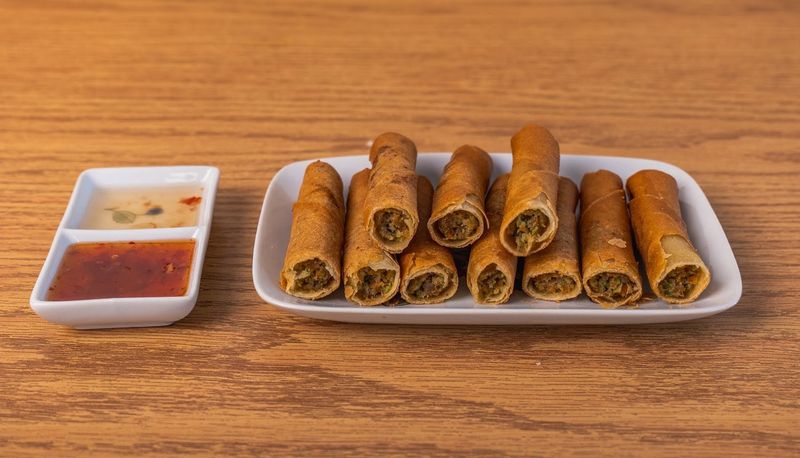
Golden, crunchy, and dangerously easy to eat by the handful. Lumpia is the star at this market, and it isn’t even close.
The kitchen makes three versions. You can pick pork, chicken, or veggie, and each comes with sweet chili sauce for dipping.
Lumpia are Filipino spring rolls, usually thinner and crispier than the egg rolls many Americans know. They’re a staple at Filipino parties, and one plate rarely feels like enough.
Here’s a nice surprise for lunch. Some lunch specials, like the pork adobo, come with mini lumpia on the side.
That means you don’t have to choose between a main dish and the famous rolls. Smart planning, honestly.
Want them at home instead? The grocery side stocks frozen lumpia, so you can fry a batch whenever the craving shows up.
I like that option for families. Kids who love chicken nuggets may become lumpia fans pretty fast.
A quick tip for first-timers is to start with pork if you want the classic taste. Then try the veggie version on your next visit and compare.
Good luck stopping at just one.
Breakfast Plates With Silly Names And Serious Flavor
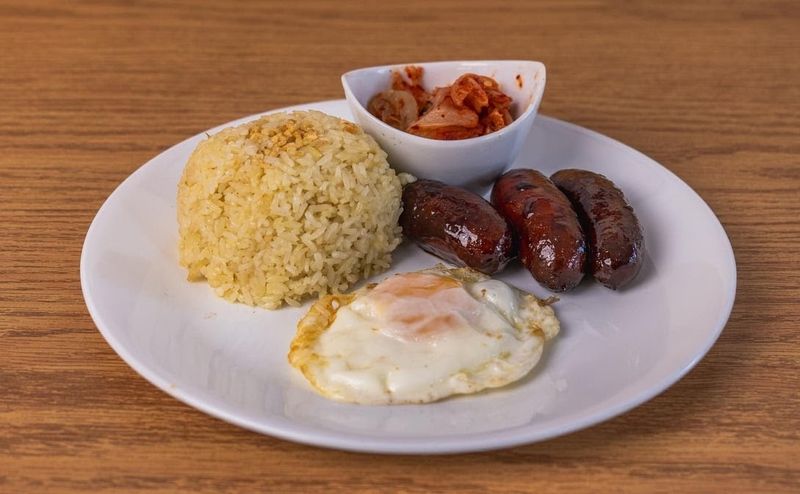
Tap-si-log sounds like a dance move. It’s actually one of the most beloved breakfast plates in the Philippines.
The name is a mashup of three words. The meat comes first, then sinangag for garlic rice, then itlog for egg.
MJ Asian Market and Filipino Food serves a whole lineup of these silog meals. Each one pairs garlic rice and a fried egg with a different main.
Here’s what you can pick from. Tap-si-log brings beef, long-si-log brings sausage, and bang-si-log features milkfish.
Adobo fans get adobo-si-log. And lechon-si-log comes with pork belly, which is a pretty bold way to start any day.
The garlic rice deserves its own shout. It shows up as a favorite again and again, and it makes a simple plate feel complete.
Don’t worry about the clock, either. These plates work just as well for lunch as they do for breakfast.
I think silog meals are the perfect starter for Filipino food newbies. The flavors feel familiar, like a hearty diner breakfast with a new accent.
Once you learn the naming trick, reading the menu becomes a fun little puzzle.
Adobo, Pancit, And A Menu Full Of Comfort Classics
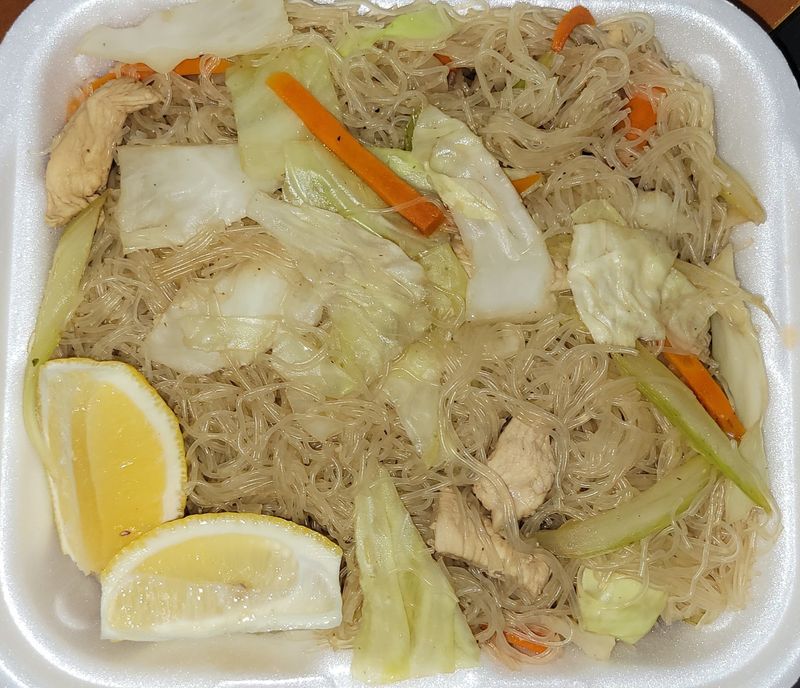
Ask ten Filipino families how to make adobo, and you’ll get ten answers. This kitchen offers both chicken and pork versions, served as entrees and in lunch specials.
Adobo is a savory, tangy stew built on vinegar, soy sauce, and garlic. It’s often called the unofficial national dish of the Philippines.
Noodles get plenty of love too. Pancit Bihon and Pancit Canton are both on the menu, and pancit often shows up in the lunch specials.
Fun fact: pancit is a classic birthday dish in the Philippines. The long noodles are said to stand for a long life.
The menu keeps going from there. You’ll find lechon kawali, which is twice-cooked pork belly, plus sizzling sisig and beef kaldereta.
Fish fans can pick fried pompano or fried tilapia. Others may lean toward bistek, kare-kare, pork sinigang, or crispy pata.
That’s a lot of choices for a compact spot. If a dish name stumps you, just ask at the counter.
I’d suggest pairing something crispy with something saucy. Pork belly plus pancit is a combo that covers a lot of ground in one meal.
Save Room, Because Halo-Halo Is A Whole Adventure
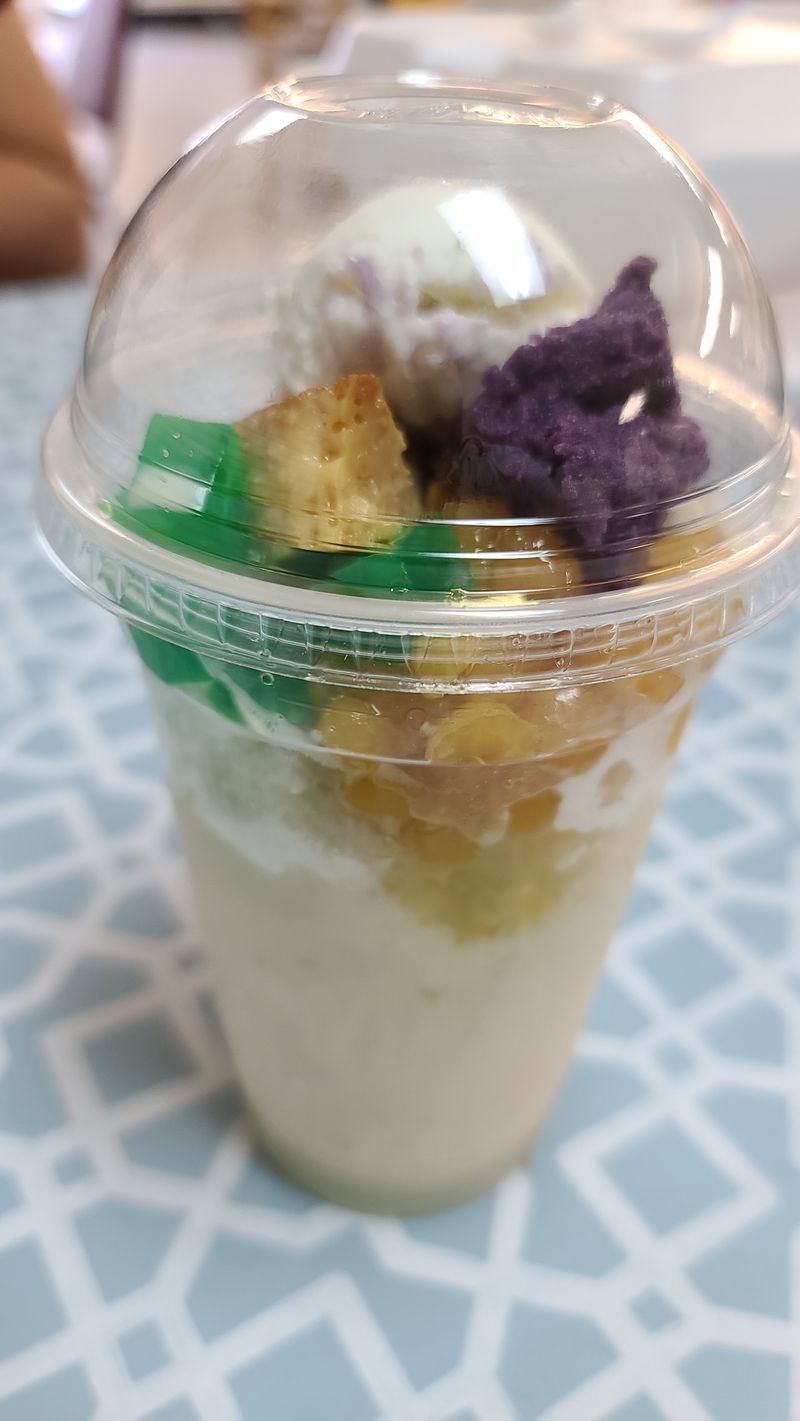
Shaved ice, sweet toppings, and a scoop of ice cream all crowd into one cup. That’s halo-halo, and the name literally means mix-mix in Tagalog.
You’re supposed to stir it all together before eating. It’s messy, colorful, and a lot of fun on a hot Georgia afternoon.
The dessert list doesn’t stop there. Turon is a deep-fried banana wrapped in a thin crispy wrapper, kind of like a sweet lumpia.
Leche flan brings a smooth, caramel-topped custard. Cassava cake offers a chewy, dense bite made from the cassava root.
Sapin-sapin might be the most eye-catching option. It’s a layered sticky treat, often in bright colors that look almost too pretty to eat.
Bilo-bilo rounds things out. It features chewy rice balls in a warm, sweet coconut-style soup.
Many of these treats are hard to find at regular American bakeries. That alone makes the dessert case worth a peek.
My advice is simple. Order one dessert you know and one you’ve never tried.
You might walk out with a new favorite, and the worst outcome is still dessert.
Grocery Aisles That Big Supermarkets Can’t Match
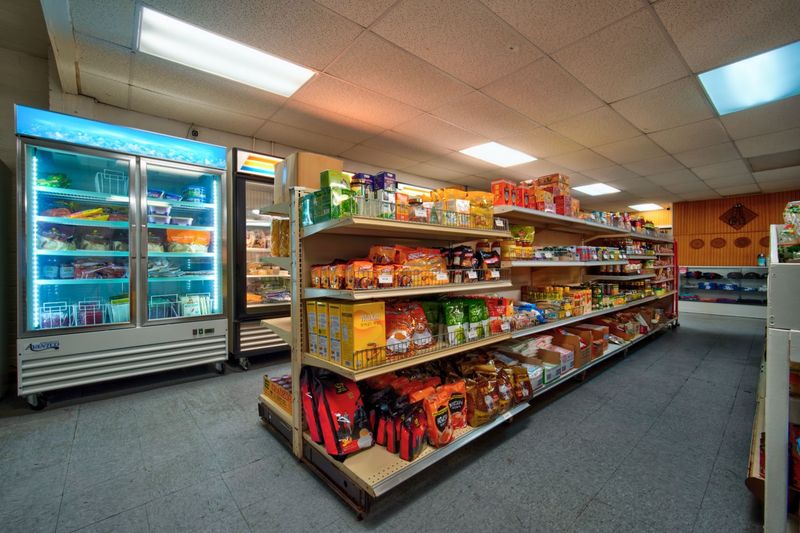
One side of MJ Asian Market and Filipino Food is all groceries. It’s small, but it’s packed with variety from wall to wall.
Pantry staples are covered first. You can grab jasmine rice and fish sauce without hunting through an international aisle that only has three items.
The freezer section holds frozen goods, including that famous frozen lumpia. Shelves also carry seasonings, dry goods, snacks, and drinks.
There’s even a bath and body section. That’s a handy surprise when you need more than food.
Some take-home goodies come straight from the kitchen, too. Fresh produce and seafood sometimes appear, so check what’s in that day.
The snack shelf may be the most fun for curious shoppers. Many of the treats rarely show up at big chain stores.
For Filipino families far from home, this kind of shop means a lot. It’s a place to find tastes that feel like childhood.
For everyone else, it’s a classroom with price tags. Pick up a bottle of fish sauce, try a new snack, and you’re halfway to cooking your own adobo.
Fast Lunch Or Fresh Order, The Counter Has Options
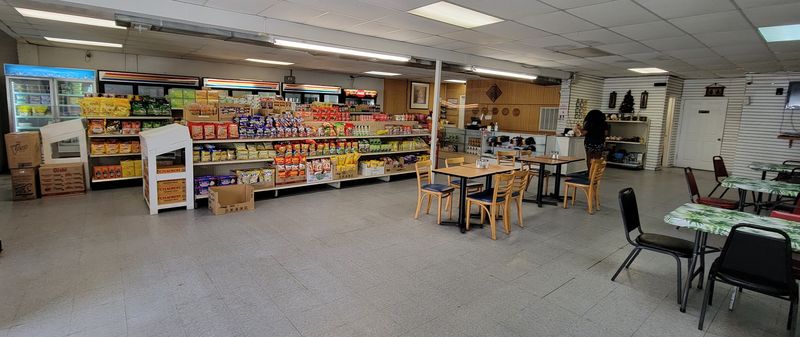
Short lunch break? This counter was practically built for you.
You can order à la carte from the menu. Or you can choose from prepared dishes displayed behind glass, cafeteria style.
Those prepared dishes get plated with rice based on what you pick. It’s quick, simple, and lets you point at whatever looks best.
Fresh orders are made to order, so they may take a few extra minutes. Lunch hours can get busy, so calling ahead is a smart move.
Here’s another thing to know. Food comes in to-go boxes, whether you eat there or take it home.
That makes leftovers easy. No need to ask for a box when you’re already holding one.
Since dishes are made fresh daily in small batches, some favorites may sell out. Going earlier gives you the best shot at your top pick.
Pick-up and delivery are both available too. That’s great news on rainy days or busy weeknights.
I like how flexible the setup is. You get the speed of a cafeteria and the care of a home kitchen in one stop.
No Fancy Decor, Just Real Food And Friendly Faces
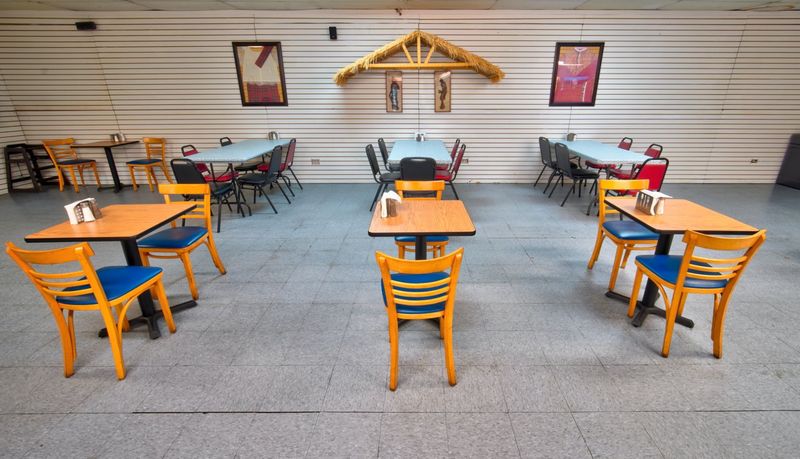
White tablecloths? Not here, and nobody seems to miss them.
The dining area at MJ Asian Market and Filipino Food is casual and simple. There’s counter service and a handful of tables for eating in.
Seating is limited, so the room can feel snug during the lunch rush. A table at off-peak hours is your best bet for a relaxed meal.
The space has a genuine, unpolished feel. Flavor, culture, and community take center stage instead of trendy decor.
Cleanliness gets regular praise, from the tables to the restroom. That counts for a lot in a compact shop.
The staff also stands out. Justin and Marie are often named for their warm, welcoming service.
The owner’s replies to customer feedback show the same attitude. Food and how people get treated are what the team says matters most.
Don’t be shy about asking questions at the counter. Filipino food may be new to you, and a friendly suggestion can steer you toward a great plate.
Honestly, that personal touch is part of the charm. A fancy room can’t teach you how to pronounce kare-kare.
A Quick Hop From The Base Makes Planning Easy
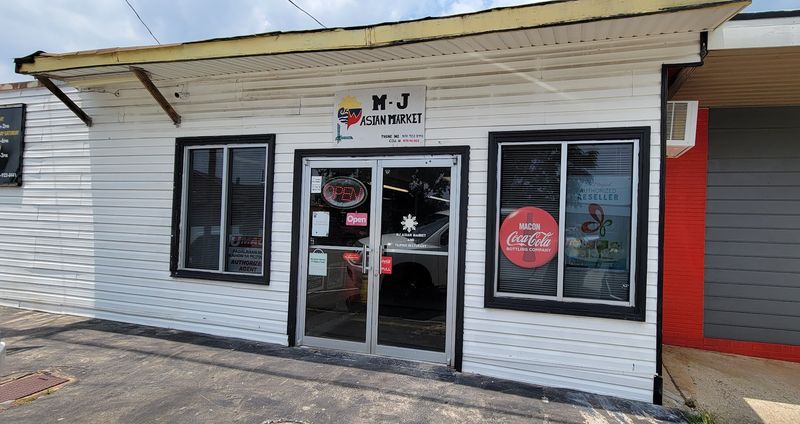
Robins Air Force Base sits close by, and that shapes the lunch crowd. Plenty of hungry folks head over from the base and the east side of town.
Sundays are closed. Plan your lumpia cravings around that, because nobody wants a sad Sunday surprise.
Timing matters most here. Lunch can be busy, and small-batch dishes may run out later in the day.
A smart plan is to arrive before noon or after the rush. Then shop the grocery aisles while your fresh order cooks.
Leave a little room in your trunk, too. Frozen lumpia, jasmine rice, and a dessert for later make the drive home a lot sweeter.