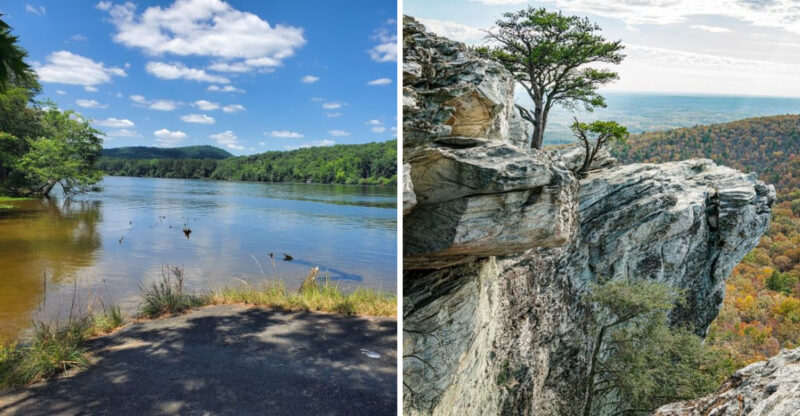
What Archaeologists Found Just One Foot Underground In North Carolina Had Been Hidden For Over 200 Years
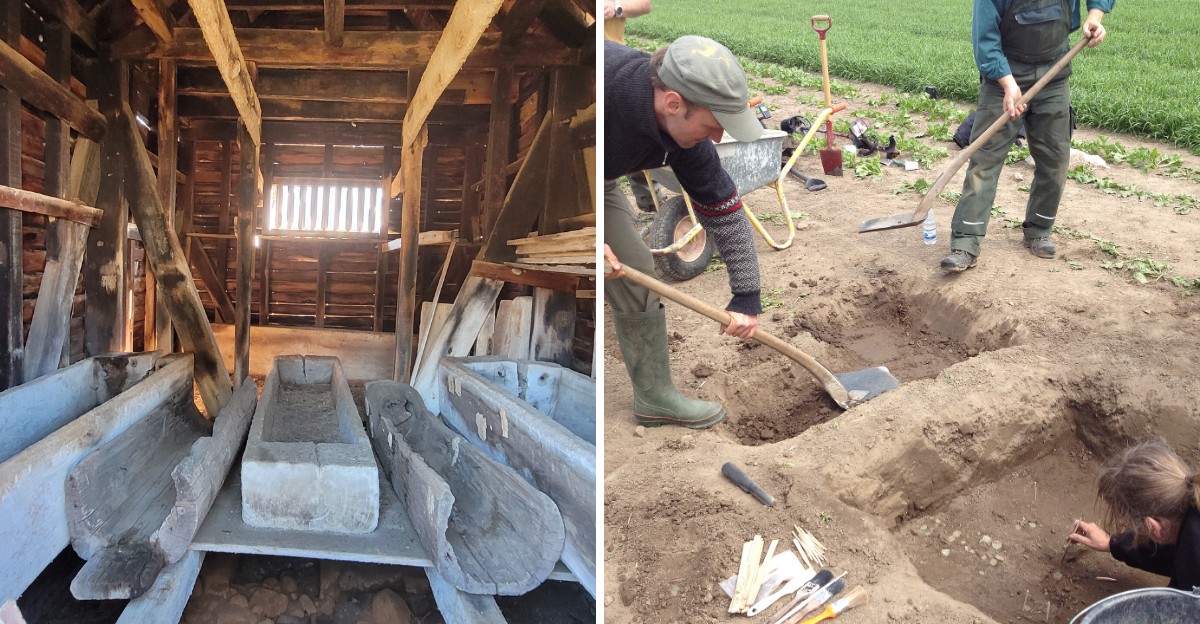
Less than a foot of dirt hid this place for more than two centuries.
I would have walked across that field without suspecting a thing.
Archaeologists eventually uncovered traces of a Revolutionary War fort on a bluff above a North Carolina river valley, including parts of its old defensive layout.
That discovery makes the nearby historic home feel even more interesting to me. The house dates to the 1790s and still holds hundreds of original family pieces.
Ancient trees and an old boxwood garden keep the setting feeling surprisingly intact.
What fascinates me is how much history was sitting there quietly the whole time. One part stood in plain sight.
Another waited just beneath the grass.
Now I keep wondering what else is still hiding a few inches below somebody’s shoes.
An 80 By 100 Foot Fort Sounds Small Until You Picture Life Inside
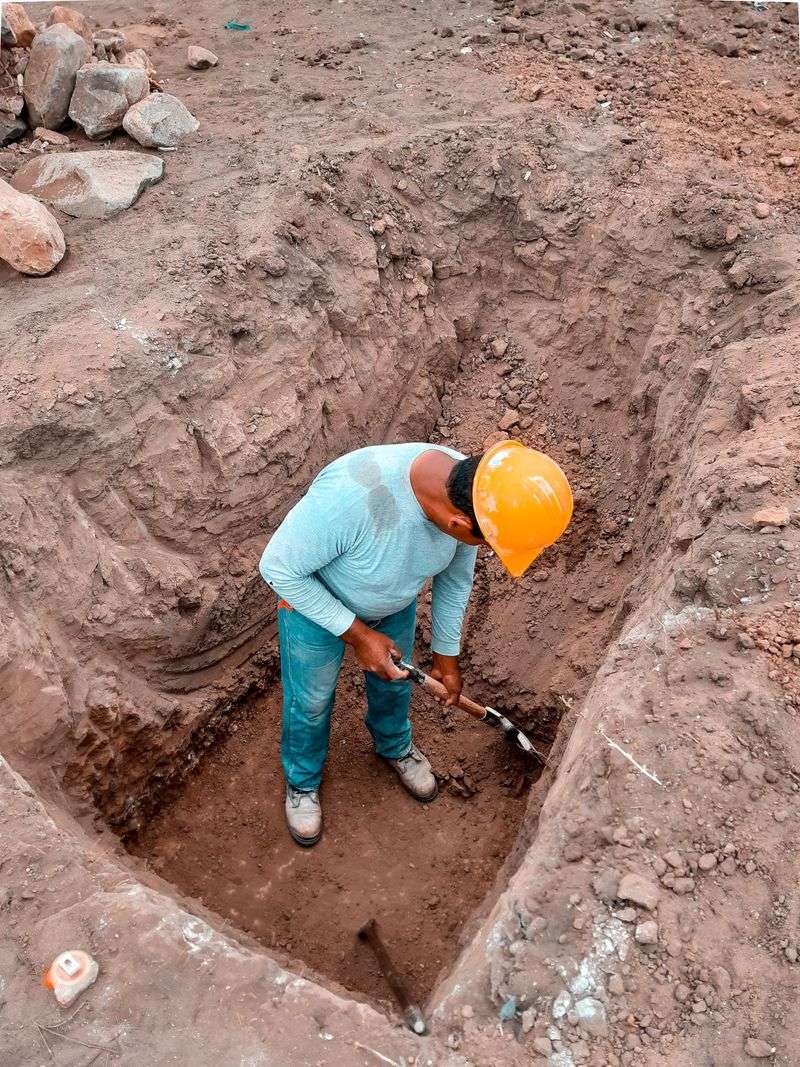
Eighty feet by one hundred feet. That’s the estimated size of the original fort, which stood by 1776 and was used to protect settlers during the Cherokee War.
Settlers built it to protect families living on the edge of the frontier. Inside that log wall, people would have needed shelter, storage, and a lookout spot.
The blockhouse likely served that watchful role.
Squeeze a few families into a space like that, and privacy goes out the window. Arguments over who snores probably didn’t stay secret for long.
Still, those walls meant safety in uncertain times.
The newly found palisade line helps show where the boundary actually ran. Archaeologists can read stains in the soil where wooden posts once stood.
Wood rots, but it leaves a darker outline behind.
That clue is pretty clever when you think about it. The fort itself is gone, yet the ground kept a shadow of it.
Learning to spot those shadows is how researchers rebuild the past.
It’s a great reminder for young history fans. Dirt can be a diary if you know how to read it.
A General Built His Home And Named It After The Old Fort
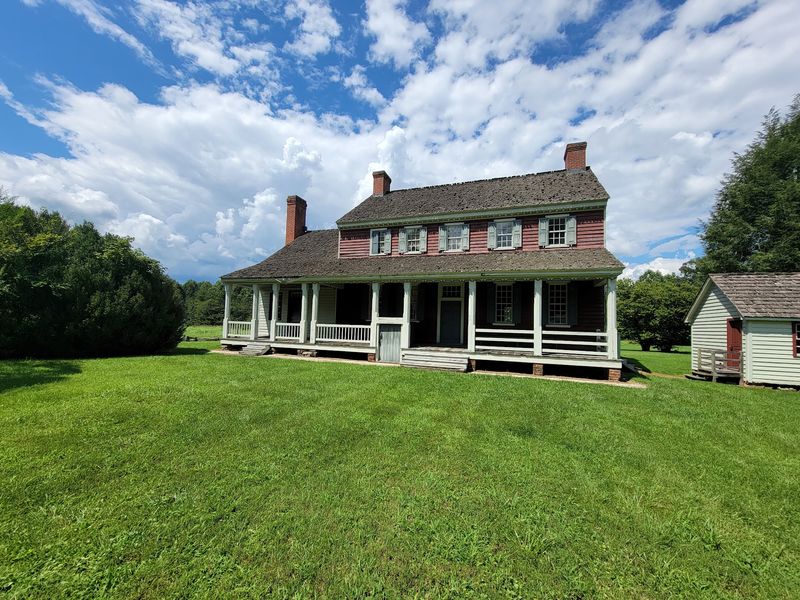
Revolutionary War General William Lenoir built his house here between 1788 and 1792. He named it Fort Defiance to honor the earlier frontier fort.
Talk about a name with some backbone.
The fort had stood on or near the site of the home. So Lenoir basically kept its memory alive through his front door.
That choice links the two stories together even today.
Here’s a fun fact for road-trippers. The city of Lenoir, North Carolina, carries the general’s name.
So you’re visiting the home of the man the whole town is named after.
The house operates as a historic house museum now. Guided tours lead you through the home and grounds.
You’ll get the family story told in rooms where it actually happened.
I believe homes reveal more than textbooks sometimes. Doorways, stairs, and furniture show how real people moved through their days.
A general still had to find his boots in the morning.
Give yourself time to soak in the place. The house has watched more than two centuries roll by, and it shows its age gracefully.
You’ll find it at 1792 Fort Defiance Drive, Lenoir, NC 28645, in Caldwell County. Yes, the street number matches the year the house was finished.
That’s a neat little coincidence to share in the car.
The Lost Fort Was Hiding In Plain Sight The Whole Time
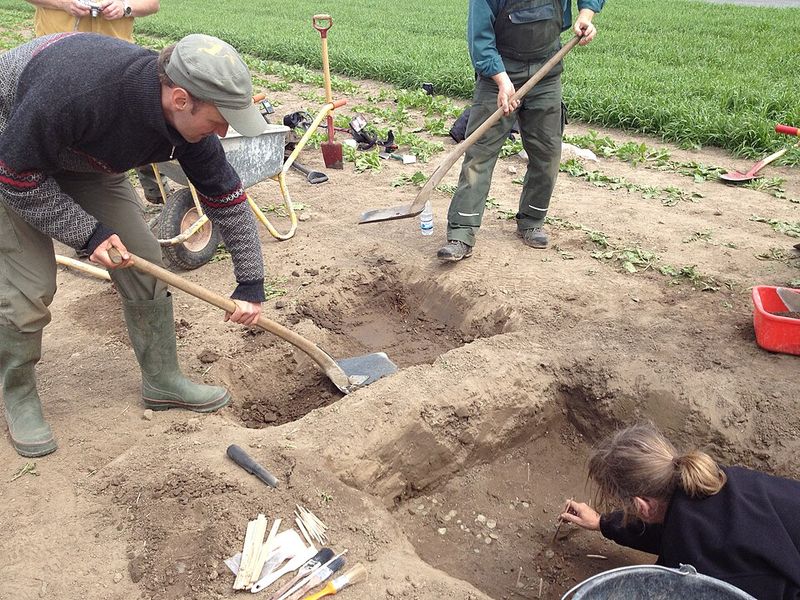
Researchers from Appalachian State University first identified evidence of Fort Defiance’s buried footprint during surveys in 2023 and 2024, then excavated and confirmed its remains in October 2026. Dr. Ellen Cowan led the team at Historic Fort Defiance in Caldwell County.
The big news was how shallow everything sat.
The remains lay less than a foot below a field on a bluff. That bluff overlooks the Yadkin Valley in North Carolina.
People had walked, mowed, and wondered right on top of it for centuries.
The team uncovered traces of a blockhouse, a cabin, and a palisade wall. A palisade is a tall fence of upright logs.
Settlers used it to protect families on the frontier.
Before this dig, historians had questions about where the fort stood and how it was built. Now there’s real evidence in the soil.
The answers came from careful scraping, not giant machines.
I like how this discovery proves history isn’t always buried deep. Sometimes it waits just under a lawn, patient as a cat by a door.
That makes every field around here feel a little more interesting, doesn’t it?
More Than 300 Original Pieces Fill Those Old Rooms
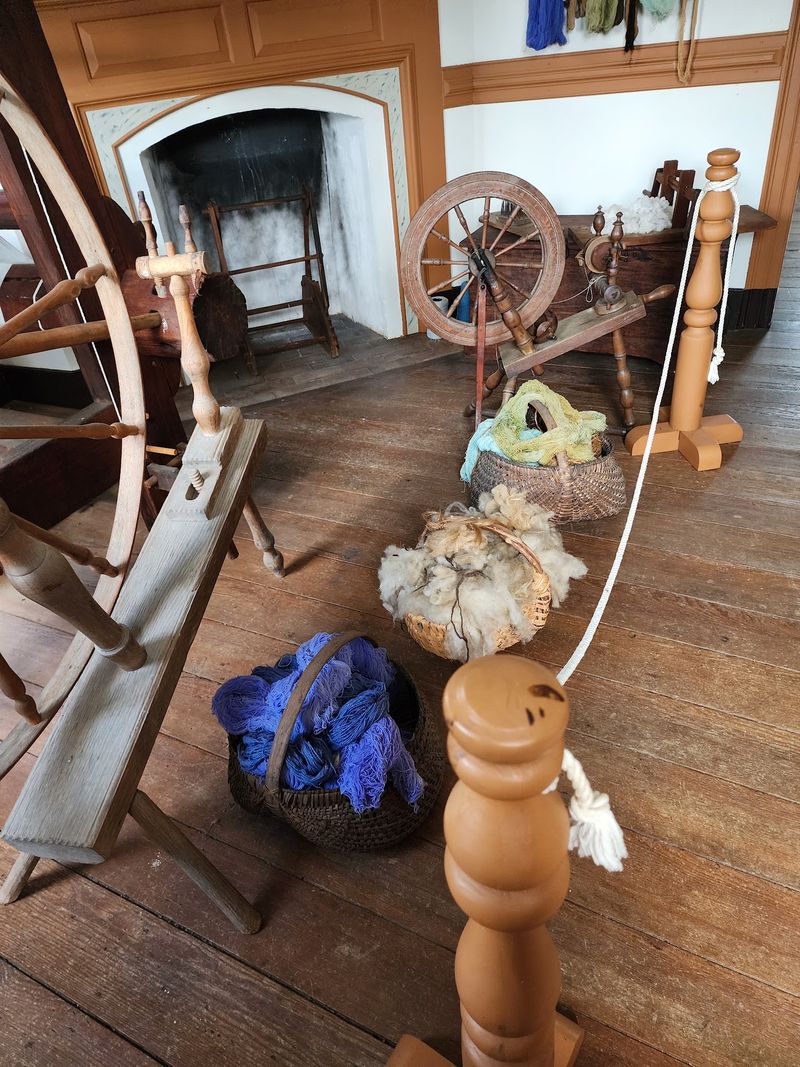
Most historic homes get stuffed with look-alike antiques from somewhere else. Historic Fort Defiance does things differently.
It holds more than 300 pieces of original furnishings and historic artifacts.
That number matters. These objects belonged to the story told inside the house.
They help show daily life in the Yadkin Valley during the 18th and 19th centuries.
Think about chairs people actually sat in and tables where real meals happened. Every scratch could have its own tiny backstory.
A spilled supper, maybe, or a restless kid with a pocketknife.
Guided tours are the way to see inside. Guides explain what you’re looking at and why it matters. Ask questions, because that’s half the fun.
Plan ahead before you go. Tours run on set days, and last tours happen before closing time.
Arriving early gives you the best shot at seeing everything.
I love that the family’s belongings stayed together this long. Collections often get scattered across auctions and attics.
Here, the past still sits right where it belongs, which feels rare and pretty special.
Some Of The Garden Is Older Than Most American Towns
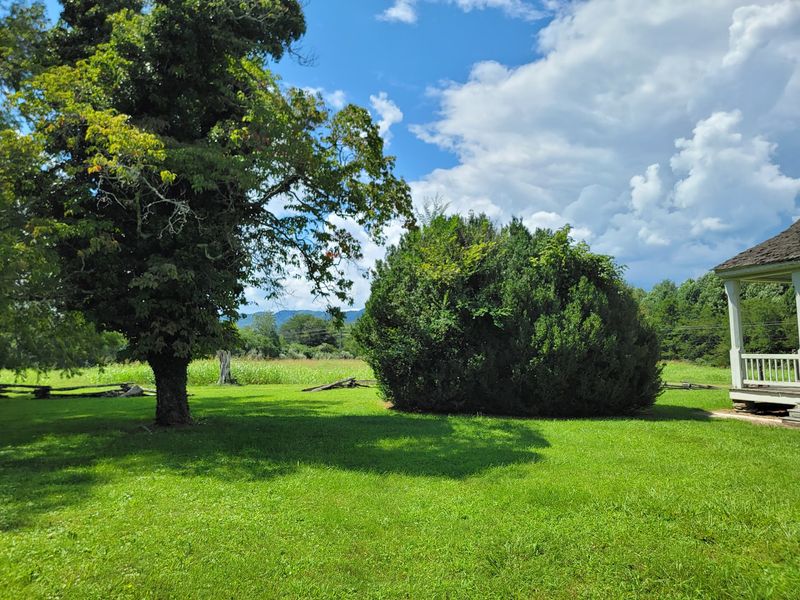
Boxwoods grow slowly. So when a boxwood garden hits 200 years old, it deserves a little applause.
Fort Defiance has exactly that on its grounds.
The property covers five acres. That’s plenty of room to stretch your legs after a house tour.
The garden gives the whole place a calm, old-fashioned feel.
Boxwoods are those dense evergreen shrubs with small leaves. They stay green all year, even when everything else naps for winter.
That makes the garden worth a look in any season.
Bring the kids and challenge them with a quick math game. Ask how many birthdays these shrubs have celebrated. Then watch their eyebrows climb.
Picnic tables also sit on the grounds. Packing lunch turns a short history stop into a relaxed afternoon outing.
It’s an easy way to slow down.
I can’t think of a better reward after learning about frontier forts. Sitting near living plants from the general’s era feels like history you can almost touch.
Just admire the boxwoods gently, since they’ve earned their peace and quiet.
Radar Revealed 105 Graves That History Nearly Forgot
Archaeology isn’t only about forts and furniture. On this same property, a separate project uncovered something deeply important.
It changed how the site tells its story.
A ground-penetrating radar survey confirmed an unmarked burial ground for enslaved people. The work found 105 graves.
App State alumnus Tucker Terrell conducted the 2025 survey.
Ground-penetrating radar sends signals into the soil without digging. The returning signals reveal shapes and changes below the surface.
It’s a respectful way to study sensitive places.
These people lived and worked on this land, yet their resting places went unmarked. Confirming the graves helps give them recognition.
It also makes the history of Fort Defiance more complete and more honest.
I believe this part of the story deserves real attention. A visit here isn’t just about one famous general.
It’s about everyone whose labor and lives shaped this North Carolina property.
Keep that in mind as you walk the grounds. Move quietly and thoughtfully.
Some history asks you to listen more than look, and that’s a lesson worth carrying home.
Walk Among Family Stones Under Ancient Branches
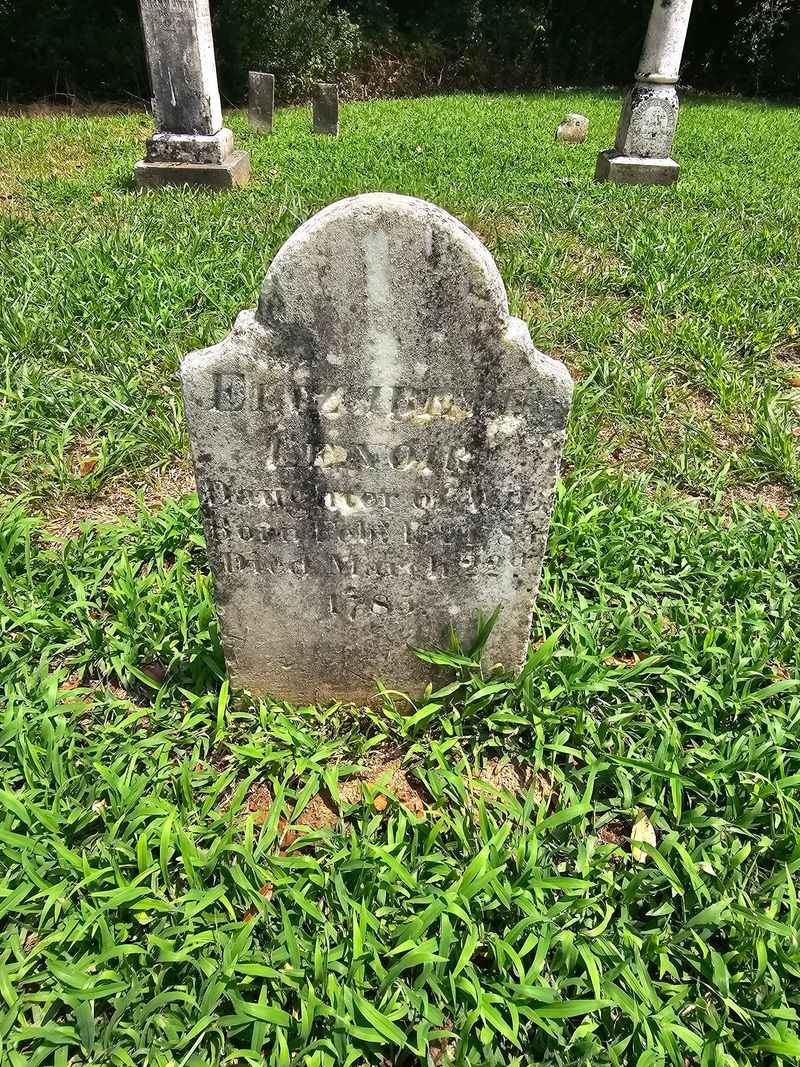
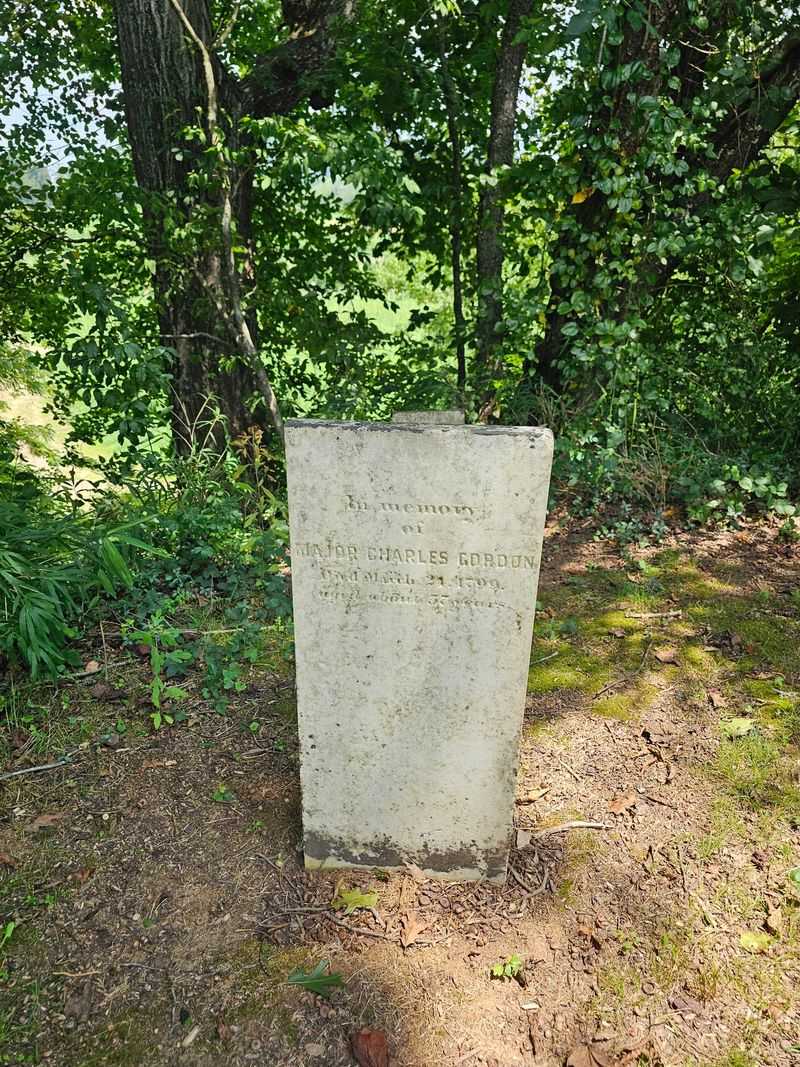
Old cemeteries can feel like outdoor history books. The Lenoir family cemetery on the property fits that description well.
It’s part of the five acres you can explore.
Weathered stones carry names and dates from long ago. Reading them slowly helps you connect faces to the family story.
It’s a quiet, reflective stop.
Big old trees add to the mood here. Their shade makes the grounds feel calm and timeless.
Look up once in a while, because the branches are worth noticing.
Bring a little patience for the older markers. Some carvings have softened with time and weather.
Tracing words with your eyes becomes a small puzzle.
Families with curious kids can turn this into a gentle lesson. Ask them to find the oldest date they can spot.
Then talk about what life looked like in that year.
Please treat the space with care. Stay on paths, avoid leaning on stones, and keep voices low.
Good manners help protect places like this for the next visitors, and the next couple centuries too.
Grab A Trowel, Because Sometimes Visitors Get To Dig Too
Reading about a dig is cool. Helping with one is way cooler.
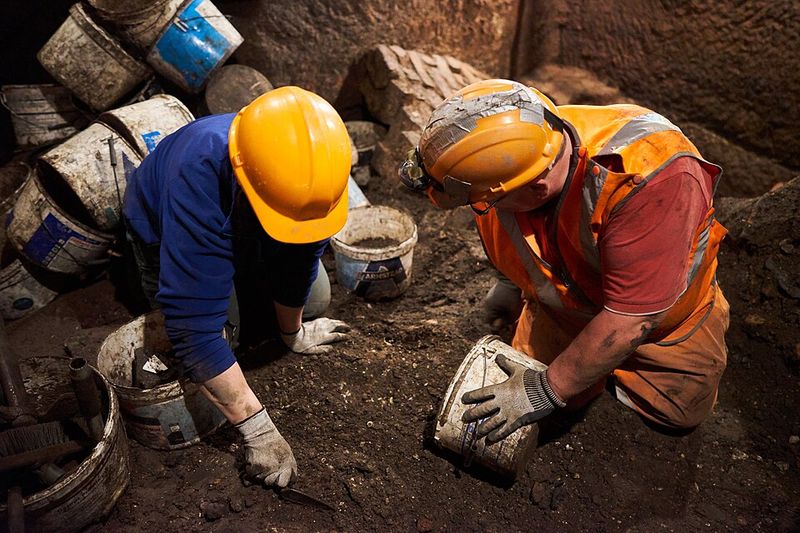
Historic Fort Defiance held an interactive archaeological event on October 3 and 4, 2026, when visitors could watch researchers at work and help screen soil for artifacts.
The October 2026 excavation event was free to attend, giving visitors a chance to learn about the archaeological work firsthand. An optional tour of the historic home is available at standard rates.
That’s a great combo for a family day out.
Kids especially love this kind of thing. Sifting dirt for clues beats a worksheet any day.
Just warn them they probably won’t find pirate gold in the Yadkin Valley.
Hands-on events teach patience and careful observation. Archaeologists work slowly so they don’t damage tiny clues.
Even a small fragment can tell a big story.
Keep an eye on the event calendar before planning a trip. Dates vary, so checking ahead saves disappointment.
Dress for dirt and bring water.
I like how this approach invites everyone into the process. History stops being something behind glass.
It becomes something you help uncover, one careful scoop at a time. Who knows?
Your family might remember that muddy afternoon for years.
Check The Calendar Before You Point The Car North
Timing is everything at this little museum. Fort Defiance keeps seasonal hours, and they change through the year.
A quick check before leaving saves a wasted drive.
From April through October, hours generally run Thursday through Sunday. Winter hours shrink to weekends.
Current listings sometimes show weekend-only hours, so confirm before you go.
Admission is modest, and kids under five get in free. The site runs on community support, so your visit helps.
Every ticket helps keep the old house standing.
Arrive with time to spare before closing. Guided tours need room in the schedule.
Rushing through 200-plus years of history would feel a bit silly.
Fall makes an especially pretty time for a western North Carolina drive. Leaves color the hills around the Yadkin Valley.
Pair that with a fort found under a field, and you’ve got a seriously memorable day trip.