This Free North Carolina Festival Brings Together 9 Native American Tribes For One Day Only
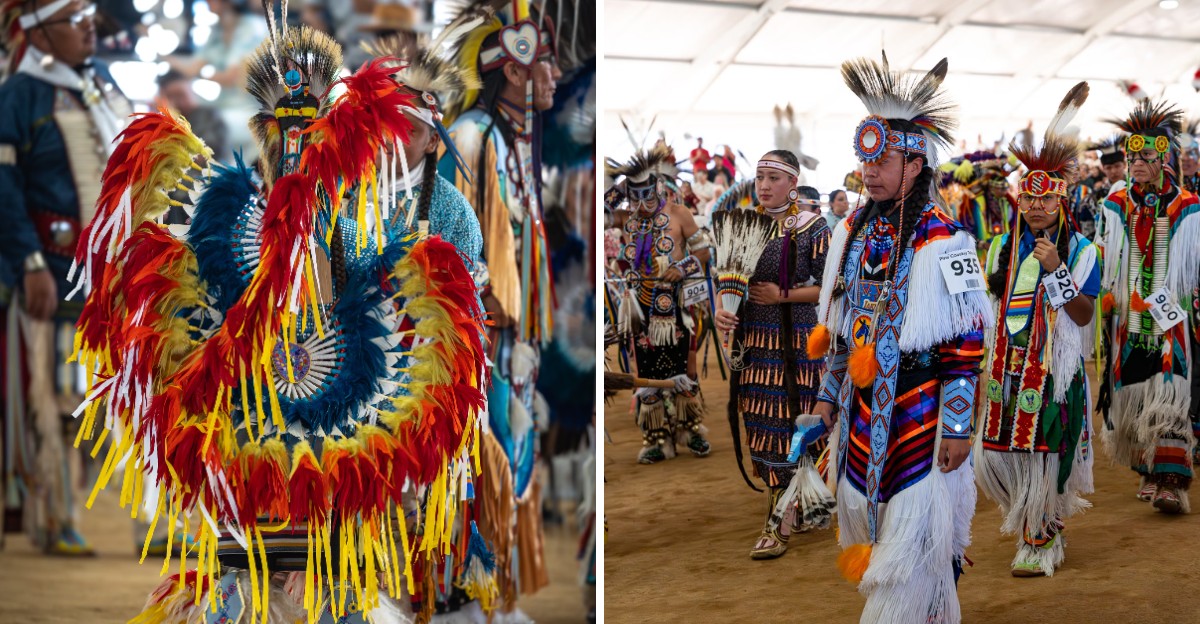
Nine state-recognized tribes gathering for one Saturday is enough to make me clear the calendar.
I’m drawn to how much history and living culture can share the same afternoon without turning the event into something frozen in the past.
The North Carolina celebration has grown enormously since its beginnings in 1995, when a much smaller gathering centered on sharing food.
Today, it serves as the state’s signature event for American Indian Heritage Month.
Drumming, dance, storytelling, and art bring different tribal traditions into the same space, while admission remains completely free.
What stays with me most is the message underneath all of it.
These communities are not simply part of North Carolina’s history. They are part of its present.
For me, five hours suddenly sounds far too short.
A Famous Art Museum Becomes The Host For One Special Saturday
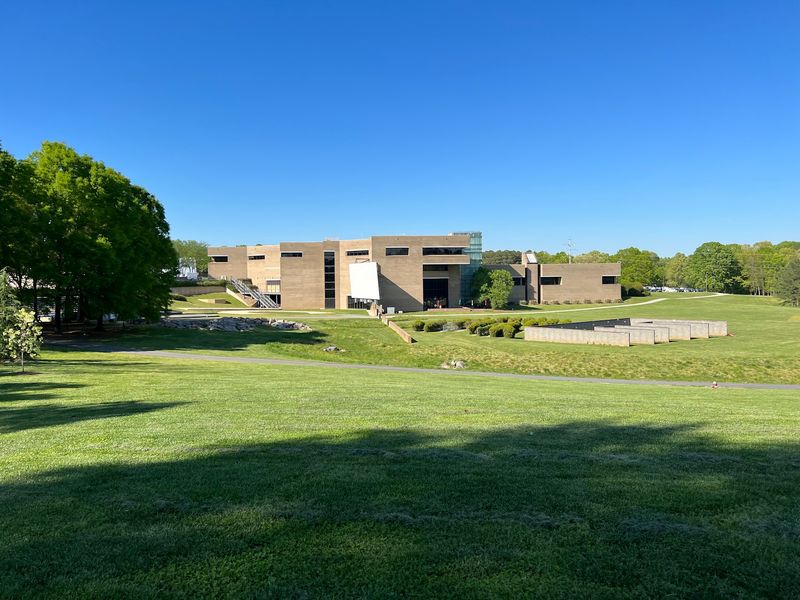
The 31st Annual American Indian Heritage Celebration returns to the North Carolina Museum of Art in Raleigh on November 21, 2026.
The festival was also held here in 2025 while its longtime home, the North Carolina Museum of History, was closed for renovations. Honestly, borrowing a world-class art museum isn’t a bad backup plan.
The festival takes over the East Building and the Gipson Plaza. That gives you indoor rooms for performances and an open plaza for fresh air.
Mark Saturday, November 21, 2026, on your calendar right now.
Doors open for the celebration at 11 a.m. and things wrap up at 4 p.m. That’s five hours packed with culture, so plan your arrival early.
Here’s a bonus worth knowing. The museum itself offers free general admission to its permanent collection.
You can pair the festival with a stroll through galleries filled with art spanning 5,000 years.
The setting matters too. North Carolina has hosted this celebration for more than three decades, and a fresh venue brings a fresh feel.
Set your alarm and grab your walking shoes.
Grab A Good Spot Because The Grand Entry Opens Everything
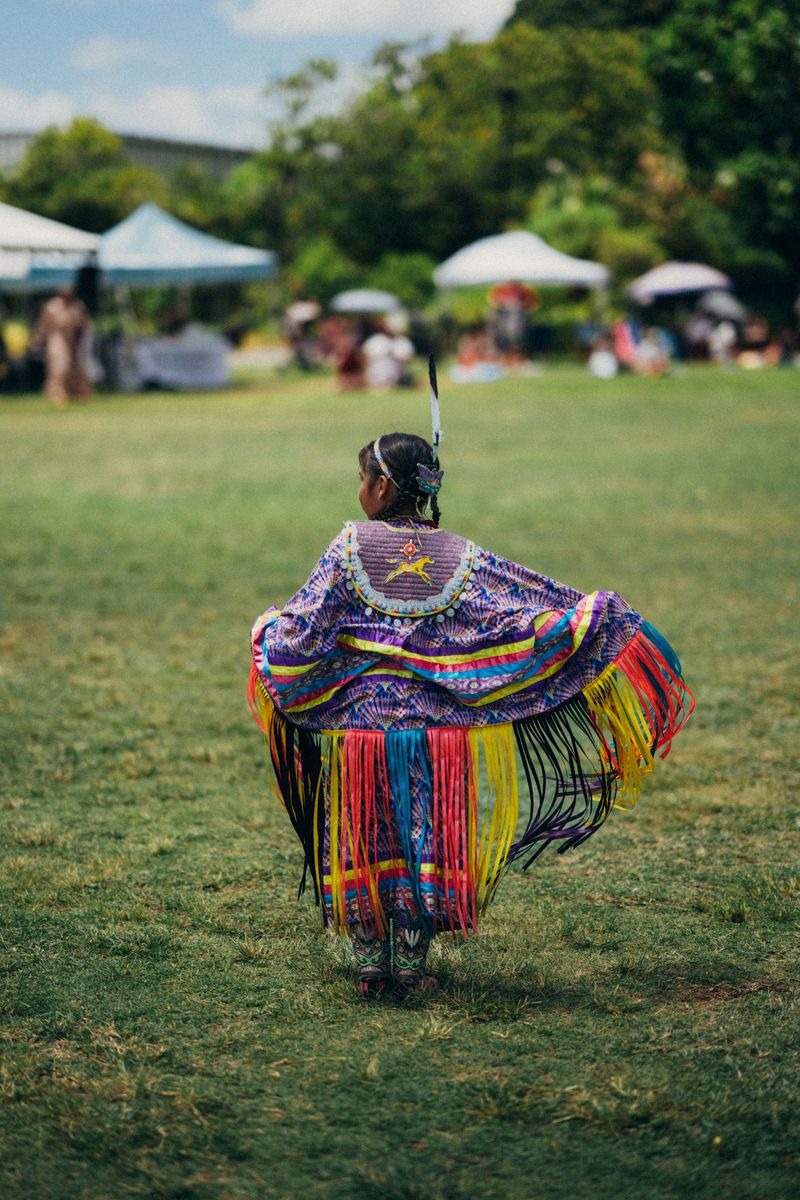
The festival begins with a blessing of the grounds at 10:45 AM, followed by flute music at 11:30 AM and opening drum songs at 11:50 AM. The ceremonial Grand Entry begins at noon.
Members of North Carolina’s nine state-recognized tribes lead the way. It’s the moment that sets the tone for the whole celebration.
Grand Entries carry deep meaning in Native communities. They honor the people taking part and welcome everyone gathered to watch.
You’ll want to stay quiet, listen, and follow any directions from the hosts.
Showing up a little early is a smart move. The event starts at 11 a.m., so arriving before then helps you avoid missing the start.
Nobody wants to catch the opener from behind a pillar.
Kids especially tend to remember this part. Bright regalia, steady rhythms, and a room full of pride make a lasting impression.
It’s a perfect lesson that no textbook can fully match.
The Grand Entry is one of the day’s main highlights. Afterward, intertribal dances continue on Gipson Plaza until approximately 3:30 PM.
Music, dance, art, and stories are all waiting. Just don’t rush off too fast, because this part deserves your full attention.
Nine Tribes, Nine Stories, And One Very Full Room
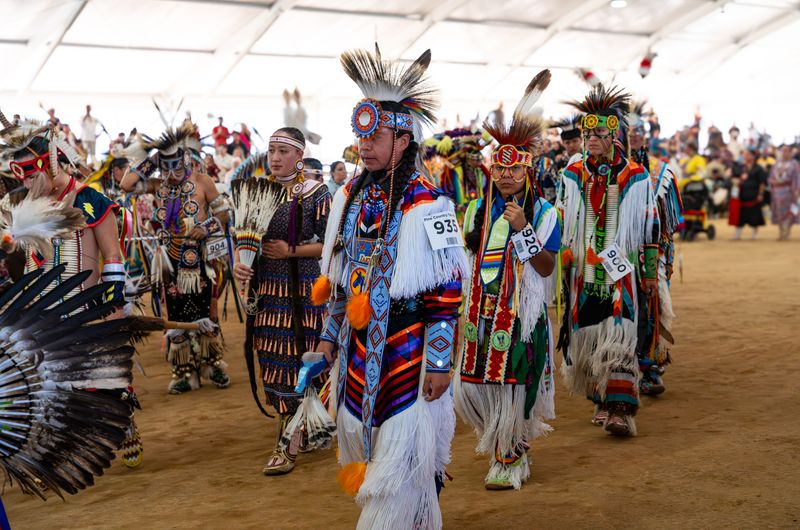
Quick quiz: can you name all nine state-recognized tribes in North Carolina? Most people can’t, and that’s exactly why this day matters.
Here’s the full lineup. The Catawba, Coharie, Eastern Band of Cherokee, Haliwa-Saponi, Lumbee, Meherrin, Occaneechi Band of the Saponi, Sappony, and Waccamaw Siouan all take part.
Each tribe has its own history, homeland, and traditions. Seeing them together shows how rich Native life in this state really is.
It’s a lot of heritage for one Saturday.
The planning committee puts its message plainly. The theme is visibility, because Indigenous people are still here.
That idea runs through every song, story, and craft table.
A good tip is to come curious. Ask respectful questions and listen to the answers.
You’ll learn more in a short chat than in an hour of online searching.
Before you go, try learning a little about each tribe. Even one fact per group makes the day feel more personal.
Then, at the festival, you can connect names with faces and stories. That’s a pretty great way to spend a weekend afternoon.
You’ll find it at 2110 Blue Ridge Rd, Raleigh, NC 27607.
Your Ears Will Thank You For The Music And Dance
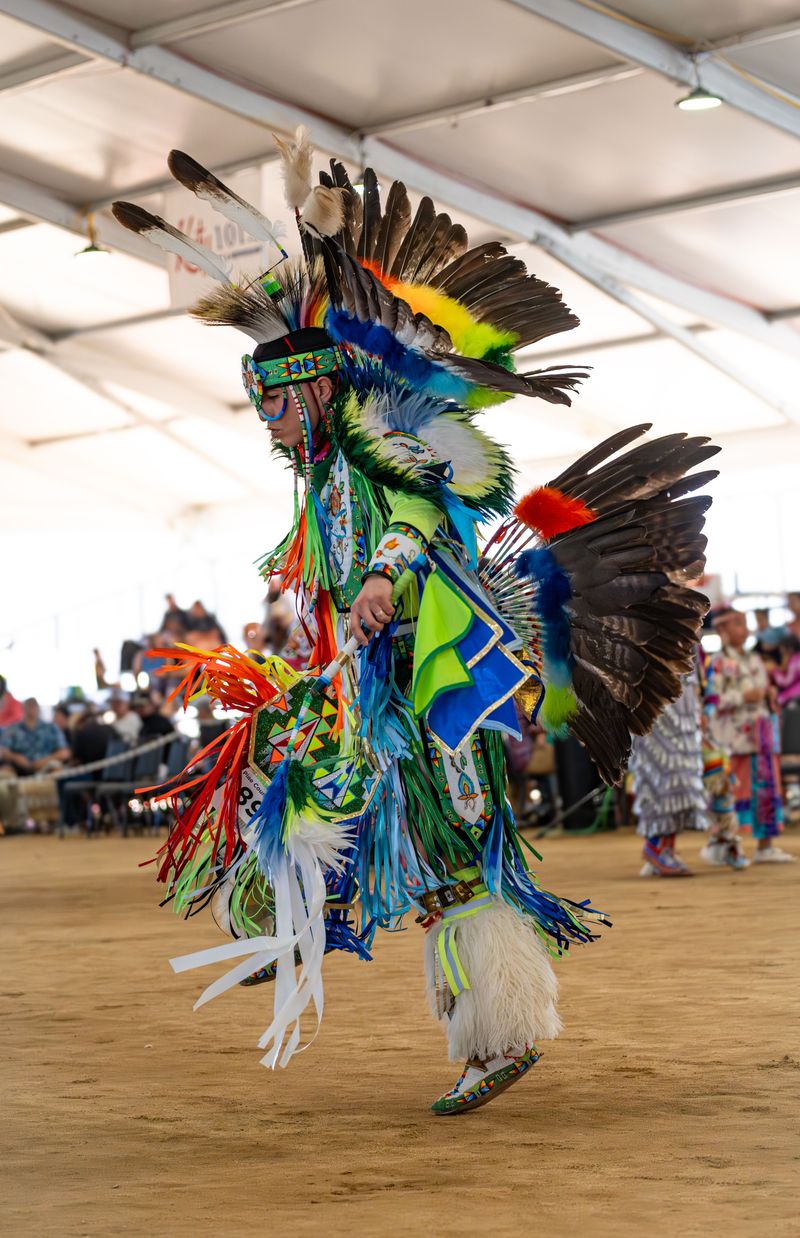
Drums have a funny way of pulling people closer. Once the music starts at this festival, staying put feels nearly impossible.
Music and dance sit at the heart of the American Indian Heritage Celebration. Performers share traditions that have been passed down for generations.
They also show how these art forms keep growing today.
That mix of old and new is a big theme here. The celebration honors both traditional and contemporary contributions.
So you’re seeing a living culture, not a dusty museum display.
Bring a phone for photos, but don’t watch everything through a screen. Some moments just feel better in person.
And always check if photos are welcome before snapping away.
Families with little ones should scout a spot with room to wiggle. Young kids often want to move along with the beat.
That’s part of the fun, as long as everyone stays respectful.
The performances happen around the East Building and Gipson Plaza at the North Carolina Museum of Art. November weather in Raleigh can be cool.
Pack a light jacket so you can enjoy outdoor moments without shivering through the best song.
Pull Up A Seat For Stories Worth Repeating At Dinner
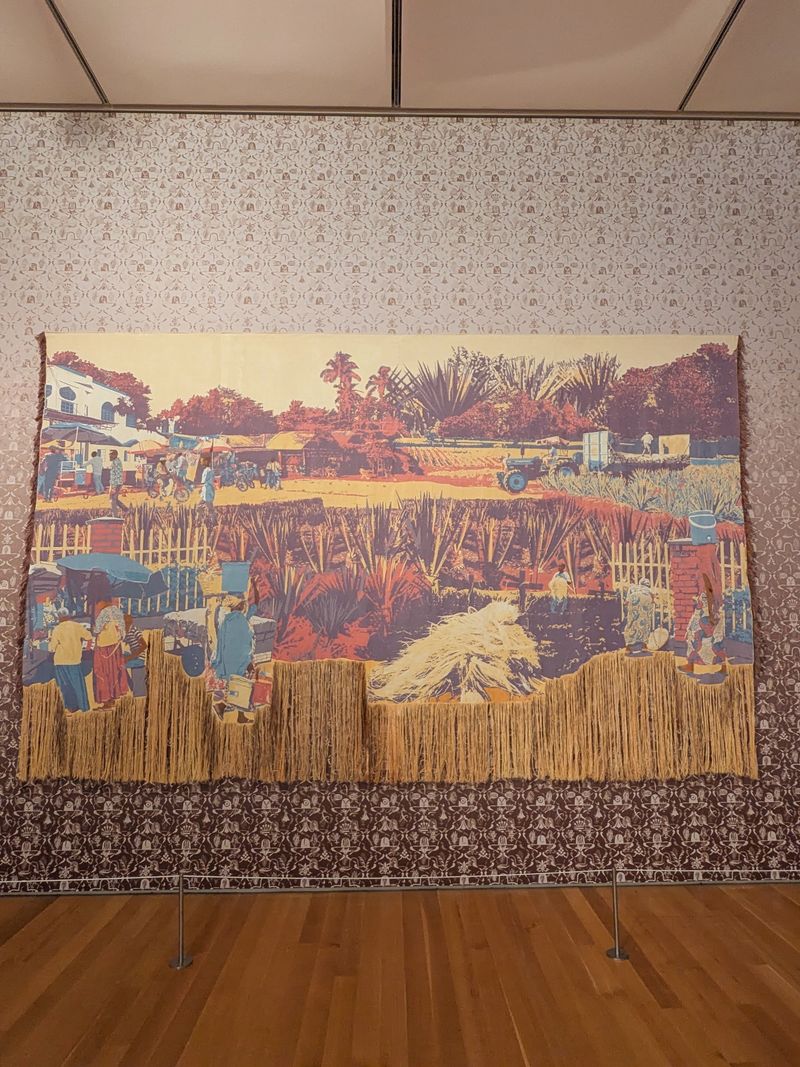
Some of the best lessons come wrapped in a good story. Storytelling holds a proud place on this festival’s schedule.
Native storytellers share tales that teach, entertain, and remember. These stories carry history, values, and humor all at once.
You might laugh one minute and think hard the next.
The festival also lets you meet historians and cultural practitioners. These are people who study and keep traditions alive.
Their knowledge goes far beyond what a quick web search can offer.
Here’s a helpful idea for parents. Ask your kids to remember one story to retell at dinner.
It turns listening into a fun challenge and helps the lesson stick.
Teachers can get extra value, too. A virtual education day usually takes place the Friday before the in-person festival.
That makes it easy for classrooms to join in from anywhere in the state.
Stories have a way of building bridges between people. Hearing them in person adds warmth that a book can’t fully capture.
So grab a seat, put the phone away, and let a great storyteller do what they do best.
Get Your Hands Busy With Crafts And Traditional Games
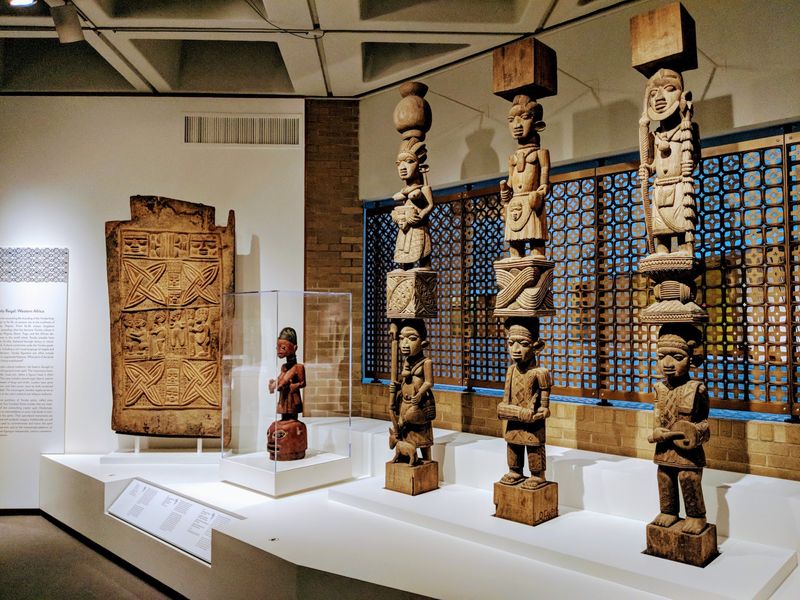
Kids who can’t sit still finally get their moment. The festival offers hands-on activities and traditional games for all ages.
Craft demonstrations let you see skilled makers at work. Watching an artist shape something by hand is oddly hypnotizing.
You might leave wanting to try it yourself.
Traditional games bring a playful side to the day. They also teach how Native communities have built skills and teamwork for a long time.
Learning feels a lot easier when you’re having fun.
Adults are welcome to join, too. No one checks your age at the craft table.
Go ahead and get a little glue on your fingers.
A smart move is to dress in comfy clothes. Some activities may be messy, and you’ll want to move freely.
Leave the fancy outfit at home for this one.
These activities make the American Indian Heritage Celebration feel personal. You’re not just watching culture from a distance.
You’re taking part in it, at least a little. That kind of memory lasts long after the drive home ends and the backpack gets unpacked.
Bring A Tote Bag For The Handmade Treasures
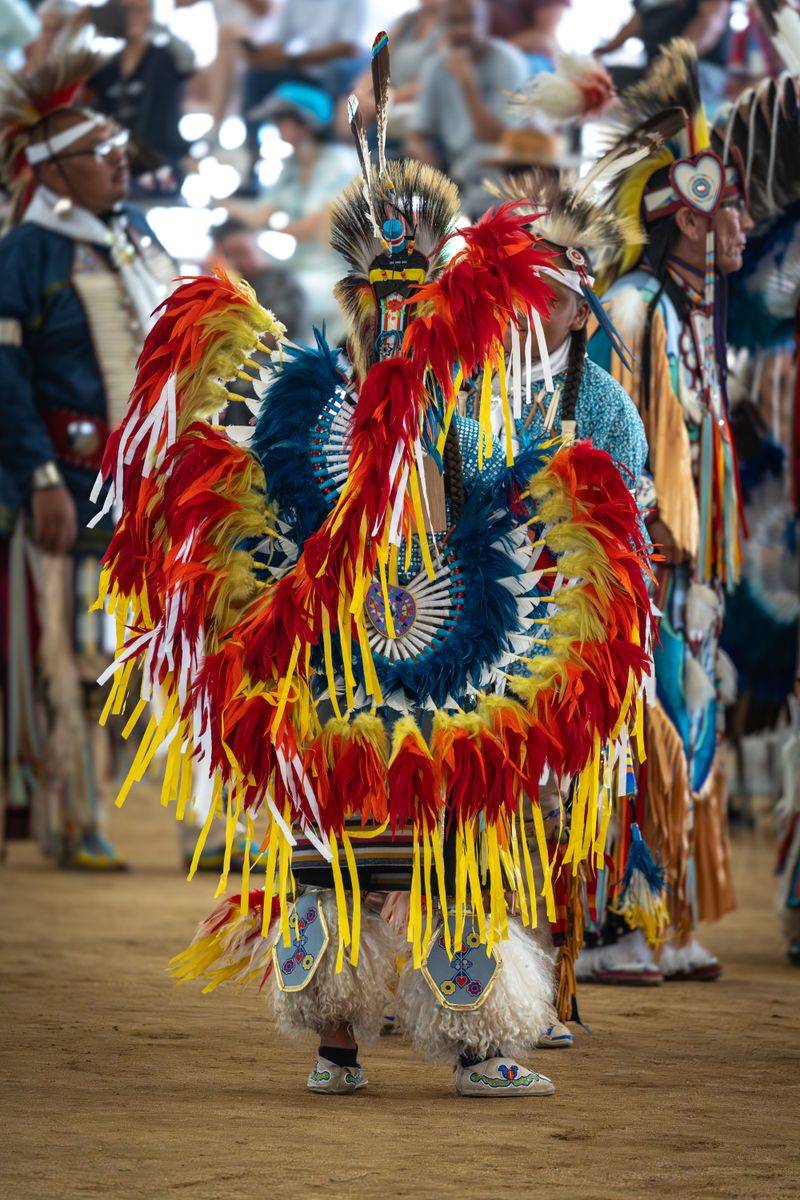
Holiday shopping can start early this year. Native artists and vendors fill the festival with handmade goods.
You’ll find jewelry, pottery, textiles, and other pieces for sale. Each item carries the skill and style of the person who made it.
That’s a lot more meaningful than something from a big box store.
Buying directly from artists also supports their work. Your money goes right to the people keeping these art forms strong.
It’s a win for your gift list and for the community.
Here’s a practical tip. Bring a sturdy tote bag so fragile items stay safe.
Pottery and a crowded room don’t always mix well.
Take time to chat with the makers if they’re open to it. Ask how a piece was made or what inspired it.
The story often becomes the best part of the gift.
Since the festival lands on November 21, 2026, timing is perfect. You can knock out a few presents before the holiday rush.
And you’ll have a real story to tell when someone asks where you found that beautiful bracelet.
Skip Breakfast Thanks To The Native-Owned Food Trucks
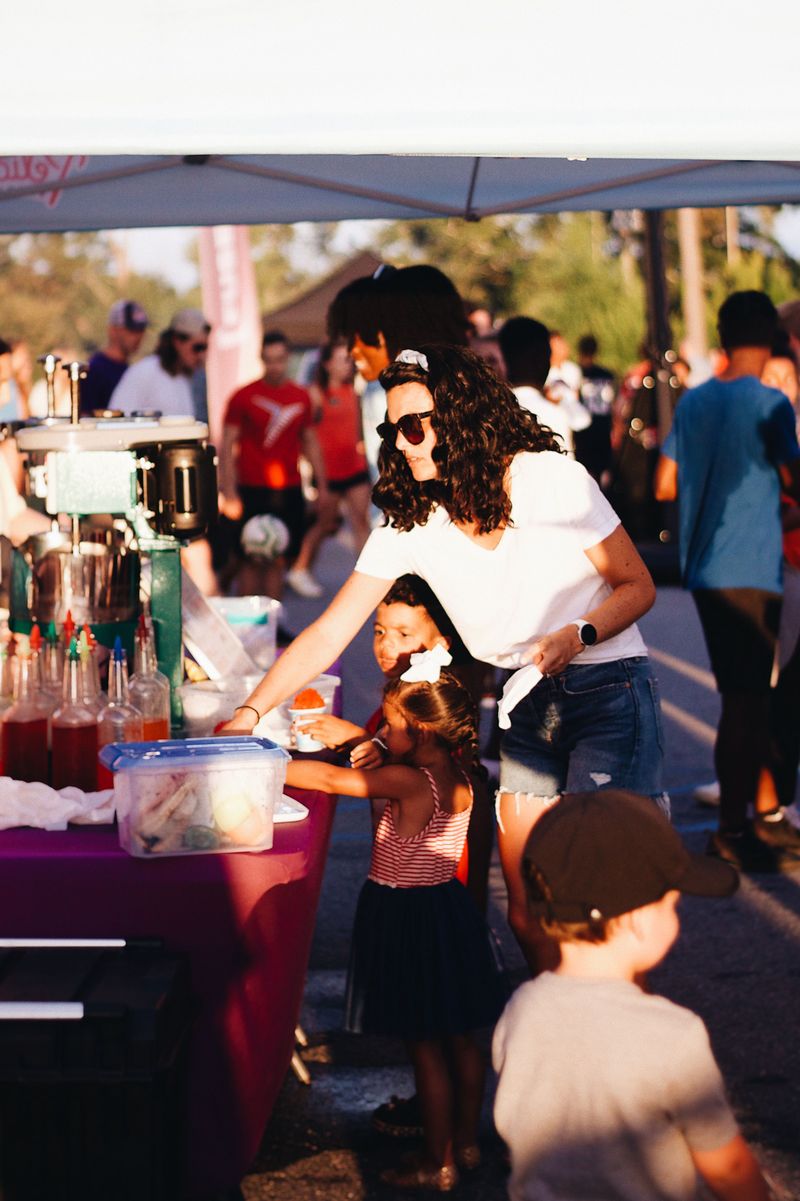
Food started this whole celebration. Back in 1995, the event began as a smaller gathering focused on sharing a meal.
That spirit still shows up today. Native-owned food trucks serve festival favorites throughout the day.
It’s a tasty nod to how everything first began.
The exact menus can change from truck to truck. So it’s best to arrive hungry and check out every option before choosing.
Decision paralysis is a real risk here.
Plan your lunch around the schedule if you can. Eating a little early or a little late might help you skip the busiest stretch.
Then you can get back to the dancing faster.
Supporting Native-owned businesses makes every bite count. Your lunch helps local entrepreneurs grow.
That feels good, and so does a full stomach.
Families should consider splitting up dishes. Everyone gets to sample more, and picky eaters can test new flavors with less pressure.
Grab some napkins, find a spot near the Gipson Plaza, and enjoy a meal with a history going back more than three decades in North Carolina.
Stick Around After The Festival For Sculptures And Trails
Four o’clock doesn’t have to mean heading home. The North Carolina Museum of Art has plenty more to explore.
The museum’s permanent collection spans 5,000 years of art. General admission to that collection is free, so your wallet stays happy.
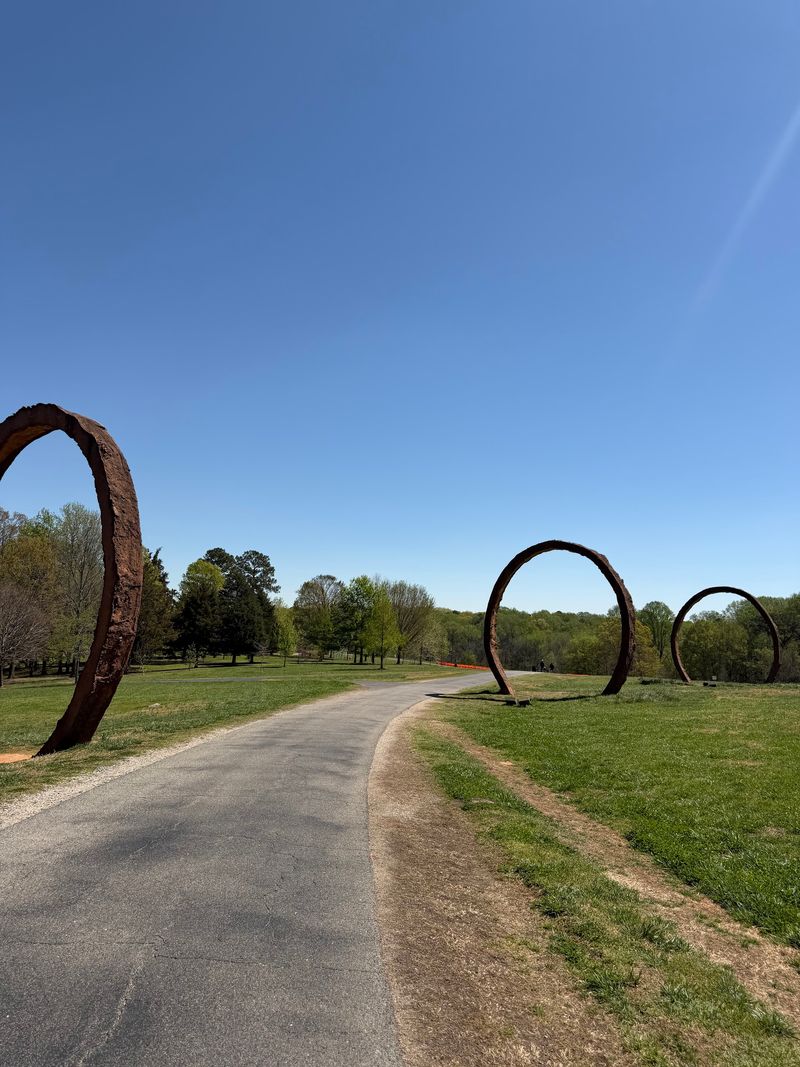
Outside, a big museum park offers trails and outdoor sculptures. The grounds are free to visit, too.
A short walk is a great way to stretch your legs after hours of festival fun.
Do note that the museum is closed Mondays and Tuesdays in general. On Saturdays, regular hours run from 10 a.m. to 5 p.m.
That leaves a little time to peek at galleries after the celebration ends.
The museum also has an outdoor amphitheater on its grounds. It hosts events through the year, so check the calendar for a return trip.
One visit rarely feels like enough here.
This might be the best free day out in North Carolina all year. Culture, art, food, and fresh air all share one address. Not a bad Saturday, right?