8 Native American Destinations In Michigan Reveal Stories You Won’t Find In Most History Books
A tribal museum in Michigan tells its story through seven prophecies instead of a dusty timeline.
That alone made me sit up straighter than a kid on a field trip.
The point is who does the telling. Several of these places are run or shaped by tribal nations themselves, so the voice comes from the source.
Then there’s the range. You’ll find a historic Odawa home from 1858, a War of 1812 battlefield, and a reconstructed longhouse.
Your old textbook gave these stories maybe two paragraphs. These spots give them whole buildings, and they use the space well.
1. Ziibiwing Center
Few museums let a tribe tell its own story from start to finish. In Mount Pleasant, that is exactly the deal.
The Ziibiwing Center of Anishinabe Culture and Lifeways was created by the Saginaw Chippewa Indian Tribe to share Great Lakes Anishinaabe heritage through its own perspective.
Its permanent exhibition, Diba Jimooyung, means “Telling Our Story.” Seven traditional prophecies guide visitors through migrations, community life, cultural change, and the strength of traditions carried forward.
Rather than following a conventional timeline, the exhibition connects ancestral teachings with the experiences of Anishinaabe communities today.
Birchbark canoes, historical objects, and immersive settings bring everyday experiences into focus. Language appears throughout the galleries, reminding you that Anishinaabemowin remains an important part of the story.
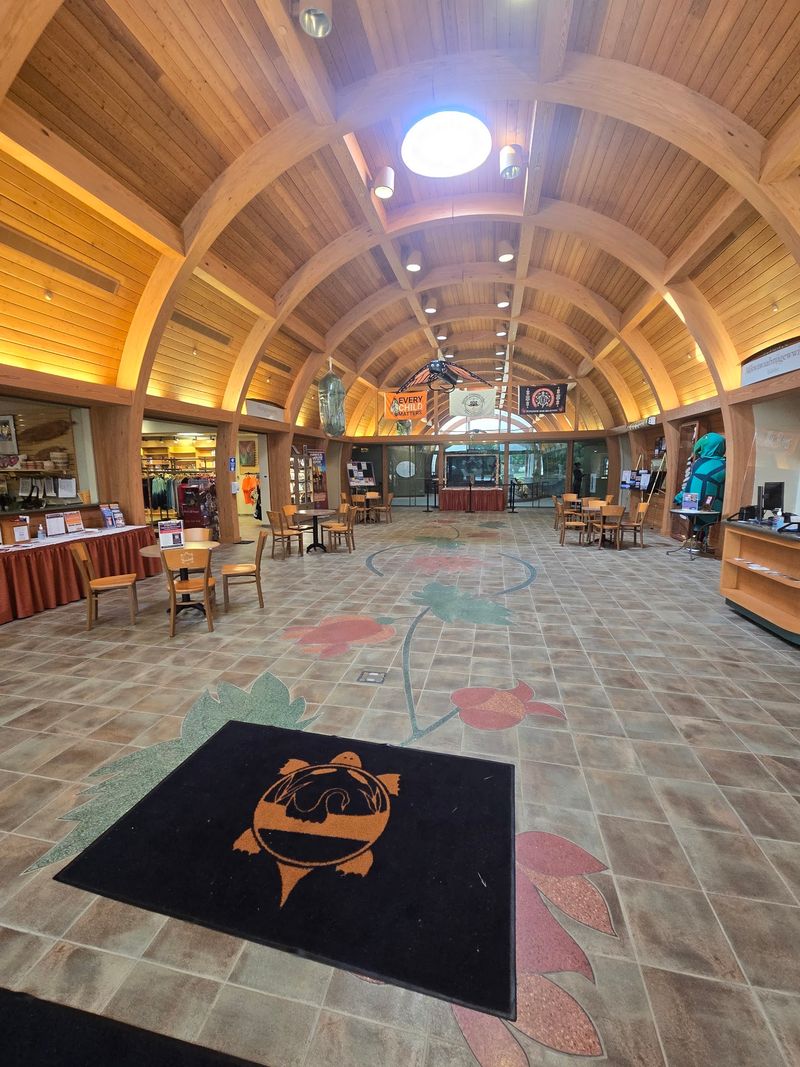
The center opened in 2004, and the building itself resembles a welcoming teaching lodge. That architectural detail makes the experience interesting before you’ve reached the first display.
Take your time with the smaller details, especially the traditional objects that connect everyday activities with generations of cultural knowledge.
You’ll find the entrance at 6650 E Broadway St, Mount Pleasant. A theater, changing exhibits, and a gift shop extend the visit beyond the main collection.
Self-guided exploration works well, while organized groups can arrange tours with additional interpretation. Allow around ninety minutes for the permanent exhibition, especially if you enjoy reading the displays.
The exhibits and gift shop generally open Monday through Saturday, from 10 a.m. to 6 p.m., with possible seasonal adjustments.
Leave time for the stories told in the tribe’s own words. That’s what makes this stop so memorable.
2. Museum Of Ojibwa Culture At Old Mission Saint-Ignace
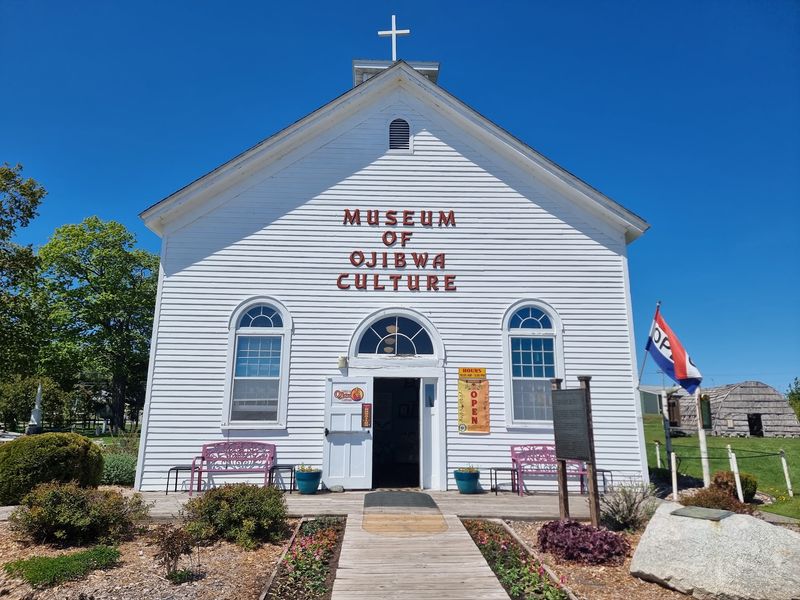
A longhouse sits on the grounds here, and it might be the best history lesson in St. Ignace. You can step inside a reconstruction and see how a shared dwelling was organized.
There’s an important distinction: this structure represents the longhouses of the Huron, or Wendat, people who once lived on this site. Traditional Ojibwa homes often took other forms, including wigwams.
The Museum of Ojibwa Culture stands beside Marquette Mission Park on land associated with a seventeenth-century Indigenous village and French mission.
Exhibits explore Ojibwa migration, daily routines, artwork, and the longstanding cultural connections around the Straits of Mackinac. A reproduction of a birchbark migration scroll traces a journey toward the Great Lakes.
Another display uses video to explore traditional family roles. Outdoors, the longhouse provides a different perspective on communal living and the buildings that once stood here.
The museum’s address is 500 N State St, St. Ignace, close to the Lake Huron shoreline. Its gift shop features Native American handcrafted items, including beadwork and baskets.
Seasonal cultural programs can include teachings, demonstrations, and gatherings. The museum normally operates from Memorial Day weekend through October, with longer daily hours during summer.
Check the seasonal schedule before making the journey. Between the indoor exhibits and the quiet waterfront grounds, there’s considerably more to explore than one building suggests.
3. Nokomis Cultural Heritage Center
Nokomis means my grandmother in Anishinaabemowin. That name fits a place built to pass knowledge from one generation to the next.
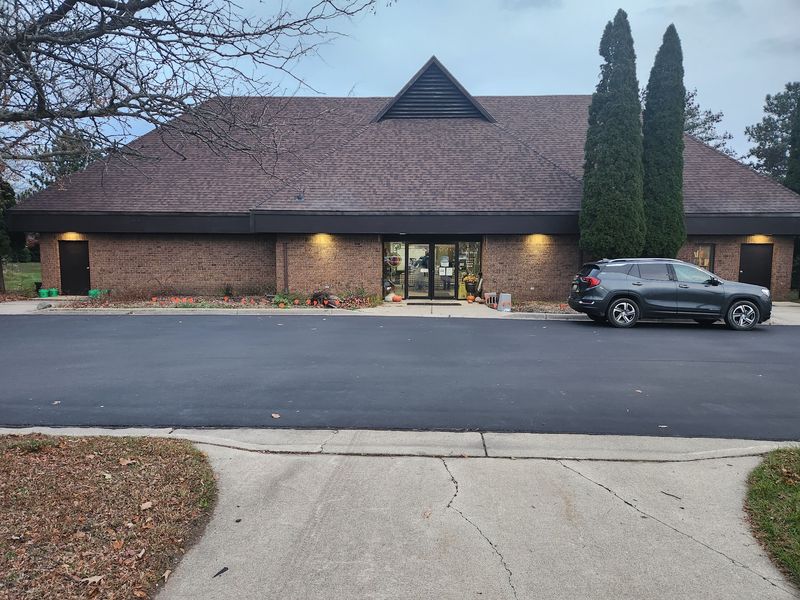
In Okemos, the Nokomis Cultural Heritage Center focuses on the Ojibwe, Odawa, and Potawatomi peoples, collectively connected through the historic Three Fires alliance.
The nonprofit began in 1988 as the Nokomis Learning Center. Today its mission spans history, visual arts, traditional practices, and language, with activities that encourage participation rather than simply looking at displays.
Inside, a gallery presents changing exhibitions, while educational spaces support workshops and community gatherings. Language classes, craft socials, and drumming programs are among the activities associated with the center.
That matters because Michigan’s Anishinaabe traditions are living practices, continuously taught and renewed, rather than chapters confined to the past.
You’ll find the center at 5153 Marsh Rd, Okemos. The building’s modest size makes it especially suited to a focused visit, though classes and events may require advance registration.
Public hours are generally Thursday from 10 a.m. to 3 p.m. and Friday and Saturday from 10 a.m. to 4 p.m. Other visits may be arranged by appointment.
Ask about upcoming exhibitions before planning your trip. A workshop, language session, or new display can add another dimension to the experience.
Here, history doesn’t stop at an exhibition label. It continues through the skills and words being shared.
4. Potawatomi Heritage Center
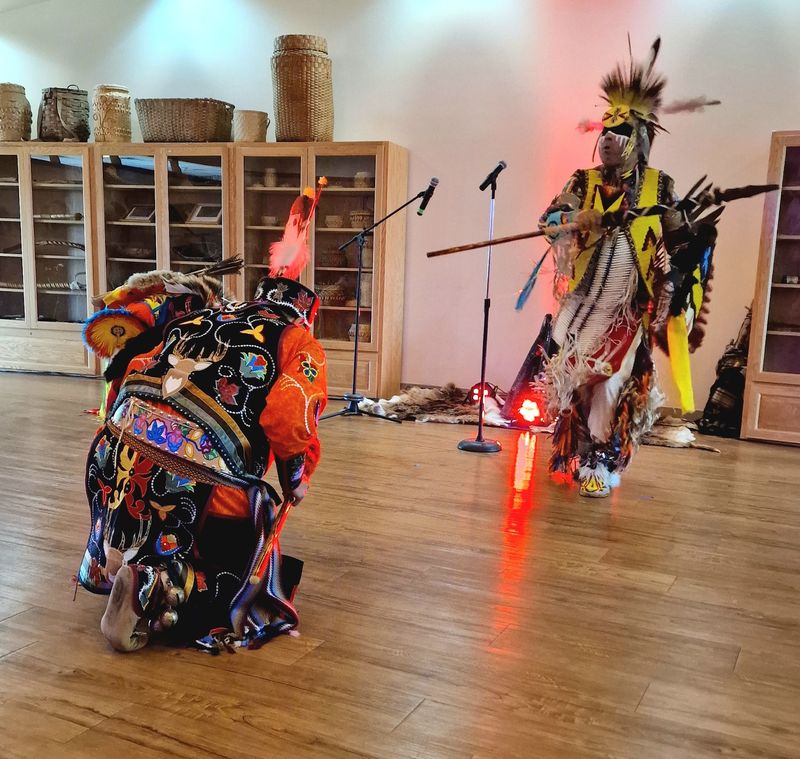
Way up in the Upper Peninsula, the Hannahville Indian Community keeps its own story close to home. The Potawatomi Heritage Center is where that history is shared.
The Potawatomi belong to the Anishinaabe cultural family, alongside the Ojibwe and Odawa. Their role within the Three Fires alliance is often expressed through the name Keepers of the Fire.
That connection is an important starting point for learning about the community’s identity, customs, and enduring traditions.
The center houses historical materials and cultural artifacts that introduce visitors to Potawatomi heritage. Rather than a sprawling regional museum, it’s a community-centered place where the objects are connected to a particular tribal nation.
Its location on Hannahville B-1 Road, near the Woodland Gathering Grounds, also links the building to community events and cultural activities.
For directions, use N15756 Hannahville B-1 Rd, Wilson. The surrounding region offers a different side of Michigan’s Upper Peninsula, beyond the better-known lakeshore routes.
The heritage center welcomes the public Monday through Friday, from 8 a.m. to 4 p.m. Weekend visits aren’t part of its regular schedule.
It’s worth arranging your visit during weekday hours and allowing time to appreciate the exhibits without rushing.
The lasting impression comes from the community’s continuing work to preserve and share its cultural knowledge. This isn’t merely history on display; it is heritage being cared for today.
5. Andrew J Blackbird Museum
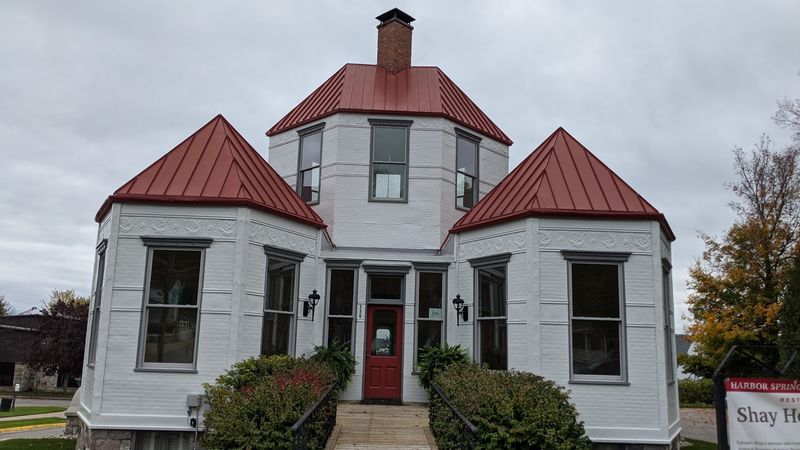
History books love generals and presidents. In Harbor Springs, the spotlight goes to an Odawa leader whose house still stands on Main Street.
Built around 1858, the home belonged to Andrew J. Blackbird, also known as Mack-e-te-be-nessy. His life encompassed writing, interpretation, education, and advocacy for the Odawa people.
He was particularly important as an author who documented Odawa history, customs, and language. His work helped preserve knowledge that remains valuable to researchers and tribal communities.
Today the restored residence operates as the Andrew J. Blackbird Museum, part of the Harbor Springs Historic Corridor. Exhibits connect his story with the broader heritage of the Little Traverse Bay Bands of Odawa Indians.
The house stands at 368 E Main St, Harbor Springs. Its historic rooms provide a direct connection to the community that grew around Little Traverse Bay.
Artifacts and interpretive displays address Indigenous life, leadership, language, and the region’s changing relationships over time.
Unlike a large museum filled with distant collections, this one begins with the actual home of the person at its center.
Current visitor hours are Thursday through Saturday, from 10 a.m. to 4 p.m. The Harbor Springs Area Historical Society manages the museum and its programming.
Allow a little time afterward to explore the nearby historical corridor. Blackbird’s story is deeply connected to the streets around his former home.
6. River Raisin National Battlefield Park
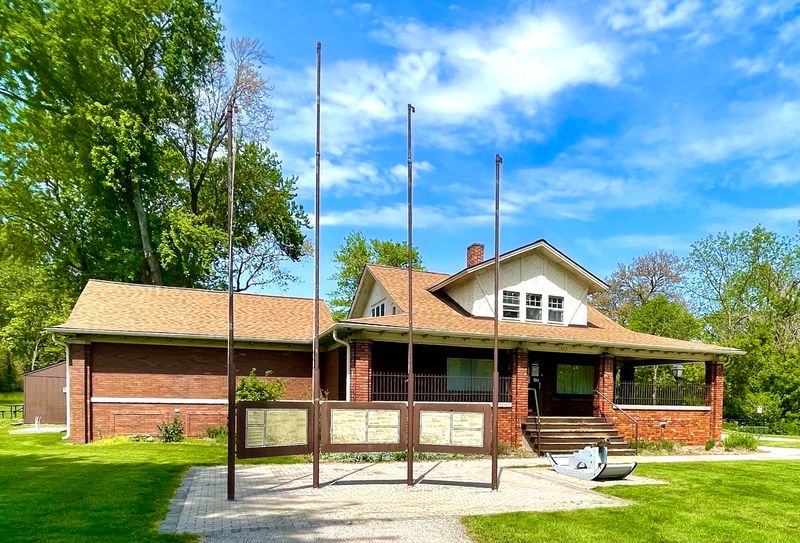
Most people don’t realize how closely Native nations shaped the events of 1813 along the River Raisin. Monroe offers a place to understand their involvement.
River Raisin National Battlefield Park interprets a complicated chapter involving Indigenous communities, French-speaking residents, and American and British forces.
Different Native nations pursued their own priorities, including protection of ancestral homelands and established relationships across the Great Lakes. Those choices deserve more attention than a passing paragraph.
Begin at the Visitor and Education Center, where a diorama of historic Frenchtown, orientation materials, and a theater introduce the landscape and its inhabitants.
The park stands at 333 N Dixie Hwy, Monroe. Its interpretation connects this riverside settlement to wider political changes affecting the region.
The Education Center also hosts exhibits and special programs, while outdoor grounds offer walking routes and historical markers. The park’s paths are available during daylight hours.
In Michigan, the park is especially important for understanding how Indigenous perspectives intersected with early American expansion.
The visitor center generally opens daily from 10 a.m. to 5 p.m. during the cooler months, with an earlier start in warmer months. Holiday closures apply.
Take your time with the maps before heading outside. Knowing where the old Frenchtown community stood makes the historical setting easier to picture. It’s a place to consider whose voices shaped the region’s history.
7. Michigan History Center
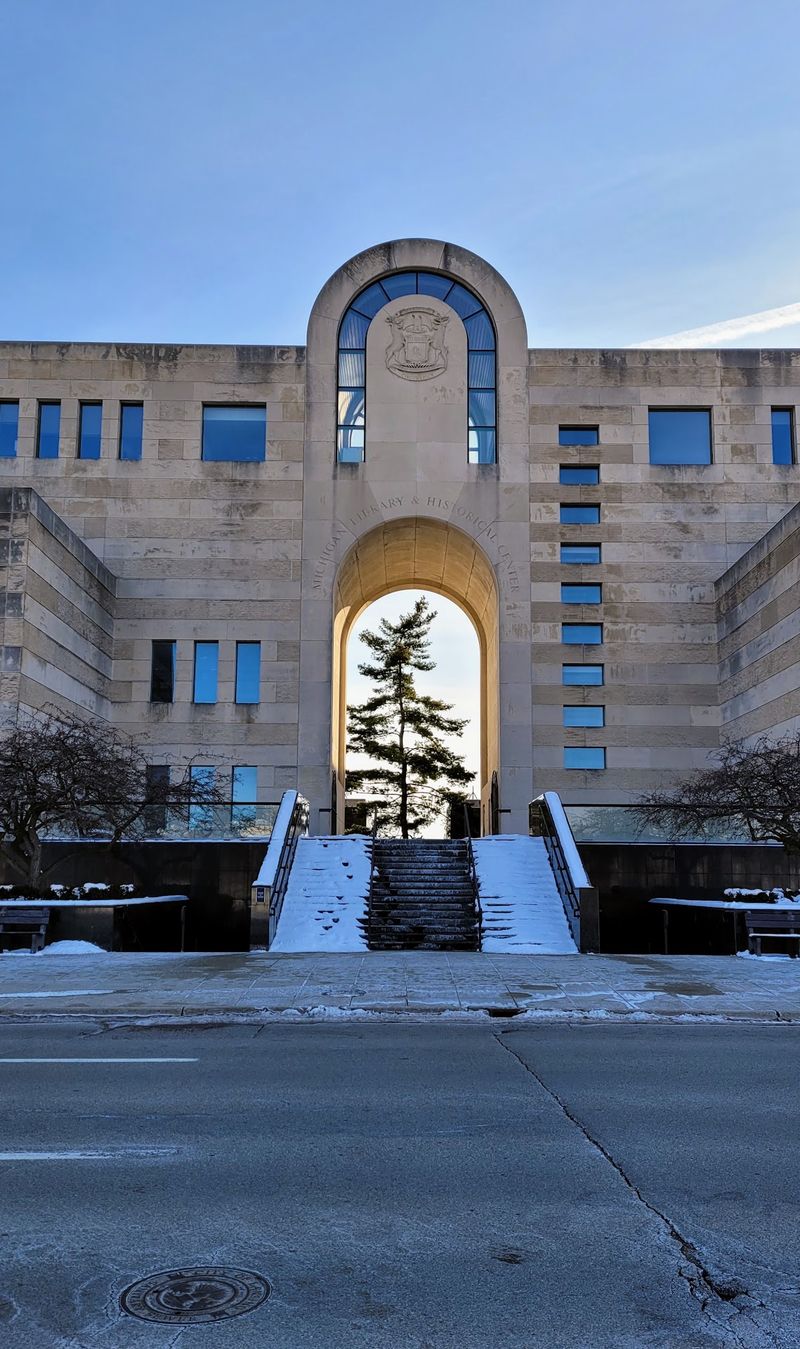
Five levels of history sit inside one building in Lansing. The state’s earliest chapters get serious attention here.
The Michigan History Museum, part of the state’s historical center, begins its chronological story with the Anishinaabe peoples and the long relationship between their communities and the Great Lakes landscape.
That opening matters. It places Indigenous history at the beginning of the state’s story instead of treating it as a brief introduction to later events.
It’s a reminder that the land already held generations of knowledge, traditions, and communities long before Michigan became a state.
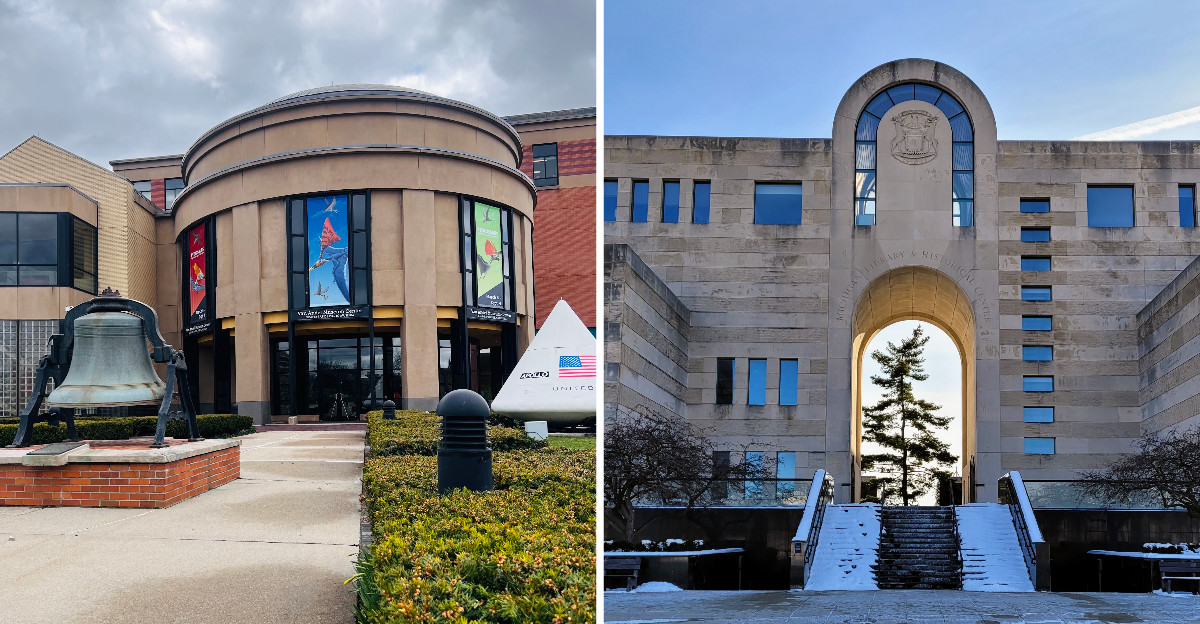
The museum occupies the Library and Historical Center building, with three floors of major historical exhibitions spread through a larger five-level facility.
Historical objects, reconstructed settings, and interactive displays take the story through mining, transportation, industry, and everyday life in different eras.
To visit, head to 702 W Kalamazoo St, Lansing, a short distance west of the State Capitol.
Starting with the early galleries makes later displays easier to understand. Rivers, forests, and natural resources shaped Indigenous life long before industrial development changed the region.
The museum opens Monday through Saturday from 10 a.m. to 4 p.m., plus Sunday from 1 to 5 p.m. Special exhibitions may add another reason to visit. Accessible entrances and elevators help visitors move between floors.
Set aside more than an hour if you want to examine the early exhibits closely. The chronological approach makes the connections between generations much clearer.
By the time you reach the later galleries, you’ll have a better sense of just how much history came before the familiar stories of factories and automobiles.
8. Grand Rapids Public Museum
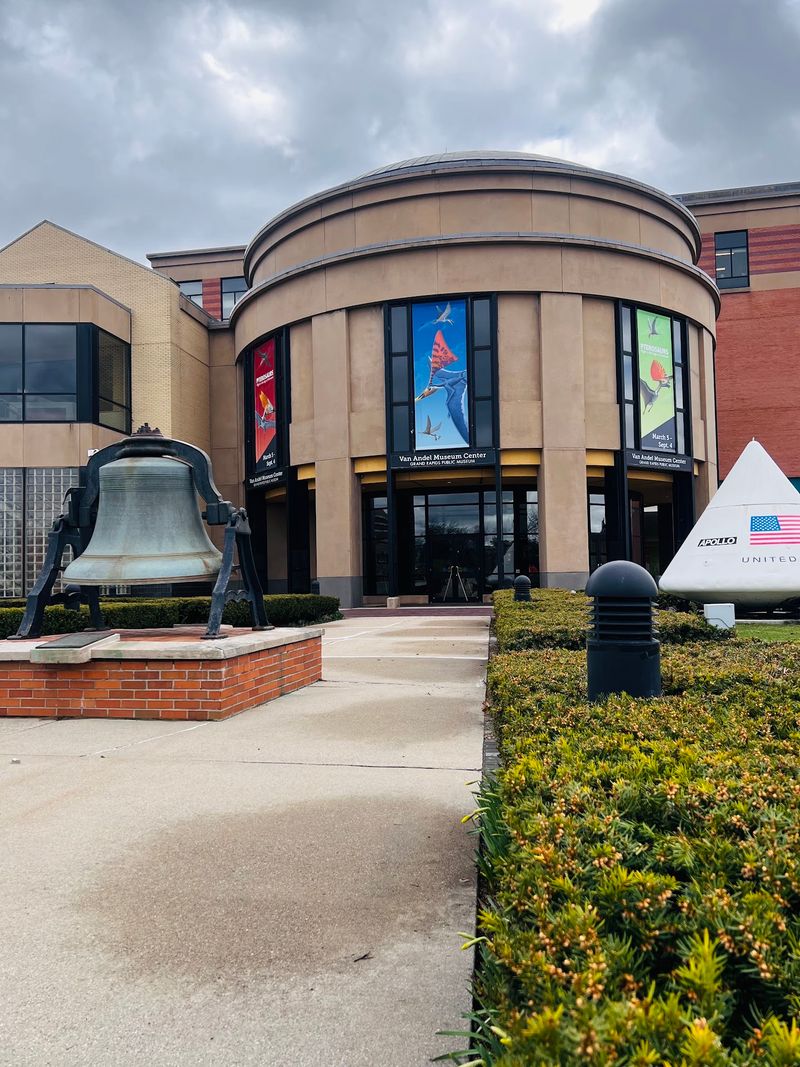
Dinosaurs, spaceflight, and a 1928 carousel share a roof in Grand Rapids. Yet one of the museum’s most important stories begins with the Anishinaabe people.
The Grand Rapids Public Museum reopened its redesigned Anishinaabek: The Original People of This Place exhibition on October 12, 2026.
Created with guidance from tribal leaders and community members, the renewed gallery emphasizes that Anishinaabe culture is active and evolving.
That collaboration gives the exhibition a perspective rooted in the experiences and knowledge of the communities whose heritage it explores.
Digital features, artworks, natural materials, and connections to the Grand River give the space a distinctive identity. Indigenous language and contemporary perspectives appear alongside historical knowledge.
The guiding idea is simple and powerful: the Anishinaabe people remain part of this place today.
You can find the museum at 272 Pearl St NW, Grand Rapids, beside the Grand River. Three floors of exhibitions cover science, local history, and cultural subjects.
Other exhibits recreate nineteenth-century city streets, while the planetarium offers another way to explore the wider world.
The historic carousel is another recognizable feature, although its operation can change during maintenance. Doors generally open Monday through Friday at 9 a.m. and on weekends at 10 a.m., with closing at 5 p.m.
Begin with the newly refreshed Anishinaabek gallery rather than saving it for the end. The Grand River connection is especially worth exploring, since the waterway has shaped life in this region for countless generations.
Spend time with the artwork and the contemporary community perspectives. It adds an essential perspective to the other stories told throughout the building.