We Ranked 13 Stunning North Carolina Churches Built In The 1800s, And No. 1 Looks Straight Out Of Europe
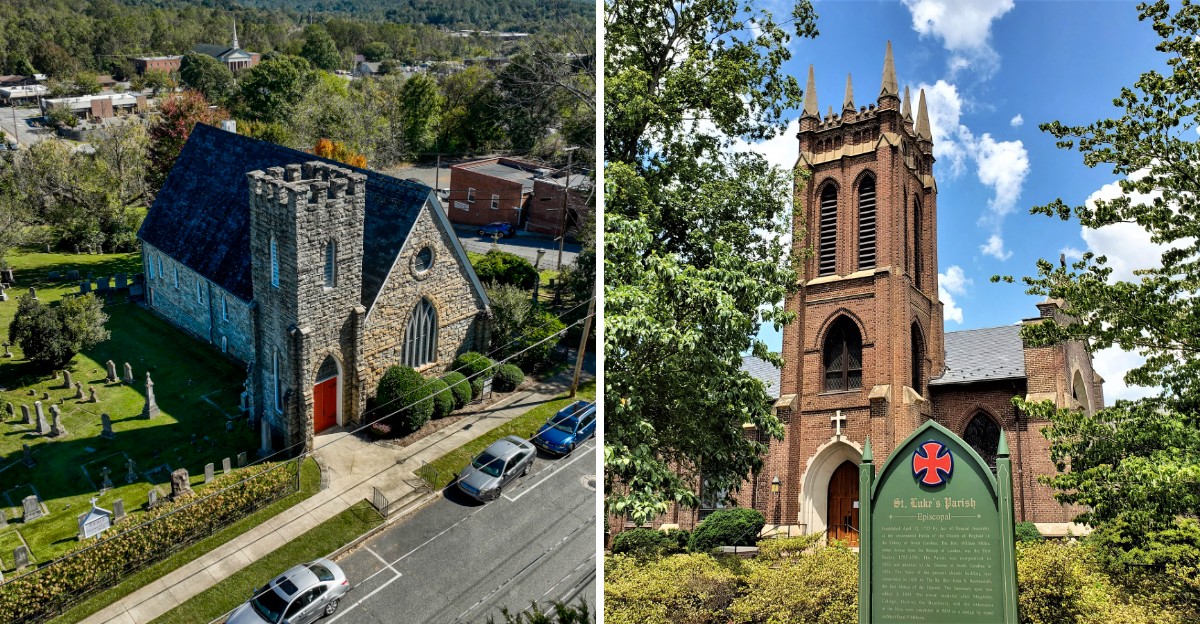
I had to remind myself more than once that I was still in North Carolina.
One church on this list was finished in 1894 with Benedictine monks helping build it alongside craftsmen and volunteers.
Its Gothic Revival towers look like they belong somewhere much farther across the Atlantic.
Then the competition gets serious.
Another church sends a spire nearly 200 feet into the sky, while one was built from native granite pulled straight from the state.
Some took years to complete.
Others have been welcoming congregations since the very start of the 1800s.
I ranked 13 of my favorites, and the hardest part was comparing buildings that feel completely different from one another.
Mountain settings compete with grand downtown landmarks.
Quiet stone walls go up against soaring towers.
By the time I reached No. 1, I was ready to check my passport.
13. Belmont Abbey Basilica
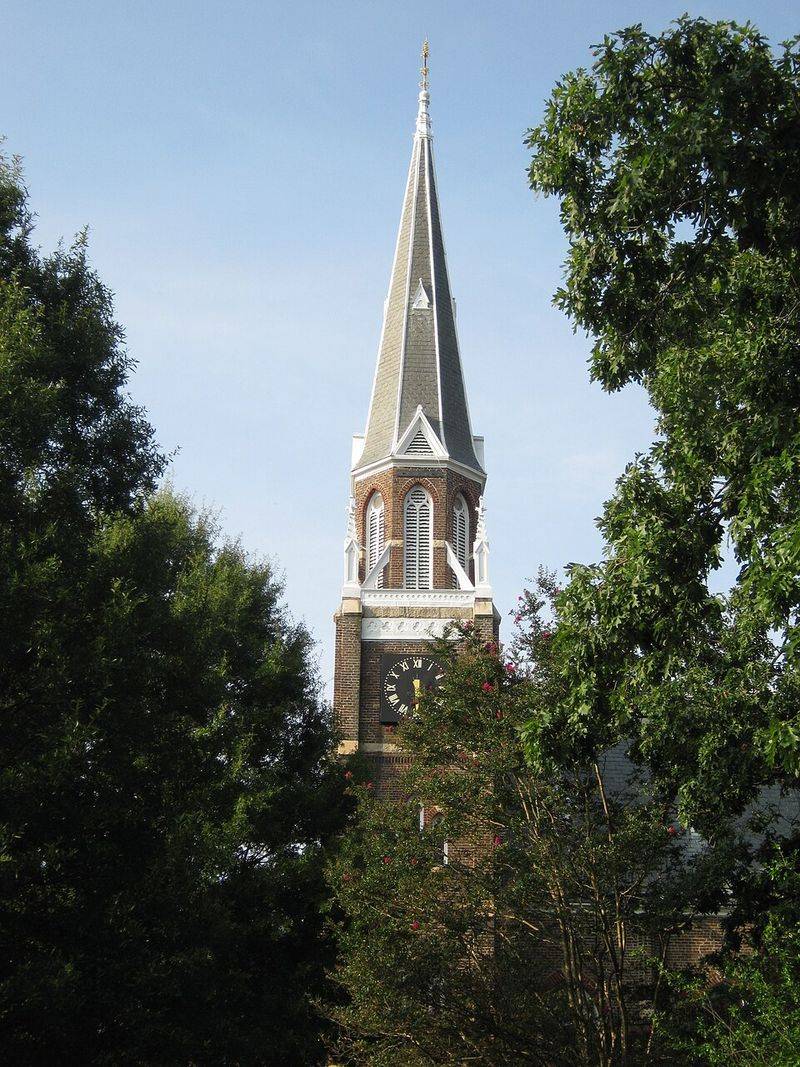
Twin towers, pointed arches, and Benedictine monks doing the building? That sounds like a postcard from Bavaria, not a spot near Charlotte.
Monks constructed this basilica between 1892 and 1894. They followed the traditional German Gothic Revival style, and the result still turns heads.
The twin towers soar above the grounds like something from a medieval European monastery. Those pointed arches pull your eyes upward, which was kind of the whole idea.
It earns the top spot here because it nails the Old World look without trying too hard. Few buildings in North Carolina make you double-check your map quite like this one.
Keep in mind that this is a working place, not a museum. It remains an active monastic basilica, serving the Benedictine community, Belmont Abbey College students, and visiting worshippers.
That means quiet manners matter more than perfect photos. Lower your voice, silence your phone, and let the space do the talking.
Bring a camera for the outside, where those towers show off best against the sky. Try visiting in late afternoon, when the light gives the building some extra drama.
Belmont sits just west of Charlotte, so it makes an easy side trip. Honestly, it beats a transatlantic flight for convenience.
Address: 100 Belmont Mt Holly Rd, Belmont, NC 28012
12. Christ Church on Capitol Square
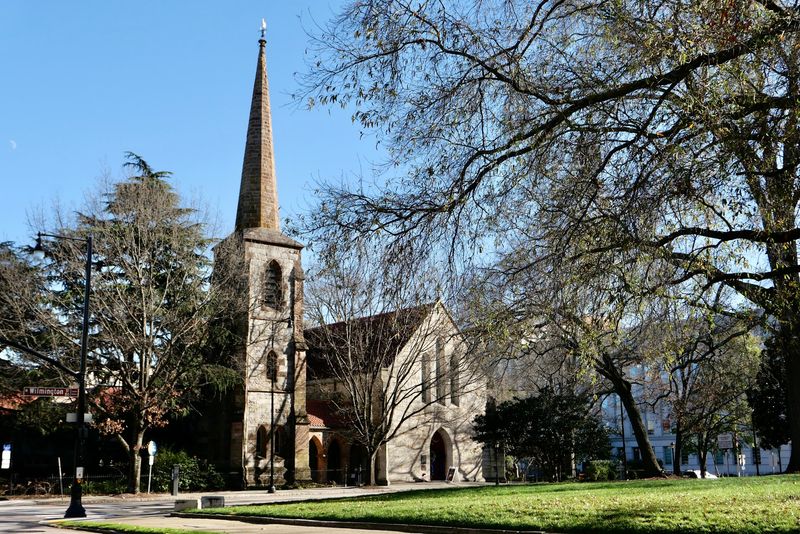
Richard Upjohn designed churches the way some people write love letters to England. His work in Raleigh is a fine example.
Builders put up this church between 1848 and 1852. It was consecrated in 1854, which means it has watched Raleigh grow up around it.
The style is English Gothic Revival, and you can feel the village-parish influence in its lines. It stands right by Capitol Square, so history is pretty much the neighborhood theme.
Upjohn was a master architect of his era. Seeing his work in the middle of the capital city feels like finding a rare book on a public shelf.
The church remains an active Episcopal community, not a frozen relic. Weekday hours run from 9 a.m. to 5 p.m., Monday through Friday.
Sunday hours cover the morning and a short evening window. Saturdays are closed, so plan your stroll around that.
Pair a visit with a walk around downtown Raleigh, since you’re already close to the Capitol. It’s an easy way to stack up a lot of North Carolina history in one afternoon.
Restrooms are available, which your future self will appreciate. Respect services, and you’ll be free to admire the craftsmanship.
Address: 120 E Edenton St, Raleigh, NC 27601
11. St. Peter Catholic Church
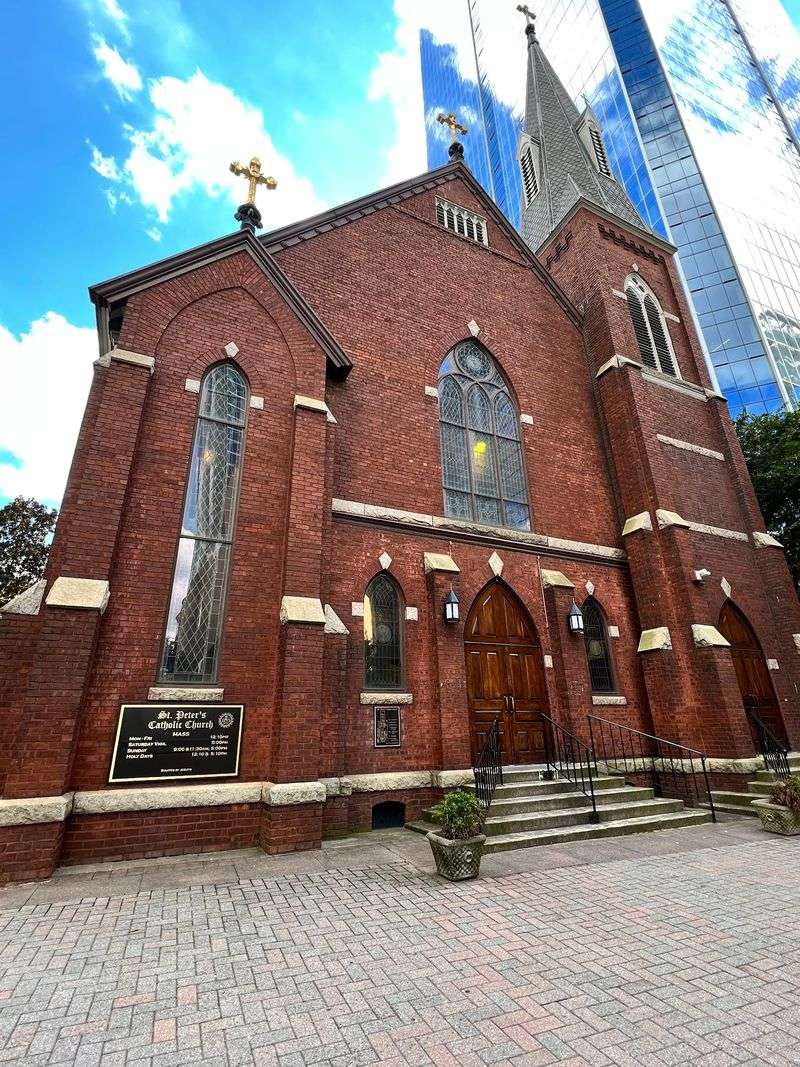
Uptown Charlotte loves glass towers, but one red-brick survivor from 1893 keeps things grounded. It holds its own on South Tryon Street.
This historic Roman Catholic church went up in the Victorian era in a Gothic style. It ranks among uptown’s premier surviving 19th-century religious landmarks.
That’s a big deal in a city famous for tearing down and building up. The brick walls feel like a time capsule standing among skyscrapers.
The contrast between old brick and new steel makes for great photos from the sidewalk. Grab one on your way in.
Weekday hours run from 10 a.m. to 3 p.m., Monday through Friday. The church holds Saturday evening and Sunday services, but visitors should confirm access outside scheduled worship times.
Parking can be a headache uptown, so here’s good news. The church directs visitors to The Green parking garage, where complimentary validated parking is available for certain services and church events.
Restrooms are on site too. With parking arrangements to check in advance, this historic church is still a convenient addition to a day exploring uptown Charlotte.
Go during a lunch break if you work nearby. A few quiet minutes inside a Victorian Gothic church beats scrolling at your desk.
Remember that it’s an active parish. Keep visits respectful, and let the brick and history speak for themselves.
Address: 507 S Tryon St, Charlotte, NC 28202
10. First Presbyterian Church
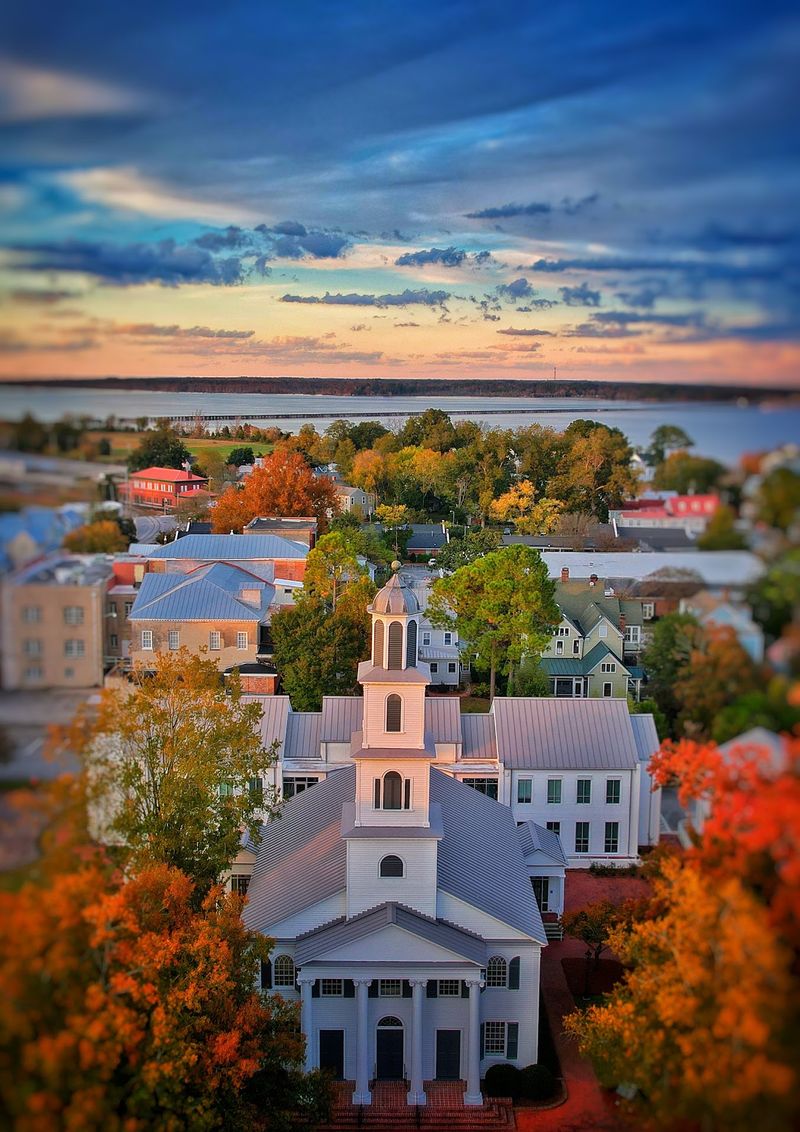
New Bern has history stacked like pancakes, and this church sits near the bottom of the stack. Construction ran from 1819 to 1822.
Local craftsman Uriah Sandy served as the church’s lead construction contractor, working alongside carpenters John Dewey and Martin Stevenson.
It’s a Presbyterian Church (USA) congregation with in-person worship services. Sundays bring services at 8:30 a.m. and 11 a.m.
Office hours run Monday through Thursday from 9 a.m. to 3 p.m. Fridays wrap up at 1 p.m., and Saturdays are closed.
Treat this stop as a lesson in early 1800s confidence. The congregation built something meant to last, and it worked.
New Bern is one of the oldest towns in North Carolina, so you’ll have plenty to explore nearby. Make a loop through downtown and see how many old landmarks you can spot.
Restrooms are available on site. Call ahead or check the schedule if you hope to see the interior.
Fans of quiet history will feel right at home here. It’s the kind of place that rewards slow walking and good questions.
Two centuries is a long run for any building. Give it a nod of respect as you pass.
Address: 400 New St, New Bern, NC 28560
9. St. James Episcopal Parish
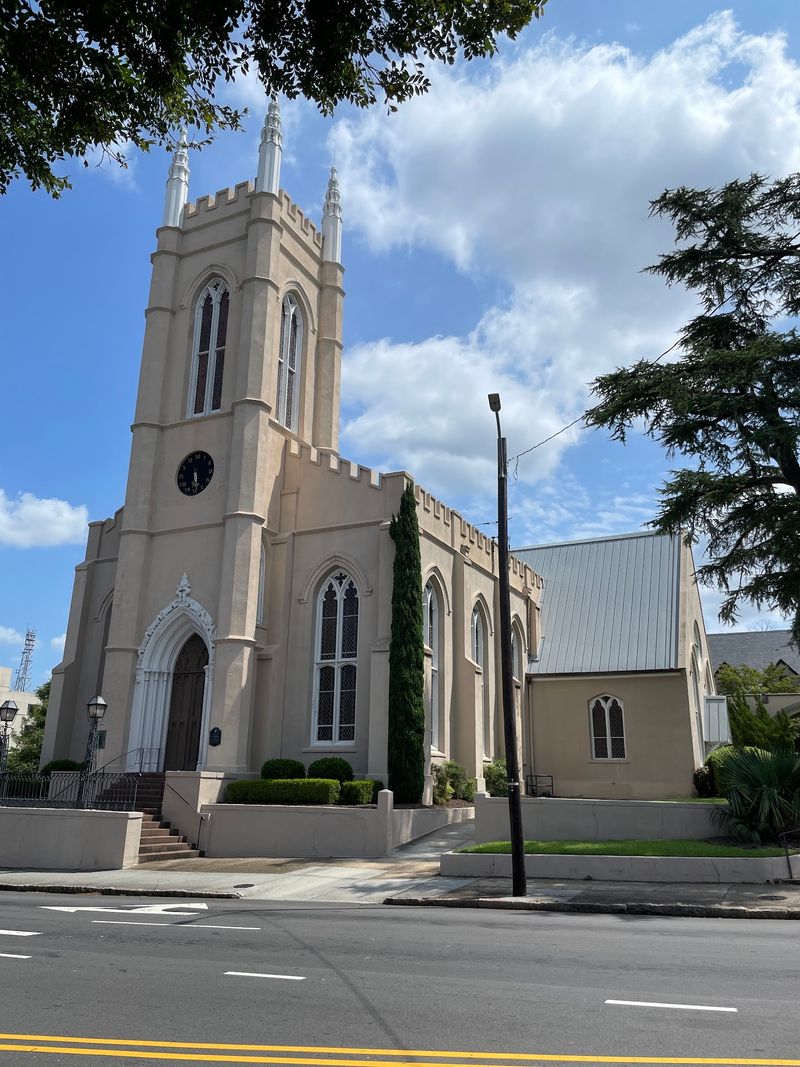
Thomas U. Walter had a busy career, and this Wilmington church is a highlight.
He designed it in the early Gothic Revival style.
The building went up in 1839, back when Gothic Revival was still fresh in America. That makes it an early adopter of a look that later spread far and wide.
Today it’s an active Episcopal parish with a simple mission. It aims to welcome all to grow in love of God and neighbor.
Weekday hours run Monday through Thursday from 8 a.m. to 4 p.m. Friday ends at 1 p.m., and Sunday runs from 8 a.m. to noon.
Downtown Wilmington makes this an easy stop on a walking day. You can pair it with the riverfront and make a full afternoon of it.
Look up at the pointed details and imagine how bold they seemed in 1839. It’s fun to picture how new this style felt to people at the time.
Restrooms are available, which is handy on a long walking tour. Saturdays are closed, so schedule your visit on another day.
For history fans, this church is a must on any Wilmington list. It’s proof that good design can outlast a lot of change.
Address: 25 S 3rd St, Wilmington, NC 28401
8. First Baptist Church
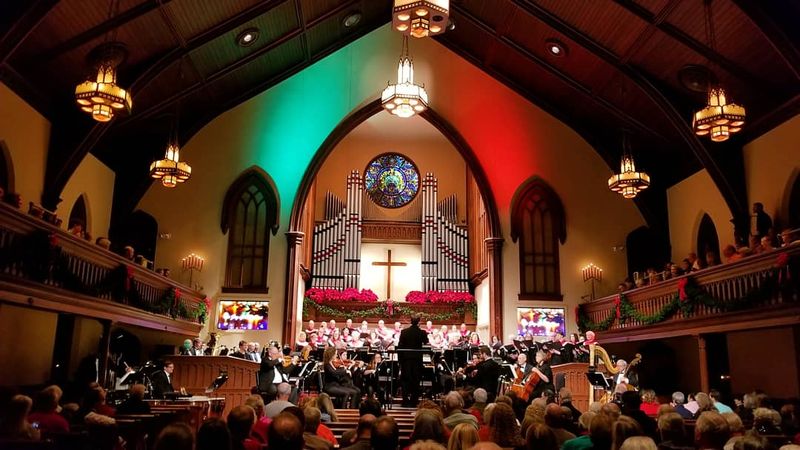
A 197-foot spire is hard to miss, even in a city full of steeples. This one rises over Market Street like an exclamation point.
Construction stretched from 1859 to 1870. That’s eleven years, which tells you the builders were playing the long game.
The Gothic Revival spire is the star of the show. Bring a wide lens if you want the whole thing in one shot.
The congregation is active and offers two Sunday morning services. Modern Worship starts at 9 a.m., and Traditional Worship begins at 11 a.m.
That mix is a nice touch for families with different tastes. Grandma and the teenagers can both find a service that fits.
Weekday hours run from 8 a.m. to 5 p.m., Monday through Friday. Saturdays are closed, and restrooms are available.
St. James is also downtown, so you could see two 1800s landmarks in one walk. Wilmington makes church hopping surprisingly easy.
Stand across the street to take in the full height. Then step closer and notice how the pointed details stack toward the sky.
It’s a skyline anchor that was finished in 1870. Not bad for a project that took over a decade.
Address: 411 Market St, Wilmington, NC 28401
7. St. John in the Wilderness
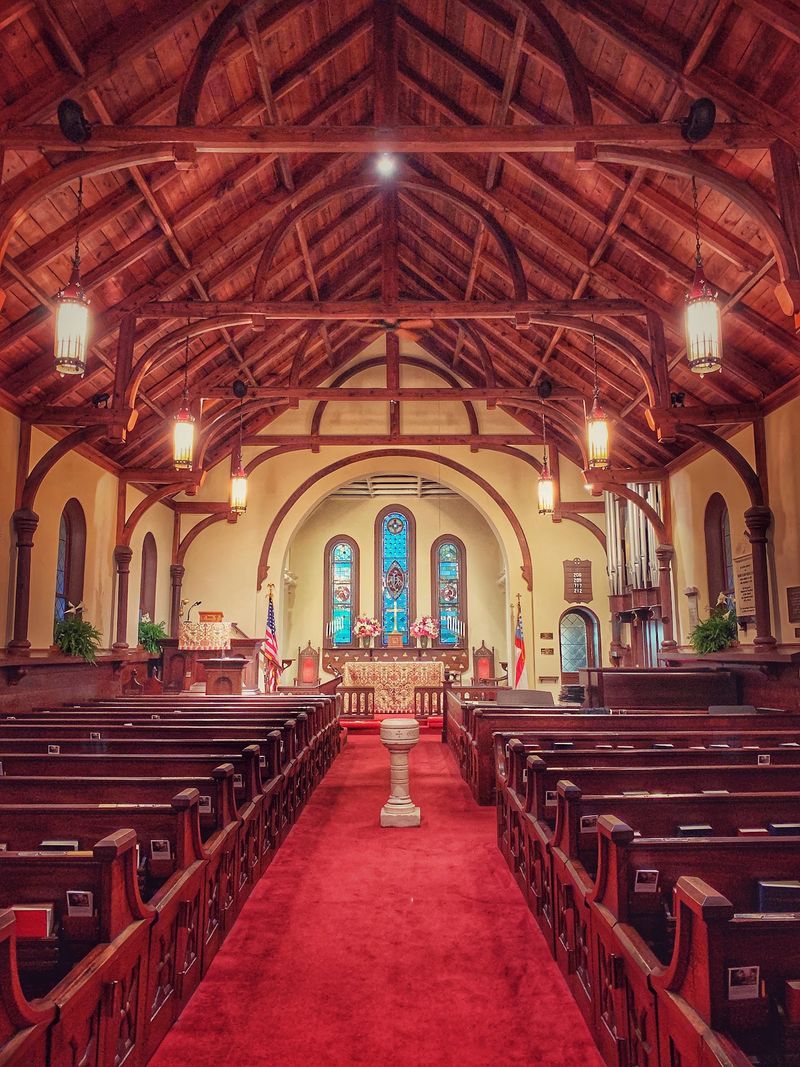
Summer residents established a private chapel in Flat Rock during the 1830s, beginning work on a brick structure in 1833. The present church building was completed in 1852.
The name alone makes it worth the trip. ‘In the Wilderness’ sounds like an adventure novel, and Flat Rock delivers mountain scenery to match.
Today it serves as an Episcopal house of worship. Weekday hours run from 9 a.m. to 4 p.m., Monday through Friday.
The church and cemetery grounds welcome visitors Tuesday through Sunday from 9 a.m. to 4 p.m., making weekend visits possible too.
Free on-site parking makes life easy once you arrive. Restrooms are available too, which matters after mountain roads.
Flat Rock was a summer escape long before air conditioning existed. This church shows how early visitors brought their traditions to the hills.
Pair your stop with a stroll around Flat Rock or nearby Hendersonville. It’s a relaxed day trip with history baked right in.
Keep your voice low and your curiosity high. This is a place to slow down and soak up nearly two centuries of mountain history.
Address: 1895 Greenville Hwy, Flat Rock, NC 28731
6. Home Moravian Church
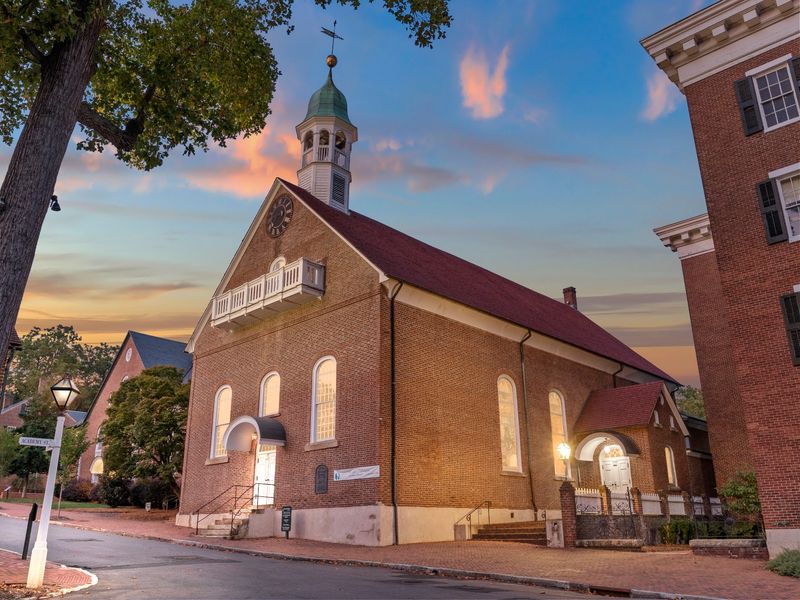
Salem’s Moravians were known for neat, orderly living, and their church shows it. The historic sanctuary was completed in 1800 and consecrated in November of that same year.
That makes it one of the earliest churches on this list. It barely squeaks into the 1800s, and we’re counting it.
The church stands in the historic Salem settlement in Winston-Salem. Walking the area feels like flipping through a living history book.
It’s still an active Moravian congregation. The historic sanctuary welcomes visitors Wednesday through Saturday from 11 a.m. to 1 p.m., seasonally from March through November.
These visiting hours apply on both Friday and Saturday, while Sunday worship begins at 10 a.m. Sunday runs from 10 a.m. to noon.
That Saturday window is handy for weekend travelers. Several churches on this list close on Saturdays, so take advantage.
Plan extra time to explore old Salem nearby. You’ll want comfortable shoes and plenty of time for photos.
Restrooms are available on site. Be respectful during worship hours, since this is a working church first.
Over two centuries of history in one spot is a pretty good return on a short drive. North Carolina doesn’t get much more historic than this.
Address: 529 S Church St, Winston-Salem, NC 27101
5. St. Matthew’s Episcopal Church
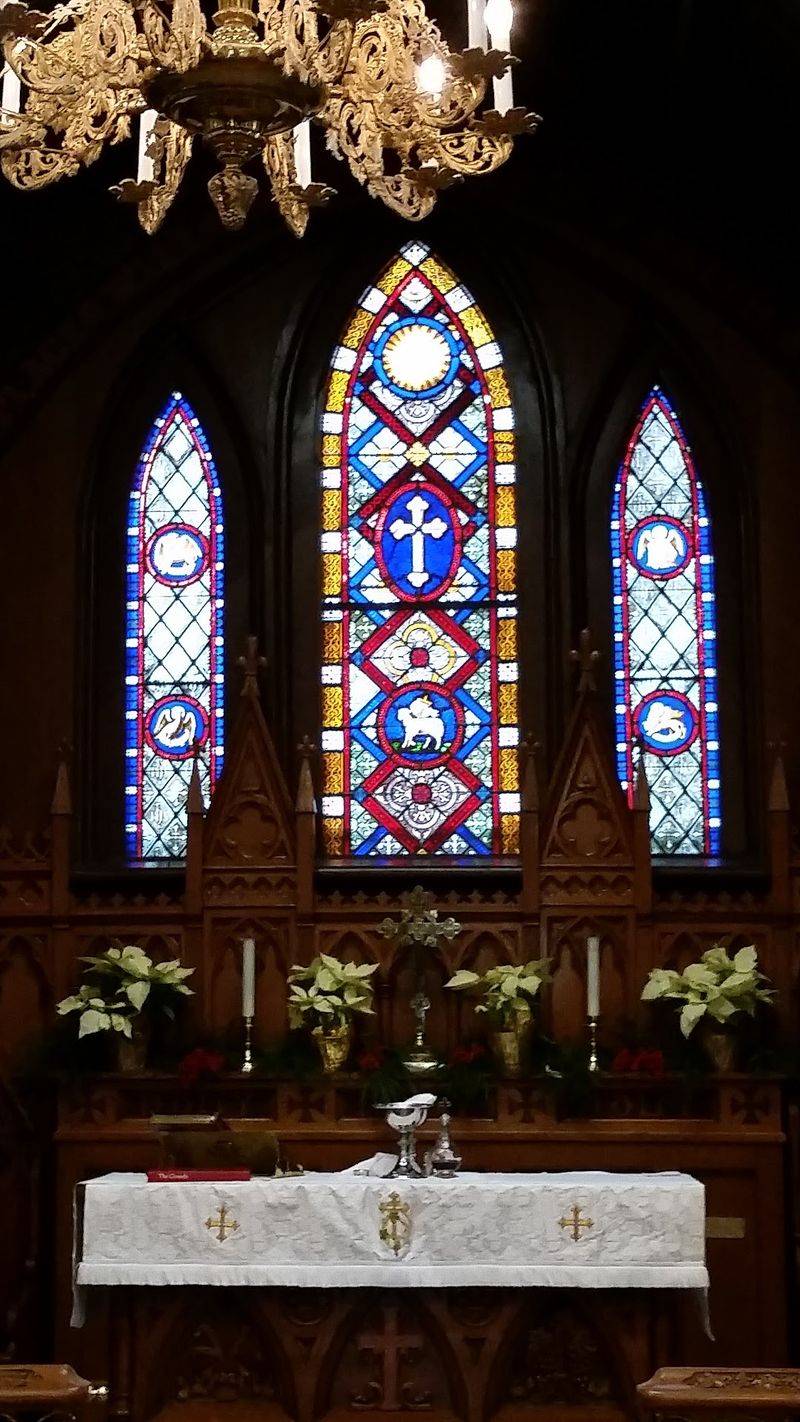
Hillsborough looks like a history buff’s daydream, and this church fits right in. Builders put it up in 1825 and 1826.
The style is Gothic Revival in brick, which was pretty early for that look. An expanded nave came along in 1868 as the congregation grew.
So you’re looking at two chapters of history in one building. The original walls and the later addition tell a story about a growing town.
It’s an active Episcopal parish with weekday hours. Monday through Thursday, the doors are open from 8:30 a.m. to 12:30 p.m.
The parish office is open Monday through Thursday, while Sunday worship services welcome visitors to the church.
Hillsborough’s downtown makes a great add-on. Grab lunch in town after your stop and wander the old streets.
Restrooms are available on site. Call ahead if you hope to see more than the exterior.
Brick Gothic churches from the 1820s aren’t exactly common. Spotting one still in use feels like finding an old coin in your pocket.
Take your time with the outside details and the setting. This is a church that rewards patience and a slow walk.
Bring a friend who loves old buildings. You’ll have plenty to talk about on the drive home.
Address: 210 St Marys Rd, Hillsborough, NC 27278
4. Chapel of the Cross
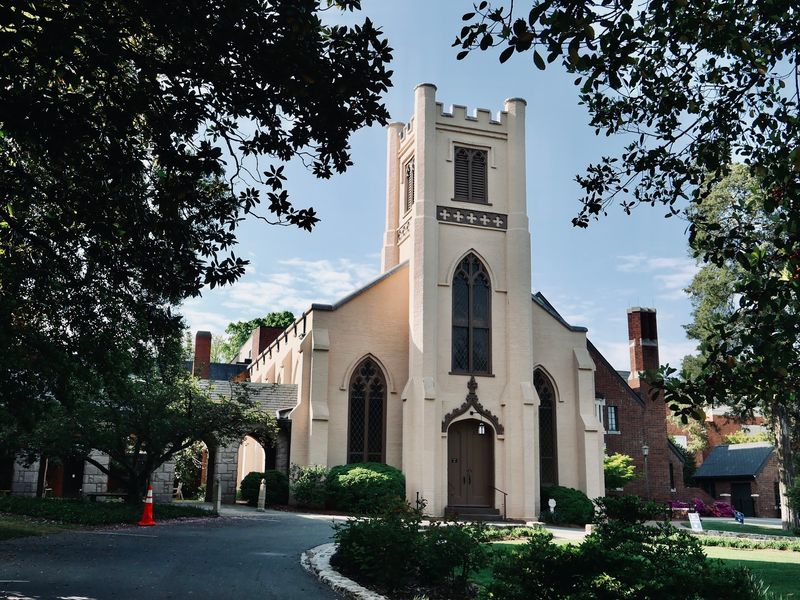
Right on Franklin Street, among college students and coffee runs, stands a brick chapel from the 1840s. Construction ran from 1842 to 1848.
The style is Gothic Revival, built in brick. It’s a nice reminder that Chapel Hill had serious history long before game days.
Today it serves as an Episcopal parish and historic chapel. The congregation stays active with regular parish operations.
Accessibility features are part of the setup here. That’s helpful for visitors who need easier entry.
Restrooms are available too. Since posted hours aren’t listed, call before you go if you hope to step inside.
Franklin Street is the town’s main drag, so you’re in the middle of the action. Walk down after your visit and enjoy the shops and restaurants nearby.
The University of North Carolina campus sits close by, making this an easy combo stop. Old brick on old brick, as far as the eye can see.
Six years of building tells you this chapel was a labor of patience. Take a moment to appreciate the work that went into those walls.
It’s a peaceful pause in a busy college town. Even a quick look can reset your whole afternoon.
Address: 304 E Franklin St, Chapel Hill, NC 27514
3. St. Luke’s Episcopal Church
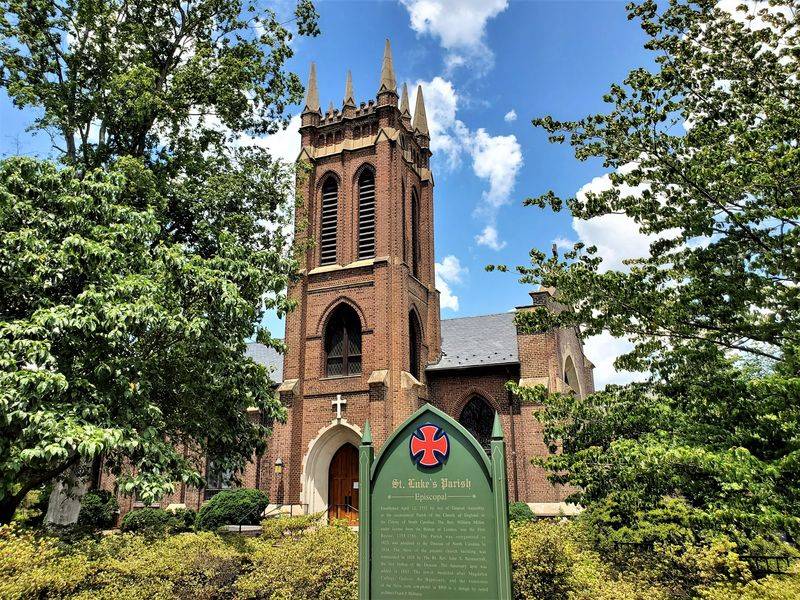
Every town has a first something, and this was Salisbury’s first permanent Episcopal house of worship. It went up between 1827 and 1828.
Being first carries some bragging rights. The church has held onto them for nearly two centuries.
The congregation is still active today. Office hours run Monday through Thursday from 9 a.m. to 2 p.m.
Sunday hours cover 8 a.m. to noon. Fridays and Saturdays are closed, so plan around those days.
Salisbury has a charming historic downtown worth a wander. You can make a whole morning of old buildings and local shops.
Restrooms are available on site. That’s handy if you’re road tripping along Interstate 85.
Consider how small Salisbury was back in 1827. Building something permanent then was a big statement of faith and staying power.
History lovers will enjoy connecting this church to the town’s long story. It’s a quiet stop with a big role in local history.
Visit midweek for the best chance at open doors. And be respectful, since worship comes first here.
North Carolina has plenty of old churches, but firsts are special. This one deserves a spot on your Salisbury route.
Address: 131 W Council St, Salisbury, NC 28144
2. Calvary Episcopal Church
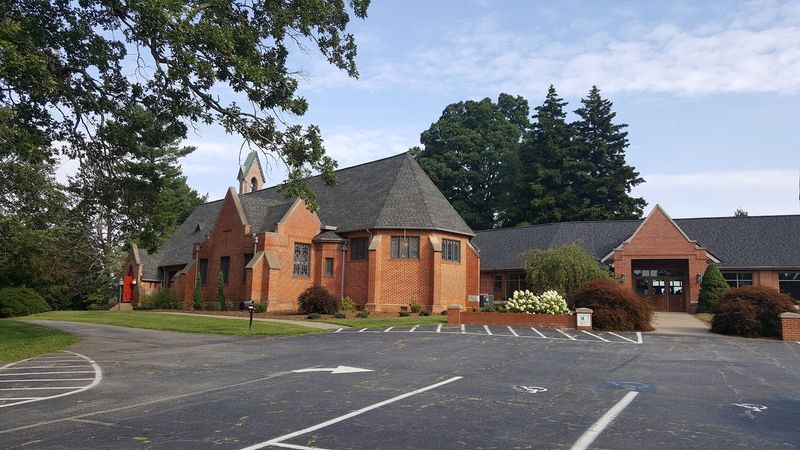
Calvary Episcopal Church’s original sanctuary was completed in 1859, but the building was extensively rebuilt following a 1935 fire. Its historic bell tower was incorporated into the present church, consecrated in 1938.
Today it’s an active Christian church in Henderson County. Weekday hours run from 8:30 a.m. to 4:30 p.m., Monday through Friday.
Sunday worship services happen at 8 a.m. and 10:30 a.m. Saturdays are closed.
Its spot on Hendersonville Road makes it easy to reach. You can swing by on your way to or from Asheville without a big detour.
Restrooms are available on site. That’s always nice on a mountain drive.
Mountain churches from the 1850s carry a special kind of grit. Building anything this far into the hills back then took real effort.
Give yourself time to enjoy the surroundings. Western North Carolina scenery makes even a short stop feel like a mini vacation.
Pair it with St. John in the Wilderness for an 1800s mountain church double feature. The two sit close enough for an easy afternoon.
Just remember that worship comes first. Be quiet and kind, and you’ll leave with a great story.
Address: 2840 Hendersonville Rd, Fletcher, NC 28732
1. Grace Episcopal Church
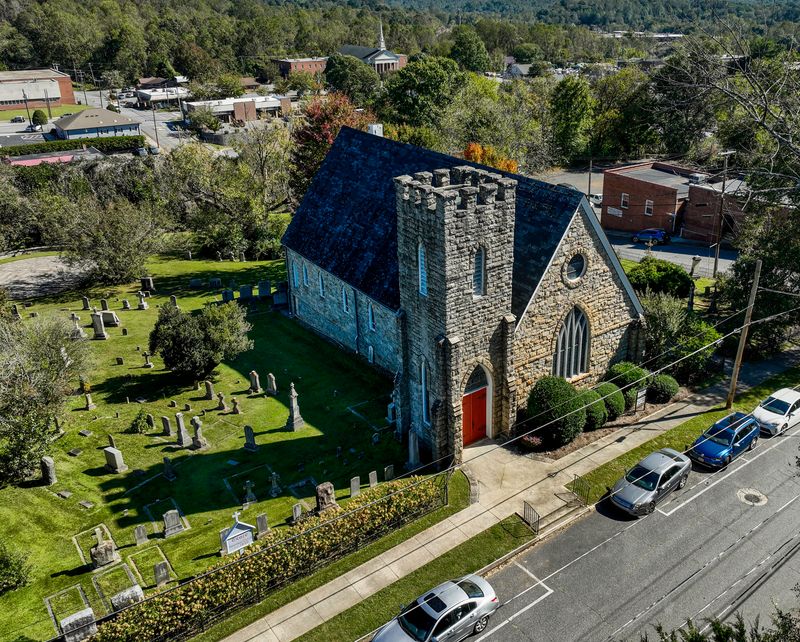
Native granite quarried in Burke County gives this historic church its distinctive rugged appearance. The current stone church was constructed in the 1890s and consecrated on November 22, 1896.
The style is late Victorian Gothic Revival. Stone gives it a sturdy, earthy feel that brick churches can’t quite match.
It’s the youngest church on this list, sneaking in just before the century ended. Better late than never.
Grace is an active Episcopal church in Morganton. It offers full accessibility amenities, which is great for visitors with mobility needs.
Restrooms are available on site. Posted visiting hours aren’t listed, so call ahead if you want to see inside.
Morganton sits in the foothills, with mountain views not far away. It’s an easy stop on a trip toward the Blue Ridge.
Take a close look at the stonework when you visit. The rough-cut granite walls showcase the skill involved in traditional stone construction.
Snap photos in soft morning light to bring out the colors in the stone. The locally quarried granite gives the building a distinctive texture and natural variation in color.
King Street puts the church close to downtown. You can easily add a walk around town to your visit.
It closes our list on a high note. Stone, history, and foothill charm make a strong finish.
Address: 303 S King St, Morganton, NC 28655