This Tiny Kentucky Town Is Filled With Bluegrass Nights, Backroad Charm, And Pure Nostalgia
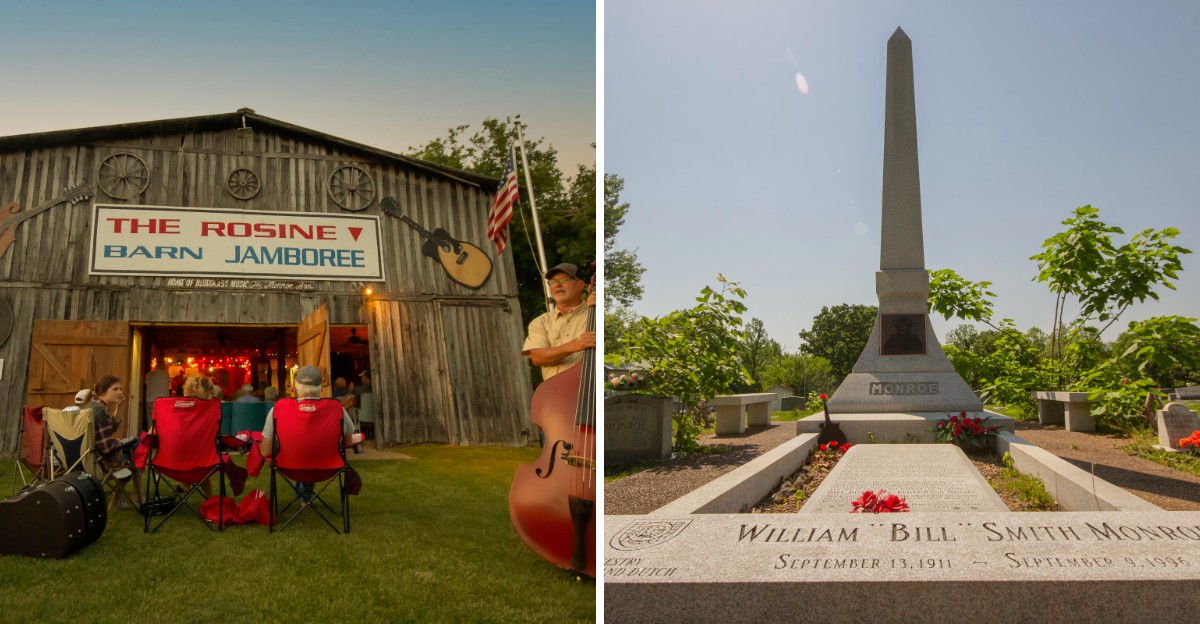
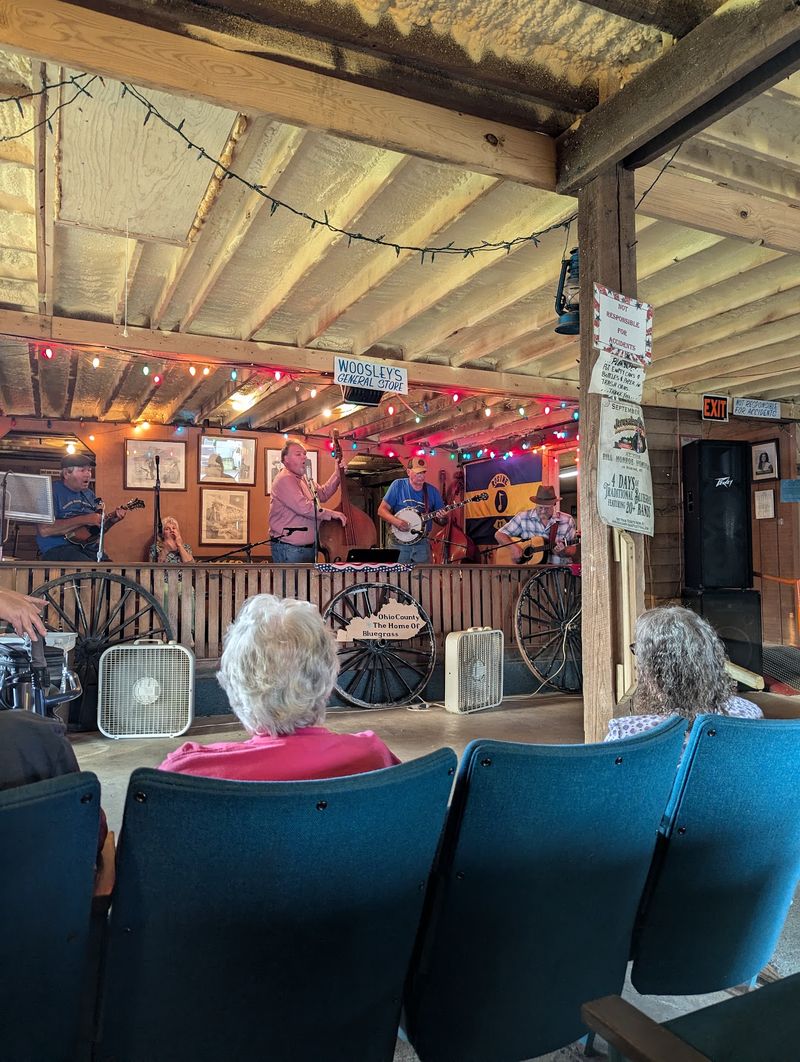
On Friday nights, a weathered old barn in western Kentucky fills with fiddles, banjos, and folks who just showed up to play. Nobody needs a ticket, and the jam has rolled on for many, many years.
That barn sits in the hometown of Bill Monroe, the man called the Father of Bluegrass. A bronze disk honoring him hangs right on the building, so the music has a pretty famous audience.
I admire how the whole place feels stitched together by music. The hills that shaped Monroe’s sound are just up the road, and his family farm still hosts pickers every year.
The real question is how many tunes you’ll catch before heading back down those quiet country roads.
Friday Nights Belong To The Barn, And Everybody Is Invited
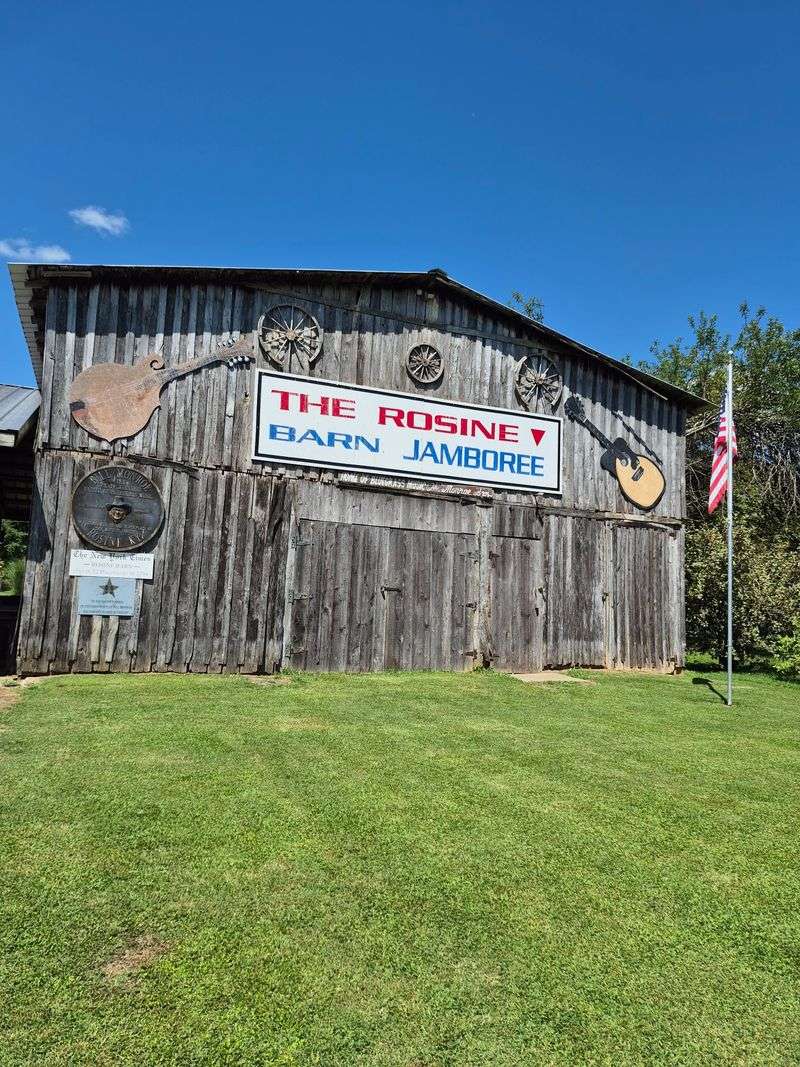
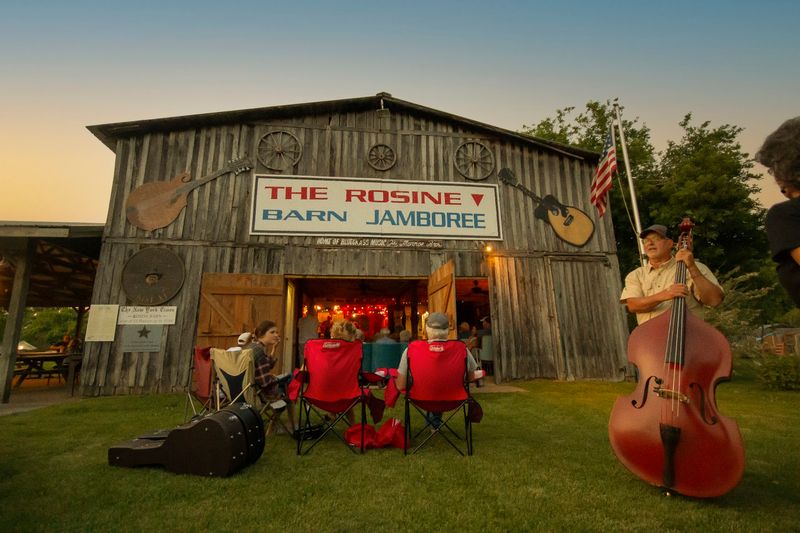
Fiddles tuning up inside an old barn is about the best alarm clock a Friday evening could ask for. In Rosine, Kentucky, that sound means the Rosine Barn Jamboree is getting rolling for the night.
The barn sits along U.S. Route 62, a stretch also known as the Blue Moon of Kentucky Highway.
That name comes from one of Bill Monroe’s most famous songs, so the road itself is basically humming along.
The jamboree runs through much of the year, and it keeps things refreshingly simple. Musicians bring their instruments, listeners bring their ears, and the tunes start flowing.
Admission is free, though donations help keep the lights on and the music going. Dropping a few bills in the jar feels like a fair trade for a night of live bluegrass.
The best part is how open the whole thing feels. Seasoned pickers and newer players can share the same space and the same songs.
Check the jamboree schedule before you make the drive, since seasons can shift. Then grab a seat, tap your foot, and let the banjos handle the rest of your evening.
Your Supper Stop Comes With Old Wooden Floors And Plenty Of Small Talk
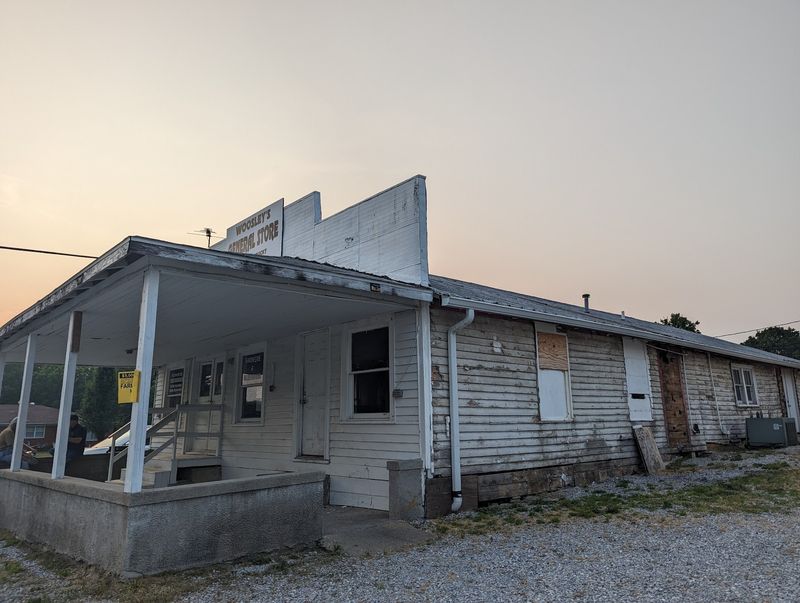
Right next door to the jamboree barn stands a building that has been feeding the community for generations. The Rosine General Store, also known as Woosley’s General Store, dates back to 1933.
It grew in 1947 to serve more folks around town. Today it’s listed on the National Register of Historic Places, which is a big deal for a store in a town this small.
Don’t expect aisles of snacks and a speedy checkout lane. The store works more like a gathering hall and a place to eat than a typical shop.
Mismatched tables and chairs fill the room, and honestly, that’s part of the appeal. Nothing here tries to look fancy, and nobody seems to miss it.
Many people call it the heart of Rosine, and the location backs that up. Grab a bite before the music starts, and you’re only a few steps from the barn.
Hours can change in a small town, so it’s smart to check ahead before planning dinner around it. A quick call or online check saves you from a growling stomach during the first song.
The Father Of Bluegrass Started Right Here, And You Can Feel It
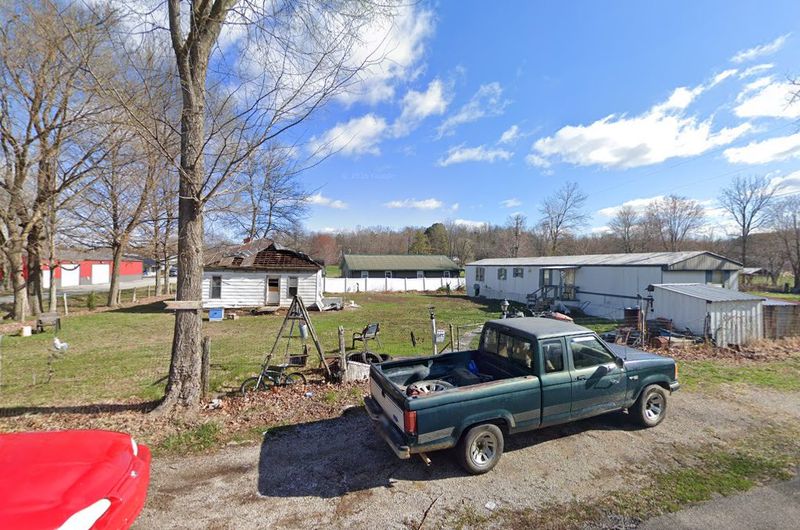
Scotch bagpipes, Irish fiddles, gospel, and blues all walked into one sound, and the result changed American music. Bill Monroe built that sound, and his story begins in Rosine, Kentucky.
Monroe became known as the Father of Bluegrass Music. His high, lonesome style grabbed national attention in 1939 when he played “Muleskinner Blues” on the Grand Ole Opry.
That performance helped launch a whole genre with fans around the world. Pretty impressive for a fellow from a farm community with only a handful of streets.
Here’s a fun detail to share on the ride over. The name bluegrass came from his band, the Blue Grass Boys, which honored his home state.
Fans travel from many countries to see the places that shaped him. They come for the music, but they also come to understand where that sound got its roots.
Knowing a bit of his story makes the whole trip richer. A barn jam feels different once you realize the music started in these same hills.
Suddenly every banjo roll sounds a little like a hometown welcome.
Climb Jerusalem Ridge To The House Where It All Began
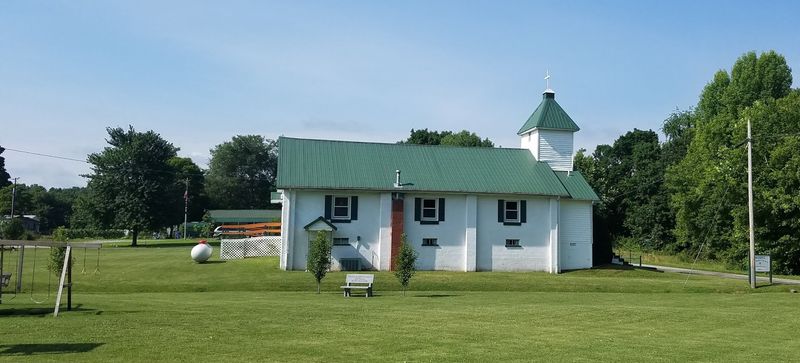
Up on Jerusalem Ridge, a simple wood-framed farmhouse holds a big chunk of music history. The Bill Monroe Homeplace sits at 6210 U.S.
Highway 62 East, just outside Rosine.
The house has a story of its own. The original family log cabin burned in 1912, and a new home rose around the old sandstone chimney a few years later.
A major restoration finished in 2001 brought the house back to life. Now it’s open for guided tours, which means you get the stories along with the rooms.
Inside, you’ll find family belongings and furnishings from the early 1900s. It’s a peek at farm life long before streaming playlists and smartphones.
Monroe even named a tune after this ridge, called “Jerusalem Ridge.” Standing on the same land makes that fiddle melody feel a lot more personal.
The drive up is part of the charm, with country views along the way. Plan ahead, since tour times can vary by season.
A little scheduling now means more time listening to the history later, and less time wondering whether the door is open.
Mandolin Fans, This Little Museum Will Make Your Day
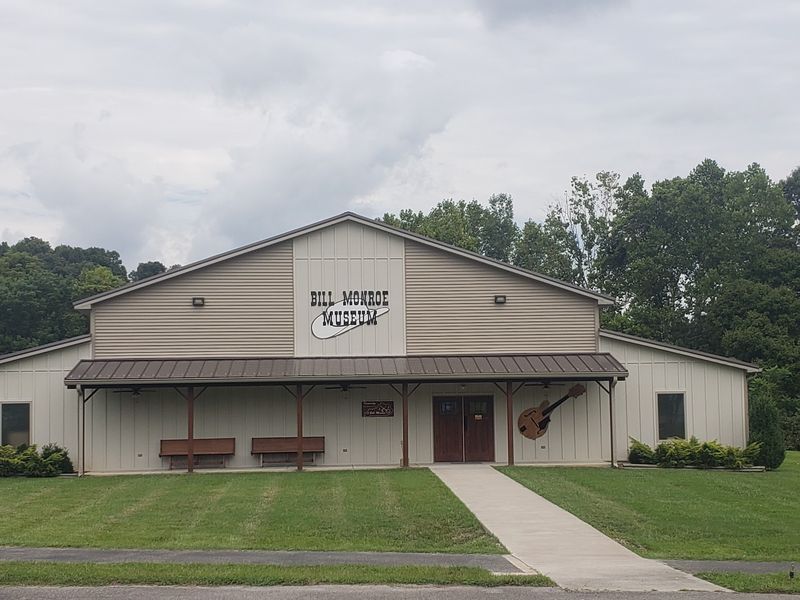
April 24, 2018, was a big day for bluegrass fans. That’s when the Bill Monroe Museum opened its doors at 55 Amelia Street in Rosine, Kentucky.
The museum tells his life story from these hills to the biggest stages. Exhibits include instruments, awards, and personal items connected to the legend himself.
Seeing those pieces up close changes how you hear the music. A mandolin in a display case suddenly feels like a character in the story.
Longtime fans will find plenty of details to geek out over. Newcomers get an easy, friendly introduction to why this man matters so much.
It’s a great stop for families too. Kids can connect the instruments they see with the songs playing later that night at the barn.
The museum keeps weekday hours, so check before you go. Pairing a museum visit with a Friday jam makes for a pretty perfect day.
Bring some curiosity and give yourself time to read the displays. The little stories tucked beside each item are often the most memorable part of the visit.
Lawn Chairs, Wooden Stages, And Jams That Stretch Past Midnight
Thousands of pickers and fans make a yearly trip to the hill where Bill Monroe grew up. The Jerusalem Ridge Bluegrass Celebration turns that land into a multi-day music party.
Rustic wooden stages pop up among the trees. Music can carry from morning until late at night, so pacing yourself is a real skill here.
Bring a lawn chair, because comfy seating is your best friend. Sunscreen and bug spray also earn their spot in the bag.
Some of the best moments happen away from the main stages. Impromptu jam sessions spring up around the grounds whenever players find each other.
Even if you don’t play, it’s fun to wander and listen. You might hear a fiddle tune at one campsite and a gospel number at the next.
The festival honors Monroe’s legacy in the most fitting way possible. People gather on his hill and keep his music moving forward.
Check festival dates early, since lodging nearby can be limited. Booking ahead keeps your weekend focused on the music, not on hunting for a place to sleep.
A Quiet Stop To Honor The Man Behind The Music
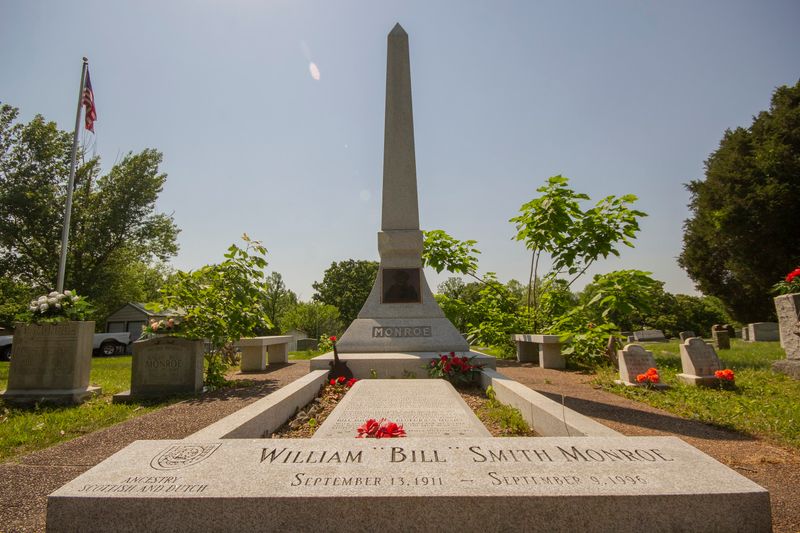
Some stops call for a slower pace and a softer voice. Rosine Cemetery is one of them, and it holds a special place for bluegrass fans everywhere.
Bill Monroe rests here alongside his mother, father, and siblings. The setting is calm and simple, much like the town around it.
Many visitors stop to pay their respects and spend a quiet moment. It’s a meaningful pause between the lively barn nights and festival weekends.
Just down the road sits another piece of the story. A newly built Uncle Pen’s Cabin stands on the site where Monroe once lived with his uncle, Pendleton Vandiver.
Uncle Pen was a fiddler, and his playing shaped young Bill’s ear. Monroe later honored him with the song “Uncle Pen,” which fans still love today.
Visiting both spots helps the history click into place. You see where family and music mixed together long before fame arrived.
Please treat the cemetery with care, since it’s still a community space. Staying on paths and keeping voices low is a kind way to say thanks for all that great music.
Park The Camper And Let The Banjos Be Your Neighbors
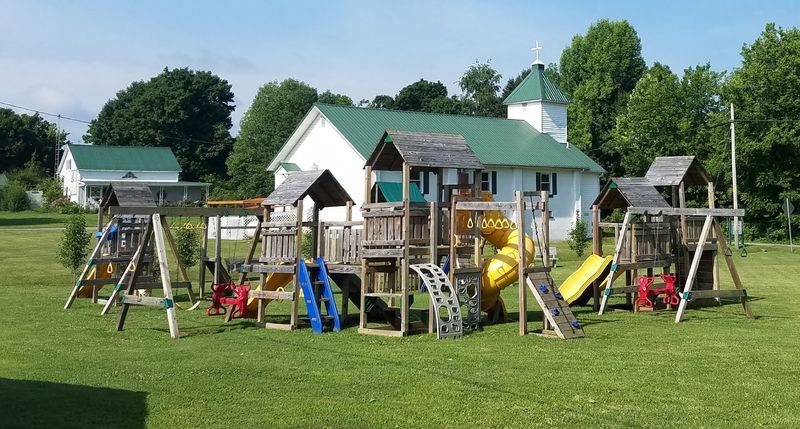
Seven campsites might not sound like much, but in a town this size, it’s a solid welcome mat. Everett Park and Campground sits at 22 Amelia Street, right next to the Bill Monroe Museum.
Those sites come with water and electric hookups for RVs and campers. That means you can stay close to the action without driving back to a bigger town each night.
The park side adds a walking trail and a playground. Kids can burn off energy while grown-ups stretch their legs before the music starts.
The location makes a weekend plan easy to build. Visit the museum, take a stroll, then head over for a Friday evening at the barn.
With only a handful of sites, planning ahead is smart. Big festival weekends in Rosine, Kentucky, can bring plenty of extra visitors to the area.
Pack a few camp chairs and maybe a small instrument of your own. In a town built on bluegrass, a quiet campsite song or two seems perfectly in tune with the scenery, even if your guitar skills still need some practice.
Pigeons, A Poet, And A Name That Stuck Around
Before it was Rosine, this little spot went by Pigeon Roost. The name came from big flocks of pigeons that once gathered in the local cedar trees.
That name didn’t last long. Founded in 1872, the town was renamed Rosine in 1873 to honor poet Jennie Taylor McHenry.
Rosine was her pen name, which gives the town a quietly literary twist. Not many bluegrass hometowns can say they’re named after a poet.
Today, Rosine is an unincorporated community in Ohio County, Kentucky. The 2020 census counted just 110 residents, so the place truly earns the word tiny.
Small family farms surround town, with fields of corn, soybeans, and sorghum. Those backroads are made for slow drives with the windows rolled down.
That rural setting is a big part of the nostalgia here. The landscape still looks like the kind of place where a farm boy could fall in love with a fiddle.
Give yourself time to wander the roads before or after the music. The quiet fields make the Friday night jam feel even livelier when you finally pull up to the barn.