Big Views And Wild Scenery Await On These 10 Colorado Bike Trails
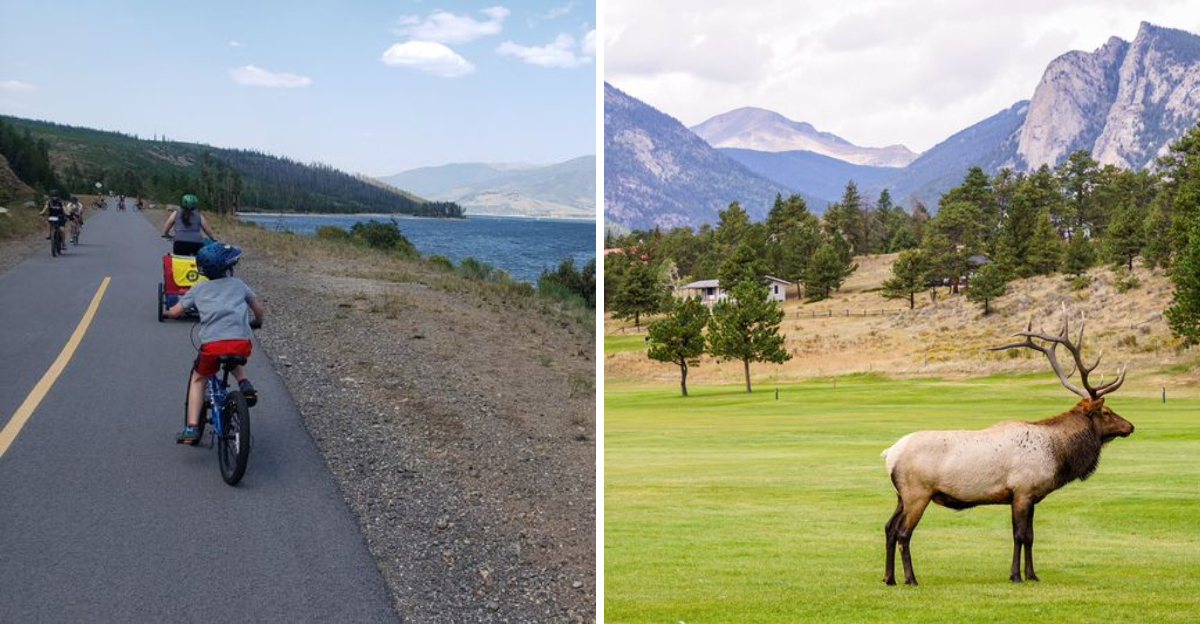
Some bike rides are just exercise. These Colorado trails are something else entirely.
I have pedaled paths in plenty of states, but few make you forget you are working as completely as these do.
The scenery does all the heavy lifting. You roll through river canyons, past alpine peaks, and along old rail lines where the views genuinely distract you from your legs.
I once stopped so often for photos that a casual ride took twice as long, and I regretted nothing. These are not grim, head-down training routes.
They are slow-down-and-stare routes.
The kind where a marmot might supervise your snack break. Some climb into the high country.
Others trace rivers at a lazy, forgiving grade.
All of them reward you with scenery that feels almost unfair. I rounded up ten that turn a bike ride into an event.
Pack water and a camera. Your legs will share the spotlight today.
1. Glenwood Canyon Recreation Path
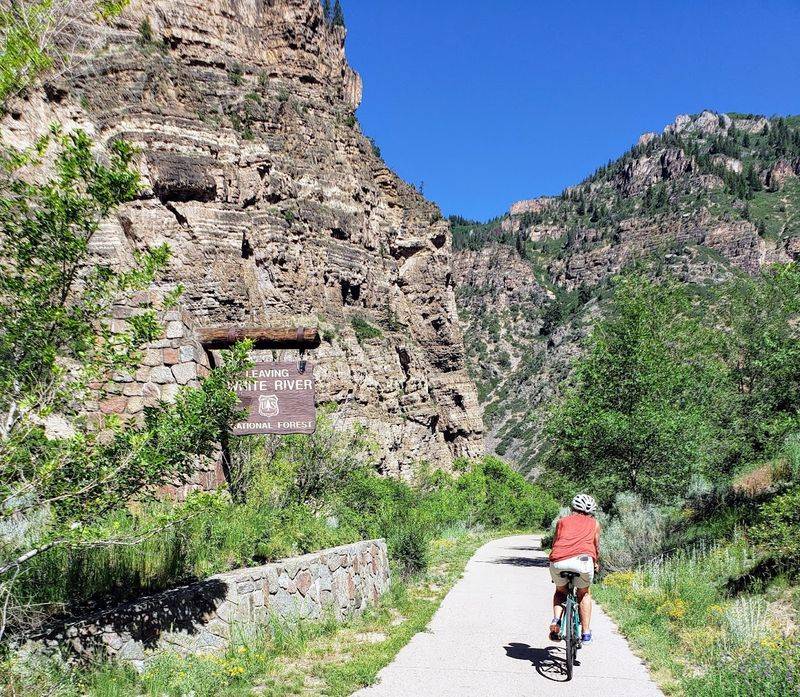
Riding through Glenwood Canyon feels less like exercise and more like pedaling through a painting.
The Colorado River runs right beside you the whole way, and the canyon walls rise so high above your head that you actually have to tilt your neck back to see the sky.
It is one of those rides that makes you forget you are working out at all.
The path stretches about 16 miles and is fully paved, making it accessible for riders of all skill levels. Families, beginners, and experienced cyclists all share this route comfortably.
The trail connects to Hanging Lake trailhead, so you can easily extend your adventure on foot if you feel like it.
The canyon itself was carved by the Colorado River over millions of years, and the geology on display is genuinely stunning. Watch for waterfalls, tunnels, and wildlife along the way.
The trail starts near Two Rivers Park at 740 Devereux Rd in Glenwood Springs, so parking is straightforward. Go early in the morning to catch the canyon in golden light before the crowds arrive.
2. Vail Pass Bike Path
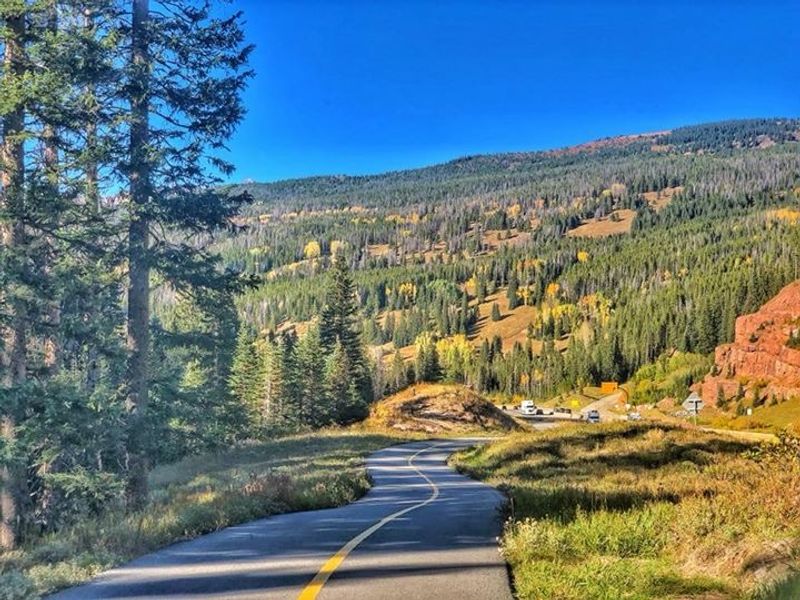
At 10,666 feet, Vail Pass is the kind of place where the air feels thinner and the views feel bigger.
The paved bike path that crosses this iconic mountain pass is one of Colorado’s most celebrated cycling routes, and for good reason. You earn every inch of altitude, and the scenery pays you back generously.
The path runs about 18 miles between Vail and Frisco, and most riders choose to start high and cruise downhill toward Frisco for a more relaxed experience.
The descent is pure joy, with sweeping mountain meadows, dense pine forests, and distant peaks filling your field of vision. Bring a light jacket because temperatures drop fast at elevation.
Wildflowers carpet the meadows in July and August, turning the whole route into something that looks almost too beautiful to be real.
The path is well-maintained and clearly marked, so navigation is never stressful. Families with kids often shuttle one car to Frisco and ride one-way to keep things manageable.
This trail rewards patience and rewards riders who take their time soaking it all in rather than racing to the finish.
3. Rio Grande Trail
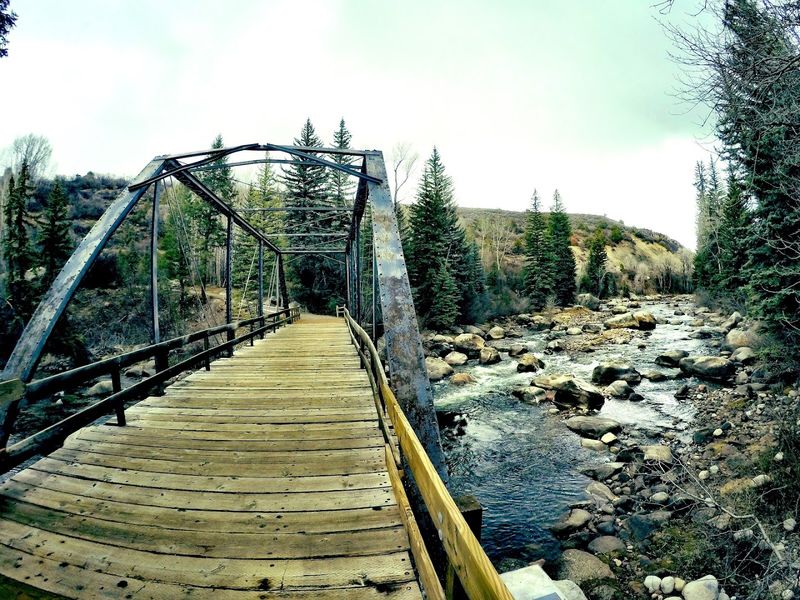
The Rio Grande Trail is one of those routes that feels like Colorado distilled into a single experience.
Running about 42 miles through the Roaring Fork Valley from Aspen down toward Glenwood Springs, it follows the old Denver and Rio Grande Western Railroad corridor.
History and scenery collide in the best way possible here.
Near Aspen, the trail is particularly striking. The Roaring Fork River flows alongside much of the route, and the surrounding mountains create a natural amphitheater that changes color dramatically with the seasons.
Fall is especially magical when the aspen trees turn gold and the whole valley glows.
The surface transitions between paved sections and compacted gravel, so a hybrid or gravel bike handles it well. Most of the route is gentle and manageable, with minimal elevation gain along the valley floor.
That said, the stretch near Aspen sits at high altitude, so pace yourself if you are not acclimatized. Small towns and local coffee shops dot the route, giving you plenty of reasons to stop and refuel.
The trail starts along Rio Grande Trail in Aspen and is well-marked throughout its entire length.
4. Mineral Belt Trail
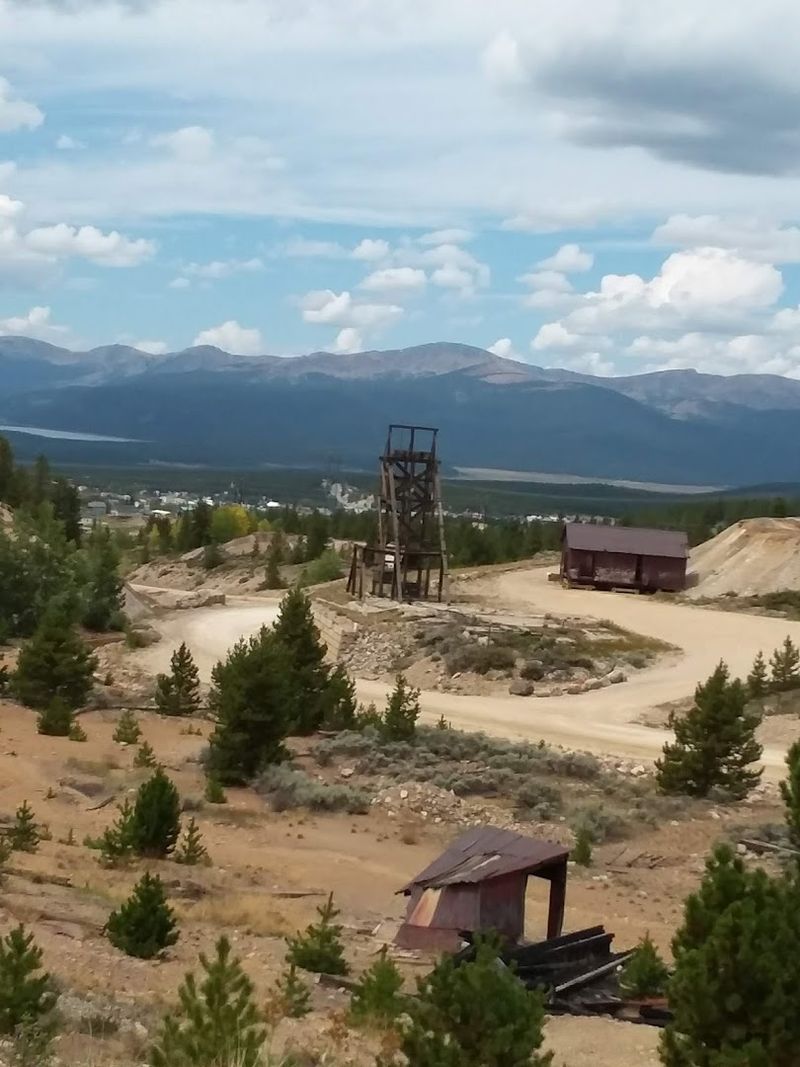
Leadville sits at 10,152 feet above sea level, making it the highest incorporated city in the United States.
The Mineral Belt Trail loops around this legendary mining town for about 12 miles, offering riders a front-row seat to both wild mountain scenery and fascinating history.
You will feel the altitude, but you will love every second of it.
The trail passes dozens of historic mining sites from Leadville’s silver boom days in the late 1800s. Interpretive signs along the route explain what you are looking at, so the ride doubles as an outdoor history lesson.
The views of the Sawatch and Mosquito mountain ranges from the trail are absolutely breathtaking on a clear day.
The loop is fully paved and well-maintained, making it a solid choice for families and casual riders. Most people complete it in one to two hours, though stopping at the historic sites adds time in the best way.
The trail runs along Mineral Belt Green in Leadville, and parking is easy to find near the trailhead. Go in summer or early fall before the mountain weather turns.
Pack layers because even summer afternoons can get surprisingly cool at this elevation.
5. Animas River Trail
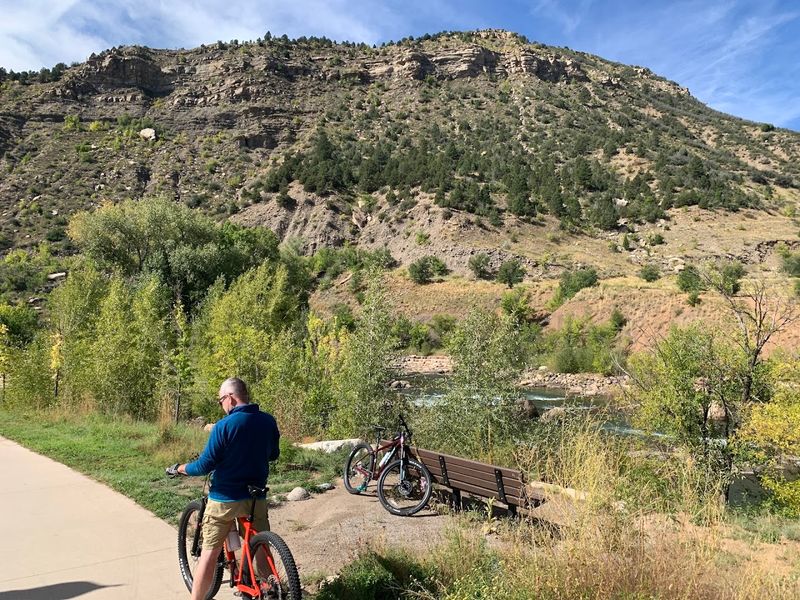
Durango has serious outdoor credibility, and the Animas River Trail is a big reason why. This paved path runs about 7 miles through the heart of the city, hugging the banks of the Animas River the whole way.
It is one of those urban trails that somehow manages to feel wild and relaxed at the same time.
The trail passes through parks, under bridges, and alongside the historic Durango and Silverton Narrow Gauge Railroad depot.
Watching the old steam train roll past while you cruise on your bike is a genuinely cool moment that you do not expect until it happens. The river itself is gorgeous, especially when it runs high and fast in early summer.
Families love this trail because the flat terrain keeps things manageable for younger riders. The path connects several city parks and neighborhoods, making it useful for commuters and tourists alike.
Wildlife sightings along the river are common, with herons, ducks, and the occasional deer making appearances.
The Animas River Trail runs along Animas River Trail in Durango and connects to longer routes heading north for riders who want to push further into the mountains. It is a genuinely satisfying ride from start to finish.
6. Fraser To Granby Trail
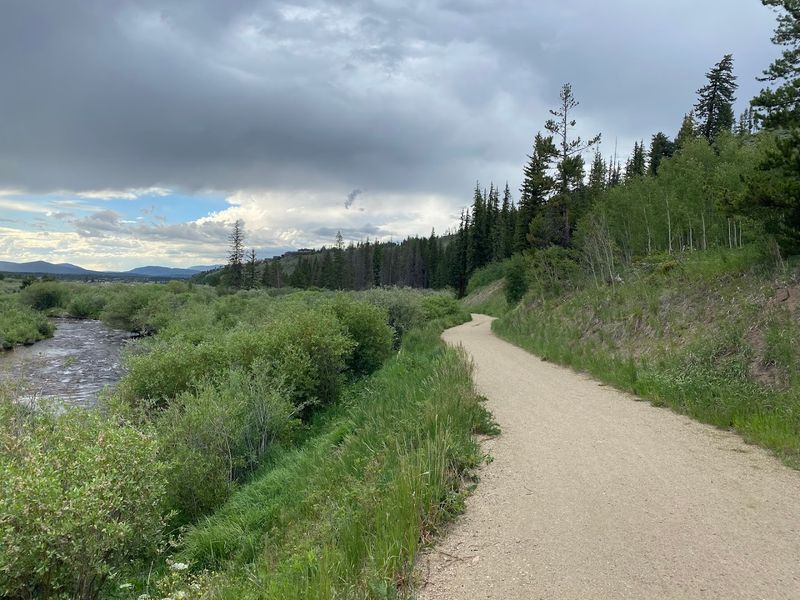
Grand County does not always get the spotlight, but riders who know about the Fraser to Granby Trail keep coming back.
This paved multi-use path connects the towns of Fraser and Granby through the wide-open Fraser Valley, with the Indian Peaks Wilderness and the Never Summer Mountains framing the scene on both sides.
The scale of the landscape here is genuinely humbling.
The trail runs about 6 miles and sits at around 8,500 feet elevation, so the mountain air is crisp and energizing.
The terrain is mostly flat, following the valley floor with gentle grades that make it comfortable for all fitness levels.
Elk and deer are frequently spotted in the meadows along the route, especially in early morning and evening hours.
Winter Park Resort sits nearby, so the area draws plenty of outdoor enthusiasts year-round. Summer brings long days and wildflower blooms that turn the meadows colorful.
The trail starts in Fraser, Colorado, and the small-town vibe of both Fraser and Granby adds a charming, unhurried feel to the whole experience.
Pack a picnic and take your time because this valley rewards people who slow down and look around. It is genuinely one of Colorado’s underappreciated gems for cyclists.
7. Yampa River Core Trail
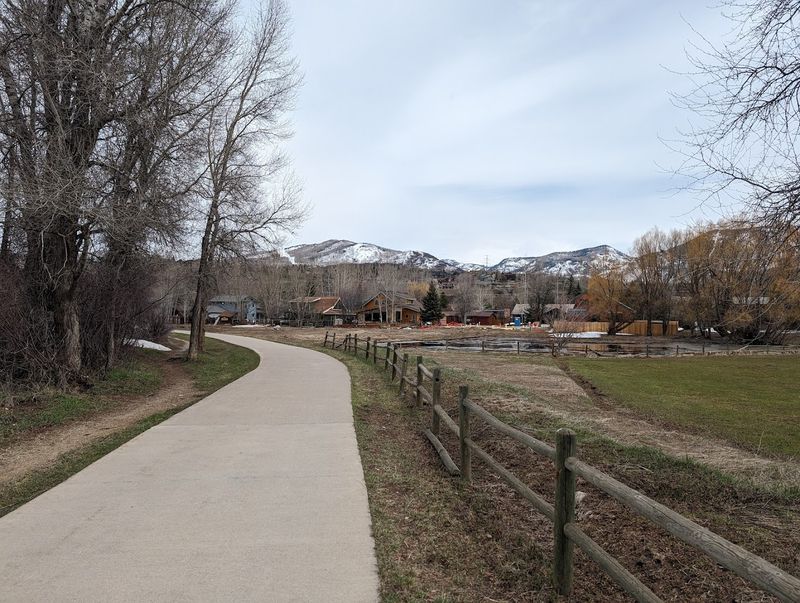
Steamboat Springs has a reputation for being one of Colorado’s most livable mountain towns, and the Yampa River Core Trail is a big part of that story.
This paved path stretches about 7 miles through the heart of town, following the Yampa River past parks, hot springs, and local gathering spots.
It feels like the whole community uses this trail, which gives it an energy that purely tourist-focused paths often lack.
The scenery shifts pleasantly as you ride, moving from open riverside meadows to tree-lined stretches and back again.
Cottonwood trees provide shade in summer, and their golden foliage in autumn makes the trail look like something from a postcard.
The Yampa River itself is clear and lively, with anglers, kayakers, and wildlife sharing the water beside you.
The trail is flat and accessible, making it ideal for families and anyone looking for a relaxed ride without serious climbing.
Several access points connect to downtown restaurants and shops, so a mid-ride snack stop is always easy to arrange.
The trail runs along Yampa River Core Trail in Steamboat Springs and connects to additional paths heading out of town. Early morning rides here are especially peaceful before the town wakes up fully.
8. Blue River Bikeway
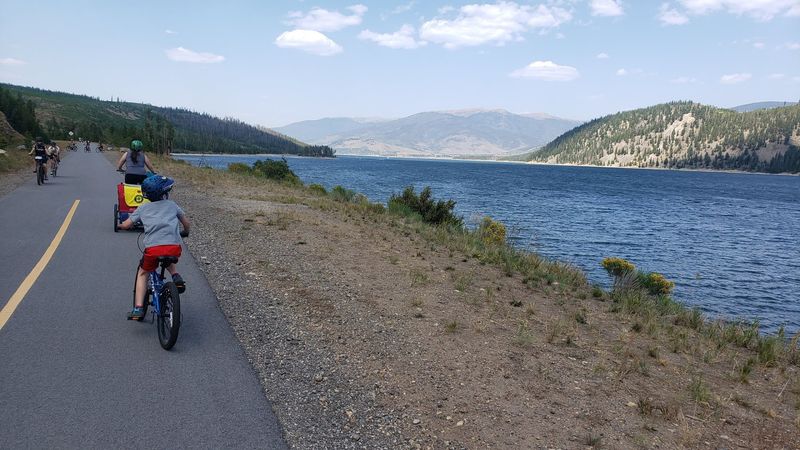
Breckenridge is famous for its ski slopes, but summer brings a completely different kind of thrill.
The Blue River Bikeway runs about 6 miles through town and along the Blue River.
It is connecting Breckenridge to the Frisco area with a well-maintained paved surface that rewards cyclists with classic Colorado mountain scenery every step of the way.
The ski runs visible on the peaks above add an interesting layer to the summer landscape.
The route follows the river closely, and the sound of moving water keeps the ride feeling fresh and alive.
Elevation here hovers around 9,600 feet, so even a gentle pedal gets your lungs working a little harder than usual. That said, the relatively flat terrain along the valley floor keeps things manageable for most riders.
Breckenridge itself is a lively town with excellent food, coffee, and bike shops, making it easy to fuel up before or after your ride.
The bikeway connects to the paved recreation path system that extends throughout Summit County, opening up longer route options for ambitious riders.
The trail runs along Blue River Bikeway in Breckenridge. Fall is a spectacular time to ride here when the surrounding mountainsides turn gold and orange with changing aspens.
9. Lake Estes Trail
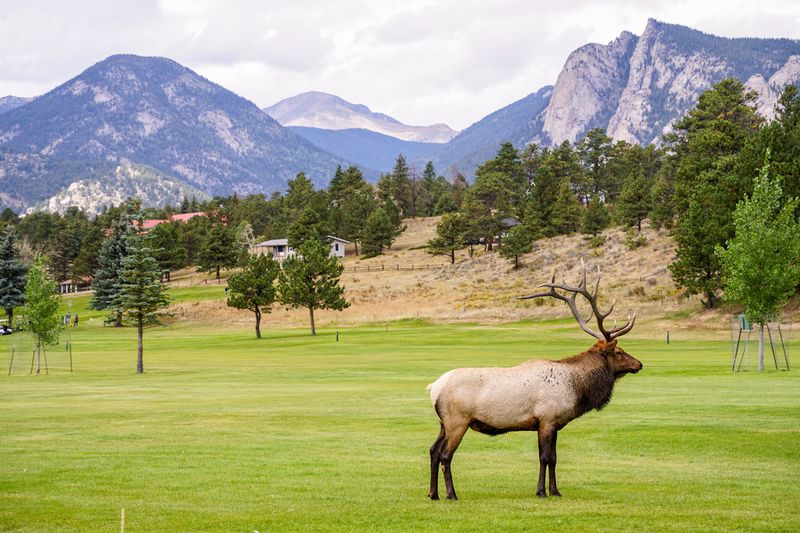
Circling a mountain reservoir with the Rocky Mountains reflected in the water is a pretty solid way to spend a morning.
The Lake Estes Trail does exactly that, looping about 8 miles around Lake Estes just outside Estes Park. The views of Longs Peak and the surrounding Front Range peaks are consistently stunning from almost every point on the route.
The trail is fully paved and relatively flat, following the shoreline closely enough that you feel connected to the water the whole time.
Elk are a regular presence in the meadows near the lake, especially in the morning and evening hours.
September and October bring the elk rut, when large bulls can be seen and heard throughout the area, adding a genuinely wild element to the ride.
Estes Park sits at the gateway to Rocky Mountain National Park, so the surrounding landscape has that grand, untamed quality that the park is known for.
The trail is popular with tourists and locals alike, so expect company on summer weekends. Starting early gives you the best light for photography and the best chance of spotting wildlife before the crowds arrive.
The trailhead is easily accessible in Estes Park, with clear signage and ample parking available near the lake.
10. Crystal Valley Trail
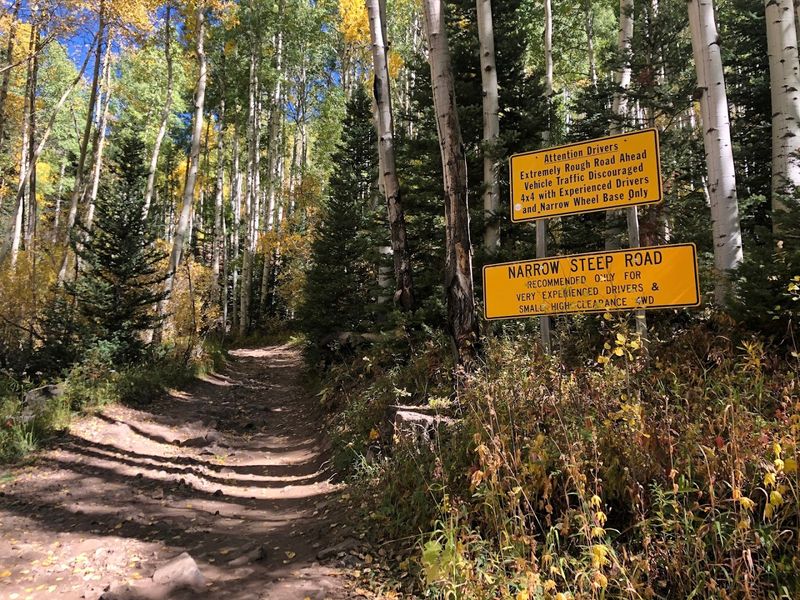
Mount Sopris is one of Colorado’s most recognizable peaks, and the Crystal Valley Trail puts it front and center for most of the ride.
This paved path runs through the Crystal River Valley near Carbondale, offering about 6 miles of smooth cycling with mountain views that genuinely stop you in your tracks.
Carbondale has a creative, outdoor-focused community, and the trail reflects that laid-back spirit perfectly.
The Crystal River runs alongside much of the route, adding a gentle soundtrack of moving water to the experience. The valley is wide and open in places, then narrows and feels more intimate as the terrain shifts.
Wildflowers bloom prolifically along the riverbanks in early summer, making the ride feel colorful and alive.
The trail connects to the broader Roaring Fork Valley trail network, giving riders options to extend their journey toward Glenwood Springs or link up with other regional paths.
Carbondale itself is worth exploring before or after your ride, with local cafes and a vibrant downtown that feels authentically Colorado rather than overly touristy.
The trail runs from Carbondale along the Crystal River corridor and is clearly marked throughout. This is the kind of trail that earns a permanent spot on your repeat-visit list without needing to shout about it.