Lava Tubes Stay Open To Explorers All Winter At These 6 Idaho Caves
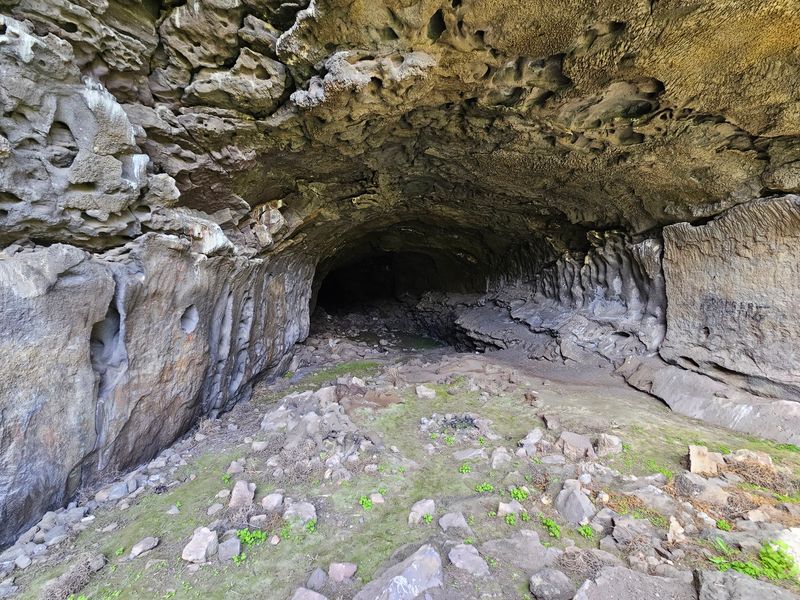
One Idaho lava tube stays so cold that ice survives inside it through the summer.
Pioneer families in the area once used that natural chill to store their food.
Lava tubes form when the outside of a lava flow hardens while molten rock keeps racing through the middle.
When the flow drains, it leaves a long stone tunnel behind. Idaho has plenty of them, thanks to the ancient eruptions that built the Snake River Plain.
Winter is when I find them most tempting.
Many famous caves lock their gates for the season, but a handful of public lava tubes have no gate at all. Some greet you with icicles, muddy roads, or a ladder dropping into the dark.
I love that a snowy afternoon can end with you standing inside an ancient volcano’s leftover plumbing.
So which frozen tunnel would you crawl into first?
1. 17 Mile Cave Lava Tube
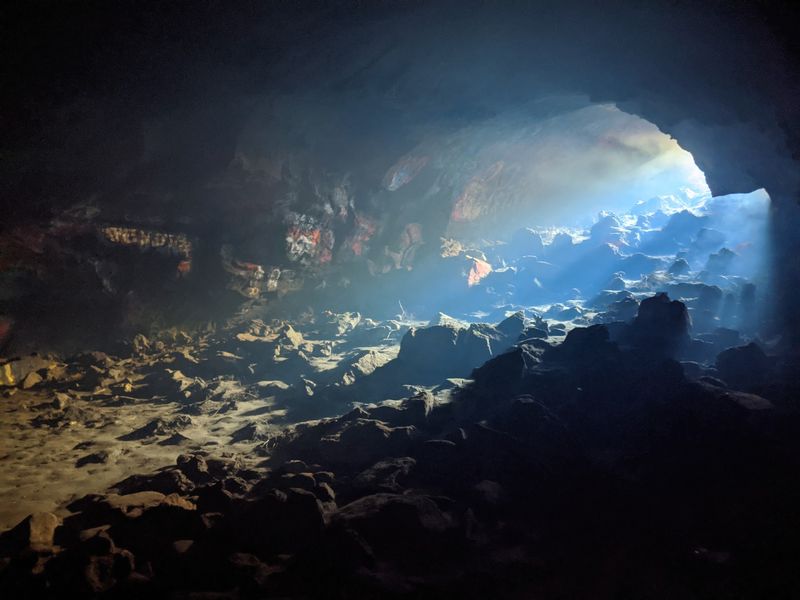
Some caves demand ropes and nerve, but this one asks for little more than a flashlight. The tube sits outside Idaho Falls and plays out more like an underground walk than a technical climb.
Winter adds a small twist at the entrance. Snow and ice can turn the way in into a slide, and climbing back out becomes the toughest part of the trip.
Once you’re inside, the floor stays mostly flat and easy to follow. That makes it a solid pick for families who want a real cave without ropes, crawls, or squeezing.
Keep your eyes down as much as up. The lava formations on the floor rank among the highlights, so aim at least one light toward your feet.
You’ll also notice painted art and graffiti along the walls. Bring several bright lights with fresh batteries so you can actually see the details.
A jacket and sturdy shoes belong on your list, even in July. In January, add traction for the icy entrance and gloves for the scramble back to daylight.
The site is listed as open 24 hours a day. It’s an easy Eastern Idaho escape when cabin fever hits hard.
Address: Idaho Falls, ID 83402
2. The Civil Defense Caves
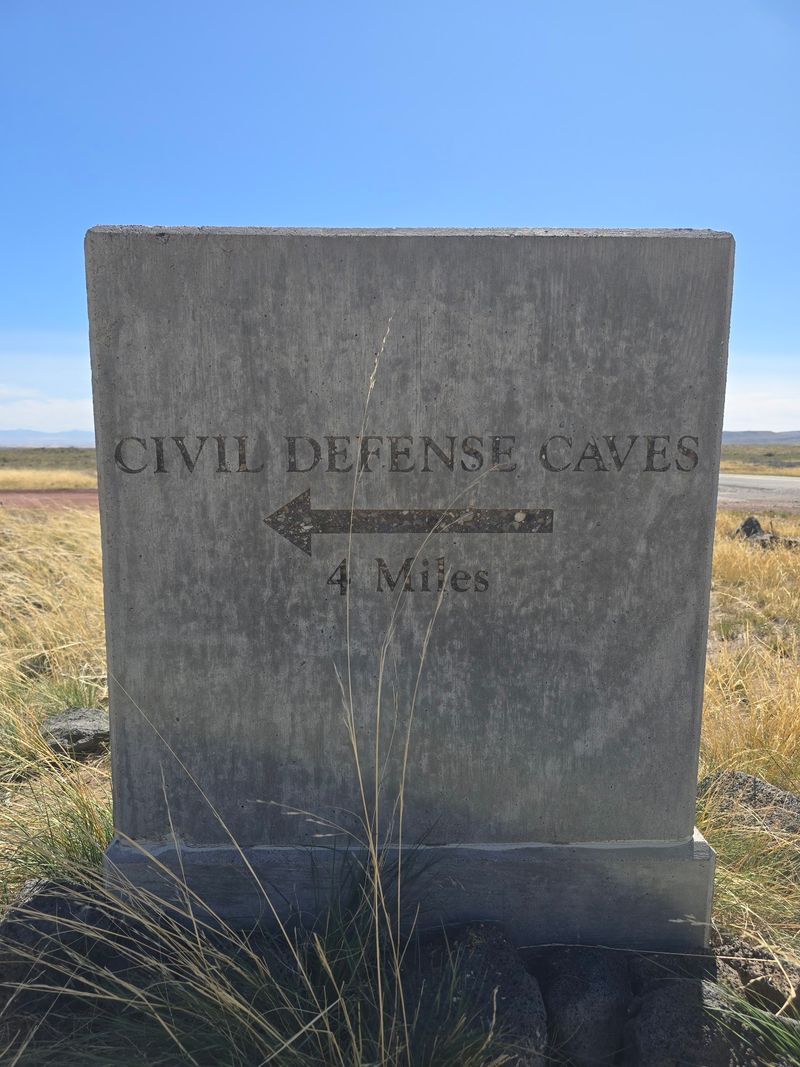
Cold War planners once eyed this lava tube as a possible bomb shelter, which tells you how big and sturdy it is. Today it’s a public-land adventure near St. Anthony with plenty of history and plenty of chill.
Expect a long, bumpy drive to reach the site. Plan extra time, and check road conditions in winter before you commit.
The payoff is a tube that keeps going a long way. Icy terrain inside adds a frosty edge, with ice formations that make the cave feel like a natural freezer.
History buffs get a bonus here. Information about the site’s past gives the trip more context than your average hole in the ground.
You’ll also spot graffiti on the walls. It’s a reminder to leave the place better than you found it, so pack out your trash and skip the spray paint.
Good boots matter more than fancy gear. The floor can be slick and uneven, and strong lights will help you read the rock and the ice.
Kids can handle this one with supervision. It’s exploring without the extreme stuff, which makes it a solid Eastern Idaho family outing on a crisp winter weekend.
Address: St Anthony, ID 83445
3. Kuna Caves
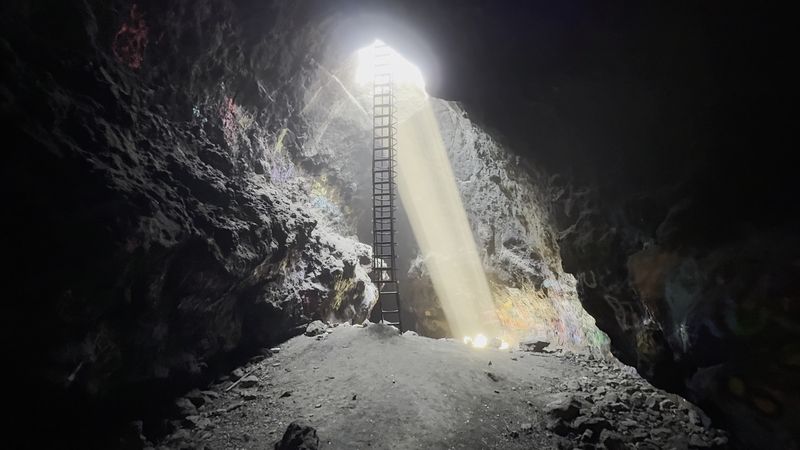
Your entrance here is a metal ladder dropping straight into the earth, wrapped in a cage. It’s a dramatic front door, and it sits a short drive south of Kuna.
The ladder cage is long and fairly tight. Take it slow, keep three points of contact, and leave bulky backpacks in the car.
At the bottom, the tube opens into a large chamber. Smaller crawl spaces branch off for anyone who wants to get dusty and cramped on purpose.
The walls carry a thick layer of graffiti. Some of it is surprisingly artistic, so bring a strong light if you want to study it.
Beginners find a lot to like here. You get a real lava tube, a ladder descent, and side passages without needing ropes or special training.
Winter can make the ladder rungs cold and the ground outside muddy. Gloves with grip help, and it’s smart to tell someone your plans before you climb down.
For Boise-area explorers, the short drive is a big part of the appeal. You can be underground in the Idaho high desert and back home before dinner.
Address: Kuna Cave Rd, Kuna, ID 83634
4. Niter Ice Cave
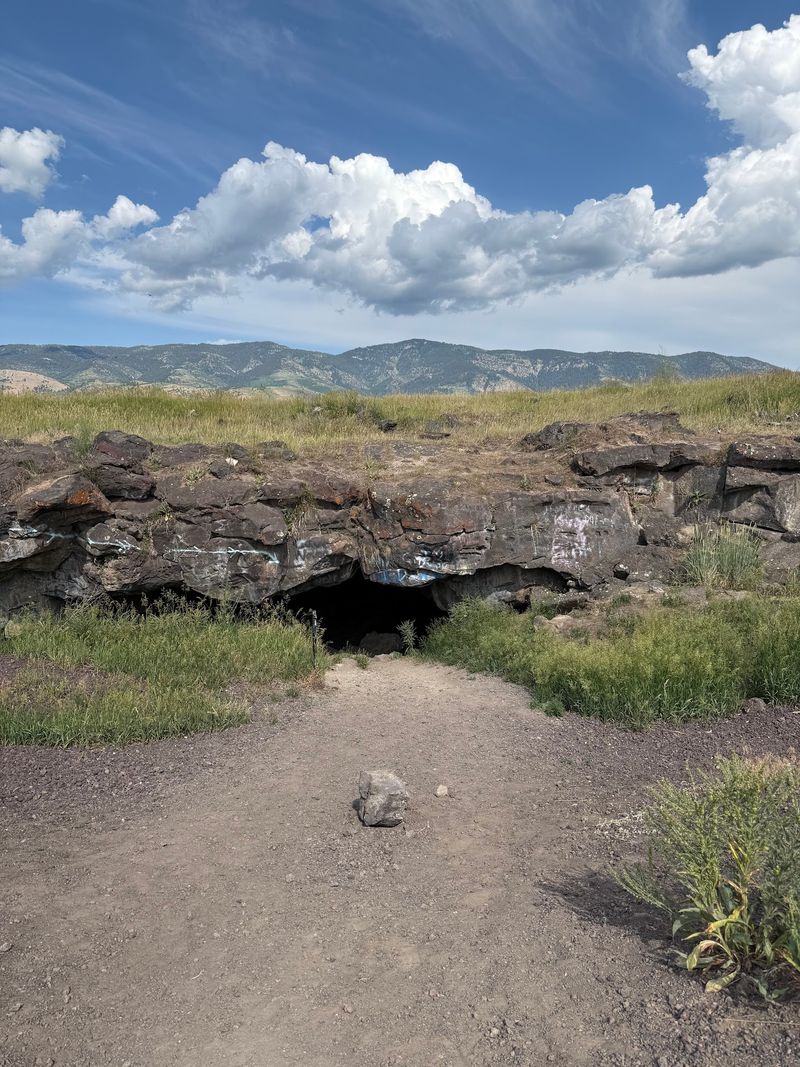
Ice in July is the party trick here. The tube stays cold enough year-round to hold ice formations, so winter just turns the volume up.
The cave formed from a basalt lava flow roughly 500,000 years ago. It stretches about 1,800 feet, runs around 24 feet wide, and rises roughly 14 feet high.
People have put that chill to work for a long time. Native Americans and early settlers stored food in the cave, using it as a natural refrigerator long before electricity arrived.
You’ll also find old graffiti, including marks dating back to the late 1800s. Interpretive signs at the site fill in the geology and history.
The path down is gradual and fairly easy. A dirt trail with handrails leads in, then gives way to a narrow wooden boardwalk.
Easy grades can still surprise you. The bottom can be muddy and icy, so wear boots with real tread.
There are no restrooms or food on site. Bring a flashlight too, because the interior gets dark fast.
It sits near Grace in southeastern Idaho. Pair it with a drive through Gem Valley for an easy winter day trip with a frosty finale.
Address: Ice Cave Rd, Grace, ID 83241
5. Tea Kettle Cave
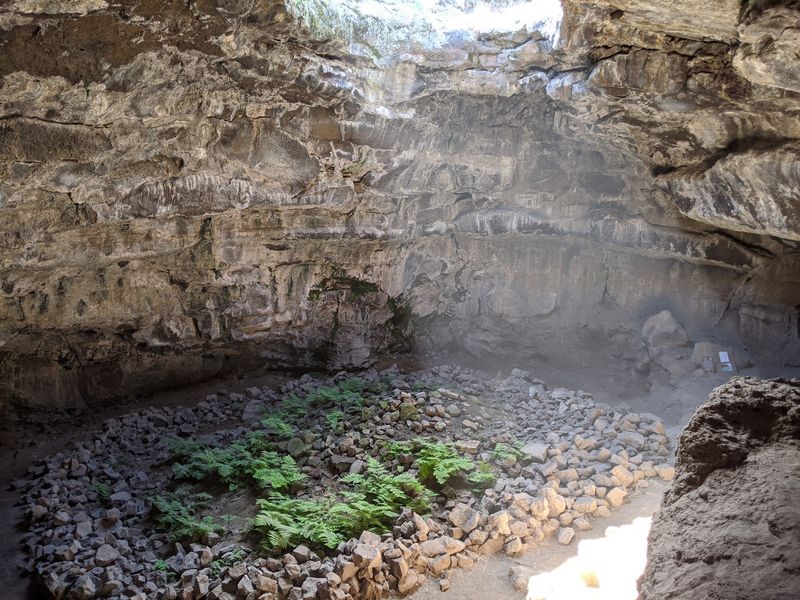
A lava tube shaped like a teapot sounds like something from a kids’ book, yet it’s real and sits near Bliss in the Magic Valley. The opening’s curved shape gives the cave its name.
Getting there is half the story. The access road is rough enough that a high-clearance vehicle is a must, and winter mud or snow can make it tougher.
Inside, the route takes you down through the cave to reach the kettle itself. A rope climb adds some adventure, so plan on using your arms as well as your legs.
The real surprise is green. Ferns grow here, and they’re delicate plants worth protecting.
Keep your hands and boots off them. Step carefully, stay on bare rock where you can, and leave the plants exactly as you found them.
This one rewards a little preparation. Check weather and road conditions, carry extra water, and bring gloves for the rope.
The cave suits confident families and explorers who don’t mind some scrambling. It’s a short outing with a big payoff once you reach it.
Idaho’s Magic Valley holds plenty of volcanic surprises. Few of them come with a teapot silhouette and a fern garden.
Address: Canal Rd, Bliss, ID 83314
6. Bear Trap Cave
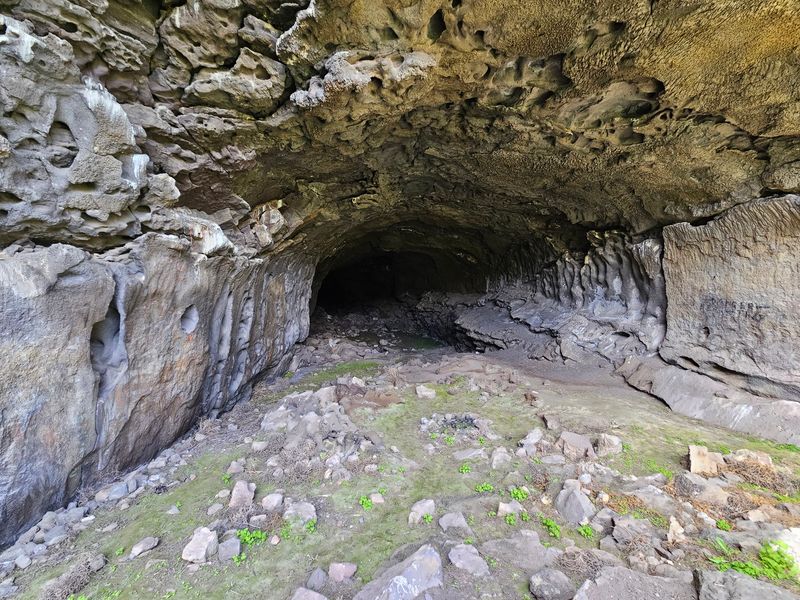
Coordinates come built into the address here, which tells you this cave sits deep in open country. The tube lies along the Minidoka to Arco Road in the lava fields north of American Falls.
It’s one of many lava tubes in the area. It’s also one of the most pronounced, drawing explorers who want to go underground without an entrance fee.
Summer visitors come to cool off in the shade below ground. Winter visitors face a different challenge, and it’s the road.
By February, the route can turn very muddy. Four-wheel drive and patience help, and it’s wise to turn around if ruts start looking deeper than your tires.
The cave is listed as open 24 hours a day. Still, daylight makes the drive far safer and the trip home easier.
Pack layers, sturdy boots, and at least two light sources per person. You’ll be in remote country, so download a map and share your plans before you leave.
Carry extra water, a shovel, and a full gas tank for the long drive. Prepared explorers get a true southern Idaho backcountry adventure, even after the snow flies.
Address: N 42° 59.037 W 113° 21.090, Minidoka to Arco Rd, American Falls, ID 83211