Why Migratory Birds By The Hundreds Stop At These 8 Idaho Wetlands
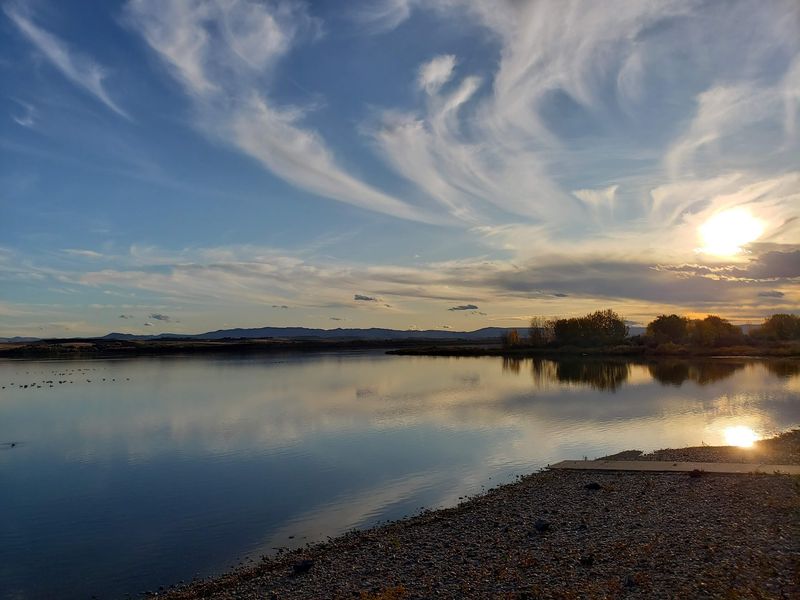
One of Idaho’s best-known bird lakes isn’t really a lake at all. It’s actually a giant hardstem bulrush marsh, and it holds the largest breeding population of greater sandhill cranes on the continent.
Another spot on this list was set aside by Theodore Roosevelt in 1909. Over a century later, it still catches large flocks of mallards and Canada geese right on the edge of the Treasure Valley.
I love that these places do the same job year after year. Spring and fall, birds pour across Idaho on the Pacific Flyway, and they need water, food, and a safe place to rest before the next long leg north or south.
The eight wetlands below stretch from the Panhandle to the Snake River Plain. Each one offers a tired traveler with wings something a little different, so which one sits closest to your own backyard?
1. Grays Lake National Wildlife Refuge, Wayan, ID
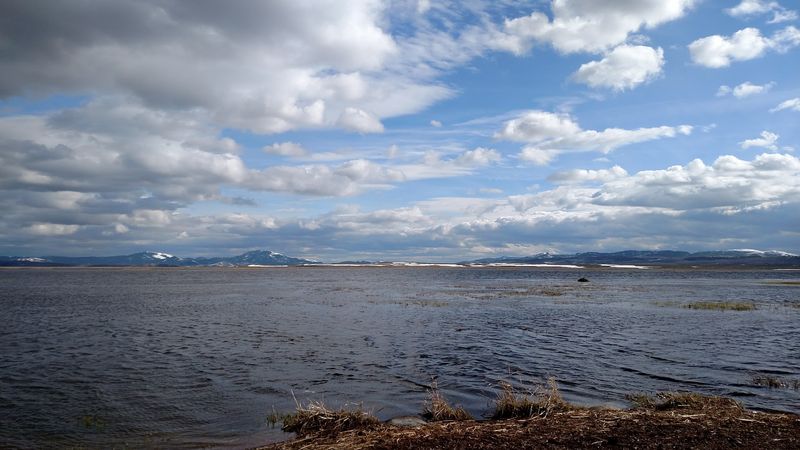
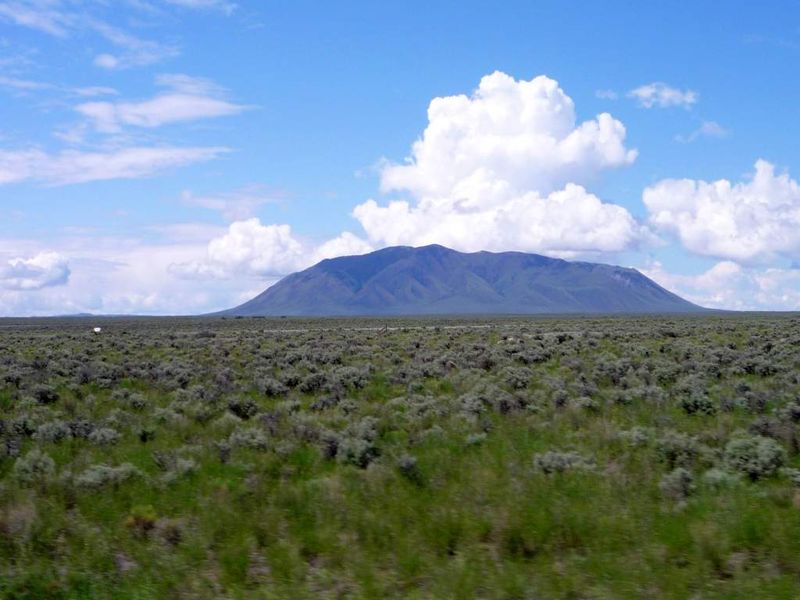
Call it a lake if you want, but the cranes know better. Grays Lake is really North America’s largest hardstem bulrush marsh, and it sprawls across about 22,000 acres of Southeast Idaho.
The refuge was established in 1965 for one big reason. It protects the largest breeding population of greater sandhill cranes on the continent.
Each spring, as many as 200 crane pairs nest in the tall marsh. Their rattling calls carry across the basin, and the tall gray birds are easy to spot against the green.
Cranes aren’t the only headliners, though. Nearly 250 bird species have been documented here, including big numbers of white-faced ibis and Franklin’s gulls.
You can explore by car on the auto tour route or stretch your legs on a hike. Photographers get plenty of chances, and non-motorized boats are allowed on the refuge.
Waterfowl hunting also has a place here in season. Check the rules before you head out, since some areas carry seasonal limits to protect nesting birds.
The visitor center opens in spring and stays open into mid-November. Restrooms are on site, which matters when the nearest town is a long way off.
Address: 74 Grays Lake Rd, Wayan, ID 83285
2. Bear Lake National Wildlife Refuge
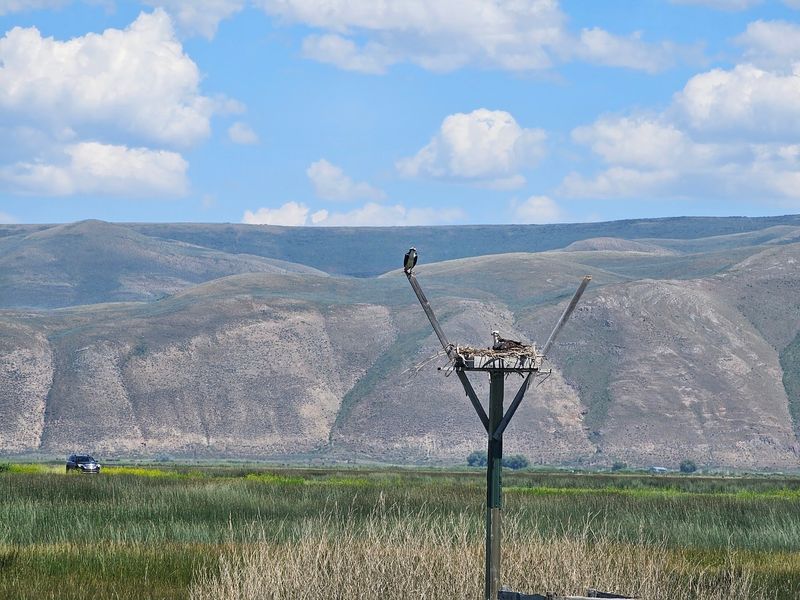
Bald eagles, ospreys, and cranes all share the guest list near Montpelier. Bear Lake National Wildlife Refuge mixes marshes and grasslands into one big landing zone for migrating birds.
About 161 bird species have been recorded on the refuge. That’s a lot of feathered variety for a quiet corner of Southeast Idaho.
The mix of habitat is the secret. Open grassland gives some birds room to feed, while the marsh offers cover, water, and nesting spots for others.
Eagles have nested here, and ospreys hunt over the water. Large cranes wander the wetter ground, so binoculars earn their spot in your bag.
Spring and fall bring the biggest movement of migratory birds. That’s when the refuge works like a rest stop on a busy highway in the sky.
Families will find it easy to visit with kids. Restrooms are available, which makes a longer wildlife drive a lot more comfortable.
The refuge sits close to Bear Lake, so it pairs nicely with a day in the area. Pack snacks, take your time, and scan the treetops as often as the water.
You never know which big bird is watching you first.
Address: Montpelier, ID 83254
3. Kootenai National Wildlife Refuge, Bonners Ferry, ID
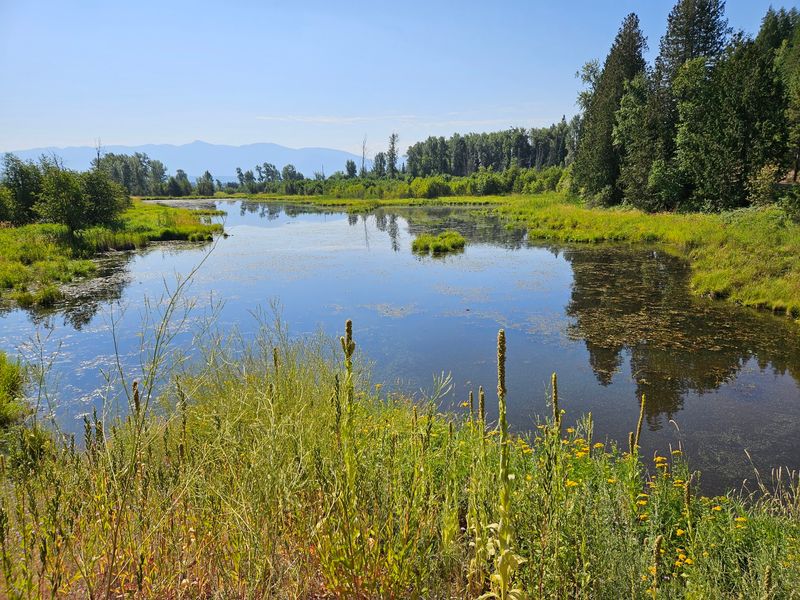
Swans in the ponds and a waterfall up the trail make a pretty good combo. Kootenai National Wildlife Refuge sits beside the Selkirk Mountains in the Idaho Panhandle.
Established in 1964, the refuge covers about 2,774 acres of flood plain and wetland. More than 220 bird species use the area during the year.
Migration is the main event. Waterfowl numbers can peak around 40,000 birds in spring and fall, including swans, mallards, and teal.
A 4.5-mile auto tour route loops past the wetlands. You can also hop out for walking trails, including an easy hike that leads to a waterfall.
Bald eagles, cranes, and deer show up here too. Kids can handle the gentler hikes, and picnic spots make it easy to linger.
The refuge sits about five miles west of Bonners Ferry. That puts it roughly 20 miles south of the Canadian border.
Winter brings a fun twist. When snow closes the road, the auto tour route turns into a path for cross-country skiing and snowshoeing.
Restrooms are available on site. Hunting, fishing, and photography are also part of the public uses here.
Address: 287 West Side Rd, Bonners Ferry, ID 83805
4. Market Lake Wildlife Management Area – Idaho Fish and Game, Roberts, ID
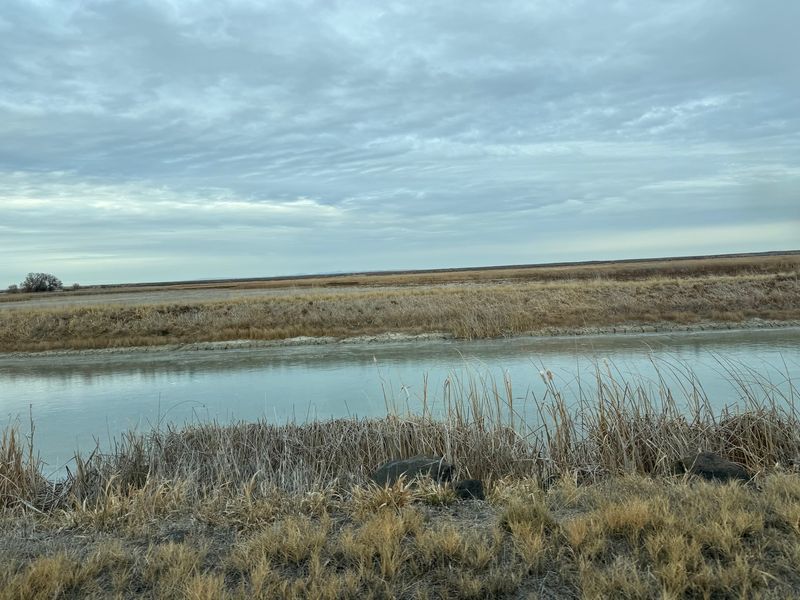
Named after the market hunters who once harvested birds here, Market Lake now plays a very different role. Today it’s a protected stopover for migrating waterfowl and shorebirds near Roberts.
The area began as a waterfowl mitigation project. It restores part of what was once a 12-square-mile flood plain on the Snake River Plain.
More than 180 bird species have been recorded here. Market Lake was recognized as an Important Bird Area in Idaho in 1997.
Trumpeter swans nest on the area, which is a real treat to see. Shorebirds and ducks pile in during migration, especially in spring.
Trails let you view the different migratory species moving through. A popular viewing blind gives you a closer look without spooking the birds.
Plan around the nesting season, though. The marshes and dikes close to human entry from early spring through the end of July.
Hunters come for waterfowl and pheasant in season. Anglers try for perch and bullhead in the canals and marshes.
Restrooms are on site, and the area works well for a family outing. Bring a bird book and see how many species you can check off.
Address: 804 N 2900 E, Roberts, ID 83444
5. Camas National Wildlife Refuge Visitor Center, Hamer, ID
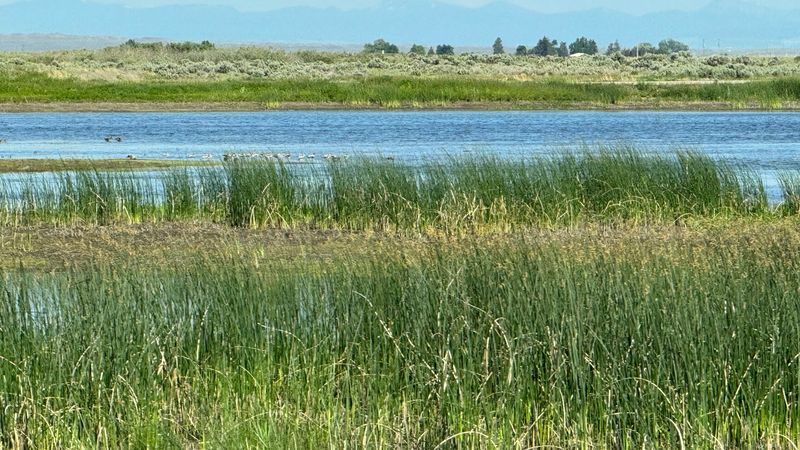
Five mountain ranges frame the view, and the birds still steal the show. Camas National Wildlife Refuge near Hamer covers about 11,000 acres of eastern Idaho.
President Franklin Delano Roosevelt established the refuge in 1937. It serves as a refuge and breeding ground for migratory birds and other wildlife.
Sandhill cranes, waterfowl, and songbirds pass through during their yearly trips. On a clear day, you can see the Teton, Centennial, Beaverhead, Lemhi, and Lost River mountains.
The auto tour route is the easy way to start. Longer hikes give you more time with the marsh and a better shot at quieter species.
Plenty of spots are ADA accessible, which opens the refuge to more visitors. Bicycling, snowshoeing, and cross-country skiing are also allowed.
Leave the boat and fishing pole at home. Boating, fishing, and camping are not permitted on the refuge.
Conditions have been drier since summer 2024. That can affect water levels, yet a remarkable number of species still show up.
The visitor center keeps weekday hours, so check before driving. Restrooms are available there too.
Address: 2150 E 2350 Rd N, Hamer, ID 83425
6. Silver Creek Preserve, Bellevue, ID
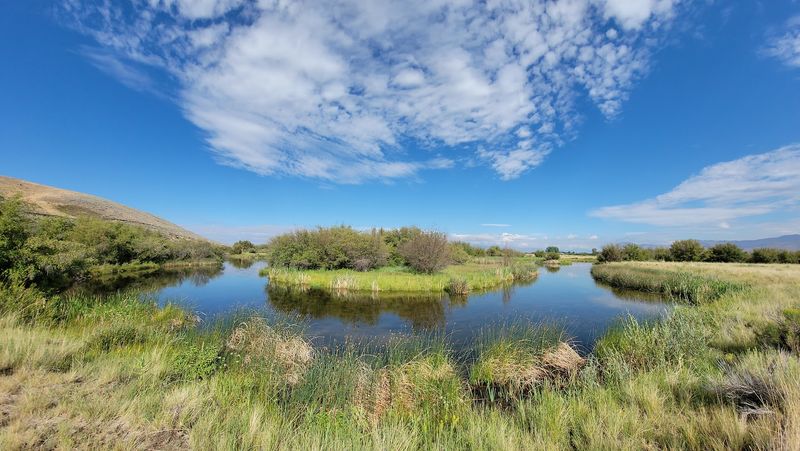
Fly anglers may talk about the trout, but birders have their own reasons to visit. Silver Creek Preserve near Bellevue blends a creek, wetland, and lake into one peaceful spot.
The preserve is protected by The Nature Conservancy. It sits in Idaho’s Wood River Valley region, a short drive from Highway 75.
A variety of birds use the wetlands during seasonal migrations. The calm water and marshy edges give them food and cover.
Moose are also part of the scene here. Spotting one near the creek is the kind of moment you’ll talk about all week.
Hiking trails wind through the preserve at an easy pace. Kids can manage the shorter routes, and there’s even a wading area.
Anglers know the creek as a challenging fly fishing destination. You can watch them work the water while you scan the reeds for birds.
Restrooms are available for visitors. Daily hours run from early morning into the evening, so check before you head out.
Bring binoculars and keep your voice low. Quiet places like this reward patient visitors with the best sightings.
Address: 165 Kilpatrick Brg Rd, Bellevue, ID 83313
7. Mud Lake Wildlife Management Area – Idaho Fish and Game, Terreton, ID
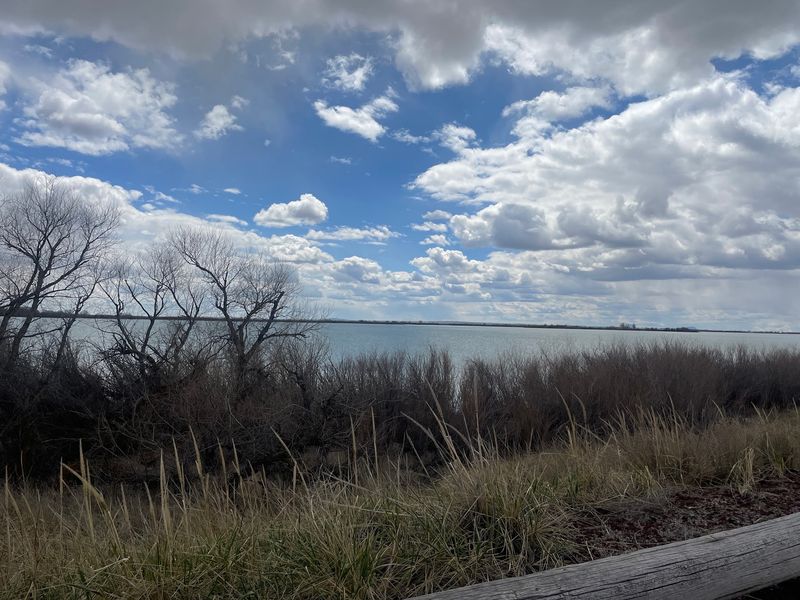
Mud might not sound glamorous, but 28 species of waterfowl seem to love it. Mud Lake Wildlife Management Area near Terreton covers about 11,468 acres.
The heart of it is the 4,500-acre Mud Lake. During spring and fall migrations, it becomes a major stopover and nesting ground.
Along with the waterfowl, about 49 species of water birds use the area. Trumpeter swans, bald eagles, owls, and hawks round out the list.
Head to the Kaster Overlook Tower at Cormorant Bay for a great view. From there you can watch nesting colonies of double-crested cormorants and great blue herons.
The area stays open year-round. However, some waterfowl nesting areas close to watercraft from spring into mid-July to protect breeding birds.
Paddlers enjoy kayaking here, and summer evenings are made for casting from a boat. Anglers come for bass and other fish.
Moose and muskrat live here too. Keep an eye on the shoreline as well as the sky.
Camping is allowed at two designated boat ramp areas. Restrooms are available, making an overnight birding trip easy to plan.
Address: Mud Lake Wildlife Management Area, Terreton, ID 83450
8. Deer Flat National Wildlife Refuge, Nampa, ID
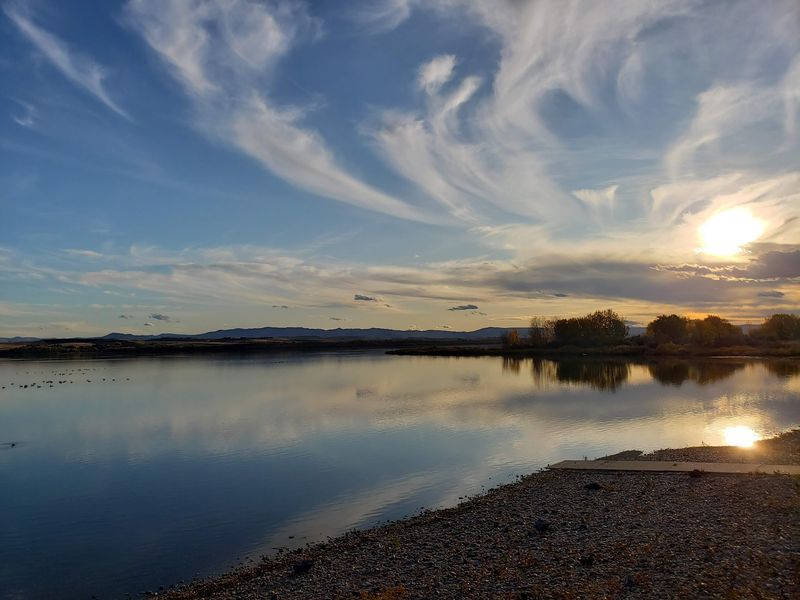
Theodore Roosevelt signed off on this birdy oasis back in 1909. Deer Flat National Wildlife Refuge is one of the oldest in the National Wildlife Refuge System.
It sits right in the Treasure Valley near Nampa. That makes it one of the easiest wetland trips for folks around Boise.
The refuge has two units. Lake Lowell covers about 10,500 acres, and the Snake River Islands include more than 100 islands along 113 river miles.
Birds on the Pacific Flyway rest and spend winters here. Large numbers of mallards and Canada geese gather on the water.
It’s also one of the few nesting areas in Idaho for western and Clark’s grebes. The refuge is recognized as a Globally Important Bird Area.
More than 10 miles of trails welcome hikers and riders. You might spot ospreys, hawks, owls, and deer along the way.
The visitor center has exhibits and an observation room. Kids can enjoy events like star parties and creepy crawly parties.
Picnic tables, restrooms, and dog-friendly trails make a full afternoon easy. Fishing and boating are options too, so check seasonal rules first.
Address: 13751 Upper Embankment Rd, Nampa, ID 83686