This Nebraska Victorian Mansion Museum Is Filled With Recreated Rooms From Another Century
One guided tour through this old Nebraska house can run past an hour. That’s a long time to spend in one home, and every room seems to earn it.
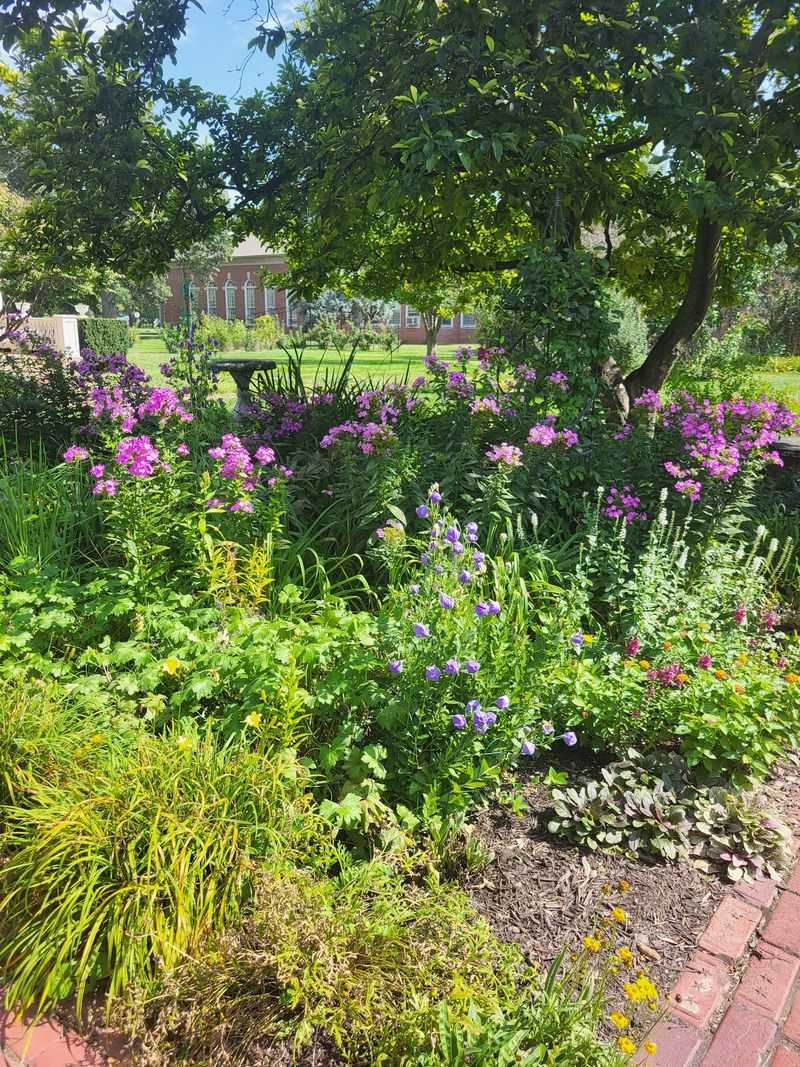
The tours come packed with artifacts, old photos, art and family stories. Then there’s the garden outside, bursting with hydrangeas, lantana and butterfly bush.
Monarch butterflies even stop by during their migration.
I like how the place feels lived in rather than locked away. One family connection runs especially deep.
A woman worked here as a maid before she married and went off to homestead in South Dakota.
I can’t imagine a better rainy-afternoon rabbit hole for history lovers. You get treasures inside, blooms outside and stories everywhere in between.
So who exactly lived behind these walls, and what did they leave for you to find?
A Stately Fremont House That Still Opens Its Doors
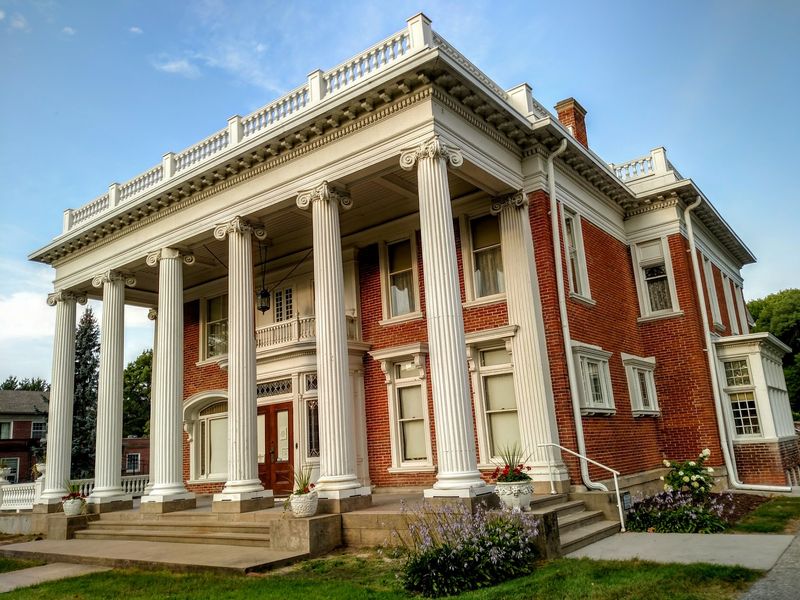
Some museums sit inside modern boxes. The Louis E.
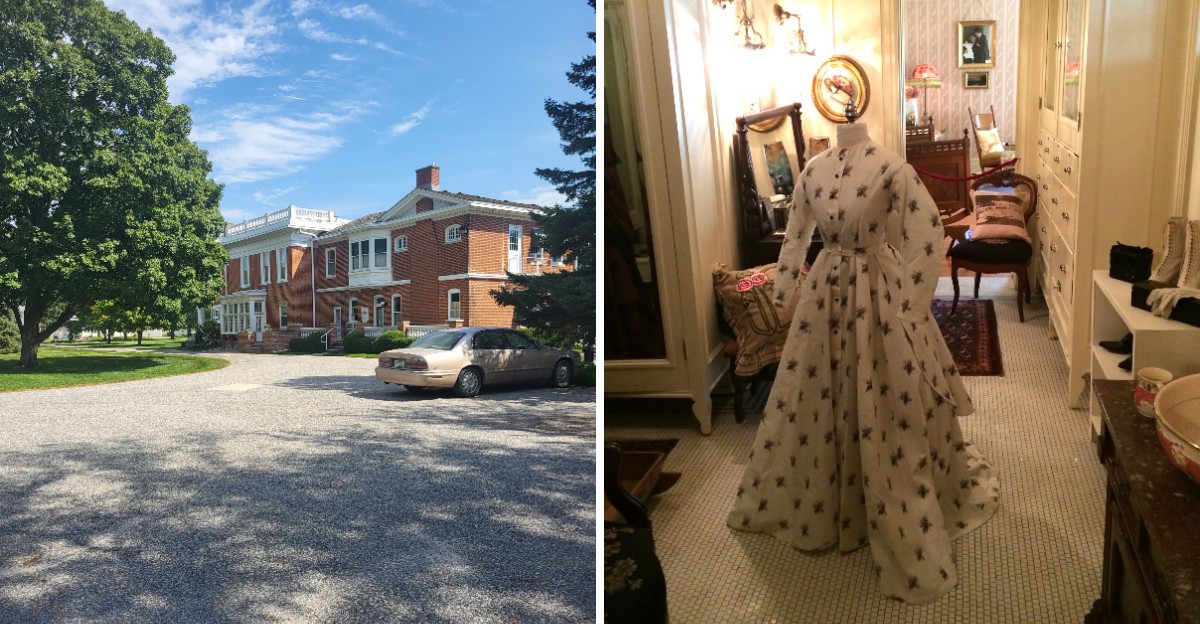
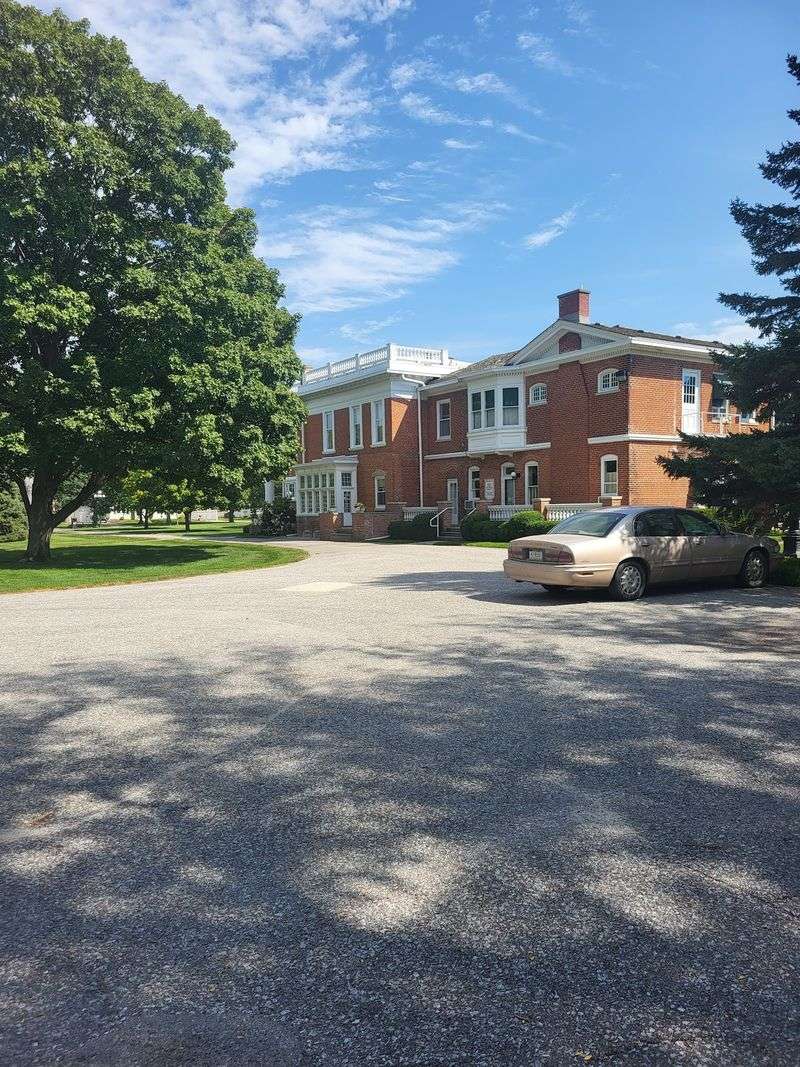
May Museum sits inside a grand historic home in Fremont, Nebraska, and that changes the whole experience.
Instead of wandering sterile halls, you move from room to room like a guest. The house itself is the main exhibit, and it’s a stunner.
Inside, you’ll find artifacts, photographs, artwork and plenty of stories tied to Fremont’s past. Outside, landscaped grounds stretch around the home with gardens, an arboretum and an old log house.
That mix makes it feel more like a small campus than a single building. You can tour the house, stroll the flowers or do both in one afternoon.
The museum sits on the north side of Fremont, an easy hop from Omaha. It’s close enough for a day trip and calm enough to feel like a real escape.
Plenty of historic homes keep visitors behind velvet ropes. Here, the guided tours bring you right into the rooms where daily life once unfolded.
It’s a place built for curious people. If you’ve ever wondered what an old Nebraska home really looked like inside, this one answers generously.
Why Saving One House Saves A Whole Town’s Memory
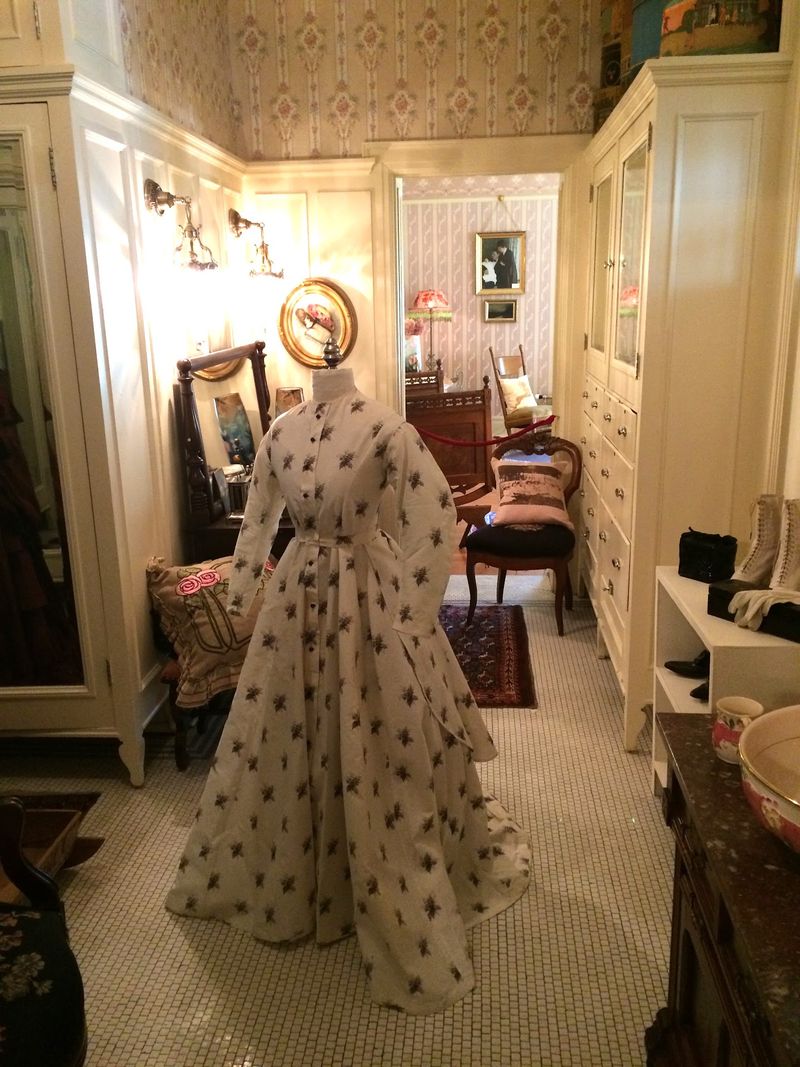
Old houses vanish all the time. Fremont held on to this one, and the payoff is a home preserved well enough for future generations to experience.
The museum focuses on the history and culture of Fremont. Every room adds another chapter to that story, from furnishings to framed photos.
It’s the kind of place where personal history pops up unexpectedly. One family knows their great-grandmother worked here as a maid before marrying.
She later homesteaded in South Dakota, carrying a little of this house with her. Stories like that turn a museum into something closer to a family album.
The home remains in excellent condition, which is no small feat. Keeping an old house looking sharp takes steady care and real community commitment.
That care shows in the details. Rooms feel thoughtfully arranged rather than crammed, so the history has space to breathe.
You don’t need to be a Fremont native to feel the pull. Anyone who’s ever found an old photo in a drawer will understand the appeal.
History here isn’t abstract. It’s tied to real people, real chores and real Nebraska lives.
Glass Cases Full Of Little Treasures Worth Leaning In For
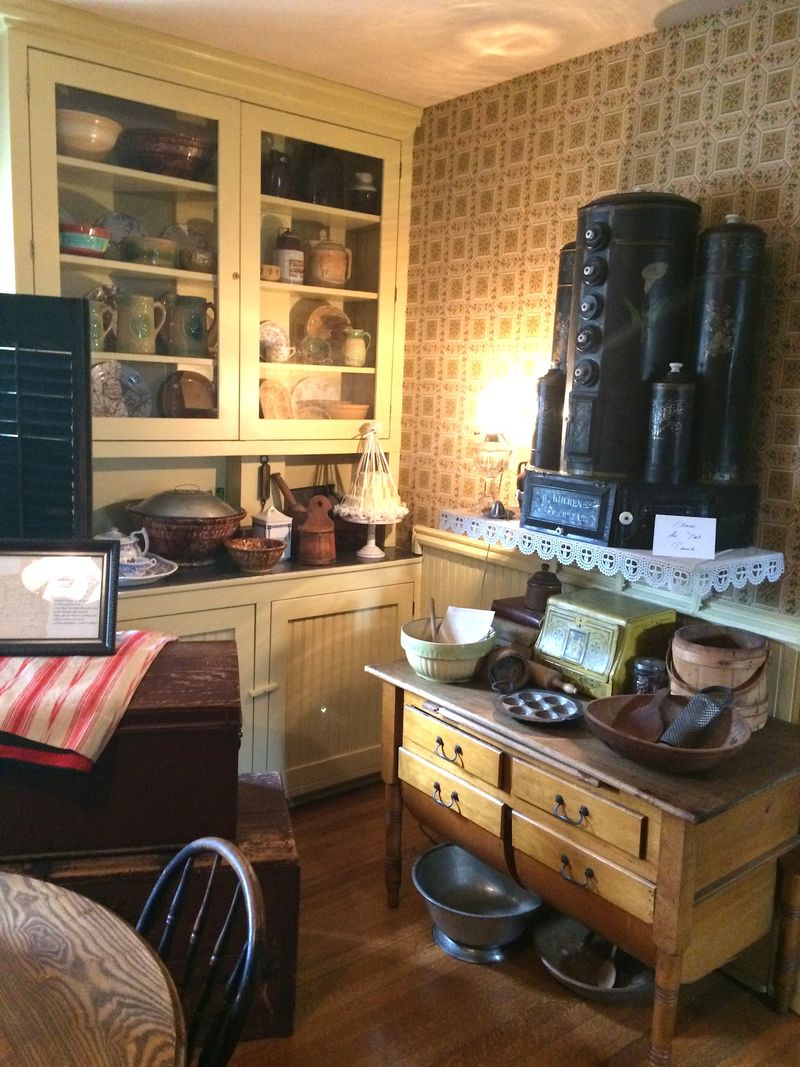
Good luck walking past these displays quickly. The Louis E.
May Museum packs its rooms with so many artifacts that you’ll keep leaning closer.
Collections like these reward slow looking. A small object in a case can say more about daily life than any history book chapter.
Old playthings, keepsakes and household items have a special pull. They remind you that kids and families long ago weren’t so different from yours.
Every piece seems to carry a story. Guides help connect the objects to the people and era they came from.
That context makes all the difference. Without it, a case is just pretty; with it, the case becomes a time capsule.
Bring the grandkids and watch them compare. A toy from generations back can spark questions no video game ever could.
The sheer volume of history here surprises plenty of first-timers. It’s easy to see why some wish they had hours longer to explore.
Pace yourself and pick favorites. You’ll likely leave planning which case to revisit next time.
The Hour-Plus Tour That Treats You Like A House Guest
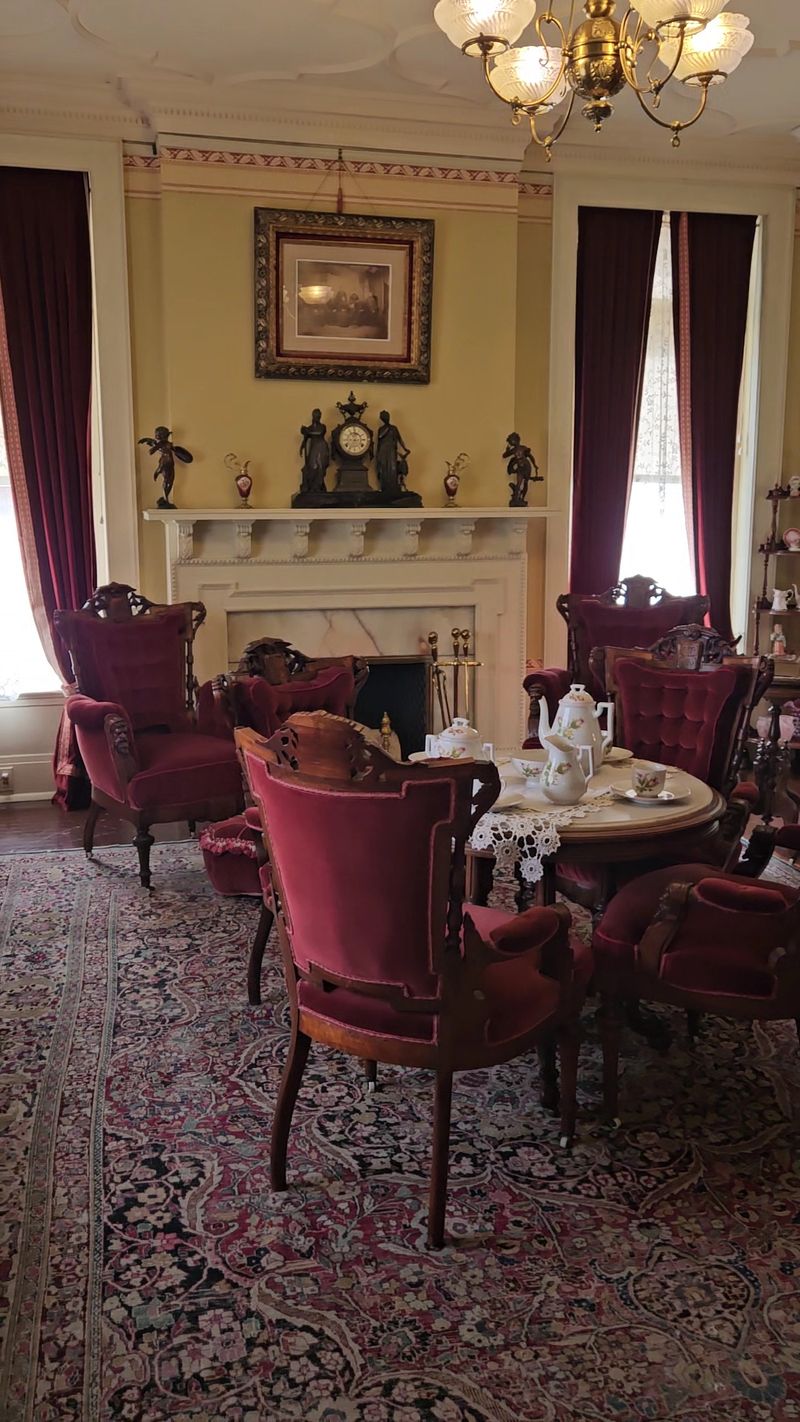
Allow more time than you think. A guided tour here can run over an hour, and it covers the house in serious detail.
That’s the main way to see the inside. You’ll follow a guide from room to room, hearing what each space was for and who used it.
The format suits people who love the why behind the what. You’re not just seeing a sofa; you’re learning the story attached to it.
Some tours feel like private visits, especially with a small group. That personal touch makes questions easy to ask.
On busy weekends, a docent might not always be available. In that case, plan for a more relaxed look or come back for the full experience.
Tours move along at a steady clip. If you tend to linger, ask questions early so you don’t miss anything.
Many first visits end with a plan for a second. There’s simply too much to absorb in one go.
Think of the tour as your backstage pass. The house does the talking, and your guide translates.
Guides Who Know Every Corner And Every Tale
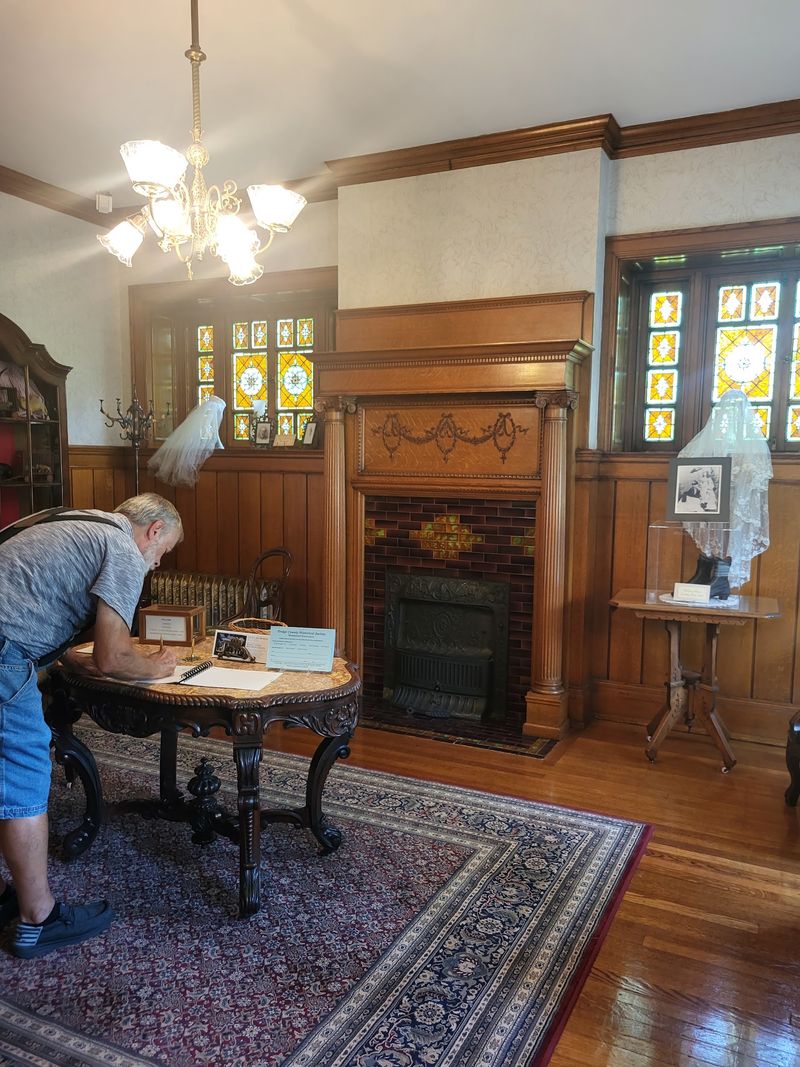
A house can only say so much on its own. The people leading tours at the Louis E.
May Museum fill in the rest with impressive knowledge.
Staff and volunteers come across as friendly and well informed. They know the artifacts, the family history and the little quirks of the house.
One guide named Anthony stands out for making tours especially memorable. That kind of storytelling turns a walk-through into a real experience.
Curators here clearly care about the collection. You can sense it in how items are arranged and explained.
Good guides also read the room. Kids get the fun details, while history buffs get the deeper context.
Don’t be shy about asking questions. A simple “what’s that?” can unlock a story you’d never find on a label.
That human connection is what keeps people coming back. Objects stay the same, but every tour can reveal something new.
It’s a reminder that museums run on passion. Here, that passion is easy to spot and even easier to enjoy.
Photos, Art And Stories Hanging On Every Wall
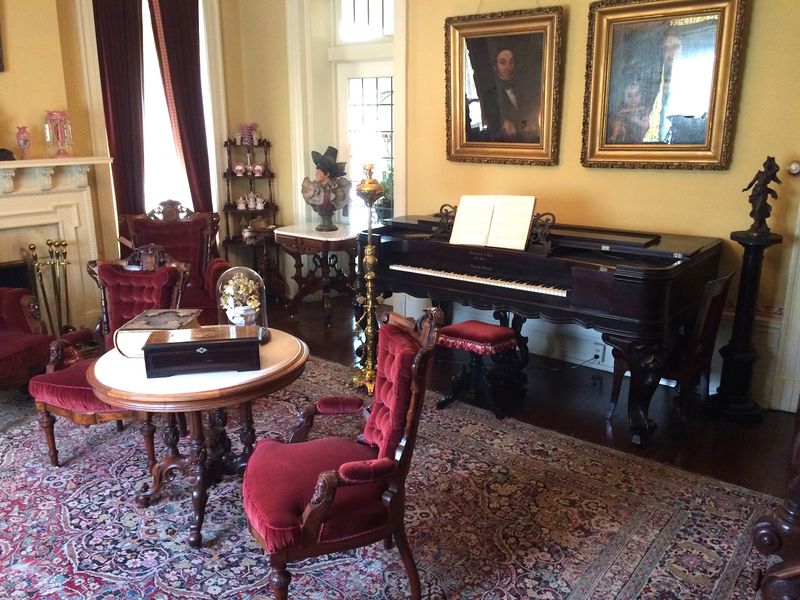
Look up as often as you look into the cases. Walls throughout the home showcase photos and art that add rich color to the tour.
Old photographs are some of the best storytellers in any museum. Faces, clothing and backgrounds hint at how Fremont families once lived.
The artwork brings its own charm. Paired with period rooms, it helps you picture the house during its busiest years.
Visitors often mention the splendor of the photos, the stories and the art together. It’s a combination that makes the rooms feel alive.
History buffs will find plenty to study. Casual visitors will simply enjoy the beauty of it all.
Take a moment in each room before moving on. Small details in a frame or painting are easy to miss at first glance.
Guides often connect these images to the people who lived here. Suddenly, a portrait becomes a neighbor from another century.
It’s a gentle way to learn. No quizzes, no pressure, just pictures and stories doing what they do best.
A Cut Flower Garden That Steals The Spotlight
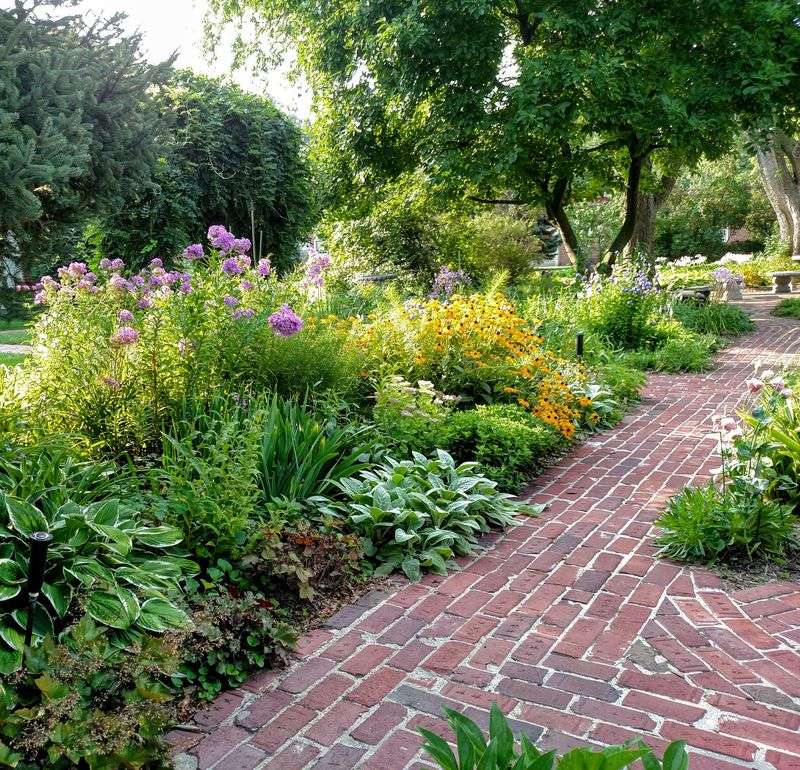
Here’s a twist for a history museum. The garden might be the part some folks love most.
The cut flower garden at the Louis E. May Museum overflows with variety.
Balloon flowers, hydrangea, butterfly bush, lantana, sedum and hosta all share the beds.
That lineup brings color through much of the growing season. Different blooms take turns showing off as summer rolls along.
Plenty of visitors insist you shouldn’t skip it. After the house tour, the garden makes a perfect cool-down stroll.
It’s also a favorite for folks who simply want flowers close to home. Fremont residents can pop over for a quick dose of beauty.
Gardeners will enjoy picking up ideas. Seeing hosta and sedum thriving together might inspire a backyard project.
Bring your camera or phone. The blooms practically beg for close-ups.
Even non-gardeners tend to slow down here. Something about bright petals and quiet paths makes the afternoon feel unhurried.
Shady Benches Where Monarchs Drop In To Pose
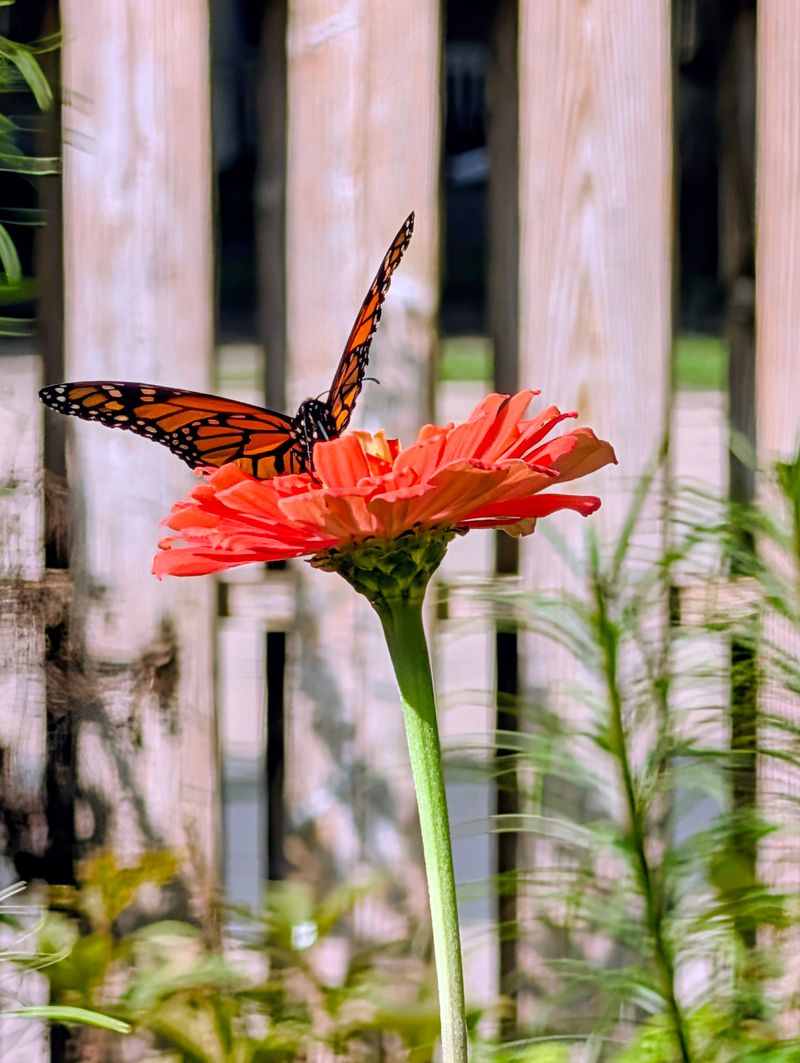
Monarch butterflies have excellent taste. During migration, a few flutter through this garden and stop long enough for photos.
That’s thanks partly to the butterfly bush and lantana. Both plants are classic magnets for pollinators looking for a snack.
Spotting monarchs takes a little patience. Even seeing a handful feels like a win when they land right in front of your lens.
The garden helps you wait comfortably. Parts of it stay partially shaded, and benches invite you to sit and take everything in.
It’s a lovely spot for a slow afternoon. Bring a book, a sketchpad or just your curiosity.
Grandparents and kids can make a game of it. Who can spot the first orange wings?
Nebraska sits along the monarch migration route, so timing matters. Late summer visits give you the best chance at a fluttering surprise.
Even without butterflies, the benches earn their keep. A shady seat among flowers beats a parking lot any day.
An Arboretum And Old Log House Waiting Outside
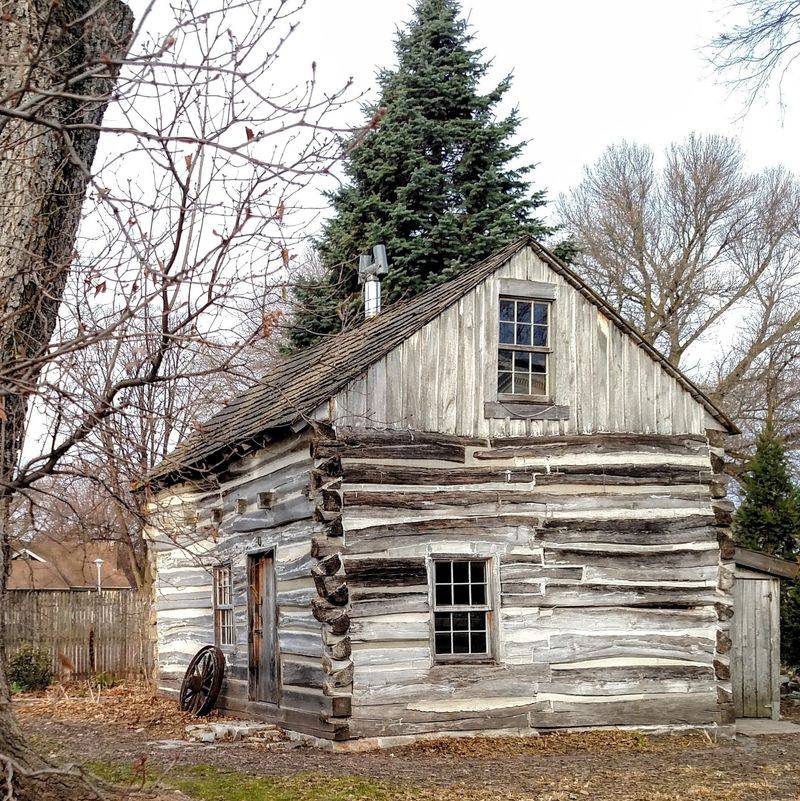
Show up when the house is closed and you still won’t leave empty-handed. The grounds hold enough to make the drive worthwhile.
An arboretum adds leafy variety beyond the flower beds. Mature trees give the property a peaceful, park-like feel.
Then there’s the old log house. It offers a rustic contrast to the grand main home and hints at simpler living.
Seeing both on one property is a treat. You get two very different snapshots of the past within a short walk.
Some visitors who missed indoor tours still called the grounds worth the trip. Many promptly planned a return visit to see inside.
The property stays well kept throughout the year. Paths, lawns and plantings all look cared for.
Wear comfortable shoes for wandering. You’ll want to circle the log house and explore under the trees.
It’s an easy outing for anyone needing fresh air. History and nature share the same address here, and both pull their weight.
Holiday Trimmings That Make The Old House Glow
Christmas suits an old house beautifully. The Louis E.
May Museum leans in, decorating for the season so the rooms feel extra festive.
Holiday visitors find good information paired with seasonal charm. Garland and decorations make the historic rooms feel warm and welcoming.
The museum has also hosted a Christmas open house. It’s a community gathering that brings neighbors together in the holiday spirit.
Formats can vary from year to year. One past open house focused on the grounds and a weekday evening rather than the full interior.
That means checking ahead is smart. Event details can shift, so confirm before you bundle up and head over.
Fremont families looking for a cozy December outing should keep this on the list. It pairs nicely with other small-town holiday traditions nearby.
Old homes and twinkling decorations just belong together. The combination makes history feel close and personal.
Bring a camera for the festive touches. Holiday photos against vintage rooms make wonderful keepsakes.
Wedding Vows And Photo Shoots On The Front Steps
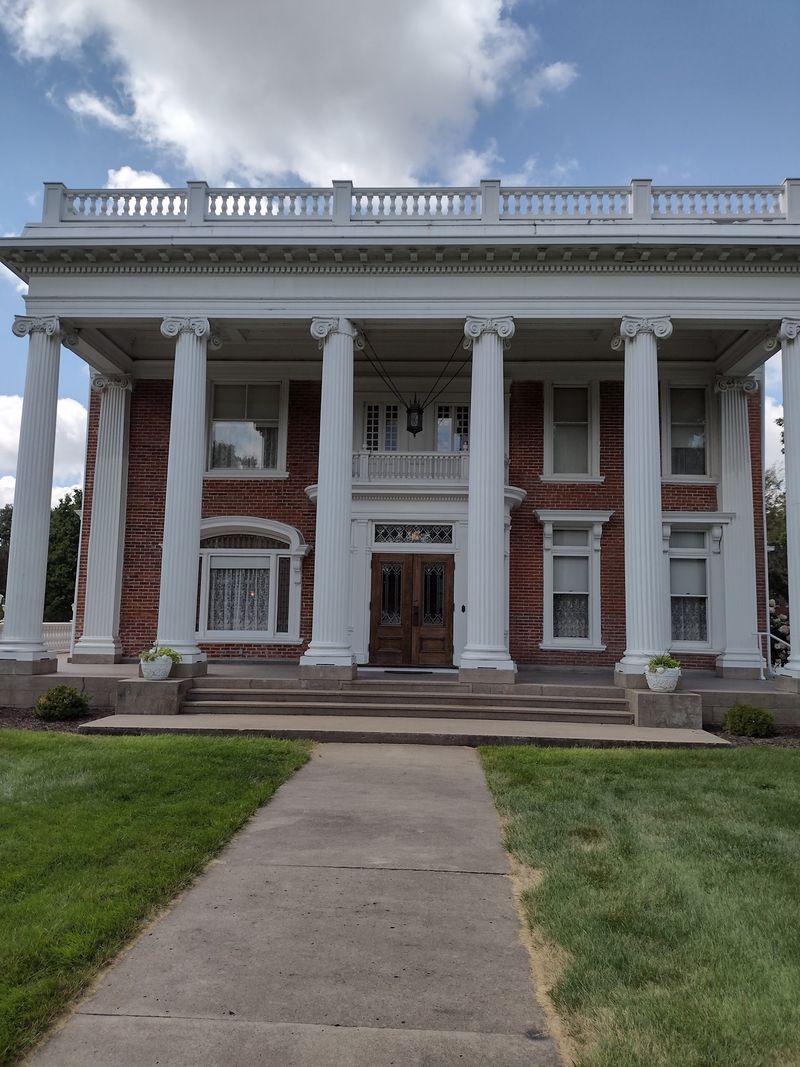
Brides and photographers have noticed something. The front entrance here makes a gorgeous backdrop.
Couples have held weddings right outside the museum’s front doors. On a sunny day, the setting looks straight out of a storybook.
Photo lovers get a sweet deal, too. The property has generously allowed people onto the grounds to snap pictures throughout the day.
That makes it popular for all kinds of shoots. Engagements, family portraits, graduation photos and holiday cards all fit naturally.
The gardens add even more options. Flowers, trees and the log house give photographers plenty of variety in one spot.
It’s easy to see why so many call it a great backdrop. The architecture does half the work before anyone says cheese.
If you’re planning a formal event, reach out to the museum first. Arrangements need approval, so don’t just show up with a veil.
For casual snapshots, simply be respectful of the grounds. A little courtesy keeps the welcome mat out for everyone.
Timing Your Trip Around A Midday Lunch Break
Mark your calendar carefully. The Louis E.
May Museum keeps a schedule with a built-in lunch break.
It’s open Wednesday through Saturday, with morning and afternoon sessions. Doors close for about an hour around midday before reopening.
Sunday, Monday and Tuesday are closed days. Plan around that so you don’t arrive to locked doors.
You’ll find the museum at 1643 N Nye Ave, Fremont, NE 68025. It’s an easy drive from Omaha and much of eastern Nebraska.
Admission has been offered free, with donations gladly accepted. Bringing some cash is wise, since past visitors found payment was cash only.
Tours take over an hour, so arrive with time to spare. Showing up late in a session could cut your visit short.
Hours and holiday events can change. A quick check before leaving home saves headaches.
After the tour, save time for the garden. It’s the perfect place to stretch your legs before heading out.
Who Will Fall Hardest For This Fremont Treasure
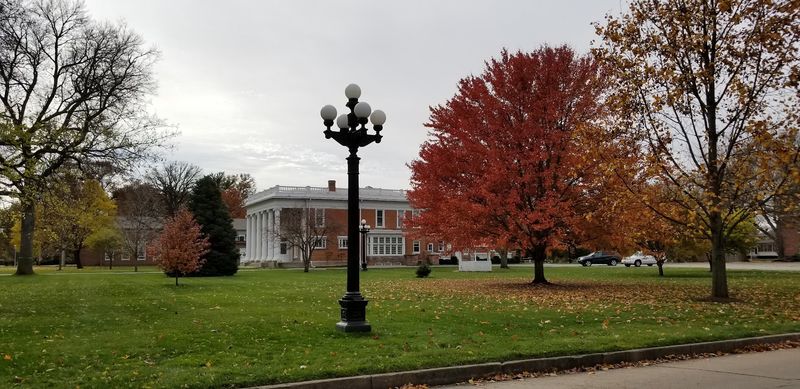
History buffs, obviously. But they’re far from the only crowd who’ll leave smiling.
Gardeners get a beautiful collection of blooms to study. Photographers get a backdrop that rarely disappoints.
Families get an outing that won’t break the bank. Kids can compare old treasures to their own toys and chase butterflies afterward.
Couples looking for a quiet date will find plenty to enjoy. A tour followed by a bench in the garden makes a pleasant afternoon.
Fremont locals have a gem in their own backyard. Day-trippers from across Nebraska get a meaningful payoff for the drive.
The Louis E. May Museum blends history, beauty and storytelling in one welcoming package.
It’s small enough to manage and rich enough to remember.
Many first-timers leave already planning a return. Summer blooms and Christmas decorations offer two very different reasons to come back.
So grab some cash for a donation and check the hours. This old house has stories waiting, and it’s happy to share them.