A Nebraska Windmill Factory Stopped Work In 1991 And Its Tools Are Still Right Where Workers Left Them
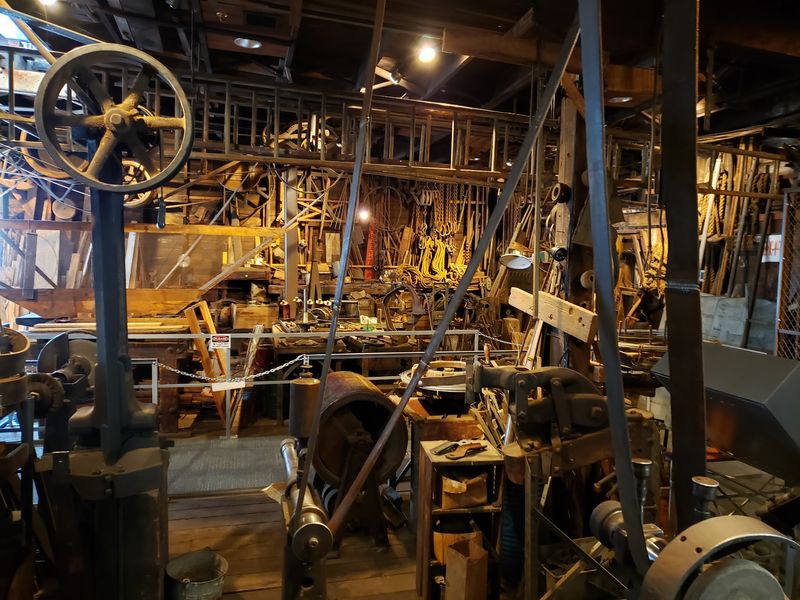
The workers clocked out in 1991, and the factory floor was simply left as it was. The tools stayed.
The machines stayed. Even the half-finished jobs seem to wait for Monday morning.
The building turned out windmills for more than 120 years. That’s a long run for any business, let alone one that made the towers dotting farm fields across Nebraska.
Today it works as a museum, but it still feels like a workshop on a lunch break.
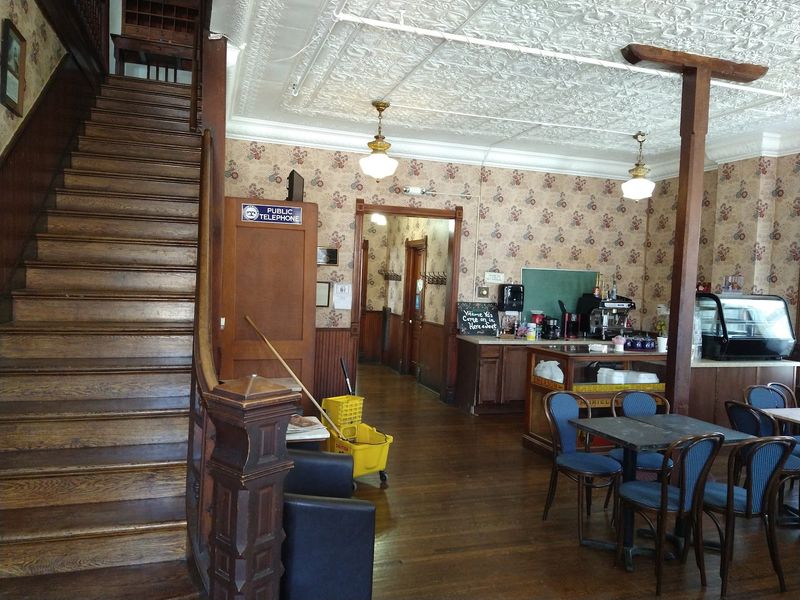
I like how ordinary it looks from the street. A small building on a main drag hardly hints at a century of prairie engineering inside.
I believe windmills are one of those things we pass a thousand times without a second thought. After learning this story, you may never see one the same way again.
So who built them?
A Main Street Factory That Never Really Clocked Out
Small towns are full of buildings with secrets, and this one keeps a big one. The Kregel Windmill Factory Museum sits right on the main street of Nebraska City, Nebraska.
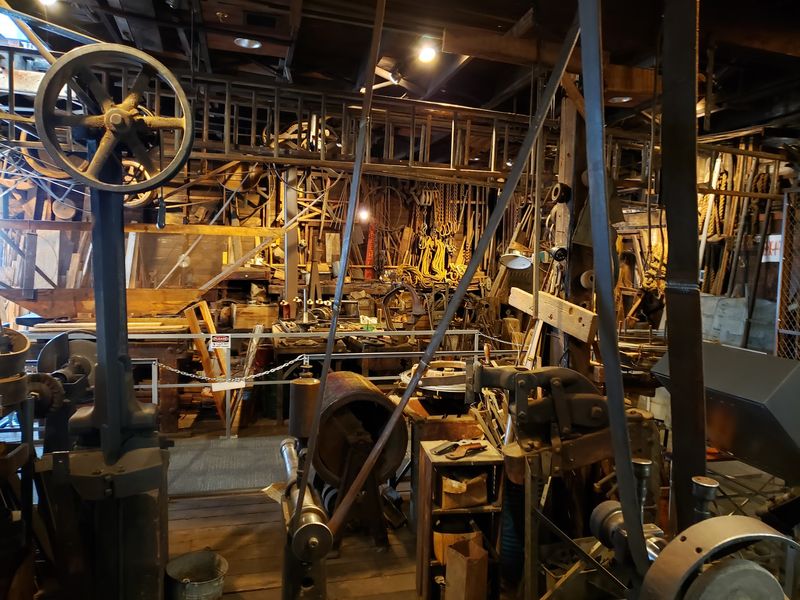
From the sidewalk, it reads like a modest old shop. Inside, it holds the actual manufacturing floor of the Kregel windmill company, with much of the original equipment intact.
That detail matters more than it sounds. Plenty of museums gather old objects from far and wide and arrange them behind glass.
Here, the machines never moved. They sit in the same spaces where workers used them, shaping parts for windmills that pumped water across the plains.
The museum even jokes about its own humble look. It sits across from City Hall, and the team happily points out that people underestimate the little building.
Honestly, that underestimation is part of the fun. You walk past a plain storefront and end up inside more than a century of working history.
Nebraska City already draws visitors for its orchards and historic sites. This stop adds something different, a gritty, hands-on look at how rural life actually ran.
More Than 120 Years Of Building Windmills
Few family businesses last a generation, let alone several. The Kregel windmill factory kept going for over 120 years before it finally stopped production in 1991.
Think about everything that changed during that stretch. Farming shifted, roads were paved, and electricity spread across rural Nebraska, yet the shop kept turning out parts.
Windmills were never decoration on the prairie. They pulled water up from underground so families and livestock could survive on land far from rivers and creeks.
That makes a windmill factory a quiet hero of plains history. Every tower it supplied helped someone stay on their land a little longer.
The museum story also covers the family behind the business and their other ventures. It’s a local tale of grit, invention, and staying power that spans multiple generations.
Patents play a role too. The factory connected to some of the inventive industrial ideas of its day, which gives engineers plenty to geek out over.
When the doors closed in 1991, the space could easily have been cleared out. Instead, it became a preserved snapshot of a working Nebraska industry.
The Shop Floor Frozen In Mid-Task
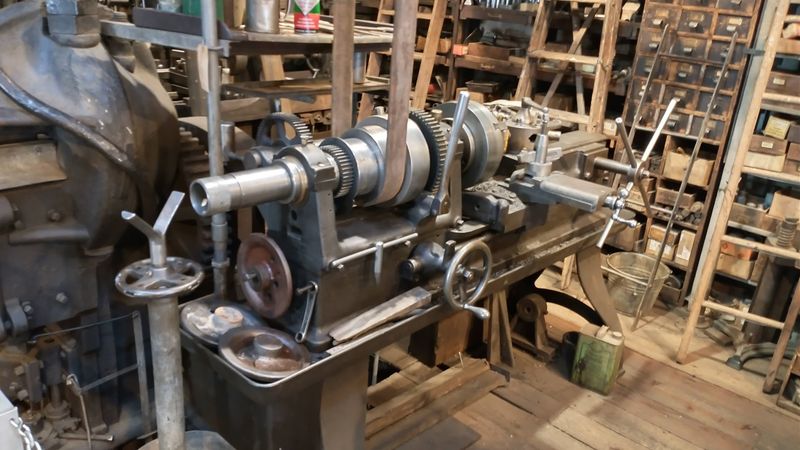
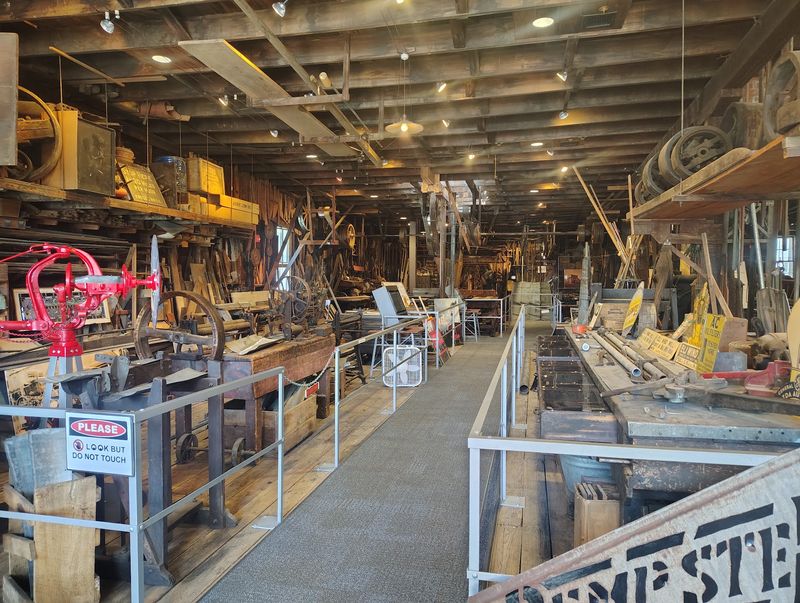
Tools lie out as though someone stepped away for coffee. That’s the strange, wonderful feeling of the factory floor at this Nebraska City museum.
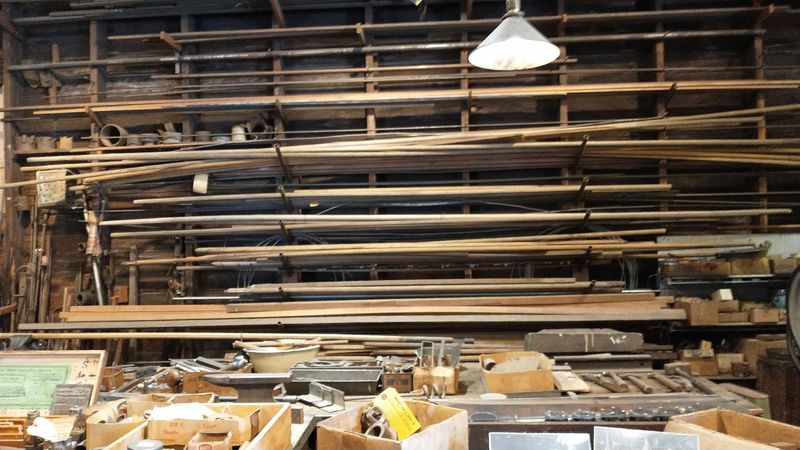
The space looks much like it did when production stopped in the 1990s. Workbenches, parts, and equipment remain spread out like a job still in progress.
Some museums tidy everything into neat displays. This one lets the clutter tell the story, and the clutter turns out to be pretty eloquent.
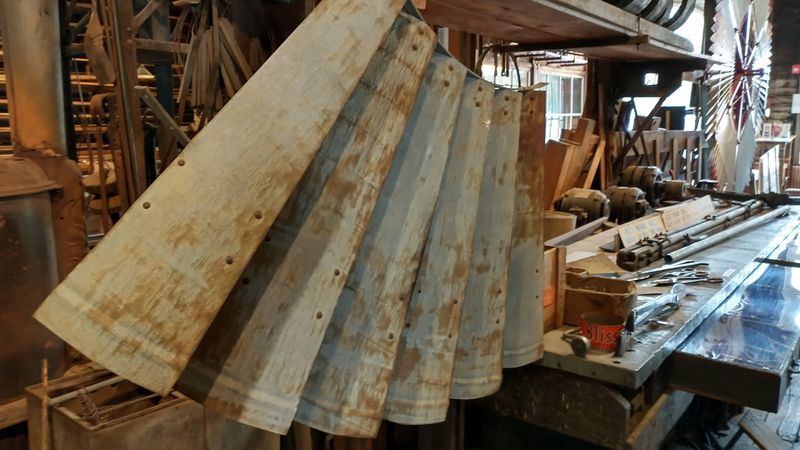
You can follow how a windmill came together by reading the room. Each station hints at a step, from raw metal to finished piece.
The word time capsule gets used a lot for old places. Here it actually fits, because the building wasn’t recreated after the fact.
It’s easy to spend extra minutes staring at a single bench. Small details, like a worn handle or an unfinished part, carry a surprising amount of personality.
For anyone who loves authentic history, this is the main event. The past isn’t staged here; it was simply left alone and carefully kept.
Old Machines That Make Engineers Grin
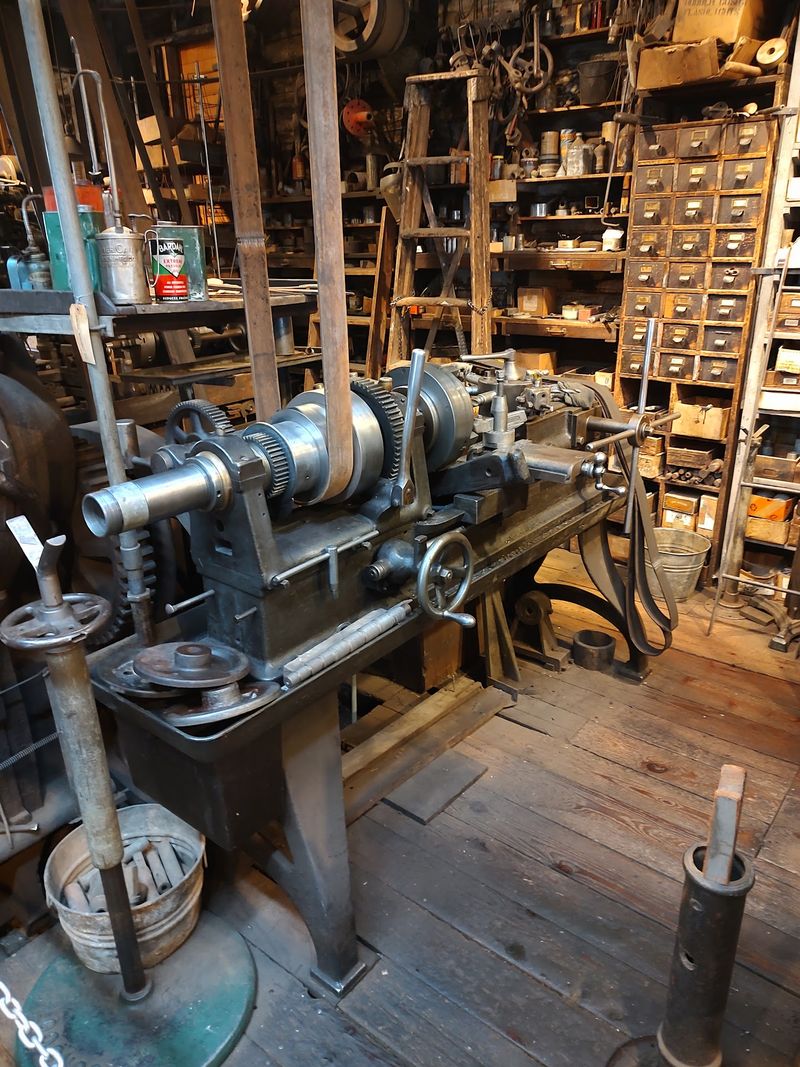
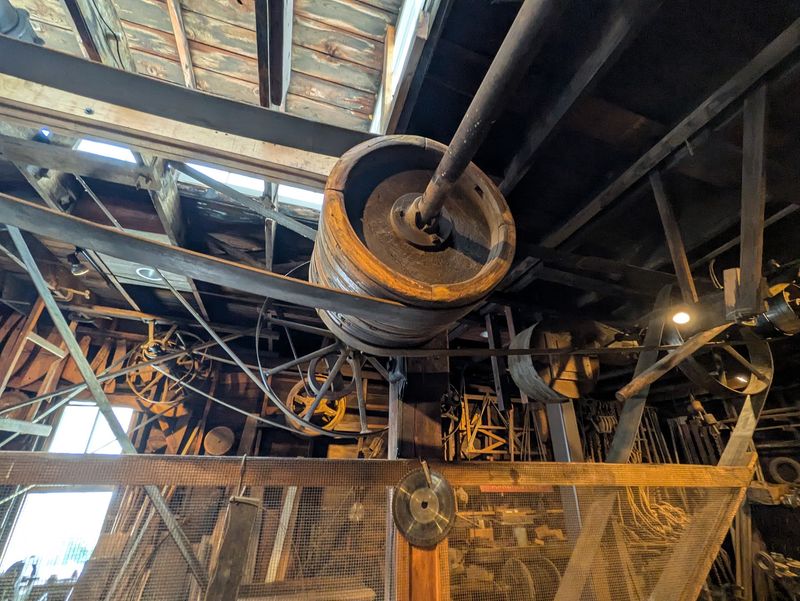
Gears, belts, and heavy iron make up the real stars of the collection. The Kregel Windmill Factory Museum keeps a rustic lineup of industrial tools and machines used at the original location.
These aren’t replicas. They’re the actual workhorses that cut, shaped, and assembled windmill parts for decades of production.
If you’ve ever wondered how things got made before computers ran the show, here’s your answer. Much of the work relied on clever mechanics and skilled hands.
Engineers and tinkerers tend to find a lot to appreciate in these old setups. The logic of each machine becomes clear once someone explains how it worked.
Even if you don’t know a lathe from a drill press, the scale is impressive. Big, sturdy equipment has a certain charm that modern gadgets rarely match.
Tool lovers should budget extra time. Walls, benches, and corners all hold pieces worth a closer look.
The best part is context. Seeing a tool where it was actually used makes it feel less like an artifact and more like a coworker on break.
Meet The Eli Windmill, Hometown Hero Of The Plains
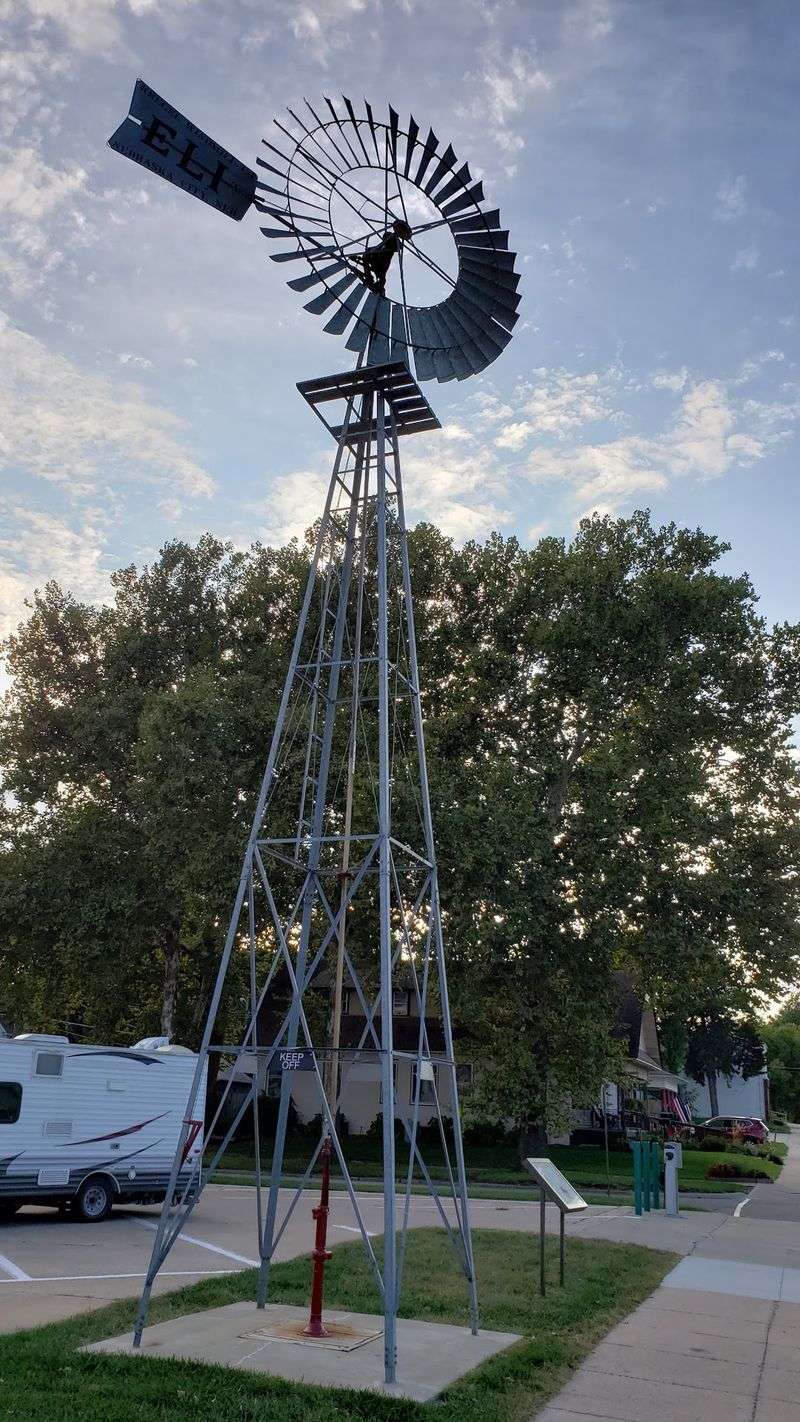
Every factory needs a signature product, and this one had the Eli. The Eli windmill sits at the heart of the Kregel story.
The museum management even signs off with a nod to it. That tells you how central the Eli is to the identity of the place.
Visitors learn how these windmills were made from start to finish. The guided story connects the parts on the floor to towers that once stood on farms.
Kids get their own highlight too. A mini Eli windmill on site has become a favorite with younger guests.
It’s a smart way to make the subject click for children. A small version is easier to picture than a towering one spinning high over a pasture.
After learning about the Eli, plenty of people start spotting windmills everywhere on Nebraska drives. Consider this your fair warning for the next road trip.
Suddenly each tower in a field becomes a little mystery. Who built it, how old is it, and does it still pump water?
Guided Tours Packed With Stories
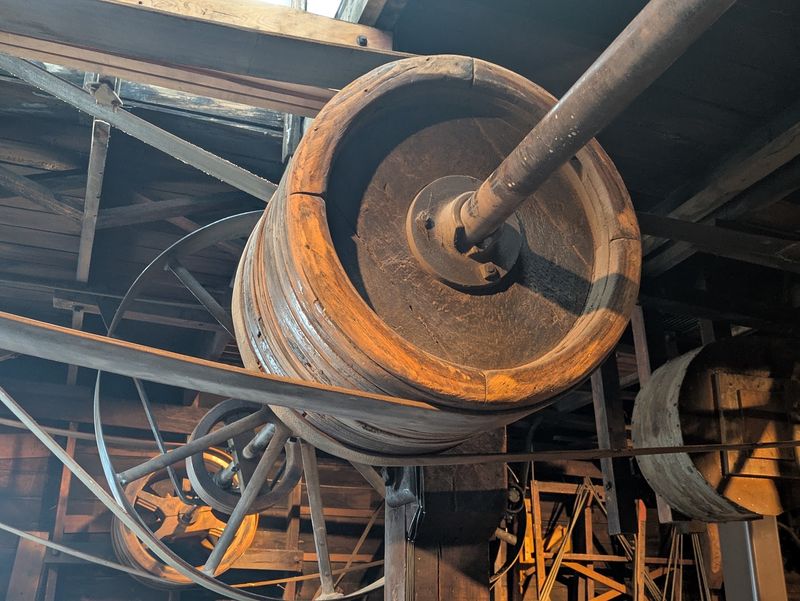
A good guide can turn rusty machines into a page-turner. Guided tours are a big part of the experience at the Kregel Windmill Factory Museum.
Staff here know the company inside and out. They point out details most people would walk right past, from tiny parts to clever workarounds.
The stories go well beyond mechanics. Tours touch on history, family, community, business, and how the museum itself came to be.
That variety keeps things lively. One minute you’re learning about a machine, the next you’re hearing how the business fit into town life.
The team clearly enjoys sharing this history. The museum describes teaching guests as half the fun of the factory, and that enthusiasm shapes each visit.
Prefer to wander at your own pace? Self-guided tour technology and videos are available, supplementing the in-person stories.
A mix of both may work best. Watch the videos, roam a bit, then ask questions when something sparks your curiosity.
Either way, plan to leave knowing far more about windmills than you expected.
An Outhouse From The Early 1930s, Seriously
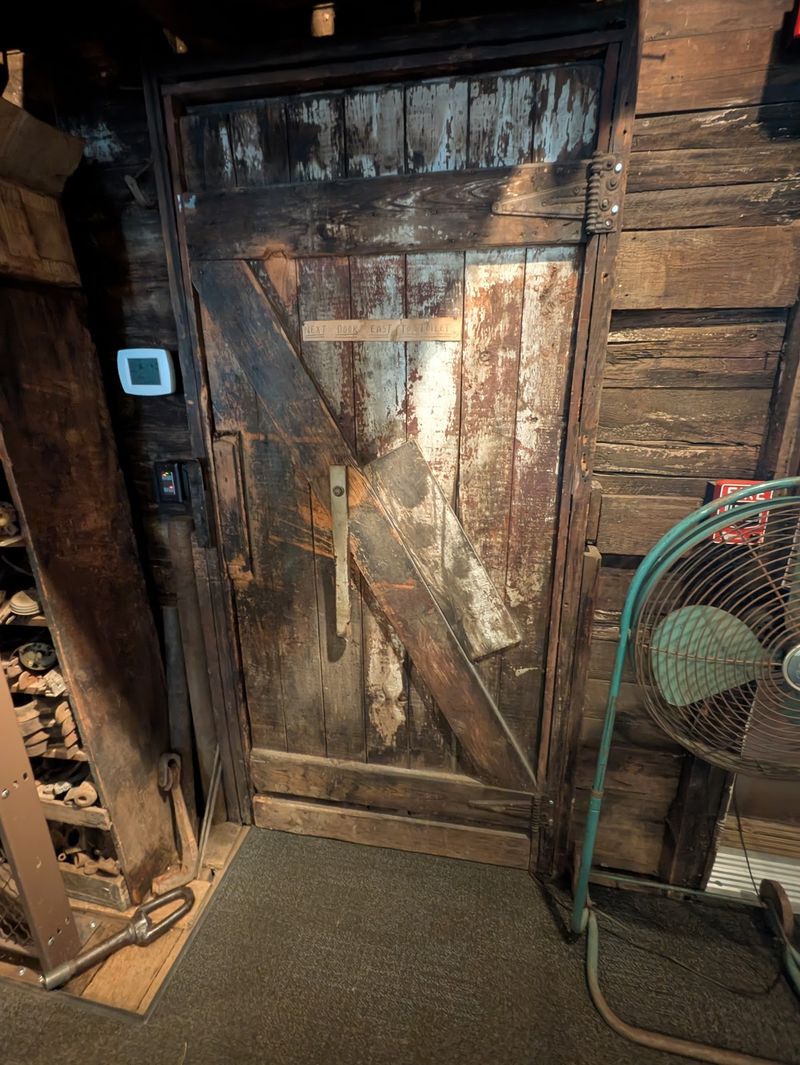
Not every museum treasure is glamorous. One of the quirkier finds here is an outhouse first used in the early 1930s.
It’s the kind of detail that makes history feel personal. Factory workers needed practical facilities, and this one stuck around for the record.
Curious visitors can ask to see it for an especially in-depth look. Its condition is solid enough that it seems ready for duty even now.
Laugh if you want, but it tells a real story. Daily life at a working factory included far more than machines and paychecks.
Little pieces like this round out the picture. They remind you that real people spent long days in this building, year after year.
Kids will probably find it hilarious. Adults might find themselves grateful for modern plumbing on the drive home.
Either reaction counts as a win. Museums work best when they spark conversation, and few artifacts get people talking quite like a vintage outhouse.
Just remember to ask about it. It’s easy to miss if you don’t know it’s there.
A Rainy-Day Pick For Families And Tinkerers
Gray skies over Nebraska City don’t have to wreck a day trip. An indoor factory full of stories makes a great backup plan.
The museum works well for families, especially kids from tweens on down. Videos, the mini Eli windmill, and hands-on storytelling help hold young attention.
Grandparents may have a special connection. Folks who remember the windmill era often find the visit stirs up memories of farms and pumps.
History buffs get a slice of Great Plains life they can actually stand inside. Engineers get machinery and patents to puzzle over.
Even skeptics tend to come around. Windmills might sound like a dry subject, but the place proves much richer than its topic suggests.
An hour makes a satisfying visit for many groups. Those who want every story could easily stay longer and still not catch it all.
It’s also a stop on the Nebraska Passport program in recent years. Passport fans collecting stamps will want this one on the list.
Pretty much anyone curious about how things work will leave entertained.
Events That Keep The Old Shop Busy
A factory that closed in 1991 still manages to keep a busy calendar. The Kregel Windmill Factory Museum hosts events throughout the year.
The museum has put a focus on family and youth events in the past. That makes it an easy place to introduce kids to local history.
Event lineups change, so checking ahead is smart. The museum shares upcoming happenings through its Facebook page and website.
It’s a nice way to see the building with fresh energy. Special programs can highlight corners or stories you might miss on a regular visit.
Repeat visits make sense here anyway. The team itself says there’s too much history to absorb in a single trip.
Pairing an event with a fall drive through Nebraska City could make a full, memorable day. The town is known for orchards and autumn outings.
Winter visits have their own charm too. A cozy indoor stop on a chilly main street feels just right.
Whatever the season, it helps to keep an eye on announcements before you go.
Getting There And Timing Your Visit
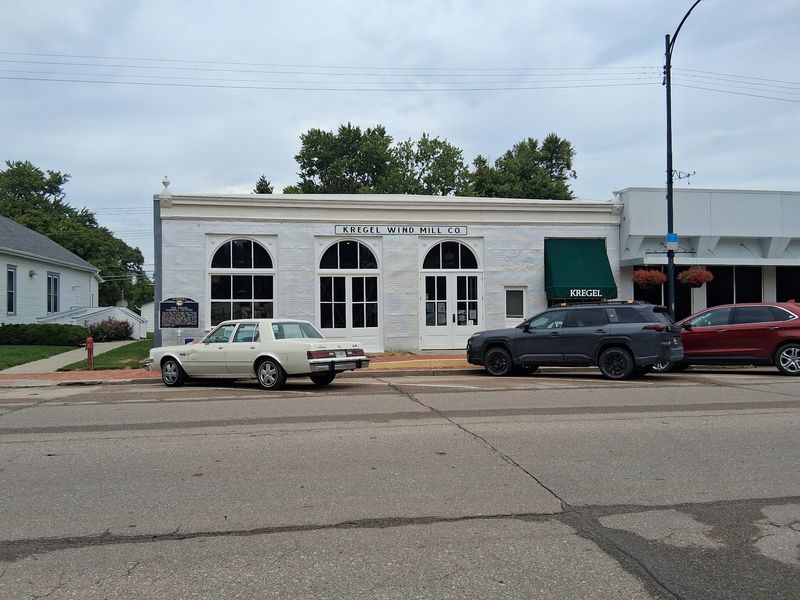
Finding it is the easy part. The museum sits at 1416 Central Ave, Nebraska City, NE 68410, right across from City Hall.
Nebraska City is a manageable drive from Omaha and Lincoln. That makes this an ideal half-day outing or a stop during a bigger southeast Nebraska trip.
The museum is closed on Mondays. It opens most other days in the morning, while Sunday hours start in the afternoon.
Hours can shift, so a quick check before leaving home is wise. Nobody wants to drive out and find a locked door.
Admission details are best confirmed directly with the museum. Policies can change, and the staff can give the most accurate answer.
Plan on at least an hour inside. Guided tours and videos can stretch that, especially if your group asks a lot of questions.
Arriving earlier in the day leaves room to linger. It also gives you time to explore more of Central Avenue afterward.
Comfortable shoes help on the factory floor. You’ll want to wander every corner.
Why This Little Building Deserves Your Afternoon
Plenty of museums tell history. Far fewer let you stand in the exact room where it happened.
The Kregel Windmill Factory Museum does exactly that. Its preserved floor, original machines, and passionate guides make windmills feel thrilling instead of dusty.
It’s a proud piece of Nebraska heritage, rooted in the real work that kept prairie farms supplied with water. Few stops connect so directly to everyday rural life.
The building may look small from Central Avenue. Inside, it holds more than 120 years of invention, family business, and community story.
Families get a fun outing with a mini windmill and lively tours. Tool lovers and engineers get enough machinery to keep them happily distracted.
History fans get the rarest thing of all, authenticity. Nothing here feels staged, because the workers simply left and the place stayed put.
So next time you’re near Nebraska City, swing by. Give it an hour, ask about the Eli, and maybe peek at that 1930s outhouse.
Every windmill on the drive home will look a little different afterward.