This Small Connecticut Town Is Fighting Back Against A Massive 550,000-Square-Foot Data Center Proposal
Half a million square feet is difficult to visualize until you start thinking about how much land a development that size could occupy.
Now imagine a proposal like that appearing in your own community.
It’s hardly surprising that residents would want answers.
Questions about traffic, noise, energy demands, and the future character of a neighborhood can quickly turn a development proposal into a major local debate.
In Connecticut, a small town is confronting plans for a roughly 550,000-square-foot data center that have prompted community opposition.
And the discussion goes beyond the size of the building itself.
Data centers are becoming increasingly important as demand for digital services grows, but deciding where they belong can be complicated.
Supporters of such projects may emphasize investment and economic opportunities.
Residents, meanwhile, may worry about what construction and long-term operations could mean for their surroundings.
For a smaller community, decisions on this scale can have consequences that last well beyond the initial planning process.
1. Families Worry A Giant Server Campus Is Moving In Next To The School Bus Loop
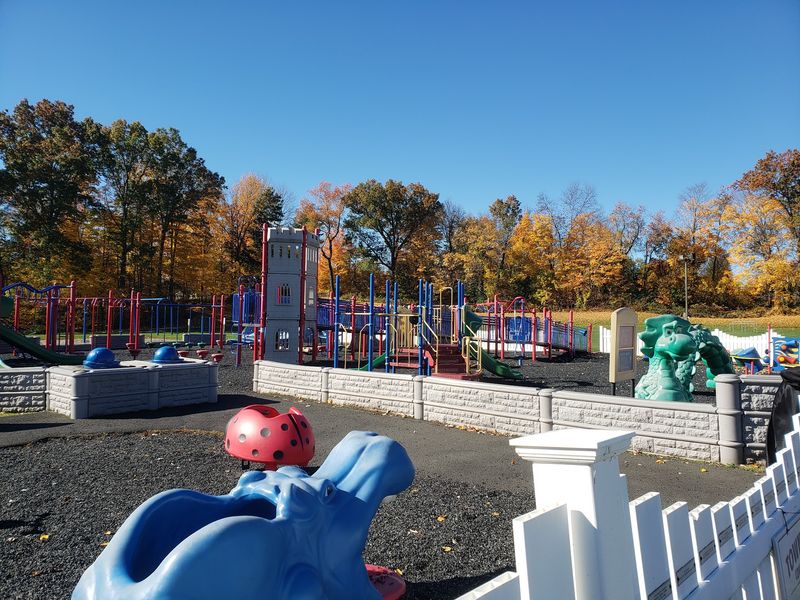
School soccer fields and a massive data center make an unusual combination. But that’s exactly what one small town could soon have.
The proposed development is enormous, and its proximity to places families use every day has raised plenty of questions.
In Cromwell, Global Common LLC has proposed a large data center campus on approximately 159 acres off Geer Street.
The property sits near Cromwell Middle School and several recreational areas. Parts of the land have been used for farming, while another section previously supported gravel distribution operations.
The size of the project is particularly striking. Plans describe a 300-megawatt facility covering roughly 550,000 square feet, with reports suggesting the completed campus could eventually reach 1.2 million square feet.
That’s a considerable development for a town with around 14,000 residents.
For local families, the biggest questions involve how such a large facility might affect nearby schools and public spaces.
The developer has revised its site layout to create more separation from the middle school, although community discussions continue.
Residents interested in following the proposal can check town meeting agendas and attend public hearings.
With a project this large, even the smallest planning decisions could attract considerable attention.
2. Neighbors Built A Grassroots Movement Faster Than You Can Say Server Rack
More than 1,500 signatures landed on an online petition against the project. For a town of around 14,000 residents, that’s a loud message.
People clearly wanted their voices counted early.
A community group called Stop Cromwell CT Data Center now organizes much of the opposition online. Members share updates, meeting dates, and questions for officials.
It’s old-fashioned civic energy powered by very modern tools.
The irony is hard to miss. Residents are using the internet to push back against a facility built to run the internet.
Somebody had to say it.
The group’s worries cover a lot of ground. Scale, noise, traffic, property values, and environmental impacts all come up again and again.
Many neighbors also fear losing the quiet, family-oriented character of their streets.
Here’s a helpful takeaway for anyone facing a similar proposal. Organizing before an application is filed gives people more time to learn and ask questions.
Cromwell residents started early, and that head start has shaped the whole conversation.
Local reporting from outlets like CT Mirror and AP has followed the fight closely. That attention has turned a neighborhood issue into a statewide talking point.
3. Compared To Westfarms Mall, Size Becomes The Headline Nobody Can Shake
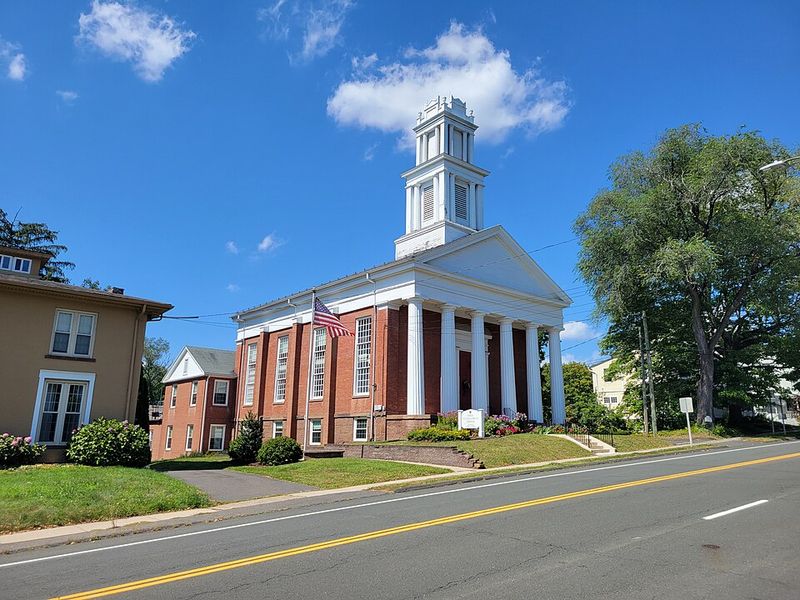
Westfarms is one of the biggest shopping malls in the state. So when residents started comparing the data center to it, people paid attention.
Size is a big part of the alarm.
The main facility is described as roughly 550,000 square feet. Other reports suggest the full campus could hit 1.2 million square feet eventually.
That’s an enormous footprint for a town best known for neighborhoods and parks.
Global Common tells a different side of the story. Its project website says less than 30 percent of the 159 acres would hold buildings, energy equipment, roads, and stormwater facilities.
It adds that the buildings themselves would cover fewer than 15 acres.
So who’s right? Honestly, both numbers can be true at once.
A campus can leave lots of open land while still holding very large structures.
That’s a smart lesson for reading any development news. Ask what the square footage counts, and ask what the acreage counts.
Total floor space and ground coverage are not the same thing.
Residents want clear drawings and honest comparisons before anything moves forward. That seems like a fair request for something this big.
4. That Dull Refrigerator Hum Has Everyone Listening Closely
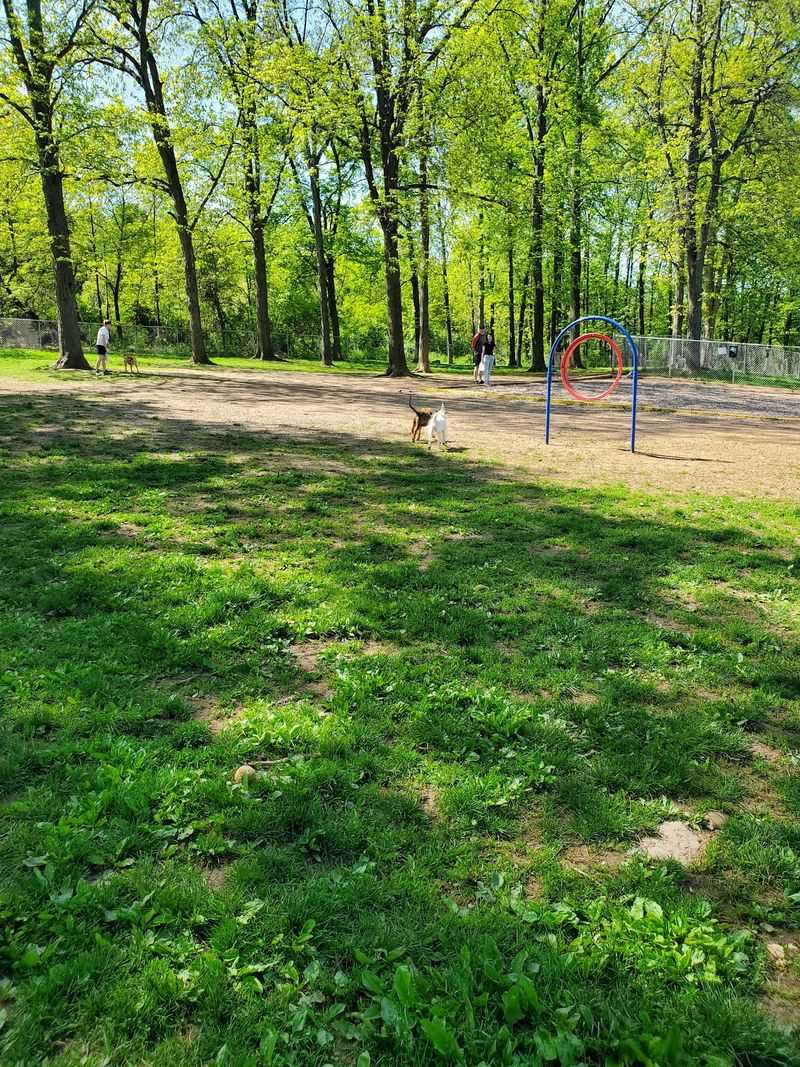
A dull refrigerator. That’s how some residents describe the sound they fear could drift across their yards.
The prospect of a constant mechanical hum has understandably raised concerns among nearby residents.
Noise ranks among the most common worries about the Cromwell proposal. People have raised concerns about a constant hum from cooling systems and equipment.
A professional noise consultant is expected to create a noise map of the area.
Global Common says its fuel cells are quiet and clean. The developer has also revised plans to move buildings farther back from schools, homes, and a nearby park.
Distance can make a real difference in how sound travels.
Air quality is another hot topic. Residents have questioned emissions from emergency diesel generators.
They’ve also raised concerns about chemical runoff and impacts on groundwater, wetlands, and wildlife.
If you live near any proposed industrial site, noise studies are worth reading. Look for measurements taken at property lines and at night.
Those details tell you far more than a general promise.
For now, the noise map could become one of the most important documents in this debate. Plenty of ears will be waiting.
5. Three Gas Pipelines Explain Why Cromwell Landed On The Map
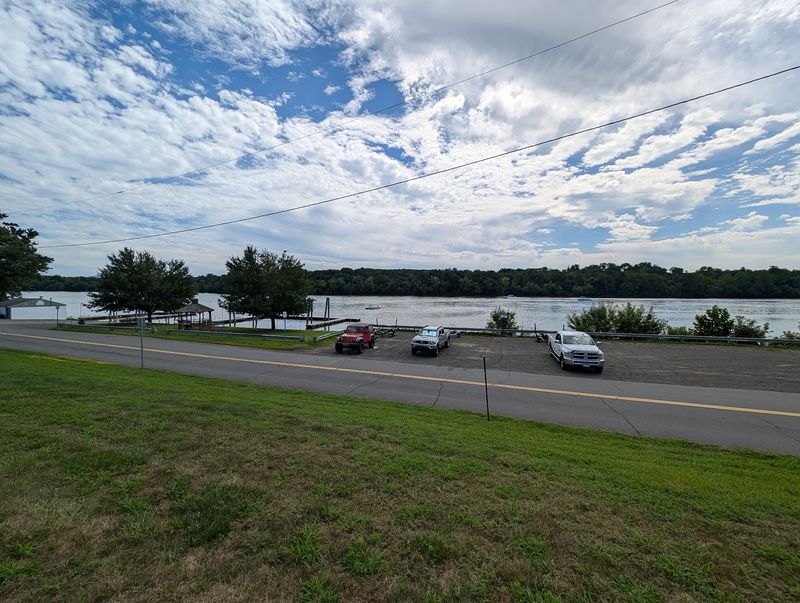
Underneath the Geer Street site, three Enbridge interstate natural gas pipelines already cross the property. That detail sits at the heart of the entire plan.
It’s also why Cromwell caught a developer’s eye.
Global Common wants to power the data center with on-site fuel cells. Those fuel cells would run on natural gas from the existing pipelines.
The company says this approach minimizes demand on the regional electric grid.
The developer also points to location. Cromwell sits in a strategic spot between New York and Boston.
Existing energy infrastructure plus that central position made the site attractive.
Residents still have questions, though. Many want clear answers about total electricity and water use.
Some aren’t convinced that on-site power removes every resource concern.
That’s a healthy kind of skepticism. Big energy claims deserve plain explanations that ordinary people can understand.
Asking how much water cooling requires is a perfectly reasonable question.
Fun fact: the town itself is named after Oliver Cromwell, the Lord Protector of England. Centuries later, his namesake town is now debating a very modern kind of power.
6. Town Leaders Decided Tax Breaks Should Stay Off The Table
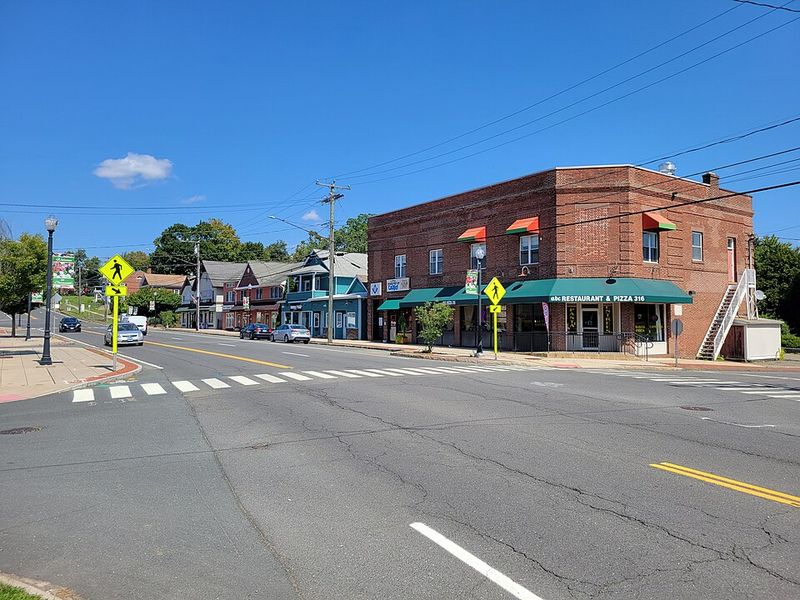
On November 18, 2026, the Cromwell Town Council voted unanimously on a bold step. Members sent a draft ordinance to a public hearing.
It would prohibit local tax abatements and other property-tax incentives for data centers.
That vote followed an earlier setback for opponents. In September, the Planning and Zoning Commission rejected a one-year moratorium on data center applications.
The vote was 5 to 2.
The council didn’t stop at local rules. It authorized two letters calling for action at the state level.
One asks lawmakers to repeal or amend Public Act 21-1, a state law offering tax incentives to data centers.
The second letter supports a statewide moratorium on data center development. That moves the Cromwell fight onto a much bigger stage.
Other towns may be watching closely.
A six-month moratorium specific to Cromwell was also scheduled for discussion on December 3. Each meeting adds a new twist.
Curious how local government really works? This is a great example.
Commissions, councils, and state lawmakers all have different powers, and residents can speak to each one.
7. Lower Electric Bills And Big Tax Money Make The Other Side Of The Pitch

Cutting household electric bills by nearly half sounds almost too good to skip. That’s the promise behind Global Common’s proposed Community Power Program.
It would use project revenues to eliminate electricity supply charges for participating Cromwell households.
The company says that could reduce total electric bills by nearly 50 percent at full development. It also projects more than 8 million dollars a year in municipal revenue.
That could make the project Cromwell’s largest taxpayer.
Jobs are part of the pitch too. The developer expects hundreds of construction jobs.
It also projects 75 to 125 permanent, high-skilled positions.
Global Common says more than 70 percent of the site would stay undeveloped. That includes a proposed 20 acres of permanent farmland preservation along Geer Street.
CEO Bob Foxen has met with residents and invited them to tour the site.
Big promises deserve careful reading. Smart questions include who qualifies, how long benefits last, and what happens if plans change.
Those answers help people judge whether a deal truly fits their town.
Both sides now have clear arguments. Cromwell residents get to weigh them.
8. Every State Town Might Be Taking Notes From Cromwell Right Now
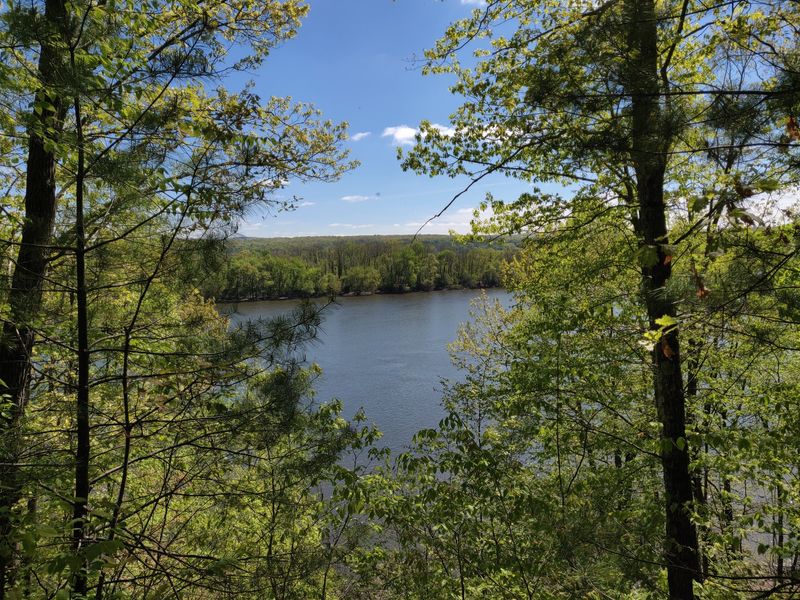
Cromwell sits in Middlesex County, along the Lower Connecticut River Valley. It’s a place of neighborhoods, parks, and schools.
Lately, it’s also become a case study.
Data centers are spreading quickly as demand for computing grows. Towns everywhere are trying to balance tax money against quality of life.
Cromwell’s debate captures that tension in one very local story.
Residents worry about property values and their quiet way of life. The developer offers revenue, jobs, and cheaper power.
Neither side is going away soon.
What stands out is how engaged this town has become. People signed petitions, packed meetings, and pushed for state-level change.
That kind of attention keeps decisions transparent.
If your town ever faces a similar proposal, Cromwell offers a useful playbook. Learn the zoning rules early and read every study.
Show up, ask clear questions, and keep things respectful.
The next chapters arrive in 2027 when Global Common plans to file its site plan. Hearings, noise maps, and votes will follow.