Step Inside This Connecticut Historic Mansion Where 19th-Century Family Life Has Been Frozen In Time
What did an ordinary day look like inside a wealthy family’s home more than a century ago?
It’s one thing to read about the nineteenth century, but walking through rooms filled with historic belongings offers a different perspective.
Suddenly, the past feels a little less distant.
Preserved rooms and family possessions make this Connecticut mansion an intriguing place to discover how earlier generations lived.
And the details can be surprisingly revealing.
Furniture, decorative objects, and personal belongings all offer clues about the people who once called the house home.
Some things might look familiar, while others remind you just how much daily life has changed.
Of course, no historic house can tell every part of a family’s story.
But seeing the spaces where people actually lived adds a human dimension that history books sometimes struggle to convey.
Even the smallest objects can spark curiosity.
1. A Peddler Built It, And His Family Never Let It Go
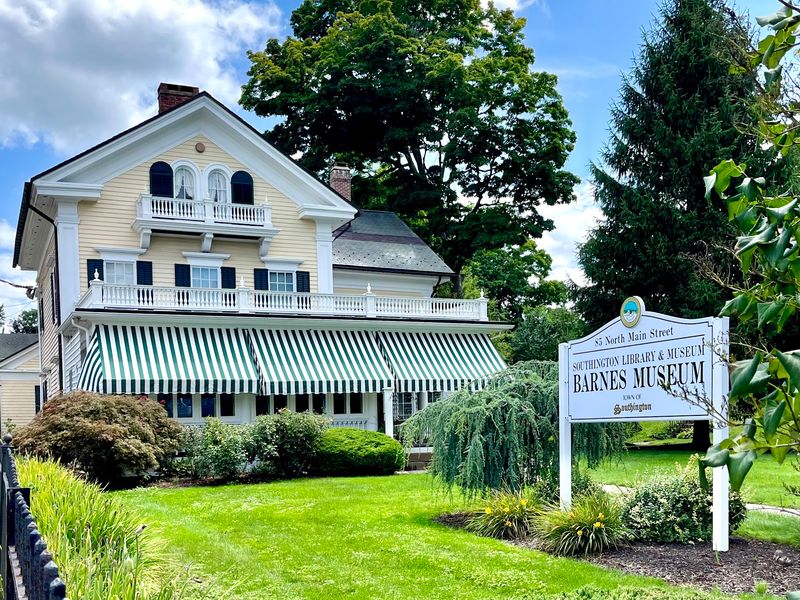
Back in 1836, a Southington entrepreneur named Amon Bradley built a six-room Greek Revival home with his wife, Sylvia. Today, that house is the Barnes Museum, and it holds one of the most complete family stories in Connecticut.
Amon worked as a Yankee Peddler, selling goods and building his fortune. Sylvia brought serious wealth to the marriage, too, inheriting 600 acres of land and money.
As the family prospered, the house kept growing. Six rooms slowly turned into seventeen, which feels like the 1800s version of adding a new wing every few years.
After Amon passed in 1906, his grandson Bradley Barnes inherited the property. Bradley was born in 1883 and lived in the house until 1973.
He earned the nickname of the richest man in Southington. That title came from his family’s business ventures and his own smart investments.
Here’s the generous twist. Bradley left the homestead and everything inside it to the Town of Southington.
He asked that it run as a museum under the Southington Public Library’s Board of Directors. The doors opened to the public in 1975, and the family’s world has been waiting for visitors ever since.
2. Every Teacup And Top Hat Actually Belonged To The Family
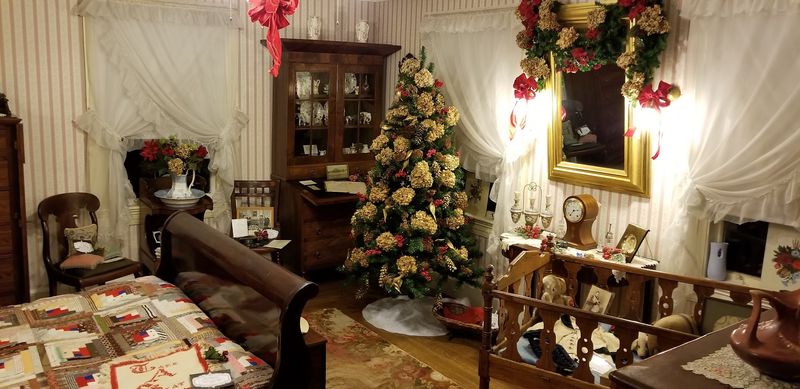
Some houses have a way of making the past feel surprisingly close. This one has a little secret.
Almost everything inside belonged to the people who actually lived there. No need to imagine how the rooms once looked because so much of the family’s world is still in place.
That’s what makes the Barnes Museum such an interesting place to explore.
Across 17 rooms, visitors can see belongings passed down through three generations of the Bradley and Barnes families. The collection includes antique furniture, artwork, and personal possessions from the Victorian and Edwardian periods.
One of the most interesting parts is seeing how the house changed over time. Bradley Barnes renovated it in 1910, bringing newer features into rooms that still held older family treasures.
That contrast makes the rooms feel especially personal. You can move from elegant Victorian furnishings to early 20th-century inventions and see how everyday life gradually changed.
The smaller belongings deserve just as much attention. Old photographs and pieces of clothing offer little glimpses into the family’s routines and interests.
What makes the visit memorable is knowing these objects have a genuine connection to the people who called the house home.
It’s family history told through the things they chose to keep.
3. Over A Thousand Goblets Means Somebody Really Loved Glass
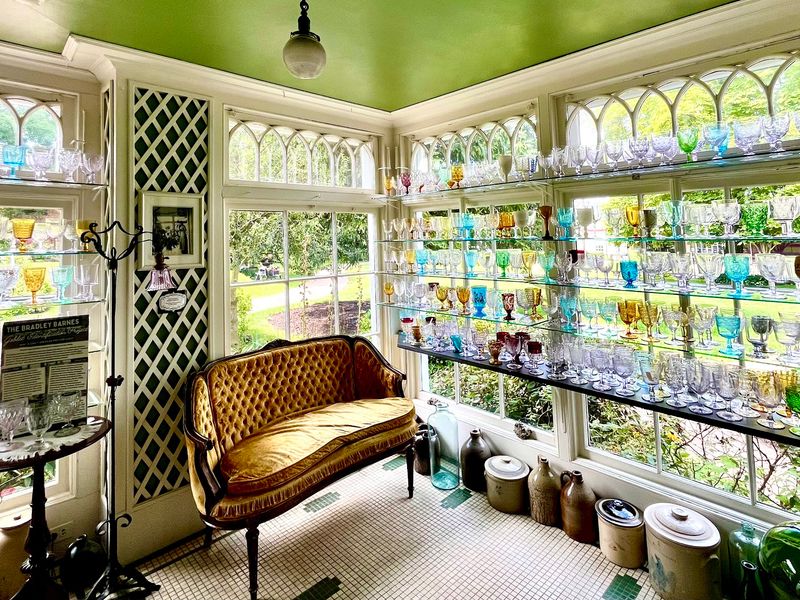
One thousand goblets. Let that number sink in for a second before you think about your own cupboard of mismatched mugs.
The Goblet Room at the Barnes Museum shows off one of the country’s largest collections of early American pressed glass. Shelf after shelf holds goblets that once belonged to the family.
Pressed glass was made by pushing hot glass into molds. That process created detailed patterns that looked fancy without costing as much as hand-cut crystal.
So these pieces tell a story about American homes and changing styles. They also hint at a collector who simply could not stop at a dozen.
Seeing them gathered in one room is a surprisingly dazzling sight. The patterns, shapes, and sizes vary more than you might expect from a single type of object.
Take a moment to compare a few designs side by side. Some feel delicate and simple, while others look busy and bold.
Kids might enjoy picking a favorite pattern as a mini challenge. Adults might start wondering where on earth all these goblets were stored before they had their own room.
Either way, this room is hard to forget.
4. Bradley’s Den Was The Original Man Cave
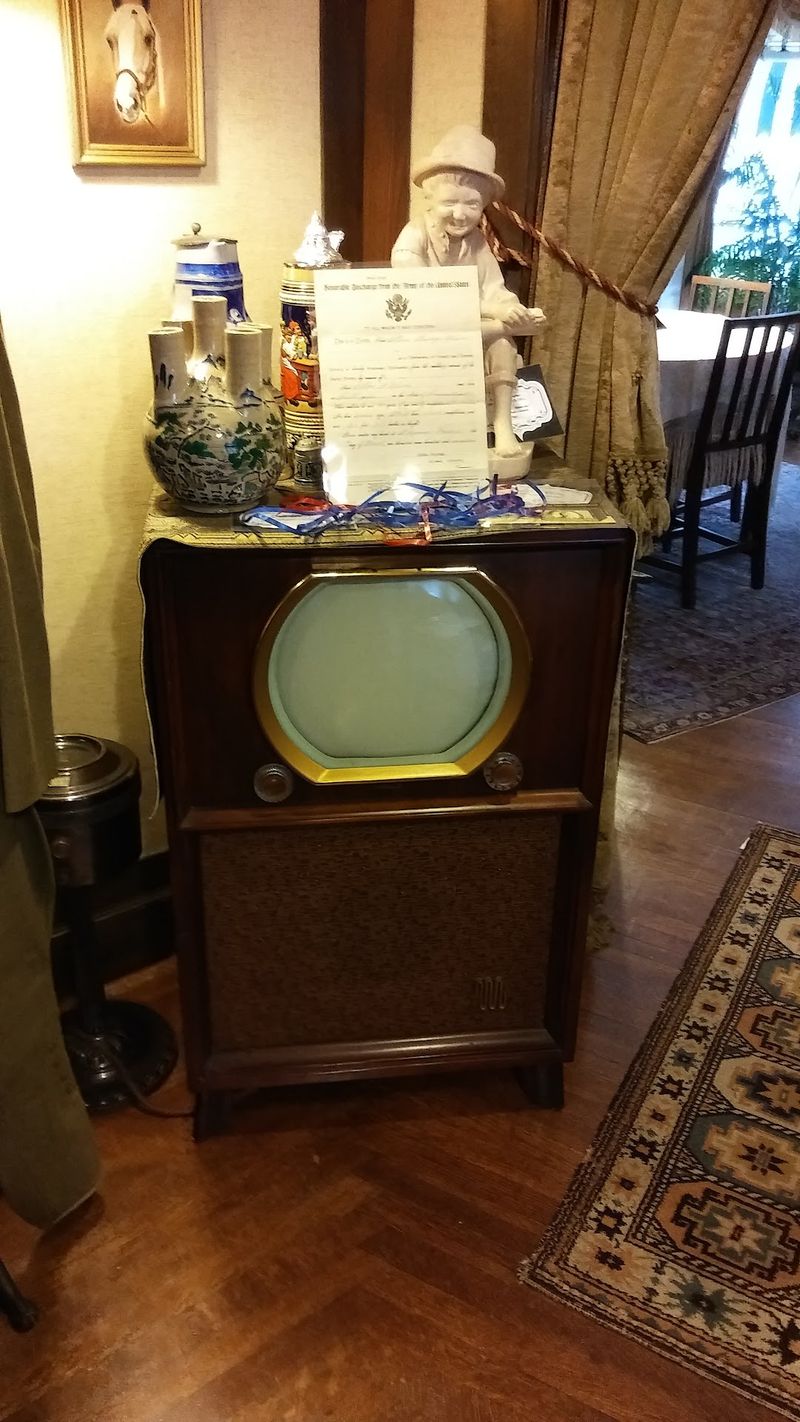
Every house needs one room where the owner can relax his way. For Bradley Barnes, that place was his den.
Some folks call it the man cave, and the nickname fits. It holds one of Southington’s first televisions, dating back to 1949.
Think about how new that technology was at the time. A TV set in a house built in 1836 shows just how much the family’s world changed.
The den also features a rare lamp made with uranium glass and jadeite. Those greenish glass styles were popular in their day and still catch collectors’ eyes.
Bradley clearly liked innovation. The museum keeps a range of clever mechanisms he collected, showing off advances from his lifetime.
I like how this room makes him feel human. He wasn’t just a wealthy name on a deed.
He was a guy who wanted the newest gadgets and a comfy place to enjoy them. Honestly, that sounds pretty familiar today.
When you visit, compare the den to the more formal rooms nearby. The contrast says a lot about how private spaces and public spaces worked in this home.
5. A Kitchen That Still Works Is Seriously Impressive
Here’s a fun fact for anyone whose fridge quit after ten years. The kitchen at the Barnes Museum has a 1942 General Electric refrigerator that still works.
It sits in the same space as a working Glenwood dual-fuel stove. Together, they make the kitchen one of the most relatable rooms in the house.
Fancy parlors are nice to look at. Kitchens, though, show how a family actually lived each day.
Meals were planned, cooked, and stored right here. The appliances help you understand what daily chores looked like during the family’s later years.
A dual-fuel stove could use more than one fuel source. That flexibility was handy in an era when homes were moving toward modern energy.
Kids may get a kick out of comparing this setup to their own kitchen at home. Ask them to spot what’s missing, like a microwave.
For grown-ups, the room sparks a different reaction. These machines were built to last, and they clearly did.
It’s a small reminder that the past wasn’t just old. Sometimes, it was surprisingly well made.
6. Listen Closely When The 1914 Steinway Starts Playing
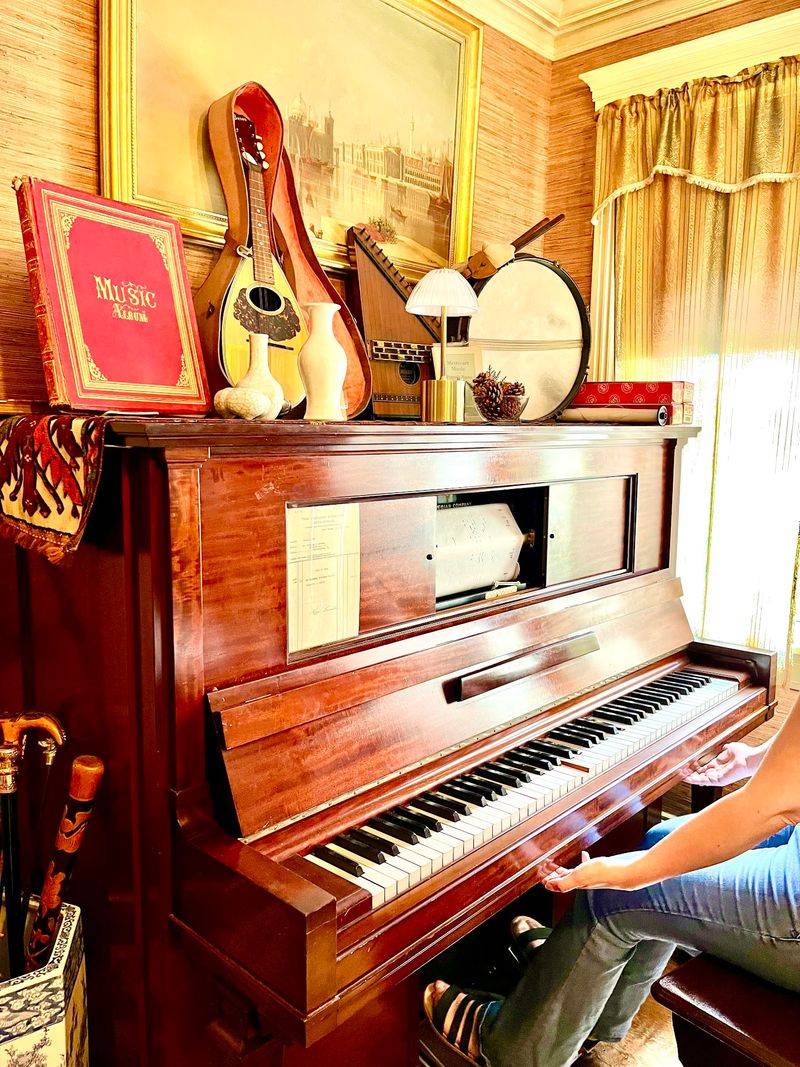
Old houses are usually quiet. This one has a soundtrack.
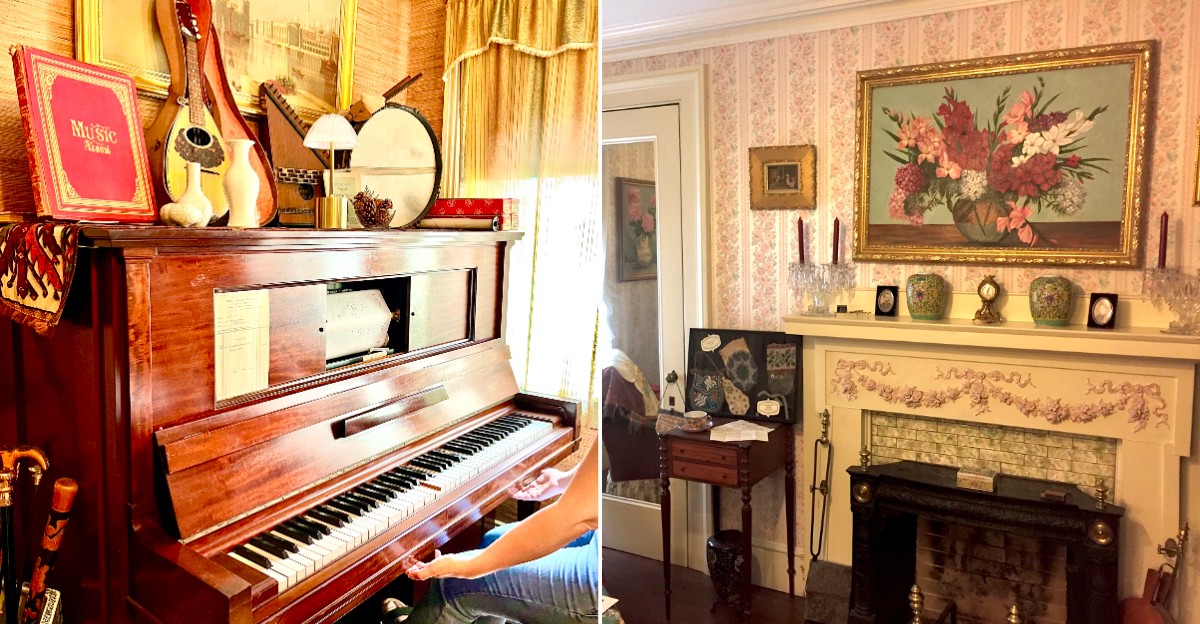
A 1914 Steinway player piano still works, and visitors can hear it during a visit to the Barnes Museum. It’s one of the moments that makes the house feel alive again.
Player pianos read music from rolls of punched paper. The holes tell the piano which keys to play, almost like an early computer program.
Before radios were common, these pianos brought music into homes. A family could enjoy a song without anyone practicing scales for years.
Hearing it in person adds something photos never could. The music fills rooms that once heard the same notes over a century ago.
Watch the keys move on their own if you get the chance. It looks a little magical, even when you know how it works.
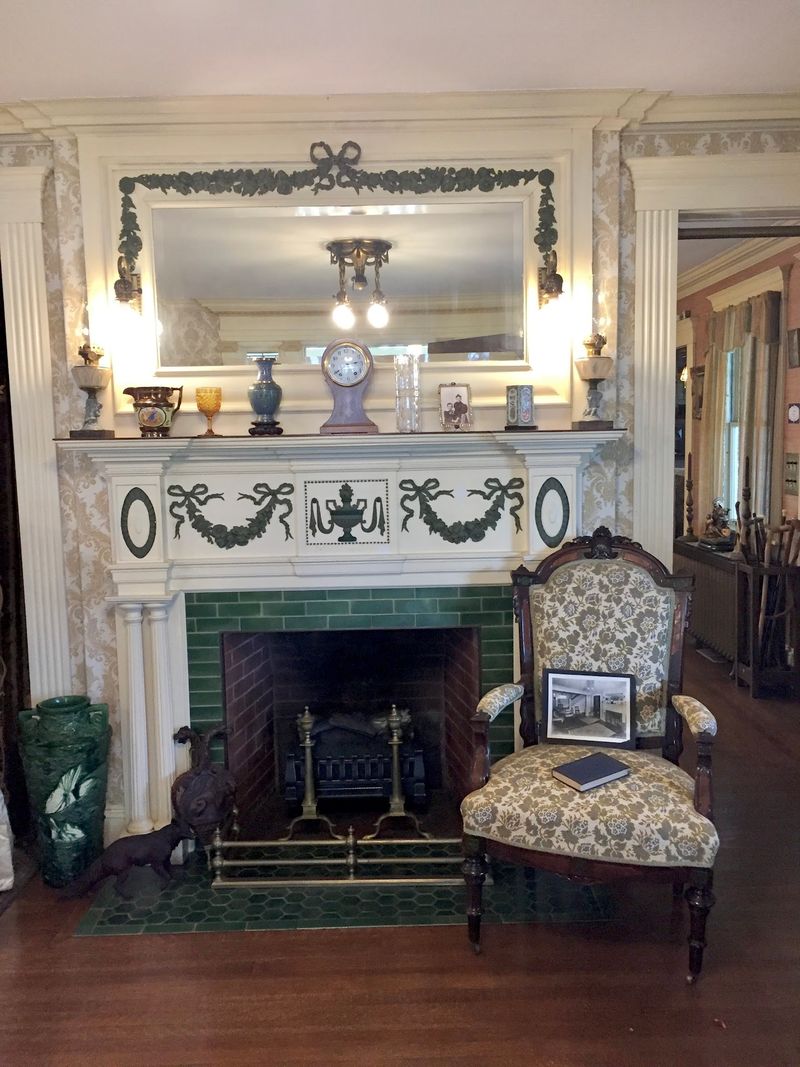
Nearby, the living room has its own treasures. The main mantel dates to an 1870 renovation and holds a clock made by local artisan Joel Lane.
Between the piano and the clock, this part of the house is all about time and rhythm. Fitting, for a home that seems to have paused.
7. Forty-Seven Diaries Spill The Family’s Daily Secrets
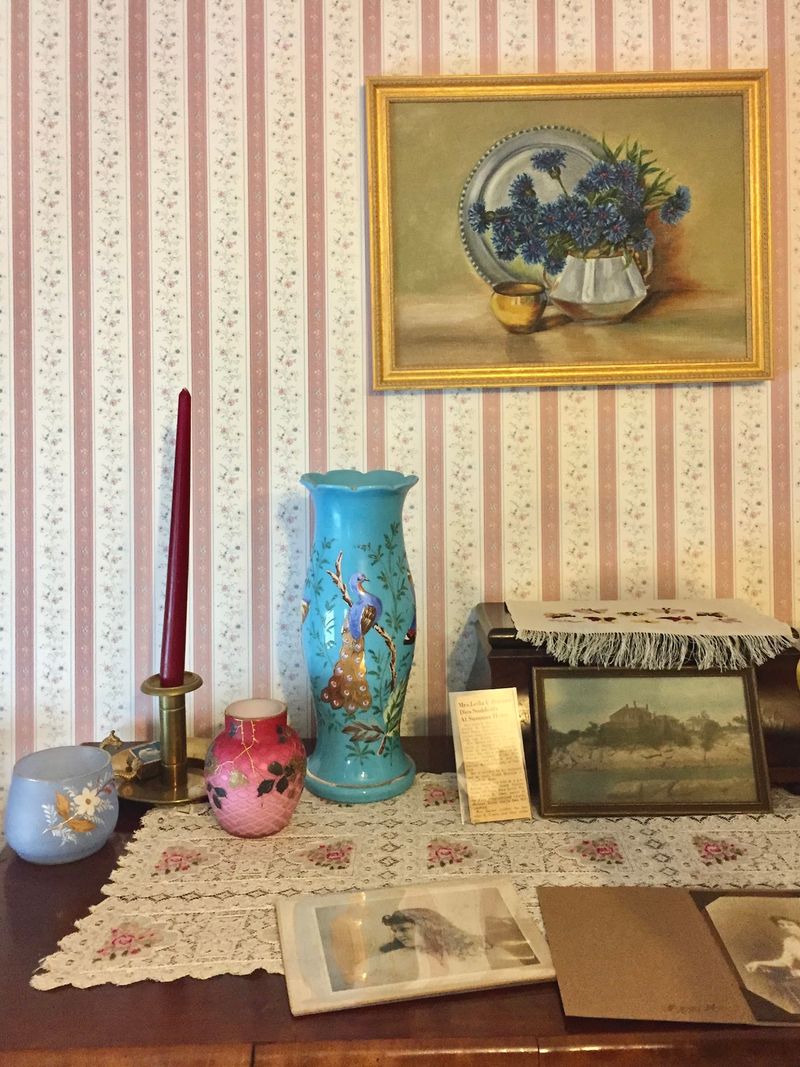
Most of us can’t keep a journal going past February. The Bradley and Barnes families filled 47 diaries, recording almost every day.
That archive is a huge part of what makes the Barnes Museum special. It turns objects into stories.
The collection also includes Civil War letters, family photographs, and other historic treasures. Together, they show how one family lived through major moments in American history.
Daily diaries capture things history books skip. Weather, visitors, chores, and errands all paint a picture of ordinary life.
The house also carries a more mysterious tale. In the master suite, Bradley Barnes allegedly sealed his wife’s room for 20 years after her passing.
Nobody can fully explain a choice like that from the outside. Still, it hints at deep feelings hidden behind a wealthy family’s polished image.
The textiles add even more personality. Victorian gowns, top hats, and button-laced boots show how the family dressed for daily life and special events.
I believe these personal pieces are why the house feels so close. You’re not just learning history here.
You’re getting to know people.
8. Small Guided Tours Mean You Can Ask Everything
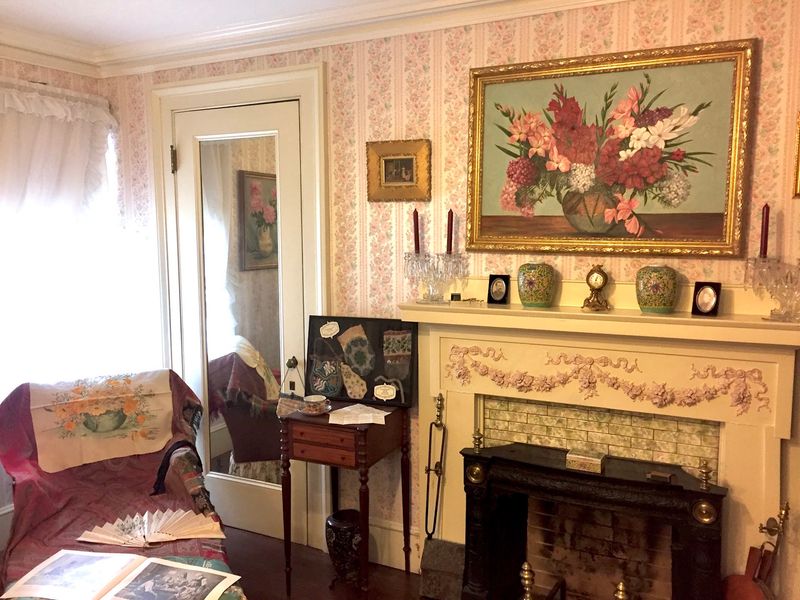
Forget wandering around with a crowd of strangers. Every tour at the Barnes Museum is guided, and groups are limited to six people or fewer.
That small size makes a big difference. You can actually hear the guide, and asking questions won’t feel awkward.
Regular hours run Wednesday through Friday, from 1 to 5 PM. The last guided tour leaves at 4 PM, so plan to arrive with time to spare.
Need a different day? Tours can be arranged by appointment Monday through Saturday, and private tours are available too.
Same-day tours can be set up by calling the museum directly. Larger groups should reach out ahead of time so staff can plan.
Admission is budget-friendly, with lower rates for seniors and students. Children under 5 get in free, and so do Southington Public Library cardholders.
That library perk makes sense, since the library’s board guides the museum. It’s a nice bonus for locals who already carry a card.
One tip: bring your curiosity and a list of questions. A tiny group is the perfect chance to dig into whatever room grabs you most.
9. Save Time For The Garden And The Walk Around Town
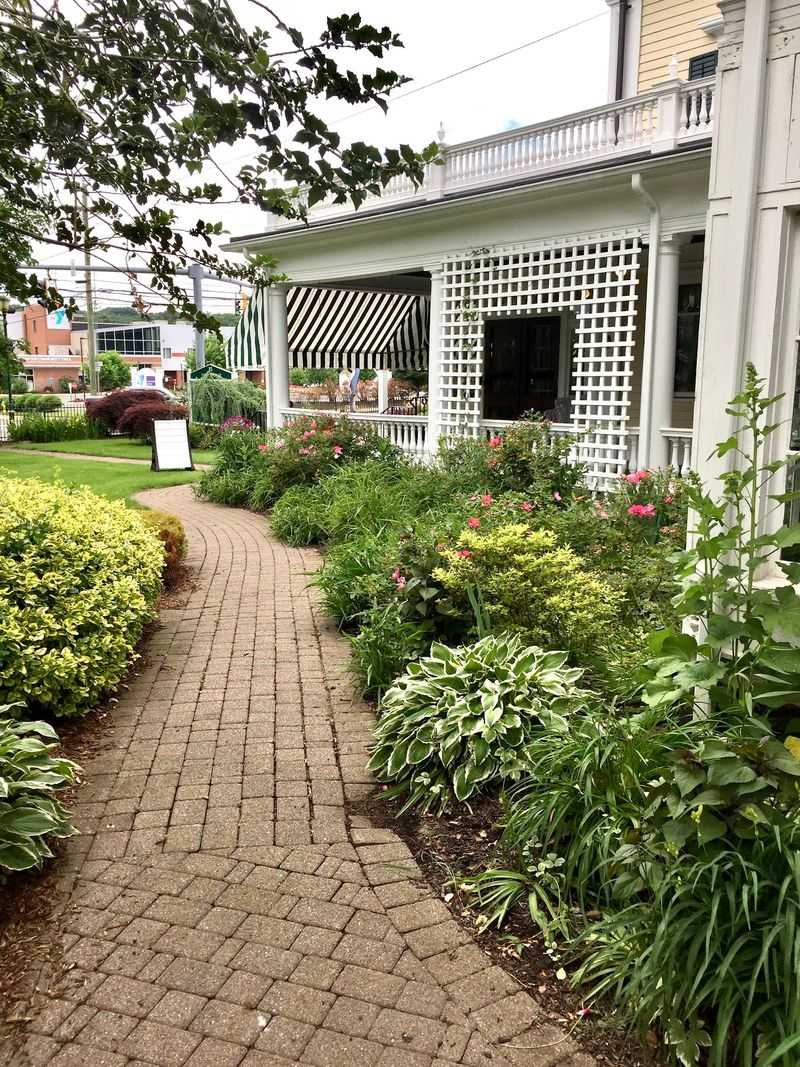
Who knew a little garden could make a history lesson even better? After exploring rooms filled with generations of family belongings, a quiet moment outdoors feels like the perfect way to finish.
The garden has its own connection to the property’s past. It’s more than a pleasant patch of greenery, and its preservation matters just as much as the historic house.
At the Barnes Museum, caring for the gardens and grounds is part of a larger effort to protect the family’s homestead, collections, and archives for future generations.
The museum also helps visitors understand Southington’s history through original artifacts and documents.
There’s plenty of local history behind this property. What began as a modest six-room home eventually expanded into a 17-room residence belonging to one of the town’s prominent families.
Their business activities and contributions to the community remain an important part of the story.
The museum stands at 85 North Main Street, Southington, CT 06489, with a parking lot available for visitors.
Before leaving, spend a little time enjoying the grounds and looking back at the house.
It’s interesting to think how much changed here over the years, especially knowing the entire story began with a much smaller home.