Step Inside A Connecticut Museum Where You Can Try A WWII Assembly Line And Experience Everyday Life From Centuries Past
How long do you think you’d last working on a World War II assembly line?
I’d be interested to find out, although I suspect the experience would give me a whole new appreciation for the people who did it every day.
Getting actively involved in an exhibit makes history feel much more immediate than simply reading information displayed beside an artifact.
Rather than keeping the past behind glass, a Connecticut museum encourages visitors to engage with history through interactive experiences.
The wartime activity is only part of the story, with other exhibits offering insights into how ordinary people lived during different periods.
It’s fascinating to consider how much effort once went into tasks we barely think about today.
And who knows? You might leave feeling particularly grateful for some of those modern conveniences you’ve always taken for granted.
1. Clock In And See If You Can Keep Up On The WWII Assembly Line
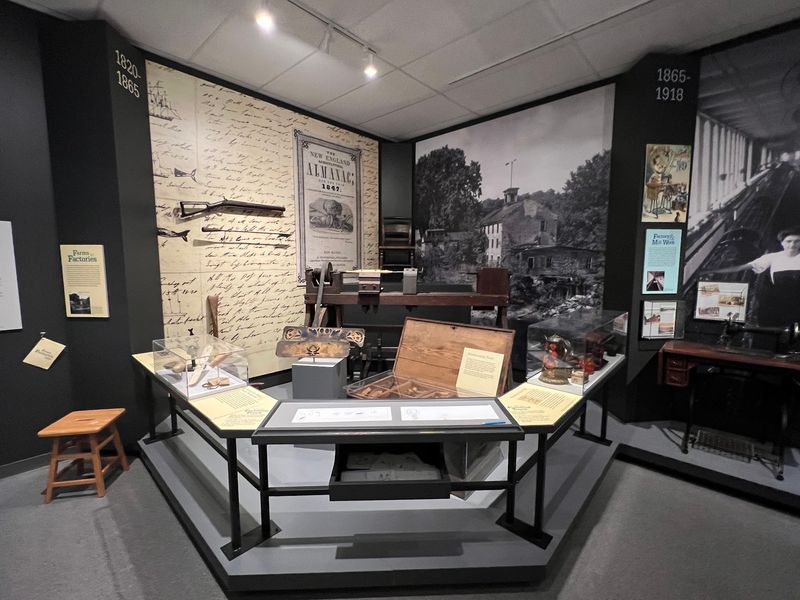
How fast could you work on a 1940s factory floor? Here’s your chance to put those skills to the test.
Keeping up with an assembly line takes more concentration than you might expect. Things get particularly entertaining when family members start competing against each other.
Inside the Connecticut Museum of Culture and History in Hartford, visitors can experience a hands-on activity inspired by wartime manufacturing.
The assembly line forms part of the permanent Making Connecticut exhibition, which explores more than four centuries of local history.
During World War II, factories across the state played an important role in supplying the country. Many women joined the industrial workforce, taking on manufacturing jobs that required precision and teamwork.
Having a go at the assembly line yourself puts those historical photographs into an entirely different perspective.
Children might enjoy challenging their parents to see who can get the hang of the process first. Switching roles and trying again could make the experience even more entertaining.
Allow yourself plenty of time to explore the surrounding displays, too. The exhibition offers fascinating glimpses into everyday working life throughout different periods of history.
It’s the kind of museum experience that can get children talking about history long after the family ride home.
2. Two Kitchens, Two Centuries, And One Very Important Dinner Table
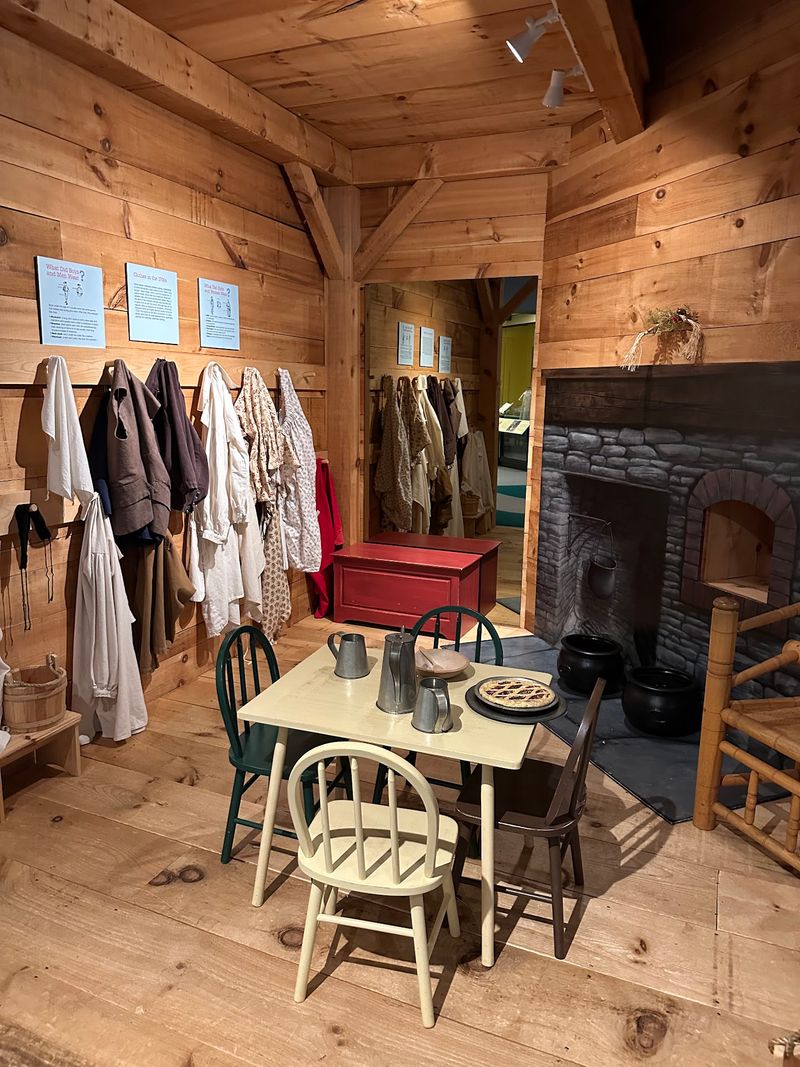
Cooking dinner looks pretty different depending on the century. Inside the Making Connecticut exhibit, you can cook and set a table in both a colonial kitchen and a 1980s kitchen.
That pairing is pure genius. You get to compare an open hearth world with a time of chunky appliances and bold colors.
Kids especially enjoy the pretend cooking. Dressing up in colonial clothes is part of the fun here too, so plan for some playful role switching.
Grownups get a sneaky lesson as well. Setting a colonial table makes you think about who did the chores and how long they took.
The 1980s kitchen may spark a few laughs from parents. Some of those details might look a little too familiar for comfort.
Try asking your kids which kitchen they would rather live with. Their answers can lead to great talks about how families ate, worked, and spent time together.
I like how this space turns ordinary routines into history. Interactive activities like these offer an engaging alternative to learning from a textbook.
3. Stencil A Chair, Sew A Moccasin, And Keep The Mill Running
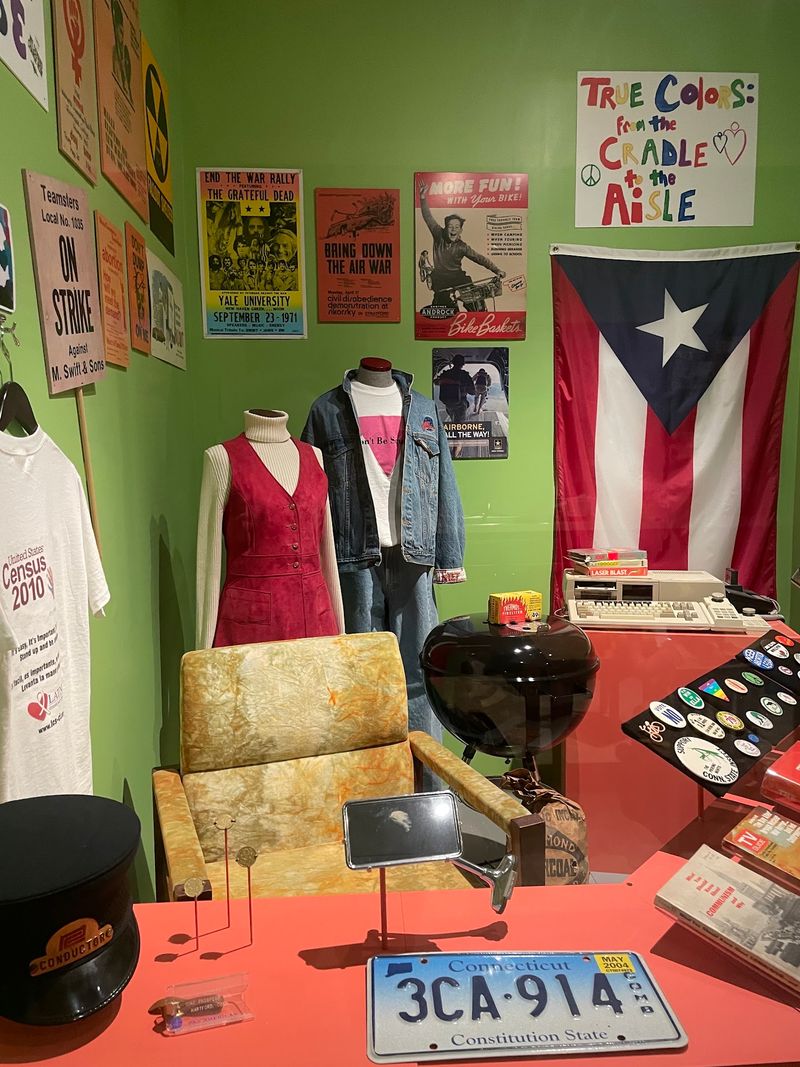
Bobbins, stencils, and moccasins all wait for busy hands at this museum. Each activity lets you try a real task from state’s past instead of just reading about it.
Hand stenciling designs for a 19th-century chair is a creative favorite. Decorated chairs were a big deal in that era, and you get a taste of the patient work involved.
Sewing a Native American moccasin brings a different story forward. It reminds visitors that people lived and created here long before colonists arrived.
Then there’s the textile mill challenge. You replace bobbins, which was a steady job that kept huge mill machines humming along.
Each station feels small, but together they paint a big picture. You see how art, home life, and industry all shaped everyday living.
My tip is to slow down here. These activities reward patience, and rushing makes them feel like checklists instead of experiences.
Bring the curious kid who asks how things were made. This corner gives answers they can actually feel with their own fingers.
4. Four Centuries Of Stories Fit In One Gallery Adventure
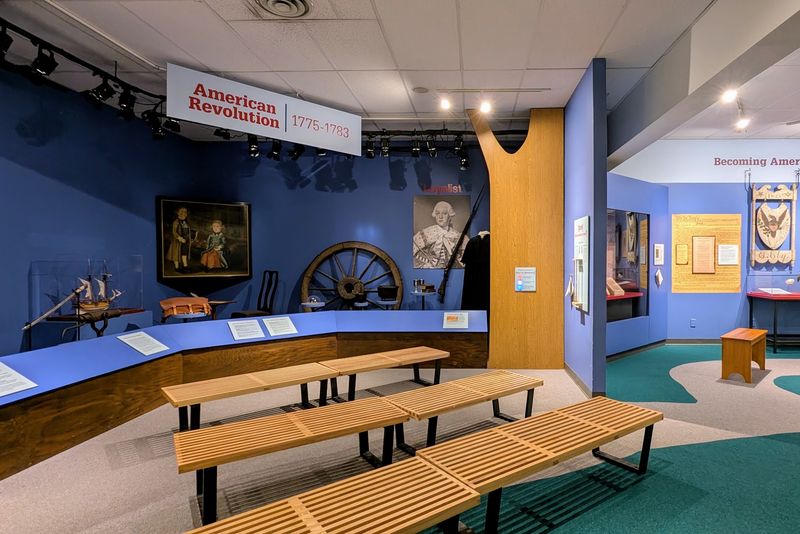
More than 400 years of history sounds like a lot to squeeze into one visit. Making Connecticut pulls it off with a smart mix of objects, stories, and interactive stations.
This permanent exhibit is the heart of the Connecticut Museum of Culture and History. It covers Native communities, colonial life, the American Revolution, factories, and modern times.
The best part is how personal it feels. You follow ordinary people, not just famous names, through jobs, homes, and big changes.
Families can bounce between reading and doing. Younger visitors get plenty to touch, while older ones can explore primary sources and deeper details.
Plan for real time here if you want the full experience. Rushing through four centuries is like speed-reading a great novel.
I believe this exhibit works because it trusts visitors to think. It asks you to notice how choices from long ago still shape the state today.
Start here on your first visit. Everything else in the museum makes more sense once you’ve walked through this timeline.
5. These Old Painted Signs Might Be The Coolest Billboards You’ll Ever See
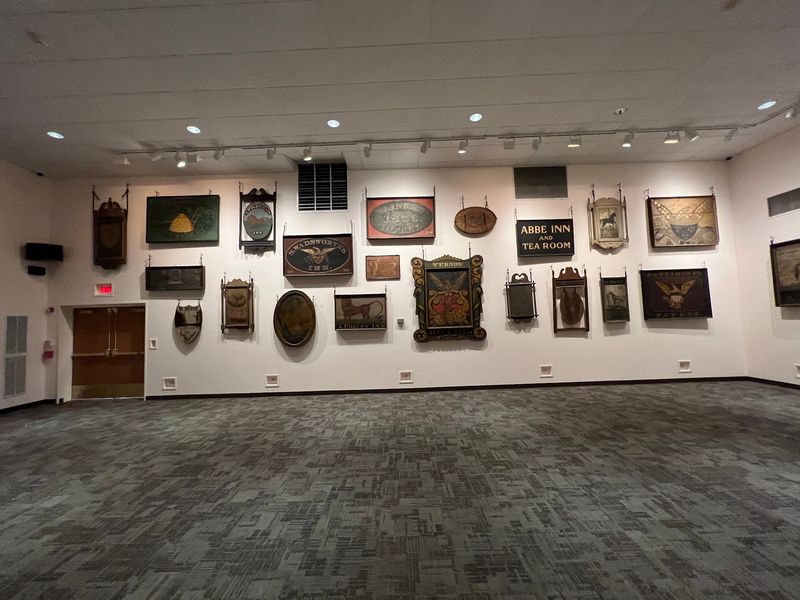
Long before neon and phone maps, travelers looked for painted wooden signs. The museum shows off more than 60 inn and tavern signs made between 1750 and 1850.
That collection is considered the largest and most spectacular in the country. Yes, the whole country, which gives this gallery some serious bragging rights.
Each sign worked like an early advertisement. Bold pictures helped travelers spot a place to rest, eat, and catch up on news.
Look closely at the artwork. Eagles, symbols, and lettering reveal what mattered to people and how they wanted to welcome strangers.
Some signs show their age with faded paint and worn edges. Those marks are part of the charm because they survived years of weather and road traffic.
Kids can play a quick game here. Have them design their own sign for your family and see what symbol they choose.
Art lovers and history fans both find something to enjoy in this room. It’s proof that good design never really goes out of style.
6. An Inventor’s Stone Mansion Became The Museum’s Home
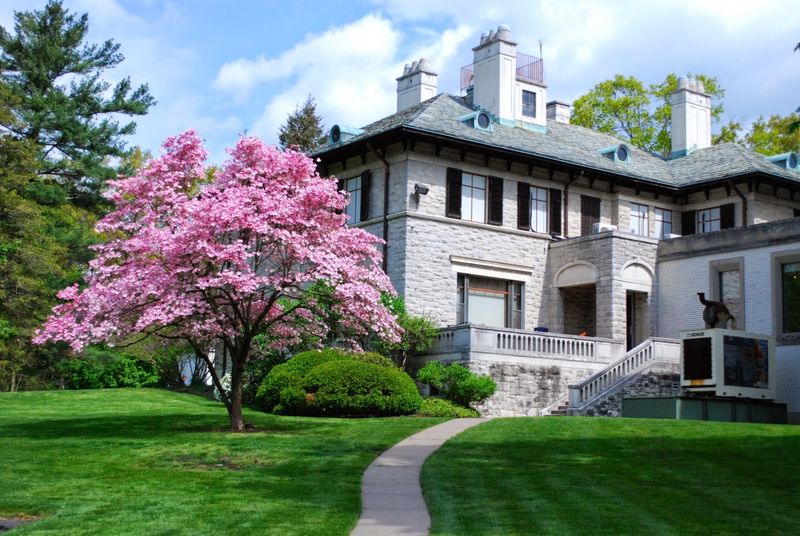
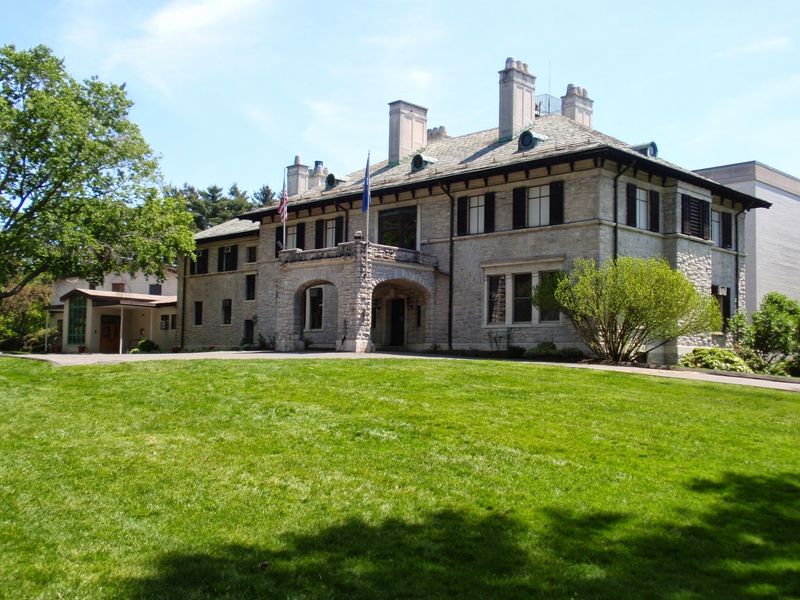
Even the building belongs in a history exhibit. Long before visitors came here to explore the past, an inventor enjoyed the comforts of this handsome stone mansion.
Curtis H. Veeder was its original owner, and his former home still makes quite an impression.
The slate roof and elegant entrance give the property plenty of character.
Today, the mansion houses the Connecticut Museum of Culture and History, an organization with a fascinating history of its own.
Founded in 1825, the society spent more than a century in other quarters before purchasing the Veeder family property in 1950.
Over the following decades, additions created more room for exhibitions and historical collections. Former bedrooms became galleries, although recognizable details from the family’s time here remain.
Interestingly, the mansion originally featured its own elevator and even a private car wash, rather impressive luxuries for a house completed in 1928.
The organization adopted its current name in 2023, reflecting its broader cultural and educational role.
The property covers 7.4 acres at One Elizabeth Street, Hartford, Connecticut 06105, in the city’s historic West End.
Give yourself a little extra time to appreciate the architecture before exploring the exhibits. Even the grand staircase offers an interesting glimpse into how the original family lived.
7. Four Million Treasures Are Hiding Behind The Scenes
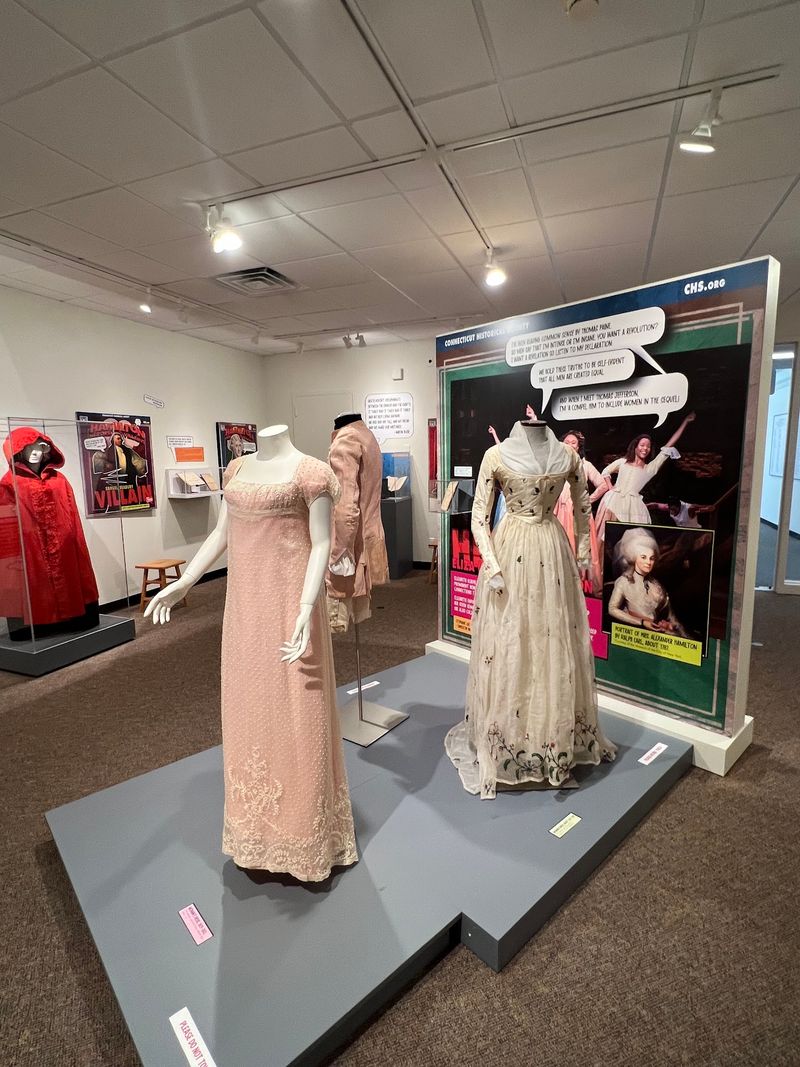
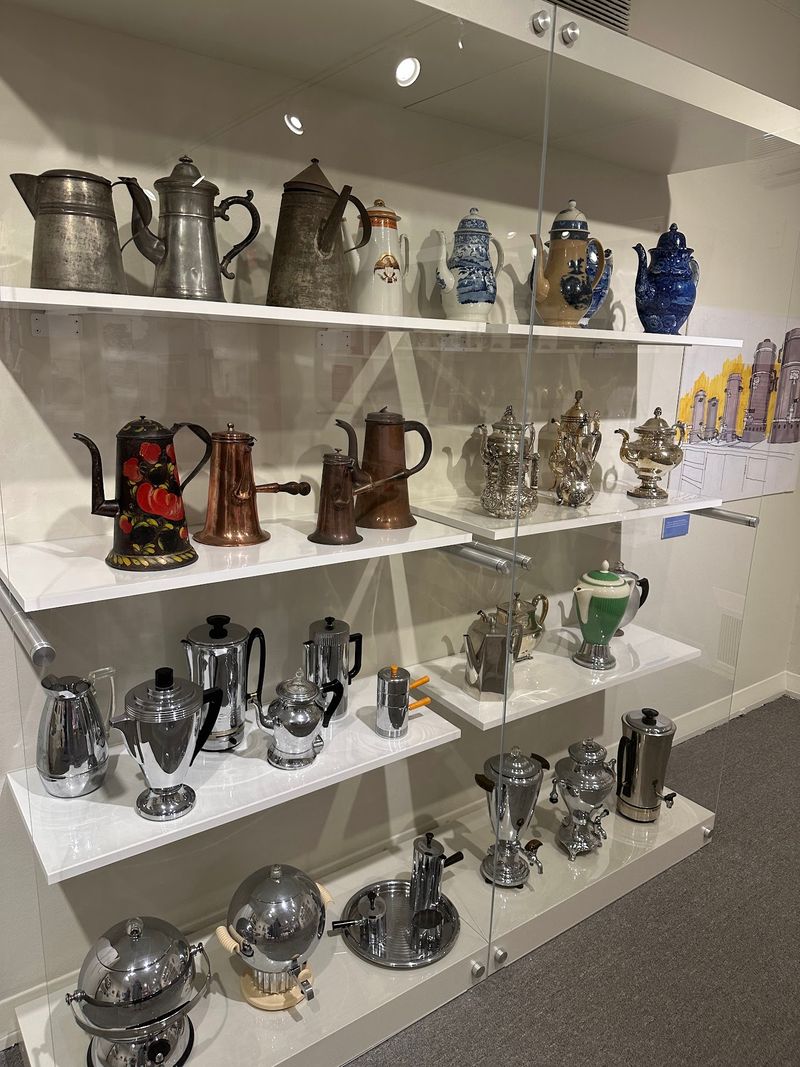
Four million manuscripts, graphics, books, and artifacts live in this collection. That number is hard to wrap your head around, so think of it as state’s attic times a thousand.
Roughly 300,000 artifacts and graphics fill the shelves. More than 100,000 books and pamphlets join them, covering centuries of local life.
Fashion fans should know about the costume and textile holdings. They rank among the largest in New England, which is impressive for a single museum.
Curious researchers can visit the Edgar F. Waterman Research Center.
It’s open by appointment, so plan ahead before you show up with questions.
Genealogy hunters often love places like this. Old records can help you connect family names to towns, jobs, and events.
Students working on projects might find a gold mine here too. Primary sources make reports stronger and a lot more interesting to write.
The galleries show only a slice of what the museum keeps. Knowing that makes every display feel like a peek through a much bigger door.
8. Your Wallet Will Love The First Full Weekend Of Every Month
Free history is the best kind of history. The museum galleries and Inspire Center are free on the first full weekend of each month.
That makes a great excuse for a family outing. You can try the hands-on stations without worrying about the budget.
Families with a SNAP EBT card also get free admission. I love that this museum makes room for everyone who wants to explore.
The Inspire Center is a calm space where kids can create and play. It’s a nice break after a busy round through the main exhibits.
Free weekends may draw more families, so arriving early can help. You’ll get more room at popular stations that way.
Many libraries also offer museum passes. It’s worth asking your local branch if you want another way to save.
Parking is free and plentiful on site, which is always a relief in a city. One less thing to stress about means more energy for exploring.
9. A Few Smart Tips Before You Head To Hartford
Timing your trip well makes a big difference. The museum usually opens Tuesday through Saturday at 10 am, with Sunday hours starting at noon.
Mondays are closed, so skip those for this outing. Hours can shift, so check the latest schedule before you leave home.
Give yourself at least two hours. Many families find that the hands-on stations keep everyone busy longer than expected.
The museum provides wheelchair access, accessible parking, and accommodations for visitors with various accessibility needs. Bus parking is available too, making school and group trips easier.
Guided tours and group visits can be arranged. A museum educator can add stories you might miss while exploring on your own.
Save a few minutes for the gift shop on your way out. It’s a fun way to end the visit and remember your time travel adventure.
The Connecticut Museum of Culture and History packs a lot into one stop. Bring curiosity and comfy shoes, because that assembly line rematch isn’t going to win itself.