A Rancher Spotted Bones Near Hagerman In 1928 And Over 200 Ancient Horses Came Out Of That Idaho Hillside
More than 200 ancient horses came out of a single hillside quarry here. That’s not a typo, and it’s not a herd you’ll find anywhere else on Earth.
These horses roamed millions of years ago, when this dry corner of Idaho held wetlands and grassland.
Today the same bluffs sit in sagebrush desert, and winter often dusts them with snow.
I like how the whole story starts with a rancher who simply noticed some bones in 1928.
The Smithsonian showed up the very next year. Scientists still treat the spot as one of the richest fossil sites of its age in the world.
You can’t dig here, and honestly, you don’t need to.
A small building nearby holds the bones, the casts, and the people who love explaining them. So what were those horses really like?
A Fossil Gateway Sitting Right Beside The Highway
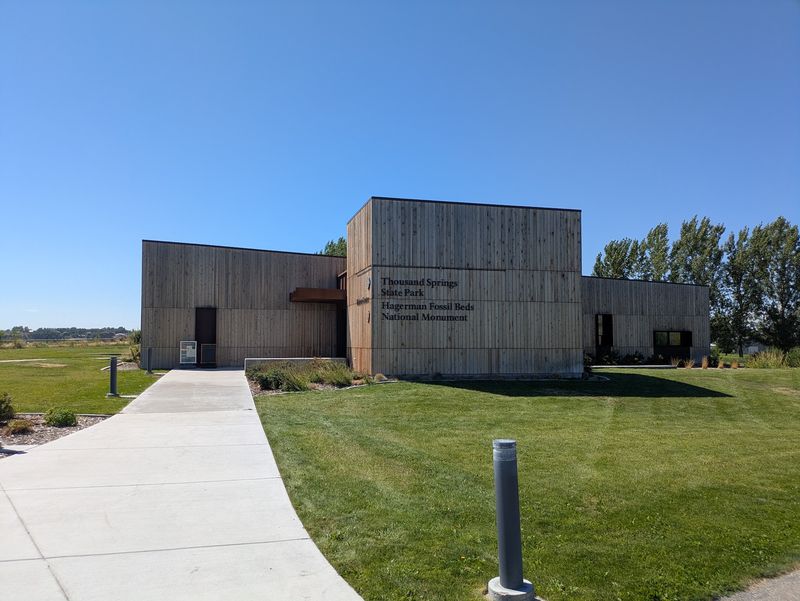
Two parks share one front door in southern Idaho, and that’s rarer than it sounds. The Visitor Center: Thousand Springs State Park and Hagerman Fossil Beds National Monument serves both a state park and a national monument.
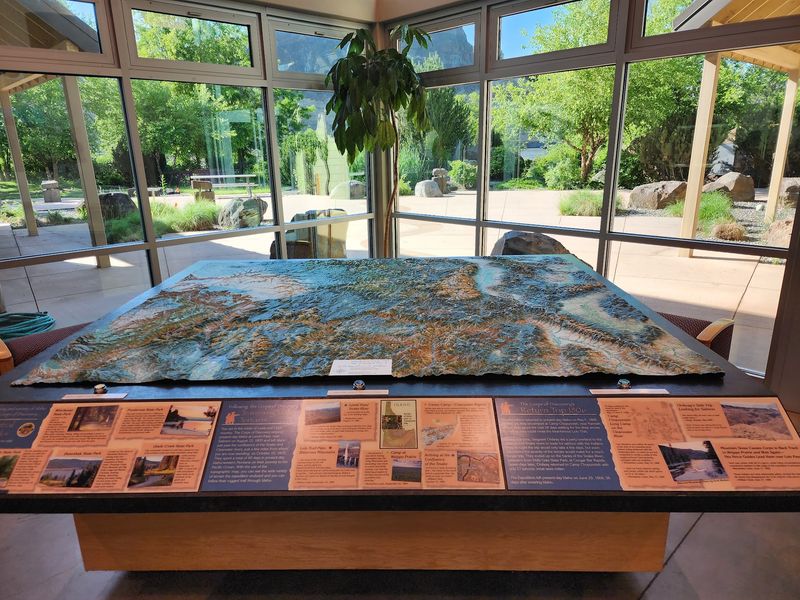
Inside, you’ll find exhibits on fossils, local history, and recreation across the area. Rangers representing both agencies work from the same building, so one stop covers a lot of questions.
The monument itself protects one of the world’s richest fossil sites from the Pliocene epoch. Those layers date back roughly 3 to 4 million years.
That’s old enough to make your family photo albums look brand new.
The center sits in the Magic Valley, along a scenic stretch near the Snake River. Thousand Springs State Park brings springs, river access, and history units into the mix.
The fossil monument brings the ancient horses and the bluffs where they were found.
Put together, the pairing works like a sampler platter for this corner of the state. You get deep time on one side and spring-fed water on the other.
Few places in Idaho let you cover millions of years and a riverside stroll before lunch.
The Rancher Who Spotted Bones In 1928
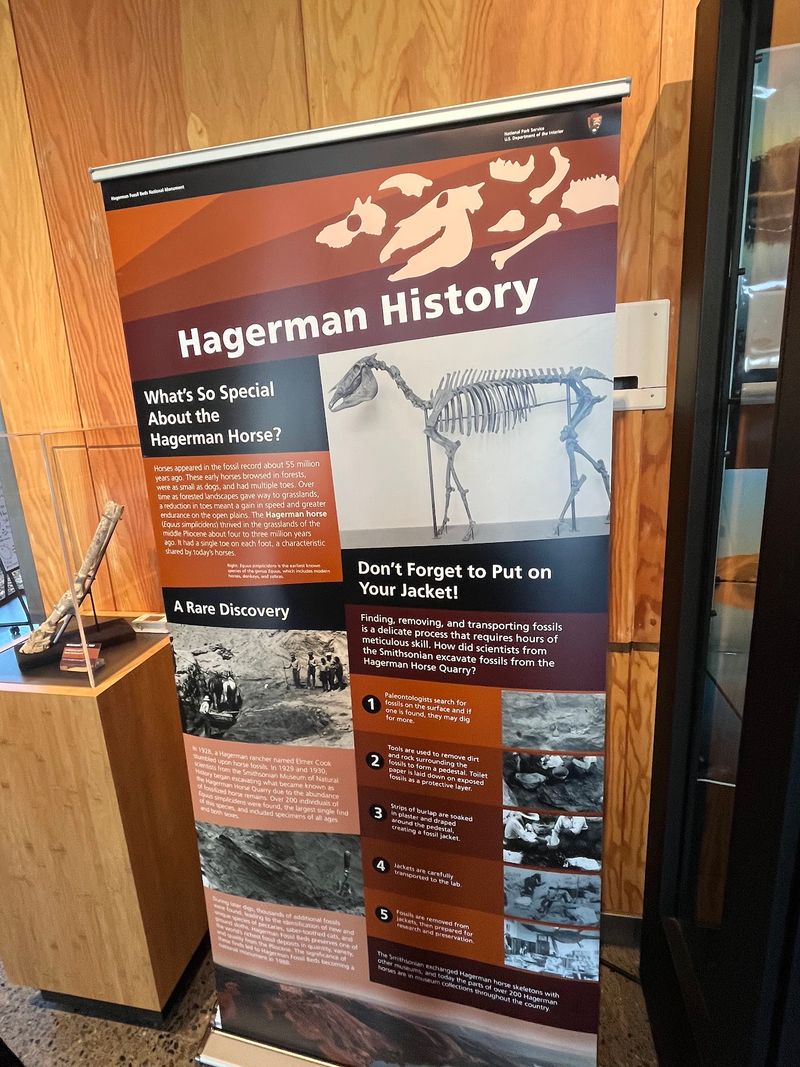
Elmer Cook was a local rancher, not a scientist. In 1928, he came across fossil bones in the bluffs near Hagerman and shared the find.
Word traveled fast for the pre-internet era. By 1929, the Smithsonian Institution had launched expeditions to excavate the site.
Those digs turned a quiet hillside into a place with international attention. The spot became known as the Hagerman Horse Quarry, and it lived up to the name.
Crews uncovered remains of more than 200 individual horses from that one quarry. Scientists dated the fossil layers to somewhere between 3.07 and 4 million years ago.
That gives researchers a detailed record of life during the Pliocene.
Recognition followed in steps. The area became a National Natural Landmark in 1975.
Then, in 1988, Congress established Hagerman Fossil Beds National Monument. The bones a rancher noticed now sit under federal protection.
I can’t help admiring that chain of events. One curious person paid attention, and a whole chapter of Idaho history opened up.
It’s a good reminder to look twice at odd rocks on your next walk.
Meet Idaho’s Zebra-Like State Fossil
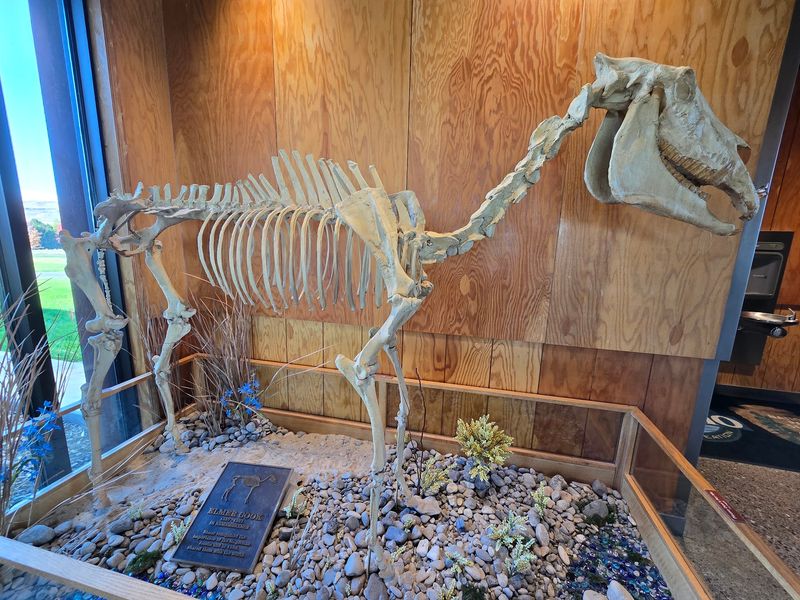
Equus simplicidens sounds like a spell from a wizard school. It’s actually the scientific name of the Hagerman horse, the star of this whole story.
The animal is often described as zebra-like in build. It’s also Idaho’s official state fossil, which gives it bragging rights few creatures can match.
The monument holds the largest known concentration of these horses. More than 200 individuals came from a single quarry site above the Snake River.
That number matters to scientists. With so many animals from one place, researchers can compare young and old, large and small, all from the same ancient population.
At the visitor center, a reproduction of a Hagerman horse skeleton helps you picture the real thing. Fossils and info panels fill in details about how these animals lived.
It’s a strange thought to hold. Herds once grazed where today’s highway traffic hums past the sagebrush.
Kids tend to latch onto that idea quickly. So do adults who grew up thinking Idaho’s story started with pioneers.
The Hagerman horse quietly rewrites that timeline by a few million years.
Wetlands Where The Sagebrush Grows Now
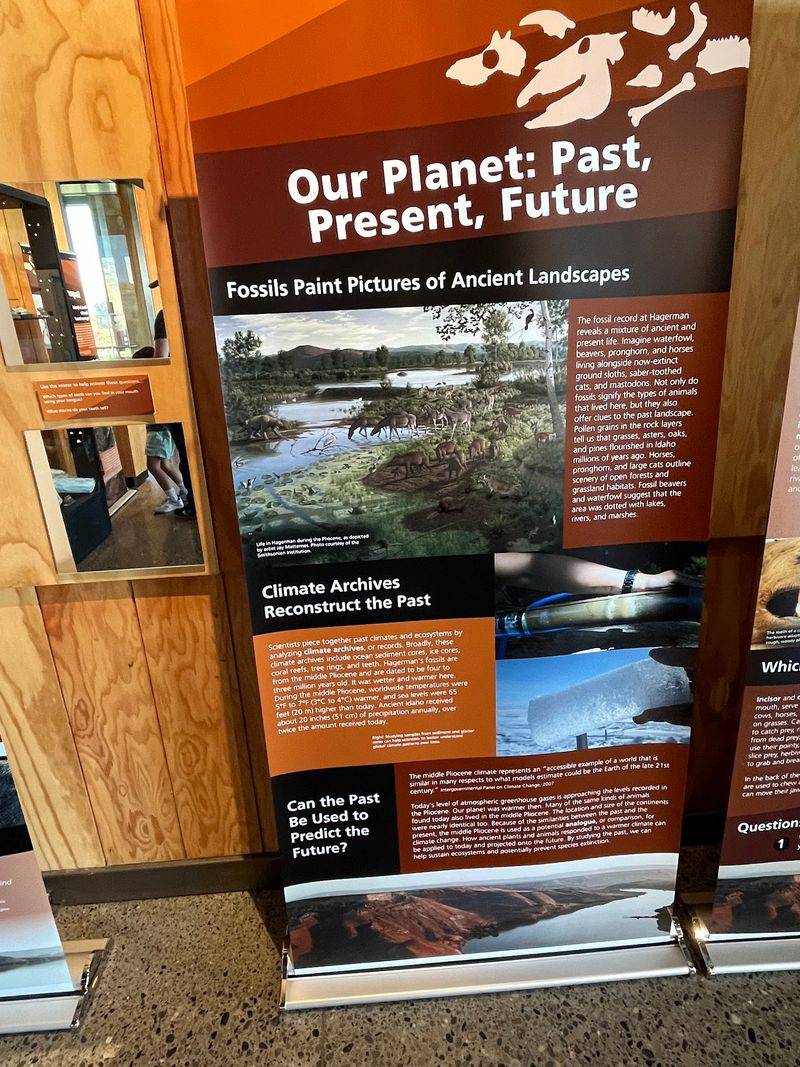
Today’s landscape around Hagerman reads as high desert. Open grassland, sagebrush steppe, and tan bluffs dominate the view.
Millions of years ago, the scene looked far greener. Lush wetlands spread across the area, and a range of animals thrived there.
That contrast is one of the most fun parts of a visit. You stand in a dry place and learn it once supported a busy, watery ecosystem.
Exhibits explain how scientists piece together those ancient environments. Fossil clues help them figure out which plants and animals lived side by side.
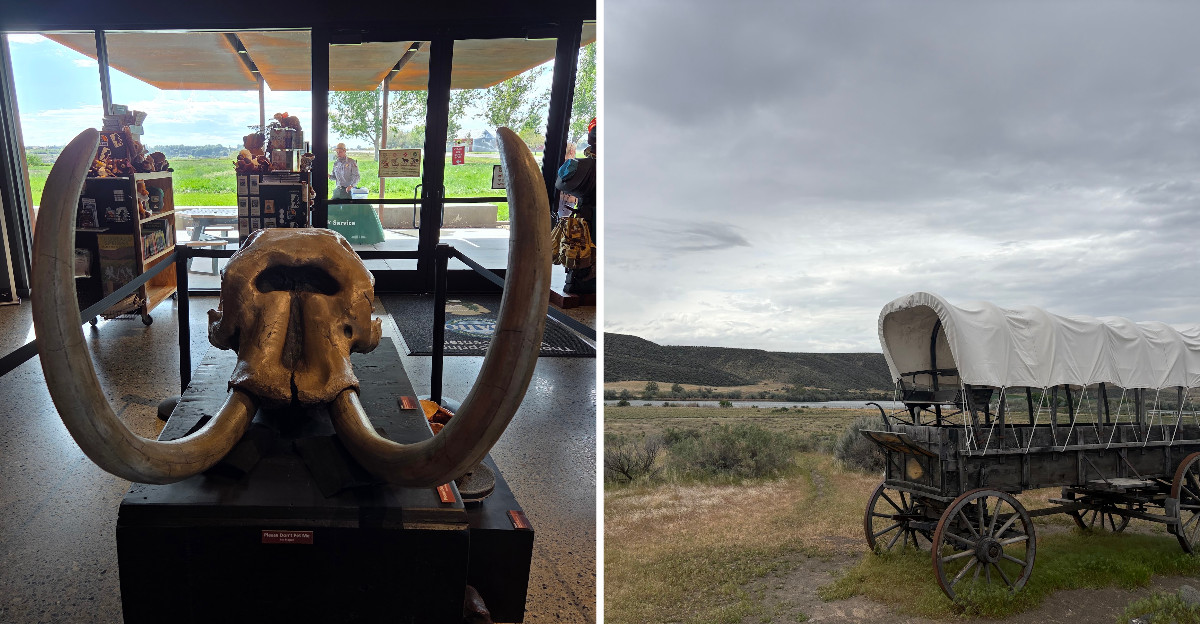
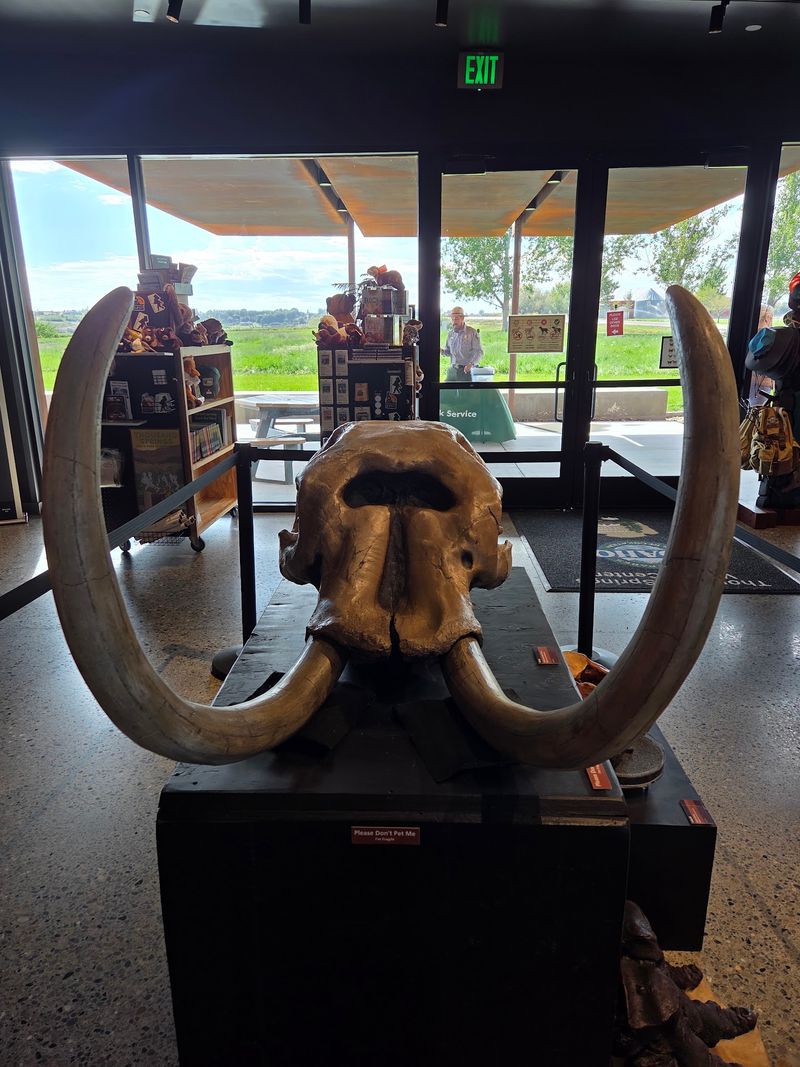
The horses had plenty of neighbors, too. The visitor center displays a cast of a mastodon head among its collection, a hint at the bigger cast of characters.
In winter, the change feels even sharper. Snow often dusts the desert and the bluffs, turning the tan hills pale.
So you get three versions of one place in a single thought. There’s the ancient wetland, the summer desert, and the snowy winter scene.
Not bad for a landscape most drivers pass at highway speed.
Real Bones, Careful Casts, And A Mastodon Head
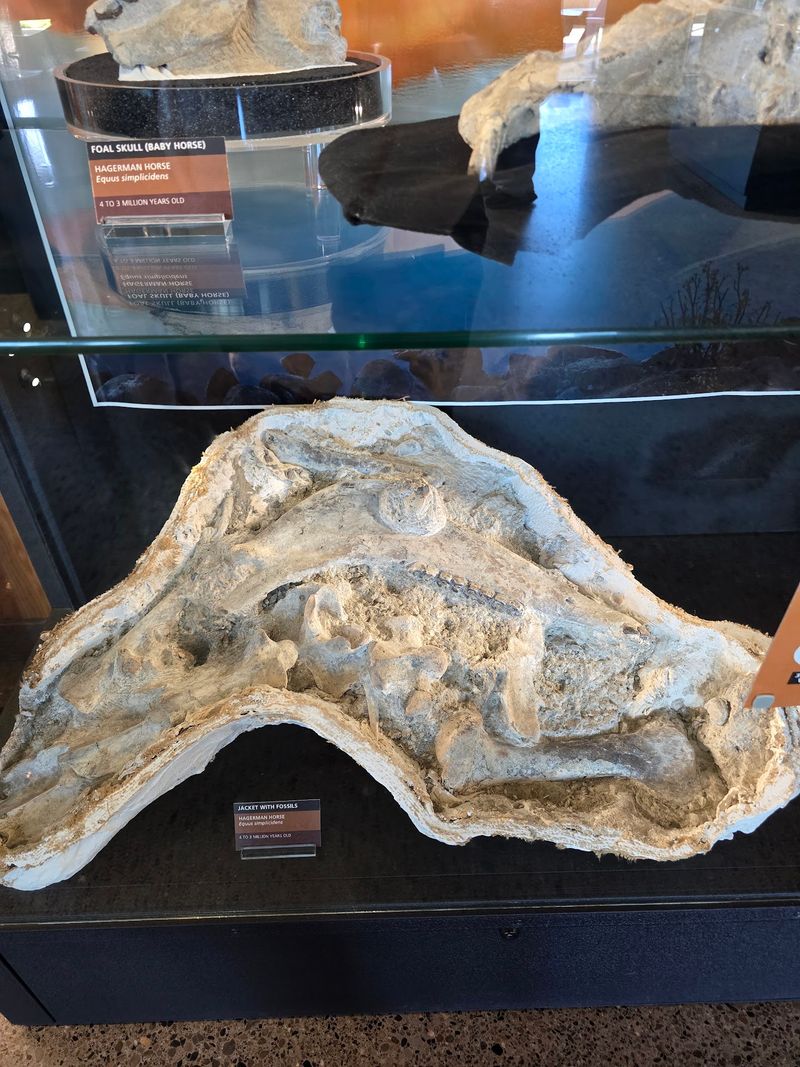
Fossils are the headline attraction inside, and the collection mixes originals with replicas. Each display comes with info panels that explain what you’re looking at.
The reproduction Hagerman horse skeleton anchors the room. Nearby, a cast of a mastodon head offers a reminder that horses weren’t the only big animals around.
Authentic fossils share space with casts. That mix lets you see real ancient material while still getting a sense of full skeletons.
The building is small, so plan on a focused visit rather than a marathon. That’s a perk for families with short attention spans.
Exhibits also cover the methods scientists use to discover fossils. You’ll learn how researchers reconstruct an environment from scattered bones.
Local history and recreation get space as well. The center serves both parks, so the story stretches beyond fossils.
There’s a small gift shop, too, for anyone who wants a souvenir. A fossil-themed keepsake makes a fine reminder that Idaho’s history runs very deep.
Just don’t expect to leave with an actual Hagerman horse bone.
Overlooks Above The Snake River Valley
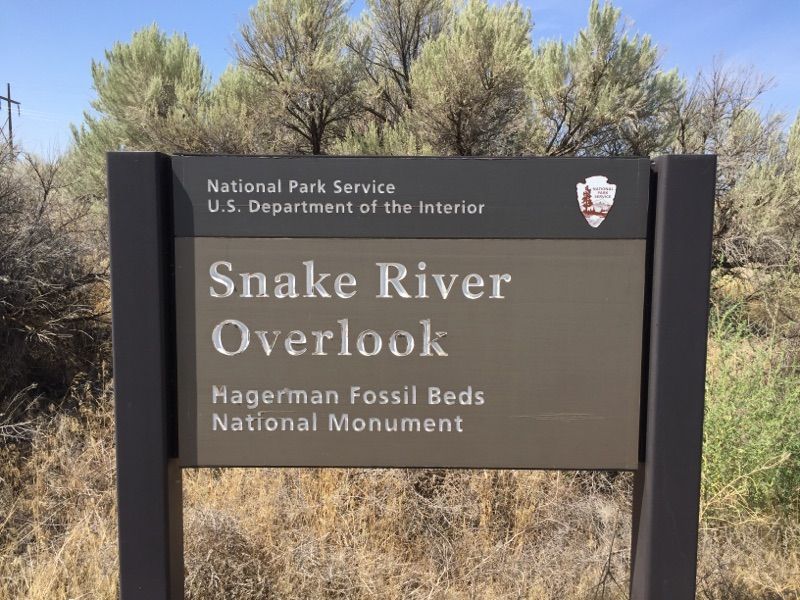
Here’s the honest truth up front. The fossil beds themselves are protected, and public excavation isn’t allowed.
That doesn’t leave you empty-handed. Hagerman Fossil Beds National Monument offers scenic overlooks and trails open from sunrise to sunset.
From those viewpoints, you get wide looks over the Snake River Valley. The high desert stretches out around you in every direction.
You can also view the area of the original quarry from an overlook. Digging there hasn’t happened in decades, so think history lesson rather than active excavation site.
Winter adds its own character. Snow often dusts the desert, and the pale bluffs look different from their summer shades.
Dress for the season if you head out. Overlooks catch wind, and the desert can feel colder than the thermometer suggests.
Pair the views with what you learned inside. Suddenly those slopes aren’t just scenery but the layers that held hundreds of ancient horses.
It’s an Idaho view with a backstory most landscapes can’t match.
Wagon Ruts And The Oregon Trail Overlook
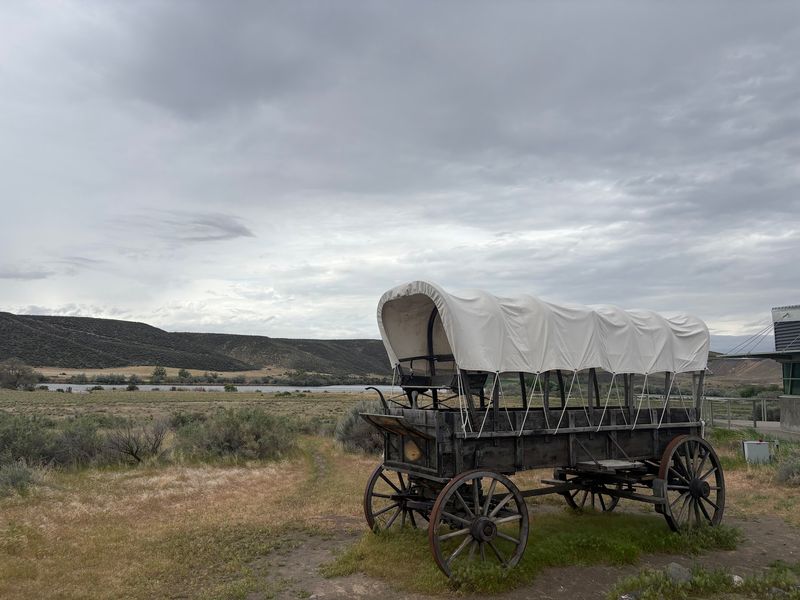
Ancient horses aren’t the only travelers who left a mark here. Pioneers on the Oregon Trail passed through this stretch of Idaho too.
The monument includes an Oregon Trail Overlook. An Emigrant Trail hike connects visitors to the route those wagon trains followed.
History fans often single out this overlook as a favorite stop. It links the fossil story to a much more recent chapter.
Think of it as two timelines stacked on one landscape. Millions of years separate the horses from the wagons, yet both crossed nearly the same ground.
The rangers inside can explain how to reach the overlook from the visitor center. A self-guided drive can take you past several viewpoints in one loop.
Trail ruts and sagebrush won’t shout for attention. The appeal is quieter and depends on knowing what happened here.
Bring that knowledge, and the view gets richer. Families who’ve studied the Oregon Trail in school often find this spot especially rewarding.
Seeing the real route beats any textbook map.
Winter Hours, Free Entry, And The Right Address
Timing matters in the cold months. From November 1 through February 28, the visitor center opens Friday through Sunday only.
Monday through Thursday, the doors stay closed during that stretch. Summer brings daily hours from Memorial Day to Labor Day.
Here’s the welcome news. There’s no admission fee for the visitor center, overlooks, or trails within the monument.
Head to 17970 US Highway 30, Hagerman, ID 83332. The building sits along the highway, not inside the fossil beds themselves.
Older brown highway signs have pointed people toward a former downtown location. Trust the current address instead to avoid a detour.
Parking includes regular spaces plus separate spots for RVs, buses, and trailers. Clean restrooms inside make the stop easy for long drives.
Plan your loop before winter light fades. Overlooks and trails run sunrise to sunset, so shorter days shrink your window.
A Saturday morning start gives you time for exhibits, a film, and a couple of viewpoints across southern Idaho.