Two Rivers Meet Beneath This Idaho Bridge Lewis And Clark Never Got To Cross
Lewis and Clark paddled right past the very spot where a steel lift bridge would rise 134 years later. They never crossed it, of course, but the two rivers beneath it still meet exactly where the expedition arrived in October 1805.
That bridge once lifted its middle span so riverboats could slide underneath. Today barges still push all the way to an Idaho port hundreds of river miles from the Pacific.
I like how one small museum a few miles upriver ties all of this together. It sits right beside the Snake River, with a dugout canoe replica inside and a walking path outside.
I can’t imagine a better way to make history feel close enough to touch. So where does the story start, and why does that bridge matter so much?
A Riverside Museum Where The Corps Of Discovery Story Comes Home
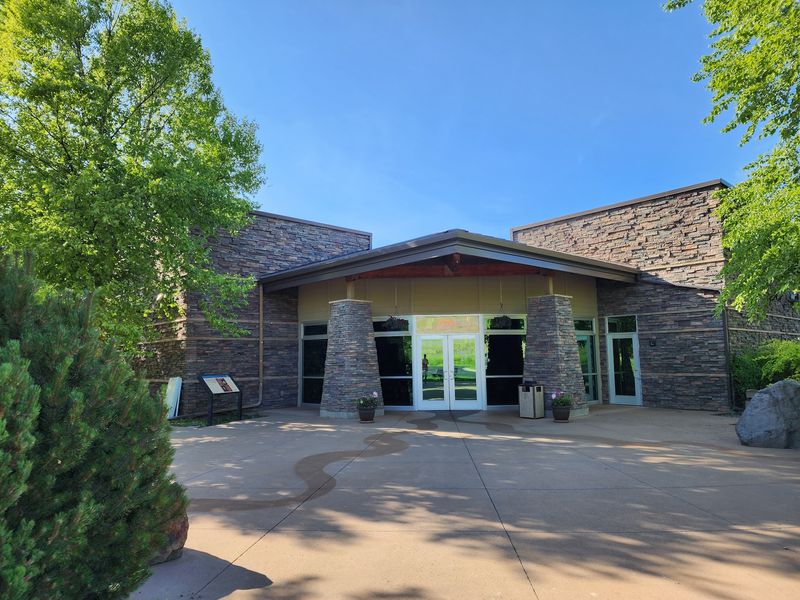
Down along the Snake River sits the Lewis & Clark Discovery Center, a compact museum inside Hells Gate State Park. It lives on the southern edge of Lewiston, in the part of Idaho where canyon walls start crowding the water.
The center focuses on one big chapter of American travel. That’s the Corps of Discovery’s journey to and through Idaho, told with displays, plaques, a film, and an outdoor walk.
Why here, of all places? A short drive north, the Snake and Clearwater Rivers join forces right where the expedition showed up in 1805.
That meeting point now sits under the Interstate Highway Bridge, better known around town as the Blue Bridge. Lewis and Clark floated past that water long before anyone dreamed of a steel crossing.
So the museum works like a decoder ring for the whole valley. You learn the story here, then you see the actual rivers, the bridge, and the hills the explorers faced.
It’s a small building with a big backyard. And honestly, that combination is the whole point of coming.
October 1805 And The Friends Who Made The Difference
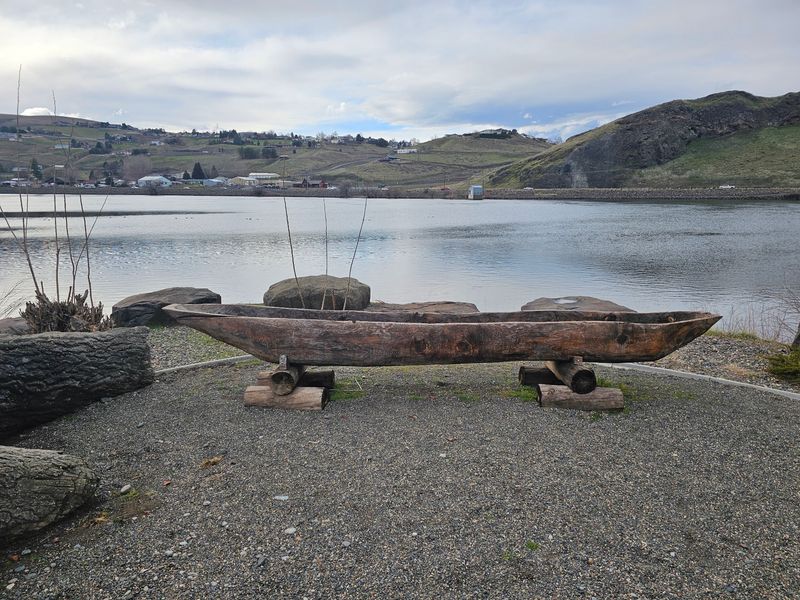
October 10, 1805, is the date that puts this valley on the expedition map. The Corps reached the spot where the Clearwater pours into the Snake, then kept pushing west toward the Columbia.
Getting that far was no small feat. The crew had just come down from rugged mountain country, worn out and hungry.
That’s where the Nez Perce people enter the story in a huge way. They befriended the explorers, shared food, and offered guidance through unfamiliar terrain.
The Lewis & Clark Discovery Center gives that help real attention. Its exhibits also note support the expedition received from the Shoshone along the route through Idaho.
For the Nez Perce, these rivers were never empty wilderness. They served as travel routes for trade, fishing, and moving across a wide homeland.
Salmon still swim upstream through these waters, too. Dams have changed their numbers, but the migration itself carries on.
Knowing all this changes how the confluence looks. It stops being just pretty water and becomes a crossroads that people relied on for generations before any explorer arrived.
The Blue Bridge That Used To Lift Its Middle
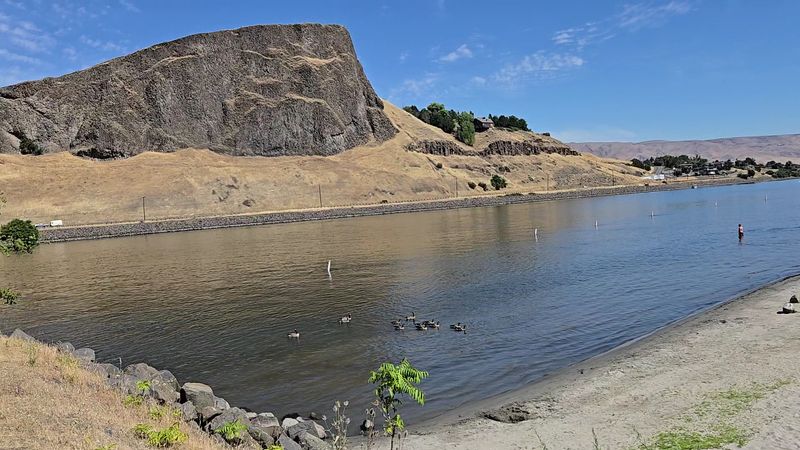
Here’s a bridge with a party trick it no longer needs. When the Interstate Highway Bridge opened in 1939, it was the first vertical lift drawbridge in the inland Pacific Northwest.
Its center section could rise to give riverboats room underneath. Pretty fancy for a valley that the Corps crossed in dugout canoes.
Later, dams and locks went in upstream and changed how boats moved on the river. That made the lift mechanism unnecessary, so the old trick got retired.
The bridge still does its main job every day, carrying U.S. Route 12 traffic.
It links Lewiston, Idaho, with Clarkston, Washington, across the Snake River.
Fun detail: those two town names honor Meriwether Lewis and William Clark. So the explorers got a bridge between their namesake towns, just about 134 years too late to use it.
Below the span, the combined rivers roll toward the Columbia and eventually the Pacific. Seeing the bridge after a stop at the museum makes the timeline click in a satisfying way.
Plaques, Maps, And A Dugout Canoe You Can Get Close To
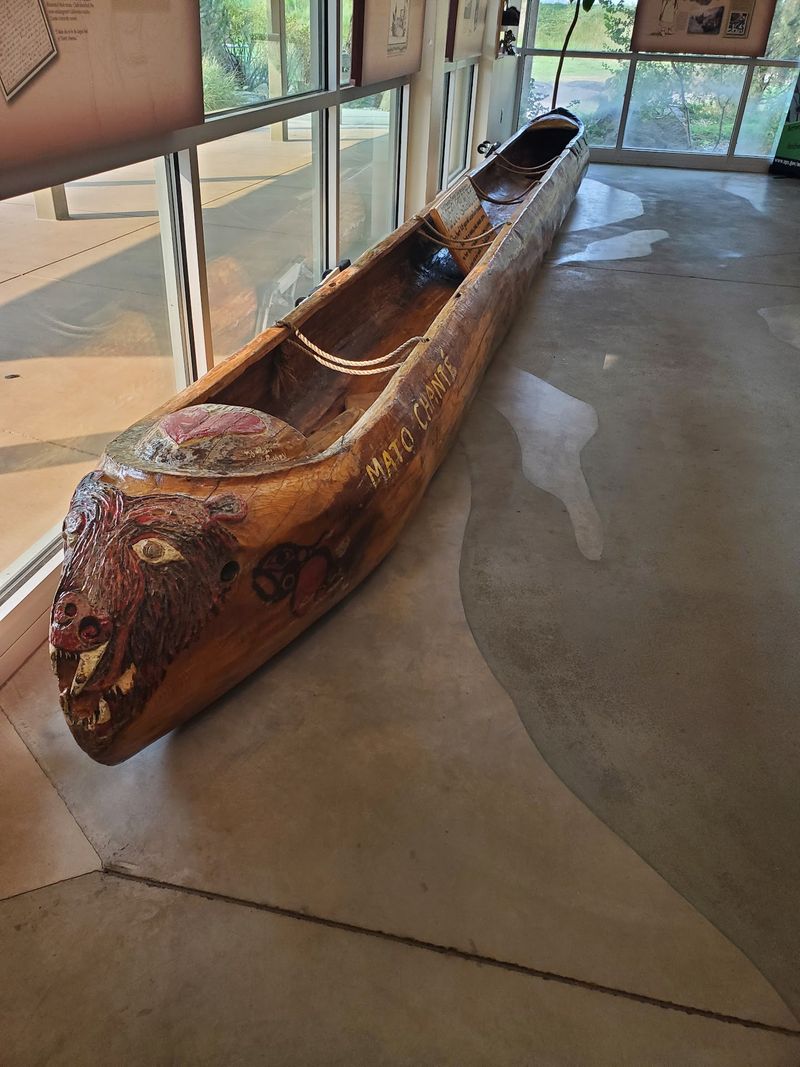
Plenty of museums promise history. Few hand you a dugout canoe replica to stare at while you think about paddling it down the Snake.
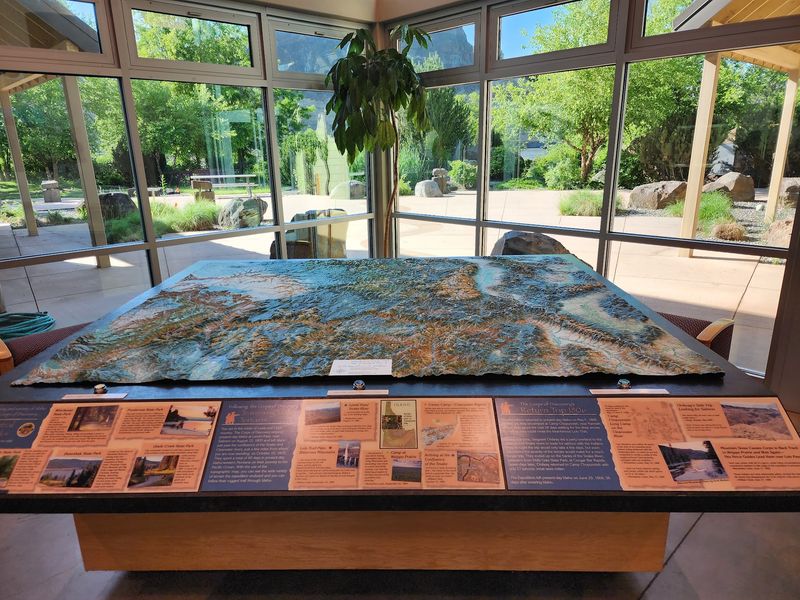
Inside the Lewis & Clark Discovery Center, the exhibit space is modest and easy to cover. Expect interpretive panels, historical plaques, maps, sculptures, and a handful of artifacts.
The canoe is the showpiece for a reason. It turns all those journal entries about river travel into something with real size and weight.
The exhibits trace the expedition’s path through Idaho and the help it received along the way. The tone leans toward clear summary rather than deep scholarly detail.
That makes it a friendly starting point for kids and casual history fans. Serious Lewis and Clark buffs may already know much of the story.
Plan on reading at your own pace without feeling rushed. A focused visit fits comfortably into an hour or so, especially if you pair it with the film and the outdoor path.
Short and sweet, with a canoe. There are worse ways to spend a morning.
Pull Up A Seat For The Expedition Movie
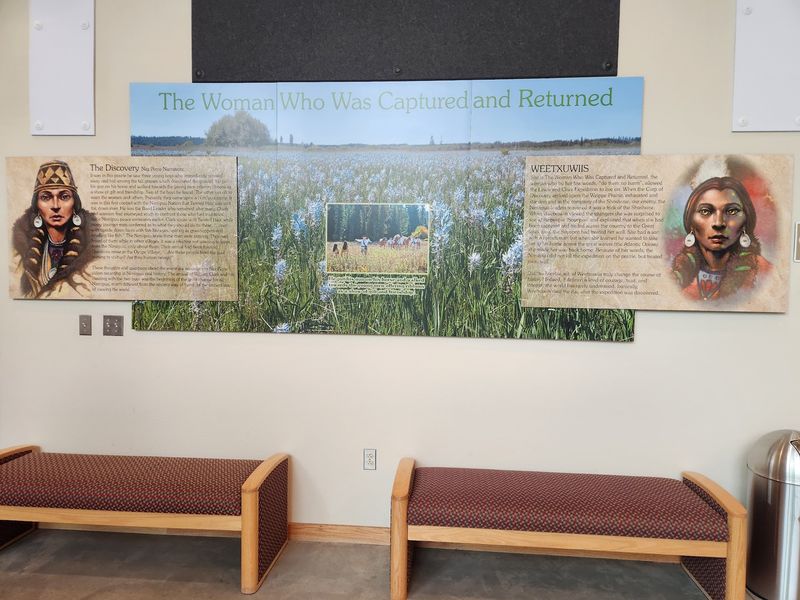
Sometimes the best exhibit is the one where you get to sit down. The Lewis & Clark Discovery Center screens a film about the Corps of Discovery and the history of the area.
It’s a smart move for a museum this size. The movie fills in the story that the wall panels can only sketch.
Kids tend to do well with this part of the visit. A screen and a seat can work wonders after a long drive across Idaho.
The film runs long enough to give the story real shape. Budget extra time for it rather than squeezing it in at the end.
It also pairs nicely with the canoe and the maps. Watch first, then wander the exhibits, and the details suddenly make more sense.
On a hot Lewiston afternoon, an indoor theater has obvious appeal, too. The valley sits low, and summer sun bounces off those canyon walls.
Consider it part history lesson, part air-conditioned breather. Then head outside with fresh eyes for the river the explorers actually traveled.
An Outdoor Walk Lined With History Along The Snake
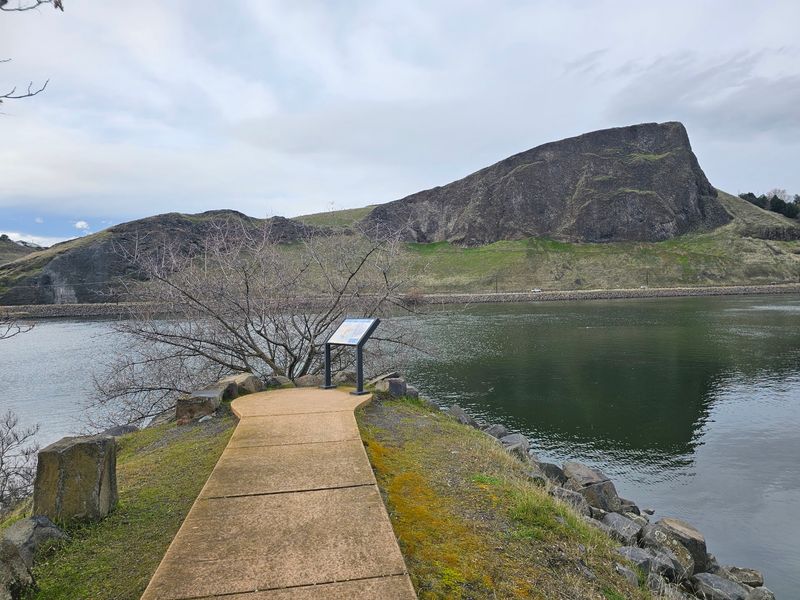
Step out the door and the museum keeps going. An outdoor interpretive walk circles the grounds with historical reproduction setups and informational stops.
The paths are easy and well kept. Most folks of any age can handle the stroll without trouble.
Part of the charm is simply where you are. The Snake River runs right alongside, framed by the dry, rolling hills of the Lewis-Clark Valley.
A walkway stretches out toward the river, giving you a closer look at the water. It’s a nice reminder that this current once carried the expedition’s canoes.
Bring the camera for those river views. Mornings and evenings tend to be more comfortable for walking, since summer heat in this low valley can build fast.
Winter visits bring a different feel. Cold days can make the outdoor stops less inviting, so dress for the season.
I like that the path invites lingering without demanding a full hike. You get fresh air, a bit of history at every turn, and plenty of river to admire between stops.
Beach Towels, Picnic Tables, And A Campground Next Door
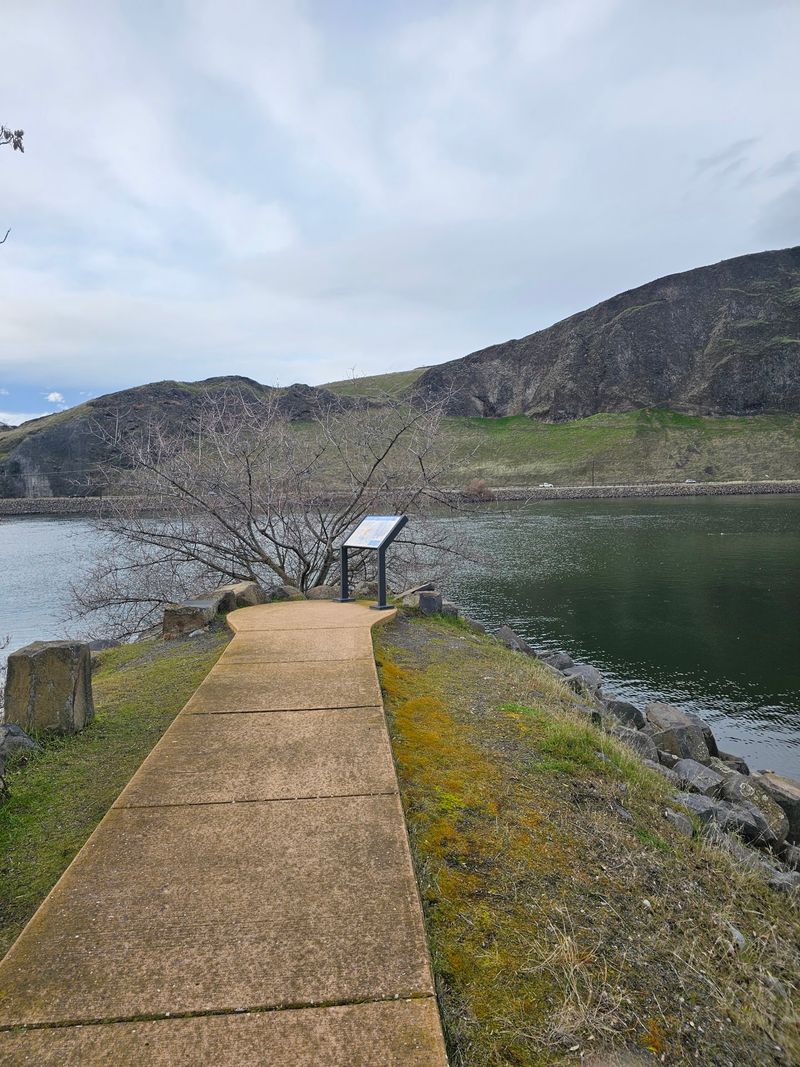
Few history museums come with a sandy beach a short walk away. Hells Gate State Park surrounds the center with river access, trails, and room to spread out.
Swimmers can head for the beach along the Snake River. Families can claim a picnic spot near the building and make an afternoon of it.
Trails wind through the park for anyone wanting more steps. Some of the land beyond the campground falls under Army Corps of Engineers management.
Speaking of camping, the Lewis & Clark Discovery Center doubles as the check-in point for campers. The park offers several camping options right on the river, even in winter.
The building also has a gift shop with postcards, stamps, and souvenirs. Clean restrooms make it a handy pit stop, too.
Wildlife sometimes wanders near the camp areas. That’s part of the appeal of staying overnight in this corner of Idaho.
So the museum is really one piece of a bigger day. Learn, eat lunch by the water, swim, and maybe stay the night.
What To Know Before You Point The Car South
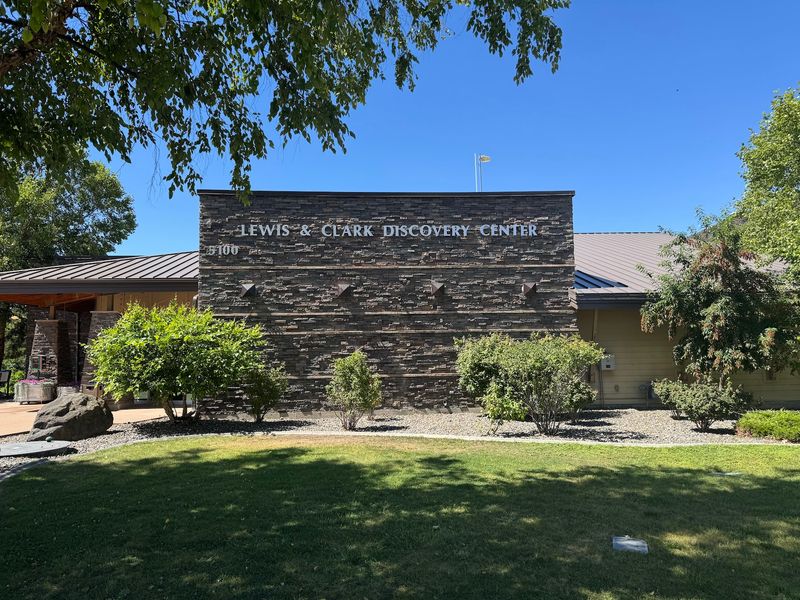
Getting there is refreshingly simple. Set your map to 5100 Hells Gate Rd, Lewiston, ID 83501, on the south side of town.
The center sits inside Hells Gate State Park, so you’ll need park entry first. There’s a vehicle fee to enter the park, and access to the center comes with it.
Rates differ for out-of-state visitors, and Idaho residents have their own options. Check current fees with Idaho Parks and Recreation before driving.
The museum keeps daytime hours most of the week, with a shorter schedule on some days. It closes certain days entirely, so confirm before you go.
Staff can help with more than exhibits. They’re a good source for scenic route ideas through the surrounding region.
Pets are allowed in the park, and leashed dogs have been welcomed in the building. Ask on arrival to be safe.
From the park, the confluence and Blue Bridge are a quick drive north. The Port of Lewiston, the West Coast’s most inland seaport at 465 river miles from the Pacific, sits nearby too.
A Smart First Stop On A Bigger Valley Adventure
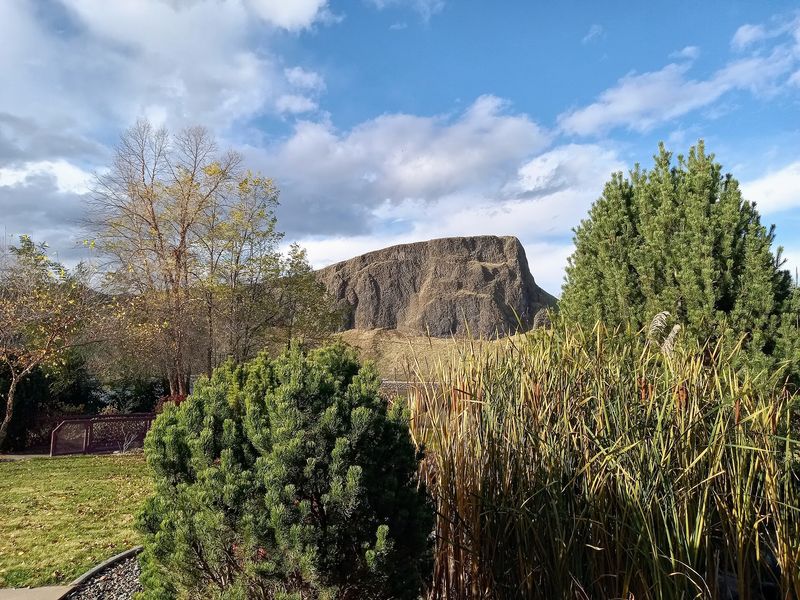
Expectations matter here. The Lewis & Clark Discovery Center is a compact introduction, not a sprawling archive.
For families, newcomers, and road trippers, that’s a feature. The film, the canoe, and the outdoor walk deliver a clear story without wearing anyone out.
Deep history fans should treat it as a launch pad. The region has more to explore, including the Nez Perce National Historical Park visitor center at Spalding and the Nez Perce County Historical Society museum in town.
Where the center shines is setting. Few museums let you finish an exhibit and then swim, picnic, or camp beside the same river the story describes.
Then comes the payoff drive. Head north to see the Snake and Clearwater meet beneath the Blue Bridge, right where the Corps arrived.
Stand there for a minute and run the timeline. Canoes in 1805, a lifting steel bridge in 1939, and grain barges from Portland today.
That layered view is pure Idaho. I believe it’s worth an afternoon, especially with a picnic basket in the back seat.