Swimmers Race Down Lanes In A Huge Indoor Pool While Snow Falls Outside This Idaho Aquatic Center
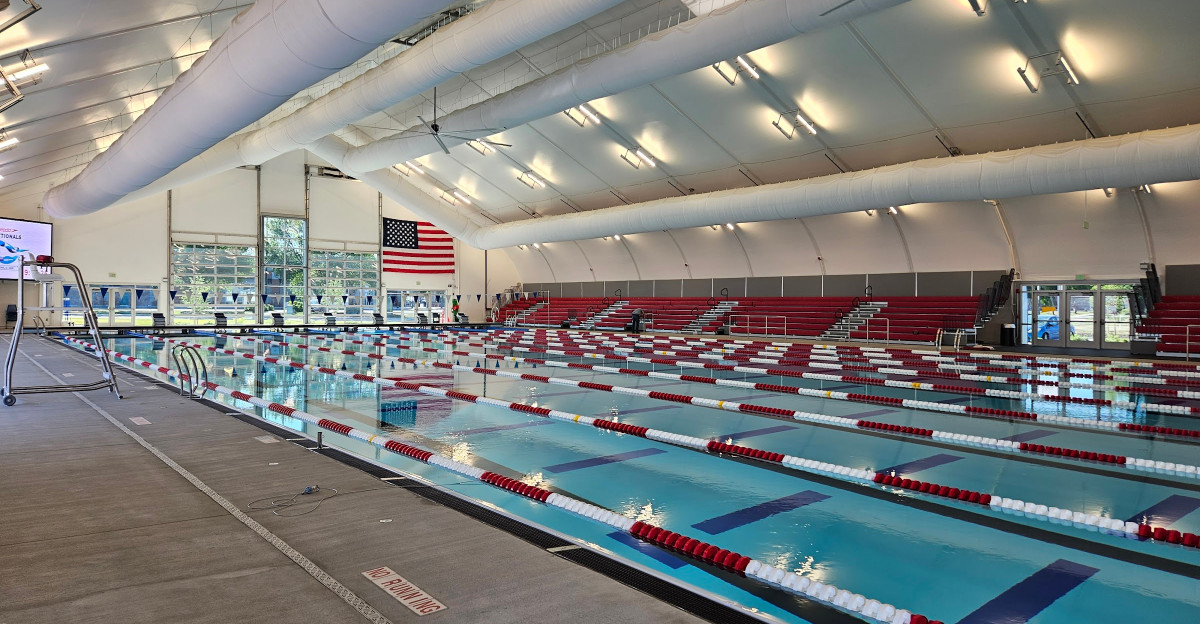
Eight racing lanes stretch a full 50 meters beneath a giant tensioned fabric roof.
Daylight panels and a custom glass wall keep the whole place bright, even in the middle of winter.
I love that pairing. Outside, an Idaho winter does its thing, while swimmers inside chase pace clocks in water warm enough for serious training.
It feels like a small rebellion against the cold.
The building opened in 2023 and covers about 50,000 square feet.
It holds two pools, room for more than 1,000 spectators, and lanes that switch from long course to short course in a single morning.
Lap swimmers, toddlers in their first lessons, and club teams all share the same roof.
So how does one building keep all of them happy, and where exactly is it hiding?
The Big Pool Building That Gave Boise A Serious Swim Home
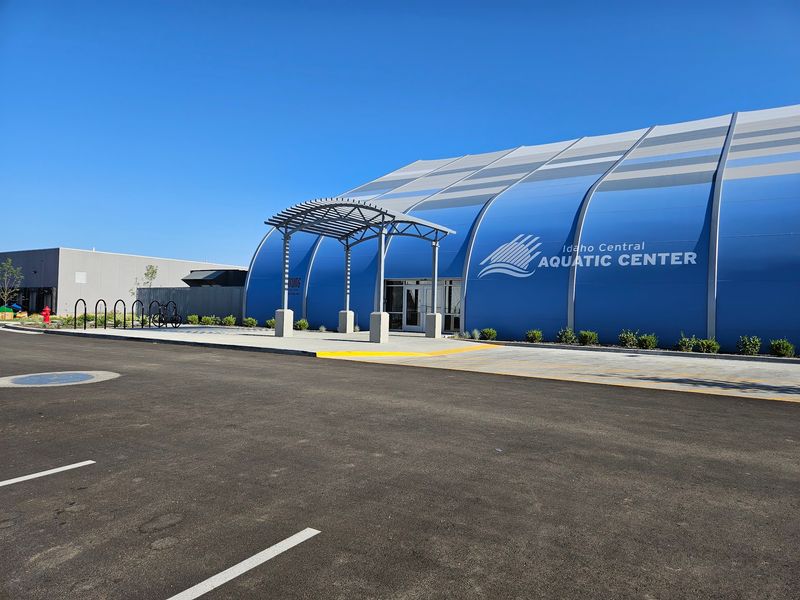
Southeast Boise got a very large splash in June 2023. That’s when the Idaho Central Aquatic Center opened its doors, and swimmers across the Treasure Valley noticed fast.
The building is a dedicated aquatic center, not a rec center with a pool squeezed into a corner. Water is the whole point here, from the competition lanes to the lesson pool.
You’ll also see it called the Idaho Central (Greater Boise) Aquatic Center, which hints at the partnership behind it. Locals often shorten it to ICAC, which is much easier to say mid-workout.
It sits close to downtown Boise and Boise State, with quick freeway access. That makes it reachable for an early swim before work or a weekend meet that eats the whole day.
Inside, two pools share one huge open space. One handles fast racing and long training sets, while the other focuses on lessons and smaller groups.
The result is a place that serves elite swimmers and nervous beginners under the same roof. For a growing Idaho city, that’s a pretty useful combination.
It also answers a simple winter question. Where can you swim real laps when the thermometer outside refuses to cooperate?
Why That Giant Fabric Roof Matters More Than You Think
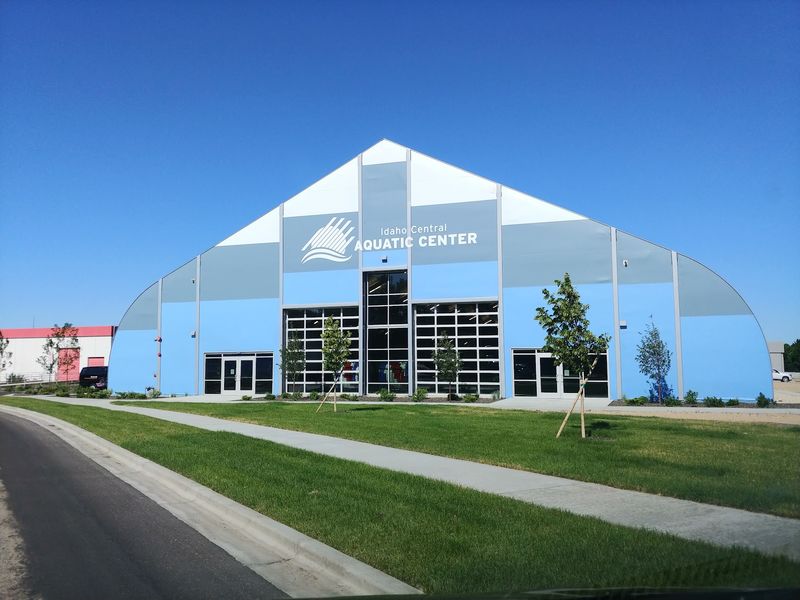
Look up once you’re inside, and the ceiling keeps going. The Idaho Central Aquatic Center is a Sprung tensioned membrane structure, built with a tall peak height.
That style uses a strong fabric skin stretched over aluminum arches. It creates a wide, open interior without a forest of support columns blocking your view of the water.
The building covers roughly 50,000 square feet. That’s plenty of room for two full pools, deck space, and seating for meet crowds.
Some swimmers call it a hangar, and the comparison fits. The shape feels more like an airplane home than a typical brick gym.
The tall ceiling also helps the space feel calm and roomy. Even with lanes full of splashing swimmers, the air above seems to stretch forever.
I believe the design choice was smart for Idaho. A building like this goes up efficiently and still feels like a real event venue once you’re inside.
So when you spot that rounded white roof from the road, don’t mistake it for a warehouse. There’s a racing pool under there, and it’s busy.
Winter Light Pours In While The Water Stays Warm
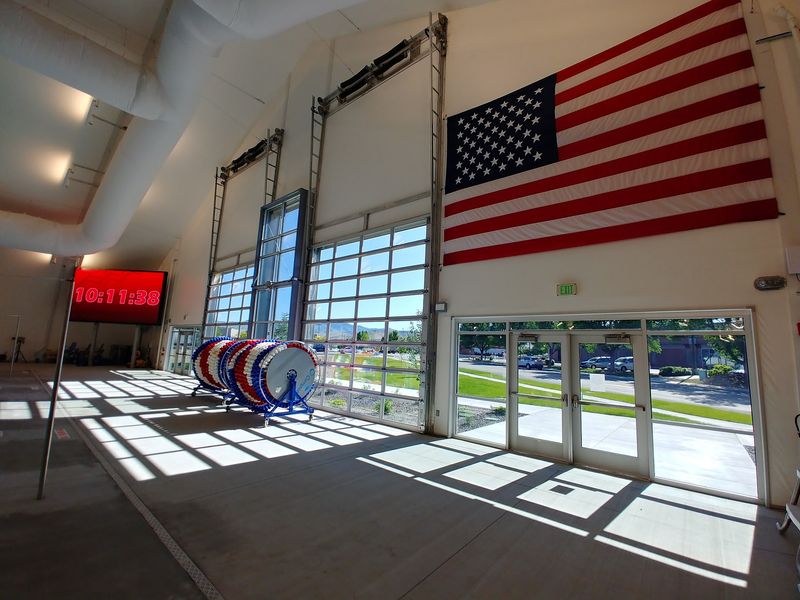
Boise winters can bring gray skies and fresh snow. Inside this pool, the design pushes back with daylight panels and a custom glazing wall.
Those features help create a bright interior during the day. Natural light means you aren’t stuck swimming under a dim, cave-like ceiling.
That glass wall is what makes the title scene possible. When flakes drift down outside, swimmers can keep cranking out laps in comfort.
The water helps too. Training lanes run at a temperature built for hard workouts, and the lesson pool runs a few degrees warmer for younger swimmers.
I can’t imagine a better way to beat cabin fever in January. You trade a puffy coat for a swim cap and suddenly the season feels a lot lighter.
The contrast is a big part of the fun. Snow on one side, chlorine and pace clocks on the other, and nobody shivering in the water.
It’s a very Idaho kind of luxury. Not fancy, just practical and a little bit joyful when the weather turns rough.
Eight Lanes And Fifty Meters Of Pure Speed
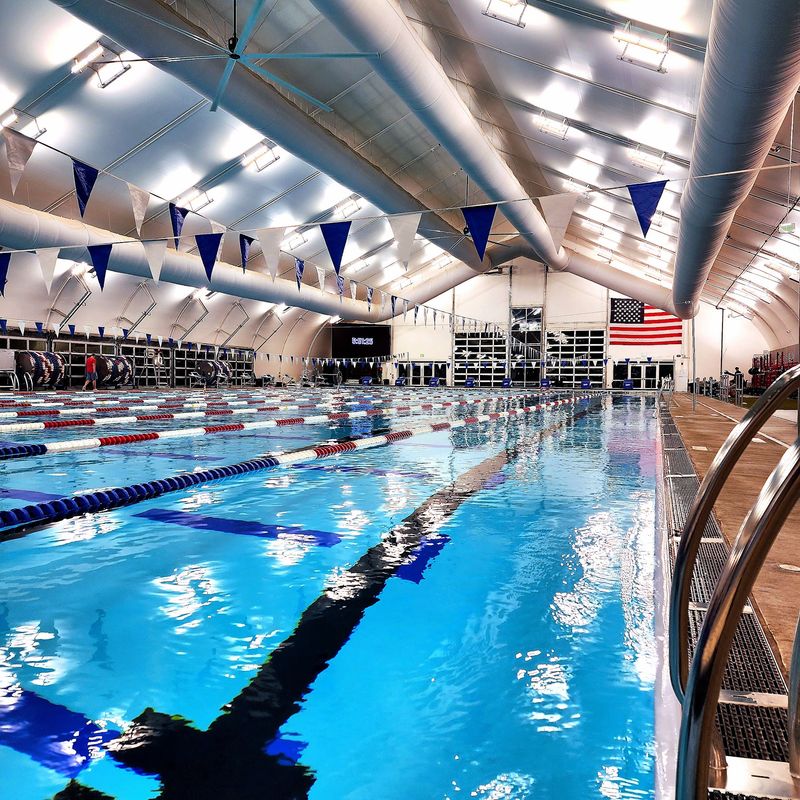
Fifty meters is the length of an Olympic pool. The main pool here is an eight-lane, 50-meter competition pool, and it’s the star of the building.
It’s a Myrtha pool, a brand built for competitive swimming venues. The setup includes professional starting blocks and a scoreboard that makes meet days feel official.
Fast swimmers notice the difference. A good pool gives clean turns, steady water, and lanes that feel ready for a personal best.
The space isn’t only for racing, either. Water polo, lap swimming, and team training all happen in the same deep blue lanes.
For a serious club swimmer in Idaho, this changes things. Long course training at home means fewer road trips just to practice at full distance.
Pace clocks keep everyone honest on the walls. Good luck sneaking an extra rest when the second hand is staring right at you.
Whether you’re chasing a cut time or just enjoying a long stretch of water, those 50 meters feel generous. Every lap gives you room to settle into a rhythm.
One Pool, Two Personalities Before Lunch
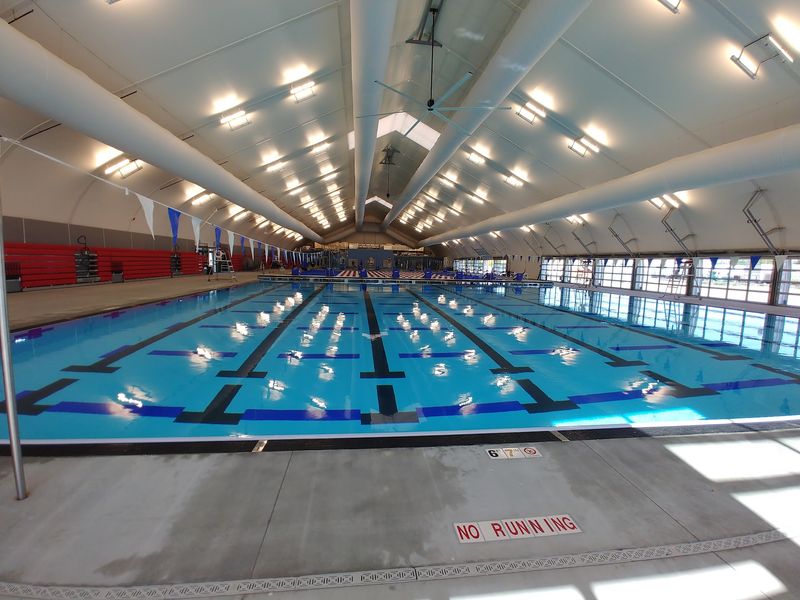
Early birds get the long version. During morning sessions, the big pool can be set up as 50-meter long course for swimmers who love uninterrupted laps.
Later, the lanes switch to short course. That turns the space into many shorter lanes running across the pool, roughly 20 in total.
Why does that matter? More lanes means more swimmers can train at once, which helps when clubs and lap swimmers share the water.
The early opening is a gift for workday swimmers. You can finish a solid set and still make it to your desk with damp hair and good energy.
Swim clubs and school teams use many of the late afternoon slots. Even so, lanes are set aside for outside visitors during lap swim times.
It’s a clever system for a busy Idaho pool. One body of water does the job of two different training venues depending on the clock.
Schedules shift, so check the current lap swim calendar before you go. Knowing which setup you’ll get can shape your whole workout plan.
A Smaller, Warmer Pool For First Kicks And Floats
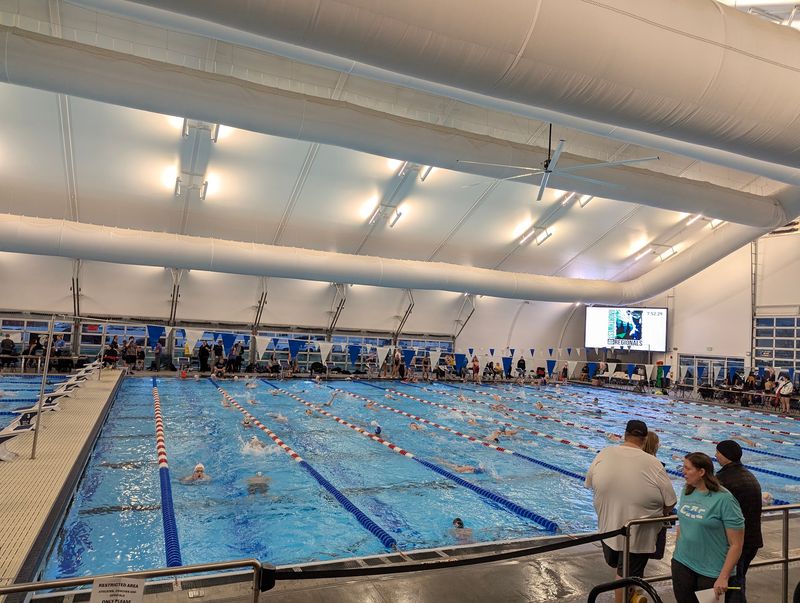
Little swimmers need a different kind of water. That’s why the Idaho Central Aquatic Center includes a separate six-lane, 25-yard pool next to the main event.
It’s another Myrtha pool, and it runs warmer than the racing lanes. That extra warmth helps kids relax instead of clinging to the wall with chattering teeth.
Swim lessons are a huge part of life here. Programs cover youth and adults, so parents aren’t the only ones allowed to learn a better freestyle.
The lesson pool has space for several classes at the same time. Instructors can work with different groups without everyone bumping elbows.
Bleachers sit nearby for parents who want to watch. Few things beat seeing a child go from nervous splashing to a real, confident float.
Adults learning later in life benefit too. Calm water and a smaller pool make the first strokes feel less intimidating.
Lesson rules, make-up options, and cancellation terms are worth reading closely before you sign up. A few minutes with the fine print keeps the experience smooth.
Meet Weekends Bring Blocks, Banners And Big Crowds
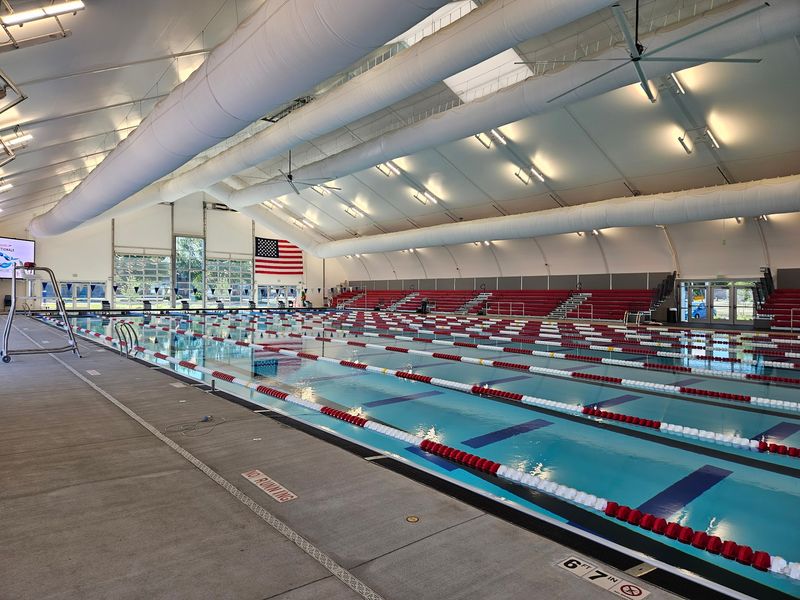
Swim meet days look nothing like a quiet morning lap session. Teams fill the deck, timers line the lanes, and the scoreboard keeps everyone on edge.
The facility can hold more than 1,000 spectators for events. That’s a real crowd for an indoor pool in Idaho.
Bigger competitions have come through, including a Western Zone meet that ran for four full days. Events like that bring visiting families into Boise for long weekends.
The professional blocks and scoreboard help meets run like clockwork. Coaches can focus on their athletes instead of wrestling with makeshift equipment.
Seating can get snug during the largest meets, so arrive early if you want a good view. A seat cushion and a water bottle are smart additions to your bag.
Meet days also mean long hours on the deck. Pack snacks, layers, and patience for heat sheets.
If you’ve never watched competitive swimming in person, a local meet is a fun introduction. The energy around a close finish is hard to match on television.
Parking Strategy Is Part Of The Workout
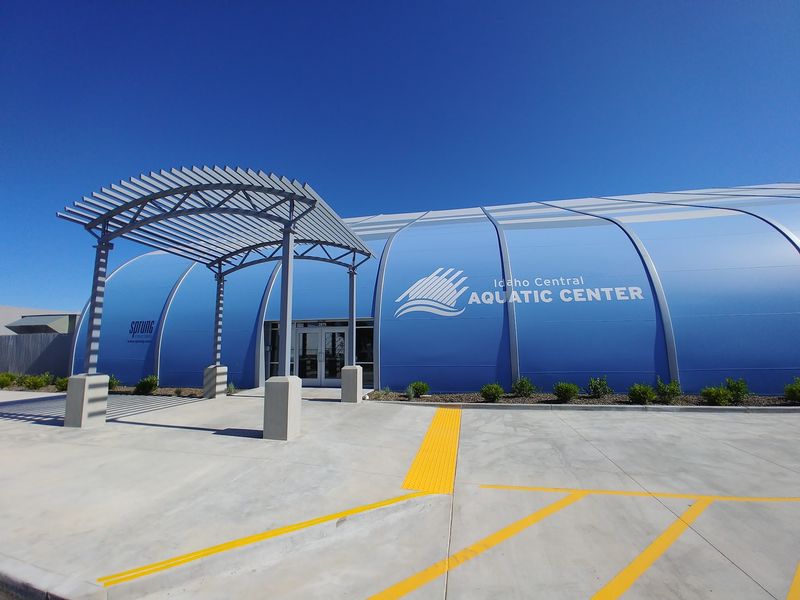
Here’s the address for your map app: 3575 S Findley Ave, Boise, ID 83705. It’s easy to reach from the freeway and sits close to downtown and Boise State.
Now for the practical part. Parking at the Idaho Central Aquatic Center is limited, and it fills fast during lessons, team practice, and meets.
Nearby businesses post towing signs for non-customers. Don’t gamble with your car just to save a short walk.
Early swims usually make parking simpler. Plan extra time for afternoon lessons, and expect a short walk on meet weekends.
Hours shift by day and season, with some days closed to the public. Check the current schedule before heading over so you don’t arrive to locked doors.
Drop-in lap swim is purchased online ahead of your visit. Buying first saves time at the front desk.
Bring your own lock, towel, and a bag that fits in a locker. Coffee and boba are within walking distance if you need a post-swim treat.