Trumpeter Swans Winter On Open Water At Harriman State Park In Island Park, Idaho
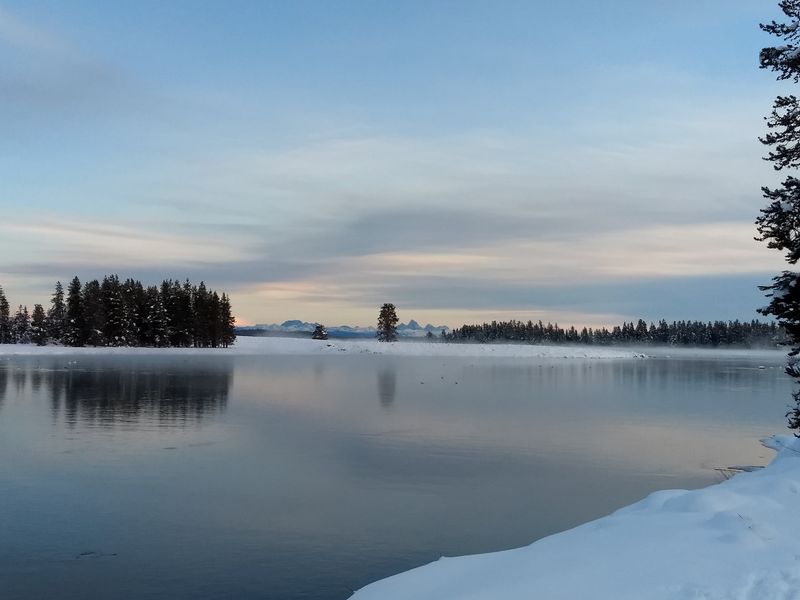
Snow piles up deep in this corner of eastern Idaho, yet one eight-mile stretch of river refuses to freeze. Spring-fed water keeps the current moving all winter, and big flocks of trumpeter swans arrive to claim it.
The numbers get even wilder from there. Roughly two-thirds of the trumpeter swans wintering in the lower 48 states spend the cold months on this one protected refuge.
I like how calm and unhurried the whole scene feels. Old ranch buildings from a century-old family retreat line the bank, and groomed ski trails wander right past the open water.
I can’t imagine a better reason to bundle up, grab binoculars, and drive north on a frosty winter morning. So where exactly does all this happen, and how close can you actually get to those swans?
Eastern Idaho’s Favorite Swan Hangout Sits Just South Of Island Park
Harriman State Park covers a huge slice of snowy country about three miles south of Island Park. It sits in Fremont County, in the far eastern reaches of Idaho.
The park protects an 11,000-acre wildlife refuge inside the Greater Yellowstone Ecosystem. That’s a lot of room for birds, moose, elk, and anyone who enjoys a quiet morning outdoors.
Most folks reach it from U.S. Highway 20, the main route through Island Park.
The turnoff is easy to spot, and the scenery changes fast once you leave the highway behind.
Winter is when the park really shows off. Snow blankets the meadows, the pines go frosty, and the Henry’s Fork of the Snake River keeps flowing through the middle of it all.
That flowing water is the whole reason the swans show up. Everything else here, from ski trails to ranch buildings, works like a bonus feature on top of the main attraction.
I believe few state parks pack this much variety into one stop. You get wildlife, history, and winter recreation without bouncing between three different destinations, and that makes planning a whole lot simpler.
The Henry’s Fork Simply Won’t Freeze Over
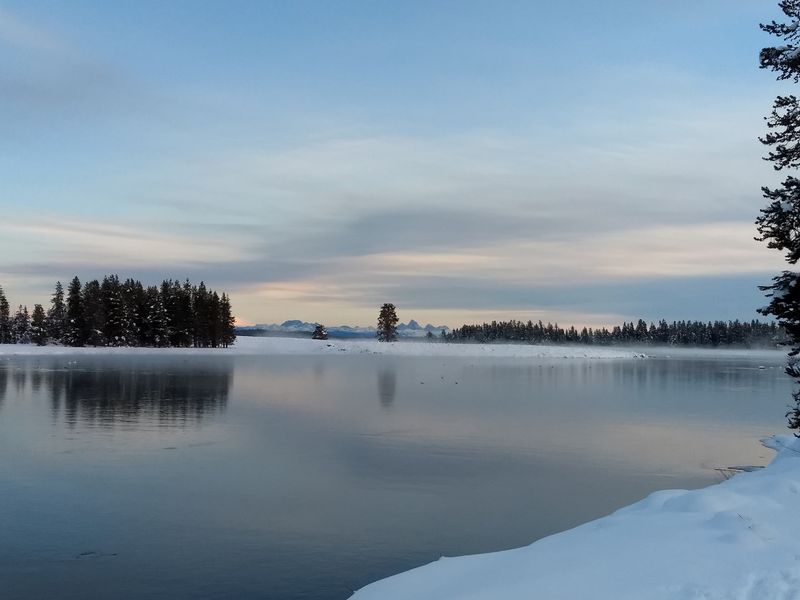
Sub-zero mornings are normal in Island Park. Somehow, the Henry’s Fork keeps rolling right through them.
Springs feed the river, and that steady supply of water keeps big stretches open all winter. About eight miles of the Henry’s Fork flow through Harriman State Park, giving swans a reliable place to float and feed.
Why does that matter so much? Swans need open water to survive the cold months, and frozen lakes leave them with nowhere to go.
So the river works like a lifeline. When ponds and lakes across the region lock up under ice, this spring-fed channel stays wide open for business.
The Henry’s Fork is famous for another reason too. Anglers know it worldwide as a top fly fishing river, which tells you just how clean and productive this water is.
In winter, though, the river belongs mostly to the birds. Snow drifts along the banks, the dark current slides past, and white swans dot the surface like they own the place.
Honestly, they kind of do. The park was built around protecting exactly this scene.
Two-Thirds Of The Lower 48’s Wintering Swans Choose This Spot
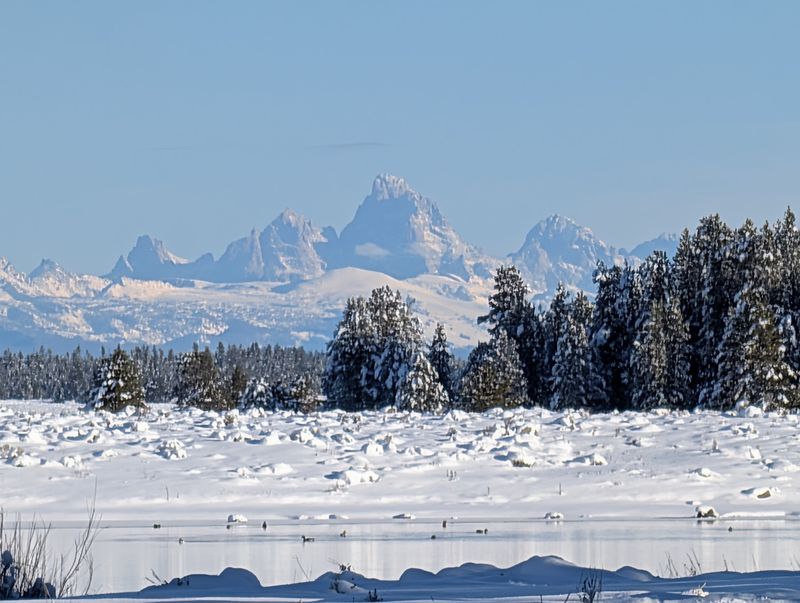
Here’s a number worth repeating at the dinner table. Roughly two-thirds of the trumpeter swans that winter in the contiguous United States spend the season in this part of Idaho.
That makes the park one of the most important winter homes these birds have. It’s not a casual stopover either, since the swans depend on this water to get through the cold.
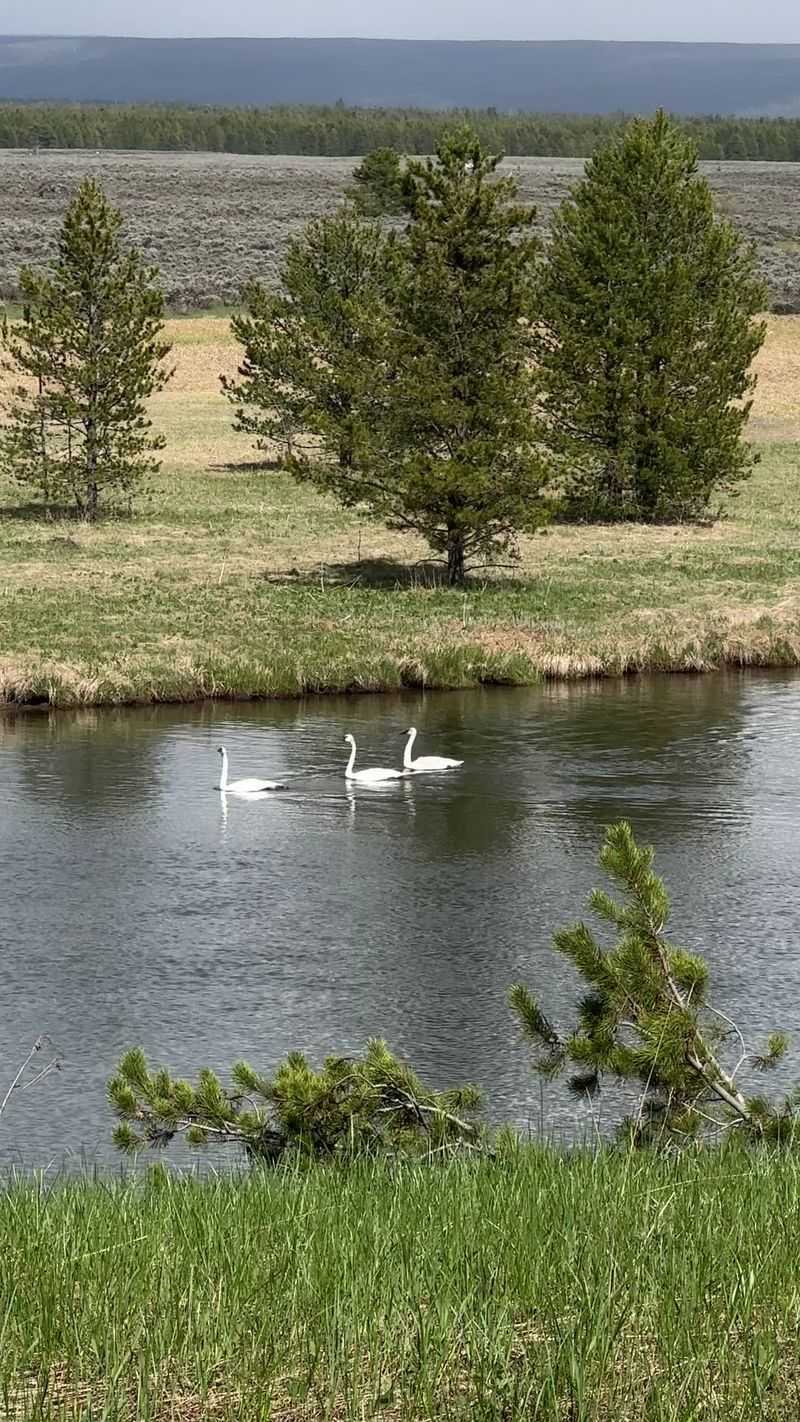
Trumpeter swans are hard to miss. They’re big, bright white, and carry sleek black bills that stand out against the snow.
Their name comes from their voice. The call sounds a bit like a horn, so don’t be surprised if the birds announce themselves before you spot them.
Seeing so many in one place feels a little unreal. A flock resting on dark open water against a white winter backdrop looks almost like someone arranged it on purpose.
Bring binoculars and give them space. The refuge exists to protect these birds, and a respectful distance keeps them calm, relaxed, and right where they belong.
Your camera will thank you anyway. Patience usually pays off with better views than any close approach.
Prime Swan Season Runs From November Into Spring
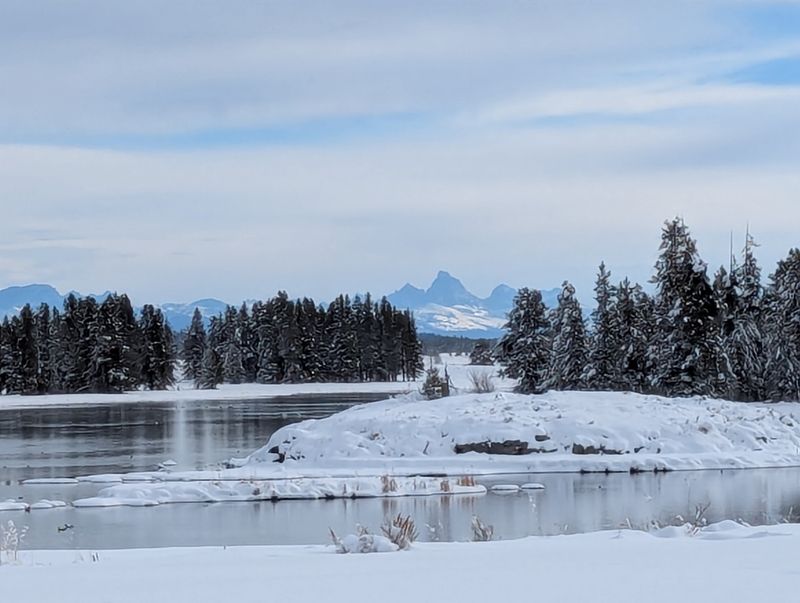
Timing matters if the swans are your goal. The big crowds of trumpeters fill the park from November through March, and some linger into April.
That gives you a generous window. Early winter, deep midwinter, and the first hints of spring all offer good chances to see the flocks.
Midwinter brings the classic scene. Snow covers everything, the river steams in the cold, and the swans gather where the water stays open.
Late winter has its own charm. Days stretch a little longer, and you get more daylight to wander the trails and scan the river.
Summer doesn’t leave you empty-handed either. A smaller group of trumpeter swans actually nests in the park’s shallow waters during the warmer months.
So the park doubles as a nesting sanctuary, not just a winter retreat. Swans are a common sight here pretty much year-round, which is a nice perk for summer road trips.
Still, winter is when the numbers jump. If you want the full spectacle, mark your calendar for the cold months and pack your warmest gloves.
A Wealthy Family Ranch Became A Gift To All Of Idaho
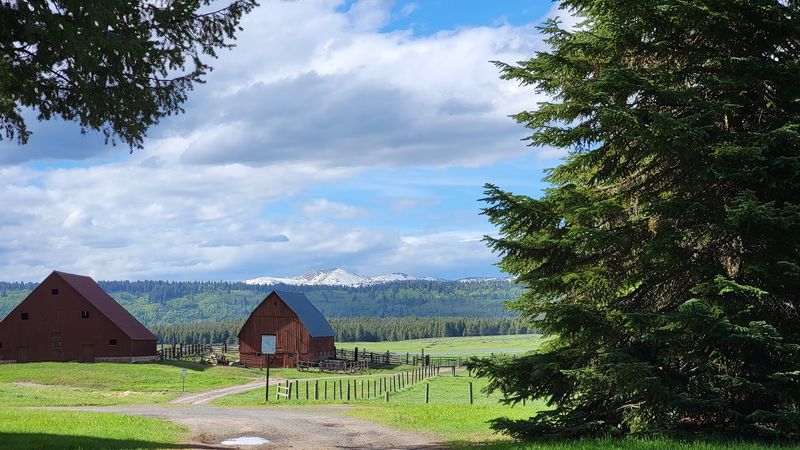
Long before the trails were groomed, this land had a very exclusive guest list. From 1902 to 1977, Union Pacific Railroad investors owned it, including the Harriman and Guggenheim families.
People called it the Railroad Ranch. It ran as a working cattle ranch and also served as a private retreat for its wealthy owners.
The property once stretched across roughly 16,000 acres. That’s a serious amount of elbow room for a getaway.
Then came a generous twist. In 1977, Roland and W.
Averell Harriman donated the property to the State of Idaho at no cost.
After that gift, Harriman State Park opened to the public in 1982. The old private hideaway became a place anyone could visit.
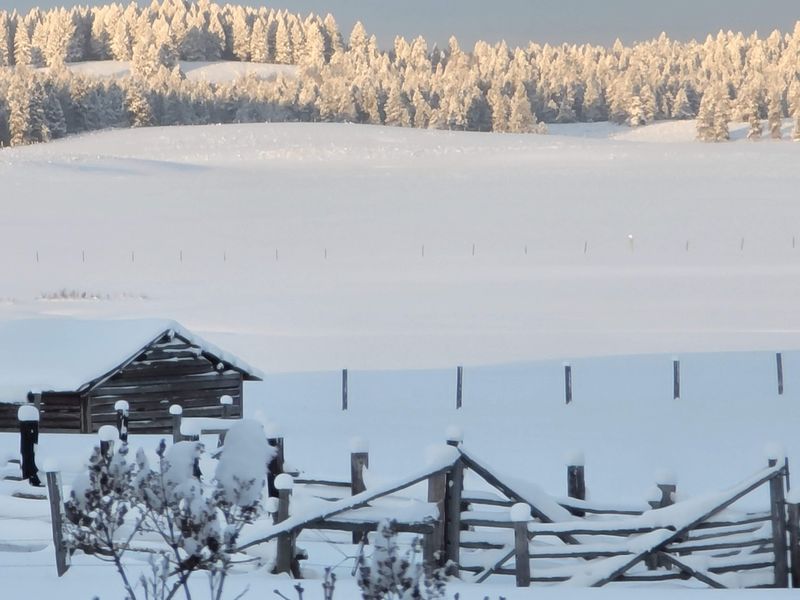
I like how the history still feels present. Many original ranch buildings remain standing, and in summer, park rangers lead guided tours through the historic Railroad Ranch.
Those buildings also play a part in winter visits. A few now serve as warming spots or overnight rentals, so the past keeps doing useful work in the present.
Moose And Elk Share The Neighborhood With The Swans
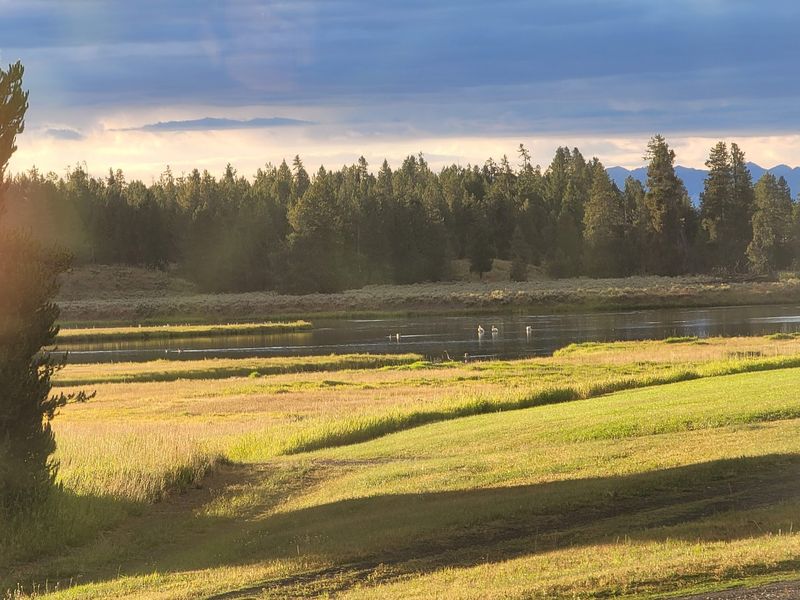
Swans get top billing, but the supporting cast deserves applause. The refuge also shelters moose, elk, and sandhill cranes.
Moose are a real treat to spot in winter. Their dark bodies stand out against the snow, especially near willows along the water.
Elk roam the area too. In fall, the park becomes a popular spot to listen for elk bugling, an eerie, whistling call that echoes across the meadows.
Sandhill cranes add another layer for bird lovers. Between the cranes and the swans, binoculars earn their spot in your bag.
Bears and mule deer live in the area as well. Bear spray is wise for warmer-season hikes in the wooded sections.
All of this happens because of the protected space. With 11,000 acres set aside inside the Greater Yellowstone Ecosystem, animals have room to move, feed, and rest without much disturbance.
Keep your distance with every animal, especially moose. They look calm, but they’re huge, and a long lens is always a smarter tool than stepping closer.
More Than 33 Miles Of Groomed Trail Wait For Your Skis
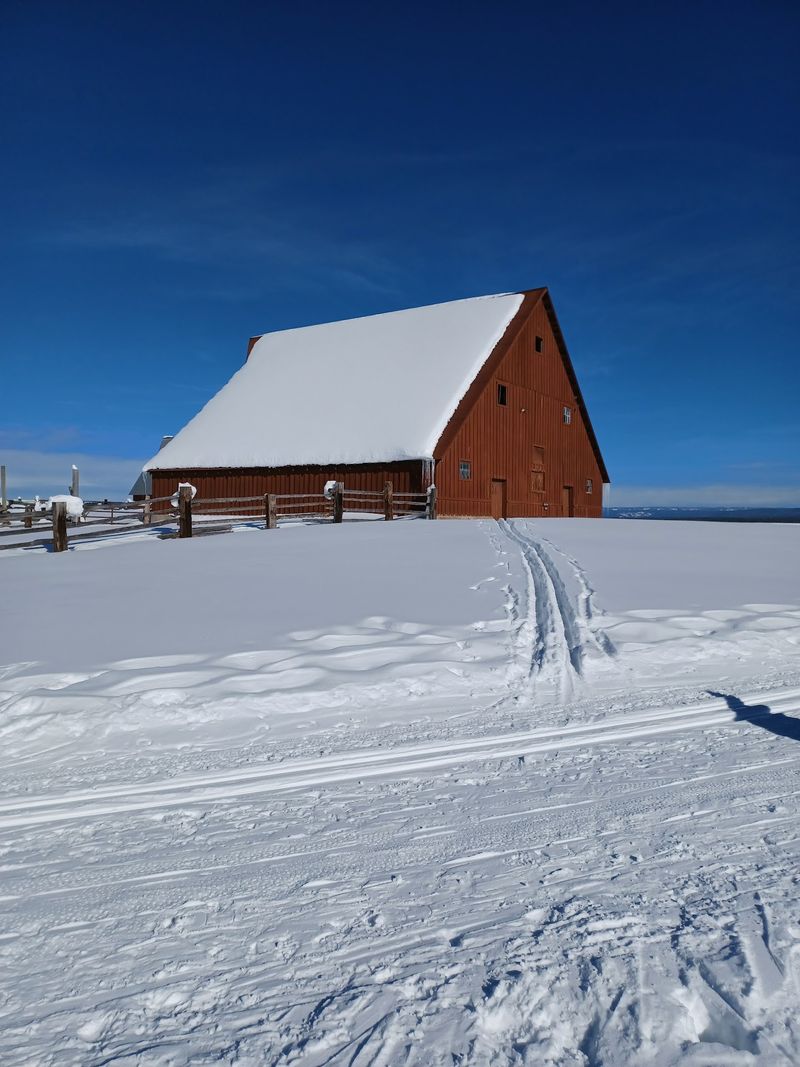
Swan watching works up an appetite for movement. Luckily, Harriman State Park grooms more than 33 miles of trail in winter.
Nordic skiing is the big draw. Cross-country skiers glide through open meadows, along forest edges, and near the river where the swans hang out.
Snowshoers get plenty of room too. You don’t need special skills, just warm layers and a willingness to tromp through fresh snow.
Fat biking has its fans here as well. Those wide, cushy tires roll over packed snow surprisingly well, and the groomed routes make it easier.
The terrain stays mostly flat. That makes the trails friendly for beginners, families, and anyone who prefers scenery over steep climbs.
One fair warning about the cold. Island Park often feels chillier than the forecast suggests, so extra layers are never a bad idea.
In warmer months, the same routes turn into hiking, mountain biking, and horseback riding trails. Spots like Silver Lake and Golden Lake become favorite loops, so the trail system earns its keep all year long.
Cozy Warming Huts Keep Your Fingers Working
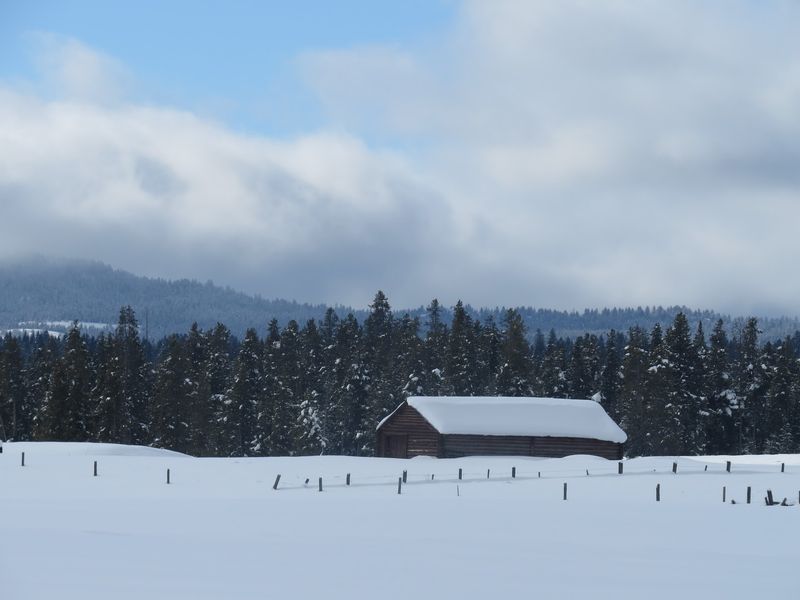
Cold fingers can end a swan outing early. Thankfully, the park offers warming huts to help you thaw out between adventures.
The historic Jones House often serves as a warming hut on weekends. It looks out over the Henry’s Fork, so you can warm up while still keeping an eye on the river and its winter wildlife.
That’s a pretty sweet arrangement. Wildlife viewing with a roof overhead feels like cheating, in the best way.
On weekdays, the Becker Yurt steps in as the public warming hut. It sits out along the trail system, making it a handy goal for a ski or snowshoe outing.
Restrooms are available at the Visitor Center too. Small comforts like that make a long winter day much more pleasant.
Schedules can shift with the season and staffing. Check with the park before you go so you know which warming spot is open.
Pack a thermos and some snacks either way. A warm drink and a swan view make a surprisingly great combo on a frosty Idaho afternoon.
You Can Sleep In A Yurt Named After A Baby Swan
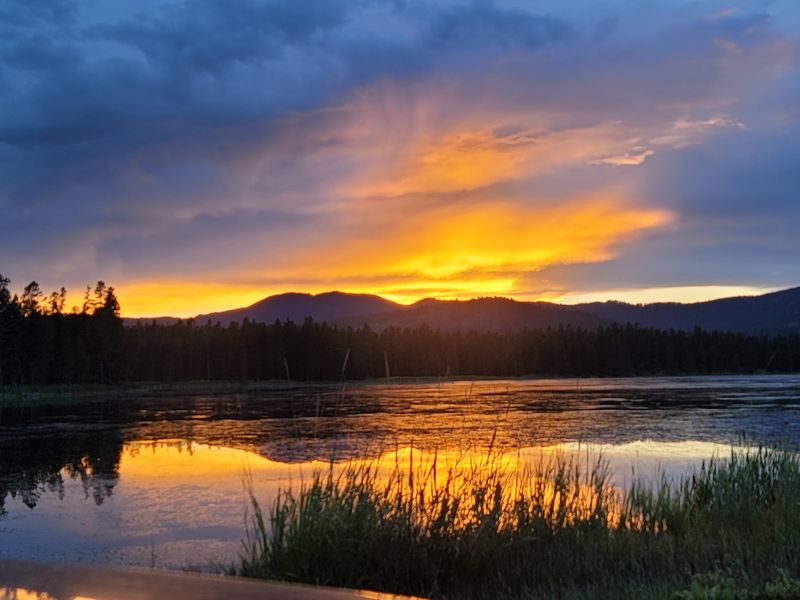
Cygnet is the word for a young swan. Fittingly, it’s also the name of one of the park’s rustic yurts.
Harriman State Park offers yurts for overnight stays, and three of them are available year-round. Look for the Cygnet, Ermine, and Wyethia Yurts when you plan a winter trip.
Staying overnight changes the whole experience. You can catch early morning light on the river without a long drive in the dark.
Sunrises and sunsets here get plenty of love. The open meadows and wide sky give you a big canvas for color.
Yurts are rustic, so think simple shelter rather than hotel suite. That’s part of the fun, especially if you enjoy a cozy, back-to-basics night in the snow.
Families often make yurt stays a winter tradition. Skiing or snowshoeing straight from your lodging feels like a small luxury out here.
Book well ahead if you can. Winter weekends in a spot this special tend to fill up, and nobody wants to miss out on sleeping near the swans.
Historic Ranch Buildings Double As Overnight Rentals
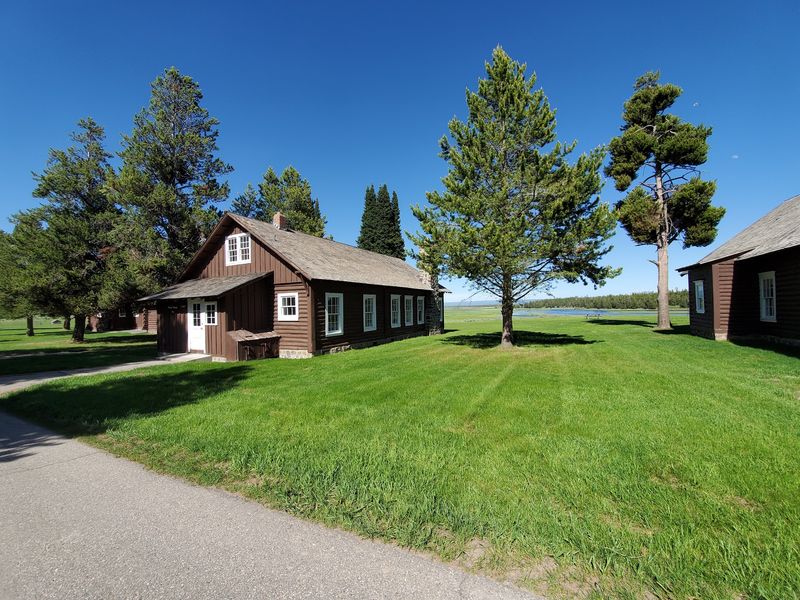
Bigger groups have options beyond the yurts. Several historic ranch buildings are available to rent for overnight stays.
The list reads like a page from the old ranch roster. There’s the Dormitory and Dining Hall, the Bunk House and Cook House, the Ranch Office, the Cattle Foreman’s House, and the Ranch Manager’s House.
Scovel Center rooms and cabins round out the choices. That variety works for family reunions, club trips, or a crew of friends chasing swans together.
Staying in these buildings adds real character. You’re sleeping on the same grounds where the Railroad Ranch once hosted wealthy families and working cowhands.
I can’t think of many places where history and wildlife sit this close together. You can step outside in the morning and walk toward the river in minutes.
Availability depends on the season and the building. Some may suit summer better, so check with the park about winter options before you plan.
Either way, it’s a fun alternative to a standard hotel. Your group gets space to spread out, plus a story worth telling later.
Full Moon Walks Bring Out The Night Owls
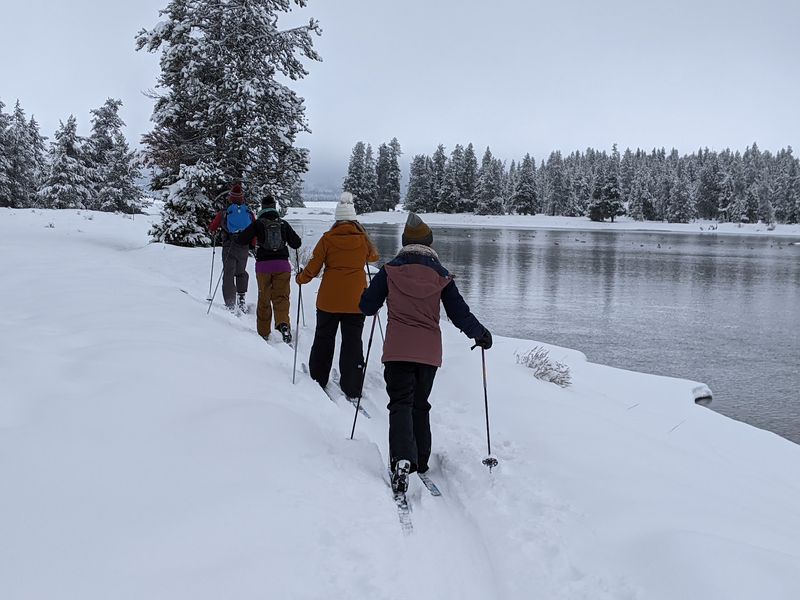
Moonlight on fresh snow is a whole different show. The park hosts full moon ski and snowshoe walks during winter, and they sound like pure magic.
Picture-perfect nights aside, these events give you a new way to see familiar trails. Everything looks quieter and softer once the sun goes down.
Daytime programs fill the calendar too. Guided snowshoe hikes help newcomers learn the trails while picking up details about the area.
A guide makes a real difference for first-timers. You’ll know where to look for wildlife and how the landscape works in winter.
Families with kids tend to enjoy these outings. Young explorers stay engaged when someone points out tracks, birds, and other small surprises along the way.
Summer brings its own lineup. Rangers lead tours of the Railroad Ranch buildings and run interpretive nature programs, and horseback rides head out on the trails.
Event dates change every season. Check the park’s calendar ahead of time, since full moon walks follow the moon, and the moon doesn’t care about your weekend plans.
A Few Smart Moves Before You Drive Up
Getting there is the easy part. The park’s address is 3489 Green Canyon Rd, Island Park, ID 83429, just off U.S.
Highway 20.
The park is open year-round. Officially, it runs from dawn until dusk, which lines up nicely with daylight swan viewing.
Expect a small vehicle entry fee. It’s just a few dollars, so it won’t bust your road trip budget.
The Visitor Center is a good first stop. You’ll find restrooms, a gift shop, and staff who can answer questions about trails and wildlife.
Winter driving in Island Park takes some planning. Snow can pile up fast, so check road conditions and pack an emergency kit before you leave.
Dress warmer than you think you need. Layers, waterproof boots, hats, and gloves will keep you comfortable while you wait for the swans to drift into view.
Binoculars are a must for this trip. A camera with a zoom lens helps too, since giving wildlife plenty of space always beats creeping closer.
Bundle Up, Because This Winter Show Is Worth The Chill
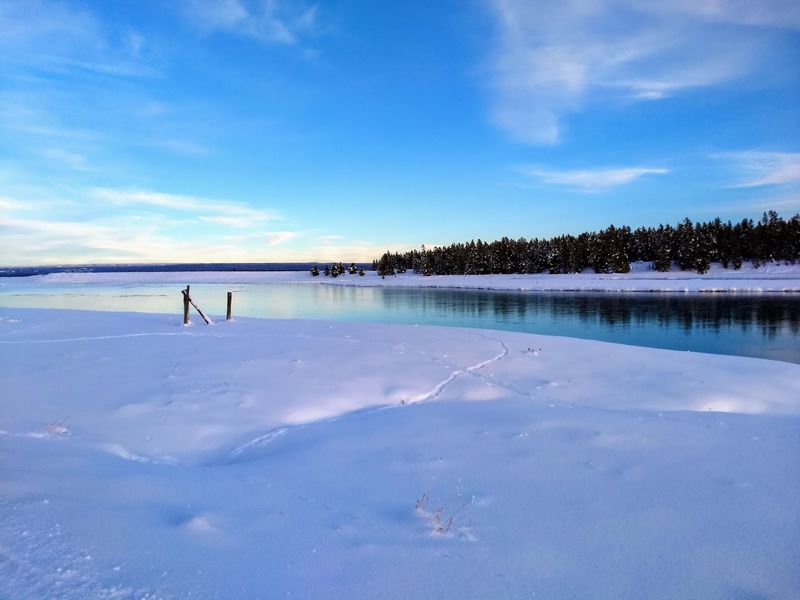
Few winter outings in Idaho deliver this much in one place. Harriman State Park gives you swans, moose, history, and miles of groomed trail without needing a second stop.
The swans are the headline for good reason. Watching a big share of the lower 48’s wintering trumpeters float on steaming open water is something special.
The setting keeps adding layers. Old Railroad Ranch buildings, cozy warming huts, and yurts named after baby swans make the trip feel personal.
It suits all kinds of people. Skiers, snowshoers, photographers, families, and anyone who loves wildlife will find a reason to linger.
Day-trippers can make a full outing of it. Overnight guests get the bonus of quiet mornings and soft evening light over the meadows.
I believe the cold is a small price to pay. A thermos, warm layers, and a little patience go a long way here.
So check the conditions, grab your binoculars, and head toward the Henry’s Fork. The swans will be waiting on the one stretch of river that winter just can’t freeze.