Most Nebraskans Never Learned The Story Behind These 7 Historic Sites
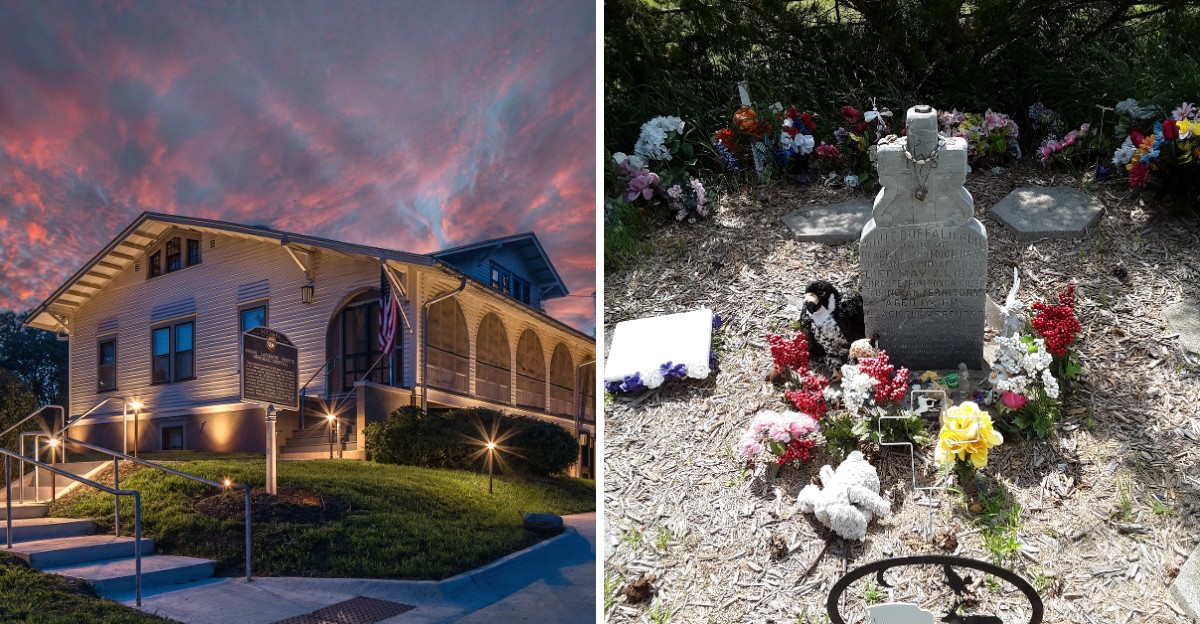
In 1877, a grieving Ponca father asked strangers in a small Nebraska town to care for his baby daughter’s resting place. They agreed, and people there still honor that promise today.
I can’t stop thinking about that kind of handshake across history. It sits in a quiet cemetery that most drivers pass without a second look.
Stories like that are scattered all over the state. One cave wall carries carvings far older than any nearby town, and one brick hospital was built by a woman who made medical history.
Most of us learned about covered wagons and sod houses in school. These seven sites fill in the chapters our textbooks skipped.
Some of them are probably closer to your house than you think. So how many of them have you actually visited?
1. Ash Hollow State Historical Park
Pioneers on the Oregon Trail hit a hill here so steep that wagons had to inch down it with locked wheels and ropes. After that white-knuckle ride, the canyon below offered fresh spring water and shade from ash trees.
That relief made Ash Hollow one of the most welcome stops on the whole trail. Travelers wrote about it in their diaries, and you can still spot wagon ruts carved into nearby Windlass Hill.
Long before any wagon arrived, though, people were already calling this place home. Native peoples camped and sheltered in the area for centuries, and the park’s cave tells part of that story.
The visitor center sits high on a bluff with wide views of the North Platte River valley. Inside, you’ll find a collection of Native American artifacts that adds depth to the trail chapter most of us learned.
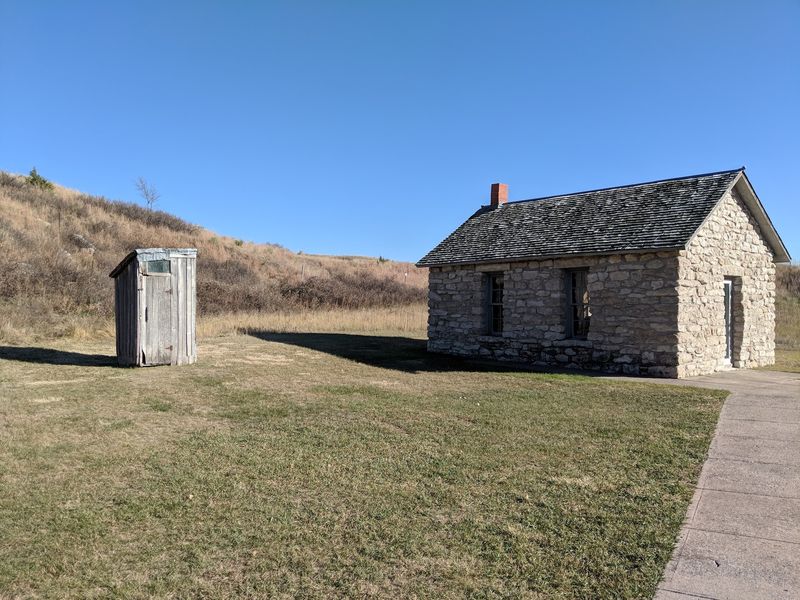
Don’t skip the one-room schoolhouse on the grounds, either. It’s a sweet reminder that settlers stayed, raised kids, and built a community in this western Nebraska canyon.
Walking trails let you stretch your legs between exhibits. The park keeps limited days, so check the schedule before making the drive out to Garden County.
Address: US-26, Lewellen, NE 69147
2. Indian Cave State Park
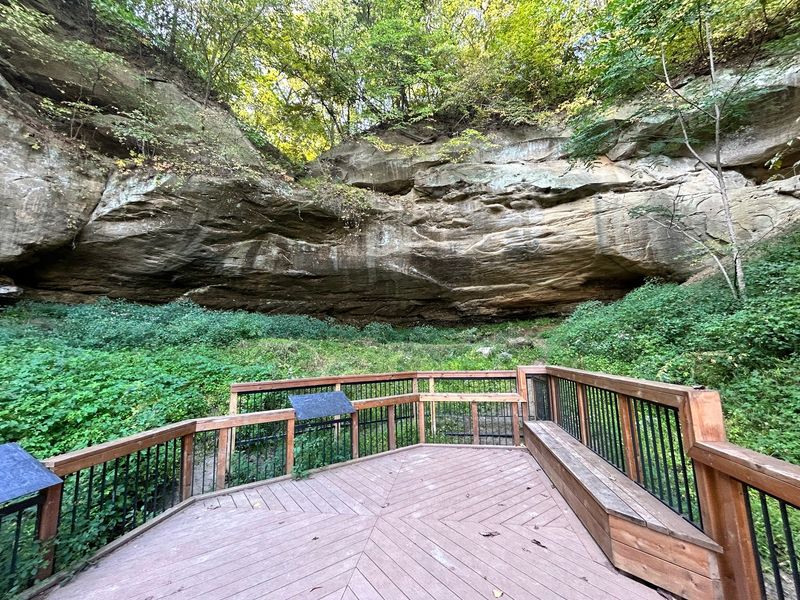
Somewhere along the Missouri River bluffs, a sandstone wall holds carvings that people made long before Nebraska had a name. That wall is the reason this park exists, and it’s a sight you won’t forget.
The cave sits in thick hardwood forest in the far southeast corner of the state. Its petroglyphs show figures and shapes carved by early inhabitants of the river valley.
Here’s a friendly tip: look, but please don’t touch. The soft sandstone is fragile, and later visitors scratched their own names into it over the years.
From the cave area, you get a lovely view of the Missouri River rolling past. It’s easy to see why people chose this spot for shelter so long ago.
Once you’ve soaked in the history, the rest of the park keeps you busy. Hiking trails, camping, horseback riding, fishing and picnic areas spread across the rugged woods.
Kids will appreciate the playground, swings and slides after a long hike. You may also find handmade brooms and candles for sale, a nice nod to old-time skills.
Fair warning about those trails, though. Some of them climb hard, so wear real shoes.
Address: 65296 720 Rd, Shubert, NE 68437
3. Blackbird Scenic Overlook
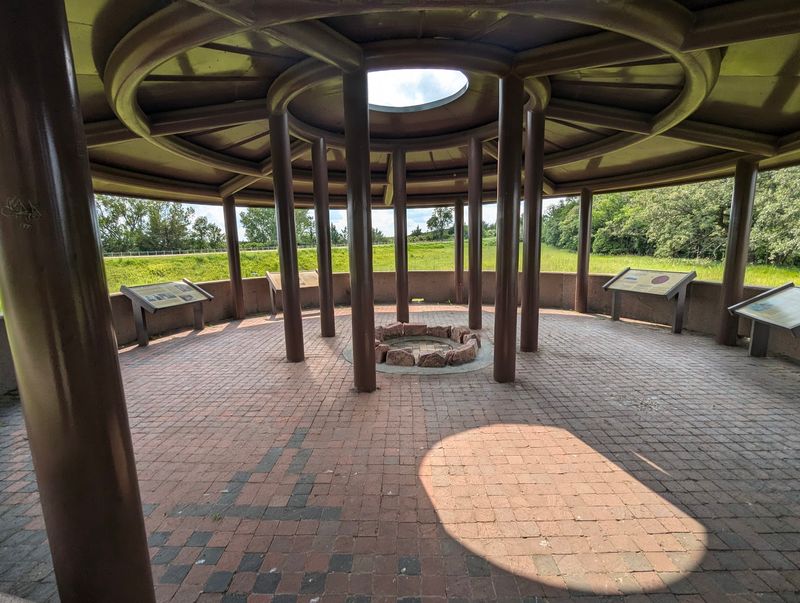
Lewis and Clark made a special stop near here in August 1804. They climbed a bluff to visit the resting place of Blackbird, a powerful Omaha leader who had passed a few years earlier.
According to tradition, Blackbird asked to rest on a high hill overlooking his people’s land along the river. That story alone makes this roadside stop worth pulling over for.
Today the overlook offers a sweeping view of the Missouri River valley. On a clear day, the bottomland seems to stretch forever.
The interpretive pavilion has a clever design that frames the scenery nicely. Signs explain the history of the Omaha People, who lived along this river for generations.
You’ll also learn how the Lewis and Clark expedition fit into the bigger picture. It’s a helpful reminder that the explorers were guests on land with a long story already.
Honestly, it’s the perfect break on a drive through northeast Nebraska. You can stretch your legs, read a little, and snap a few photos in under half an hour.
The overlook sits off the highway near Decatur, a small river town in Burt County. Keep your eyes peeled for the signs so you don’t zoom past.
Address: Decatur, NE 68020
4. Fort Robinson Museum & History Center
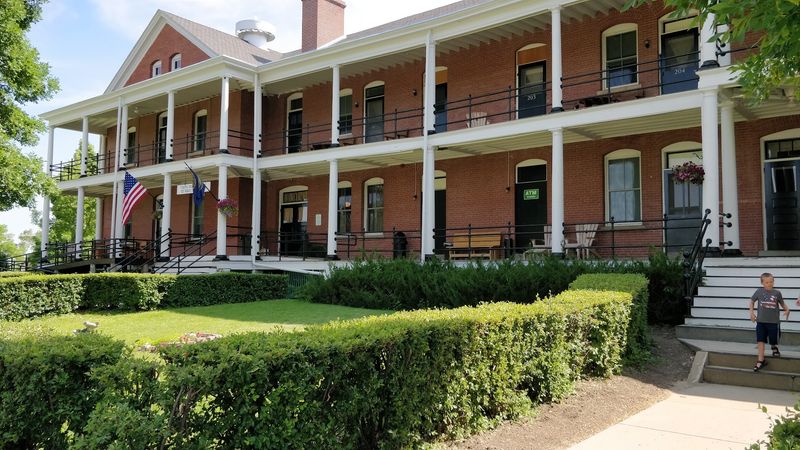
Horses, German prisoners and trained war dogs all share space in the story of one Pine Ridge fort. Few places pack that many surprising chapters into a single stop.
Fort Robinson began as a cavalry post in the 1870s. The museum traces those early troops and the Lakota and Northern Cheyenne people whose history is tied to this land.
That Native American story isn’t treated as a footnote here. Exhibits weave it into the history of the fort and the surrounding region.
Then the timeline takes a turn you might not expect. During World War I, the fort became a huge horse remount station supplying animals to the Army.
World War II brought even bigger changes. The post held a German prisoner of war camp and trained K-9 dogs for military service.
Yes, a dog training center in the Nebraska Panhandle. You’ll want to tell somebody about that one on the drive home.
The museum includes a gift shop and bookstore, and active military visitors can ask about discounts. Hours run short in the off-season, so check before heading out to Dawes County.
Address: 3200 US-20, Crawford, NE 69339
5. Genoa Indian Industrial School Museum
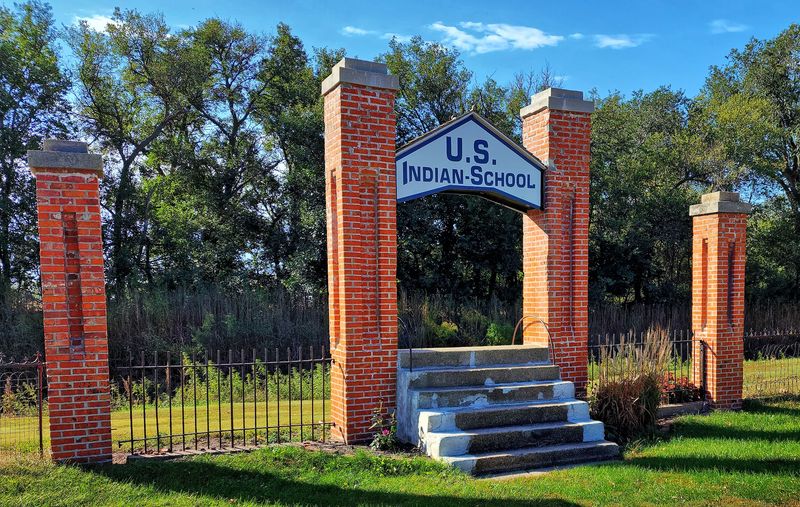
For fifty years, a small Nance County town held one of the largest federal boarding schools for Native American children. Most Nebraskans have never heard of it.
The Genoa Indian Industrial School opened in 1884 and ran until 1934. Children from many different nations across the plains and beyond were sent here, often far from their families.
Students spent part of their days in classrooms and part in trade work. Farming, sewing and shop skills were central to the school’s program.
The museum now preserves that chapter in a surviving school building. It shares artifacts, photographs and accounts that help you understand what daily life looked like for students.
This isn’t a light afternoon outing, and it shouldn’t be. Still, the museum handles the subject with care, and it ranks among the most educational stops in central Nebraska.
Families are welcome, and older kids especially can learn a lot. It’s a real chance to talk together about history that rarely shows up in school lessons.
Hours can vary, so contact the museum before you plan a trip. Tours help connect the pieces, so ask about one when you arrive.
Address: 209 E Webster Ave, Genoa, NE 68640
6. Susan LaFlesche Picotte Center
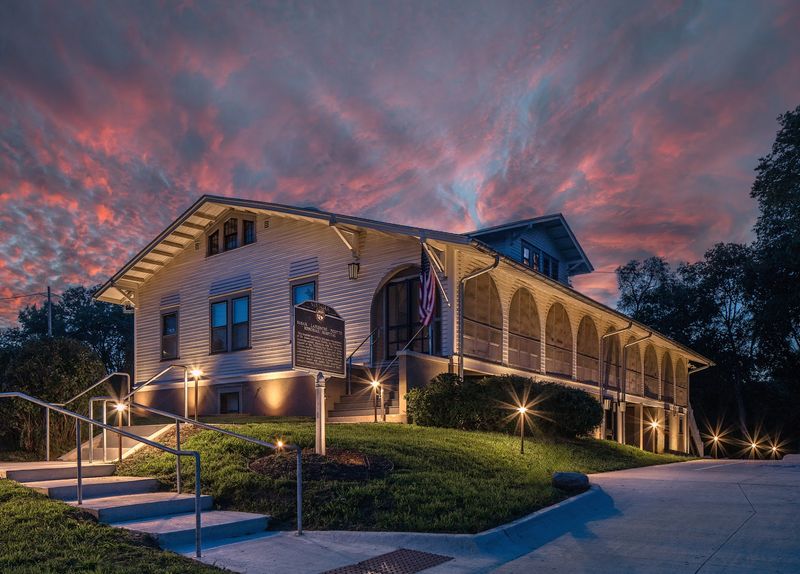
In 1889, a young Omaha woman earned a medical degree and became the first Native American woman to do so. Then she came home to Nebraska and got to work.
Dr. Susan LaFlesche Picotte treated patients across the Omaha Reservation, often traveling long distances to reach them. Her dream was a hospital where her people could get care close to home.
That dream came true in Walthill in 1913. The building she helped open still stands, and it now serves as the center honoring her life.
It’s a National Historic Landmark, which is a big deal for a small village. Exhibits share her story, her family and her lasting impact on public health.
Honestly, her life reads like a movie script. She studied in Pennsylvania, returned to the reservation, and pushed for better health for her community until her final years.
The center makes a great stop for anyone completing the Nebraska Passport program or exploring Thurston County. Free parking makes the visit easy.
Plan around its midweek schedule, since the center keeps limited days. Bringing a big group?
Call ahead so staff can set up a tour.
Address: 503 Matthewson St, Walthill, NE 68067
7. White Buffalo Girl Grave Site
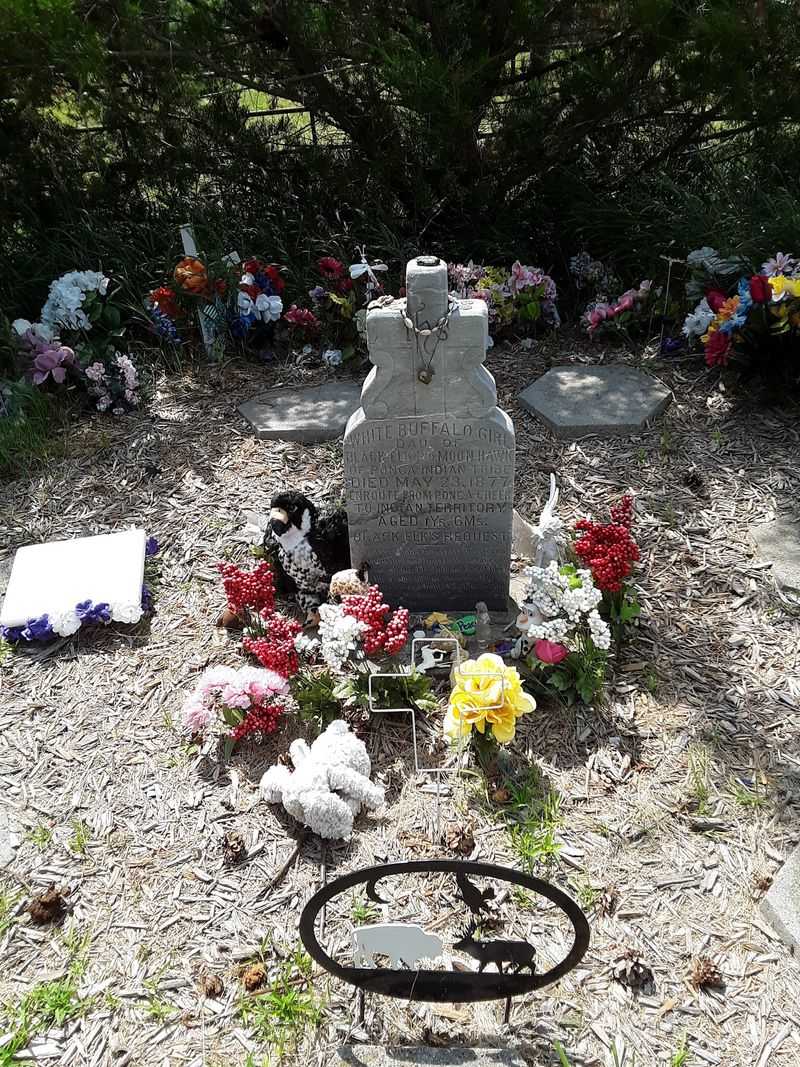
A father’s simple request in 1877 turned into a promise one Nebraska town has kept for nearly 150 years. Few roadside stops carry that much heart.
That spring, the Ponca people were forced to leave their homeland along the Niobrara River for Indian Territory. Along the way, the infant daughter of Black Elk and Moon Hawk passed while the group camped near Neligh.
Her name was White Buffalo Girl. She was laid to rest in the town cemetery with a Christian service.
Before moving on, her father asked the people of Neligh to tend her resting place as if she were their own. Townspeople took that request to heart.
Today a marker tells her story and the larger story of the Ponca removal. Visitors often leave small tokens of respect at the site.
The cemetery sits on a quiet hill in Antelope County. It’s a short stop, but it may stay with you much longer than you expect.
Bring the kids and talk about why the promise mattered. Few places in the state show so clearly how strangers can choose kindness, even in a hard chapter of Nebraska history.
Address: 84937 Cemetery Rd, Neligh, NE 68756