This Historic California College With Mountain Views Was Named One Of America’s Most Beautiful Campuses For 2027
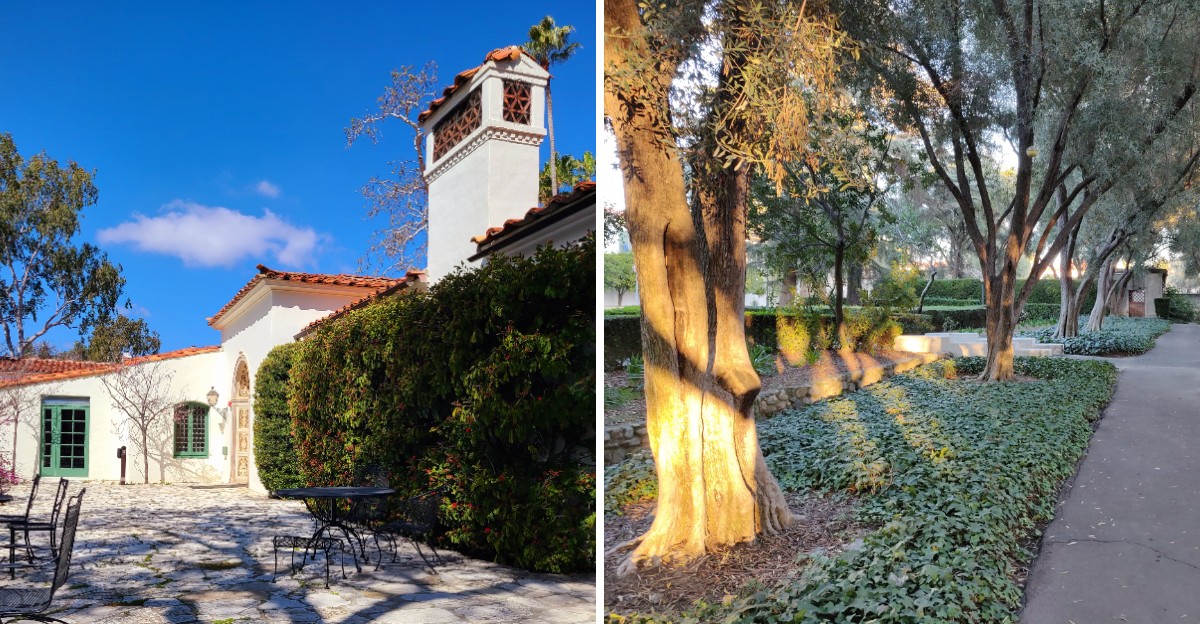
Students at one college get to snip roses from a garden planted just for them. Somewhere else on the same campus, olive trees get harvested and pressed into award-winning olive oil.
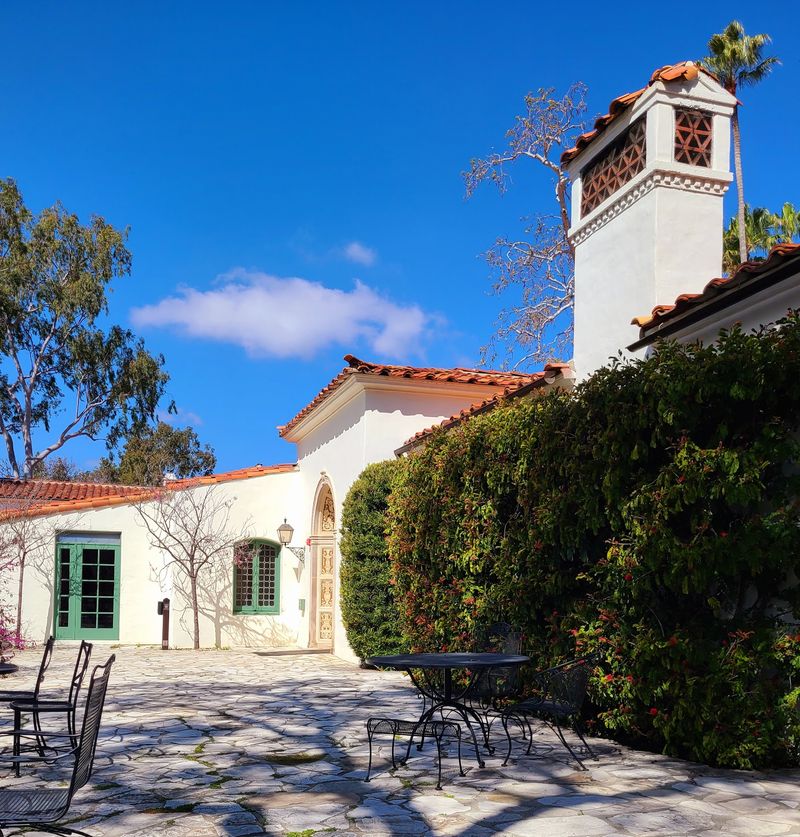
That alone made me want to know more. Then I learned the whole 32-acre campus sits on the National Register of Historic Places, with white stucco walls and red tile roofs everywhere.
I like how this Southern California school was designed in 1926 to feel more like a home than an institution.
Dorms come with living rooms, courtyards, and browsing rooms. It even keeps a weekly Wednesday afternoon tea tradition going.
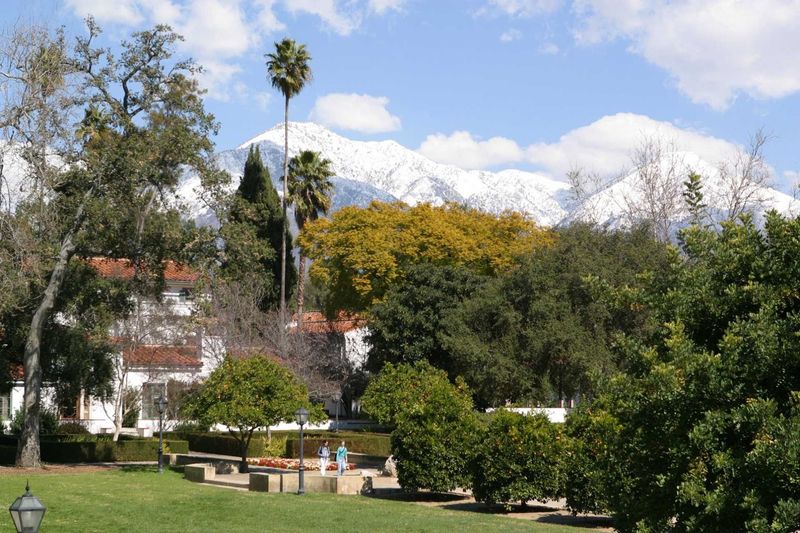
With the San Gabriel Mountains rising behind its historic buildings, the campus makes a memorable first impression.
The closer I looked at its architecture, gardens, and everyday traditions, the easier it became to understand why this college consistently earns national recognition for its beauty.
A Campus So Pretty It Keeps Landing On Best-Looking Lists
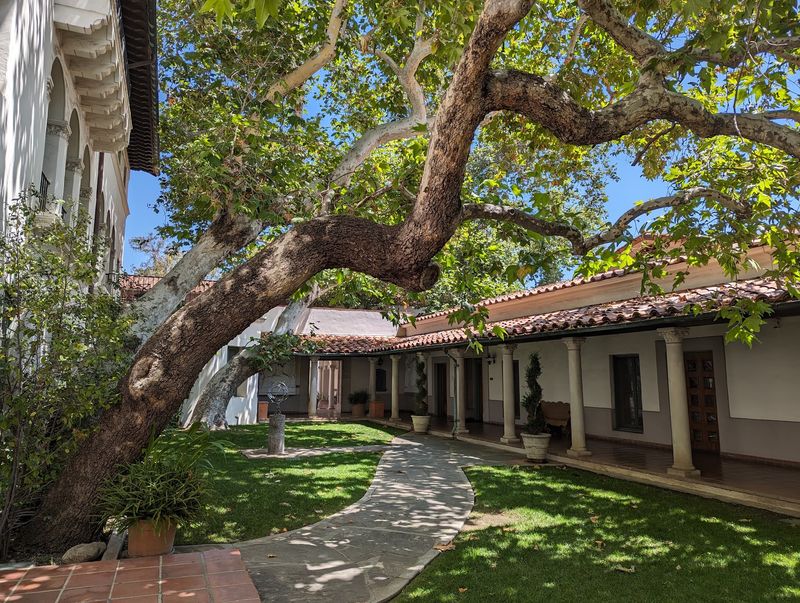
Scripps College, a private liberal arts college for women, has a habit of showing up on beauty rankings. The Princeton Review included it among the most beautiful campuses for 2027, and that’s far from its first rodeo.
Back in 2010, Forbes ranked it the fourth most beautiful college in the world. In the world, not just the neighborhood.
BuzzFeed placed it at number eight on a global list of gorgeous campuses in 2018. Universities.com later put it at number five in America in 2023.
Part of the appeal is how naturally the architecture blends with the surrounding landscape. The San Gabriel Mountains provide a striking backdrop, while carefully maintained gardens bring color to the campus throughout the year.
Founded in 1926 by philanthropist Ellen Browning Scripps, the college was designed with beauty and education in mind from the very beginning.
Nearly a century later, its historic buildings, leafy courtyards, and inviting outdoor spaces remain central to the student experience.
The college also belongs to The Claremont Colleges consortium, allowing students to take classes at neighboring institutions while enjoying the close-knit atmosphere of their own 32-acre campus.
Red Roofs And White Walls Make Every Corner Feel Like Spain
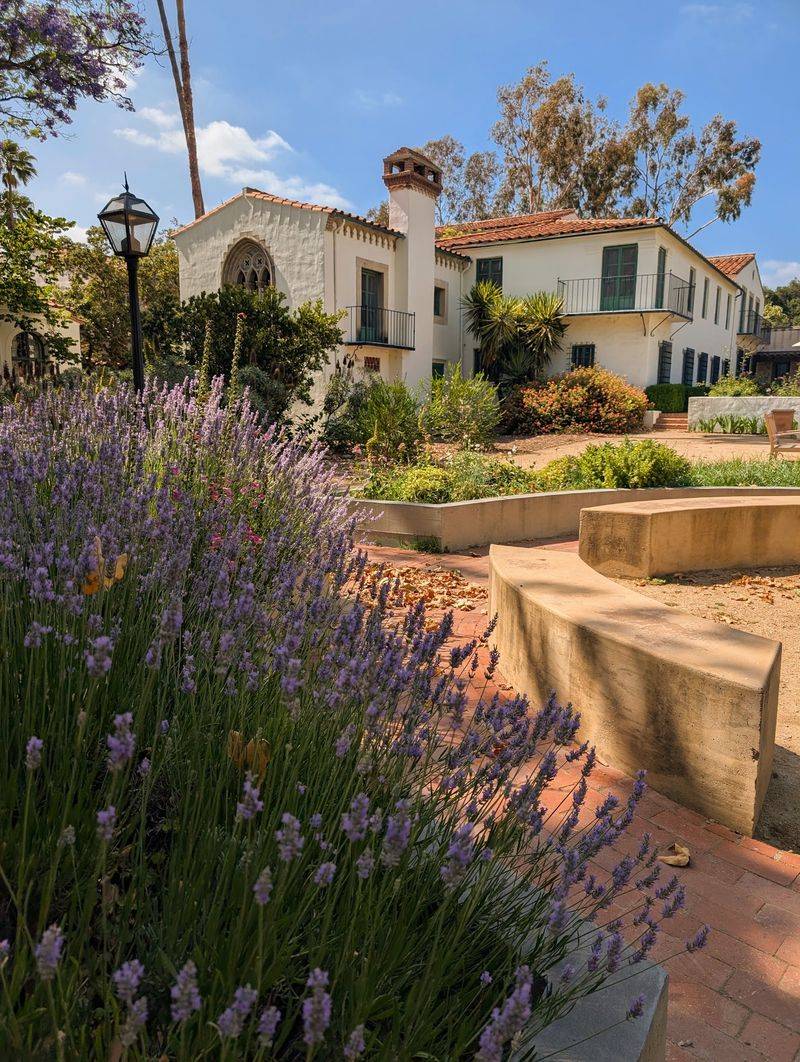
Architect Gordon Kaufmann drew up the master plan for this campus in 1926. He picked the Spanish Colonial Revival style, and it still steals the show today.
Think white stucco walls, red terracotta roofs, and painted tiles. Curves and arches pop up nearly everywhere you turn.
The look leans Mediterranean, which suits the sunny Southern California climate perfectly. It almost feels like the buildings grew right out of the landscape.
That was the whole point, actually. Kaufmann aimed for an artistic connection between the buildings and the grounds around them.
Fun fact for the travel buffs out there. Kaufmann also designed the famous La Quinta resort around the same time.
So if the arches here remind you of a fancy desert getaway, your eyes aren’t fooling you. Same designer, same era, same love of graceful lines.
The entire campus earned a spot on the National Register of Historic Places in 1984. That honor helps protect this architecture for future generations.
Walk slowly when you visit. Small details like tilework and shaded arcades reward anyone who takes a second look.
You Will Want To Sit A While In This Walled Secret Garden
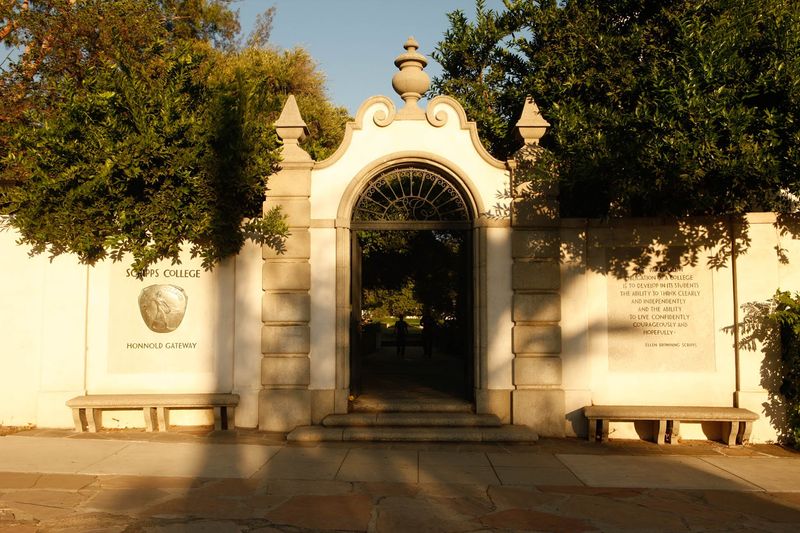
High walls wrap around the Margaret Fowler Garden like a hug. Inside, it’s modeled on a European medieval cloister garden, and the calm is instant.
A central pool anchors the space. Nearby stands a sculpture by Albert Stewart, adding an artistic touch to the greenery.
Then there’s a tiled wall fountain that gives the garden its gentle soundtrack. Colorful tiles make it look as good as it sounds.
The murals deserve a moment too. They were created by Alfredo Ramos Martínez, a celebrated Mexican painter.
Few campuses can say their garden walls double as an art gallery. That’s a pretty great perk for anyone needing a quiet study break.
I believe this is the kind of space that slows a busy brain down. Benches, shade, and still water do a lot of quiet work.
Landscape architect Edward Huntsman-Trout shaped much of the campus greenery, and his original work remains easy to spot. This garden shows his talent for creating outdoor rooms.
Bring a book or just bring yourself. Either way, you’ll leave feeling a little lighter.
Olives, Kumquats, And Pomegranates Grow Right Outside Class
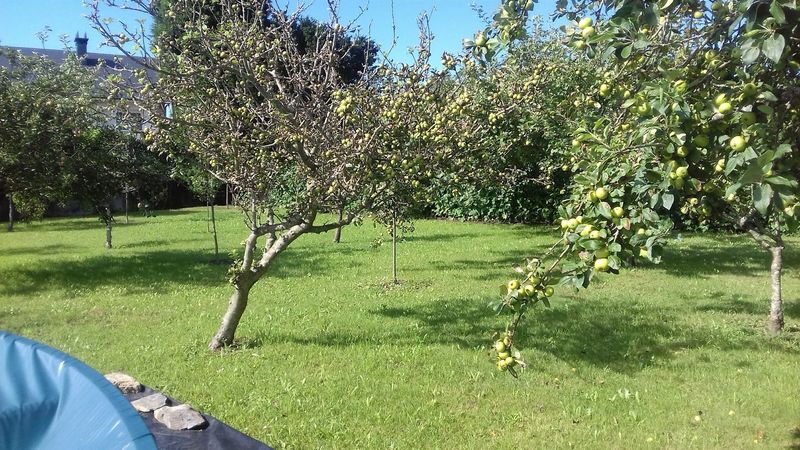
Most college snacks come from a vending machine. At Scripps College, some of them grow on trees.
The campus has more than 23 varieties of edible plants. Grapefruit, pomegranates, oranges, and kumquats all make an appearance.
The star of the bunch might be the Olive Court. Olives get harvested there and pressed into olive oil that has won awards.
Yes, a college campus with award-winning olive oil. That’s a brag few schools in California can match.
The Scripps Student Garden adds even more flavor. Started in 2001, it features seasonal fruit trees, planting beds, and murals painted by students.
I like how this setup turns the grounds into a living classroom. Students can see where food comes from instead of just reading about it.
Native and drought-tolerant plants share the space with all that fruit. It’s a smart balance for a region where water matters a lot.
Visiting during harvest season sounds like a treat. Just remember the fruit belongs to the campus community, so admire with your eyes first.
Somebody Planted A Rose Garden Just For Cutting Flowers
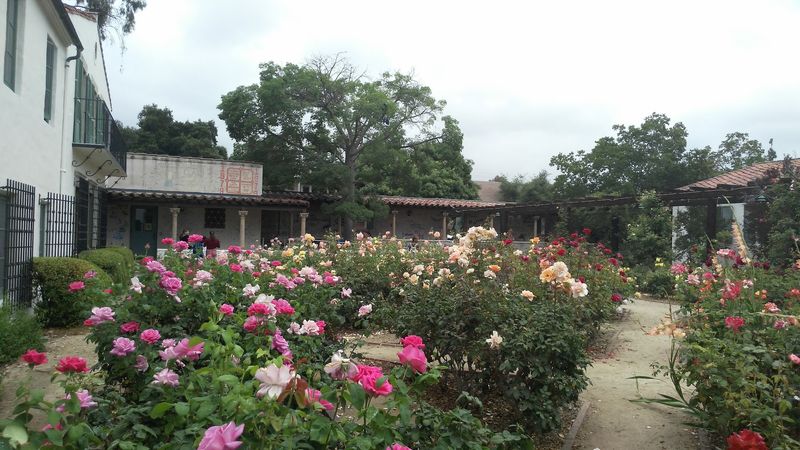
Picking flowers on campus usually gets you a stern look. Here, there’s a rose garden set aside specifically for students to cut.
That small detail says a lot about the school’s personality. Beauty here isn’t only for looking at, it’s for sharing.
A fresh bloom on a dorm desk can brighten finals week. It’s a simple luxury that costs nothing but a careful snip.
Across campus, the Elm Tree Lawn offers a different mood. It was replanted with Princeton elms, giving the lawn a classic, shady feel.
Big lawns like this invite picnics, reading, and lazy afternoons. Students can stretch out without leaving the heart of campus.
Long rows of trees also frame the views across the quadrangles. These allées guide your eyes like a picture frame around a painting.
Edward Huntsman-Trout planned much of this layout decades ago. His vision still shapes how people move through the grounds today.
Good luck walking past without pausing for a photo. Between roses and elms, your camera roll may need extra space.
Dorms Here Act More Like Charming Old Homes
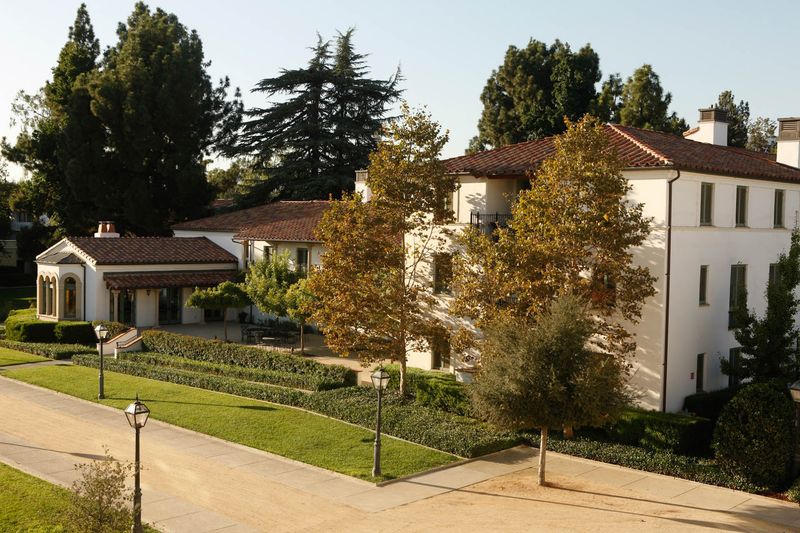
Forget cramped cinderblock hallways. The residence halls at Scripps College were built to feel like real homes.
They follow the Spanish Mission style, a look with deep roots in California. Thick walls and graceful arches give them old-world charm.
Inside, students share communal spaces like living rooms and kitchens. Browsing rooms offer cozy spots to read or chat.
Interior courtyards bring fresh air and sunlight into daily life. Stepping outside your room can mean stepping into a garden.
The newest hall shows a modern side, too. Schow Hall became the college’s first LEED Gold certified building.
It includes low-flow water fixtures, LED lighting, and ENERGY STAR appliances. Classic style and smart efficiency share the same address.
I can’t imagine a better way to ease into college life. Feeling at home matters when you’re far from family.
Parents touring the campus might get a little jealous. Their own dorm memories probably didn’t involve a courtyard.
Words From Brilliant Women Line The Path Beneath Your Feet
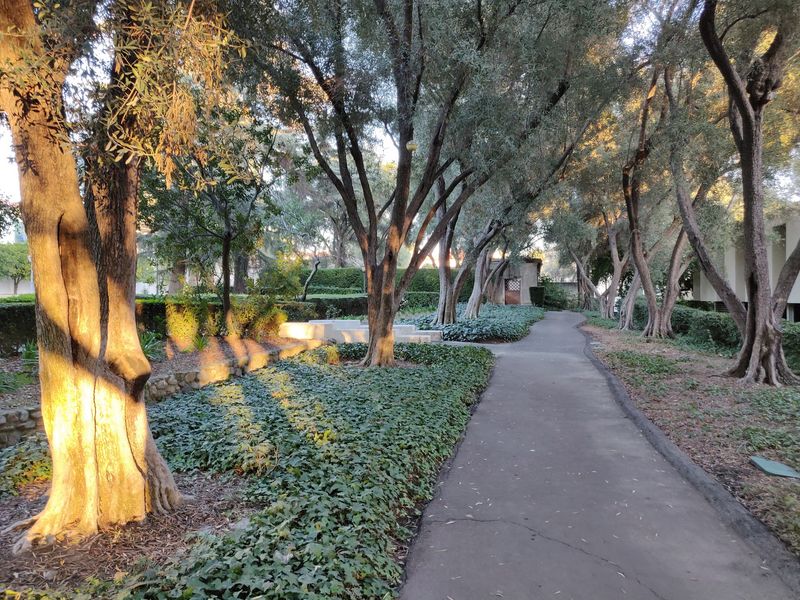
Some walkways just get you from point A to point B. The Inscription Walk at Scripps College gives you something to think about along the way.
Quotations from prominent women in the sciences and arts are featured along the path. It’s like a pep talk built right into the campus.
For a women’s college, the choice feels especially fitting. Students pass reminders of what women have achieved every single day.
The school focuses on interdisciplinary learning across the humanities, arts, and STEM. These inscriptions connect nicely to that wide range of interests.
Science lovers have a newer spot to explore as well. The Nucleus Science Center is the second LEED certified building on campus.
It features FSC-certified wood furnishings and drought-resistant native plant landscaping. Even the science building keeps the green theme going.
Visitors should slow down to read a few lines. A good quote can stick with you longer than any souvenir.
Who knows which words might inspire the next big idea? That’s the quiet magic of this walk.
Tea On Wednesdays And A Wall Covered In Class Pride
Wednesday afternoons come with a cozy ritual here. Scripps College has kept its longstanding Wednesday Afternoon Tea tradition going strong.
It’s a midweek pause that brings people together. Honestly, every school could use a built-in break like this.
Then there’s the Graffiti Wall, which has a totally different energy. Graduating classes leave their mark on it as part of campus tradition.
Each class adds its own creative flair. Over time, the wall becomes a colorful scrapbook of student history.
Traditions like these help a small campus feel like a close community. They give students shared memories that outlast exams.
Sporty students have options too. Scripps competes in NCAA Division III athletics through the Claremont-Mudd-Scripps program, known as CMS.
That partnership reflects how connected The Claremont Colleges are. Students enjoy small-school charm with access to a much bigger network.
So the week might include a lecture, a team practice, and a cup of tea. Not a bad rhythm for college life in California.
Plan A Stroll With Mountains Watching Over You
Ready to see it for yourself? Scripps College sits at 1030 Columbia Ave, Claremont, CA 91711.
Claremont is about 35 miles east of Los Angeles. It rests near the San Gabriel Mountains, which frame the northern horizon.
Those foothill views add drama to every lawn and courtyard. Snow on distant peaks in winter would be a bonus worth watching for.
Harvey Mudd College sits right across the way. Exploring the neighboring Claremont Colleges can easily stretch a short visit into a full afternoon.
Campus tours are a great way to learn the stories behind the buildings. Remember this is a working college, so stay respectful of classes and residents.
Private events sometimes limit photos in certain areas. A quick check before snapping pictures keeps things friendly.
Sustainability shows up even on a simple walk. Drip irrigation waters 70 percent of the lawns, and solar panels top several buildings.
Comfortable shoes are your best friend here. With gardens, arches, and fruit trees around every bend, you’ll want to wander longer than planned.