This Georgia Quilt Shop Has More Than 7,500 Bolts Of Cotton Fabric To Browse
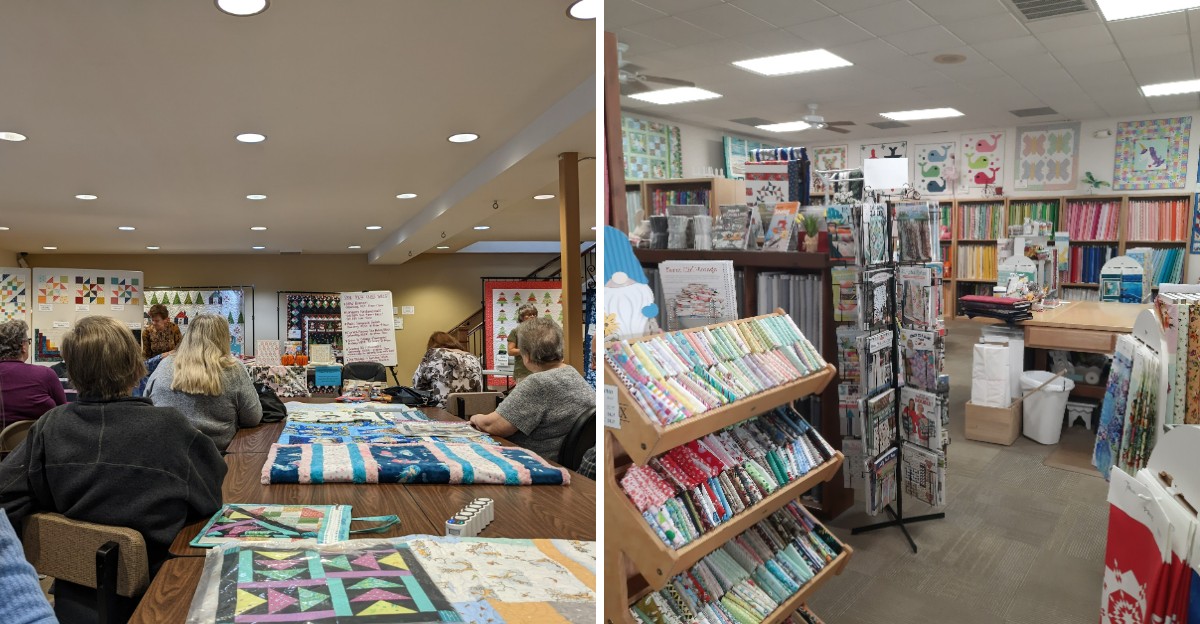
More than 7,500 bolts of cotton fabric live under one roof. That’s not a typo, and it’s not a warehouse either.
It’s a quilt shop with batiks, florals, and novelty prints stacked in neat, colorful rows.
The building covers about 7,500 square feet. Roughly 3,000 of those square feet belong to classrooms that stay busy.
So this place isn’t only about shopping, it’s about learning too.
I like how the owner once shopped here as a customer before taking over. She also spent 26 years teaching elementary school.
I believe that teacher energy still shapes the whole shop.
Georgia has plenty of craft stores, but few feel built for quilters this completely. There’s a pajama party, a Friday sewing marathon, and an owner who dresses as Mary Poppins.
Curious yet?
Bring A Plan, Because 7,500 Bolts Will Test Your Willpower
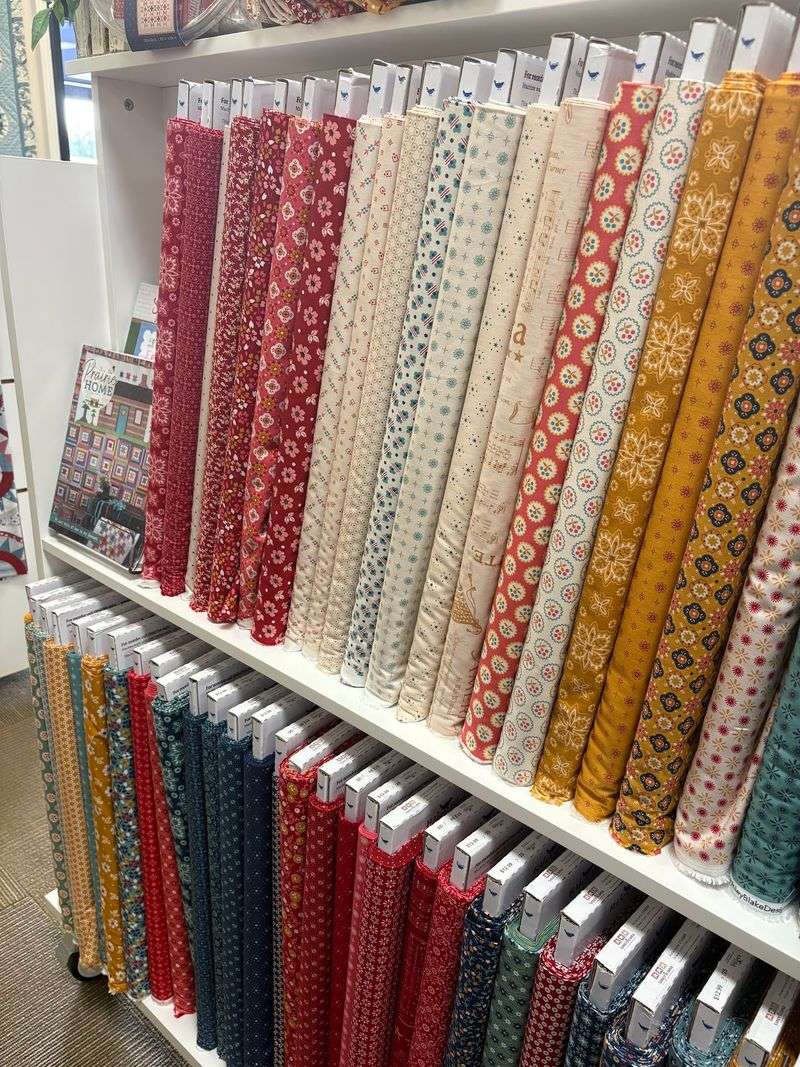
Start with the number, because it’s the reason people make the trip. Tiny Stitches Quilt Shop in Marietta carries more than 7,500 bolts of premium cotton fabric.
Back in 2016, the count reached nearly 8,000 bolts. That’s a lot of choices for someone who just needs a fat quarter of blue.
The mix covers traditional prints, batiks, florals, and novelty prints. So a cozy farmhouse quilt and a goofy kids’ blanket can come from the same shopping trip.
Here’s my honest advice. Walk in knowing your project, your colors, and roughly how much yardage you need.
Without a plan, you could easily wander the aisles for an hour. With one, you can still wander, but you’ll leave with the right fabric.
The collection also rotates with the seasons. That means a holiday print you spot in fall may not be waiting next spring.
Staff members can help coordinate fabrics and figure out yardage. That help matters when you’re staring at a wall of greens that all look perfect.
For quilters in Georgia, this many bolts in one place is a real treat. Just keep your budget in sight while you browse.
The Owner Went From Loyal Shopper To Running The Whole Show
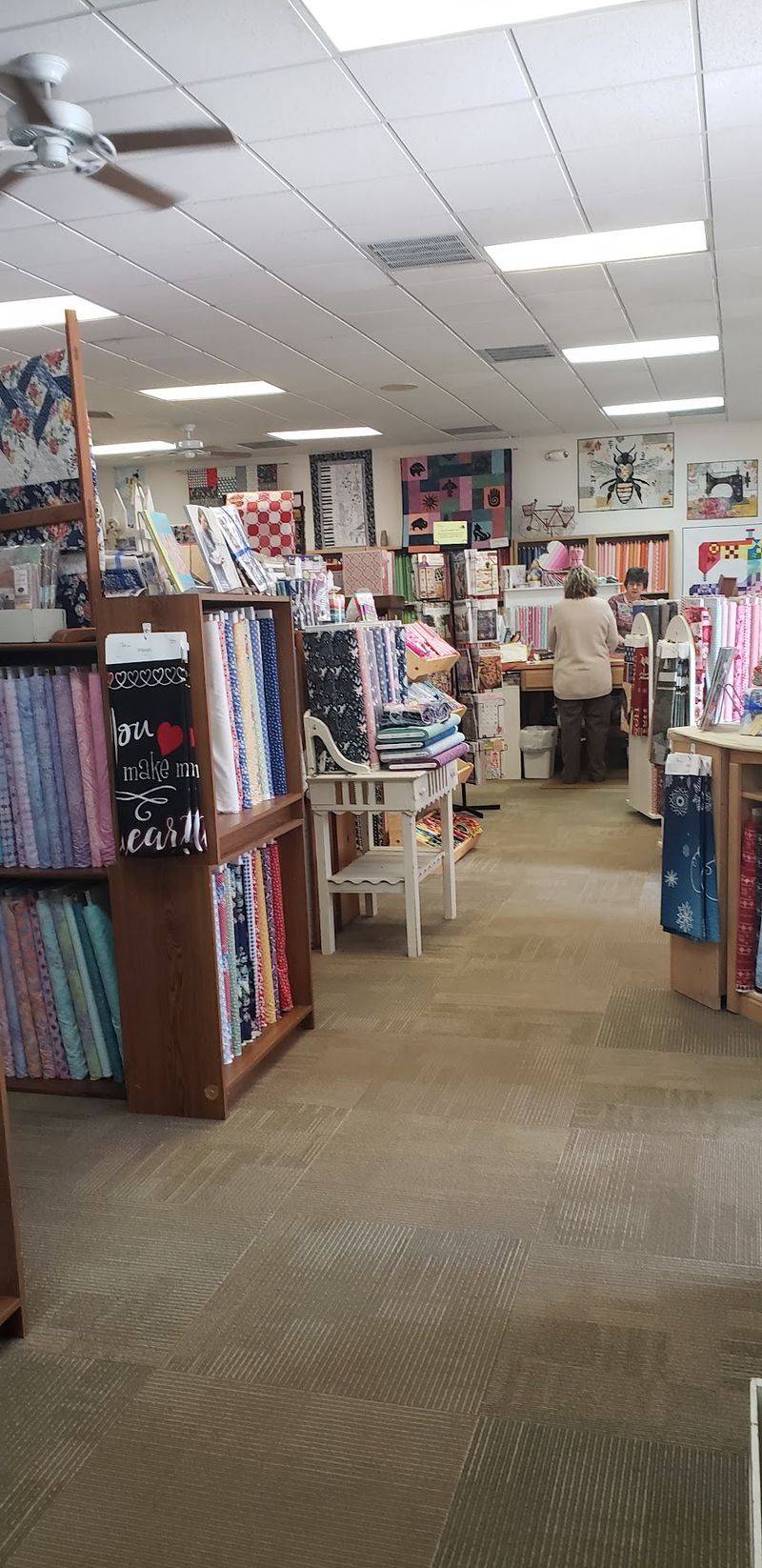
Every shop has an origin story, and this one starts at the register. Maetha Elliott was a customer at Tiny Stitches before she ever owned it.
When the previous owner retired, Maetha stepped in and took over. That’s quite a leap from buying fat quarters to managing thousands of bolts.
Before quilting became her business, she taught elementary school for 26 years. Teaching kids for that long builds patience, clear instructions, and plenty of enthusiasm.
Those skills fit a quilt shop surprisingly well. Learning to sew a straight quarter-inch seam can feel a lot like learning long division.
By 2016, she had owned the shop for about 11 years. Under her watch, the business grew and moved several times before landing in its current space.
Her energy shows up in the fun parts too. She’s known for dressing in costumes at shop events.
Mary Poppins has made an appearance. So has a singing Christmas tree, which is not a sentence you read every day.
I can’t imagine a better fit for a shop owner. She knows what customers want because she used to be one.
Half The Building Is Basically A Quilting School
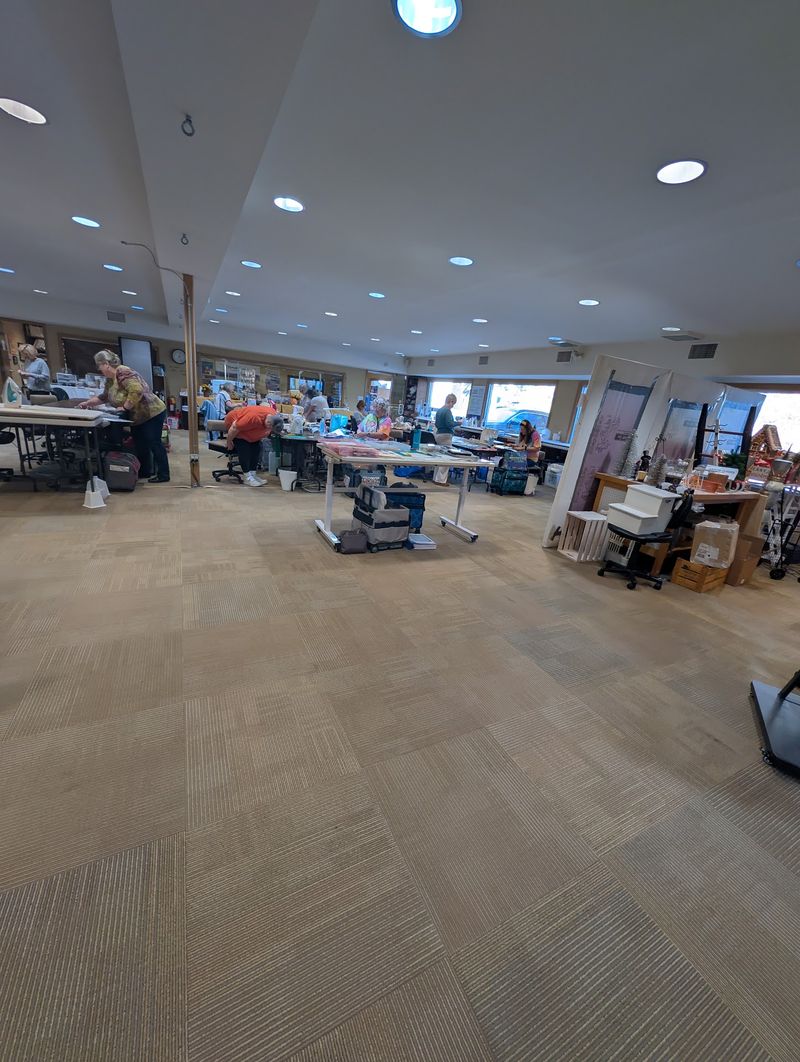
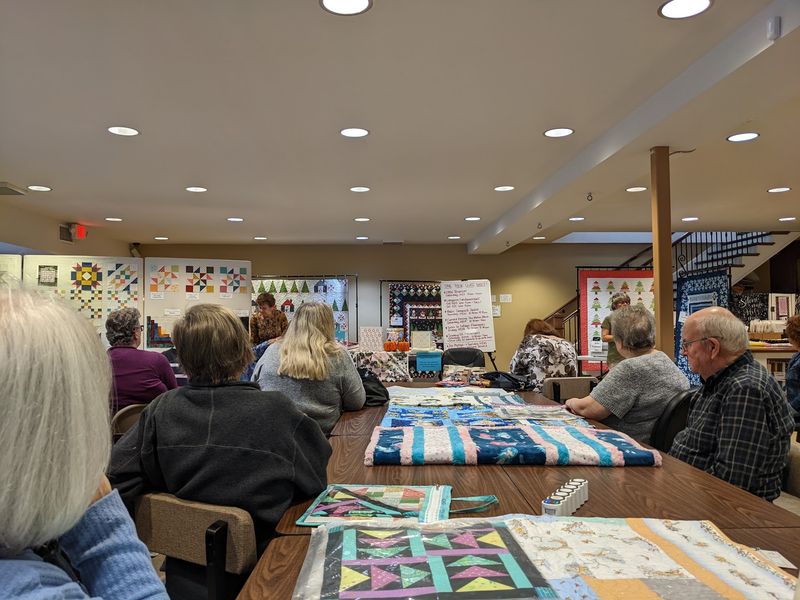
Out of 7,500 square feet, about 3,000 go straight to classrooms. That’s a huge chunk of space for a fabric store to give away to learning.
The classrooms sit on the lower level of the building. And they don’t sit empty, since classes run often.
The shop offers both technique classes and project classes. Some teach a specific skill, while others guide you through finishing an actual quilt.
Beginners are welcome, and so are advanced quilters. There’s room for anyone between “what’s a rotary cutter?” and “I’ve made forty quilts.”
One example is the Building Blocks class. It’s designed for people who’ve finished their first quilt and want to learn trickier piecing.
That kind of next-step class is smart. Lots of new quilters finish one simple project, then feel stuck on what to try next.
Classes also bring a social side to sewing. Working next to other quilters makes the frustrating moments feel a lot less lonely.
My tip is simple. Check the class schedule before you visit, since a shopping trip could easily turn into a sign-up.
Longarm Machines Are Here For Buying, Renting, And Learning
Quilting the top, batting, and backing together is where many projects stall. Tiny Stitches offers a real solution with longarm machines.
The shop is an authorized Handi Quilter retailer. It sells longarm quilting machines, Pro-Stitcher systems, and the frames that hold everything.
A longarm lets you stitch across a big quilt without shoving it through a regular machine. Anyone who has wrestled a queen-size quilt knows how much that matters.
Not ready to buy one? Good news, because you can rent longarm time right at the store.
Renting is a smart way to test the process. You can finish a project and learn whether longarm quilting suits you.
Buyers also get setup help and hands-on training. That support counts for a lot, since these machines aren’t exactly toaster-simple.
Having sales, rentals, and training in one Georgia shop makes life easier. You won’t need to piece together help from three different places.
If your closet holds a stack of unfinished quilt tops, this might be the push you need. Those tops deserve to become actual quilts someday.
Notions, Patterns, And A Surprise Corner For Cross-Stitch Fans
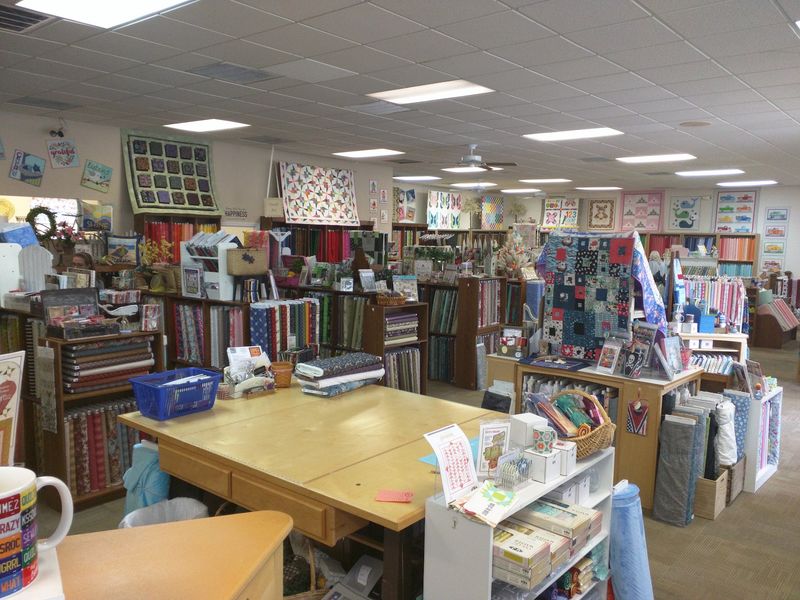
Fabric gets the headlines, but the smaller stuff keeps projects moving. The shop stocks a big selection of patterns, books, and notions.
Notions are all those handy tools quilters need. Think rulers, pins, needles, and the gadgets you didn’t know existed yet.
Thread comes in a wide range of colors too. Matching a tricky shade is much easier when the options don’t stop at five.
Pre-cut packs like jelly rolls fill the shelves as well. These bundles of coordinated strips save cutting time and look gorgeous rolled up.
Fans of designer Tula Pink will find her fabrics featured here. Her bold, playful prints have a serious following among quilters.
Then comes the bonus corner. Cross-stitch and hand embroidery supplies share space in the store.
That’s handy for anyone who loves a portable project. Embroidery fits in a bag, while a quilt definitely does not.
Kits are another easy win. They bundle fabric and a pattern together, so you can skip the guesswork and start sewing.
Fridays Come With A Motto: Quilt Til You Wilt
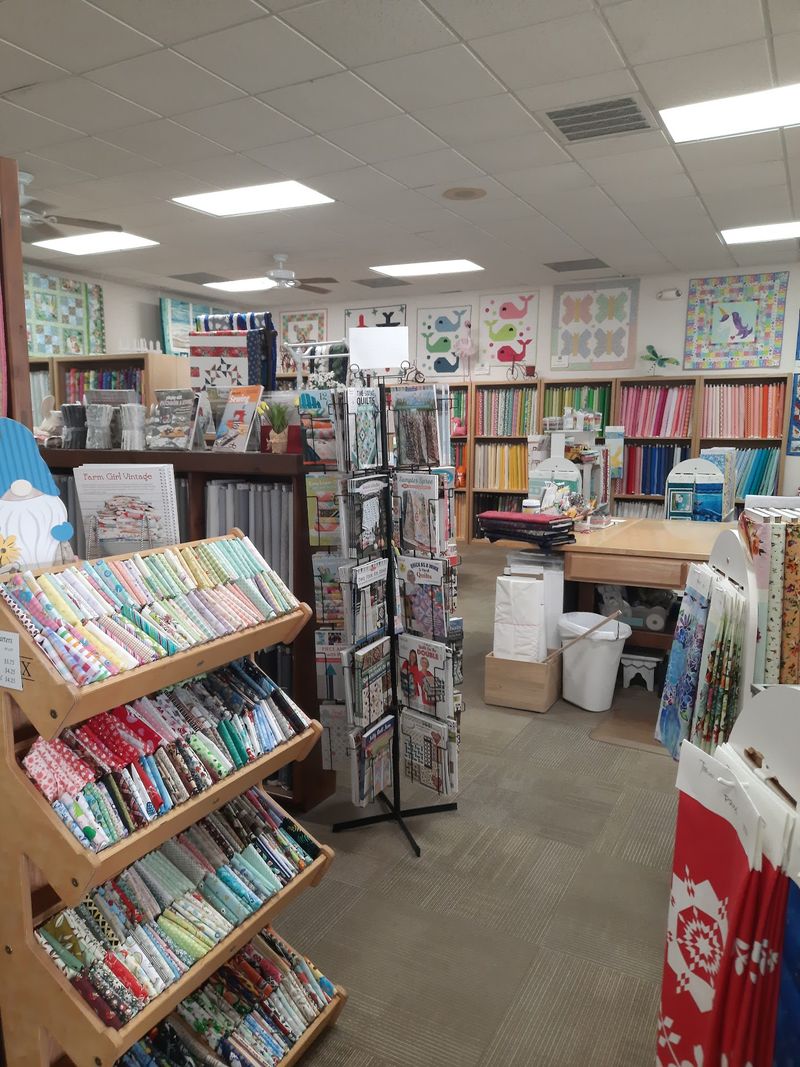
Quilt Til You Wilt might be the best event name in Georgia. It happens on Fridays, and the idea is beautifully simple.
Quilters gather and work on their current projects together. No fancy lesson plan needed, just sewing and good company.
Saturday Sampler groups bring another way to stay on track. Participants keep building their quilts alongside other people doing the same thing.
The shop also hosts a book club. So the conversation doesn’t always have to revolve around seam allowances.
Quilting retreats round out the calendar. Those give sewists longer stretches of focused time with fellow fabric lovers.
The local Modern Quilt Guild meets at the shop as well. Modern quilting often uses bold colors, clean lines, and lots of open space.
All of this explains why the shop calls itself a gathering place for quilters. It works like a clubhouse with really good inventory.
If you sew alone at home, these groups can change everything. Projects move faster when friends notice your progress and cheer you on.
Pajamas Required At This Holiday Party
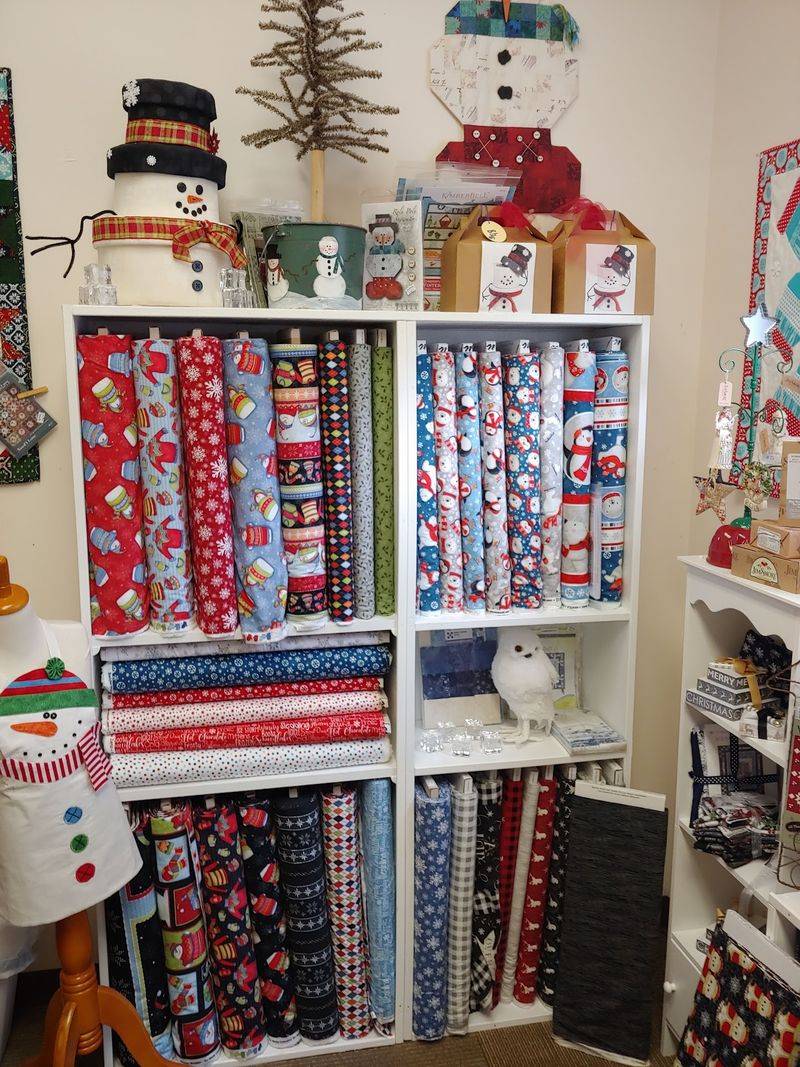
Most stores thank customers with a coupon. Tiny Stitches throws a pajama party instead.
The event is called the Night Before Christmas. It’s an annual customer appreciation celebration, and yes, pajamas are part of the fun.
Shopping for fabric in flannel pants just feels right somehow. It’s cozy, a little silly, and fits the holiday mood perfectly.
The owner’s love of costumes adds to the spirit. She has dressed as a singing Christmas tree before, which sets a pretty high bar.
Holiday timing also makes sense for quilters. Plenty of people rush to finish gifts, table runners, and stockings before December wraps up.
Seasonal fabric rotations help with that rush. Festive prints show up when you actually need them for projects.
I like that the shop celebrates customers in such a personal way. It feels more like a party with friends than a sales event.
Keep an eye on the shop’s event calendar as winter approaches. Your favorite pajamas might finally get a public outing.
A Monthly Tune-Up Keeps Your Sewing Machine Humming
Skipped stitches and weird thread loops can ruin a good sewing day. Luckily, the shop has a fix for that.
A machine technician visits once a month. The tech handles repairs and professional cleaning for sewing machines.
Regular cleaning matters more than many beginners realize. Lint builds up inside, especially when you sew lots of cotton.
Having this service at a quilt shop is convenient. You can drop off your machine and browse fabric in the same trip.
That beats hauling it across town to a separate repair shop. It also keeps everything connected to people who understand quilting.
Staff knowledge helps with smaller problems too. Tension trouble and threading mix-ups are common headaches for newer sewists.
My suggestion is to plan ahead. Since the technician comes monthly, timing your service around big deadlines makes sense.
Nobody wants their machine in the shop the week before a baby shower quilt is due. A little planning saves a lot of panic.
Plan Your Visit Around Easy, Generous Hours
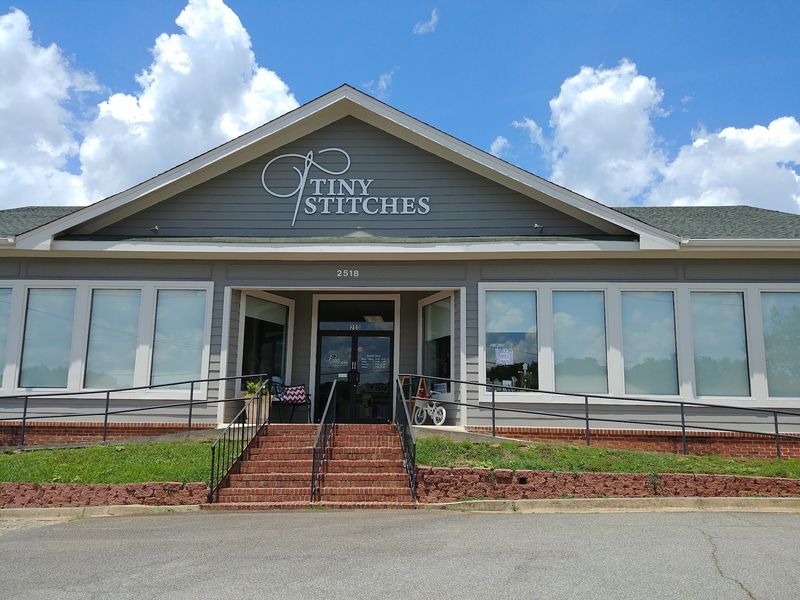
Finding the shop is simple once you have the address. Tiny Stitches sits at 2518 E Piedmont Rd, Marietta, GA 30062.
Marietta lies northwest of Atlanta in Cobb County. That makes it a reasonable drive for many Georgia quilters.
Weekday hours run from 10 a.m. to 5 p.m., Monday through Friday. Saturdays follow the same schedule.
Sundays open later, from 1 p.m. to 5 p.m. That afternoon window works nicely for a relaxed weekend fabric run.
Give yourself more time than you think you’ll need. Thousands of bolts, kits, and notions can swallow an afternoon fast.
The shop is known for staying clean and well organized. That helps a lot when you’re hunting for one specific shade of teal.
Bring swatches or photos of your project if you can. Matching colors is much easier with something in hand.
Also, don’t be shy about asking for help. Coordinating fabrics is a skill, and the staff can save you from second-guessing every bolt.