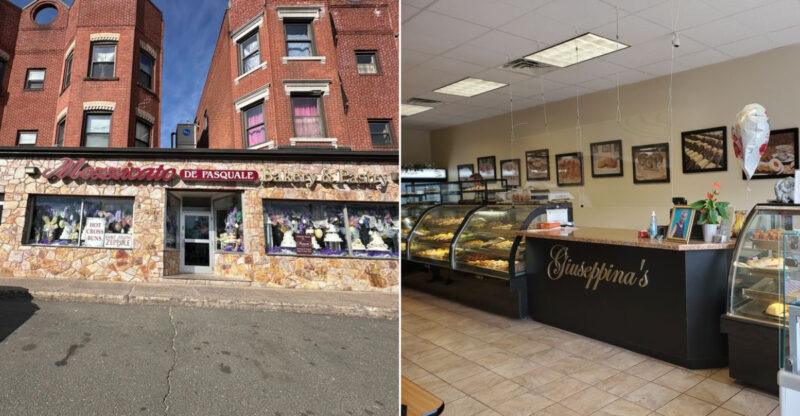
A Connecticut Market Where You Can Taste Fresh Cold-Pressed Olive Oil
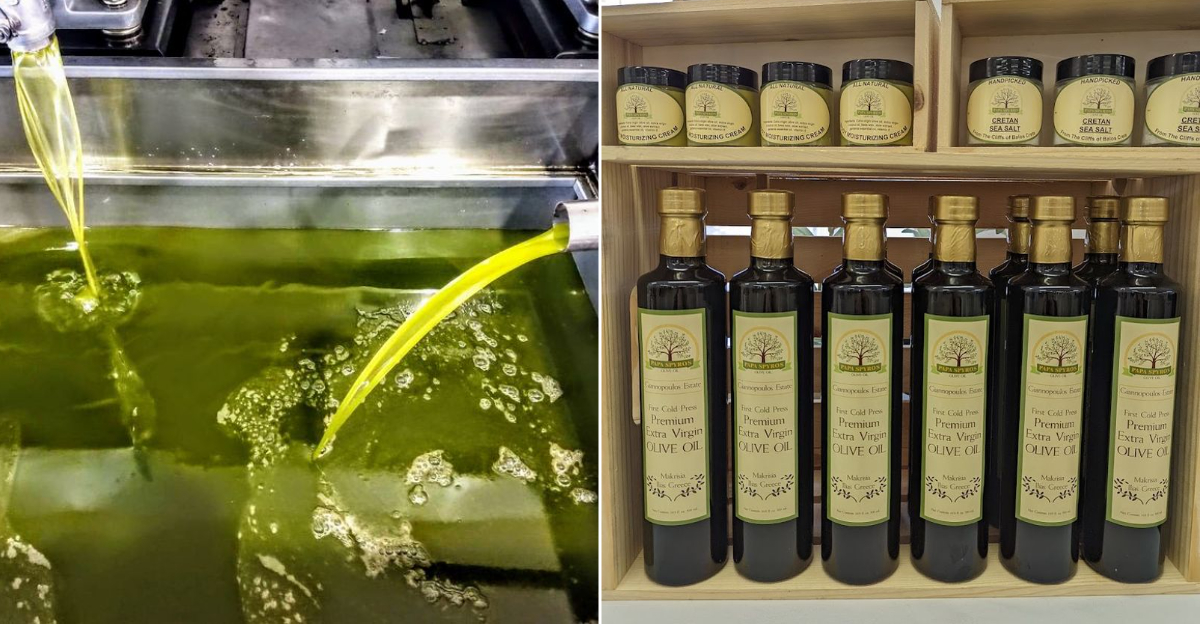
Most markets sell bottles from a shelf. This one lets you slow down and actually taste what makes fresh oil so different.
The flavor feels vivid and fresh, with a finish that makes ordinary supermarket versions seem flat by comparison.
There is a personal touch to the experience. Staff members explain the oil without turning the tasting into a lecture, and the shelves feel thoughtfully chosen rather than crowded.
Small details make the visit feel warm. You may come in curious about one ingredient and leave noticing how much care can go into something so simple.
Fresh cold-pressed olive oil gives this market in Connecticut a flavorful experience that feels personal, welcoming, and memorable. It is not flashy, and that is part of the appeal.
The tasting speaks for itself, while the relaxed setting keeps everything approachable. By the end, a familiar pantry staple feels much more interesting than it did before.
1. Five Generations Connect Branford With Greek Olive Groves
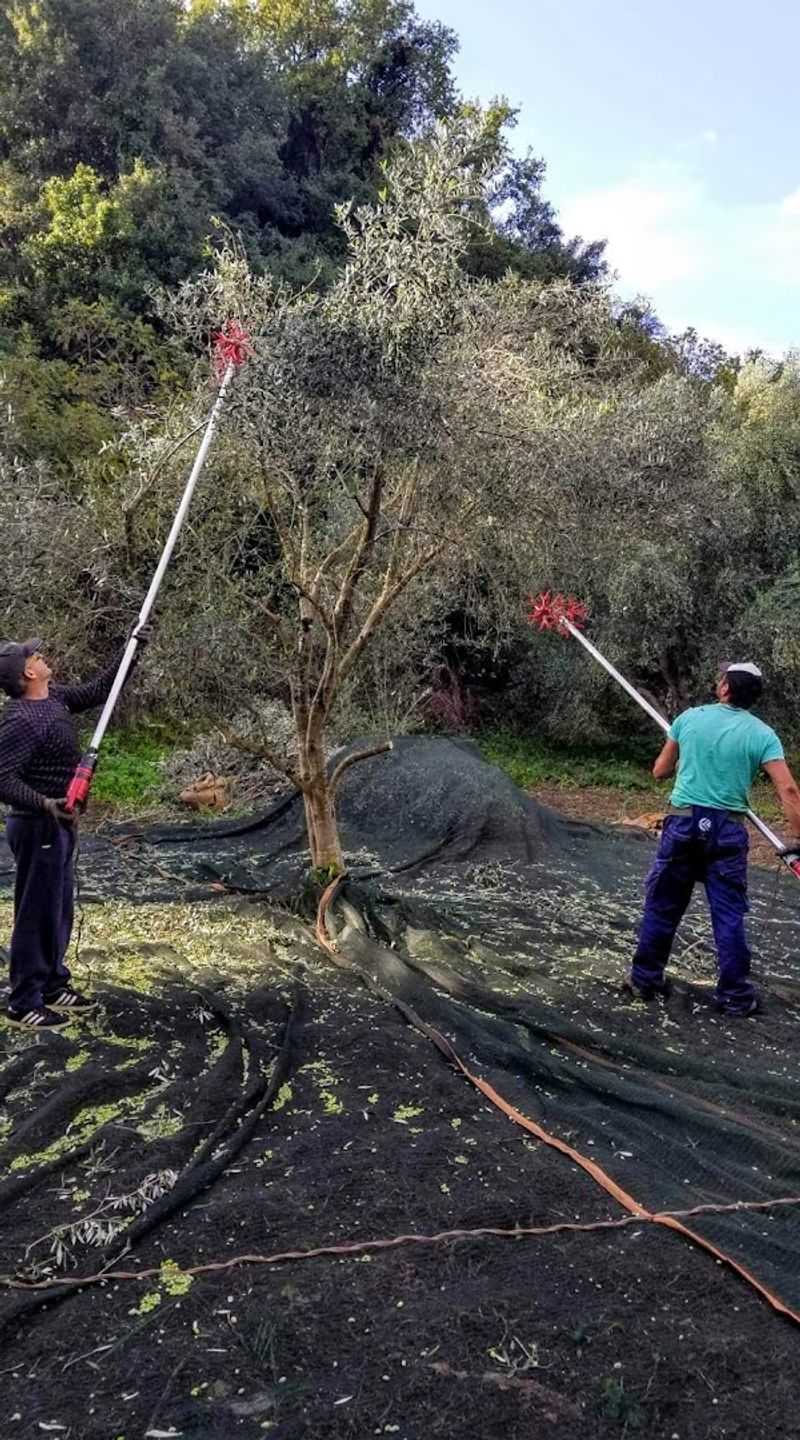
Generations of care connect a Greek olive grove with a family-run market thousands of miles away. The Giannopoulos family has harvested Koroneiki olives in Makrisia for more than five generations, preserving methods and relationships that continue to shape every bottle of Papa Spyros olive oil.
Their grove spans roughly 20 acres and contains nearly 500 trees. Some are believed to be about 300 years old, giving the landscape a sense of continuity that reaches far beyond a single harvest season.
Rather than treating production as a distant supplier arrangement, family members travel from North Branford to Greece each year and help gather the olives themselves.
Once picked, the fruit is cold-pressed in Greece before the oil is bottled and shipped to the family’s market. That direct involvement keeps the story personal while giving shoppers a clearer connection to where their food begins.
The result is more than an imported pantry staple. Each tasting reflects years of farming knowledge, seasonal work, and family tradition carried from the Peloponnese to Branford.
Understanding that journey adds another layer to the bright, peppery oil, turning a simple sample into a meaningful glimpse of agricultural heritage that remains active today with remarkable flavor and character.
2. A Grandfather’s Name Carries The Family Story
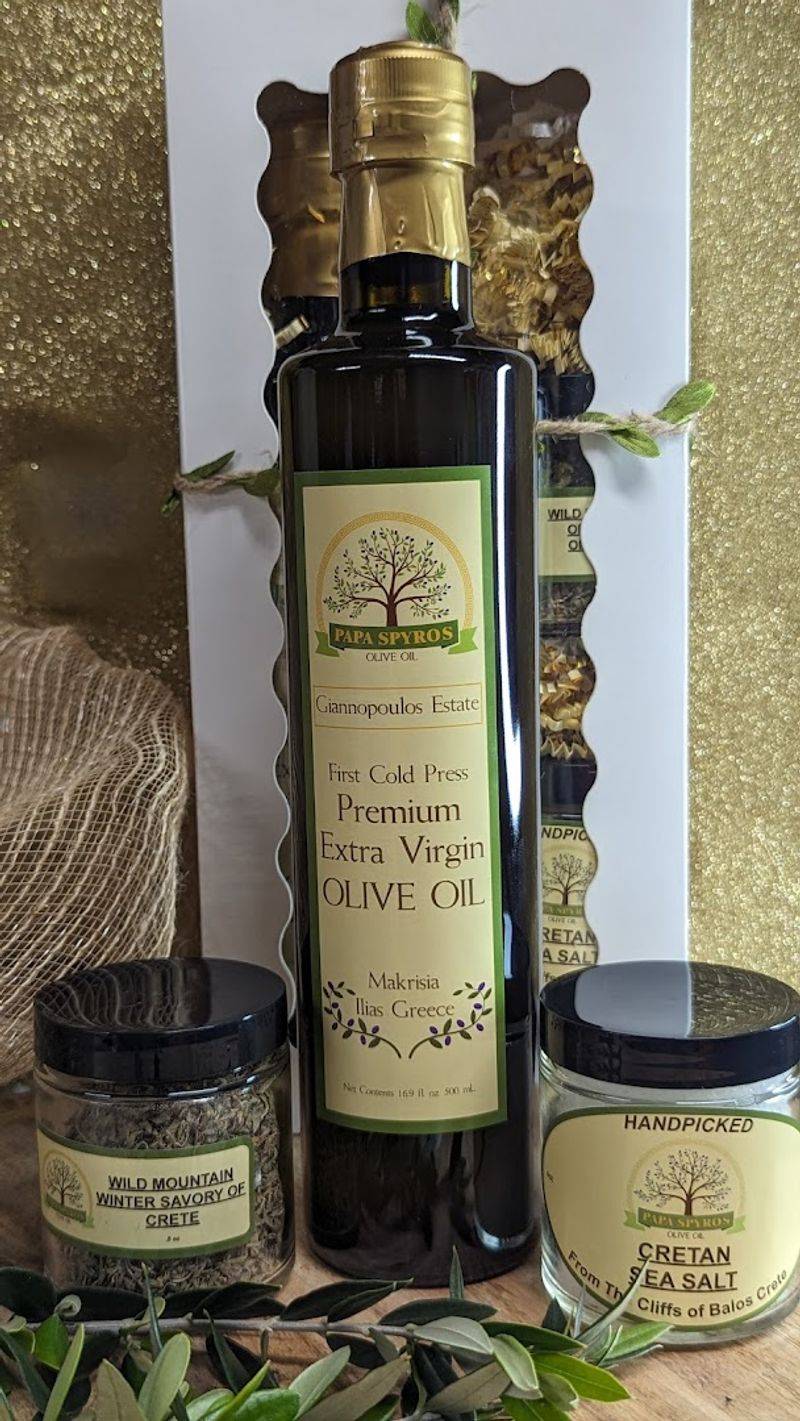
The name above the door is not just a brand. Papa Spyros refers to Spyros Giannopoulos, born in a small Greek village in 1923, whose life arc reads like a quiet American story built on persistence and pride.
After arriving in the United States in 1954, he started working as a dishwasher at the Taft Hotel in New Haven, a beginning that was humble by any measure.
Over time, his natural instincts in the kitchen moved him forward, and he eventually worked as a head chef at various diners across the greater New Haven area.
His son Angelo continued the family’s culinary thread by opening Nick’s Place Restaurant in Madison, in 1986, where Papa Spyros served as head chef until retiring at the age of 92.
Naming the market after him honors more than a person. It honors a philosophy about food that he carried from Greece to Connecticut, one that treats quality ingredients not as a luxury but as a basic standard.
Every jar of olive oil sold under that name carries a quiet nod to the man who believed the groves back home were worth sharing with the world.
3. Koroneiki Olives Begin Their Journey In Makrisia
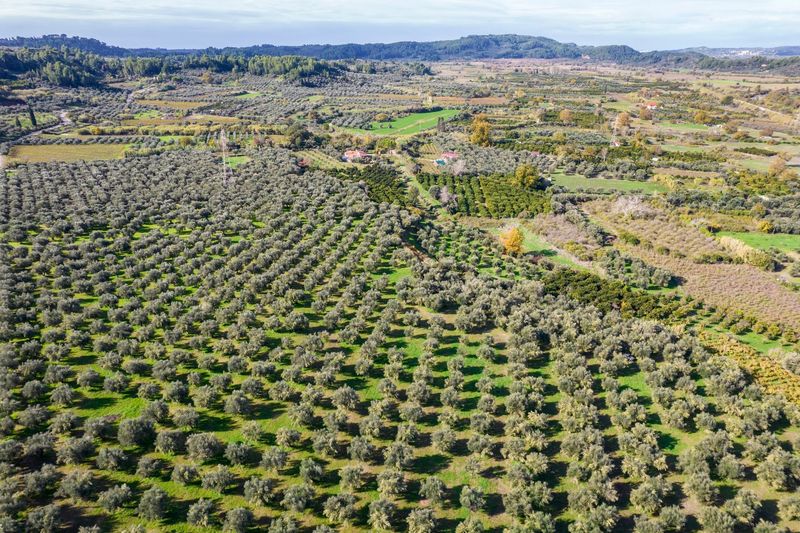
Small but remarkably expressive, the Koroneiki olive has become one of Greece’s most respected varieties for extra virgin olive oil. Its compact fruit produces a bold, aromatic oil often recognized for peppery notes, pleasant bitterness, and a fresh green character.
Nearly 500 Koroneiki trees grow across the Giannopoulos family grove in Makrisia, a village in the Peloponnese near ancient Olympia. Their ages span generations, from younger plantings to specimens estimated at roughly 300 years old.
Together, they create a working landscape where new growth continues beside trees that have survived centuries of changing seasons.
Local soil, rainfall, harvest timing, and pressing methods all help shape the finished oil. Koroneiki fruit is small, so gathering it requires patience, but its naturally high oil quality has made the variety a favorite among Greek producers.
The cultivar is also known for oils that can contain substantial phenolic compounds, although exact levels and acidity vary by harvest and production conditions. Those compounds contribute to bitterness, pungency, and antioxidant properties.
Each pour reflects both the character of the fruit and the careful work required to bring it from grove to bottle with depth and balance.
4. The Annual Harvest Becomes A Family Homecoming
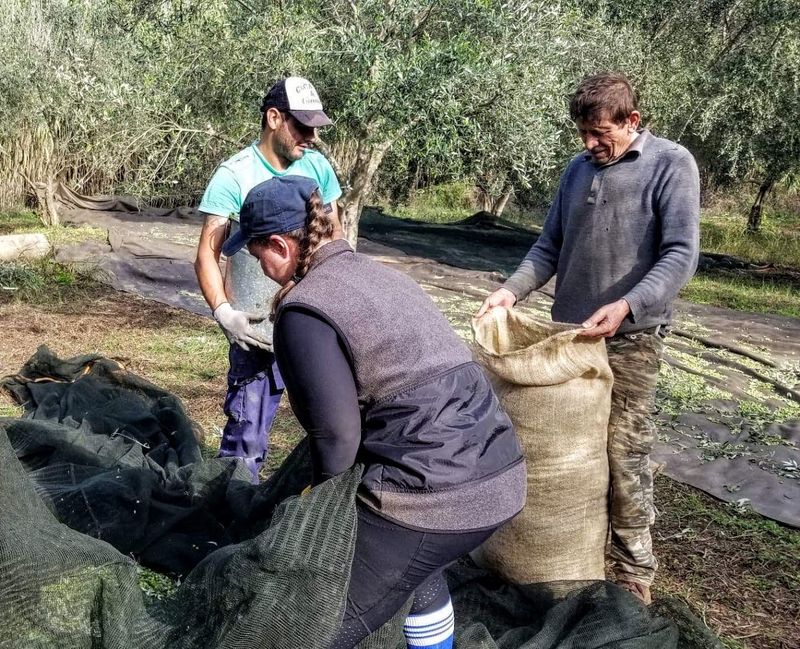
Harvest season brings the Giannopoulos family back to Makrisia, where producing olive oil remains both annual work and a connection to generations past.
Family members travel from North Branford to Greece each year to help gather Koroneiki olives from the grove their relatives have tended for decades.
The fruit is picked by hand, reflecting a process that values control and care over speed. Olives harvested earlier in ripening often create greener, more robust oils with pronounced bitterness and peppery character.
Early picking may also support higher phenolic levels, although the exact composition changes with weather, timing, and pressing conditions.
Nets spread beneath the trees catch the olives as workers remove them from the branches. Gentle handling helps limit bruising, while prompt pressing protects freshness and reduces opportunities for oxidation to affect the finished oil.
For the family, the trip carries meaning far beyond production. Working familiar ground keeps their relationship with Makrisia active rather than simply remembered.
Every bottle begins with that yearly return, shaped by shared labor and a harvest tradition that continues to connect their life in the United States with the village, trees, and agricultural heritage their family still maintains in Greece.
5. Fresh First Press Oil Anchors The Entire Market
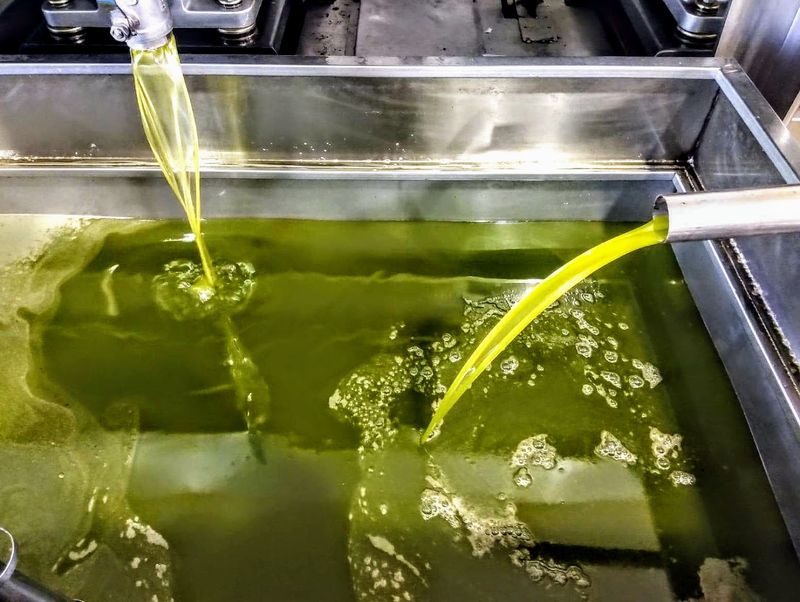
Cold-pressed extra virgin olive oil sits at the center of everything the market offers. The oil comes from the first press of the Koroneiki olives, meaning no heat or chemical solvents are used in the extraction process.
That method preserves the natural compounds in the fruit, including the polyphenols and antioxidants that distinguish high-quality oil from the refined versions common in grocery stores.
The flavor tends to open with citrus notes and finish with a mild peppery quality that lingers pleasantly at the back of the throat. That peppery finish is actually a sign of freshness and polyphenol content, not a flaw.
Visitors to the market have the opportunity to taste the oil before purchasing, which makes the difference immediately clear to anyone who has only known mass-produced alternatives.
Beyond the olive oil itself, the market carries complementary products like Cretan sea salt and wild mountain oregano, items chosen to pair naturally with the oil and reflect the same regional sourcing philosophy.
The market also carries the oil in various sizes, which makes it practical for both everyday cooking and as a specialty gift.
Quality like this tends to change how people approach their kitchens at home.
6. An Olive Oil Sommelier Guides Every Tasting
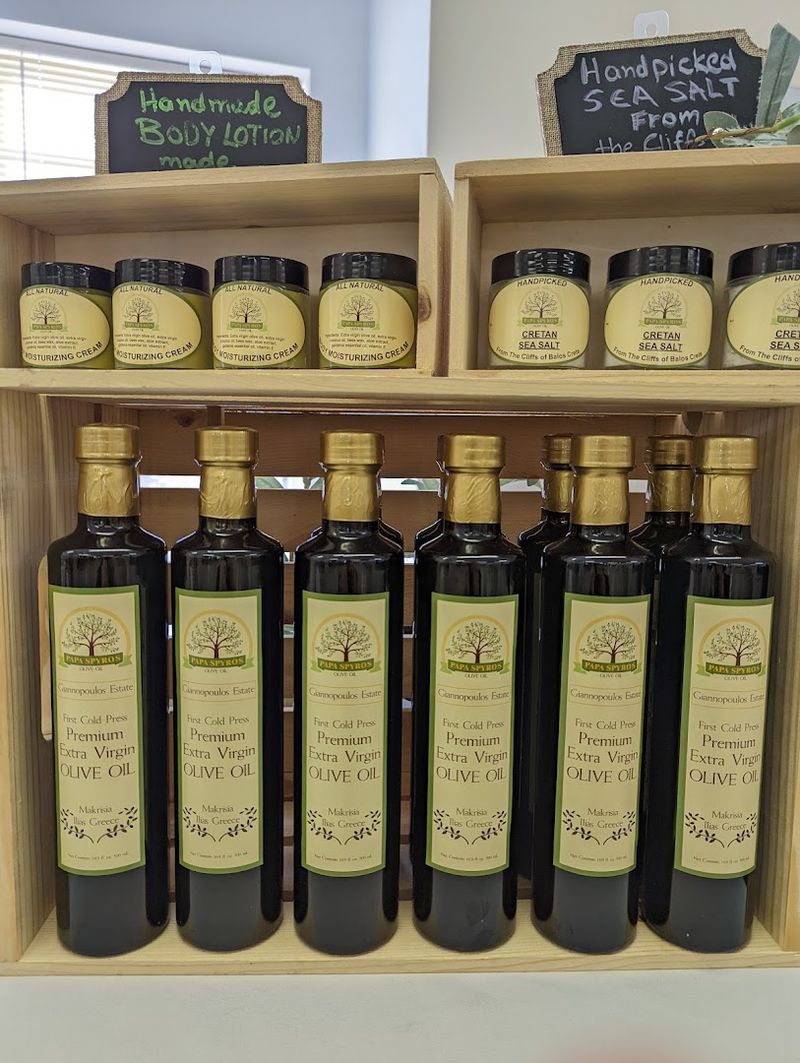
Learning to taste olive oil changes the way everyday cooking ingredients are understood. At Papa Spyros Olive Oil & Fine Foods Market, Peter Giannopoulos draws on professional sommelier training to guide visitors through the qualities that define fresh extra virgin olive oil.
The experience focuses on fruitiness, bitterness, and pungency, the three positive sensory attributes used in formal evaluation. Guests discover how aroma, texture, and a peppery finish can reveal the olive variety, harvest timing, and care taken during production.
The tasting feels conversational and accessible, even for visitors who have never sampled olive oil on its own.
Practical tips make the lesson useful beyond the market. Proper storage, serving ideas, and label details help shoppers choose bottles more confidently and protect the oil once it reaches their kitchen.
Visitors also learn why freshness matters and how heat, light, and air can gradually affect flavor.
Rather than turning the process into a technical lecture, the guided tasting encourages curiosity. A familiar pantry staple becomes something worth smelling, sipping, and comparing carefully.
By the end, guests leave with a sharper palate and a better overall understanding of what gives quality olive oil its fruity aroma, balanced bitterness, and distinctive peppery character.
7. Olive Branch Murals Hide Stories From Greek Mythology
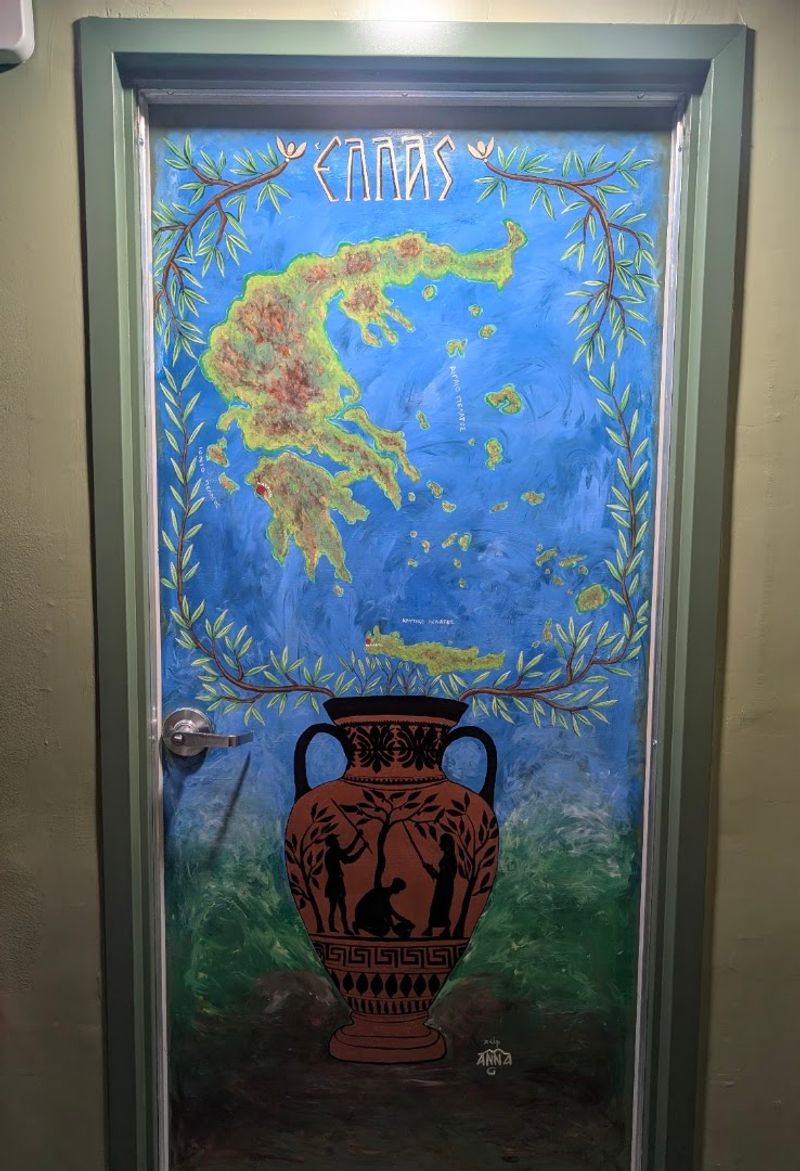
The olive tree carries more symbolic weight in Greek culture than almost any other plant. According to mythology, Athena won the patronage of Athens by gifting the city its first olive tree, beating out Poseidon whose gift of a saltwater spring was deemed less useful.
That story is not just ancient folklore; it reflects how deeply the olive tree is woven into Greek identity, agriculture, and daily life.
Markets like this one often incorporate visual elements that nod to that heritage, whether through painted olive branch motifs, earthy Mediterranean color palettes, or decorative details that evoke the landscape of the Peloponnese.
The atmosphere inside the Branford location is designed to feel connected to that cultural lineage, creating a setting where the products on the shelves make more sense when understood in context.
For visitors who are not familiar with Greek mythology or olive cultivation history, even small visual cues in the environment can prompt curiosity and conversation. The market serves as a kind of informal cultural introduction, one that does not require any prior knowledge to appreciate.
Spending time in a space that takes its heritage seriously tends to make the products feel more meaningful and the experience more memorable overall.
8. Main Street Now Holds A Small Taste Of The Peloponnese
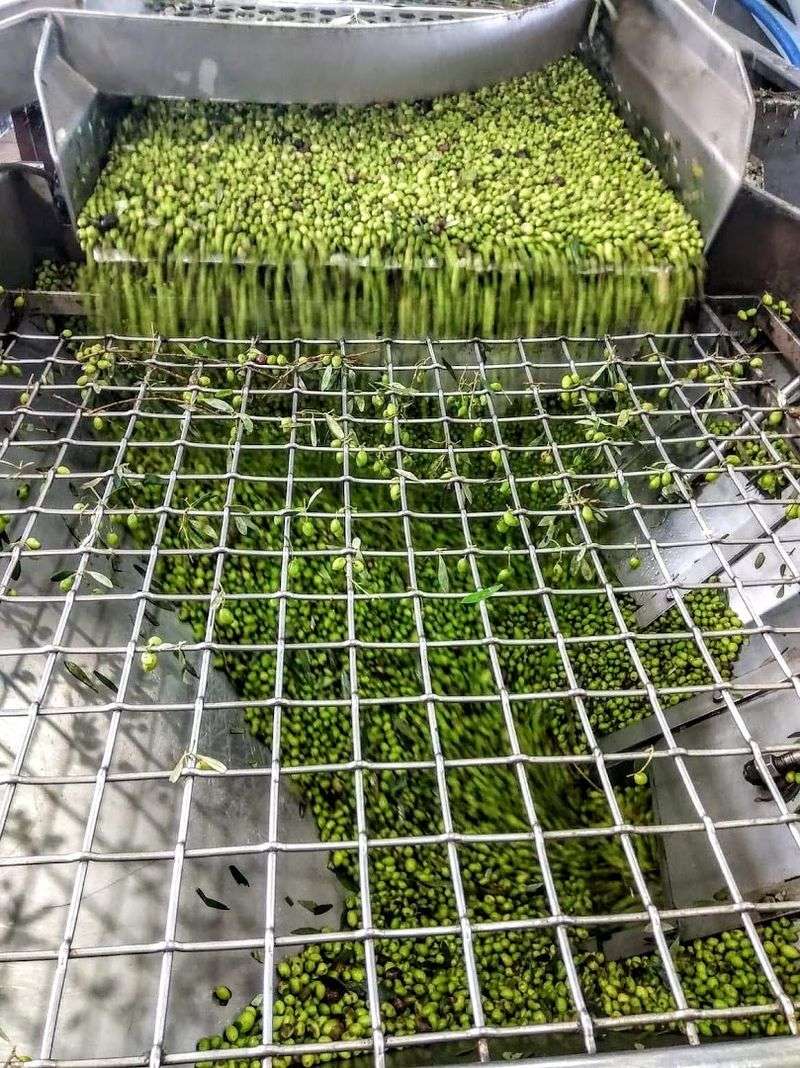
Unexpected discoveries often make the best food stops, and this family-run market brings a taste of Greece to Branford’s Main Street.
Papa Spyros Olive Oil & Fine Foods Market showcases the Giannopoulos family’s extra virgin olive oil, produced from Koroneiki olives grown in their grove in Makrisia.
The compact shop offers bottles in several sizes alongside Greek pantry goods, pastries, spreads, and freshly prepared meals. Olive oil tastings add an educational element, giving visitors a chance to notice the grassy aroma, balanced bitterness, and peppery finish associated with an early harvest.
Because the owners remain closely involved in production, every bottle carries a direct connection to the family’s annual work in Greece. That personal story gives the shelves more character than a typical grocery aisle and makes browsing feel like an introduction to a living tradition.
The market welcomes shoppers at 78 N. Main Street in Branford.
Weekday mornings may offer a calmer pace, while Saturdays often bring more neighborhood activity. Leaving extra time for conversation and tasting is worthwhile, especially when the owners are available to explain the harvest and share the history behind their oil in vivid detail.