A Connecticut Salvage Warehouse Where Old Doors, Cabinets, And Building Materials Get A Second Life
Home renovation leftovers don’t always belong in a dumpster. Sometimes an old door or a perfectly usable cabinet just needs someone with a different idea.
And that’s what makes architectural salvage shopping so interesting.
One Connecticut salvage warehouse gives used building materials another chance, helping useful pieces find their way into new projects.
I love the thought of discovering something with a little history instead of buying everything brand new. There’s a certain satisfaction in making use of materials that still have plenty of life left.
Of course, you never know exactly what might be available on a particular day. That’s half the fun.
A few unexpected finds could completely change your renovation plans.
And honestly, giving something old a useful new purpose sounds like a pretty good idea.
1. That Clever Name Is Actually A Tiny Mission Statement
Even the name has a second life. That’s a pretty clever touch for a store built around giving old materials another chance.
The ReCONNstruction Center isn’t just a catchy name. Every part of the word helps explain what this unusual nonprofit is all about.
Start with “Re,” which points to reusing and recycling. The “CONN” in the middle represents the state, while “reconstruction” brings everything back to the idea of building something again.
Pretty fitting for a place where leftover building supplies can become part of somebody else’s home improvement project.
But the name is only half the fun.
This 501(c)(3) nonprofit environmental organization welcomes the public to browse, shop, and donate materials that might otherwise go unused.
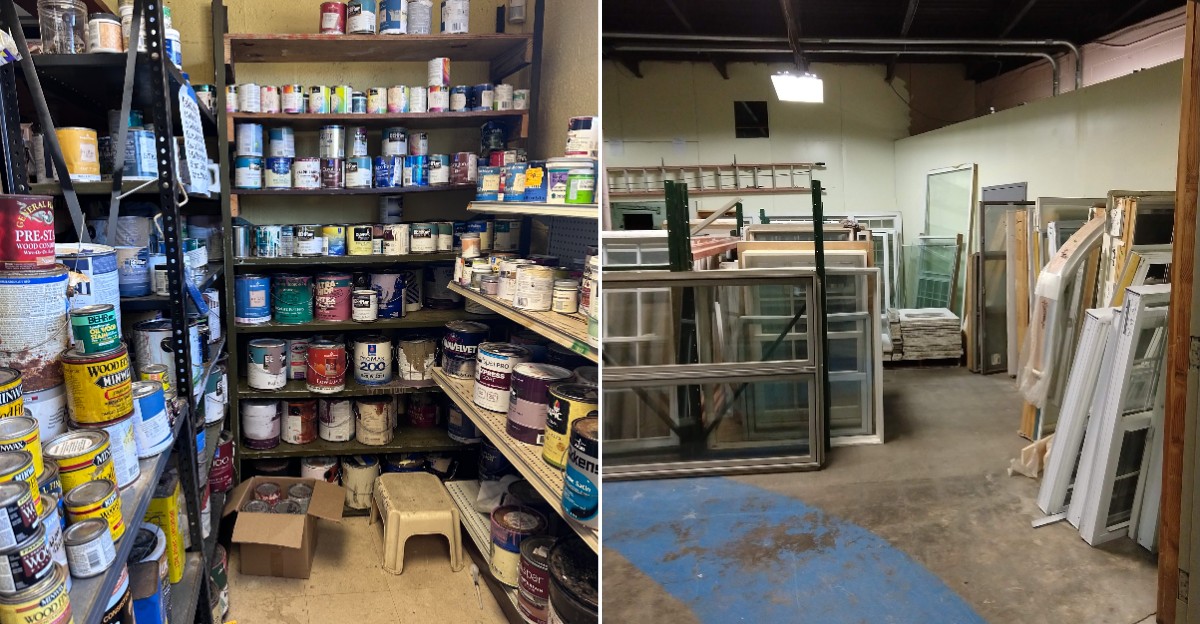
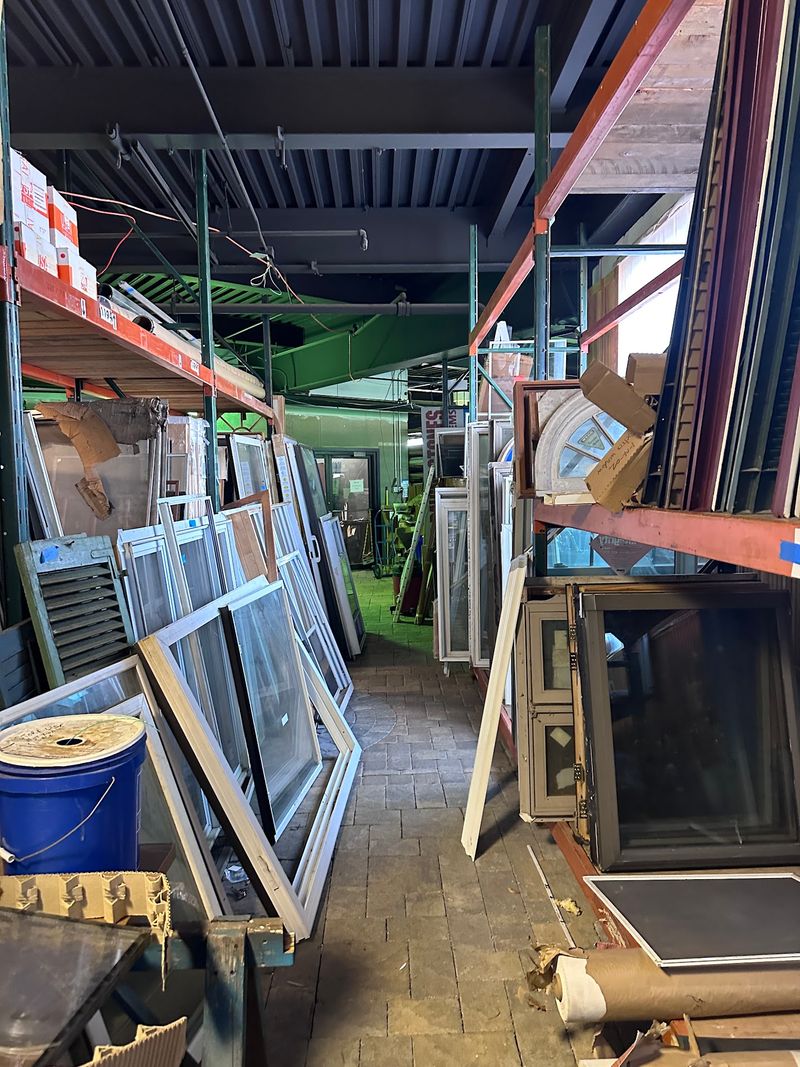
Inside, the selection includes new and previously owned building supplies, along with antique pieces and surplus materials.
That means you might come across something useful for a renovation or discover an older item with character that’s difficult to find in regular stores.
The inventory can change as donations arrive, which makes browsing especially interesting for people who enjoy home improvement projects.
And since purchases support the organization’s reuse mission, shopping here serves a purpose beyond simply picking up supplies.
Not bad for a store whose name practically explains the whole idea.
2. One Connecticut Native Brought A Big Idea Home
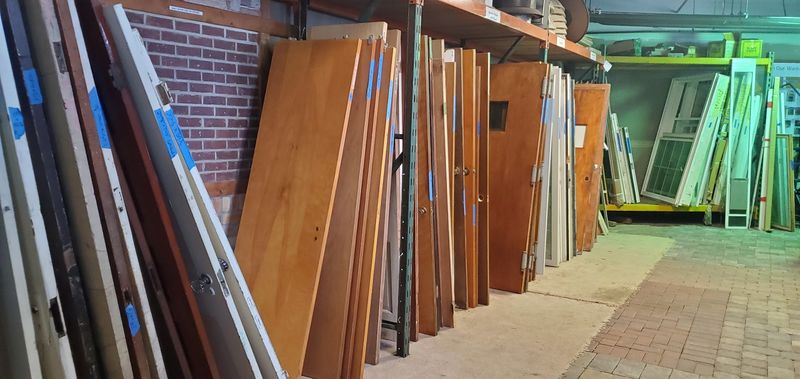
Back in 2003, John Powers and his staff got this whole thing rolling. Powers, a Connecticut native, had seen building materials reused in other places.
He wanted his own community to have that same option. So he brought the concept home and started building it from scratch.
That origin story feels refreshingly practical. Nobody needed a fancy pitch, just a good idea and a lot of usable stuff worth saving.
Early on, grants and sales kept the doors open. Then November 2009 brought a big shift in how the organization worked.
The center moved toward being more self-sustaining. It leaned more on volunteers and pushed harder to spread its green message.
Its leaders modeled the store after other reuse shops around the country. Those shops earn profits that help support other nonprofit groups.
That choice shaped what the place is today. It isn’t just a warehouse that sells leftovers.
It’s a community project with roots going back more than two decades. I can’t imagine many local stores with a backstory this tied to their purpose.
Next time you pick up an old cabinet there, remember the idea behind it. Someone simply refused to let good materials go to waste.
3. Every Visit Turns Into A Real Treasure Hunt
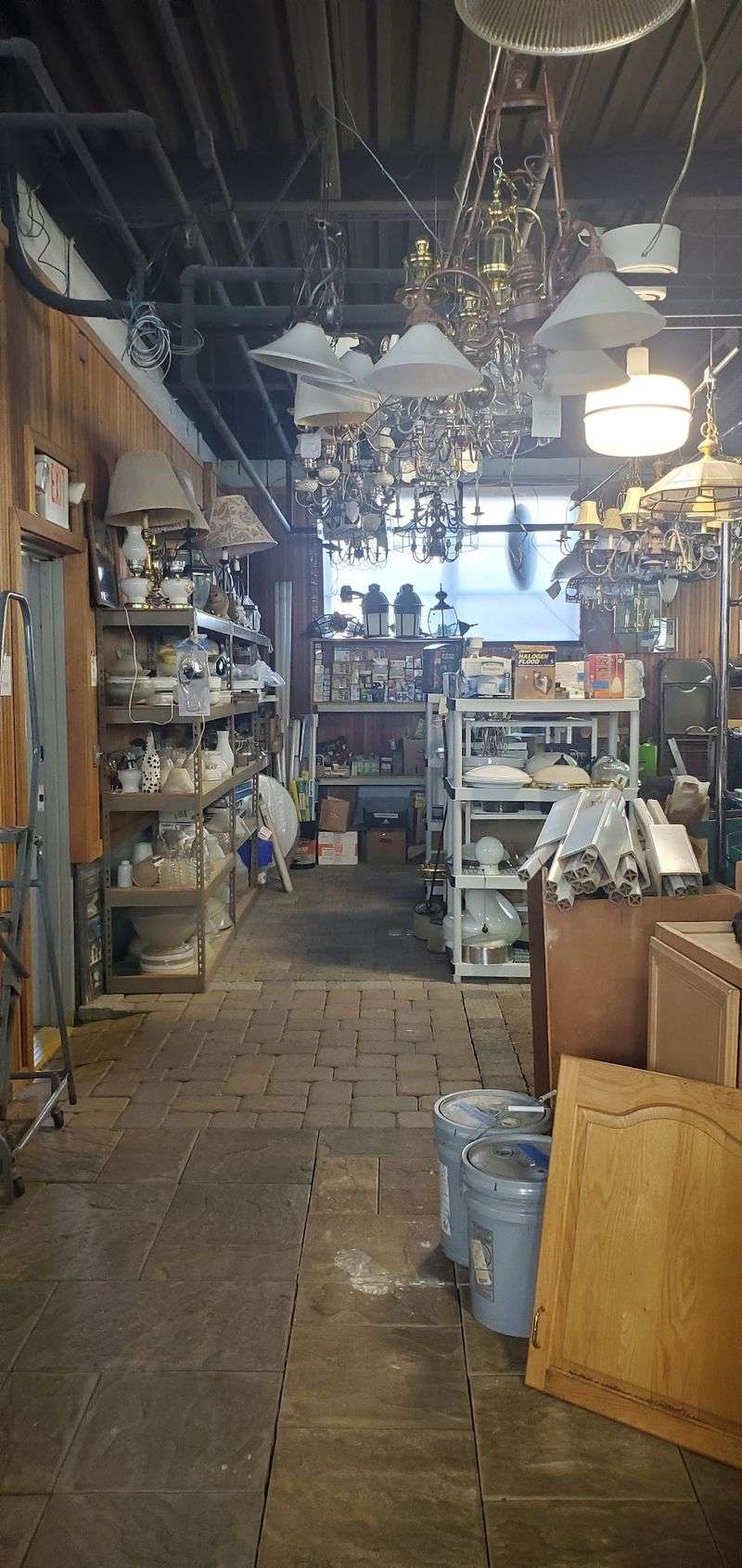
Inventory here changes daily. That one fact turns a quick errand into a genuine hunt.
With inventory changing regularly, you may discover different materials and unexpected finds each time you visit.
The categories cover nearly every corner of a house. Think appliances, cabinets, sinks, furniture, windows, and doors.
Then add bathroom fixtures, kitchen components, and flooring. Electrical and lighting, HVAC, plumbing, hardware, and paint round things out.
That’s a lot of ground to cover in one stop. Give yourself time to wander instead of rushing in and out.
Here’s a smart tip for any project. Bring measurements for the door, window, or sink space you’re trying to fill.
A tape measure in your pocket can save you a second trip. Photos of your space help too, especially for matching styles.
Go in with an open mind and a flexible plan. The perfect piece may not be what you pictured, but it could be even better.
That’s the fun of shopping salvage. You come for a light fixture and maybe leave with a vintage hinge collection you didn’t know you needed.
4. Old Houses Finally Get The Parts They Need
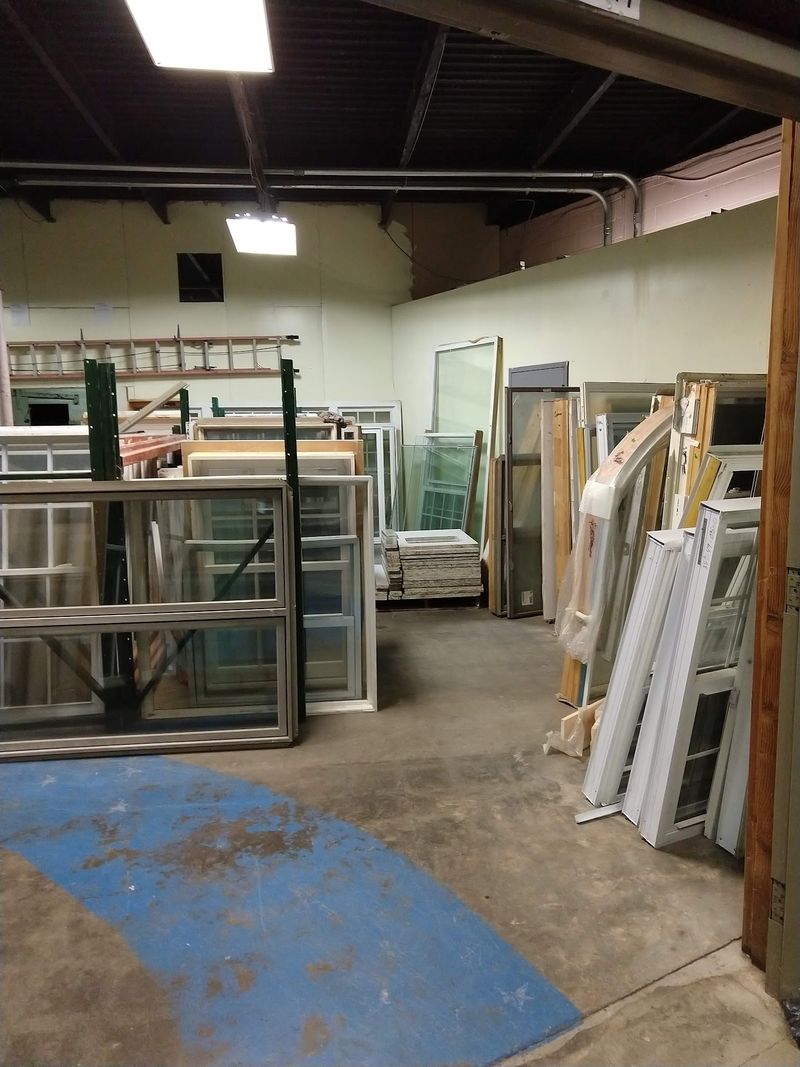
Older homes can be stubborn about replacement parts. Standard sizes at big box stores don’t always match a window or door from decades ago.
That’s where salvage shines. Pre-owned and antique materials often come from homes built in older styles and sizes.
Vintage doors and windows can be lifesavers for restoration projects. So can old hardware, which brings character that new pieces rarely copy.
Picture an old knob, a classic hinge, or a sturdy door with real history. Those details can make a repair blend in instead of standing out.
Landlords and renovators benefit from this too. Matching existing features keeps a property looking consistent and cared for.
The center sells materials at below-retail prices. That helps average wage earners maintain homes they might otherwise struggle to fix.
I believe that’s one of the most useful parts of the whole mission. Housing repairs shouldn’t feel out of reach.
A missing cabinet door or cracked pane can drag on for months. Finding a match here could finally check it off the list.
Before heading to a big chain store, try here first. Your old house might thank you.
5. Your Leftover Tiles Could Become Someone Else’s Win
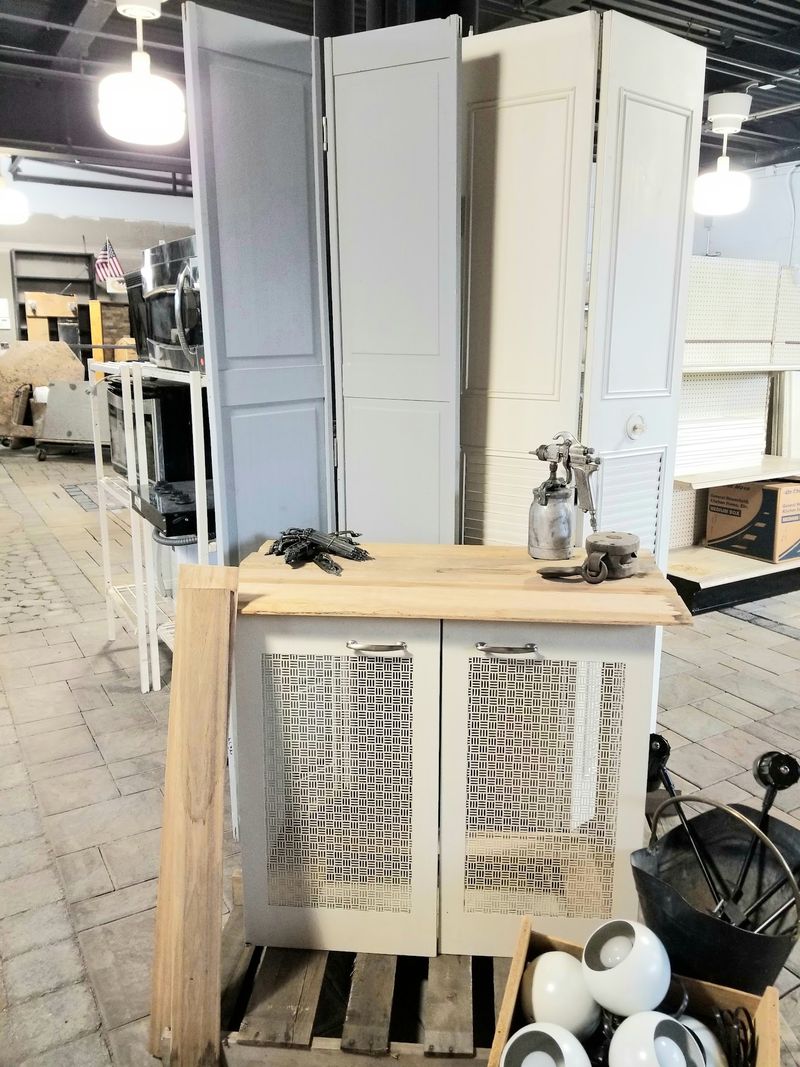
Leftover materials from a renovation don’t have to sit in your garage forever. The center gladly accepts donations of unwanted but perfectly usable building materials and fixtures.
Donations are tax-deductible. Donors receive a charitable tax deduction receipt for their items.
So that extra box of tile finally has a purpose. Same goes for the spare sink, the unused paint, or the door you swapped out.
Got something big? For larger donations like cabinet sets and appliances, contact the center with photos and details to ask about available collection arrangements.
That’s a relief for anyone who doesn’t own a truck. Wrestling a full set of kitchen cabinets into a sedan is nobody’s idea of fun.
The key word is usable. Think about whether someone else could install it and be happy with it.
Clean, working items help the whole system run smoothly. They reach new homes faster and do more good.
The motto says it best: buy what you need, donate what you have. It’s simple, catchy, and honestly a decent life rule.
Clearing clutter while helping your neighbors? That’s a pretty satisfying weekend project.
6. Taking Buildings Apart The Careful Way
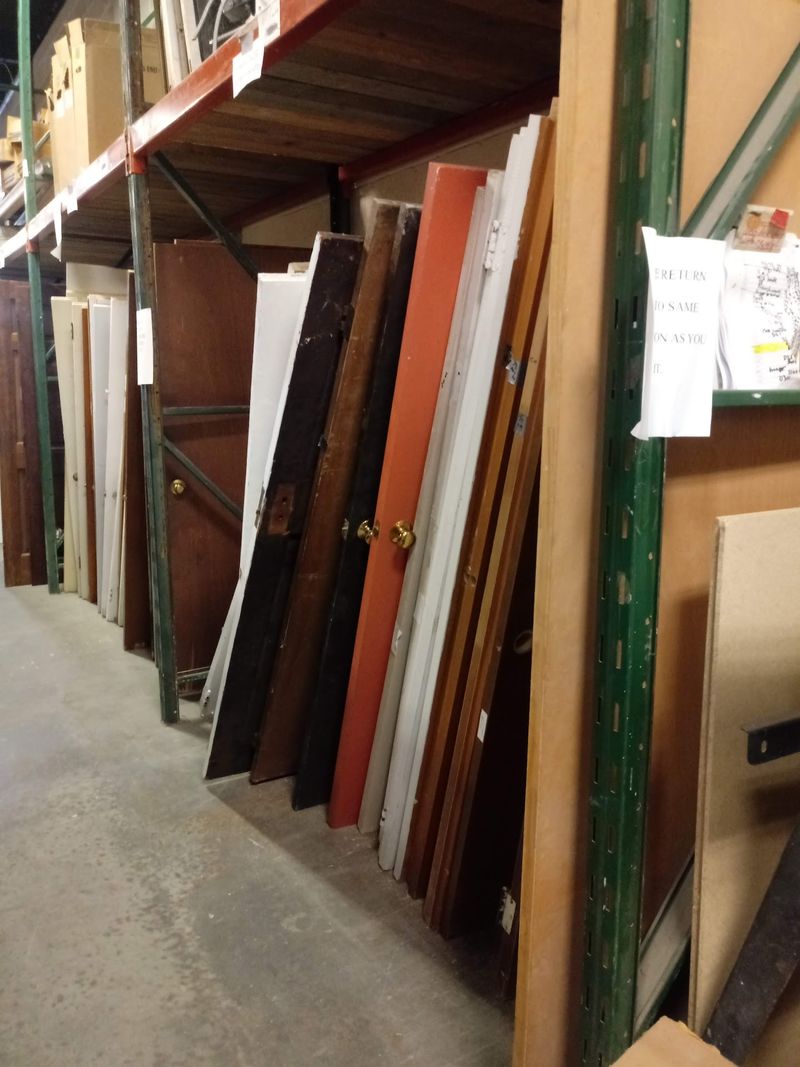
Demolition usually means wrecking balls and dumpsters. Deconstruction takes a gentler path.
It means carefully dismantling a building so its parts can be reused, repurposed, or recycled. Waste management is part of the plan from the start.
The ReCONNstruction Center includes deconstruction in its mission. It’s a slower process, but far less stuff ends up in a landfill.
Doors come off whole. Cabinets get removed instead of smashed.
The center has partnered with towns on this work. Mansfield, for example, worked with it on a deconstruction pilot program.
That kind of partnership shows how the idea can spread beyond one warehouse. Towns get a cleaner way to handle old structures.
Reuse operations like this also create more jobs than traditional recycling facilities or landfills. Taking things apart by hand simply needs more people.
I like that the benefits stack up so neatly. Less waste, more jobs, and more affordable materials for the next project.
It’s a little like taking apart a toy to build a new one. Grown-up version, much heavier pieces, same basic idea.
7. Your Purchase Keeps Paying It Forward
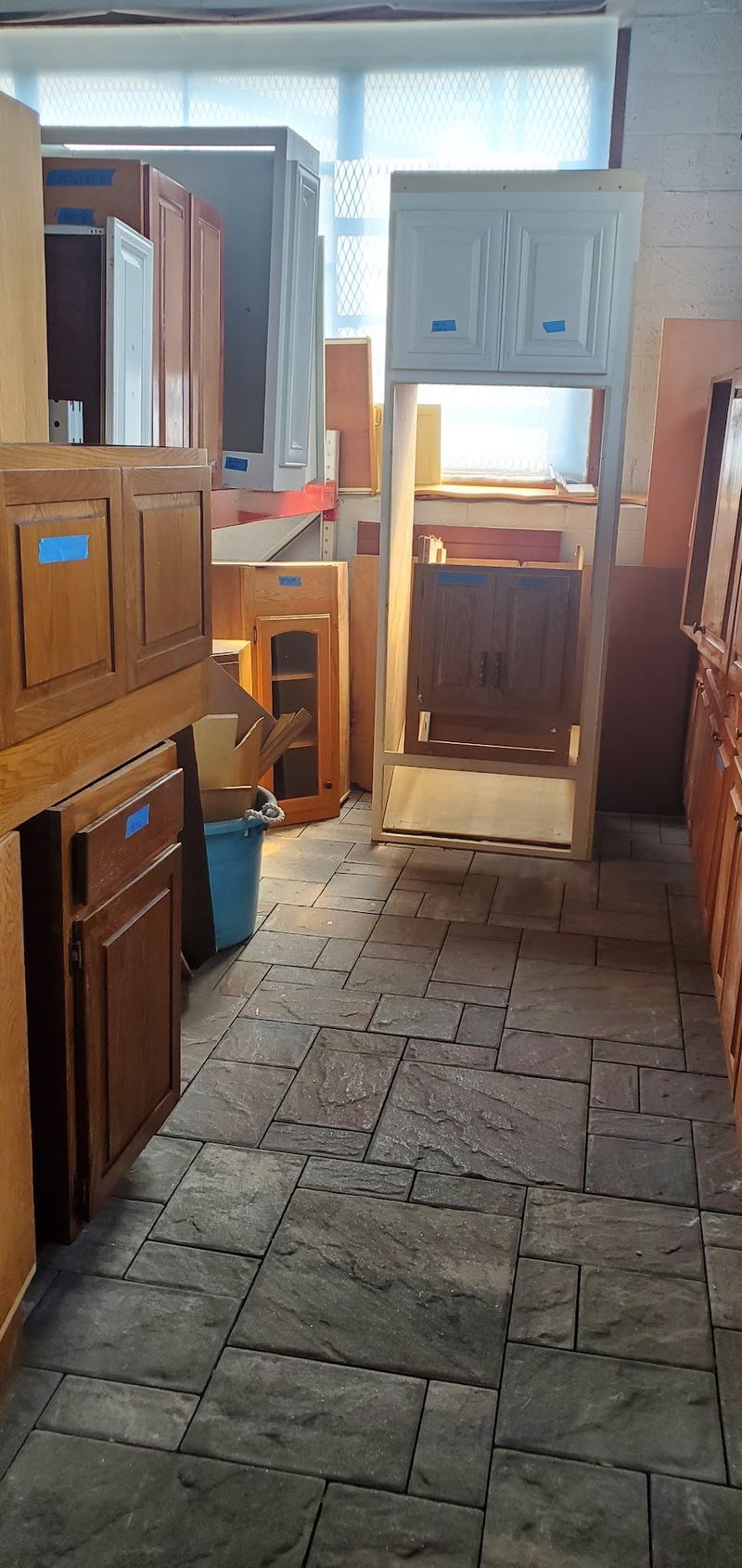
Sales here do double duty. When sales permit, the center financially supports local nonprofit organizations.
Habitat for Humanity has received donations from the center. So has Rebuilding Together New Britain.
That’s a lovely loop to think about. Leftover materials become affordable supplies, and the profits help others build and repair homes.
Both groups focus on housing, which fits the mission perfectly. The help stays close to the same cause.
The store runs with a mix of paid employees and volunteers. That teamwork keeps the warehouse moving.
Volunteers matter a lot at a place where inventory changes daily. Sorting, shelving, and helping shoppers all take real effort.
Got a free Saturday and a love of old stuff? Volunteering could be a fun way to get involved.
Even shopping counts as support. Every cabinet or box of nails you buy helps keep the mission going.
I believe this is what makes the place feel different from a regular hardware store. The money doesn’t just sit somewhere.
It builds something back into the community.
8. Plan Around A Weekend-Only Schedule
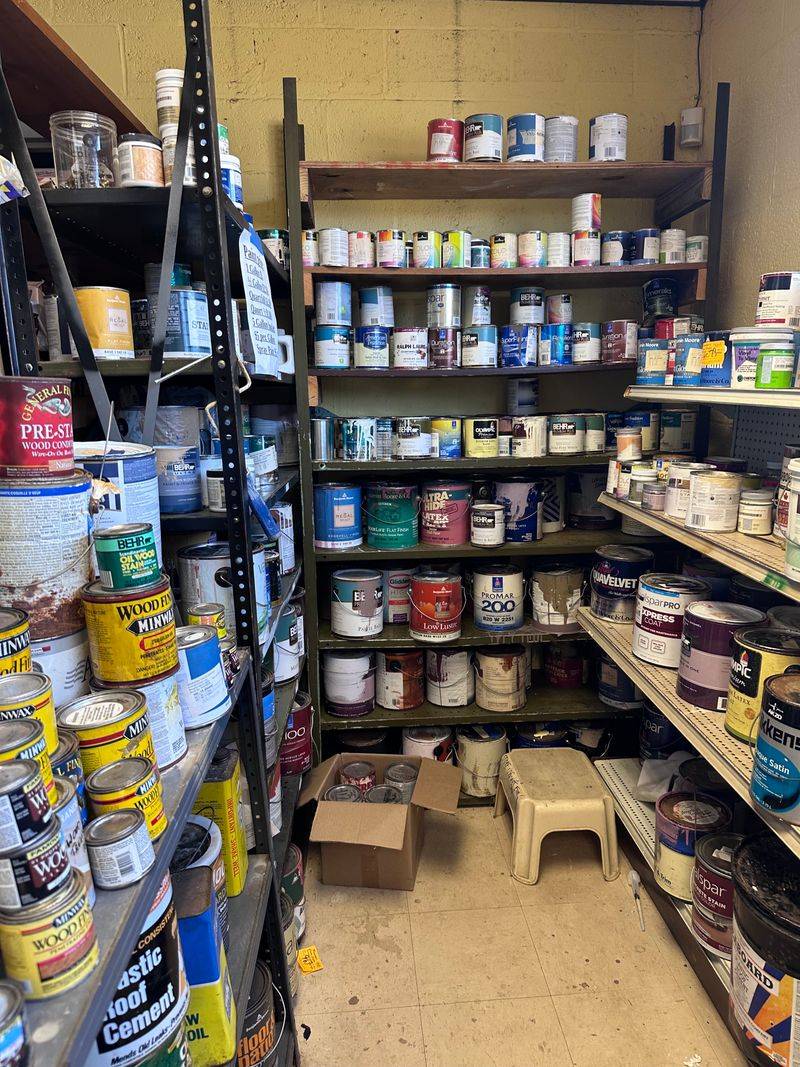
Don’t show up on a Wednesday! This isn’t your typical store with doors open every day, so a little planning goes a long way.
The ReCONNstruction Center keeps a limited weekly schedule, making it more of a weekend shopping destination.
According to the hours provided, Friday and Saturday shopping runs from 10 AM to 5 PM, while Sunday starts a little later, at noon. The center remains closed Monday through Thursday.
Once you’re inside, there’s no need to rush. The warehouse carries a changing selection of building materials, and browsing can be half the fun.
One visit might turn up a useful cabinet or an interesting old door. Another could reveal supplies for a project you’ve been putting off.
Bring measurements if you’re shopping for something specific. It’s also worth keeping a tape measure handy, especially when checking larger items.
And don’t forget about transportation. That beautiful cabinet won’t do much good if it can’t fit in your car.
Comfortable shoes are another good idea. You may end up spending longer browsing than you originally planned.
The warehouse is at 65 Burritt Street in New Britain, making it convenient for shoppers around central parts of the state.
Friday might be worth considering if you prefer browsing before the weekend gets underway.
With inventory changing regularly, every visit has the potential to bring a different discovery.
9. Good For Your Wallet And The Planet Too
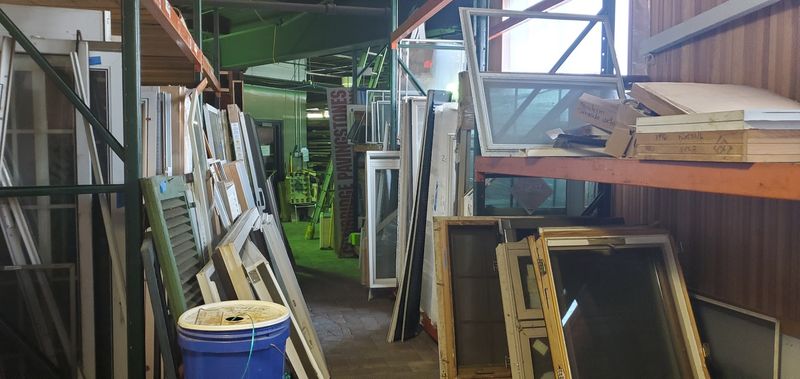
Every reused sink is one less sink in a landfill. That simple math sits at the heart of this place.
The center’s core mission is environmental and social sustainability. It salvages building materials that would otherwise end up as trash.
It also encourages the community to take responsibility for its own waste. That’s a big idea made very practical.
Reusing an existing door can reduce demand for newly manufactured materials and help conserve resources. Fewer raw materials get used, and natural resources get a break.
Meanwhile, your budget gets a break too. Below-retail pricing makes eco-friendly choices easy to say yes to.
New homeowners, renovators, landlords, and contractors all fit right in here. The store was built to serve exactly that crowd.
I can’t imagine a smarter first stop for a home project. Check here before buying new, and see what’s already waiting.
Buy what you need, donate what you have. Follow that motto, and you’re part of the mission.
Your next project might start with someone else’s leftovers, and that’s a beautiful thing.