A Connecticut Wildlife Sanctuary Where Families Can Get Surprisingly Close To The Animals
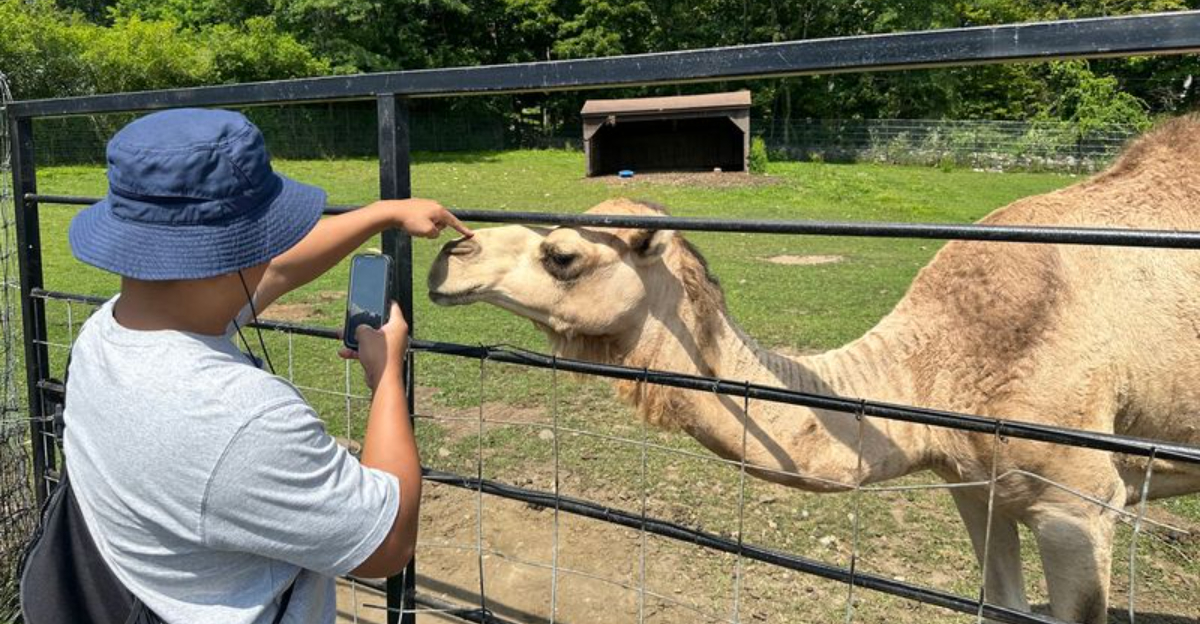
Forget staring at animals from what feels like another zip code. This place makes the whole experience feel much more up close.
Families can explore a large property filled with animals from around the world, and the visit has a wonderfully hands-on side too. Feeding opportunities make certain encounters especially memorable.
This Connecticut wildlife sanctuary turns a family outing into something far more interactive than a typical zoo visit.
You might spot an animal beside the road, then find yourself slowing down because another one has wandered into view. The drive-through setup keeps everyone curious about what could appear next.
Kids get plenty to talk about afterward, and adults usually end up just as entertained.
The best part is how relaxed the whole adventure feels. You are exploring at your own pace while the animals keep providing the surprises.
1. Former Dairy Farm Turned Hands-On Wildlife Adventure
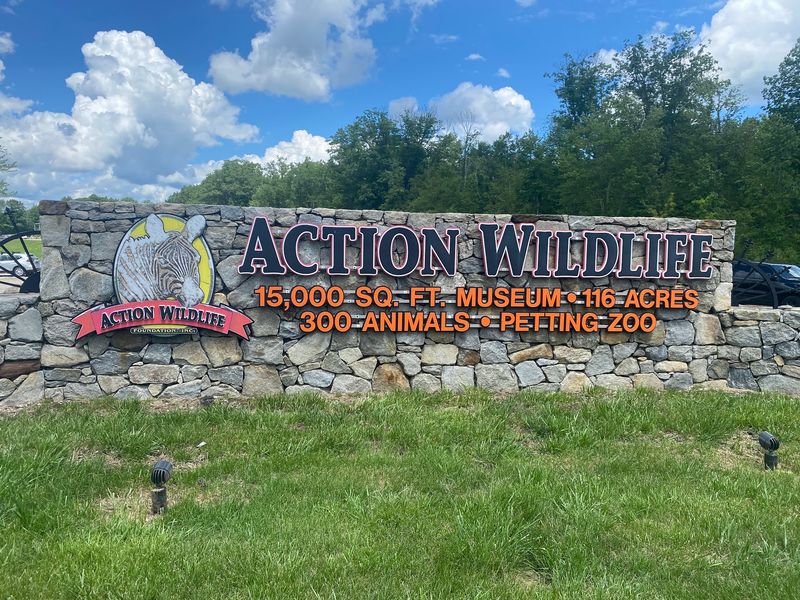
What used to be a working dairy farm was headed for a very different future. Jim Mazzarelli bought the 116-acre Goshen property in 1994 with wildlife conservation and nature at the center of his plans.
His goal was simple to describe and enormous to pull off: build a place where ordinary visitors could stand close to large game and exotic animals, the way he remembered doing as a kid. That kind of memory sticks with a person.
Getting the land ready took years of steady work. By a 2009 account, roughly eight years had gone into preparing pastures, fencing, and shelter so that animals from very different climates could actually thrive through New England winters and humid summers.
You can still read the farm in the landscape today. Barns, gravel drives, hay, and open pasture give the property a working-farm texture rather than a polished theme-park finish, and that honesty is a big part of its appeal.
The address to plug into your map is 435 Torrington Rd, Goshen, CT 06756, and the drive there through the hills is genuinely pretty. Arrive expecting a farm that grew into a sanctuary, and the whole visit makes more sense.
2. Safari Roads Bring Bison, Yaks, And Emus Into View
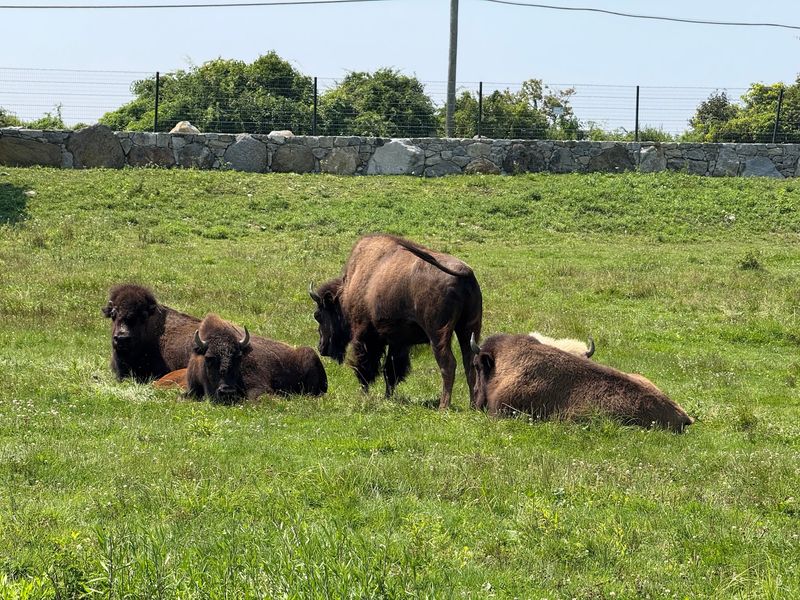
Rolling down your window and finding a bison a short distance away is not a typical afternoon. The safari portion covers a 50-acre fenced preserve, and you travel it in your own vehicle at whatever speed feels comfortable.
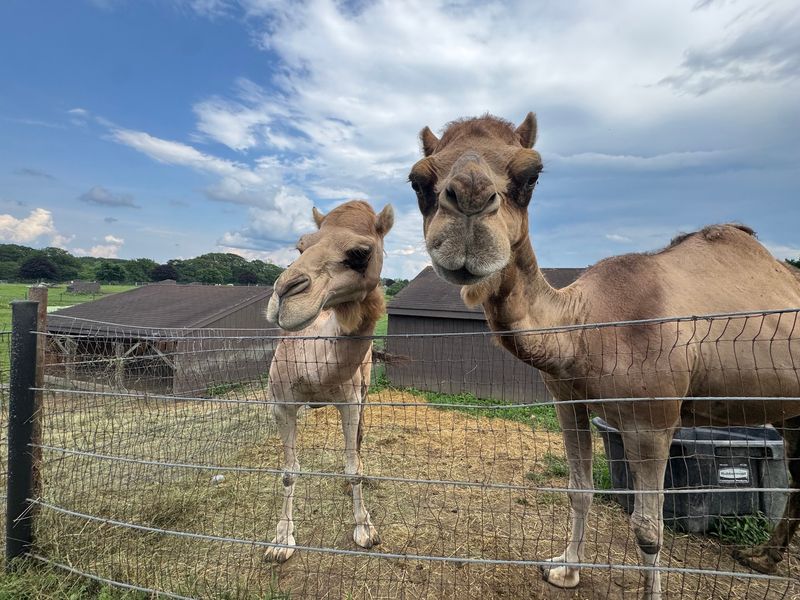
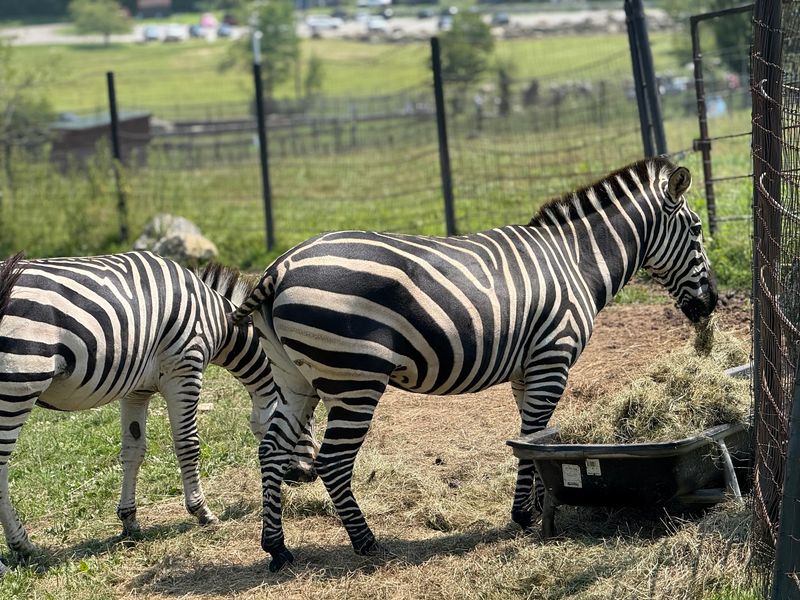
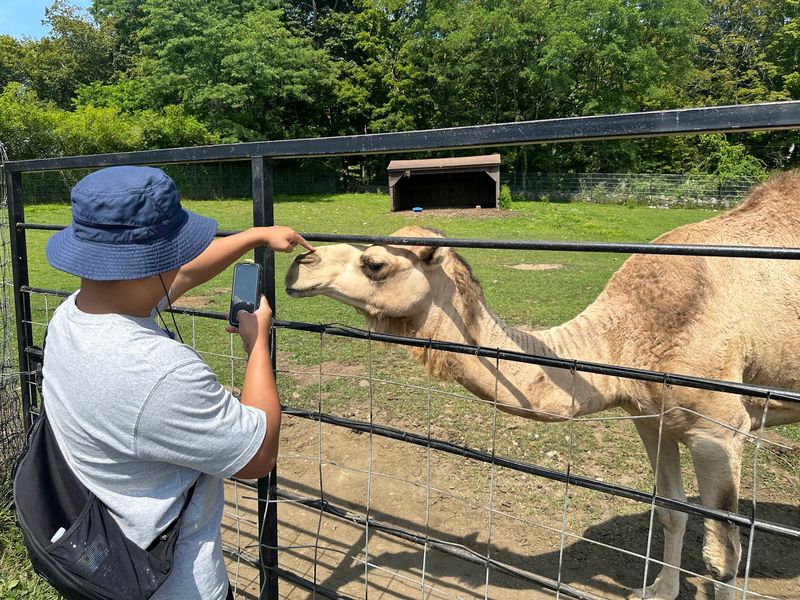
Along the loop you may spot bison, emus, wildebeest, water buffalo, zebras, potbellied pigs, Japanese sika deer, wild boars, reindeer, camels, llamas, and an assortment of goats and cattle. Animals move around, so no two drives line up exactly.
Because you control the pace, the drive works well for kids who tire of walking and for anyone who prefers to stay seated. Several visitors note that you can pull up right beside fenced areas, which makes viewing easier for people with limited mobility.
Prefer not to drive it yourself? Seasonal hayrides run on October weekends, generally between noon and 3 PM and weather permitting, and groups of 25 or more can book rides during the open season from mid-April through October.
One practical note worth remembering: wear closed-toe shoes you do not mind getting dusty, even if you plan to stay in the car. Most people end up hopping out more often than they expected.
3. Rare Livestock Makes Every Loop Feel Different
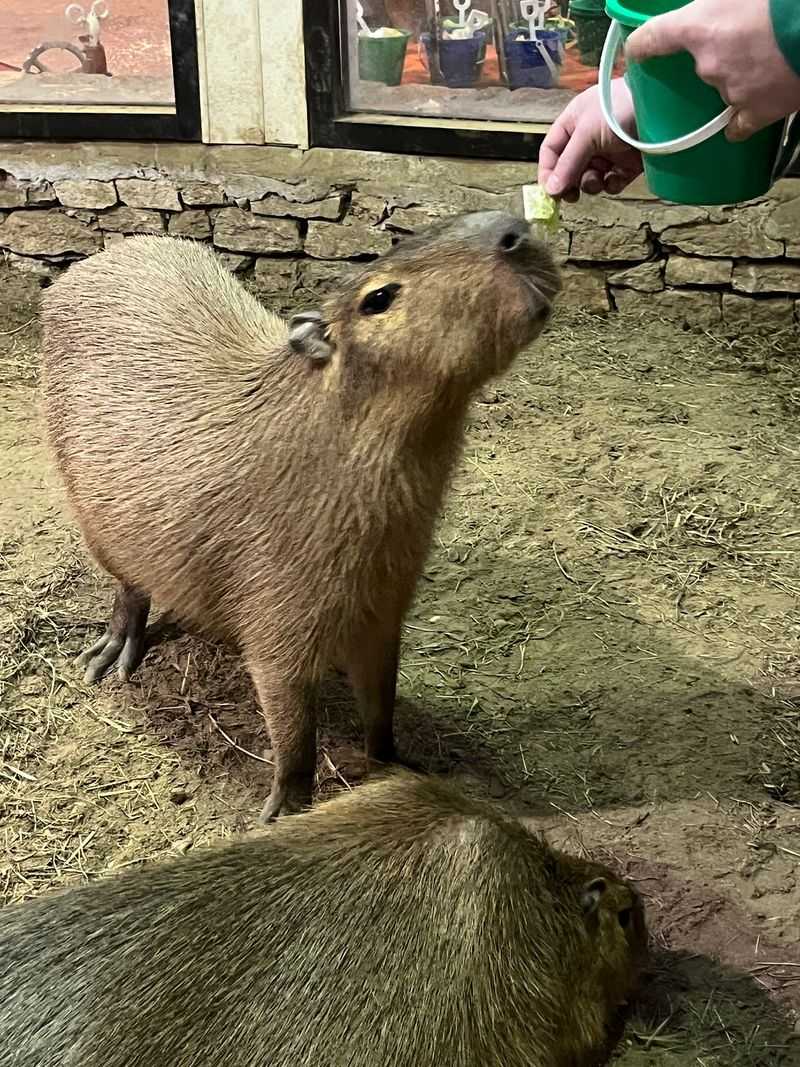
Capybaras in Connecticut. That alone sends plenty of families down Route 4 with the kids buzzing in the back seat, and the capybaras are only one entry on a surprisingly deep roster.
Highland cattle with their shaggy fringe, Aoudad mountain goats, zebras, American elk, Belted Galloway cattle, fainting goats, nilgai, and scimitar oryx all live here. Many of these species are hard to find anywhere else in the state.
Part of the fun is the mismatch. A scimitar oryx grazing near a New England stone-wall landscape is a small jolt to the brain, and it opens up natural conversations about where these animals originally come from.
Weather changes what you see, too. On hot afternoons some animals settle into shade, which is exactly what sensible animals do, so a morning visit or a mild, overcast day often gives you more activity at the fence lines.
Repeat visitors tend to notice different residents each time depending on the season, the temperature, and which pastures animals are using. Bring a phone or camera with room to spare.
Between the elk, the zebras, and the Highland cattle, you will fill more storage than you planned.
4. Baby Animal Feeding Steals The Show
Ask a kid what they liked best and the answer usually involves a baby goat and a fistful of grain. The petting zoo is where the sanctuary earns its reputation for closeness, and it is the part families talk about on the ride home.
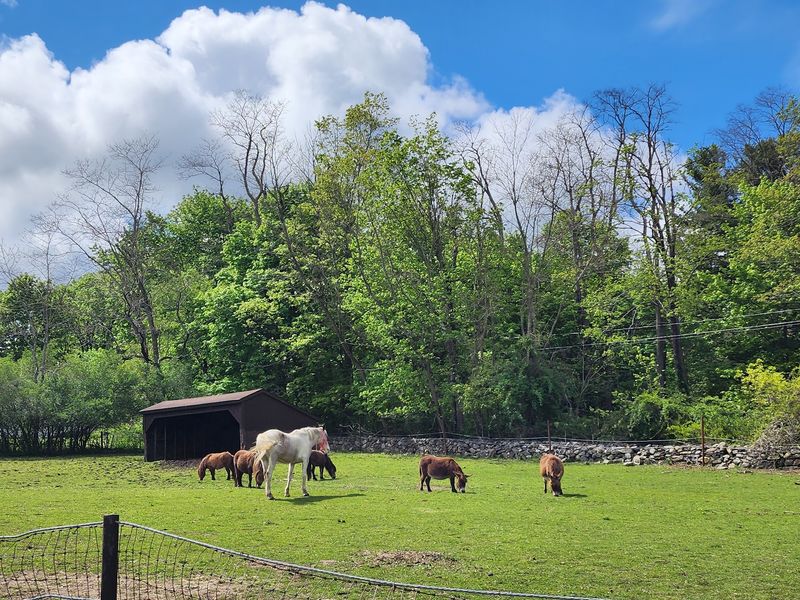
Grain is sold on site, and buying some changes the whole dynamic. Suddenly the goats, sheep, donkeys, and emus become very interested in your family, and even shy children warm up fast.
A few habits make it smoother. Let animals eat from the container rather than tossing feed into enclosures, keep hands flat and calm, and plan on washing up afterward.
Peacocks, porcupines, and multiple cattle breeds share the barn area, so there is plenty to look at between feedings. Spring and early summer visits often coincide with a noticeable number of young animals on the property.
For families wanting something even more personal, Calf Cuddles can be booked as a scheduled animal encounter. Reservations are required, and it gives you focused time with a young animal instead of a passing hello.
Feeding is done at your own discretion, so read the posted guidance and follow staff direction while you are in the barns.
5. Museum Dioramas Freeze Wild Encounters In Place
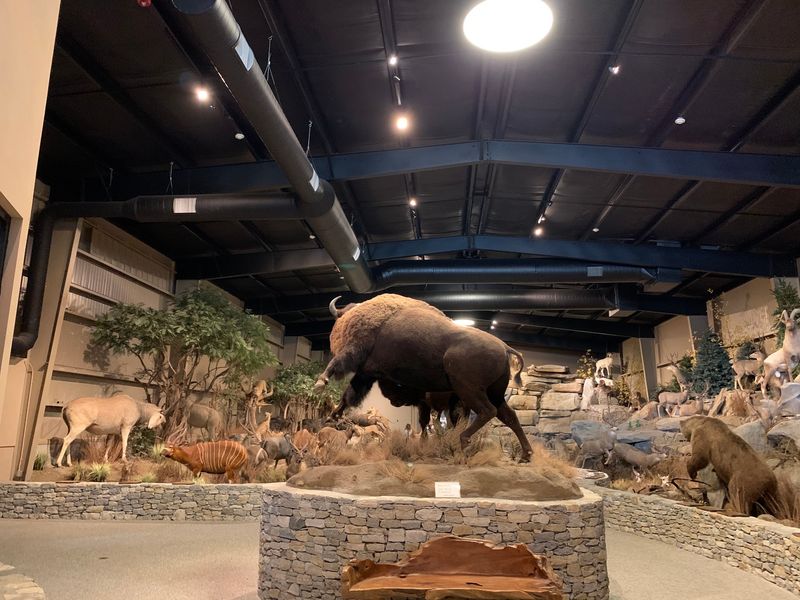
Rain in the forecast? The 20,000-square-foot Natural History Museum, which opened in 2008, keeps the visit going when outdoor conditions turn.
Inside, mounted animals are arranged in lifelike dioramas that recreate scenes from habitats around the world. Grasslands, forests, and mountain settings are staged so that each grouping reads like a single moment paused mid-action.
The collection reflects the founder’s travels and his observations of wildlife in native environments, which gives the room a personal quality you do not usually get from institutional exhibit halls. Interpretive plaques identify the species on display.
Kids often move through the museum in a different mode than they do outside. There is no grain to hand out and no fence to lean on, just scale and detail, and that tends to slow their steps in a useful way.
Practically speaking, the museum stays open year-round, which matters in a state where outdoor attractions go quiet after October. The gift shop sits nearby, with reasonably priced stuffed animals that make an easy souvenir.
Plan somewhere between twenty and forty minutes here depending on how closely your group reads the labels and compares the habitats.
6. Safari Walkers Mornings Slow Things Down For Little Explorers
Toddlers and moving cars are a stressful combination, so the sanctuary built a morning that removes the cars entirely. The Safari Walkers Club runs on designated Wednesday mornings from 10 AM to 12 PM, when the park becomes traffic-free.
During those two hours, everyone explores on foot. Vehicles are only permitted onto the safari roads after noon, which means little legs can wander at their own speed without anyone watching for tires.
Programming is built for the preschool crowd. Expect story times, simple crafts, sensory play, scavenger hunts, playground access, and hands-on tasks like helping prepare animal feed.
That last activity tends to be the sleeper hit. Scooping grain and carrying it out to hungry animals makes a two-year-old feel enormously capable, and it quietly teaches where food comes from.
Weekday mornings also mean thinner crowds and cooler air, both of which help when nap schedules are involved. Strollers handle the main areas reasonably well, though gravel and pasture edges call for sturdier wheels.
If you are visiting with a mixed-age group, arriving before noon gives the youngest kids their calm walk and still leaves the whole afternoon for the drive-through loop.
7. Picnic Tables And A Playground Stretch The Visit
An animal visit can easily turn into a longer family outing when there is room to slow down. Instead of rushing from one exhibit to the next, families can break up the day with lunch, playtime, and a little rest outdoors.
Picnic tables around the grounds make bringing sandwiches, snacks, and drinks especially practical. Finding a shady table overlooking the pastures can turn lunch into its own relaxing part of the visit.
The playground is another reason children may be reluctant to leave. Separate areas give younger children and bigger kids space to play, while the large sandbox can keep little hands busy long after the animals have been explored.
A simple plan works well: visit the animals while everyone still has plenty of energy, stop for lunch, and save the playground for later. That rhythm keeps the outing moving without packing too much into one stretch.
Current hours run Wednesday through Sunday from 10 a.m. to 5 p.m., with the grounds closing later in the evening. Mondays and Tuesdays are closed.
Since most of the experience happens outdoors, bring water, sunscreen, and hand sanitizer. Comfortable shoes help too, especially when an intended one-hour visit quietly turns into an entire afternoon.
8. Conservation Sits Behind All The Family Fun
There is a bigger purpose behind the hayrides and grain buckets. This nonprofit also has a stated conservation mission.
Protecting animal habitats, encouraging environmental stewardship, and teaching communities why conservation matters all sit at the center of what happens here.
Preserving biodiversity is a specific priority, especially through caring for species that are uncommon elsewhere in the state. Housing animals from many climates on one New England property takes deliberate planning and daily attention.
Education is the other half of the work. Partnerships with local schools and summer camps bring students onto the property for programs that connect classroom lessons to animals standing a few feet away.
That approach explains why the whole place feels built around interaction rather than observation from behind glass. Curiosity tends to turn into care, and care is what conservation actually runs on.
Visitors regularly mention how well the animals appear to be looked after and how willing staff are to answer question after question. Knowledgeable people at the fence line make a real difference to what families take away.
Every admission ticket, bucket of feed, and gift shop purchase supports that mission. It is a rare setup where a fun family Saturday and a serious conservation effort are the same thing.