A Frontier Fort Once Guarded Nebraska’s Railroad, And Its Officers’ Quarters Still Welcome Visitors
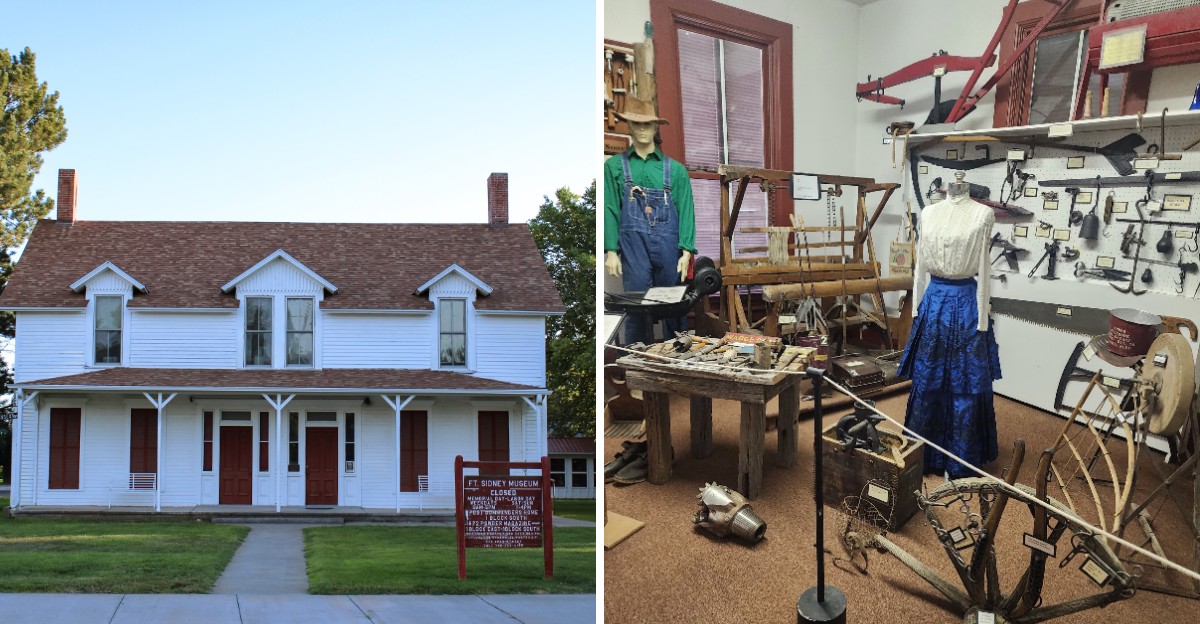
A real Army post’s officers’ duplex now sits on an ordinary residential street, and you can walk through it for free. The soldiers are long gone.
The rooms they lived in are still standing.
Volunteers open the doors and share the stories. Out back, a round powder house sits just around the block.
Down the street, the commander’s own home waits for its turn.
I like how this history refuses to hide behind velvet ropes in a big city. It lives right in a western Nebraska neighborhood, next to driveways and mailboxes.
That makes the past feel close enough to touch.
I believe the best small museums reward curiosity more than speed. This one seems built for slow wandering and good questions.
So what did life look like when the railroad was brand new and the Army kept watch nearby?
An Army Post Hiding In Plain Sight On A Neighborhood Street
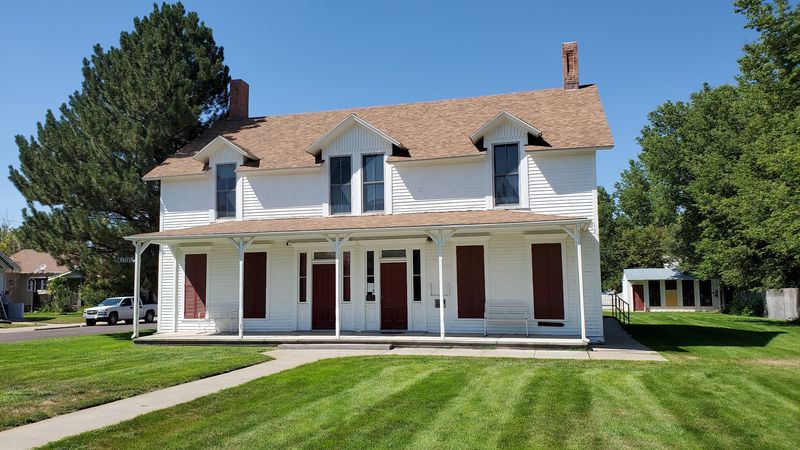
Few museums share a block with family homes, but the Fort Sidney Museum and Post Commander’s Home does exactly that. It sits in Sidney, in the Nebraska Panhandle, where the fort itself once stood.
Fort Sidney began in 1867, when the Army set up a post to watch over Union Pacific railroad crews. The town grew up right beside it, and the two shared a story for decades.
The Army closed the post in 1894. The town kept going, and new houses slowly filled in around the surviving buildings.
That explains the surprise many first-timers feel when the museum turns up in a regular neighborhood. The original fort was located just east of downtown, within walking distance of today’s main business area.
So the setting isn’t random at all. It’s the fort’s real footprint, wrapped in more than a century of town growth.
I love that detail because it turns the whole street into part of the exhibit. You’re not visiting a re-creation built somewhere convenient.
You’re standing where the Army actually lived, and the neighbors are just the latest residents of a very old address.
Why Soldiers Ended Up Guarding Railroad Tracks Out West
Railroads changed everything on the plains, and the Army followed the tracks. When Union Pacific crews pushed west across Nebraska in the late 1860s, the government wanted soldiers nearby.
Fort Sidney was part of that plan. Its job centered on watching over the railroad and the workers building it.
Over time, the post became a hub for the growing town of Sidney. Soldiers, families, merchants and travelers all crossed paths in the same small corner of the Panhandle.
The museum leans hard into that local story. Its collections focus on the area’s past, from military life to the everyday people who settled the region.
That mix gives the place more range than a typical fort site. You get uniforms and Army history, but you also get the town’s own memory, stacked room by room.
One traveler following the old Oregon Trail stopped in and was amazed at how packed it was with history. That fits the location well.
Western Nebraska sits on routes that pioneers, freight haulers and rail passengers all used, so the stories here overlap like layers of prairie soil.
Every Room In The Duplex Hides Another Surprise
Two families once split this building down the middle. Today the museum fills an officers’ duplex, and the layout makes exploring feel like opening a series of time capsules.
Room after room holds objects, maps, photographs and written descriptions of daily life back then. The space is small, yet the museum packs it to the brim.
The military rooms stand out for anyone who likes Army history. Uniforms, gear and records help explain what frontier service actually looked like at a Nebraska post.
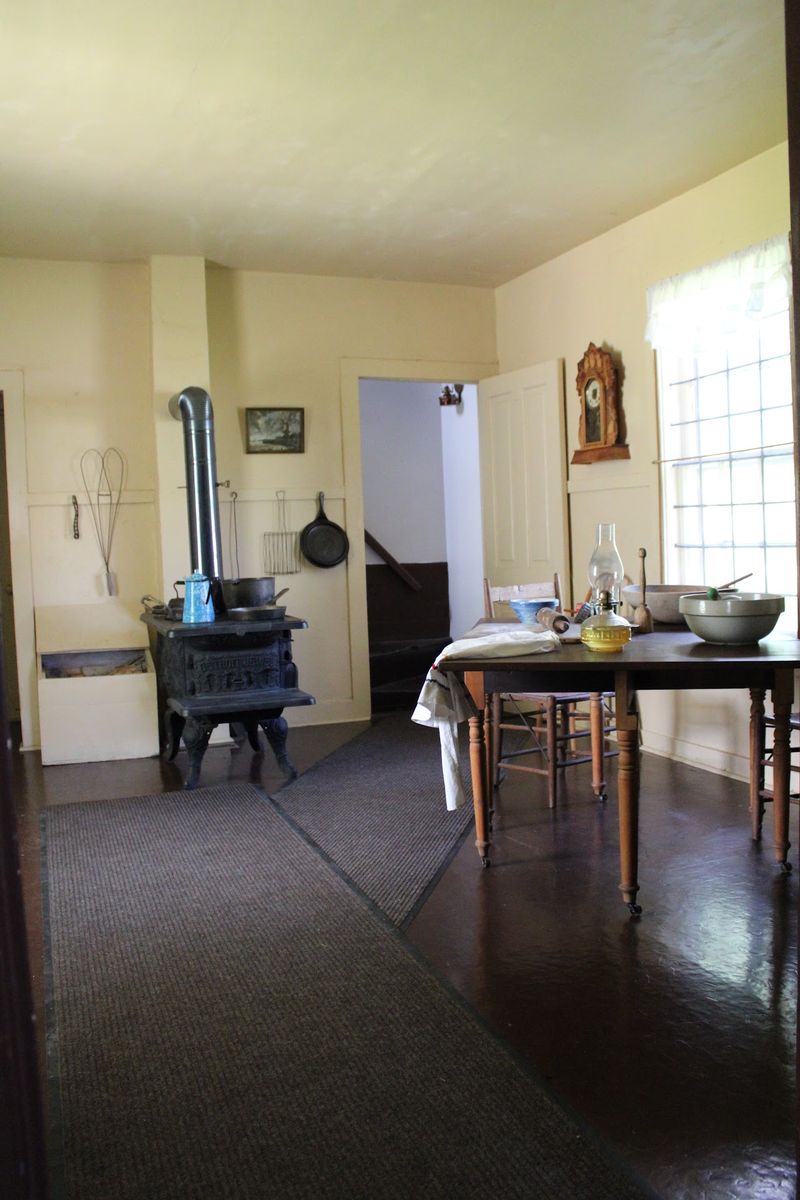
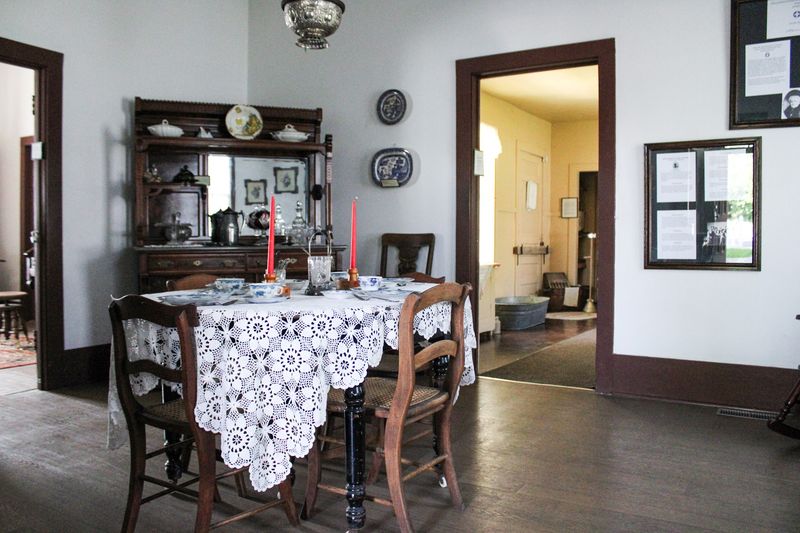
The bedrooms bring things back down to a human scale. Furnished spaces show how officers and their families lived when the plains felt very far from anywhere.
The museum aims for a surprise around every corner, and that goal shows in the setup. Turn into one doorway and you’re looking at maps.
Turn into the next and you’re facing someone’s old furniture.
Repeat visits pay off too. The collection is dense enough that a second trip can turn up pieces you somehow walked right past.
If old things make you happy, budget more time than you planned, because the rooms keep pulling you deeper.
Save Time For The Post Commander’s Home
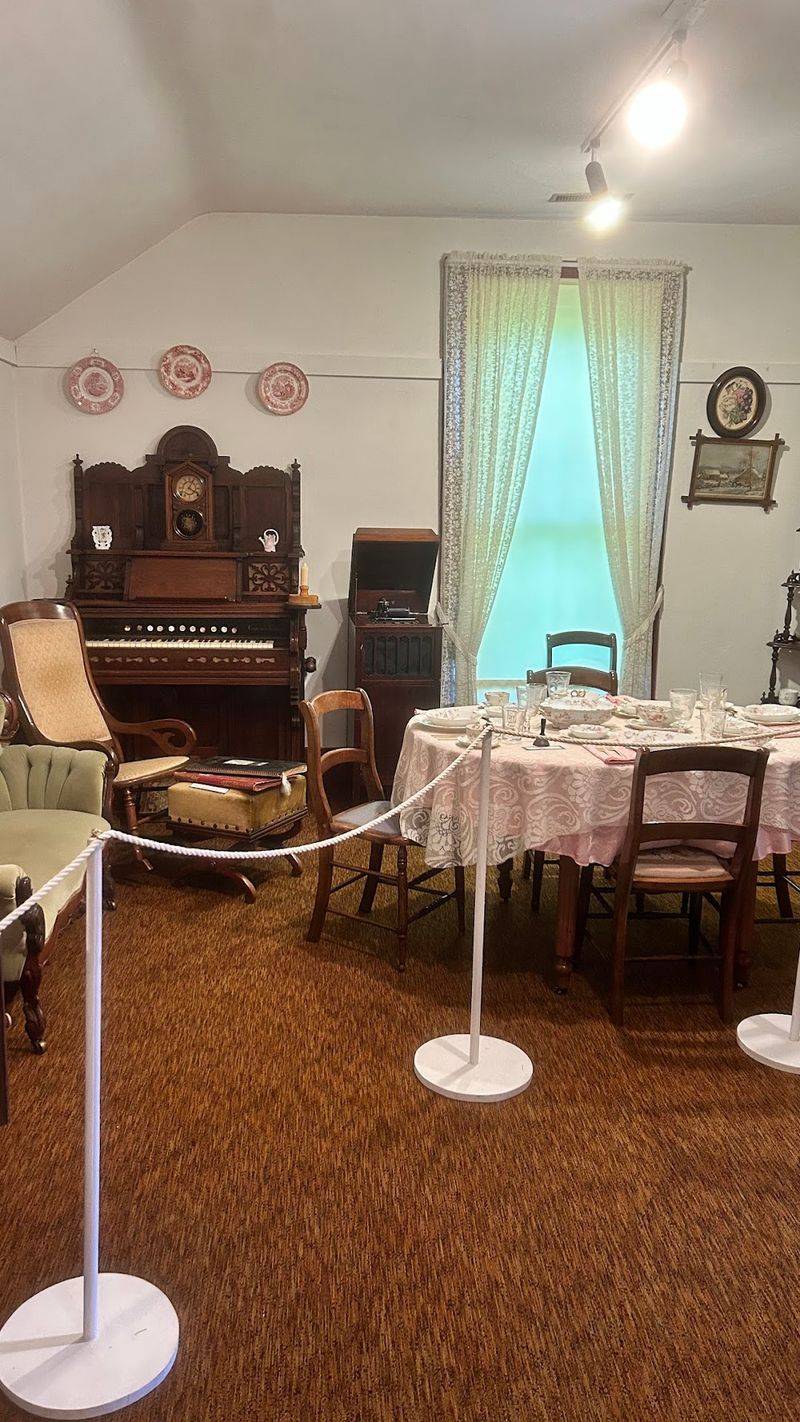
Rank had its perks on the frontier, and the commanding officer got his own house. That home is the second half of the museum’s name, and it deserves its own stop.
The Post Commander’s Home is a separate building from the duplex. It gives you a look at how the person in charge of Fort Sidney lived compared with other officers.
Families visiting the site often call it a must-see. Skipping it would be like reading most of a book and leaving the last chapter on the shelf.
Going from the duplex to the commander’s house also changes the pace of the visit. You step outside, stretch your legs, and then step into another piece of the original post.
That short walk helps the fort make sense as a real place. These buildings weren’t isolated showpieces.
They were parts of a working Army community that once spread across this part of town.
I can’t imagine coming all this way and only seeing one building. The two together tell a fuller story about rank, family life and the daily rhythm of a Nebraska frontier post.
A Round Powder House And Artillery Worth The Extra Lap
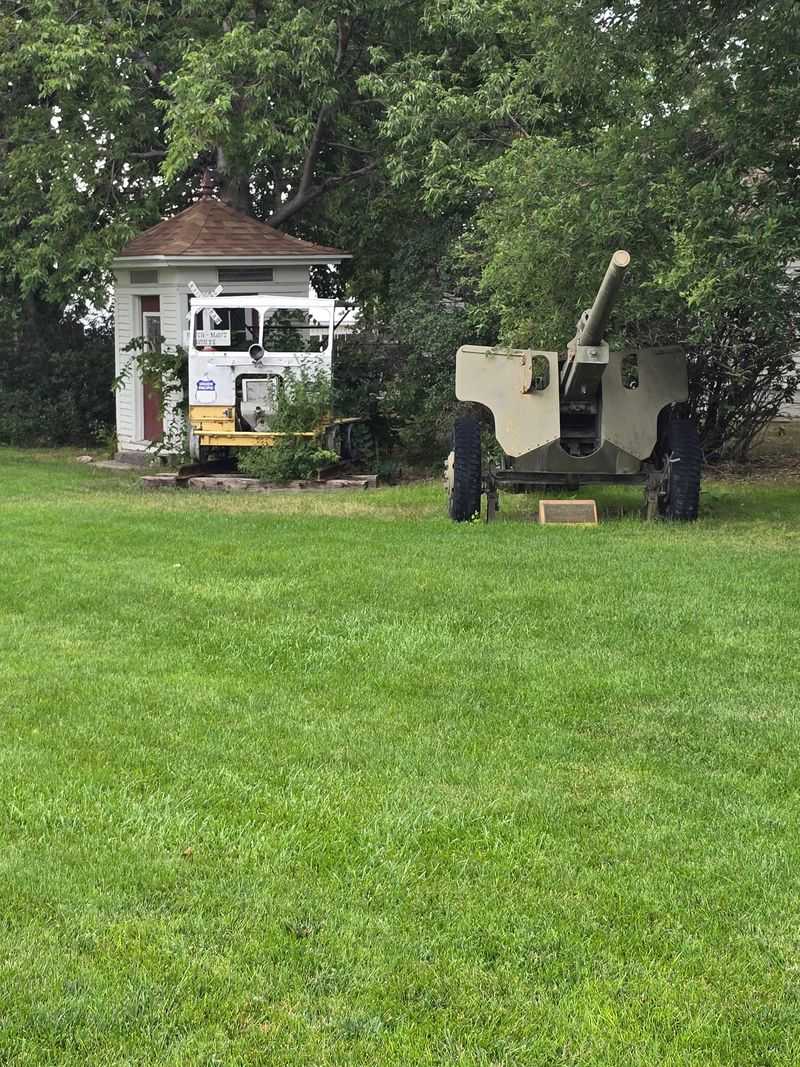
Round buildings are rare on any Army post, which is why the powder house earns a detour. It sits around the block from the museum, so a quick drive or stroll gets you there.
Its curved shape catches the eye right away. The structure was built to store the fort’s ammunition supplies, keeping them apart from living quarters.
Out front of the museum, outdoor artillery gives kids and grown-ups something to study before going inside. It’s a fun photo stop, and it hints at the military story waiting in the rooms.
One detail surprises sharp-eyed visitors. Some moving parts on the outdoor pieces have been secured in place.
The museum explains that choice as a preservation move. Equipment sitting outside faces weather all year, and locking parts down helps prevent damage or loss.
Honestly, that tradeoff makes sense for a small museum. Nebraska winters aren’t gentle on old metal, and the goal is keeping these pieces around for future visitors.
So take the extra lap around the block. The powder house and artillery turn a museum visit into a mini tour of the fort grounds.
Volunteer Guides Carry The Stories
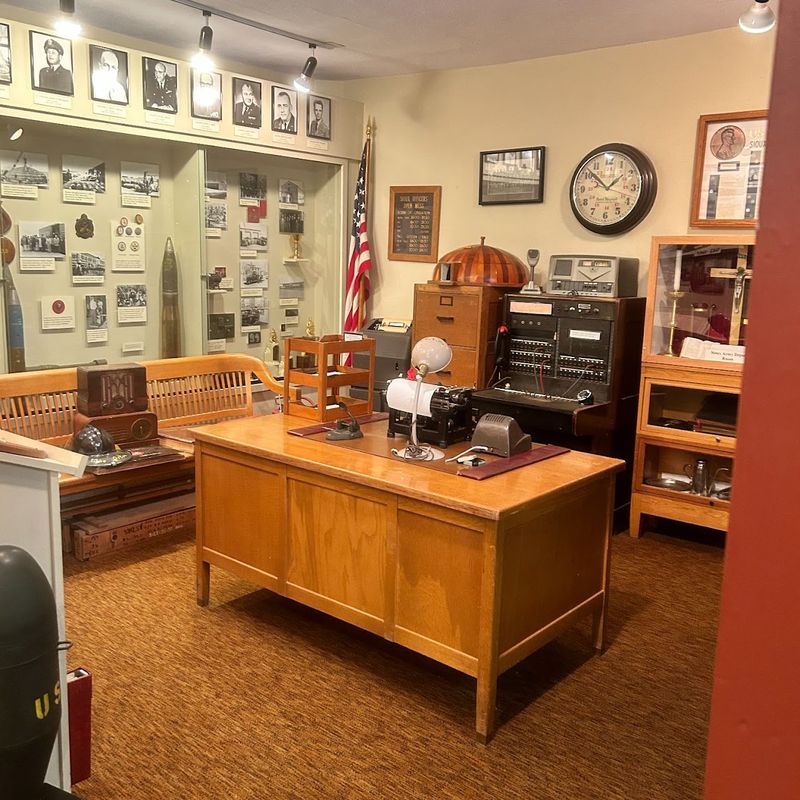
Plaques can only say so much. At this museum, volunteer guides fill in the gaps, and they bring years of knowledge to every tour.
Many guests come away mentioning a particular guide by the way he or she explained things. That personal touch is a big part of the experience here.
Kids especially seem to enjoy the storytelling. Hearing about soldiers and families from someone who knows the details beats reading tiny labels any day.
The tour pace stays relaxed. Slow down, ask questions, and let the guide connect objects to the people who used them.
Because volunteers keep the doors open, the whole place runs on community effort. That gives it a warm, small-town feel instead of a polished corporate one.
The museum even jokes that smartphones and payment apps aren’t always its volunteers’ favorite artifacts. That humor tells you a lot about the people behind the counter.
It’s a great spot for history fans, families and anyone showing off western Nebraska to out-of-town guests. Curious minds of every age will find someone happy to answer questions, often with a story attached.
Plan Around Summer Hours And Bring Some Cash
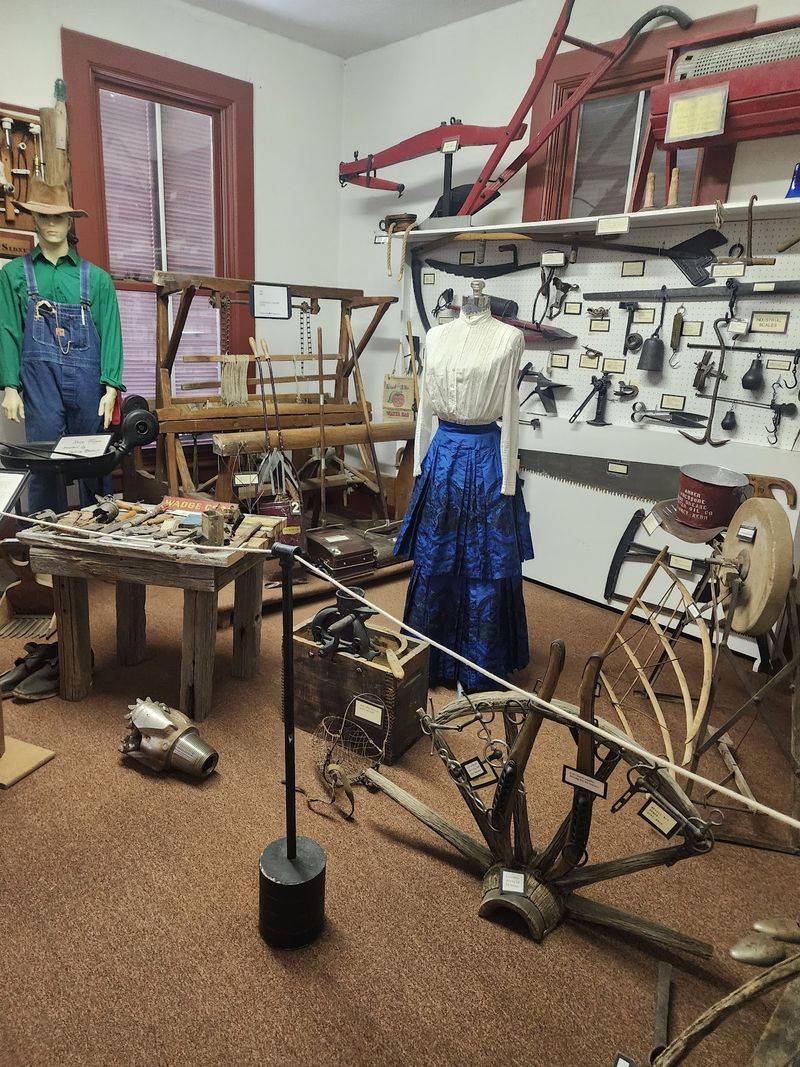
Timing matters more here than at a big city museum. The Fort Sidney Museum and Post Commander’s Home is open daily from Memorial Day through Labor Day.
Outside that summer window, the volunteer staff offers on-call tours at most reasonable times. Calling ahead using the numbers on the museum’s website usually brings someone over within minutes.
That step matters for off-season trips. Showing up unannounced in the cooler months could mean finding the doors locked.
You’ll find the museum at 544 Jackson St, Sidney, NE 69162. It’s an easy stop for travelers along Interstate 80 in the Nebraska Panhandle.
Now for the best part. Admission is free.
Donations and merchandise purchases help the museum care for the buildings and keep sharing their stories. The museum has payment apps, but it’s still smoothing out card payments for all its volunteers, so cash is the easiest way to give.
A full afternoon of frontier history for zero dollars is hard to beat. Toss a few bills in your pocket, and you can leave knowing you helped keep the fort’s lights on.
A Small Stop That Earns A Spot On Your Panhandle Route
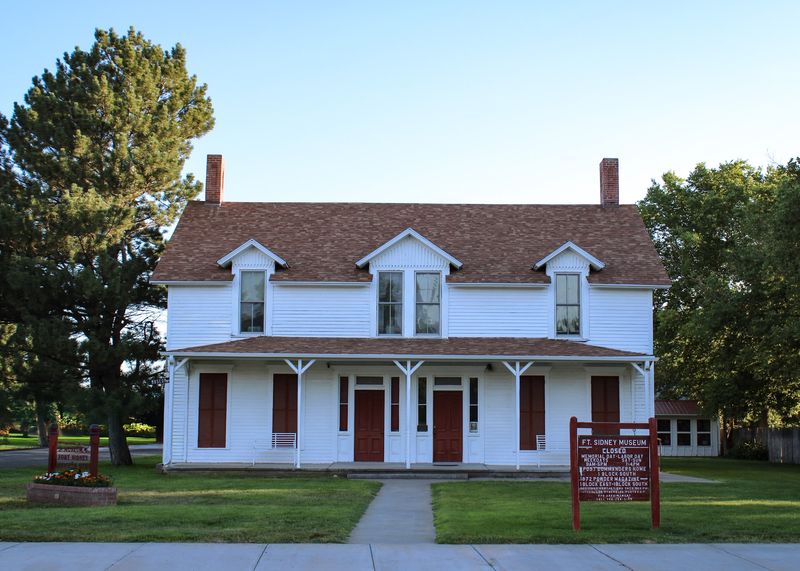
Big attractions get the billboards, but small museums often hold the better stories. The Fort Sidney Museum and Post Commander’s Home proves that point in western Nebraska.
You get original fort buildings, packed rooms and a commander’s house down the street. Add a round powder house and outdoor artillery, and the visit stretches further than you’d expect.
The free admission makes it easy to say yes. The volunteer guides make it easy to stay longer than planned.
It works as a quick break on a long drive. It also works as a slow afternoon for anyone who loves digging into local history.
Families can turn it into a lesson that doesn’t feel like homework. Grandparents can share it with grandkids, and history buffs can pester guides with endless questions.
Just remember the summer schedule and call ahead in the off-season. A little planning keeps the trip smooth.
I believe places like this keep a town’s identity alive. Sidney grew up beside an Army post, and these buildings still let you see that beginning.
Not bad for a museum sharing its block with the neighbors.