A Grout-Walled Frontier Fort In The Nebraska Sandhills Still Holds Its Pioneer Tools, Cannons, And Original Buildings
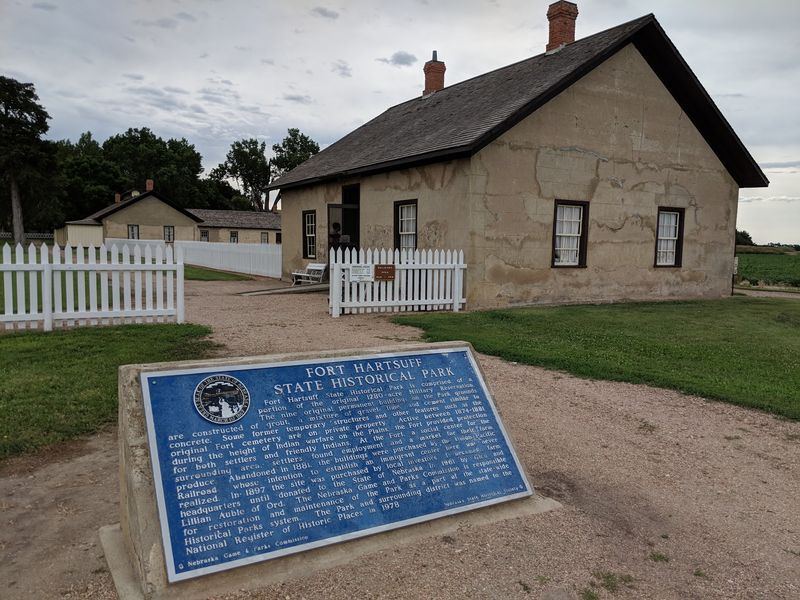
A sign for a historical marker is easy to drive past in the Nebraska Sandhills, and plenty of people do. Turn off the highway, though, and a whole army post from the 1870s appears on the prairie, with walls still standing after nearly 150 years.
Inside are old stoves, blacksmith tools, hospital medicine bottles, and cannons that once guarded the plains. It is the kind of stop that starts as a quick stretch of the legs and ends up eating the whole afternoon.
An 1870s Army Post in the Nebraska Sandhills
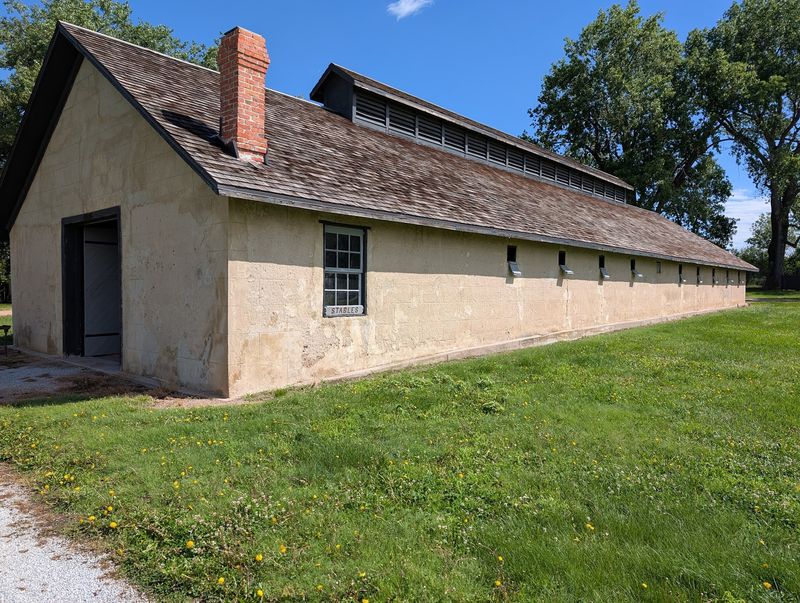
Picture a square of pale, sturdy buildings sitting around a grassy parade ground, with the rolling Sandhills stretching out in every direction. That is Fort Hartsuff State Historical Park, a restored frontier army post in the North Loup River country of central Nebraska.
The fort sits just north of Ord and south of Burwell, close enough to both towns that it makes an easy side trip from either one. Nine of the buildings are original structures dating from 1874 to 1881.
Others have been restored so carefully that the whole place looks as though the soldiers only stepped out for the afternoon.
Run as a state historical park, the site tells the story of late 1800s military life on the plains through rooms you can walk into. There are barracks, a guardhouse, a post hospital, an officer’s home, and workspaces filled with period tools and equipment.
Cannons sit on the grounds, and old wagons wait nearby.
For anyone who grew up in Valley or Garfield County, the fort may be a familiar school field trip memory. For everyone else, it tends to be a surprise, a full frontier post hiding in plain sight along a quiet country road.
The Story Behind a Frontier Outpost
What did life look like for a soldier stationed on the Nebraska plains in the 1870s? Fort Hartsuff answers that question better than almost any textbook could.
The post was built and used during a short but busy window, from 1874 to 1881. In those years, settlers were pushing into the North Loup Valley, and the army set up posts like this one across the region.
Soldiers here handled daily duties, drilled on the parade ground, cared for the sick, and kept the place running through hot summers and bitter prairie winters.
Once the army moved on, the buildings could easily have crumbled into the grass. Instead, they held up, and the state eventually turned the site into a historical park.
Restoration work brought the rooms back to their period look, complete with furniture, tools, and everyday objects.
An orientation film helps set the scene before you start exploring. It covers the basics of why the fort existed and how it fit into life on the plains.
Watching it first makes every room afterward feel more connected, since you know who once slept, worked, and ate inside those walls.
Walls Made of Grout Instead of Timber
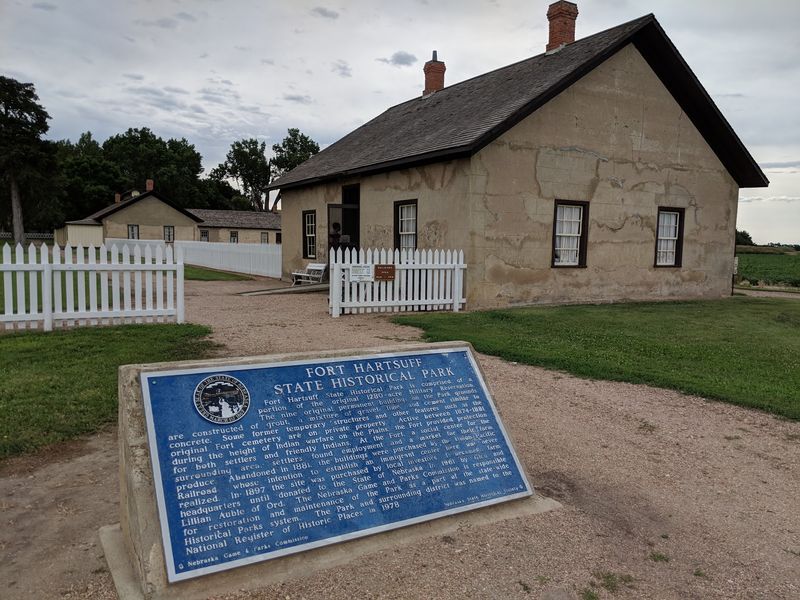
Here is a detail most people miss on the drive in: those walls are not wood or stone. Most forts from the same era were built from timber, but good lumber was scarce in this part of the Sandhills.
So the builders turned to grout, a mix similar to an early form of concrete. They poured it to shape thick, solid walls.
It was a practical answer to a real problem, and it turned out to be a lasting one.
Nearly a century and a half later, those grout buildings are still standing. Run a hand along an outside wall and you can feel the rough, pebbly texture of the material.
The thickness shows at every doorway and window, where the openings sit deep in the walls.
That choice of building material is a big reason the fort survived when so many wooden posts on the plains rotted or burned away. It is also a small piece of Nebraska ingenuity worth pointing out to kids.
When the usual supplies ran short, people on the prairie made do with what they had, and in this case, what they made outlasted nearly everything around it.
Medicine Bottles and Tools Inside the Post Hospital
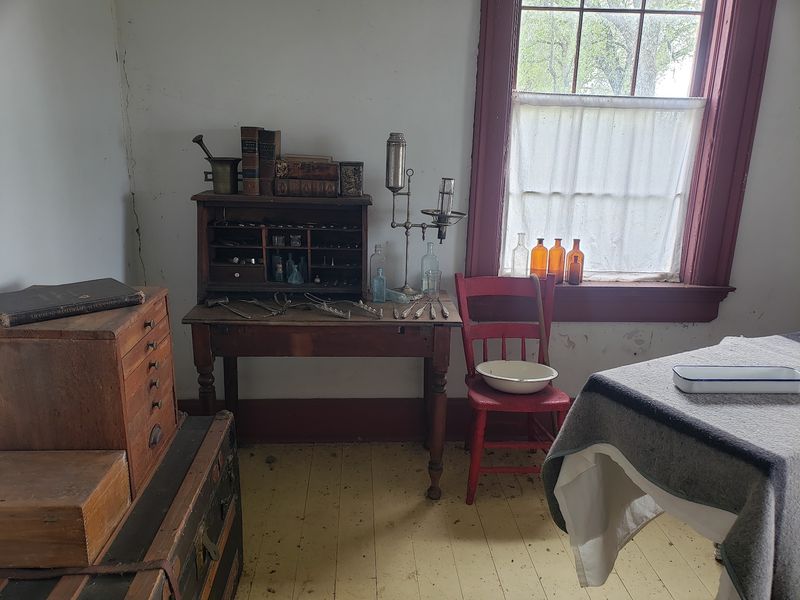
Rows of glass bottles line the shelves, each one holding a remedy from a time long before modern pharmacies. The Post Hospital ranks among the most fascinating rooms at the fort.
Inside, the tools and medications used by army doctors in the late 1800s are laid out much as they might have been during the fort’s working years. There are simple beds, instruments, and supplies that show how limited medical care was on the frontier.
Seeing them up close makes it clear how far medicine has come.
Adults tend to linger here, reading labels and studying the equipment. Kids often find the old bottles and strange tools just as interesting, even if the history is new to them.
It is a room that sparks questions, which is part of the fun.
Some of the older buildings, including a few interior spaces, can carry a musty smell. That is common in historic structures with thick walls and limited airflow.
Anyone sensitive to that may want to keep visits to certain rooms short.
Still, the hospital gives a clear, physical picture of what staying healthy meant for soldiers far from any city.
Guardhouse, Barracks, and a Soldier’s Daily Routine
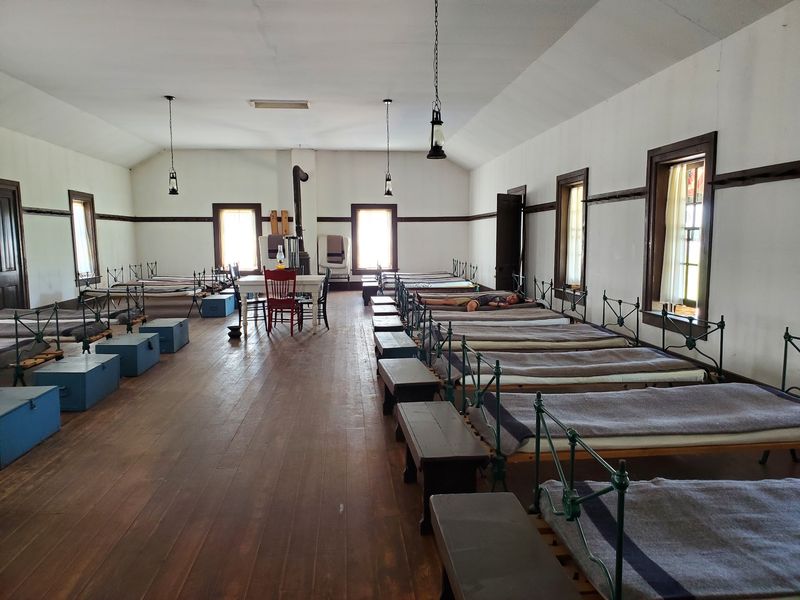
Bunks sit in tidy rows, blankets folded, footlockers waiting at the ends. Step into the barracks and the cramped, shared life of an enlisted soldier comes into focus right away.
There was little privacy on a frontier post. Men slept, stored their gear, and spent off-duty hours in these rooms.
The restored furnishings show just how simple that life was, with a stove for warmth and not much else in the way of comfort.
Next door in spirit is the guardhouse, which tends to be a favorite with younger explorers. It shows where soldiers who broke the rules ended up, along with period equipment from the era.
The room is small and plain, and that plainness is the point.
Between the two buildings, you get a clear sense of the order and discipline that shaped every day at the fort. Wake up, drill, work, eat, repeat.
The parade ground just outside is where much of that routine played out.
Walking from the barracks to the guardhouse and back takes only a few minutes. Plan on staying longer anyway, since both buildings hold plenty of small details worth a second look.
Life in the Officer’s Residence
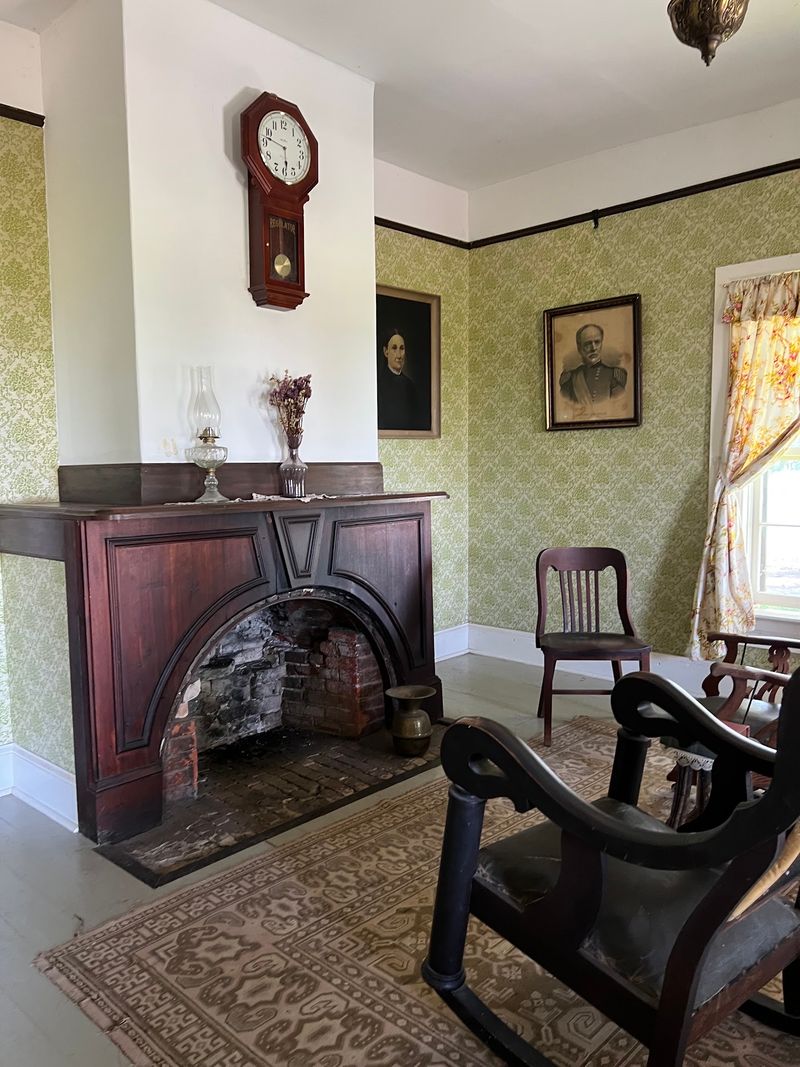
Compared with the barracks, the officer’s residence feels almost like a different world. Rooms are larger, furnishings nicer, and the whole house carries a sense of family life on the frontier.
Officers often brought their households with them to posts like this, and the home reflects that. Period furniture fills the parlor and living spaces, giving a peek at how the post’s leadership lived during the 1870s.
The contrast between this house and the enlisted quarters tells its own story about rank and daily life in the army.
Big windows let in plenty of prairie light. Wooden floors creak underfoot in that satisfying old-house way.
Details like dishes, textiles, and small personal items make the rooms feel lived in rather than staged.
Park staff occasionally open this building for latecomers while they work through the rest of the grounds, a small kindness that fits the relaxed pace here. If you arrive near closing, ask politely, and you may still get a look inside.
Pair this stop with the barracks for the best effect. Seeing both back to back makes the gap between officer and soldier impossible to overlook.
Pioneer Tools, Wagons, and Cast Iron Kitchens
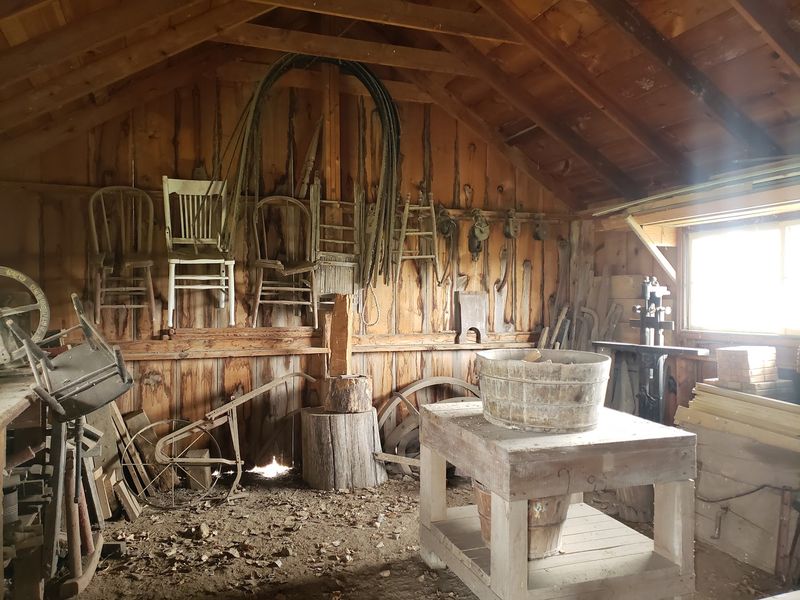
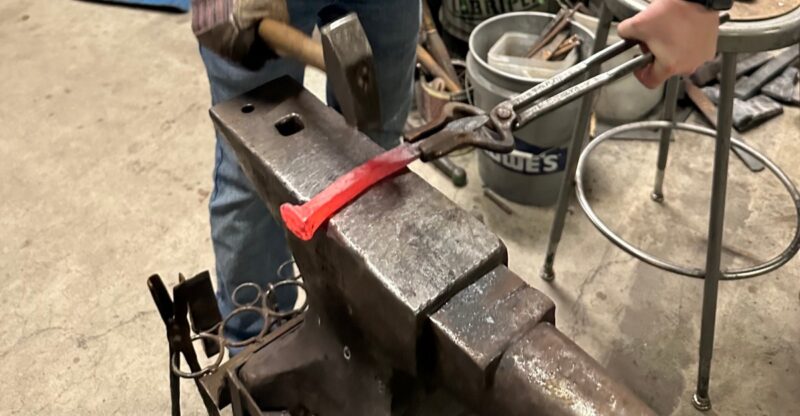
Hammers, tongs, and a heavy anvil wait in the blacksmith shop as if someone might fire up the forge any minute. For anyone who loves old tools, this corner of the fort is the real treasure.
A frontier post could not run without skilled hands. Blacksmiths shaped and repaired metal for wagons, horses, and everyday needs, and the gear on display here shows exactly how that work got done.
Nearby, old wagons give a sense of how supplies and people moved across the plains.
Then there are the kitchens. Big cast iron stoves and ovens anchor several buildings, and they are impressive pieces of equipment even today.
Imagine cooking for a room full of hungry soldiers on one of those, with no thermostat and a pile of firewood or other fuel close by.
These pioneer tools tend to hold the attention of kids who might drift away from long signs. Something about a real anvil or a giant iron stove feels more exciting than reading about one.
Farm families especially may spot tools that look familiar from a grandparent’s shed, a fun connection between the fort and Nebraska’s rural roots.
Cannons, Reenactors, and Evening Demonstrations
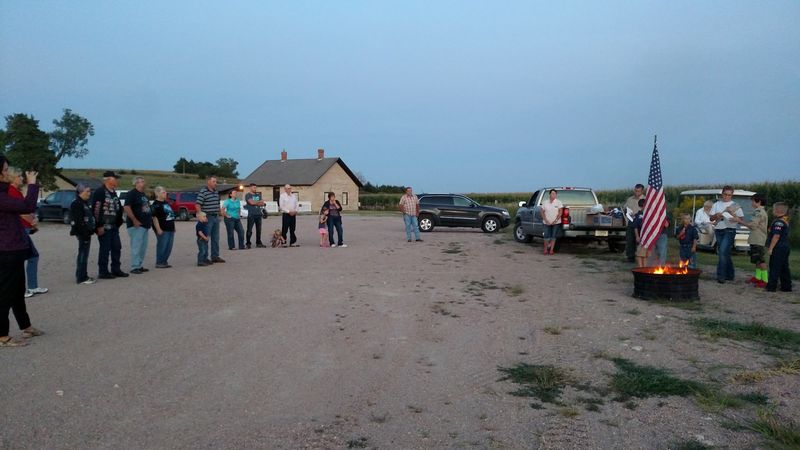
A boom rolls across the parade ground after dark, and a puff of smoke drifts over the prairie. The evening cannon demonstrations at Fort Hartsuff are a highlight for anyone lucky enough to catch one.
Several reenactment events happen throughout the year. On those days, the fort fills with people dressed in period clothing who bring the post to life.
Historians share stories and details during the daytime, answering questions and showing how things worked in the 1870s.
The cannons themselves sit on the grounds year-round, so even on a quiet day, you can walk up and see them. Kids tend to gravitate straight toward them.
Adults usually follow close behind.
How much activity you find depends on timing. On a regular weekday, the fort may be calm, with few staff and no costumed interpreters.
During event weekends, the energy is completely different, with demonstrations and plenty of people to talk to.
If living history is the main draw, check the park’s event schedule before making the drive. Catching a reenactment turns a pleasant walk through old buildings into something much livelier and far more memorable for the whole family.
Grounds, Giant Trees, and a Spot for Lunch
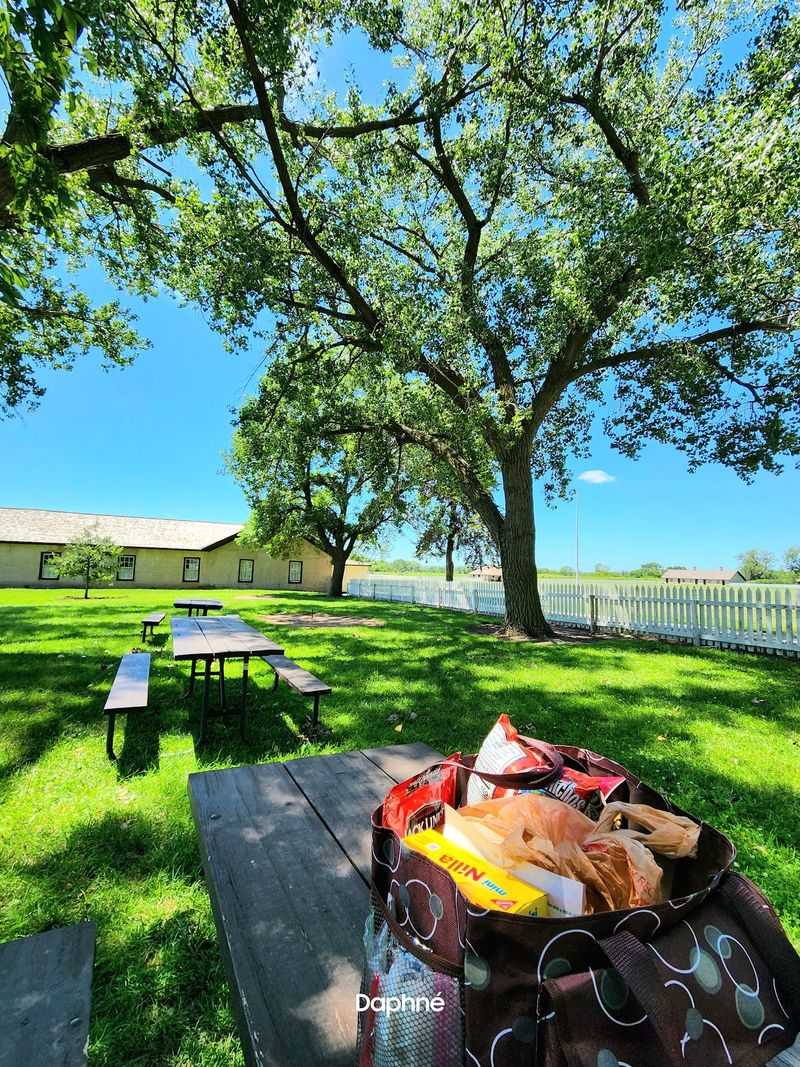
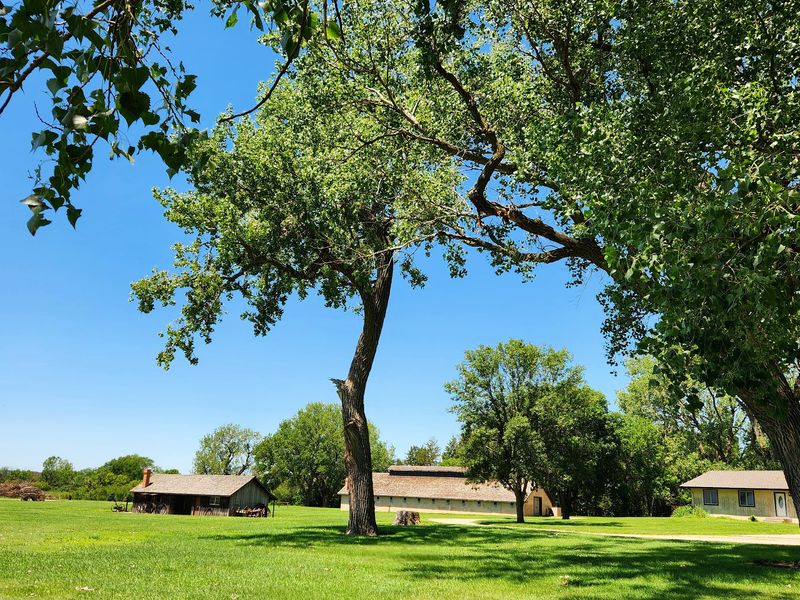
Some of the trees here are enormous, with wide trunks and branches that throw deep shade across the lawn on hot afternoons. They add a welcome touch of green to the pale buildings and open prairie.
The grounds stay neatly mowed and well cared for, and the whole site has a peaceful, unhurried feel. On a slow day, you might share the place with just a groundskeeper on a riding mower.
That kind of quiet is rare at bigger attractions.
A picnic area makes it easy to pack a lunch and turn the visit into a proper outing. After wandering through the barracks and hospital, sitting down in the shade with sandwiches feels like the right way to wrap things up.
It also keeps the day affordable for families.
Walking the loop around the parade ground takes little effort, and paths connect the main buildings. Comfortable shoes are a good idea, especially if you plan to explore every corner.
Even when the buildings are closed, the grounds stay open around the clock. That means you can stroll the post, peek in windows, and enjoy the scenery any day of the week.
Helpful Staff and a Jar of Rock Candy
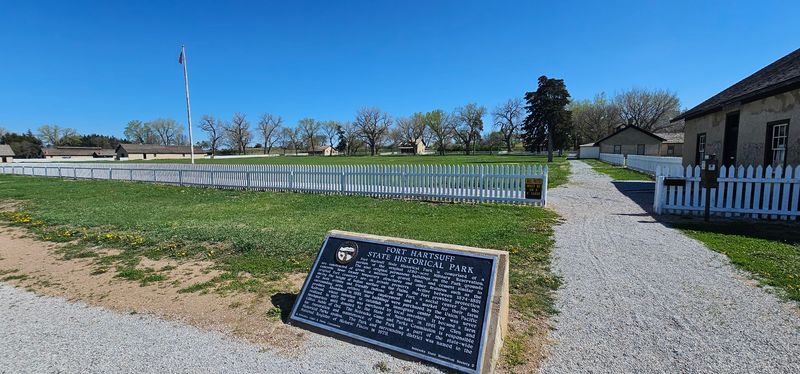
Ask a question about the fort and be ready for a thorough answer. The park staff know the history of this place well and enjoy sharing it, from how the post operated to how the site gets used today.
Stop by the office and gift shop first. It is the building to the right as you arrive, and it is where you can get oriented, pick up a map, and ask about which buildings are open.
Staff there have been known to go out of their way for late arrivals.
And then there is the rock candy. The admissions counter keeps it on hand, and it is a sweet little bonus that kids tend to remember long after the trip.
It fits the old-fashioned feel of the whole place nicely.
On busier days and during events, historians and volunteers add even more to the experience. On quieter days, you may find fewer people working, but maps and the orientation film still help fill in the story.
Either way, a few minutes spent chatting at the office can turn a simple walk-through into something much richer.
A Frontier Field Trip for Every Generation
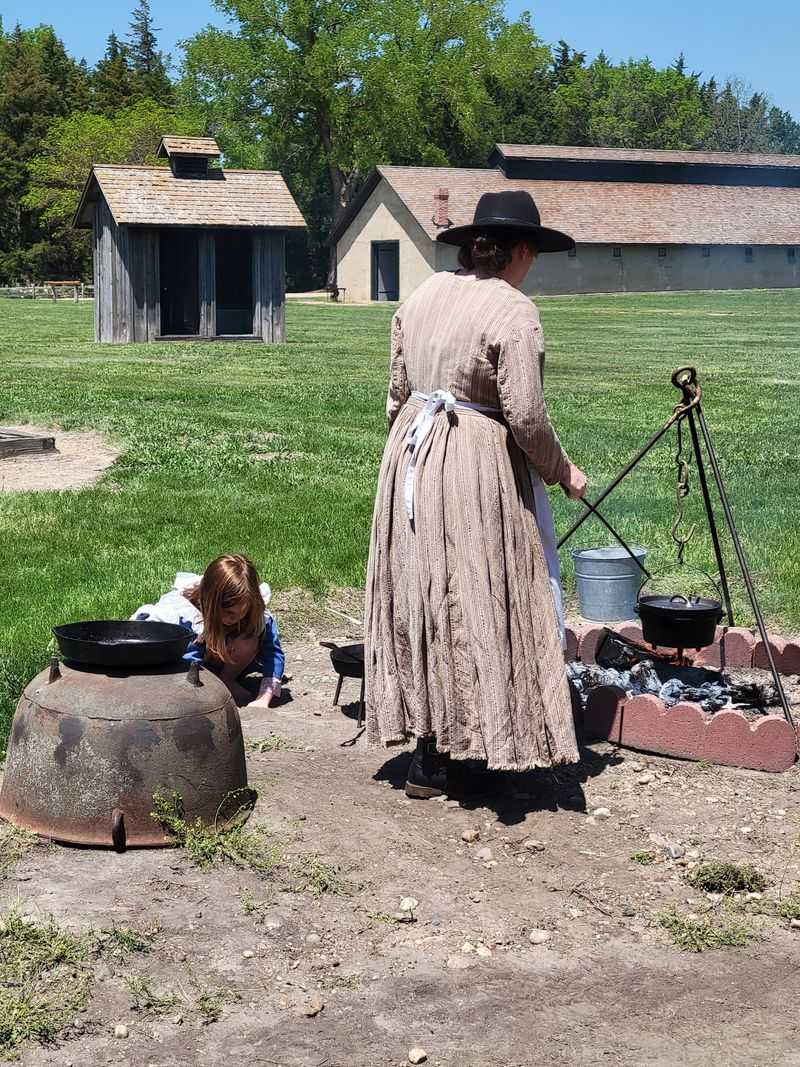
You do not need to be a history buff to have a good time here. The fort works well for mixed groups, from curious kids to grandparents who remember visiting decades ago.
Younger children usually zero in on the hands-on, visual stuff. Wagons, blacksmith gear, the guardhouse, the barracks, and of course the cannons all hold their attention.
A six-year-old can happily drag the whole family from building to building.
Meanwhile, adults who love reading every sign could easily spend hours going through each room. That difference in pace is worth planning for.
One option is to let the kids lead through the highlights, then circle back to the rooms that deserve a slower look.
Retirees and multigenerational families will find the layout manageable, with buildings close together around the parade ground. Modern restrooms and outhouses are available, which helps a lot with little ones.
There is also something special about passing a place like this down. Parents who toured the fort as kids now bring their own children, and some hope to bring great-grandchildren someday.
Few Nebraska attractions carry that kind of family thread from one generation to the next.
When the Buildings Open Their Doors
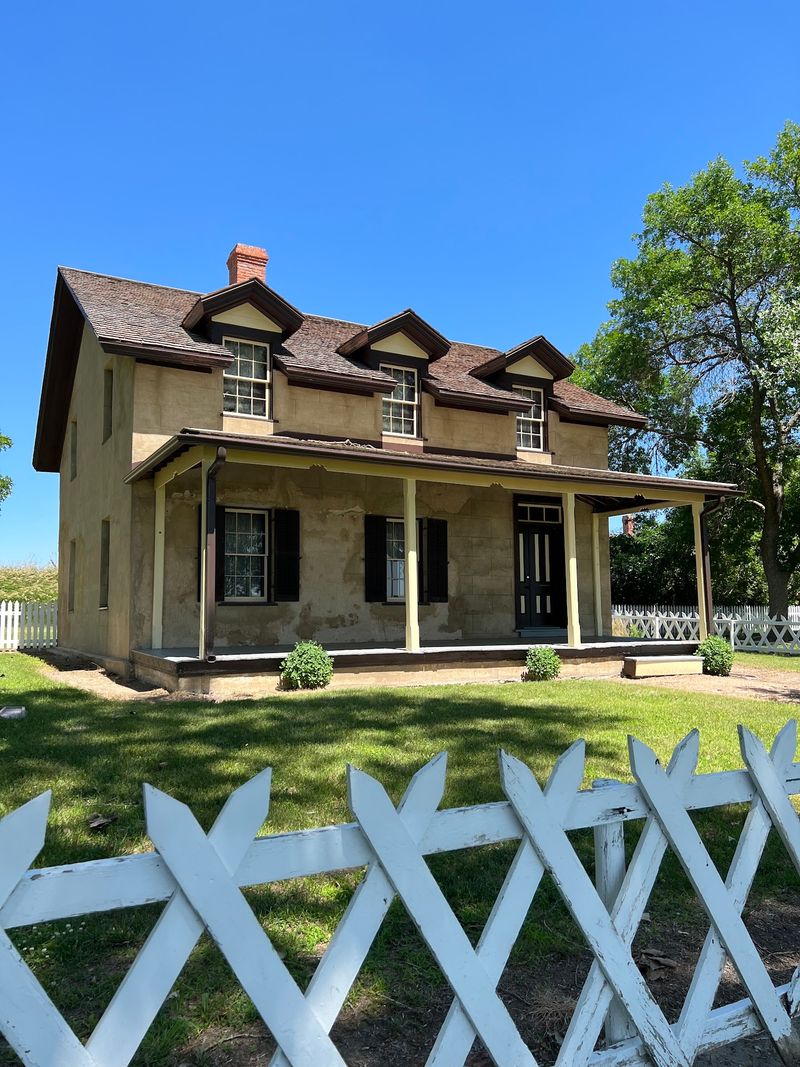
Timing matters more at Fort Hartsuff than at many attractions. The grounds are open around the clock, but the historic buildings, office, and gift shop follow a seasonal schedule.
During the main season, roughly May through September, the buildings typically open midweek through Saturday during daytime hours. The fort is currently closed Sunday, Monday, and Tuesday.
Schedules have shifted over the years, so a quick call to the park before heading out can save a disappointing trip.
From October through April, the buildings are generally locked, with a sign asking people to call ahead for a reservation. Arriving unannounced in the off-season usually means peeking through windows rather than stepping inside.
A quiet weekday during the open season can feel almost private. You may have the parade ground nearly to yourself, which makes for relaxed exploring and good photos without crowds in the frame.
Event weekends bring the opposite experience, with reenactors, demonstrations, and more people around. Both have their appeal.
Decide whether you want calm wandering or living history, then plan the date around that choice. Either way, confirming the schedule first is the smartest move before the drive.
Finding the Fort and Paying the Fee
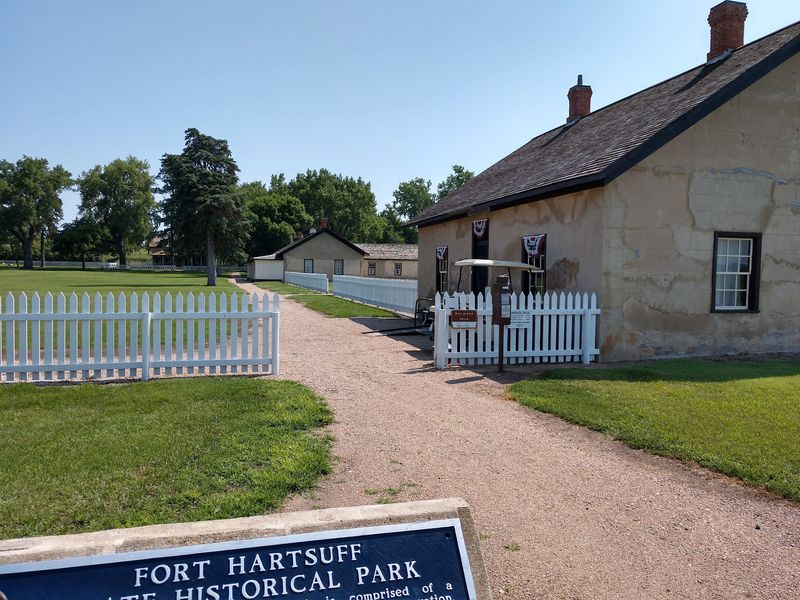
Trust the signs over the GPS on this one. Some navigation apps have tried routing drivers through farmyards and down roads that do not exist, which is a very Sandhills kind of adventure nobody needs.
The fort sits along Fort Avenue between Ord and Burwell, and paved roads lead all the way there. Following the historical marker signs from the highway is the most reliable approach.
Once you arrive, parking is close to the buildings.
Paying can feel a little confusing at first. There is a park payment drop near the entrance, and an envelope system for fees.
The easiest move is to head straight to the first building on the right, which serves as the office, and ask how to handle admission and any park entry permit.
Admission is only a few dollars for adults, with a lower price for children, which makes this one of the more affordable outings in central Nebraska. A family can spend a full afternoon here for about the cost of a fast food lunch.
Bring cash just in case, along with water and snacks. Services nearby are limited, so arriving prepared keeps the day easy.
The Case for an Afternoon at Fort Hartsuff
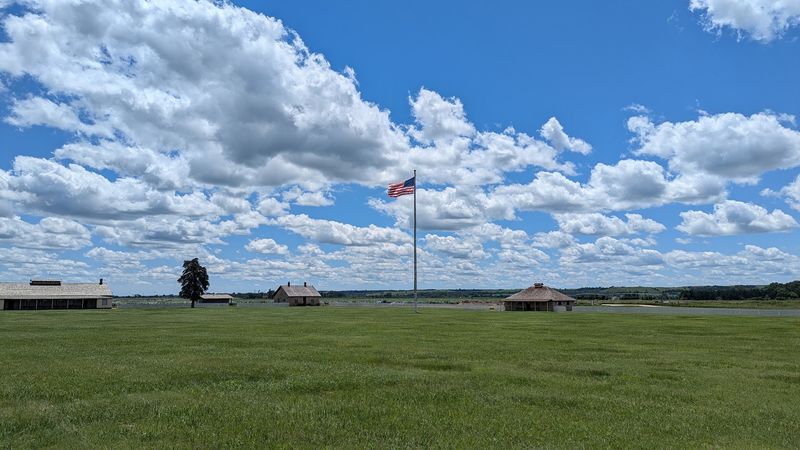
Plenty of historic sites ask you to imagine the past from a few foundation stones. Fort Hartsuff hands you the real buildings, still standing on the same ground where soldiers lived and worked in the 1870s.
Between the grout walls, the Post Hospital shelves, the blacksmith tools, the iron stoves, and the cannons, there is a lot packed into one small corner of the Sandhills. It rewards slow wandering.
It also works for a quick stop if you are passing through on the way to Calamus Reservoir or elsewhere in the region.
The fort does not try to be flashy. You will not find interactive screens or gift shop crowds, and anyone hoping for dinosaurs is headed to the wrong place.
What you get instead is a peaceful, well-kept piece of Nebraska history with thoughtful staff and plenty to see.
Go during the open season, check the schedule, and pack a picnic. If an event lines up with your calendar, even better.
For many Nebraskans, this is the kind of place they never knew existed until they turned off the highway. It is a pleasant thing to discover close to home.