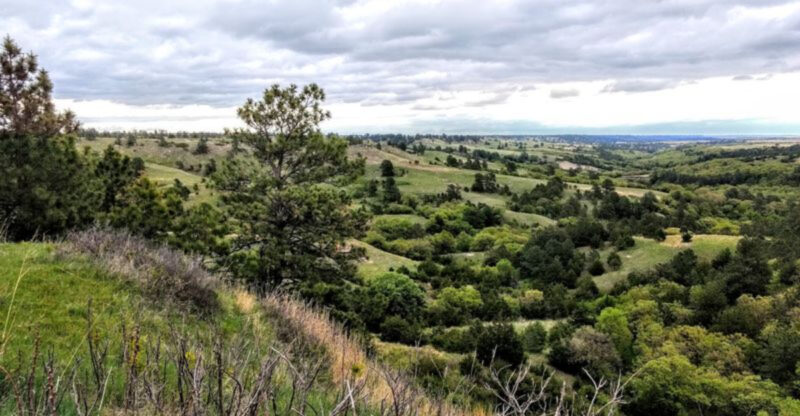
10 Nebraska Scenic Drives That Show Off The State At Its Prettiest
Nebraska can look almost too quiet from a distance, right up until the road starts proving otherwise.
A good scenic drive changes the scale of the state completely, trading flat assumptions for river bluffs, wide-open prairie, surprising cliffs, and stretches of sky that seem to keep growing as you move through them.
That shift is part of the pleasure. The beauty here does not rush at you all at once. It unfolds gradually, then suddenly feels enormous.
A drive like that can make an ordinary afternoon feel wider and much more memorable than expected.
These Nebraska routes show off the state at its prettiest, giving every mile a little more atmosphere and every stop a stronger reason to linger.
1. Sandhills Journey National Scenic Byway
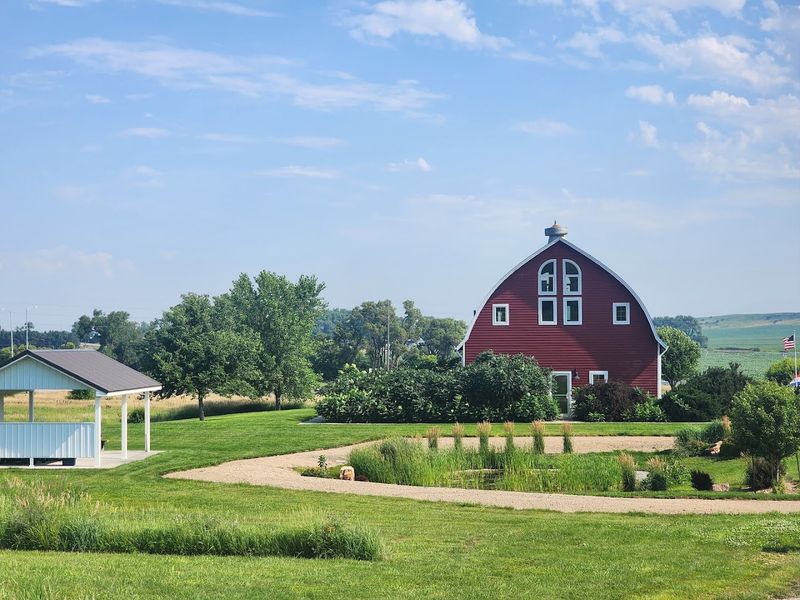
Stretching across the heart of Nebraska along Highway 2 from Grand Island to Alliance, the Sandhills Journey National Scenic Byway covers roughly 272 miles of some of the most quietly dramatic landscape in the country.
The route cuts through the Nebraska Sandhills, a region made up of grass-stabilized dunes that form the largest sand dune formation in the Western Hemisphere.
Cattle ranches dot the horizon, and the absence of billboards or heavy traffic makes the drive feel refreshingly calm.
Traveling this byway in the early morning offers a chance to spot white-tailed deer, sandhill cranes during migration season, and red-tailed hawks perched along fence posts.
The small towns along the route, including Broken Bow and Dunning, offer basic fuel and food stops without disrupting the rural rhythm of the drive.
Timing a visit during late September brings warm amber tones to the grass that contrast beautifully with the deep blue skies overhead.
The road itself is well-maintained and easy to drive, making it accessible for most vehicles.
Pulling off at any unmarked gravel turnout rewards travelers with panoramic views that feel genuinely remote and peaceful.
2. Loup Rivers Scenic Byway
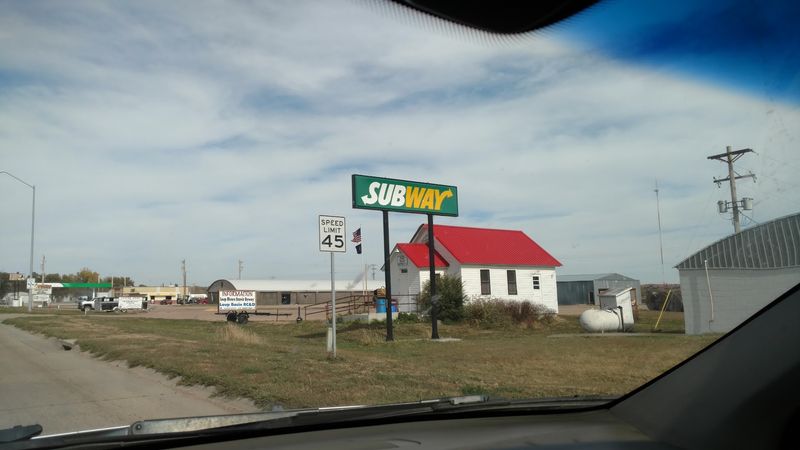
Few drives in Nebraska feel as quietly alive as the Loup Rivers Scenic Byway, which follows Highways 11 and 91 from Wood River north and west to Dunning through the heart of the state.
The route parallels the North Loup, Middle Loup, and South Loup rivers at various points, offering frequent views of clear-flowing water cutting through sandy-bottomed channels surrounded by cottonwood trees and native grasses.
The rivers in this region are fed by the Ogallala Aquifer, which keeps them unusually clear and steady even during dry summers.
Wildlife is a consistent highlight along this byway, with deer, wild turkeys, and waterfowl visible from the road at many points throughout the year.
The small communities of Ord and Burwell serve as practical rest stops with gas stations, local cafes, and friendly service that reflects the agricultural character of the region.
Burwell is also home to the Nebraska Big Rodeo, one of the state’s longest-running rodeo events held each summer.
The road surface is reliable and the pace of traffic is slow enough to allow safe roadside stops. Driving this route on a weekday morning tends to offer the most uninterrupted views and the calmest overall experience.
3. Western Trails Scenic Byway
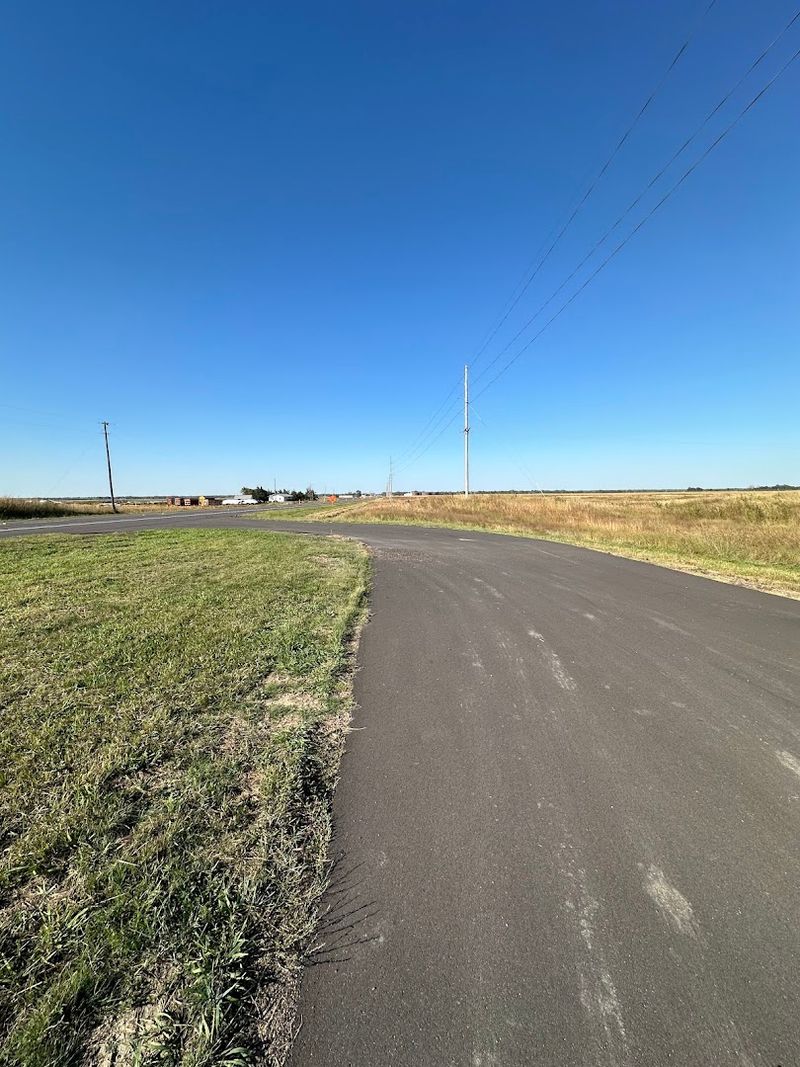
The Western Trails Scenic Byway follows a historic corridor through Nebraska’s Platte River Valley, tracing the same general path used by hundreds of thousands of emigrants during the great westward migration of the 1800s.
Travelers on this route pass near landmarks tied to the Oregon, California, and Mormon trails, giving the drive a layered sense of history that goes well beyond the scenery itself.
The broad flatness of the Platte Valley feels intentional here, as if the land itself was made for movement and passage.
Chimney Rock National Historic Site stands as the most recognizable landmark along this corridor, rising sharply from the plains near Bayard in a shape that guided travelers for generations.
The site is managed by the National Park Service and includes a visitor center with exhibits on the overland migration era.
Stopping there adds meaningful context to the rest of the drive and makes the landscape feel connected to something larger than just a pleasant afternoon outing.
Spring and fall are the most comfortable seasons to drive this route, with mild temperatures and clear visibility.
The wide river valley allows for long sightlines that make even flat stretches feel expansive and worth the time.
4. Gold Rush Scenic Byway
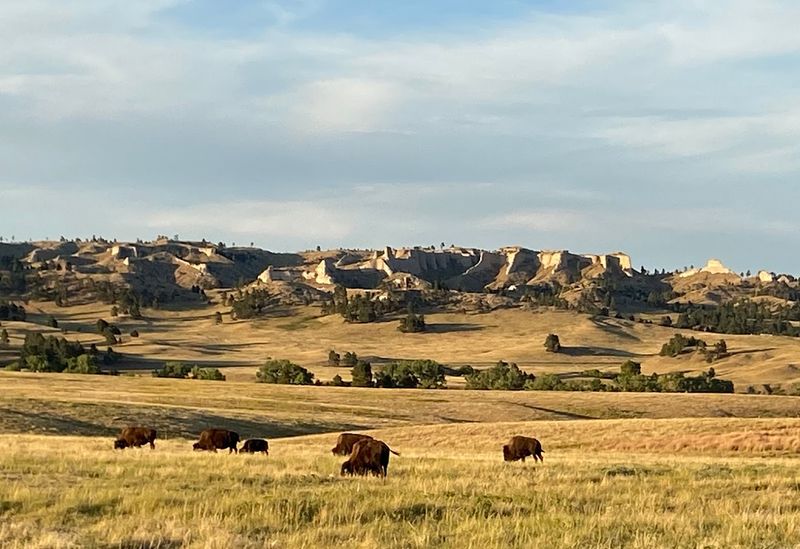
Western Nebraska has a way of making history feel close, and the Gold Rush Scenic Byway captures that feeling through a route tied directly to the frontier era when prospectors, settlers, and soldiers moved through this part of the country in large numbers.
The byway winds through terrain that is noticeably more rugged than eastern Nebraska, with exposed rock formations, dry creek beds, and wide-open grasslands that stretch toward the Wyoming border.
The visual shift from cultivated farmland to raw prairie happens gradually and is part of what makes the drive so engaging.
The route passes near Fort Robinson State Park, a former U.S. Army post that played a significant role in the Indian Wars of the late 1800s.
Fort Robinson State Park is located at 3591 Highway 20, Crawford, NE 69339, and remains one of Nebraska’s most historically rich destinations with overnight cabins, trail rides, and museum exhibits available to visitors.
The park setting alone justifies a stop, with pine-covered buttes rising behind the historic fort buildings in a way that feels genuinely cinematic.
Driving the Gold Rush Byway in the late afternoon produces long shadows across the terrain that add depth and drama to the already striking landscape. Cooler months tend to bring clearer skies and better long-distance visibility.
5. Lewis and Clark Scenic Byway
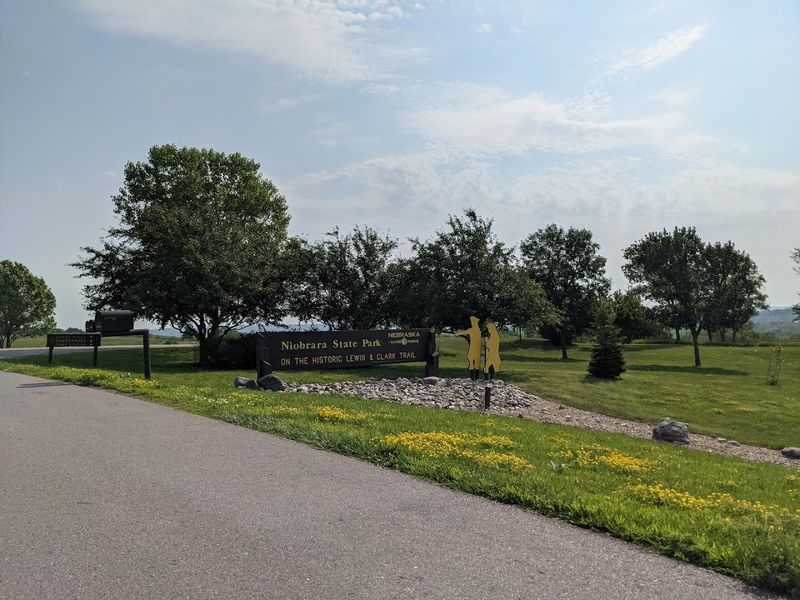
The Missouri River has shaped northeastern Nebraska for thousands of years, and the Lewis and Clark Scenic Byway follows its banks through a stretch of landscape that the famous Corps of Discovery would still recognize today.
The route runs along the river’s edge through a corridor of bluffs, wetlands, and bottomland forests that support an impressive range of wildlife, including bald eagles, white pelicans, and paddlefish in the river below.
The byway connects several communities with strong ties to both Native American history and early American exploration.
Niobrara State Park sits near the confluence of the Niobrara and Missouri rivers and serves as a natural anchor point along this drive.
The park offers camping, cabins, and sweeping overlook views that make it a logical stopping point for anyone traveling the full byway.
Seasonal flooding occasionally affects low-lying sections of the road, so checking conditions ahead of time during spring months is a practical precaution.
The byway feels most rewarding in the early morning when river mist hangs over the water and the light is soft and directional.
Small towns along the route offer basic amenities and local character that add a grounded, unhurried quality to the overall experience.
6. Lincoln Highway Scenic and Historic Byway
Long before the interstate system existed, the Lincoln Highway carried travelers coast to coast across America, and Nebraska’s stretch of this legendary road still holds a remarkable amount of character.
The Lincoln Highway Scenic and Historic Byway follows the original alignment through the state, passing through small towns, past vintage motels, and alongside landmarks that preserve the early automobile era in surprisingly intact ways.
Travelers with an interest in Americana or road trip history will find this route particularly rewarding.
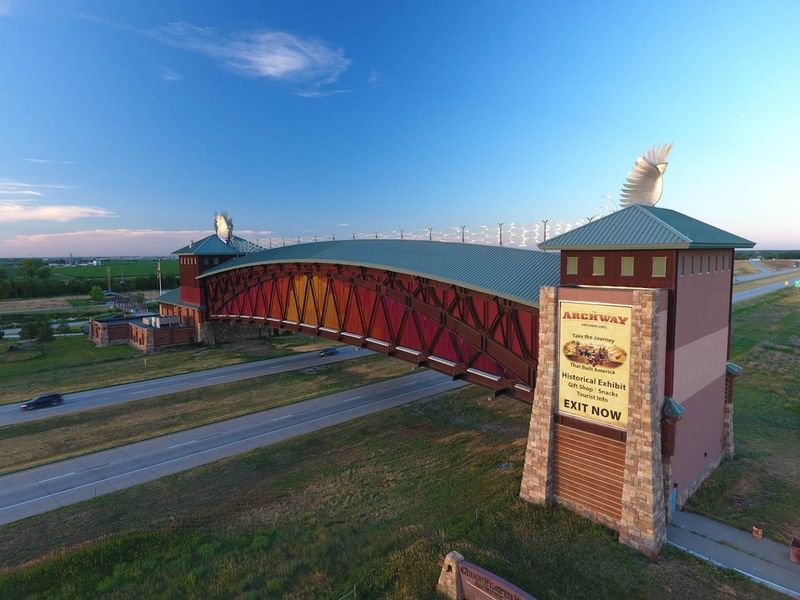
The Archway Monument in Kearney stands directly over Interstate 80 near the original Lincoln Highway corridor and tells the story of the Great Platte River Road through immersive exhibits spanning multiple eras of travel.
Located at 3060 E 1st St, Kearney, NE 68847, the Archway is one of Nebraska’s more distinctive roadside attractions and makes for an engaging stop that connects the old highway experience to the broader story of westward movement.
The building itself is architecturally unusual and worth seeing simply for its design.
Driving the Lincoln Highway byway at a relaxed pace allows time to notice the small details that make it special, from painted murals on grain elevators to original concrete road sections that still survive in a few rural stretches.
7. Niobrara River Valley Drive
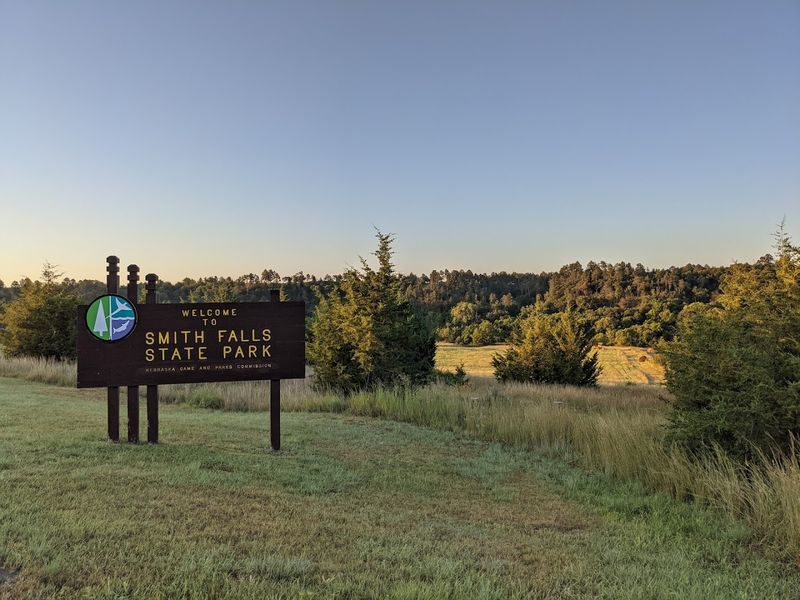
The Niobrara River Valley is one of Nebraska’s genuine natural treasures, and a drive through the area near Valentine and Smith Falls State Park reveals why the river earned its national scenic designation.
The valley cuts through a mix of ecosystems where eastern deciduous forest, western ponderosa pine, and northern boreal species all meet, creating a botanical overlap that scientists consider rare in North America.
From the road, the canyon walls and forested bluffs give the landscape a depth and texture that feels entirely different from the open plains just a short distance away.
Smith Falls State Park is the most popular stop along this corridor and is home to Smith Falls, the tallest waterfall in Nebraska at approximately 63 feet.
The park is located at 34782 Snake River Rd, Valentine, NE 69201, and offers picnic areas, a pedestrian bridge over the Niobrara, and short trails that lead directly to the falls.
Summer weekends bring kayakers and canoeists to the river, making the valley feel lively and active in a way that contrasts pleasantly with the quiet roads above.
Visiting on a weekday allows for a more relaxed experience at the falls and along the river access points. The drive itself is best in late spring when the vegetation is full and the river runs clear and strong.
8. Bridges to Buttes Scenic Byway
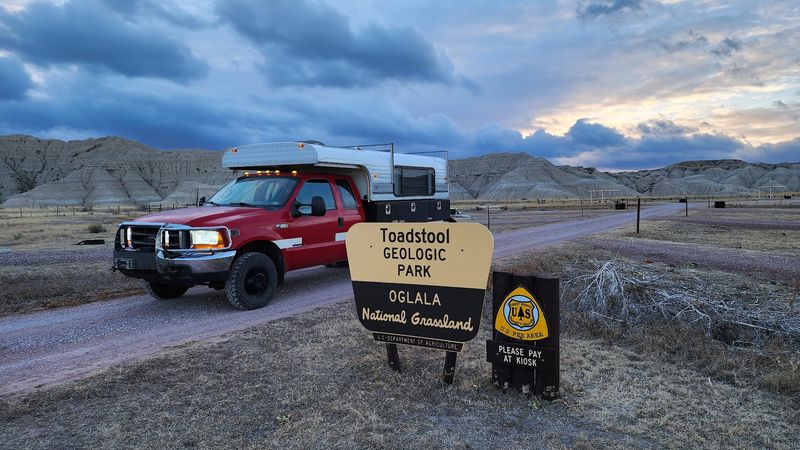
Northwestern Nebraska holds some of the state’s most unexpected terrain, and the Bridges to Buttes Scenic Byway showcases it with a route that moves through the rugged Pine Ridge region in a way that genuinely surprises first-time visitors.
The landscape here looks nothing like the flat plains most people associate with Nebraska, with dark pine-covered ridges, sandstone bluffs, and deeply cut canyons creating a visual drama that feels more like the Dakotas or Wyoming than the Midwest.
The byway connects Crawford to the South Dakota border through terrain that shifts constantly.
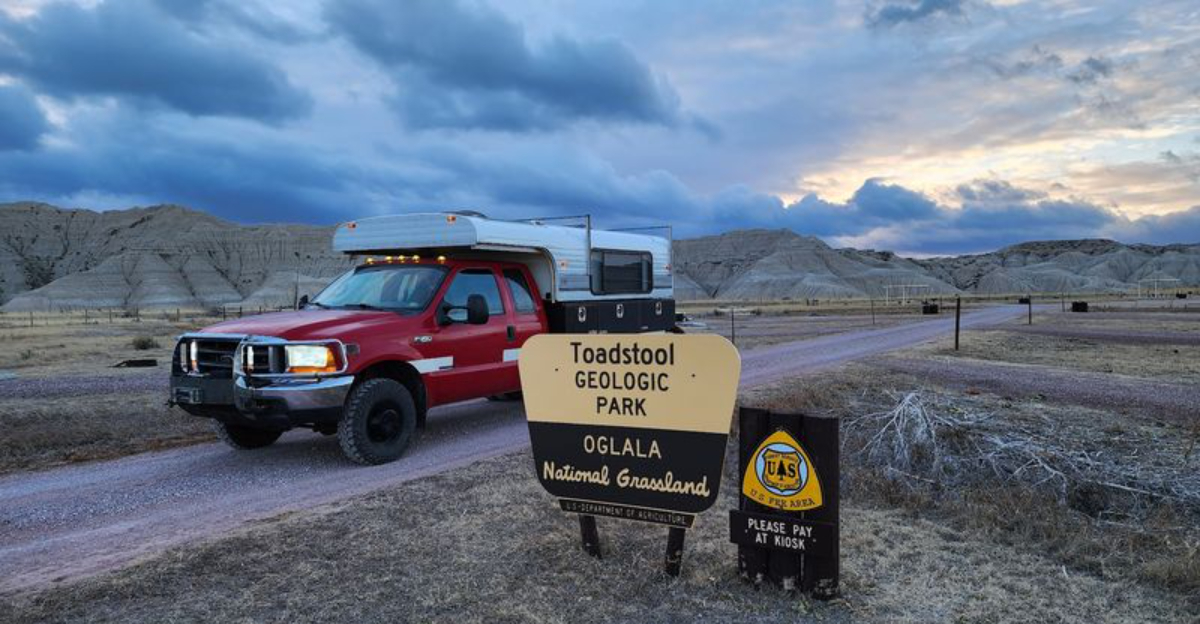
Toadstool Geologic Park sits near this corridor and offers one of the most otherworldly landscapes in the state, with mushroom-shaped rock formations rising from eroded badlands.
The park is accessible via a short gravel road and is free to visit, making it a worthwhile detour for anyone driving the byway.
Fossil discoveries have been made in the area, adding a prehistoric layer to what is already a geologically fascinating stretch of road.
The drive is best suited for clear-weather days since some connecting roads can become difficult after rain.
Fall colors in the pine and hardwood mix along the ridge create a striking palette that rewards travelers who time their visit well.
9. Highway 71 Through Wildcat Hills
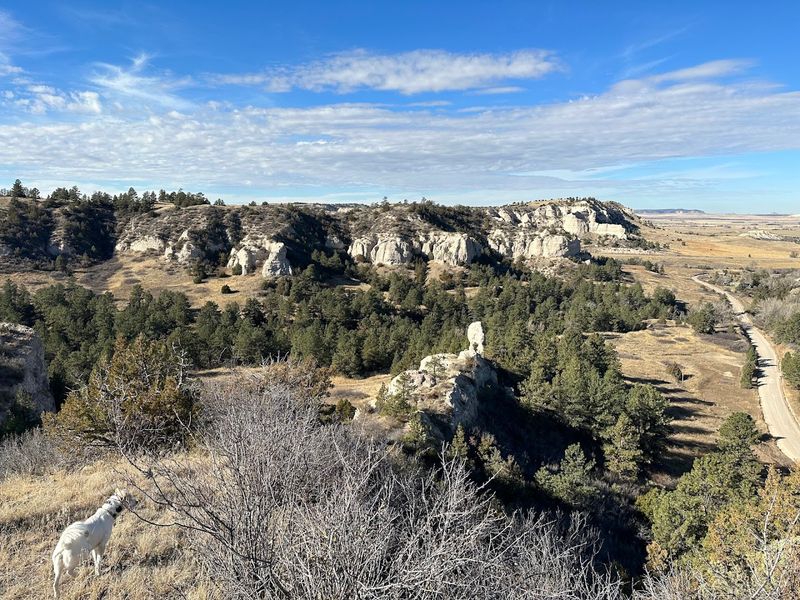
Driving south from Scottsbluff on Highway 71 through the Wildcat Hills feels like entering a completely different version of Nebraska.
The terrain becomes noticeably rougher here, with ponderosa pine forests clinging to rocky ridges and sandstone outcrops breaking the grassland surface in ways that create constant visual interest.
The Wildcat Hills are part of the same geologic story as Scotts Bluff, and the shared character of the landscape gives the drive a cohesive, almost cinematic quality.
Wildcat Hills State Recreation Area provides a natural stopping point along this route with hiking trails, a nature center, and bison viewing opportunities that make it a family-friendly destination.
The nature center at the recreation area sits along Highway 71 south of Gering and is typically open during warmer months with exhibits on local wildlife and geology.
Bison were reintroduced to the hills and can often be spotted grazing near the fence lines visible from the road.
The highway itself is in good condition and handles well in dry weather, though the hilly terrain means slower speeds are practical and recommended.
Early morning light hits the pine-covered ridges at a low angle that brings out the texture of the rock and creates some of the most photogenic moments of the entire drive.
10. Highway 92 Near Scotts Bluff National Monument
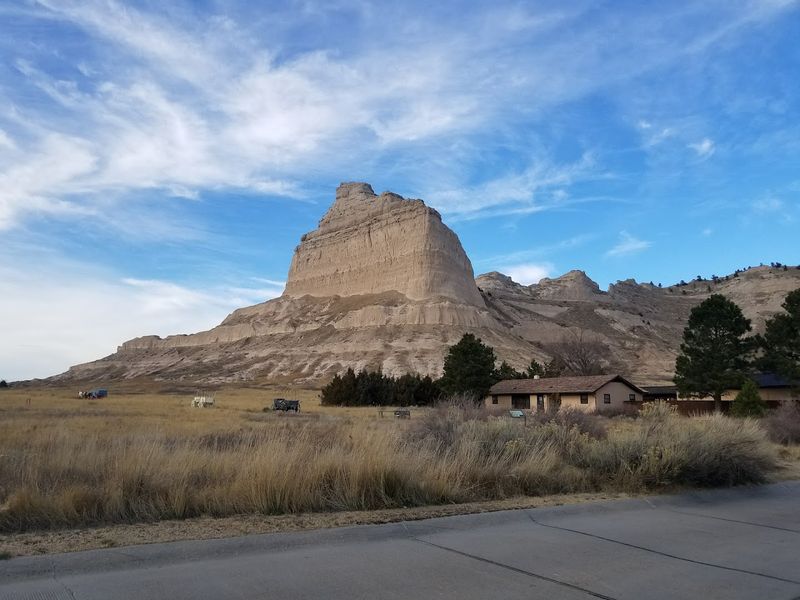
Short drives can carry just as much impact as long ones, and Highway 92 near Scotts Bluff National Monument proves that point decisively.
The route passes directly alongside the monument’s dramatic bluffs, which rise nearly 800 feet above the surrounding plains and cast long shadows across the North Platte River valley in the morning and evening hours.
The visual scale of the bluffs from road level is genuinely striking, especially for travelers who are not expecting such vertical drama in what is otherwise a relatively flat region.
Scotts Bluff National Monument is located at 190276 Old Oregon Trail, Gering, NE 69341, and offers a summit road that climbs to the top of the bluffs for panoramic views stretching into Wyoming on clear days.
The monument’s visitor center includes exhibits on the Oregon Trail emigrants who used the bluffs as a navigation landmark during their westward journeys.
Hiking trails wind through the base and summit areas for those who want to experience the terrain more closely than the road allows.
Driving Highway 92 at dusk produces warm orange light that reflects off the pale sandstone faces of the bluffs in a way that is hard to replicate at any other time of day.
The route is short enough to complete in under an hour but rich enough to justify a much longer stay in the area.