A Little-Known Connecticut College Combines Affordable Tuition With A Beautiful Campus
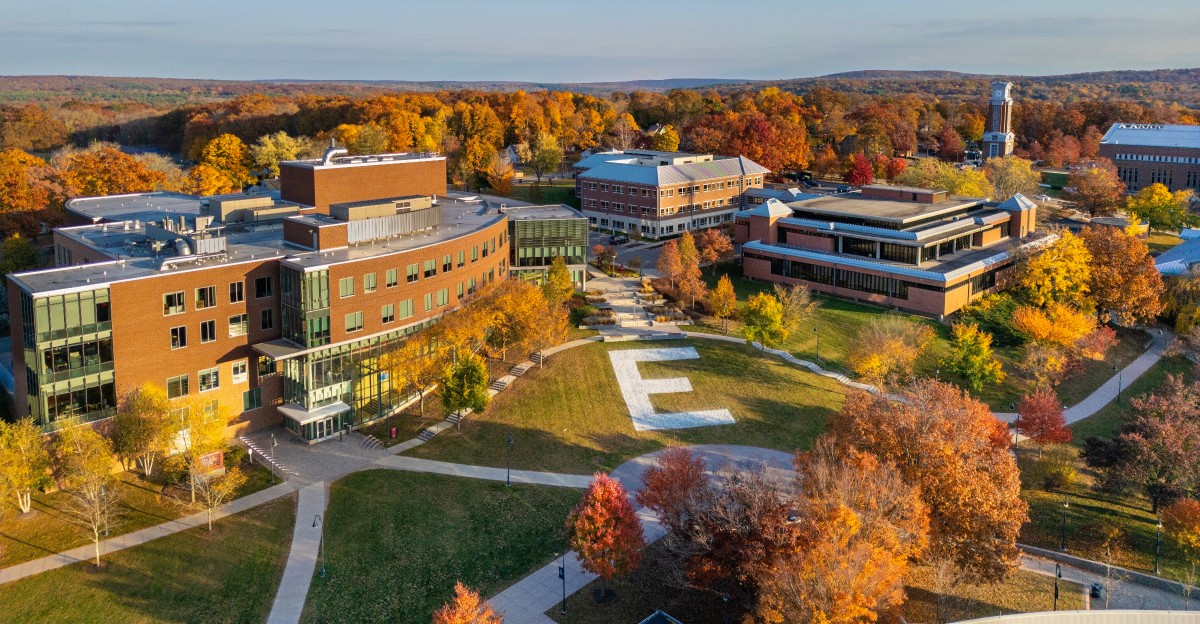
College searches can become an exhausting parade of impressive campuses followed by tuition figures that quickly dampen the excitement.
A lesser-known option deserves attention when it can make that equation feel more manageable.
For students exploring Connecticut colleges, this public institution combines a welcoming campus setting with tuition that can compare favorably with pricier alternatives.
The surroundings are part of the appeal, but they are not the whole story. Cost matters enormously when choosing a school, particularly once families start thinking beyond the first semester and calculating the bigger financial picture. That makes value difficult to ignore.
A college does not need national name recognition on every sweatshirt to deserve serious consideration. Sometimes looking beyond the schools everyone mentions first can uncover a campus that fits both practical priorities and personal preferences.
The interesting question is not why more famous colleges receive attention. It is what students might discover when they look past them.
1. A Small Campus Gives This University A Friendly Feel
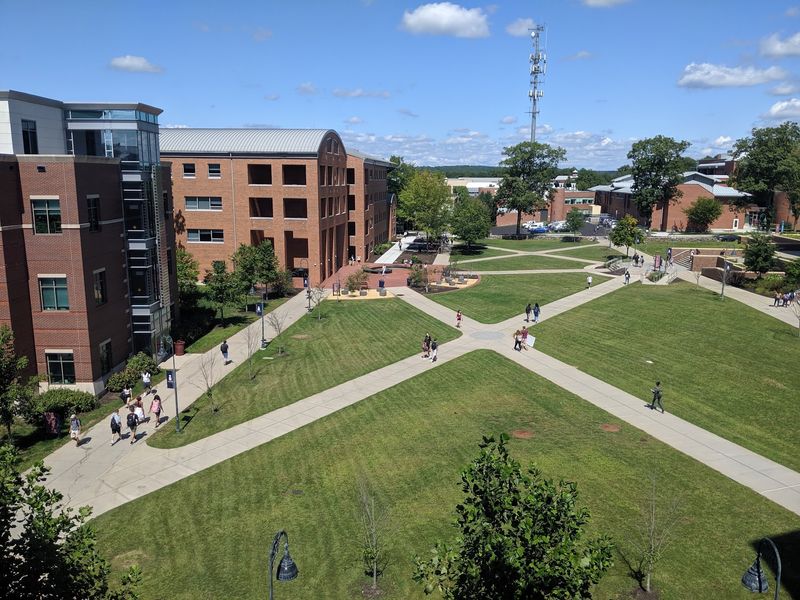
Small campus. Big personality. College feels different when familiar faces keep popping up between classes. Eastern Connecticut State University offers that more personal atmosphere in Willimantic, with a campus that feels manageable without sacrificing the energy of university life.
That residential character plays a major role. This fall, 91 percent of first-year students and 67 percent of undergraduates live on campus, keeping classmates close to activities, dining, study spaces, and one another.
The campus covers about 182 acres, yet getting around remains practical on foot. Students can move between residence halls, classrooms, the library, and the student center without turning every trip into a major trek.
Cost adds another reason to look closer. For the 2026-27 academic year, students should check Eastern’s current tuition and fee schedule for the latest published costs.
Classrooms maintain a relatively personal scale too, with an average class size of 22 and a 15-to-1 student-to-faculty ratio.
A campus visit can reveal what statistics cannot. Spend some time in a common area, grab a meal, and watch the daily rhythm unfold.
The way students interact may say more about the atmosphere than any polished brochure ever could.
2. Willimantic Adds Plenty To Explore Beyond Campus
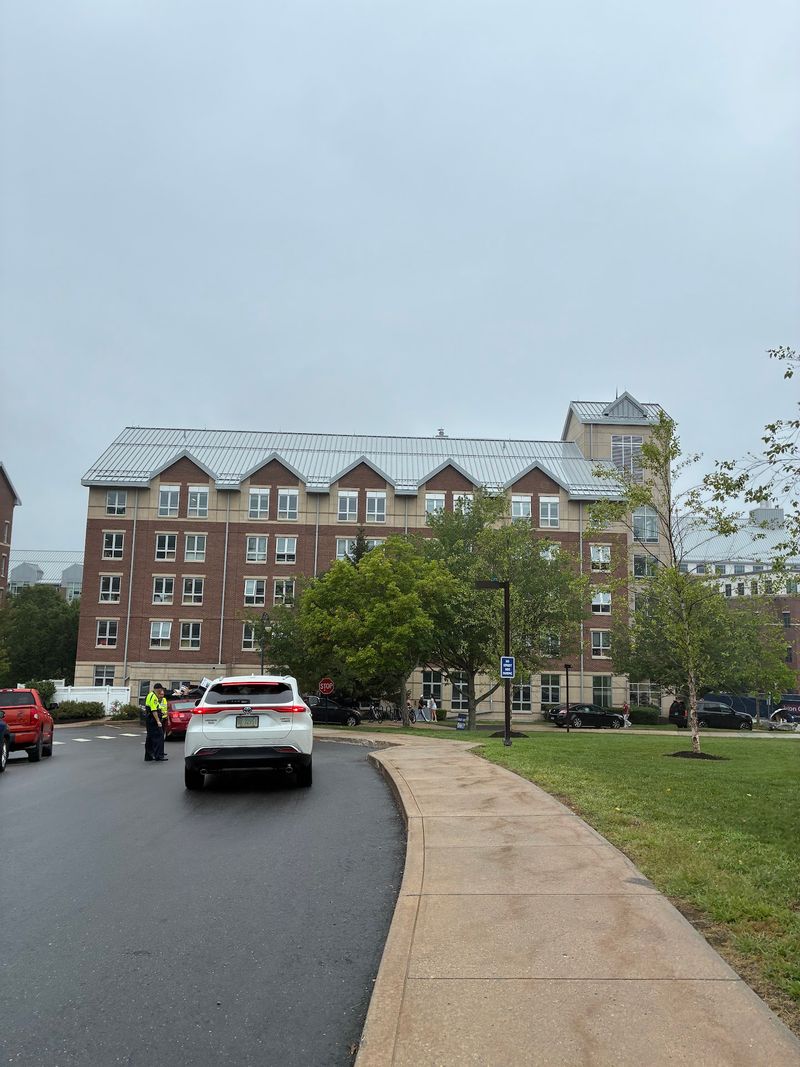
College life gets more interesting once you wander beyond campus. Willimantic gives students plenty of reasons to do exactly that.
Once nicknamed Thread City, the town built much of its identity around a thriving textile industry. That story remains visible today, particularly at the Windham Textile and History Museum, where exhibits explore the mills, workers, and manufacturing past that shaped the community.
Need some fresh air instead? The Air Line and Hop River State Park Trails provide miles of space for walking, running, and biking.
Mansfield Hollow State Park adds wooded trails and water views nearby, making it easy to trade study time for an outdoor break.
Downtown brings another change of pace with restaurants, local businesses, entertainment, and community events. Jillson Square also hosts gatherings throughout the year and gives students another reason to explore beyond university grounds.
Eastern Connecticut State University’s main campus is at 83 Windham Street in Willimantic, keeping students close to much of the town.
Storrs is only a short drive away, while Hartford and New London are farther but still manageable options for a day trip.
For new students, exploring beyond the classroom during those first weeks can make a difference. Learning where to eat, walk, shop, or simply spend an afternoon helps Willimantic start feeling familiar much faster.
3. In-State Tuition Keeps Costs More Manageable
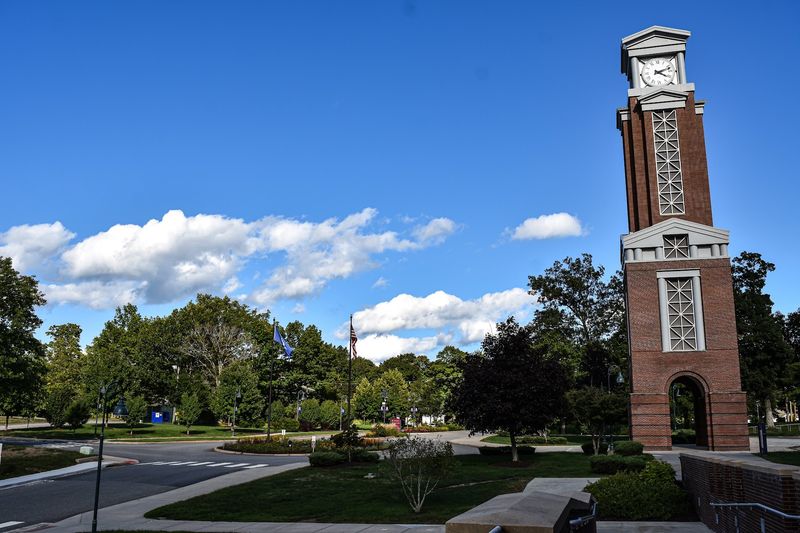
Money talk is not always fun, but it matters a lot when choosing a college. For state residents, Eastern’s tuition and fees vary by academic year, so prospective students should check the university’s current published rates before comparing costs.
Compared with many private colleges in New England, that number stands out.
Of course, tuition is only one piece. Once you add housing, meals, books, and personal expenses, the estimated yearly total for an in-state student living on campus is around $34,811.
Many students pay less than that, though, because grants and scholarships lower the final bill.
Financial help is common here. Roughly 74 percent of applicants receive some form of aid, and the average net price for students getting grants or scholarships has been reported at about $25,050.
Several graduates say the lower cost helped them earn a degree without heavy loans.
Students from other New England states can also save. Through the New England Regional Student Program, eligible residents may receive a tuition discount for certain programs.
Here is some practical advice. Fill out the FAFSA early, ask the financial aid office which scholarships you qualify for, and compare net price instead of sticker price.
Costs change from year to year, so always check the newest figures before deciding.
4. Historic Buildings Mix With Modern Campus Spaces
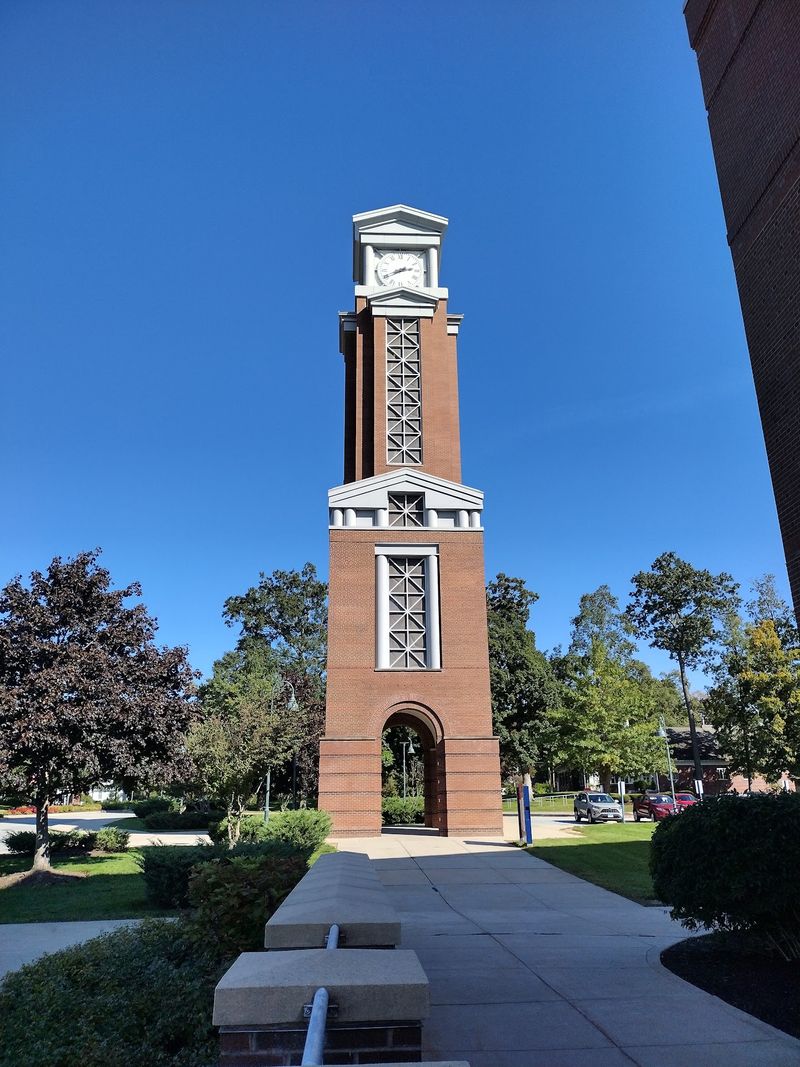
Can a college campus feel historic and modern at the same time? Eastern makes a pretty convincing case.
Founded in 1889, Eastern Connecticut State University is the second-oldest institution in the Connecticut State Colleges and Universities system. A quick walk reveals buildings from remarkably different chapters of its history.
Burr Hall dates to 1921 and originally served as the school’s first residence hall. Shafer Hall arrived later, opening in 1946.
Today, its renovated interior includes loft-style apartments while preserving older architectural touches that give the building plenty of character.
Then the scenery changes.
The Fine Arts Instructional Center opened in 2016, bringing performance spaces, studios, classrooms, and a gallery together inside a modern LEED Silver-certified building. The J.
Eugene Smith Library, which opened in 1998, adds another distinctive piece to the campus with architecture influenced by the Collegiate Georgian style.
Students also gather at the Student Center for meals, activities, meetings, and everyday breaks between classes. Nearby academic buildings continue the mix of older and newer design.
For prospective students, an official campus tour is worth arranging. Seeing the different buildings up close makes the university’s long history much easier to appreciate.
5. Small Classes Can Make Learning Feel More Personal
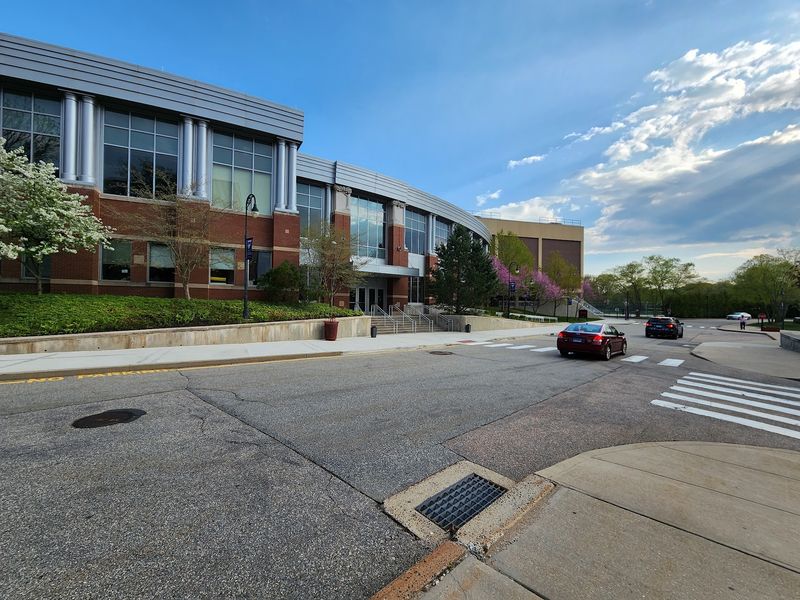
Twenty-two. That is the average class size at Eastern, and it changes how school feels.
Instead of sitting in a giant lecture hall with hundreds of strangers, you are in a room where the professor can actually learn your name.
Eastern’s relatively small classes can mean more chances to ask questions, join discussions, and get feedback on your work. Many former students describe their professors as caring and willing to take time for them.
Teachers here are also highly trained. About 98 percent of faculty hold a Ph.D. or other terminal degree.
That mix of expert knowledge and small groups can make tough subjects easier to handle.
So how do you make the most of it? Go to office hours, even if you are not struggling.
A quick chat about a class topic can turn into a helpful connection for research projects, internships, or recommendation letters later.
Eastern’s liberal arts focus also means you will explore subjects outside your major. Some students are surprised to discover a new passion in a required class, and that kind of discovery often sticks with them.
6. Green Spaces Break Up The Busy School Day
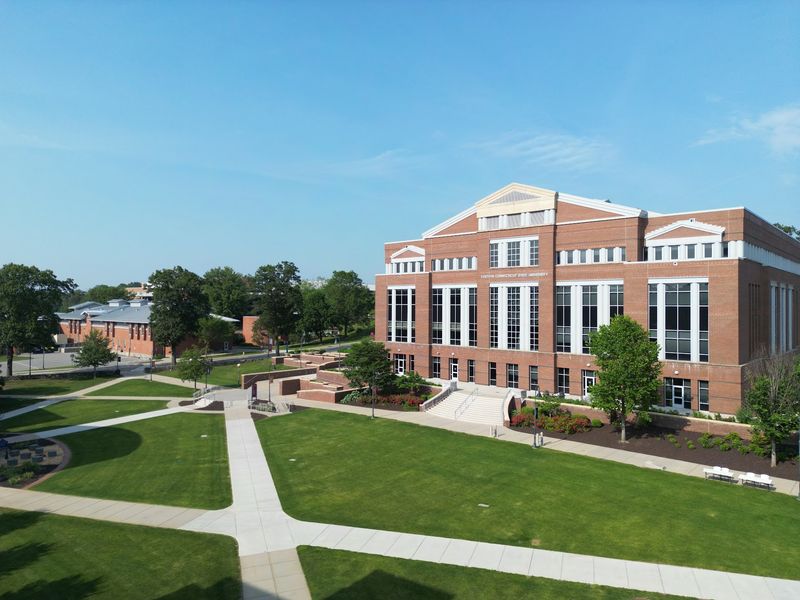
Sometimes the best part of a long school day is the short walk between classes. Eastern’s roughly 182-acre campus includes lawns, trees, and planted areas that offer pleasant outdoor spaces between classes.
Care for the environment runs deep here. The university has earned a Gold rating from STARS, a sustainability tracking system for colleges, and The Princeton Review has named it a Green Campus.
Those honors show up in small, everyday choices around the grounds.
Landscapers use native, non-invasive plants that need less watering. Near the Science Building, a bioswale filters rainwater, which is a clever way to protect water and the soil at the same time.
In spring 2024, the old Eastern Hall was taken down, and the space became fresh lawn with shade trees and native plantings.
Students join in, too. Some help with community garden projects and tree plantings around Willimantic, which is a nice way to meet people while doing something useful.
Here is a simple habit to try: pick one outdoor spot as your study break place. Ten minutes on the grass between assignments can lift your mood more than scrolling on your phone.
Many visitors say the grounds look great in every season, thanks to a hardworking grounds crew.
7. Student Life Goes Well Beyond The Classroom
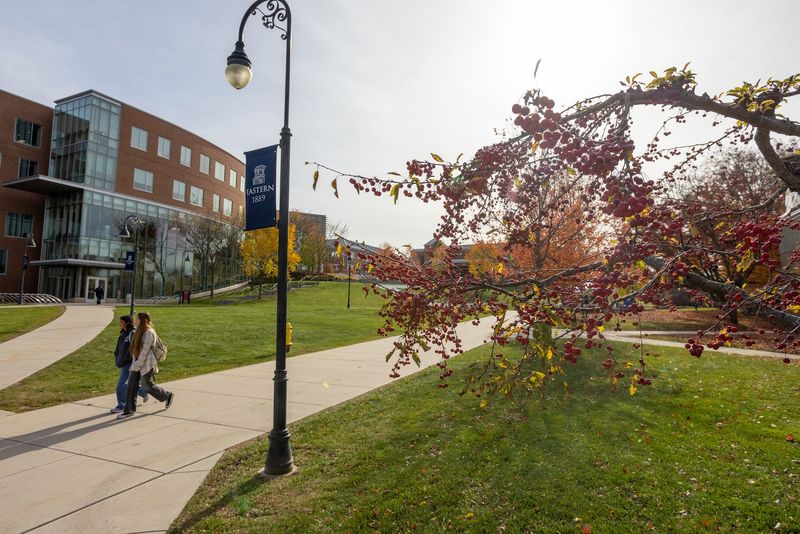
Ever wanted to try pickleball, learn emergency response skills, or simply join a club built around relaxing? At Eastern, you can do all three.
The campus has more than 90 active clubs and organizations, including a Pickleball Club, an Emergency Services and Public Safety Club, and the wellness-focused Chill Club.
The Student Center keeps things lively. It hosts over 2,500 social and cultural events each year, so there is usually something happening on a weeknight.
Students often point to the food court there as a favorite spot to grab a bite with friends.
Sports fans have plenty of choices. Eastern fields 19 varsity teams in NCAA Division III, plus 18 intramural sports and club teams such as rugby and cheerleading.
Intramurals are a low-pressure way to stay active even if you never played in high school.
Aspiring broadcasters can get hands-on practice at the student-run radio and TV stations. That kind of experience can look great on a resume.
Service is part of campus life as well, with students volunteering on local projects like housing builds. A good tip for new students is to visit the club fair early and sign up for two or three groups.
You can always narrow it down later.
8. Fall Might Be The Campus At Its Prettiest
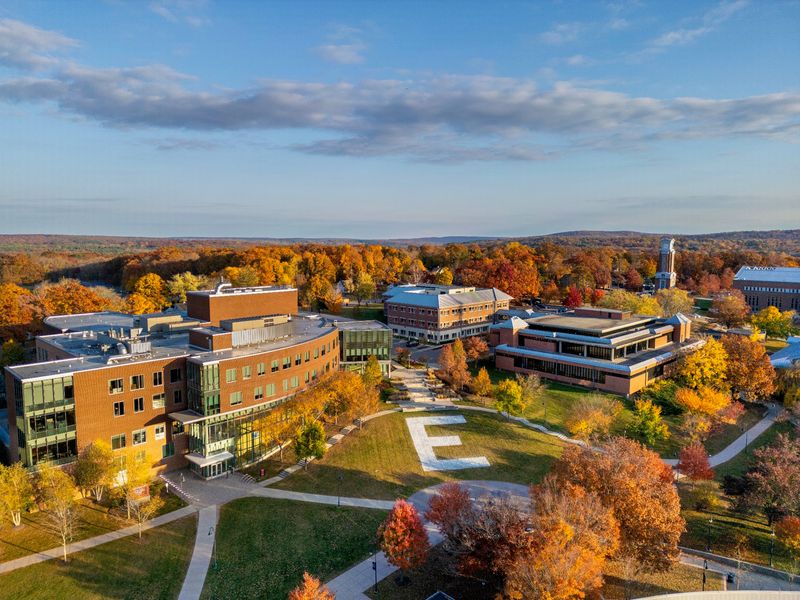
Leaves crunch. Colors pop. Suddenly, the walk to class deserves a second look.
Fall gives Eastern Connecticut State University a completely different personality. Trees surrounding the lawns and brick buildings shift into shades of orange, red, and gold, adding plenty of seasonal color to an ordinary campus stroll.
Willimantic sits in eastern parts of the state, where wooded roads and rolling countryside make autumn drives especially enjoyable. The campus fits naturally into that scenery, with mature trees scattered around academic buildings, residence halls, and open green spaces.
The exact timing of peak foliage changes each year. Colors generally build through October, so checking the state’s current foliage conditions before planning a visit can help travelers catch a stronger display.
Fall also happens to be a useful season for prospective students to explore Eastern. Classes are underway, walkways are busy, and campus activities offer a better sense of everyday student life than a quiet summer visit might provide.
Want even more color? Mansfield Hollow State Park is nearby, while the Air Line State Park Trail offers another option for stretching the outing beyond campus.
Comfortable shoes and a light jacket are worth bringing, especially on cooler mornings. Even the drive can become part of the fun, turning a simple college tour into a relaxed New England fall outing.