A Secluded California Lake That Feels Otherworldly
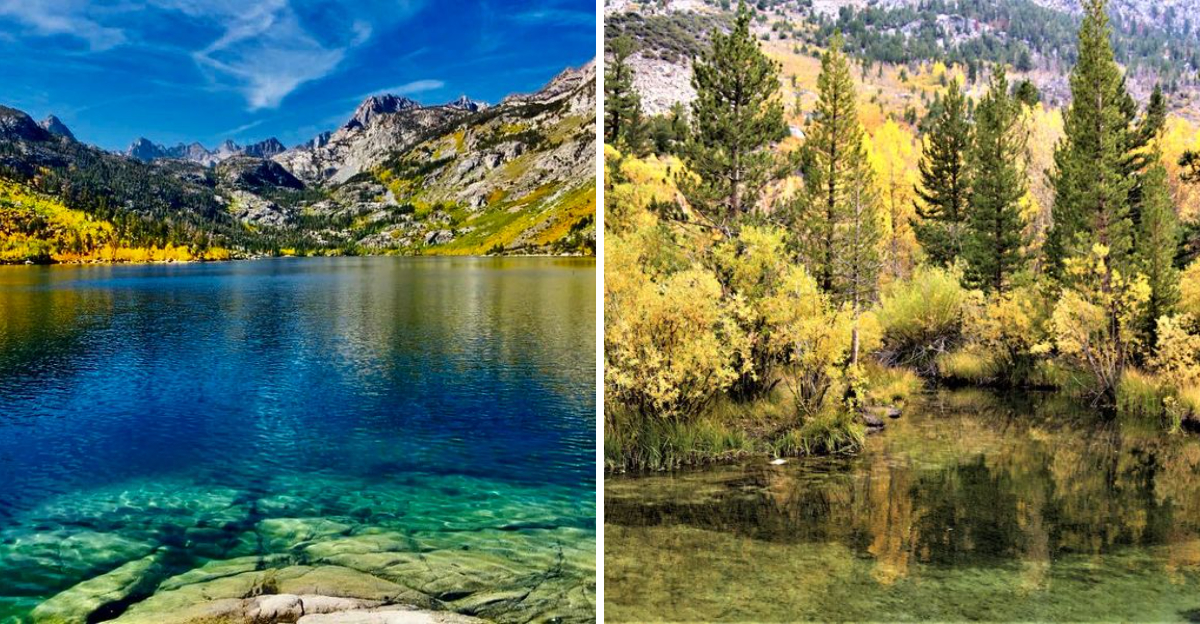
The first look is enough. Clear water. Sharp peaks. Air that feels lighter with every step. Some places ease you in. This one does not. It stops you right away and holds your attention.
At this elevation, everything feels more defined. The light is brighter. The silence runs deeper. Each detail stands out without feeling overwhelming. The water draws your eye first, then the landscape slowly reveals more the longer you stay.
There is a calm here that feels natural and unforced. Not crowded. Not rushed. Just space to slow down and take it all in. Moments like this feel rare, even in California, and they tend to stay with you long after you leave.
It all comes together in a way that is hard to forget. Read on to discover what makes it worth the trip.
A Reservoir With A Real History
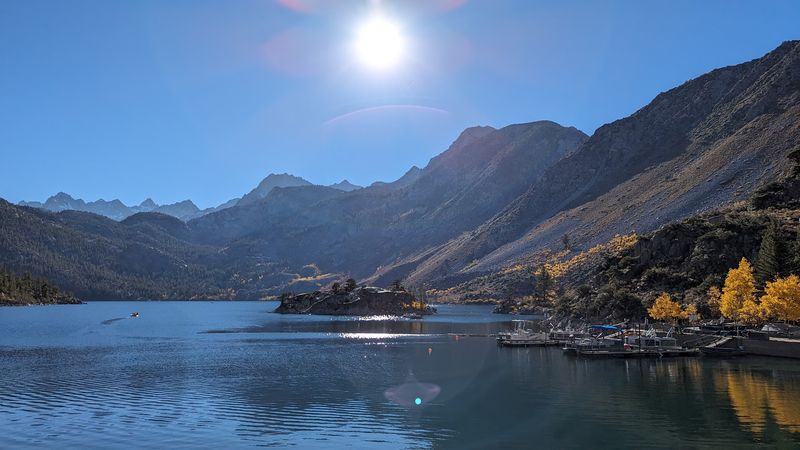
Not every scenic lake has a story rooted in early 20th-century engineering ambition, but Lake Sabrina does.
The reservoir was formed between 1907 and 1908 when the Middle Fork of Bishop Creek was dammed to supply water to hydraulic power plants in the surrounding region. That original purpose still holds today.
The lake remains a functioning part of the Bishop Creek Hydroelectric System, which includes five powerhouses and various connected structures spread across the area.
Visitors may notice signs near the dam reminding them that the reservoir plays a direct role in powering local communities.
Far from being just a scenic backdrop, the lake is a working piece of infrastructure with more than a century of history behind it. Knowing that history adds a layer of meaning to every visit.
Standing at the water’s edge, it is easy to appreciate both the natural beauty and the human effort that shaped this high-altitude landscape into what it is today.
Sitting At Over 9,000 Feet Above Sea Level
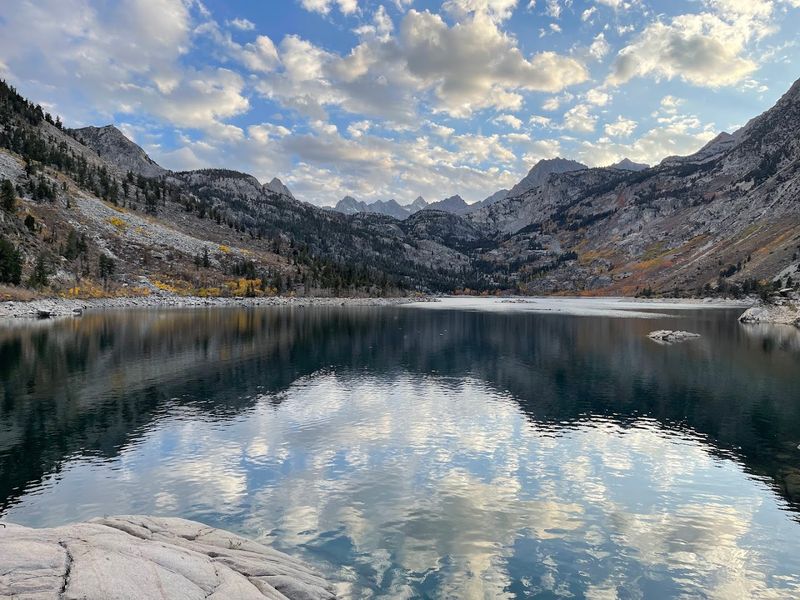
At 9,128 feet above sea level, the altitude at Lake Sabrina is something first-time visitors tend to feel before they even reach the water.
The air is noticeably thinner, the sky looks a shade deeper blue, and temperatures can drop quickly even on a sunny summer afternoon.
Spending time at high elevation requires a bit of adjustment, especially for those coming from lower-lying areas of California.
Hydration becomes more important than usual, and physical activity like hiking can feel more demanding than expected. The elevation also contributes to the lake’s otherworldly atmosphere.
Snowpack tends to linger on the surrounding peaks well into summer, and the granite ridgelines that frame the water create a visual scale that feels almost cinematic.
For visitors who are not accustomed to high-altitude environments, arriving a little early and moving at a relaxed pace helps the body adjust.
The reward for that patience is a setting that genuinely feels removed from the rest of the world.
Getting There Means A Scenic Drive On State Route 168
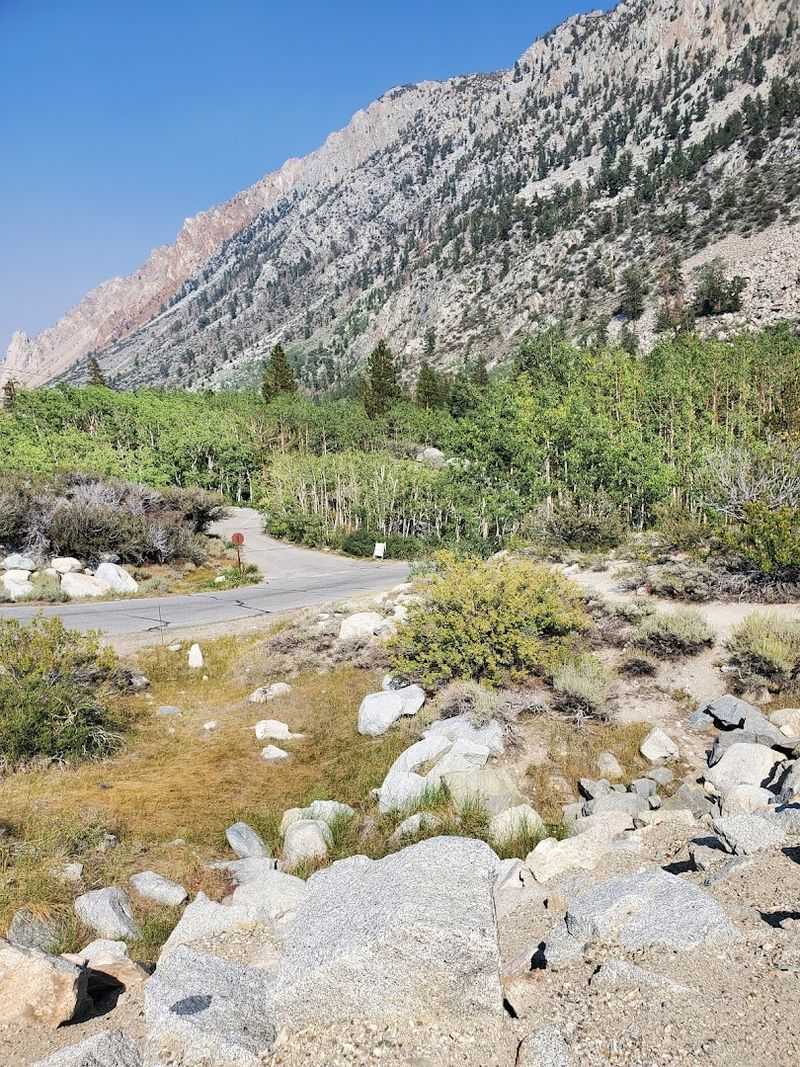
The drive to Lake Sabrina along California State Route 168 is genuinely part of the experience.
The road climbs steadily from Bishop through Bishop Canyon, passing rock formations, creek crossings, and dense groves of aspens that turn a brilliant gold in autumn.
The route is well-maintained during the open season but subject to closure during winter months due to snow.
Access typically resumes in mid- to late April depending on conditions, so checking road status before heading out is always a smart move.
As the elevation increases along the drive, the landscape shifts noticeably.
Sagebrush and scrub give way to pine forests and eventually the open granite terrain that defines the upper elevations of the Sierra Nevada.
Parking at the lake itself is limited, so arriving early on weekends and during fall color season is strongly recommended.
Some visitors choose to park further down Route 168 and walk the remaining distance, which adds to the overall sense of arrival and keeps the immediate lakeshore area from feeling too crowded.
Rainbow And Brown Trout Make It A Fishing Favorite
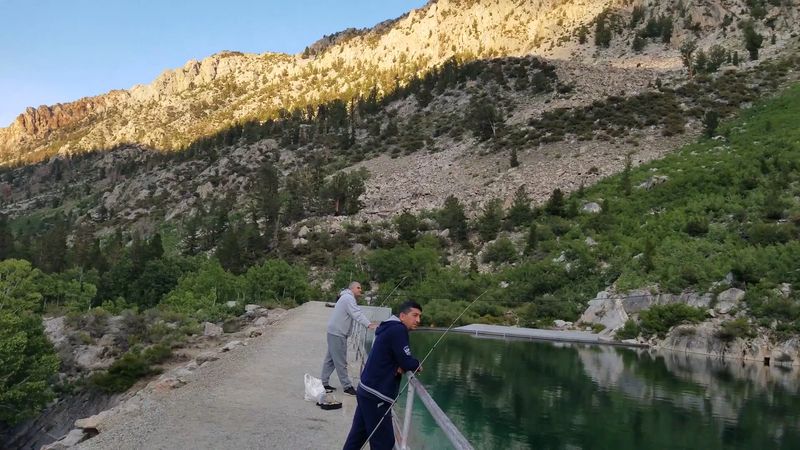
Fishing is one of the main reasons people make the trip up to Lake Sabrina, and the lake delivers on that reputation.
Both rainbow and brown trout are regularly stocked in the water, giving anglers a solid chance of a good catch across the open season.
Powerbait tends to be a go-to choice for those fishing from the shore, while boat anglers often explore deeper sections of the lake for larger fish.
Visibility in the water is exceptional on calm days, and it is genuinely possible to watch fish moving beneath the surface from certain vantage points along the bank.
A small store at the Lake Sabrina Boat Landing carries fishing tackle and bait, which is helpful for anyone who forgets supplies or runs low during the day.
Ice is also available but tends to sell out quickly during busy periods. Early mornings tend to offer the most productive fishing conditions and the quietest atmosphere.
Sunset hours can also be rewarding, and the light across the water during those times adds something special to the overall experience.
The Lake Sabrina Boat Landing Offers Rentals And A Cafe
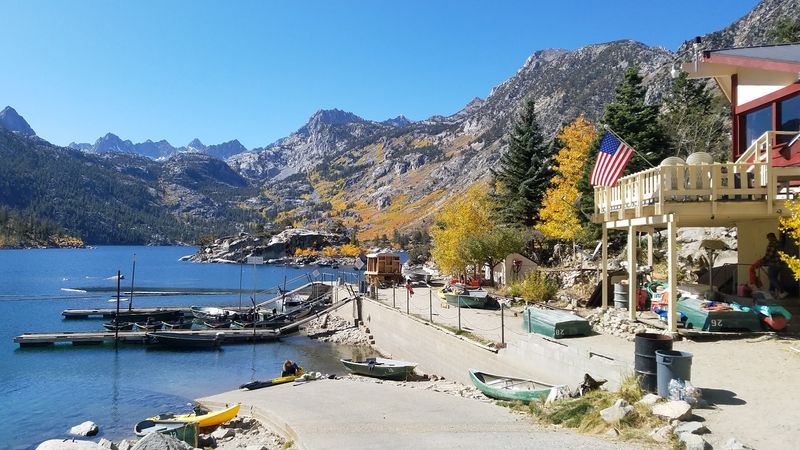
Having an on-site boat landing makes Lake Sabrina more accessible than many high-altitude lakes in the region.
The Lake Sabrina Boat Landing offers rowboat, motorboat, and pontoon rentals, giving visitors a way to explore the water even without their own equipment.
The cafe on the property is a welcome stop, especially after a morning hike or a few hours out on the water.
Known for solid breakfast options and homemade pies, the cafe typically operates from Memorial Day through September, though hours and availability can vary so confirming before arrival is a good idea.
A small store at the landing stocks fishing tackle, snacks, ice, and souvenirs, covering most of the basics visitors might need for a full day at the lake.
The store can get busy on summer weekends, and as noted earlier, ice tends to go fast.
The cafe is reported to close once food runs out for the day, which means arriving earlier rather than later is the better strategy for anyone hoping to grab a meal.
The relaxed pace of the landing fits well with the overall tone of a day at this lake.
Hiking Trails Lead To Even More Alpine Lakes
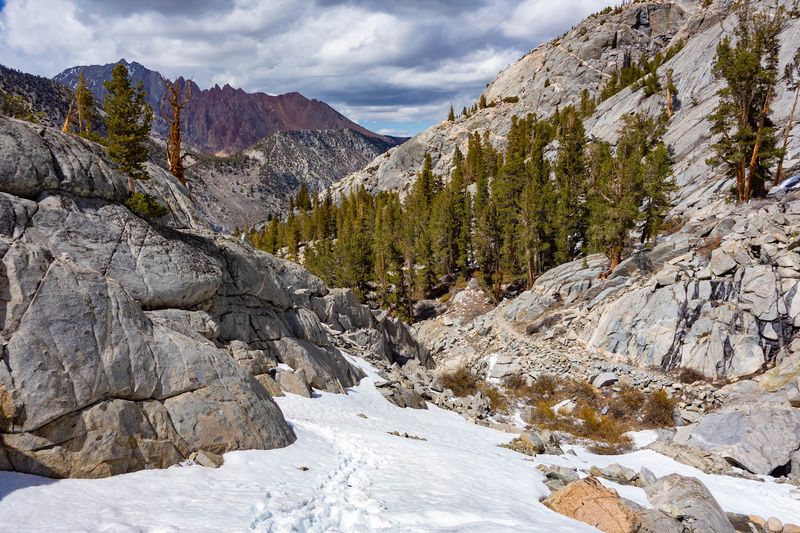
Beyond the main shoreline, the area around Lake Sabrina opens up into a network of hiking trails that lead further into the Sierra Nevada backcountry.
Several routes fan out from the lake toward additional alpine lakes, offering a range of distances and difficulty levels.
The terrain is rugged in places, with rocky paths and significant elevation changes that can challenge those who underestimate the conditions.
Bringing plenty of water is essential, as the dry mountain air at this altitude accelerates dehydration faster than most people expect.
A trail runs along the edge of the lake itself, described by many visitors as somewhat rough but manageable for those with basic hiking experience.
The views from the trail shift with every turn, revealing new angles of the granite peaks and the lake below.
For those looking to push further, trails leading to the George Lake, Blue Lake, and Baboon Lakes areas are accessible from the Lake Sabrina trailhead.
Starting early in the day is wise both for safety and to avoid afternoon weather changes that are common at high elevations in summer.
Fall Colors Here Are Genuinely Spectacular
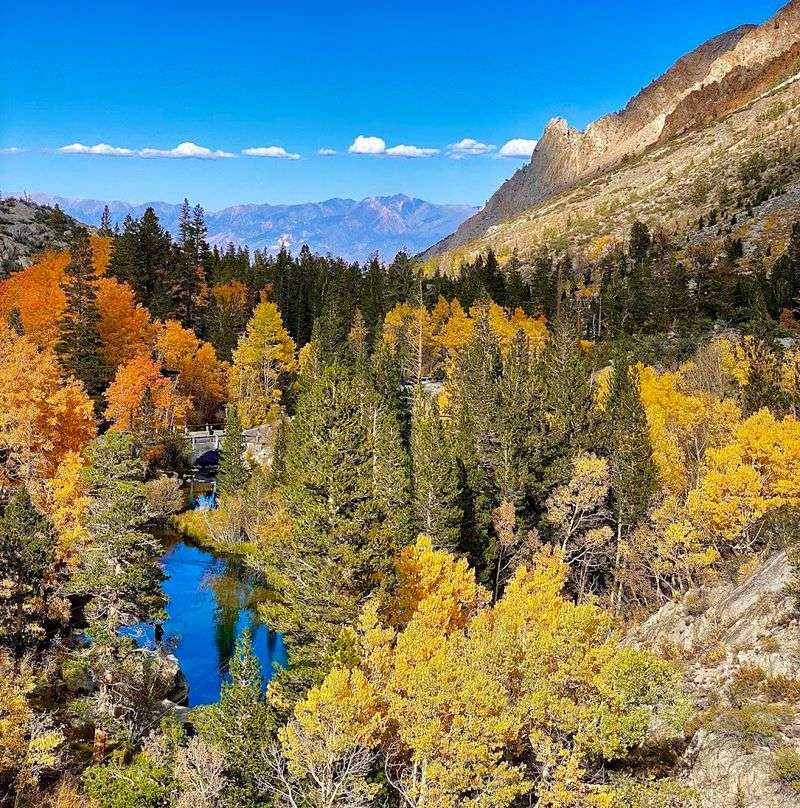
Autumn transforms the landscape around Lake Sabrina into something that draws visitors from across California and beyond.
The aspen groves that line the canyon and the surrounding hillsides shift to vivid shades of yellow, orange, and gold typically in mid-October, creating a display that contrasts sharply with the dark granite and blue water.
Timing matters when planning a fall visit. The color peak tends to arrive in mid-October, though it can vary by a week or more depending on the year’s temperature patterns.
Coming too early or too late means missing the best of it. Fall weekends at Lake Sabrina can get crowded, with parking becoming a genuine challenge as the color season peaks.
Arriving early in the morning or visiting on a weekday significantly improves the experience and makes it easier to find a calm spot to sit and take it all in.
A boat rental during fall can also be worthwhile since certain parts of the lakeshore are only accessible by water.
From the middle of the lake, the surrounding hillsides of color and the small waterfall visible across the water create a view that is difficult to reach on foot.
The Water Is Cold, Clear, And Surprisingly Swimmable
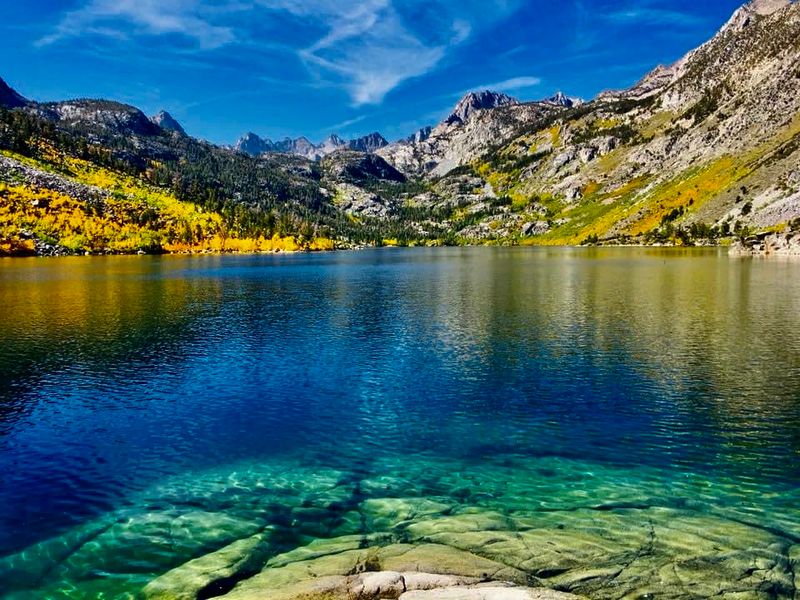
Cold is the word most visitors use when describing the water at Lake Sabrina, and it is accurate.
Sitting at over 9,000 feet with snowmelt feeding into it through much of the year, the lake stays bracingly cold even in the warmest summer months.
That said, swimming does happen here, particularly among younger visitors and those who do not mind the temperature shock.
The water is exceptionally clear, which makes it visually appealing and gives the surface a striking blue-green quality that photographs well from almost any angle.
Visibility through the water is remarkable on calm days, with rocks and fish visible several feet below the surface.
Standing at the edge and looking down can feel almost like peering through glass, which adds to the surreal quality of the place.
Anyone planning to swim should be aware that the cold water can cause fatigue faster than warmer lake environments.
Keeping swims short and staying close to the shore is the sensible approach, especially for younger swimmers or those not used to cold-water conditions at altitude.
Camping Near The Lake Is Possible But Books Up Fast
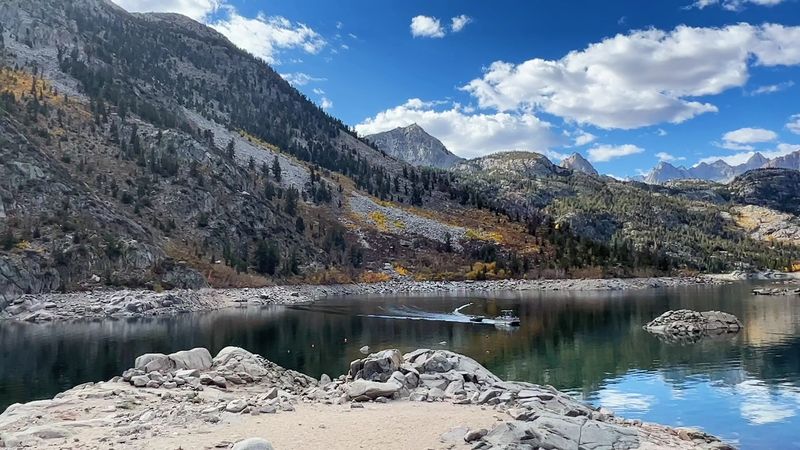
Spending more than a day at Lake Sabrina is entirely possible thanks to the Lake Sabrina Campground located within the Inyo National Forest nearby.
The campground sits about one mile from the main lake parking area and dam, making it a short walk to the water each morning.
The campground has around 20 sites, with a handful large enough to accommodate a travel trailer with a standard tow vehicle.
Amenities are minimal and intentionally so, with no hookups, an outhouse for restrooms, and a fire ring with a built-in BBQ grate at each site.
A picnic table comes with every spot. Roughly half of the sites are positioned along a small stream, which adds a pleasant background sound through the night.
The campground operates on a first-come, first-served basis and fills up quickly, especially on summer and fall weekends. Arriving early in the day is the most reliable strategy for securing a spot.
The combination of the forest setting, creek proximity, and easy access to the lake makes it one of the more appealing campground options in the Bishop Creek area for those who prefer a simple, no-frills outdoor stay.
Wildlife Sightings Add An Unexpected Dimension
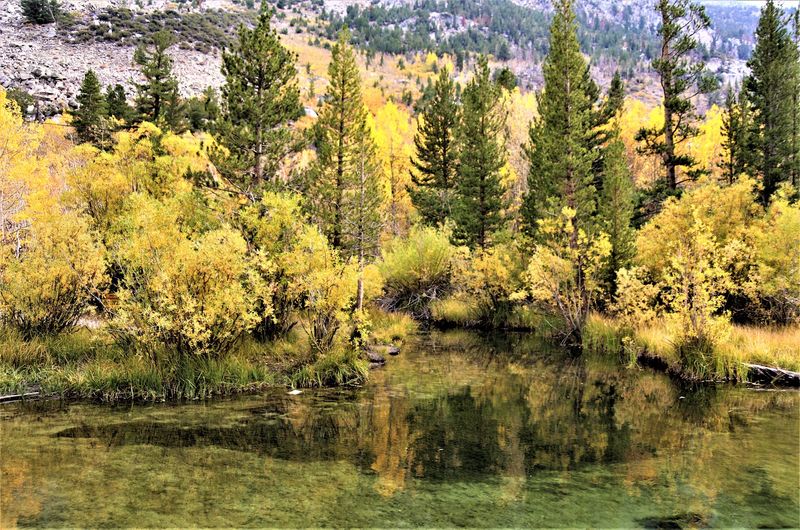
Beyond the scenery and the fishing, Lake Sabrina occasionally offers something even more memorable: wildlife.
Bald eagle sightings have been reported at the lake, which tends to catch visitors off guard in the best possible way.
The surrounding forest and open water create habitat conditions that attract a variety of bird species, making the area interesting for those who pay attention to what is moving in the trees and sky.
Mule deer are also known to pass through the Bishop Creek corridor, particularly in the quieter early morning hours.
Ground squirrels are a common presence near the parking and picnic areas, and while they are entertaining to watch, feeding them is not recommended as it disrupts natural foraging behavior.
Keeping food secured also helps avoid attracting unwanted attention from larger wildlife in the area.
Visiting with a pair of binoculars is a simple addition that significantly expands what is visible from the shoreline and trailside.
The lake’s quiet, relatively undisturbed environment makes wildlife encounters more likely here than at more heavily developed recreation areas, and that sense of wild presence is part of what makes the place feel so removed from everyday life.
A Few Practical Tips For Planning A Visit
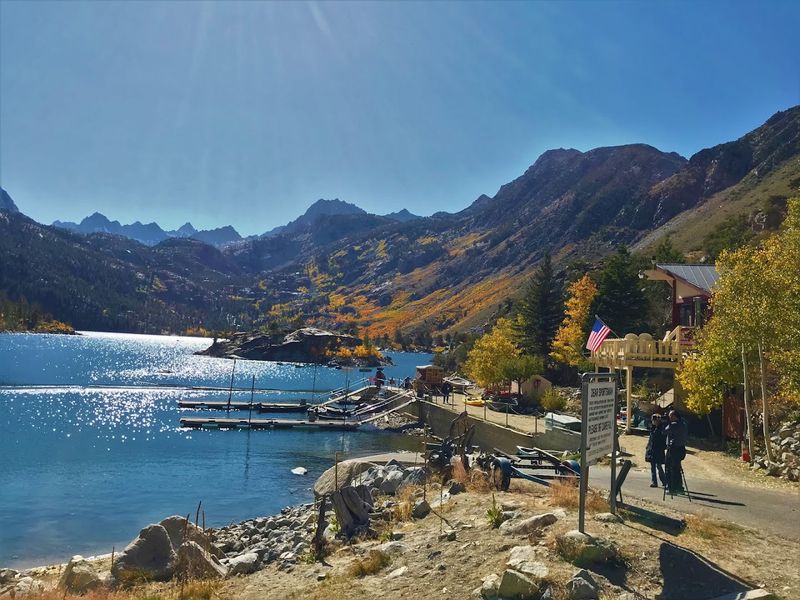
Planning ahead makes a real difference at Lake Sabrina because the combination of limited parking, seasonal access, and variable facility hours can catch unprepared visitors off guard.
The road typically opens in mid- to late April and closes again in winter, so checking current conditions before making the drive from Bishop is always a worthwhile step.
Weekday visits are noticeably less crowded than weekends, particularly during summer and fall peak season.
Arriving before 10 a.m. on any day of the week tends to secure better parking options and a quieter shoreline experience overall.
Layering clothing is a practical necessity at this elevation regardless of the season.
Even on warm summer days, temperatures can shift quickly once the sun moves behind the peaks or an afternoon cloud system rolls in from the west.
The cafe at the boat landing closes once the day’s food supply runs out, so counting on it for a late afternoon meal is not a reliable plan.
Packing snacks and extra water covers that gap comfortably and keeps the focus on enjoying the lake rather than managing logistics mid-visit.
Cell service in the area tends to be limited, so downloading maps or trail information before arriving is a smart habit.