A Two-Hour Arizona Walk Lets You Meet Rescued Animals You Rarely Encounter Up Close
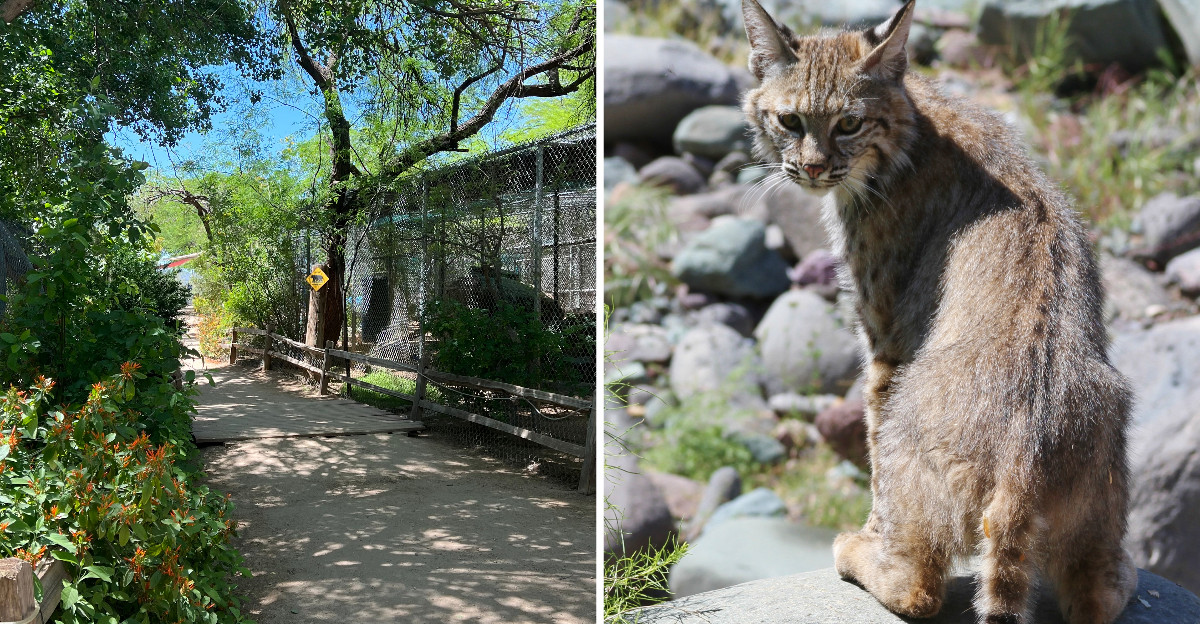
A wolf howl hits differently when you are standing close enough to feel the moment.
In Arizona, this guided walk introduces rescued wildlife without turning the experience into a noisy spectacle.
Every resident comes with a story, and some are tougher than you expect. That changes the way you look at them.
A bear is no longer just a bear. A coyote becomes an animal with a past.
The two hours move quickly because each stop adds another piece to the bigger picture.
You leave with photos, sure, but the stories are what stick. That is the part nobody really prepares you for.
A Coyote Pup Started Everything
Southwest Wildlife Conservation Center traces its beginning to a single orphaned coyote pup.
In the early 1990s, a farmer accidentally ran over a den with a tractor, leaving one newborn survivor.
The pup eventually reached Linda Searles, who named him Don. At the time, the center says local options for treating injured or orphaned wild mammals were extremely limited.
Caring for Don exposed a larger need. Arizona’s expanding communities were bringing people and wildlife into closer contact, while injured and displaced mammals often had nowhere specialized to go.
That experience inspired Searles to create a rehabilitation center focused on native mammals, with release to the wild as the preferred outcome.
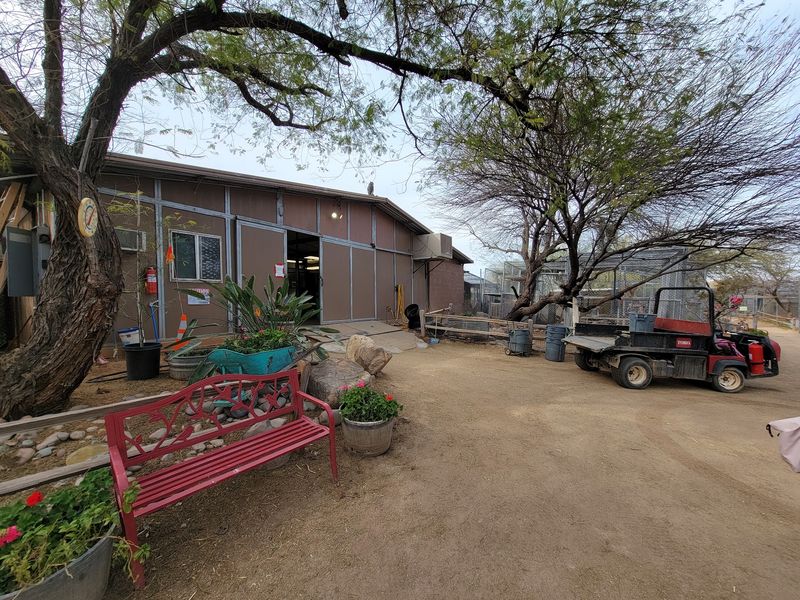
In 1994, the organization purchased 10 acres northeast of Scottsdale. Trees, enclosures, rehabilitation spaces, and veterinary facilities gradually transformed the open desert into a wildlife center.
Don remained at the sanctuary for 20 years because he could not return to the wild. His story still represents the starting point for the organization’s mission.
Today the center operates at 27026 N. 156th Street in far north Scottsdale. The final approach includes a dirt road, so following the sanctuary’s directions is useful.
Rescue Rules With Zero Compromise
Southwest Wildlife follows a simple principle: wild animals should remain wild whenever possible.
The organization does not buy, breed, sell, or trade animals, and it does not use sanctuary residents for commercial performances.
Native mammals arrive after injuries, orphaning, habitat disruption, road incidents, and other conflicts with human development. Rescue, rehabilitation, release, sanctuary, and education shape the work.
Release remains the preferred outcome. In 2024, Southwest Wildlife reported an 84 percent release rate, returning hundreds of rehabilitated animals to appropriate habitat.
Not every patient can safely go back. Severe injuries can prevent survival, while animals previously kept or fed by people may lose the caution they need in the wild.
Young animals can face the same problem if they were separated from their mothers before learning essential behaviors. Those cases may eventually become permanent sanctuary residents.
The current tour route includes roughly 70 sanctuary animals and Mexican gray wolves, rather than hundreds of permanent residents.
Animals still being rehabilitated are kept away from ordinary tour traffic. Limiting human contact helps them retain the instincts they will need after release.
Meet Arizona Wildlife Up Close
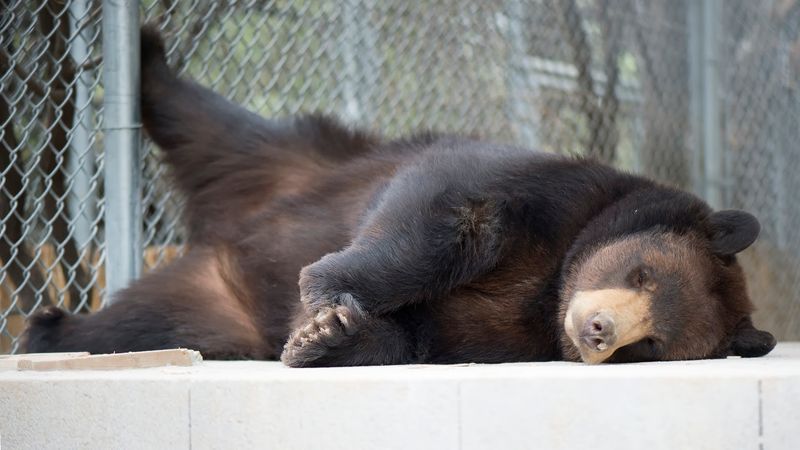
The guided route can include black bears, mountain lions, bobcats, coyotes, foxes, javelinas, deer, coatis, ringtails, beavers, and other species.
Visitors are not allowed to touch or feed the mammals. The point is to observe them while guides explain the circumstances that made each animal non-releasable.
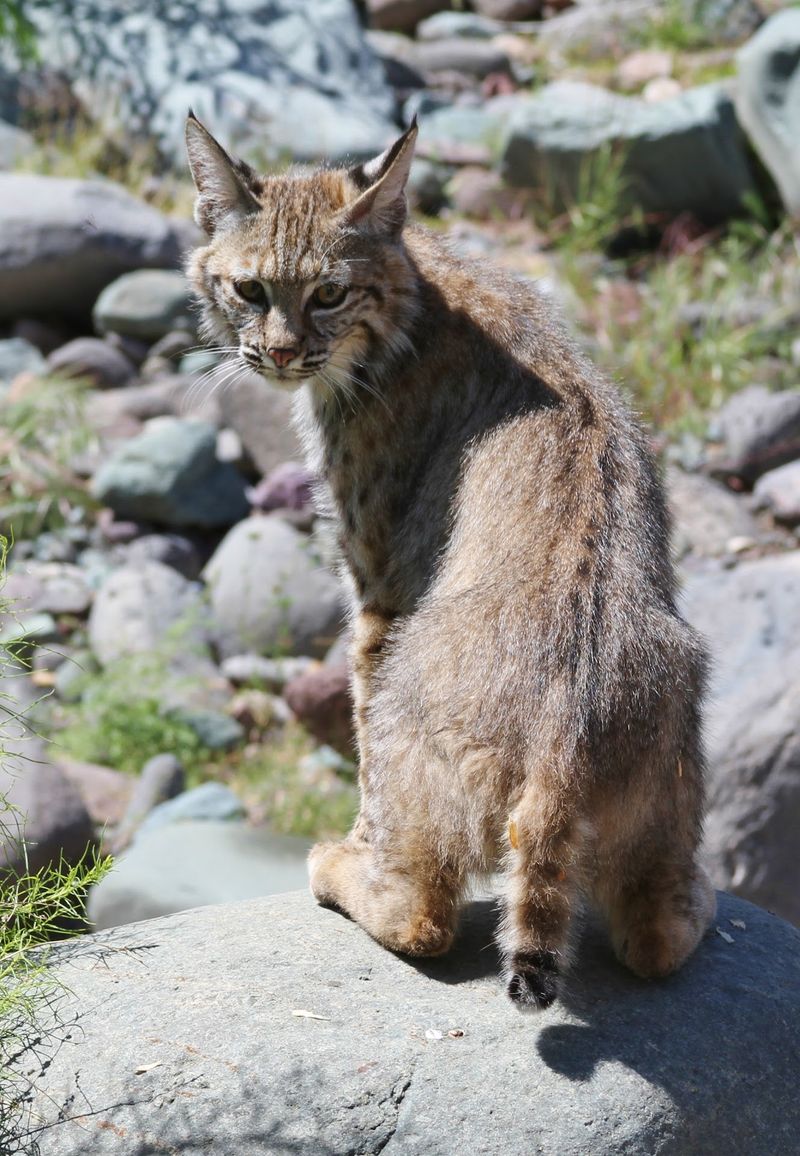
One example is Catalina, a bobcat that was handled by a person for several weeks as a kitten. By the time authorities brought her to Southwest Wildlife, she showed too little fear of humans to be released safely.
Other residents remain because of lasting injuries or disabilities. The sanctuary currently features animals such as Heavenly the black bear, Felix and Zia the mountain lions, Ziggy the coyote, and Chi the coati.
The center estimates that about 70 animals are along the tour route, although no particular resident is guaranteed to be active or visible during every visit.
That unpredictability is part of observing wildlife. Some animals may rest out of view, while others may be active near the front of an enclosure.
Wolves With A Recovery Mission
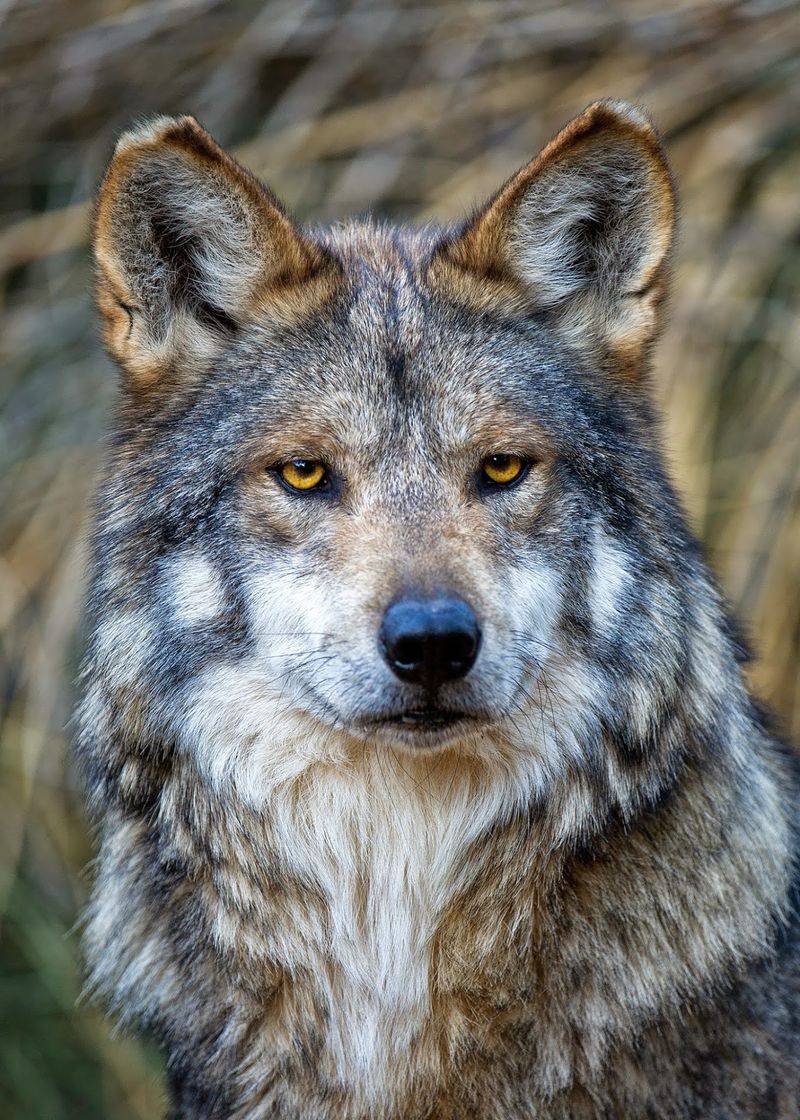
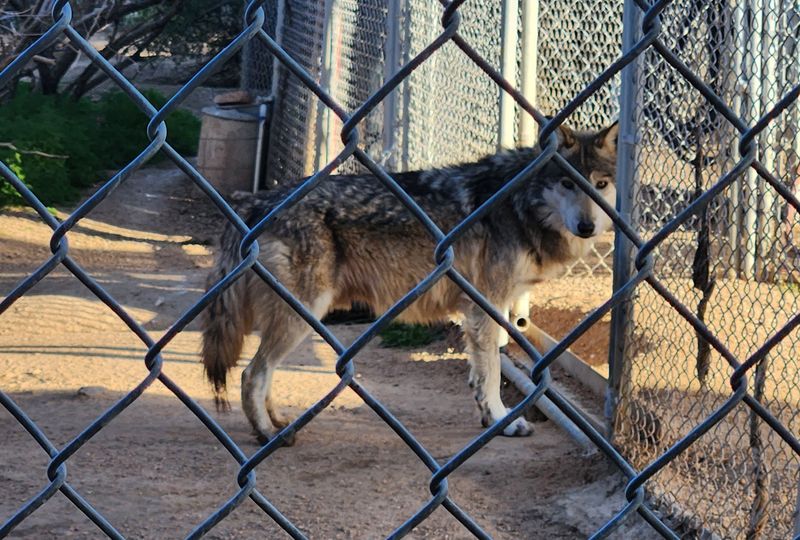
Mexican gray wolves are among the most important animals housed at Southwest Wildlife. They are the smallest, southernmost, and most genetically distinct gray wolf lineage in North America.
The subspecies disappeared from the wild by the mid-1980s before a captive recovery program preserved the remaining genetic lines. Reintroduction began in 1998.
Southwest Wildlife participates in the Mexican Wolf Saving Animals From Extinction program and houses animals within the managed population.
The center covers the cost of feeding and caring for the wolves it houses without state or federal funding for that daily care.
Some wolves connected to the sanctuary have contributed directly to recovery. Vera produced 26 pups, and 16 were placed into wild packs through cross-fostering.
That connection gives the wolf stop particular significance. Hearing a howl is memorable, but the conservation work behind it carries more weight.
That makes every breeding decision part of a much larger effort to rebuild a population that once disappeared from the wild.
Planning Your Two-Hour Walk
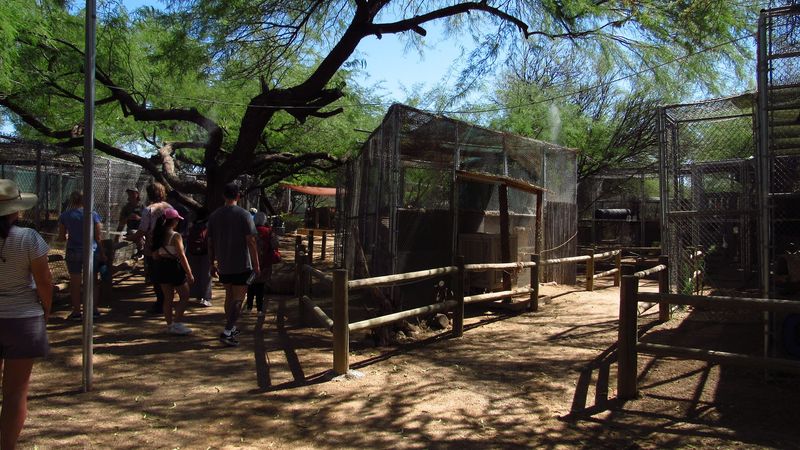
Regular Walk With Wildlife tours average about two hours and take place completely outdoors. Reservations are required because Southwest Wildlife is not open for unscheduled public visits.
Public tours are capped at 30 participants. Groups of 10 or more are directed toward private tours, which are also available to smaller groups seeking a more personalized visit.
The center currently offers the daytime Walk With Wildlife Tour, seasonal Twilight Tours, and Full Moon Rising Tours. Twilight programs generally run on select Fridays from October through April.
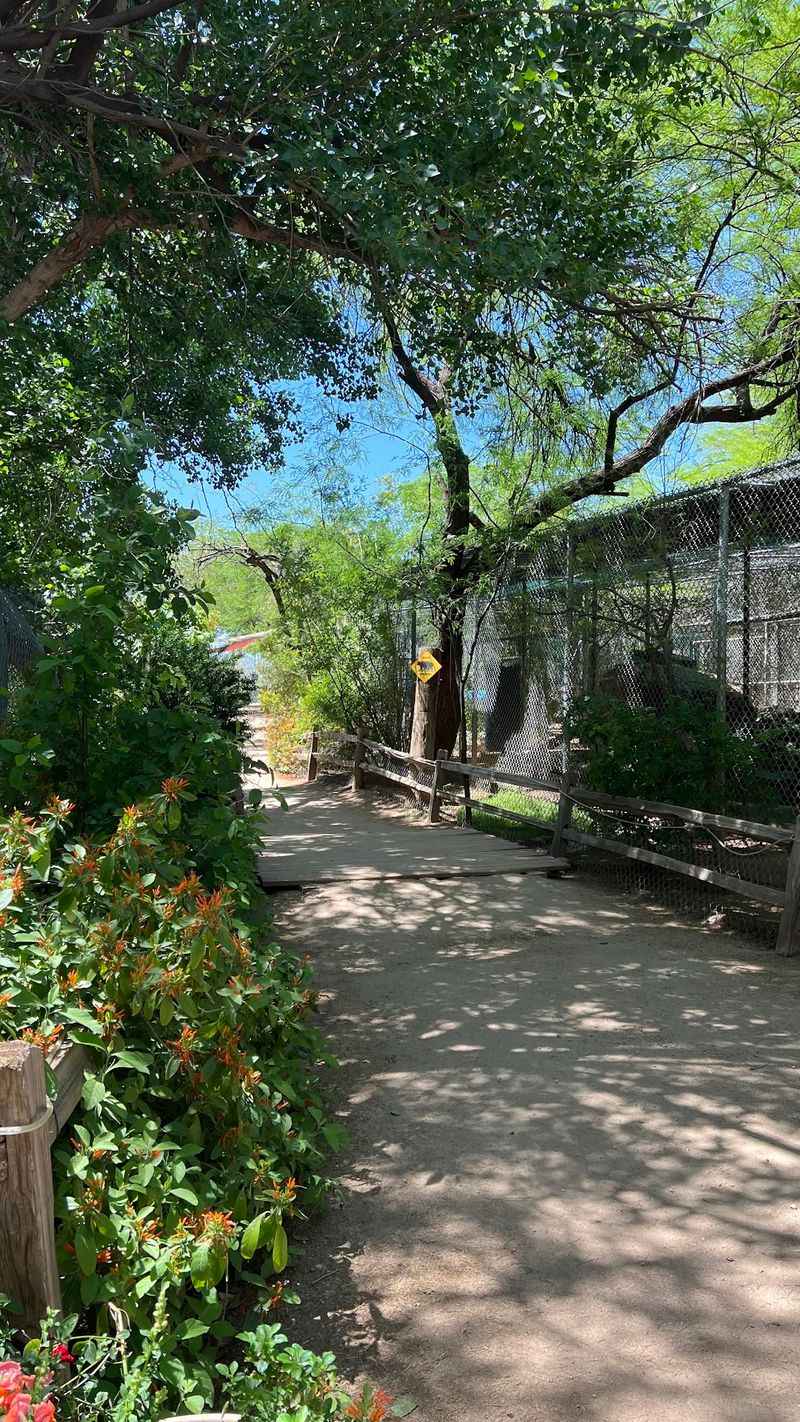
The route moves between sunny and shaded areas on gravel paths. Visitors are told to bring water and sunscreen, dress for the weather, and wear closed-toed shoes.
The route is wheelchair accessible, although the gravel can be challenging for some mobility devices. The sanctuary recommends manual wheelchairs and can reserve one with advance notice.
Standard tours are recommended for children around age six and older. Families with younger children can consider Family Day, which allows a more flexible visit.
There are places to sit, but guests should expect to spend most of the experience on their feet.
Timing Can Change What You See
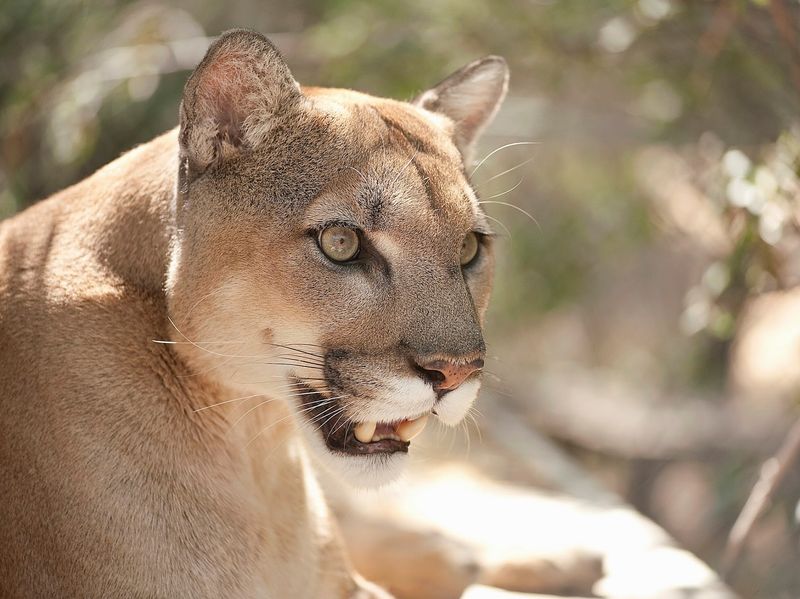
No tour can guarantee a particular animal’s behavior, but Southwest Wildlife does offer guidance about when some residents tend to be more active.
Bobcats and mountain lions are generally more awake later in the day, while coyotes and javelinas tend to be livelier in the morning.
Season matters as well. The center notes that its bears tend to sleep later and settle earlier during winter, while kit foxes are often most active during summer.
Twilight Tours coincide with changing light, when guides say Mexican gray wolves may howl more frequently. The sound is never guaranteed.
Full Moon Rising Tours add another evening option. These tours follow the sanctuary route and finish around moonrise with light refreshments on scheduled dates.
Arizona heat is a practical consideration. Summer tours are reduced, while cooler months generally make the fully outdoor route easier to manage.
Evening options can feel especially rewarding when cooler temperatures make the sanctuary easier to explore.
Inside The Wildlife Hospital
Every newly rescued animal begins its medical journey in the center’s onsite veterinary hospital.
The facility handles routine examinations, surgeries, and longer-term rehabilitation.
Spring and summer can turn part of the hospital into a wildlife nursery. Orphaned babies may need specialized formula, incubators, repeated feeding, and round-the-clock care.
Human interaction is deliberately minimized. Staff want animals to recover without becoming comfortable around people.
Once stable, patients can move to outdoor rehabilitation areas. Orphaned youngsters may then learn species-specific survival skills from others of their own kind.
Recovery time varies. Some animals need only weeks of support, while serious injuries or difficult developmental cases can require months.
The hospital includes surgical, recovery, radiology, neonatal, laboratory, pharmacy, and large-animal spaces capable of supporting patients of very different sizes.
If release is impossible, the veterinary team continues providing specialized care after an animal becomes a permanent sanctuary resident. That range of medical support lets the team adjust treatment as each animal’s condition changes.
Learning, Volunteering, And Special Events
Education is built into the sanctuary’s work. School field trips use grade-specific material rather than giving every age group the same general tour.
Students in kindergarten through fourth grade focus on mammal habitats. Grades five through eight study food webs and carrying capacity, while high school groups examine habitat fragmentation.
Volunteers support many parts of the operation. Animal-care teams prepare diets and clean enclosures, while rescue-line and transport volunteers respond to emergencies and move animals to the hospital.
Other volunteers guide tours, support the veterinary clinic, and help maintain the grounds. The center also offers internships focused on animal husbandry.
People who want to help from home can sponsor a permanent resident. Sponsorships are symbolic, with funds supporting the broader care of animals across the sanctuary.
Special events add different ways to visit. The 2026 calendar includes Family Day, Breakfast with Bears, Happy Howl-O-Ween, and the Stewards of the Wild Gala.
The center remains reservation-only even for many events, so checking the current calendar before driving out is essential. Donation drop-offs also need to be arranged in advance.