A Well-Known Connecticut City Ranks Lowest In The State For Median Household Income
Numbers can reveal a side of a familiar city that visitors may never notice while driving through downtown or stopping for an afternoon. Income data does exactly that here.
Among Connecticut communities, this well-known city sits at the bottom when median household income is compared statewide.
That statistic deserves context rather than assumptions. Median household income measures the midpoint among households, and it does not explain every resident’s circumstances or capture everything about life in a community.
Still, the ranking highlights a striking economic contrast within a state known for some exceptionally wealthy towns.
How can communities relatively close together have such different household incomes?
Looking at the numbers opens a much bigger conversation about housing and local opportunity, along with the economic differences that can exist within a small geographic area.
The result may surprise people who know the city well but have never seen where it falls when the statewide figures are lined up.
1. The Capital Has A More Complicated Story Than Expected
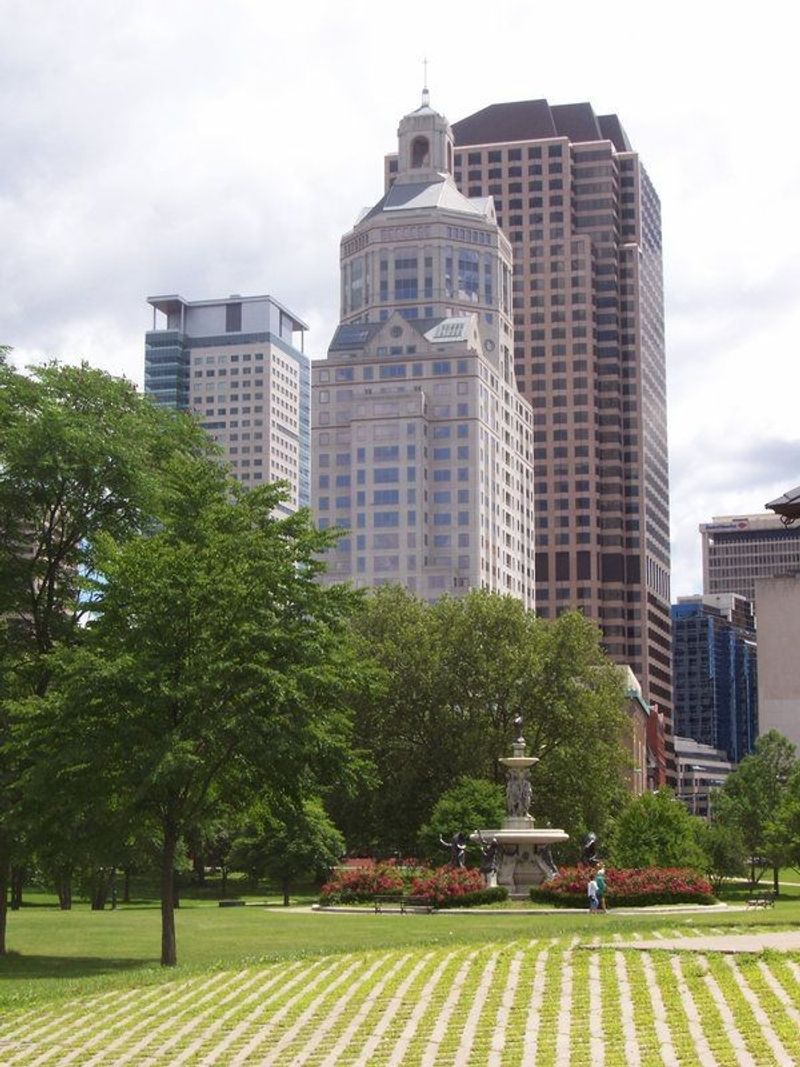
Hartford has quite a story to tell. Money once poured into the city.
Today, the numbers look dramatically different, with Hartford ranking among the Connecticut communities with the lowest median household incomes in recent Census estimates.
Its history stretches back to 1636, making it one of the oldest cities in the country. Hartford later developed into a major insurance center, earning its longtime nickname, the Insurance Capital of the World.
Companies established large offices downtown, creating an economic identity that remains closely associated with the city.
But Hartford is far more complicated than one income statistic. Its neighborhoods reflect generations of immigration and cultural change, while museums, performance spaces, colleges, historic sites, and major institutions continue to play important roles in city life.
Downtown is changing as well. Recent redevelopment efforts have included converting older office buildings into housing, a particularly notable shift as demand for traditional office space has declined.
Other projects are adding residential units and reconsidering properties that have sat underused.
Hartford still faces significant economic challenges, and household income figures highlight just how substantial some of them are. Yet numbers alone cannot explain an entire city.
Its long history, changing downtown, cultural communities, and ongoing redevelopment provide important context behind a headline that might otherwise seem surprisingly simple.
2. Its Central Location Connects Much Of The State
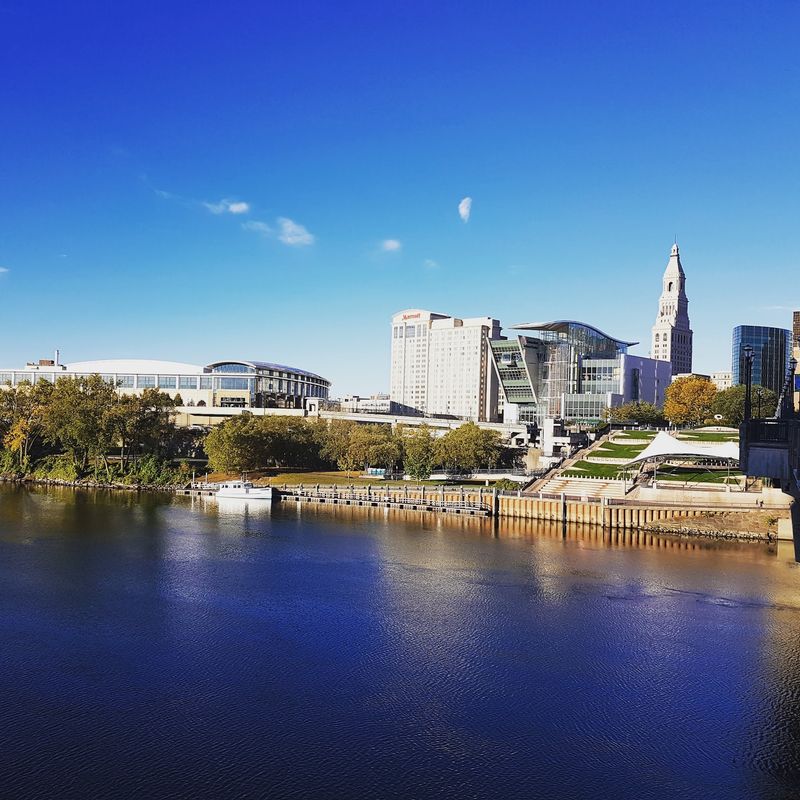
Grab a map of the state and put your finger in the middle of the northern half. You have probably landed close to Hartford, which sits along the Connecticut River and acts as a natural meeting point for the region.
Driving here is simple. Interstates 84 and 91 cross in the city, and more than 23 million people live within about a two-and-a-half-hour drive.
Those highways also link to bigger routes like the Massachusetts Turnpike and the New York Thruway.
Flying in? Bradley International Airport is about 15 miles away, and the Bradley Flyer bus offers an affordable ride to downtown.
That makes weekend trips and business visits much easier to plan.
Trains are another strong option. Union Station downtown serves Amtrak routes toward New York City, Boston, and Washington, D.C.
The CTrail Hartford Line runs frequent trips between Hartford, New Haven, and Springfield, Massachusetts.
Getting around locally works well too. CTfastrak, the state’s first bus rapid transit system, uses bus-only roads to skip traffic, and CTtransit buses serve 27 towns in Hartford County.
Downtown, a free circulator called the Dash links the Connecticut Convention Center with hotels, attractions, and places to eat. For visitors, that means you can explore a lot without a car.
3. Household Income Sits At The Bottom Statewide

Here is the number that grabs headlines: recent Census estimates put Hartford’s median household income at $46,411. Connecticut’s statewide median stands at $96,049, meaning the capital’s figure comes in at less than half the state median.
Median simply means the middle point. If you lined up every household by income, half would earn more and half would earn less.
In Hartford, that middle point is the lowest among towns in Greater Hartford and ranks at or near the bottom statewide.
Other figures help fill in the picture. Hartford’s poverty rate has been reported at about 26 percent, and income gaps also appear along racial lines, with Black and Latino households typically earning less than white households.
More recent estimates show Hartford’s median household income continuing to rise, reaching $46,411 in 2024. Numbers like these suggest the city is slowly moving in a better direction.
A helpful tip when reading income rankings: compare cities with care. Hartford is small in land area and surrounded by wealthy suburbs, so many higher earners who work downtown actually live outside city limits.
That pattern helps explain why Hartford’s household income figures can differ sharply from those of the wider metropolitan area.
4. Housing Costs Reveal Another Side Of The Numbers
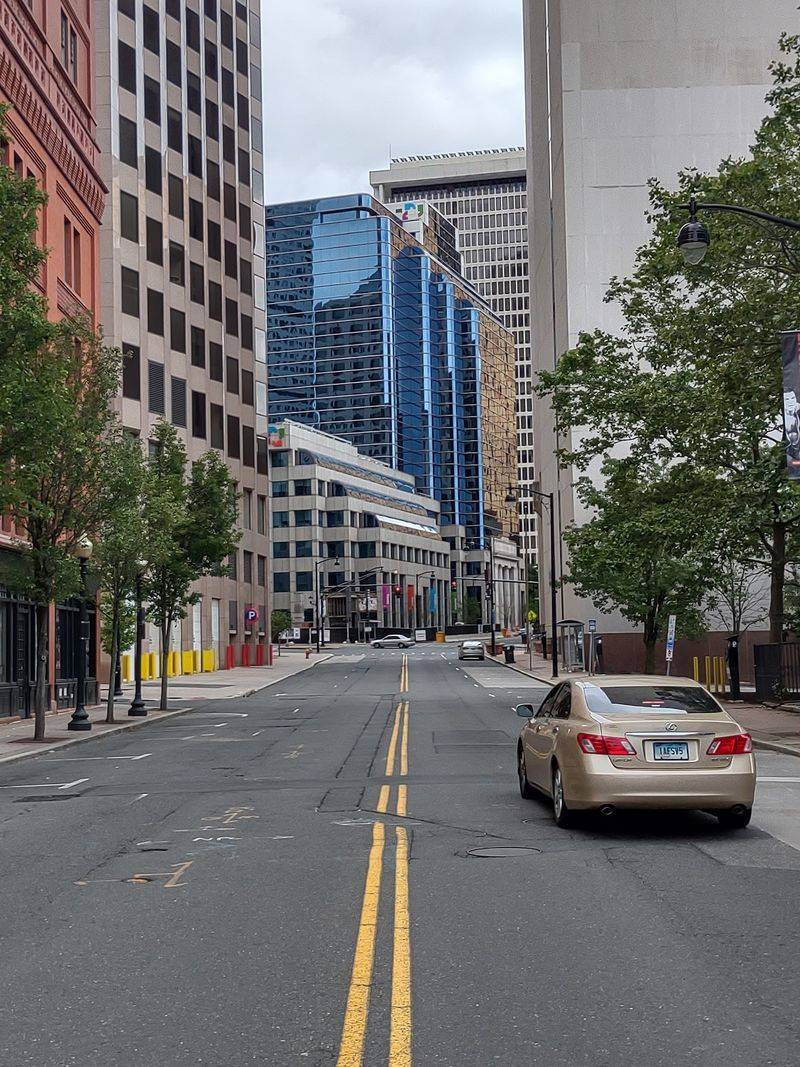
Low incomes often come with low housing prices, right? In Hartford, the answer is a bit more mixed, and that makes the housing market worth a closer look.
Home values in the city have generally stayed below the national average. The median property value was about $228,600 in 2024, which can look appealing to first-time buyers.
Recent sales have trended higher, though, and the market is often described as competitive, with more buyers than homes available.
One striking detail is how few residents own their homes. Hartford’s homeownership rate is around 26 percent, far below the national rate of about 65 percent.
Most people here rent, so rental costs matter a lot to everyday life.
Median rents in the city have landed around $1,700 a month in recent listings, while the wider county often runs higher. For a household earning near the city’s median income, that can take a big bite out of the monthly budget.
City leaders and corporate partners are responding with new housing downtown. Some projects convert older office space into apartments, while others build on vacant land.
Several new developments include more affordable units, and some studio apartments have been offered starting near $1,400 a month. If you are apartment hunting, asking about these newer buildings could pay off.
5. Historic Neighborhoods Tell Very Different Stories
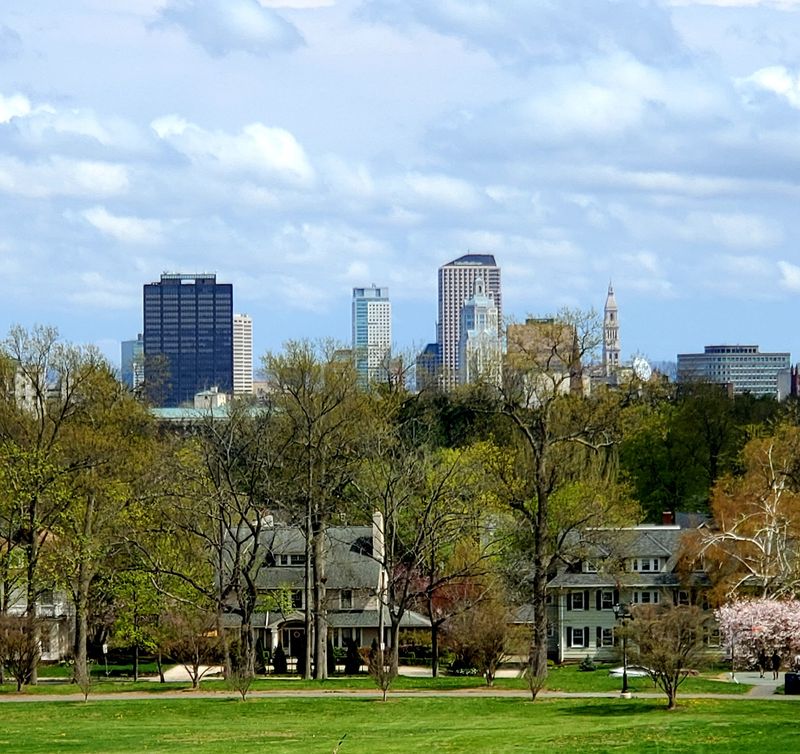
Hartford changes fast from block to block. One neighborhood can feel completely different from the next, and much of that variety comes from how each part of the city developed over generations.
Downtown remains the civic center, with government buildings and major institutions nearby. Farther west, Parkville followed a very different path.
What began largely as farmland developed into a busy industrial district, with factories attracting generations of workers and immigrant families.
History takes another turn in Asylum Hill. Its name traces back to a hospital established in the 1820s, while the neighborhood later became known for impressive homes during Hartford’s prosperous 19th century.
Mark Twain was one of its most famous residents. Nearby, the West End brings broad residential streets, historic houses, and easy access to Elizabeth Park.
Clay-Arsenal also carries deep roots, with much of its growth connected to the city’s industrial era. Parts of the North End, meanwhile, have become a focus of redevelopment efforts aimed at improving connections and bringing new investment into the area.
Economic differences remain noticeable across Hartford. Household incomes can vary considerably between neighborhoods, adding another layer to the city’s story.
The South End, Blue Hills, Barry Square, and Upper Albany bring their own histories and communities into the mix, helping make Hartford much more varied than its compact size might suggest.
6. Major Employers Still Anchor The Local Economy
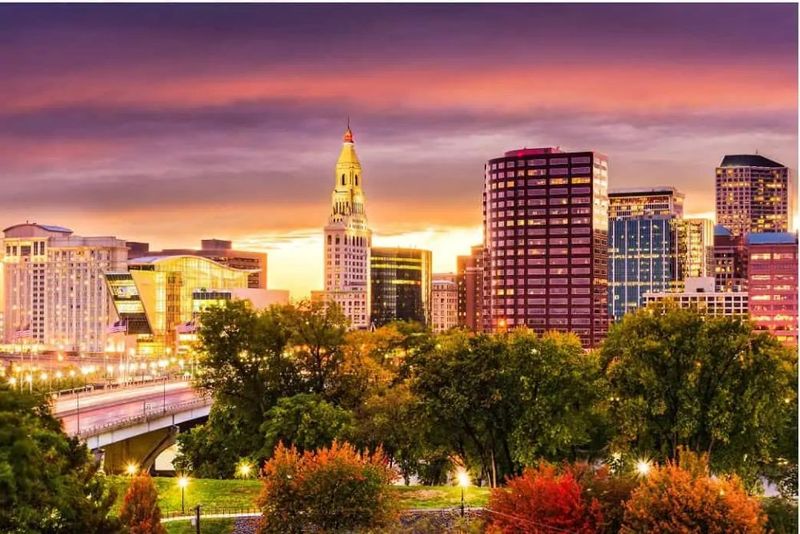
Plenty of people drive into Hartford every weekday morning, and there is a good reason. The city remains a major job center, even if many workers head home to the suburbs at night.
Insurance is still the headline industry. Fortune 500 companies such as The Hartford and Cigna have deep roots in the area, along with Travelers, Aetna, which is part of CVS Health, and other large firms.
Stanley Black & Decker and Otis Worldwide also have headquarters in the region.
Health care is another big piece of the puzzle. Hartford HealthCare and Connecticut Children’s employ thousands of people, and health care and social assistance is the largest employment sector in the city.
Retail and transportation and warehousing also provide many jobs.
Nearby industry adds even more strength. Pratt & Whitney, based in East Hartford, highlights the region’s ties to aerospace and advanced manufacturing, fields that help power the state economy.
So how can a city with so many big employers have a low median income? Much of the answer comes back to where workers live.
Many higher-paying jobs are filled by commuters, which is exactly why local leaders want more people to live downtown. For job seekers who do call Hartford home, being close to these employers can be a real advantage.
7. Museums And Landmarks Add Significant Cultural Weight

Did you know the oldest continuously operating public art museum in the country is right here? The Wadsworth Atheneum Museum of Art opened in 1844, and its collection of around 50,000 works stretches across roughly 5,000 years, including Renaissance and impressionist pieces.
Book lovers have plenty to explore as well. The Mark Twain House & Museum, a striking Victorian Gothic mansion, is where the author lived while writing some of his best-known books, including Adventures of Huckleberry Finn.
Right next door, the Harriet Beecher Stowe Center honors the writer of Uncle Tom’s Cabin with her home and garden.
History fans can visit the Old State House, completed in 1796, and the gold-domed State Capitol, finished in 1879. The Ancient Burying Ground dates to the 1600s and is the oldest historic site in the city.
Coltsville National Historical Park preserves an important piece of industrial heritage.
Evenings bring their own options. The Bushnell Center for the Performing Arts and Hartford Stage host theater, music, and dance throughout the year.
On a warm afternoon, head to Elizabeth Park, home to the nation’s first municipal rose garden. Summer blooms make it a favorite for strolls, picnics, and photos, and it costs nothing to wander.
8. The Statistics Only Show Part Of Hartford’s Identity

Numbers can measure paychecks, but they cannot measure a neighborhood festival, a family bakery, or a Saturday afternoon in the park. That is where Hartford truly comes alive.
About 120,000 people live in the city, and it is one of the most diverse places in New England. Roughly 45 percent of residents are Hispanic or Latino, around 35 percent are Black, and about 15 percent are white.
The median age is close to 31, giving the city a youthful, busy feel shaped by working families, students, and newcomers from around the world.
Green space is another hidden treasure. Frederick Law Olmsted, the famous park designer, grew up in Hartford, and his influence shows in the city’s generous park system.
These spaces host everything from pickup games to quiet reading breaks.
Community spirit runs strong too. Corporate and city leaders have teamed up on plans to grow the downtown population and broaden the economy.
Programs like Open Streets close roads to cars for a day, letting people walk, bike, and gather safely.
So the next time Hartford appears at the bottom of an income list, look a little deeper. You will find a resilient capital with river views, deep history, and a hopeful plan for what comes next.