Add These 10 New York German Restaurants To Your List This Year
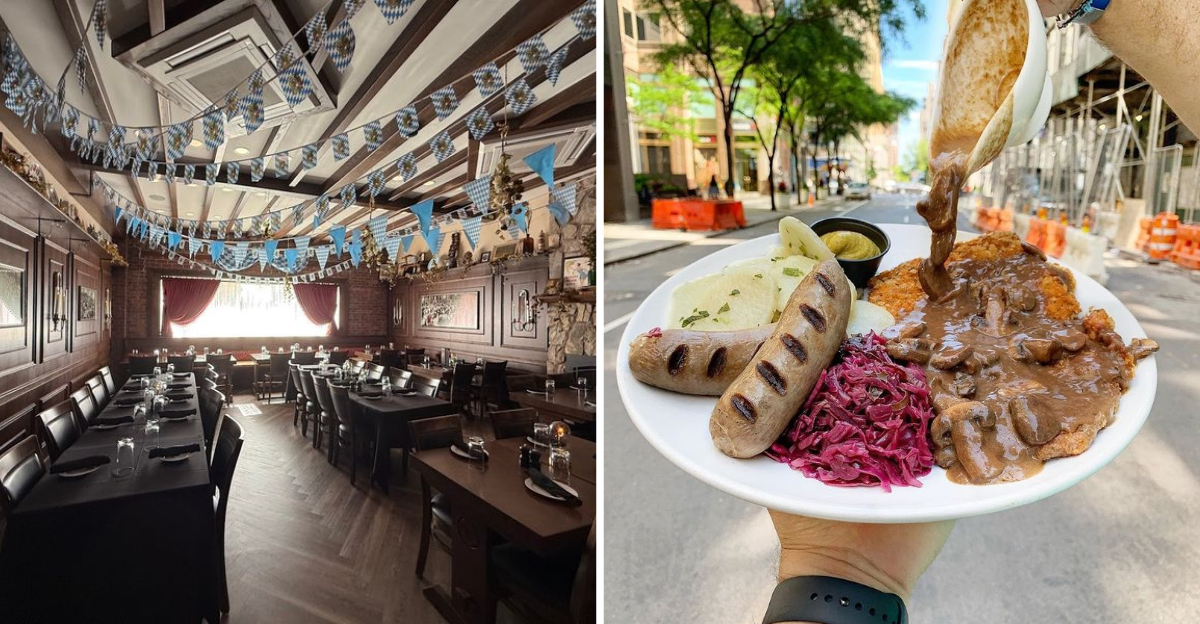
Pretzels, schnitzel, and slow-braised comfort still thrive here. This food never became a dusty museum piece.
New York’s ties to German cooking run generations deep. Hearty, sincere plates tell a story with every bite.
Some kitchens have perfected their craft over many decades. Others bring fresh energy without losing the soul of it.
You leave warm, full, and weirdly nostalgic somehow. I chased down some of them and loved every stop.
The mustard bites and the beer flows cold. Sausages, warm bread, and braised meats anchor every table.
These flavors feel current, not frozen in the past. This is comfort food with a real backstory.
1. Heidelberg Restaurant
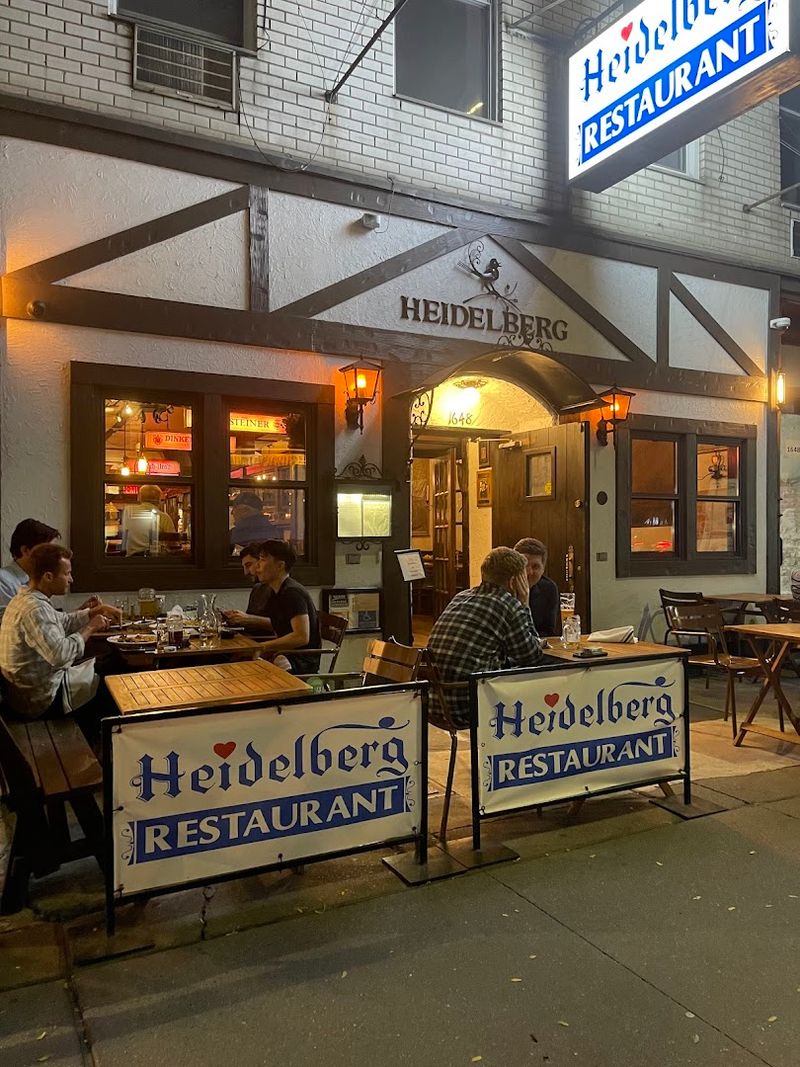
Few restaurants in New York City carry their history as comfortably as this one does.
Heidelberg Restaurant has been feeding New Yorkers since 1936, and the dining room still has that well-worn warmth that only decades of loyal guests can create.
The wooden walls, the old photographs, and the low lighting all add up to an atmosphere that feels honest rather than staged.
The menu leans heavily into traditional German cooking. Wiener Schnitzel is a standout, arriving thin, golden, and properly crisp.
The sauerbraten is tender and deeply flavored, served with red cabbage and a rich gravy. Portions are generous without being excessive, and every dish is prepared with care.
You can find it at 1648 2nd Ave in New York, tucked into the Upper East Side neighborhood that once formed the heart of Yorkville, the city’s historic German district. That context matters.
Eating here is not just about the food. It is about understanding a piece of the city’s immigrant history through a meal.
The service is attentive and unhurried, which suits the relaxed pace of the dining room.
This is the kind of restaurant that rewards slowing down and savoring every course without rushing to the next thing.
2. Bierhaus NYC
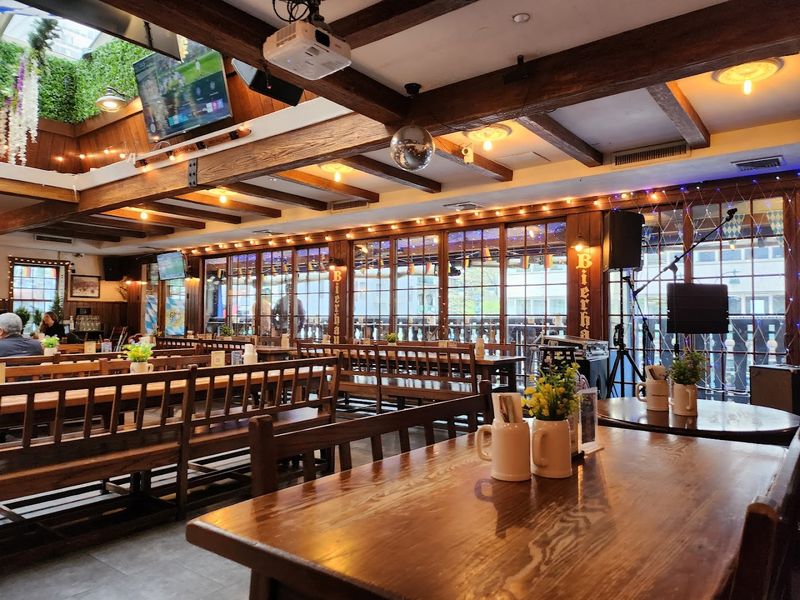
There is something almost magnetic about a restaurant that commits fully to its theme without going overboard.
Bierhaus NYC sits in that balance well. The interior draws on Bavarian pub traditions without becoming a caricature of them.
Wood paneling, simple furniture, and a focused menu all point toward a clear identity.
Sausages are the heart of the menu here. The selection is broad and well-sourced, ranging from mild weisswurst to the more robust and smoky varieties.
They come with the proper accompaniments: sharp mustard, tangy sauerkraut, and freshly baked pretzels that hold their shape and texture throughout the meal. The potato dishes are also worth your attention, particularly the fried potatoes with onions and herbs.
The service moves at a confident pace, never rushing you but also never leaving you waiting too long. Bierhaus NYC is located at 712 3rd Ave in New York, making it an accessible stop in Midtown East.
The surrounding area is busy and commercial, but stepping inside shifts the mood entirely. It is a reliable choice for anyone who wants a no-fuss German meal in the middle of the city.
The portions are substantial, the flavors are clean, and the overall experience holds up well across multiple visits. Consistency is one of its strongest qualities.
3. Zum Schneider NYC, Brooklyn
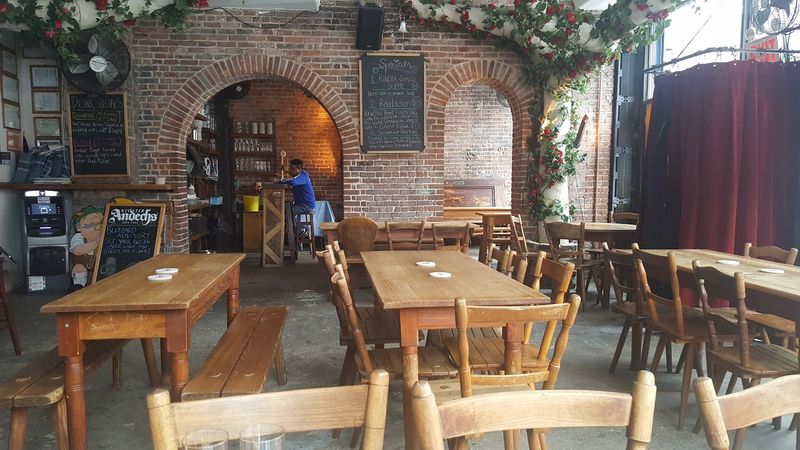
One bite of the schnitzel here and the idea of settling for anything less specific becomes difficult to accept.
Zum Schneider NYC in Brooklyn operates with a clear sense of purpose. The menu is curated rather than exhaustive, and every dish on it reflects a kitchen that values precision over volume.
The interior has an intimate quality, with exposed brick and wooden details that create a genuinely inviting atmosphere.
The pretzels here deserve their own mention. They arrive thick, chewy, and properly salted, with a crust that gives way to a soft interior.
The schnitzel is pounded thin and fried with a light, even coating that does not absorb excess oil.
The potato salad served alongside it is dressed with vinegar and herbs rather than mayonnaise, which keeps it bright and clean on the palate.
The pace of service matches the intimate scale of the dining room. Tables are not rushed, and the staff takes genuine interest in making sure guests understand what they are eating.
Zum Schneider NYC is located at 12 Franklin St in Brooklyn, which puts it in a neighborhood that has developed a strong food culture over the past decade. That context suits the restaurant well.
It holds its own among the many strong options in the area while offering something that is harder to find: a truly focused German menu executed with consistent skill and care.
4. Zum Stammtisch, Glendale
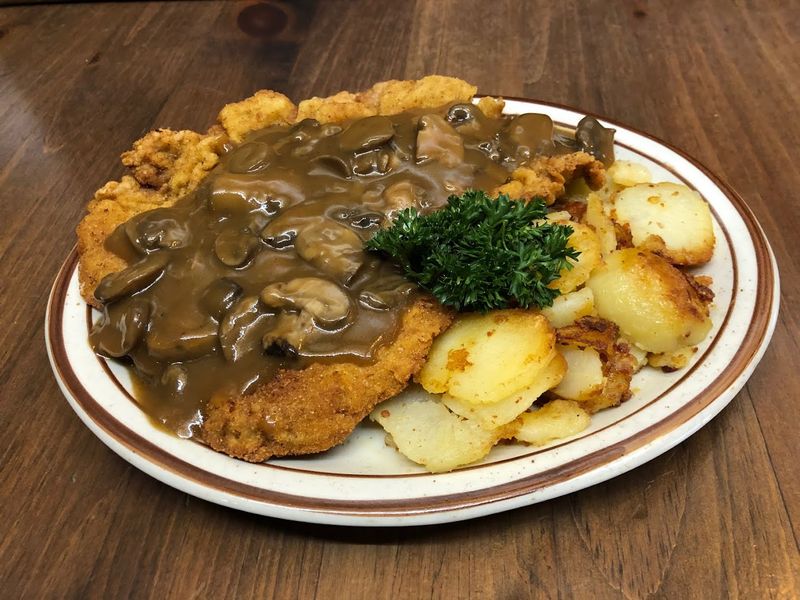
Is there anything more satisfying than finding a restaurant that has stayed true to itself for over fifty years?
Zum Stammtisch in Glendale, Queens, has done exactly that. It opened in 1972 and has remained one of the most authentic German dining experiences in the entire New York metropolitan area.
The dining room feels like it belongs in a small Bavarian town rather than a Queens neighborhood.
The menu is a faithful representation of German home cooking. Kassler Rippchen, roasted pork shank, and a rotating selection of daily specials keep regulars coming back throughout the year.
The red cabbage is slow-cooked and subtly sweet. The bread basket that arrives at the start of the meal is a quiet signal that the kitchen takes even the small things seriously.
Personal observation confirms that the service here is warm and attentive in a way that larger city restaurants often struggle to replicate. Staff members remember returning guests and take time to explain the menu to newcomers.
You can find this long-standing institution at 69-46 Myrtle Ave in Glendale. The neighborhood around it is quiet and residential, which adds to the sense of discovery when you walk through the front door.
Zum Stammtisch earns its reputation every single evening.
5. Rolf’s, New York
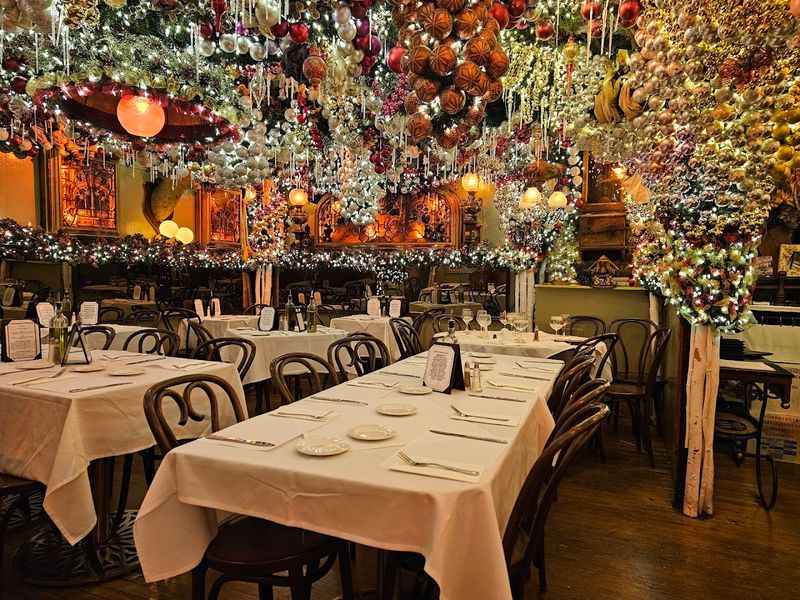
Some restaurants are known for their food. Others are known for their atmosphere.
Rolf’s in New York is one of the rare cases where both compete for your attention simultaneously, and neither wins because both are simply too strong.
The interior is famously covered in an overwhelming collection of ornaments, figurines, and hanging decorations that fill every inch of ceiling and wall space. It is theatrical, but it works.
The cooking behind all that visual drama is solid and traditional. Sauerbraten, schnitzel, and braised red cabbage anchor the menu.
The portions are substantial and the flavors are consistent with what you would expect from a kitchen that has been operating since 1968. The beef dishes in particular benefit from long, careful preparation that develops deep, layered flavors over time.
Personal observation suggests that first-time visitors spend the first few minutes simply looking around, almost forgetting to read the menu. That sense of wonder is part of what makes Rolf’s memorable beyond the meal itself.
The restaurant is at 281 3rd Ave in New York, on a stretch of the city that has changed considerably over the decades while Rolf’s has remained largely the same. That stubbornness is admirable.
It is a restaurant that knows exactly what it is and has never felt the need to update its identity for passing trends.
6. Max Bratwurst Und Bier, Astoria
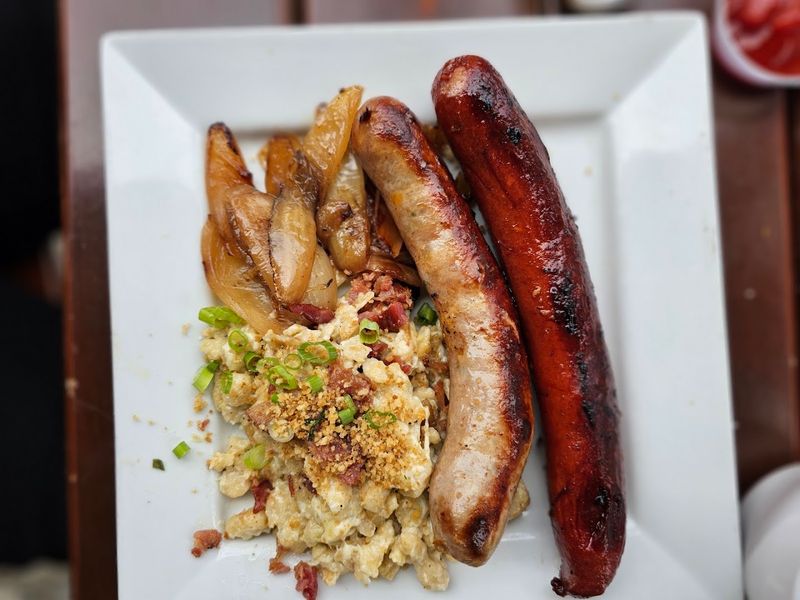
Ready to find out why a small sausage counter in Astoria keeps drawing devoted regulars from across the borough?
Max Bratwurst und Bier has built its reputation on doing a narrow range of things exceptionally well. The focus here is tight, the execution is sharp, and the result is some of the best bratwurst available in New York without any pretension attached to it.
The menu is intentionally short. Grilled sausages in several varieties, proper German mustard, fresh rolls, and a handful of sides make up the bulk of what is on offer.
That restraint is a strength.
Every item on the menu receives the attention it deserves because the kitchen is not trying to do too much at once. The sausages have a satisfying snap and a clean, smoky flavor that comes from proper preparation rather than shortcuts.
Outdoor seating makes this a particularly appealing stop during spring and summer, when Astoria’s sidewalk energy adds to the casual atmosphere. The address is 47-02 30th Ave in Astoria, tucked into a neighborhood block that has a genuine local character.
The experience here feels more like stumbling onto a neighborhood secret than visiting a tourist destination. Max Bratwurst und Bier proves that great food does not require elaborate settings.
Sometimes a perfectly grilled sausage and a good mustard are all the story you need.
7. Black Forest, Brooklyn
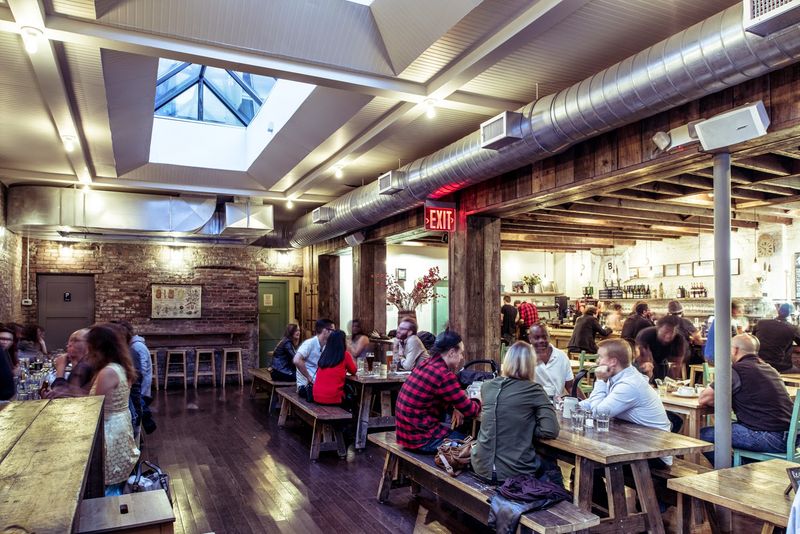
Want to understand why German food is finding a new audience in Brooklyn?
Black Forest Brooklyn offers a compelling answer to that question without ever feeling like it is making an argument.
The restaurant takes the foundational elements of German cooking and presents them in a setting that feels current and relaxed without abandoning the substance that makes the food worth eating in the first place.
The menu here moves between classic preparations and slightly updated interpretations of familiar dishes. Braised meats appear alongside roasted root vegetables seasoned with care.
The bread program is strong, and the house sauces are made from scratch with visible attention to balance. Nothing on the plate tries too hard, which is exactly the right approach when the ingredients and technique are already doing their job.
The interior has an industrial warmth that suits the Brooklyn setting well. Exposed brick, wooden tables, and thoughtful lighting create a mood that works equally well for a casual weeknight meal or a more deliberate weekend outing.
Black Forest Brooklyn is located at 733 Fulton St in Brooklyn, placing it on a busy commercial corridor with strong foot traffic and an eclectic surrounding neighborhood.
The crowd here skews younger than at some of the more established German restaurants in the area, which speaks to the restaurant’s ability to make traditional food feel accessible and relevant to a new generation of diners exploring the cuisine for the first time.
8. Schnitzel Haus, Brooklyn
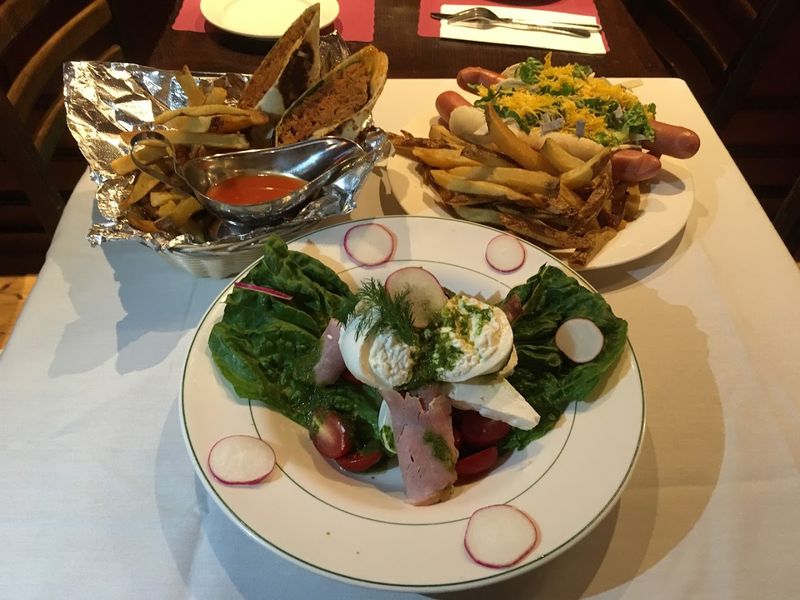
This family-run restaurant has earned its loyal following one plate of schnitzel at a time.
Schnitzel Haus does not rely on novelty or spectacle to draw guests in. It relies on consistency, portion size, and the kind of cooking that comes from genuine familiarity with the cuisine rather than academic study of it.
The schnitzel itself is the obvious centerpiece, available in pork, chicken, and veal preparations. Each version is pounded properly thin, coated evenly, and fried to a clean golden color.
The sides are equally well-considered. Roasted potatoes with herbs, braised cabbage, and house-made sauces round out the plate in a way that feels complete rather than supplementary.
The dining room is modest and comfortable, with wooden furniture and simple decorations that keep the focus firmly on the food and the company.
You can find Schnitzel Haus at 114 Bay Ridge Ave in Brooklyn. The neighborhood itself has a strong community identity, and the restaurant fits naturally into that fabric.
Regulars here are not just customers; they are participants in a small but meaningful food tradition that has been sustained through care and repetition.
The dessert menu, which includes strudel and Black Forest preparations, is worth saving room for. Leaving without trying the strudel would be a missed opportunity you might regret on the drive home.
9. Plattduetsche Park, Franklin Square
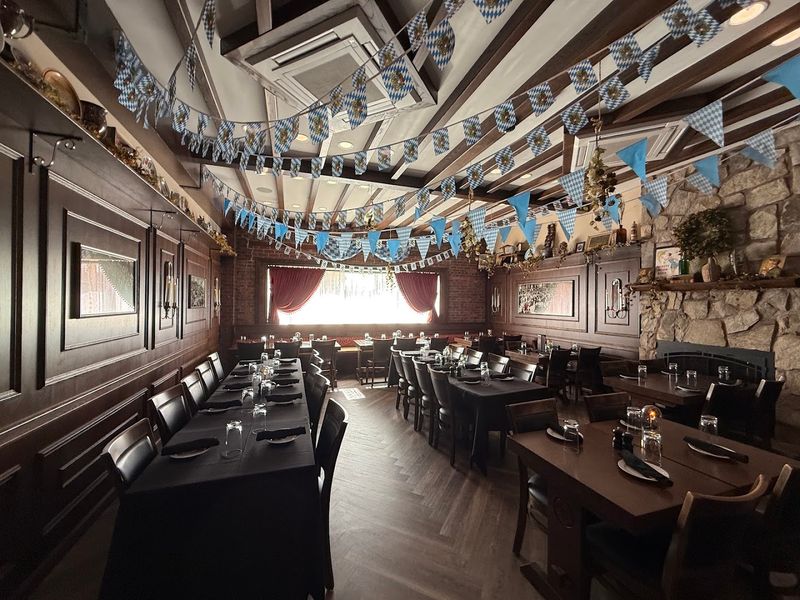
Not every great German restaurant is located in Manhattan, and Plattduetsche Park is proof of that.
This sprawling establishment in Franklin Square on Long Island has been a landmark since 1928, making it one of the oldest German restaurants in the entire New York region.
The scale of the property is remarkable, with indoor and outdoor sections that can accommodate large celebrations as easily as quiet dinners.
The cooking here is rooted in old-world tradition. Roast duck, pork knuckle, and hearty stews appear on the menu alongside lighter options that keep the experience accessible to a wider range of appetites.
The bread is baked fresh, and the desserts, particularly the Black Forest cake, are made with real attention to detail. Nothing on the plate feels rushed or careless.
The outdoor area during warmer months has a festive, open quality that makes the meal feel like an event rather than just a stop for food. You reach this historic establishment at 1132 Hempstead Turnpike in Franklin Square.
The drive from the city is part of the experience. It signals a shift in pace and expectation.
Plattduetsche Park suits leisurely weekend outings when you have time to settle in and appreciate the full scope of what a traditional German meal can be. It rewards patience generously.
10. Reichenbach Hall, New York
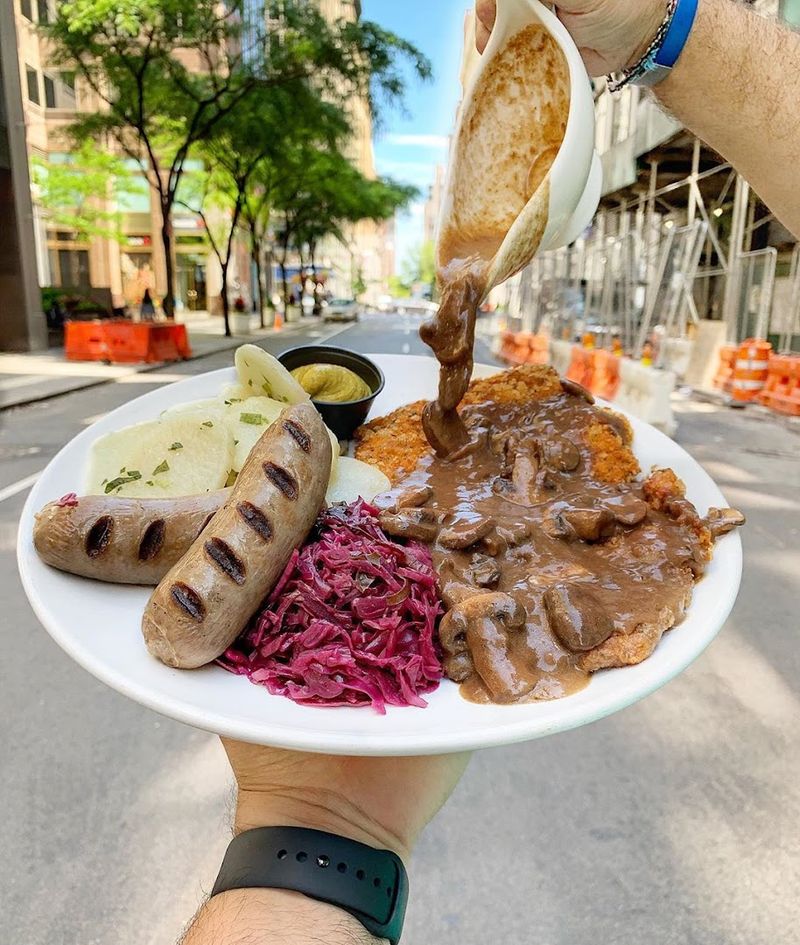
Who would have thought that a massive hall in Midtown Manhattan could feel this unpretentious?
Reichenbach Hall is a large, communal space that does not try to be anything other than what it is: a place to gather, eat well, and enjoy good company. The long wooden tables and high ceilings give it an open, welcoming energy that works for groups and solo diners alike.
The food here is straightforward and satisfying. Soft pretzels arrive warm with mustard, and the sausage platters cover the full German spectrum, from bratwurst to knackwurst.
The spaetzle is buttery and rich, made the way it should be. Every plate is designed for comfort rather than performance, which is exactly the right approach for this type of cooking.
The atmosphere on a busy evening is genuinely energetic without becoming chaotic. Tables fill up fast, and the noise level rises, but it never feels overwhelming.
You will find Reichenbach Hall at 5 W 37th St in New York, which puts it within easy walking distance of major Midtown landmarks. That central location makes it a practical stop before or after exploring the city.
If you have never eaten in a German hall-style setting, this is an excellent introduction to the format and the food.