12 Affordable Central Idaho Day Trips That Feel Like A Full Vacation For Under $65
A vacation should not require financial recovery afterward.
Central Idaho seems to understand this remarkably well.
Here, a full day can feel much bigger than the amount of money actually spent. The distances stretch, the scenery keeps changing, and somewhere along the way an ordinary day trip starts feeling suspiciously like you disappeared for a weekend.
Better yet, the region does not need expensive attractions to keep things interesting.
A tank of gas and a little curiosity can carry you surprisingly far, especially when the road itself becomes part of the experience.
The hardest decision may be knowing when to turn around.
Because once the mountains start opening up around you and the towns get smaller behind the windshield, “just one more stop” becomes very easy to justify.
So keep the budget modest and the schedule loose.
Central Idaho can make sixty-five dollars feel considerably more ambitious than it has any right to be.
12. Experimental Breeder Reactor-I Atomic Museum, Arco
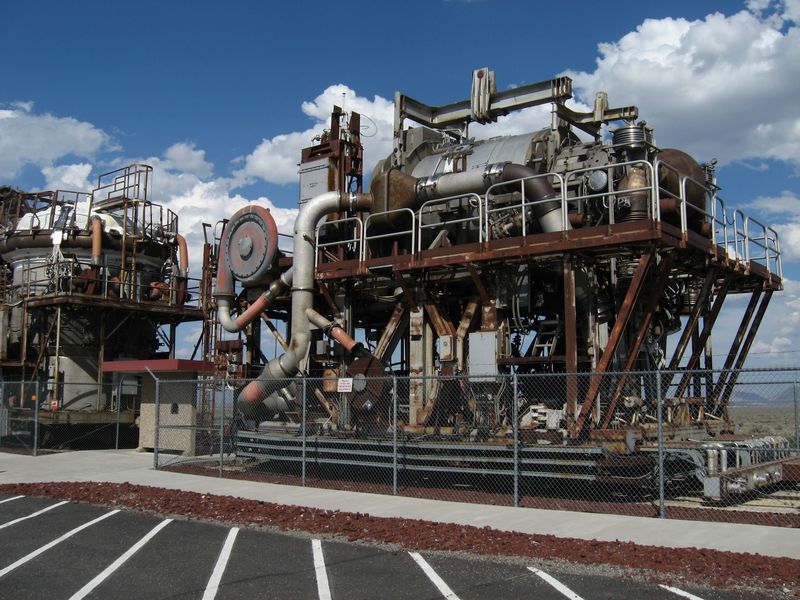
Free admission makes this one of the easiest history stops to fit into a budget. Experimental Breeder Reactor-I generated usable electricity from nuclear energy on December 20, 1951.
The building now operates as a museum filled with original equipment and interactive displays. You can see the reactor control room and several historic reactors without buying a tour ticket.
The facility sits along U.S. Highway 20 between Arco and Idaho Falls.
For 2026, it is open daily from 9 a.m. to 5 p.m. through Labor Day. No reservation is required for an ordinary visit.
This year also marks the approaching 75th anniversary of its first historic electricity generation. Give yourself enough time to look beyond the main control room.
The exhibits turn a complicated scientific story into something far easier to understand. Best of all, the entire museum costs nothing to enter.
Pack lunch and the biggest expense may simply be getting there.
11. Craters Of The Moon Lava Tube Caves, Near Arco
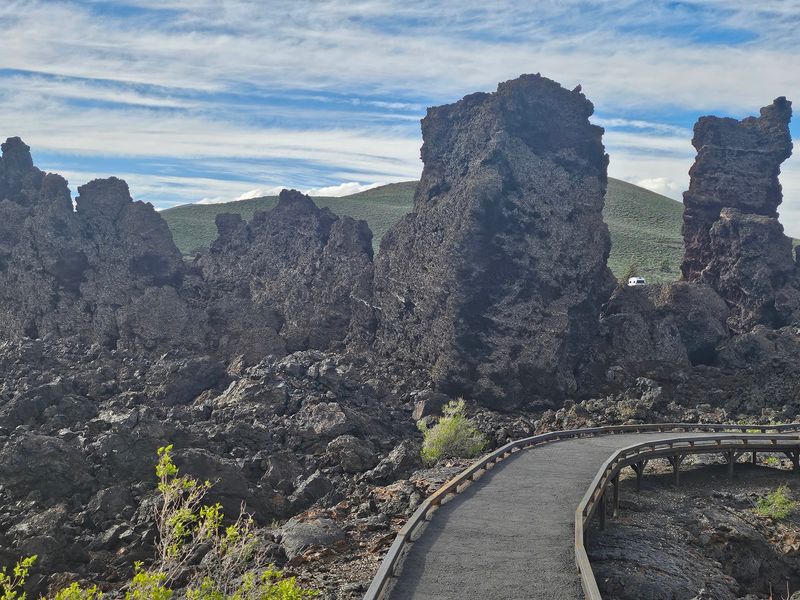
Twenty dollars per vehicle unlocks one of Idaho’s strangest landscapes for seven consecutive days. Craters of the Moon spreads lava flows, cinder cones, and underground tubes across a landscape that looks wildly different from the surrounding high desert.
Cave exploration requires a free permit obtained in person during visitor-center hours. Current rules limit public cave entry to Indian Tunnel and Dewdrop Cave.
Other caves are closed for safety and bat protection. Bring sturdy footwear and a dependable light source.
Sharp rock, uneven surfaces, darkness, and lingering ice can all appear underground. Gear previously used in another cave or mine cannot be taken inside because of white-nose syndrome precautions.
The $20 vehicle entrance fee covers everyone inside a private car. National park passes can reduce or eliminate that cost for eligible visitors.
Even without one, a full day of lava trails and cave exploration stays comfortably below the $65 mark.
10. Camas Prairie Centennial Marsh, Near Fairfield
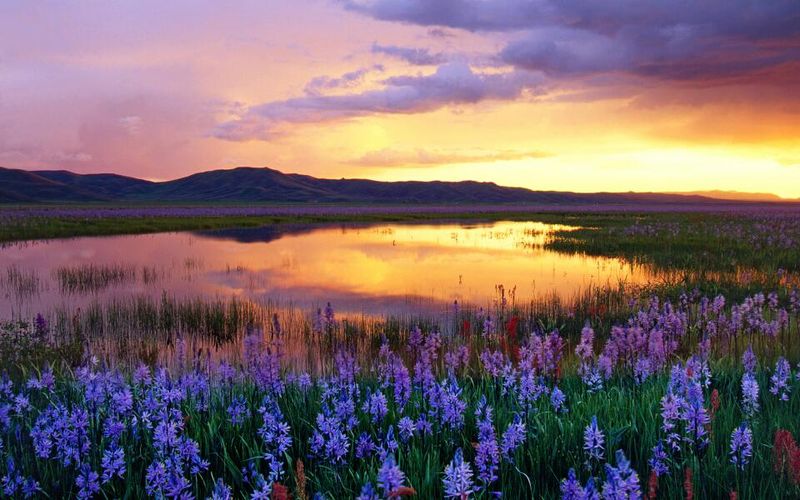
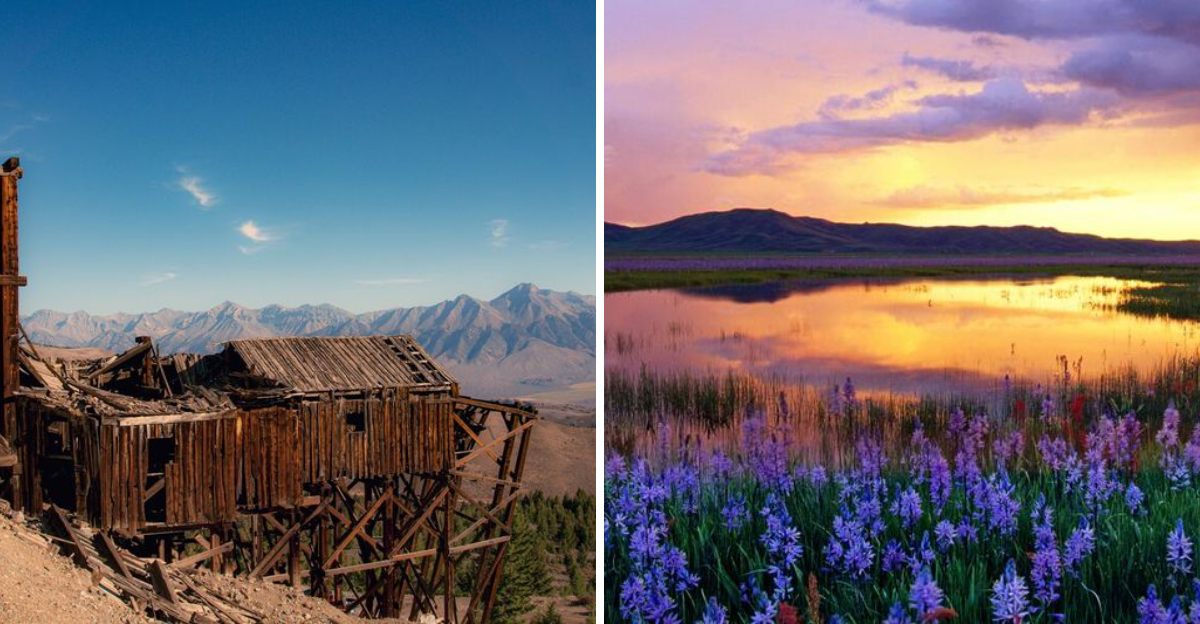
August looks very different here than late May, and that is worth knowing before making the drive. Camas Prairie-Centennial Marsh Wildlife Management Area covers about 6,240 acres near Fairfield.
Spring snowmelt floods the prairie and creates an enormous seasonal wetland. The famous camas lily bloom usually reaches its best color from late May into early June.
By mid-July, much of the temporary water has begun receding. Summer still brings open prairie, birds, photography, and enormous skies, but visitors should not expect the purple carpet seen in spring photographs.
Maintained gravel roads provide access through the wildlife area. Public facilities are limited to an outhouse, picnic table, and a small amount of shade at one location.
There is no elaborate visitor complex waiting at the end. Bring water, binoculars, and anything needed for lunch.
That simplicity is also what keeps the day inexpensive. A spring return trip can reveal an almost completely different version of the same landscape.
9. Yankee Fork Gold Dredge, Near Custer
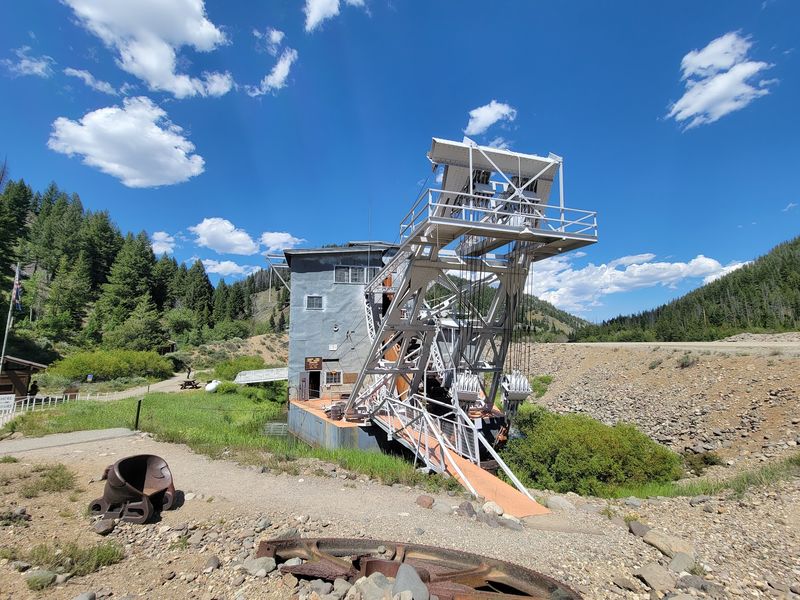
A machine weighing nearly 1,000 tons is difficult to appreciate until you are standing beside it. Yankee Fork Gold Dredge weighs about 988 tons and measures more than 112 feet long.
Construction began in 1940, and the dredge worked the Yankee Fork before finally stopping in 1953. Today, visitors can explore it through a self-guided tour.
Volunteers remain around the dredge to answer questions and help visitors understand the machinery. The season runs from Memorial Day weekend through Labor Day.
Daily tour hours are 10 a.m. to 4:30 p.m. Adult admission is only $5, while children ages 6 through 12 pay $1.
The drive adds another layer to the trip. From Stanley, follow Highway 75 toward Sunbeam and then turn up the Yankee Fork road.
Old dredge tailings begin appearing before the machine itself. With such a low admission price, there is plenty of room left in the day-trip budget for another historic stop nearby. 300 Yankee Fork Rd, Stanley, ID is the location.
8. Custer Ghost Town, Near Stanley
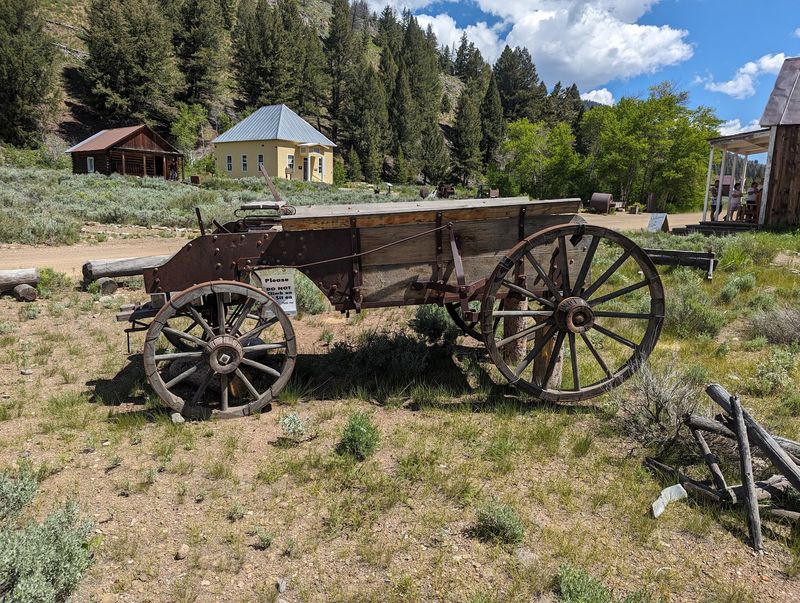
A gravel road along the Yankee Fork eventually delivers you to one of central Idaho’s best-preserved mining townsites. Custer grew after gold discoveries transformed this mountain drainage during the late 1800s.
Today, surviving buildings and interpretive displays help visitors understand the community that once occupied this remote valley. The townsite forms part of the larger Land of the Yankee Fork Historic Area.
That same region includes Bonanza, Bayhorse, the gold dredge, and the interpretive center near Challis. Summer offers the most dependable access to Custer.
High-elevation roads can become difficult or inaccessible outside the warmer season. The site sits around 6,500 feet above sea level, so temperatures can also feel noticeably cooler than lower valleys.
Pack food and water before heading up the Yankee Fork. Cell coverage and nearby services are limited.
Combining Custer with the $5 gold dredge creates an especially strong history day without putting much pressure on the budget. It also saves a separate drive into the same mountain corridor.
7. Bayhorse Ghost Town, Near Challis
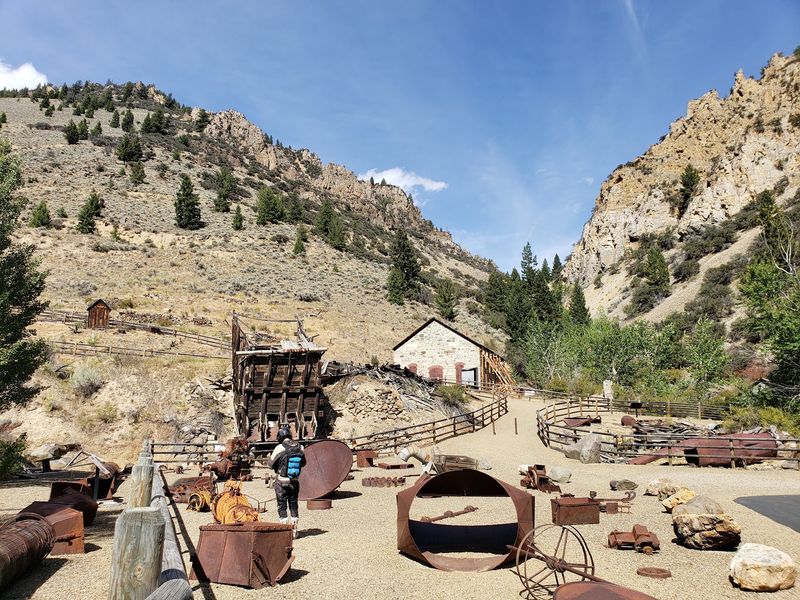
Stone buildings, old mine structures, and rugged hillsides give Bayhorse a very different personality from Custer. The townsite belongs to Land of the Yankee Fork State Park and reopened for the 2026 season on May 1.
Idaho State Parks currently charges a $7 motor vehicle entrance fee unless the vehicle displays a qualifying state parks passport or annual entrance sticker. That fee remains a bargain for an afternoon of walking and history.
Bayhorse preserves remains connected to the silver and lead mining era of this part of Custer County. Follow designated routes and barriers around historic structures rather than treating abandoned buildings as places to climb through.
The surrounding state park also offers hiking, biking, wildlife watching, and routes used by off-highway vehicles. An August 2026 riding event is scheduled in the broader Bayhorse area, so checking park updates can help avoid unexpectedly busy periods.
Pack lunch and continue toward Challis afterward. The park’s interpretive center adds more mining history for only a small additional charge.
6. Sunbeam Dam And Hot Springs, Near Stanley
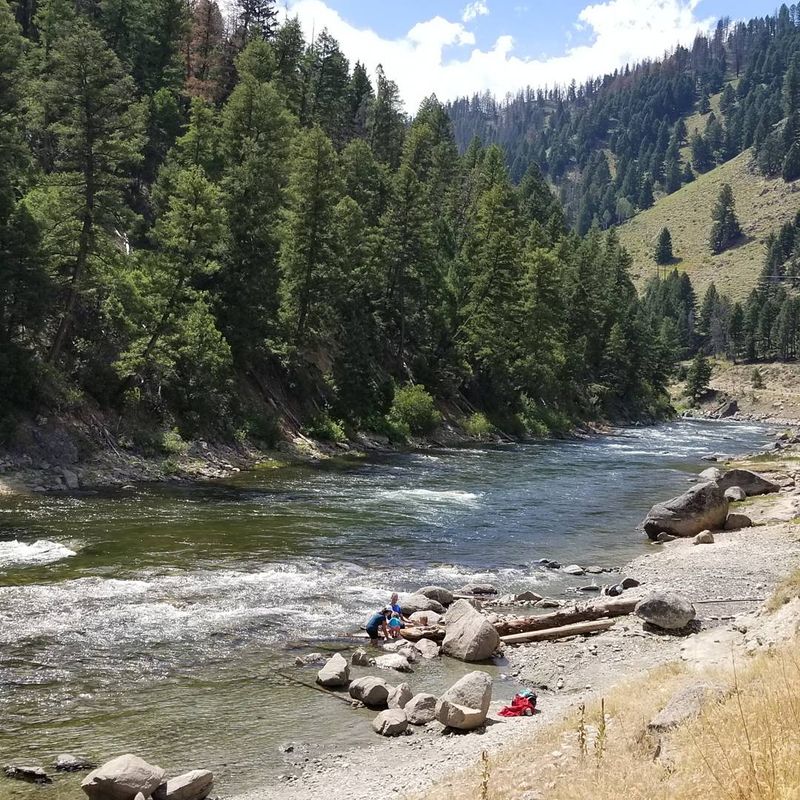
Pull off Highway 75 and two very different pieces of Idaho history sit close together. Sunbeam Dam was constructed across the Salmon River in 1910.
It operated briefly before later becoming an obstacle on an important fish migration route. Part of the structure was removed in 1934, and remnants remain visible today.
Nearby, Sunbeam Hot Springs releases geothermal water beside the river. The source can reach about 169 degrees, which is hot enough to cause serious burns.
Safer soaking happens only where spring water has mixed sufficiently with cold river water. Always test the temperature before entering.
River levels can also change which pools are usable. A Civilian Conservation Corps bathhouse built in 1937 remains nearby as an interpretive feature.
There is no admission ticket needed to stop and explore the area. That makes Sunbeam especially easy to combine with Custer or the Yankee Fork Gold Dredge.
The Salmon River scenery would make the drive worthwhile even without the historical sites waiting along the road.
5. Mackay Mine Hill Tour, Mackay
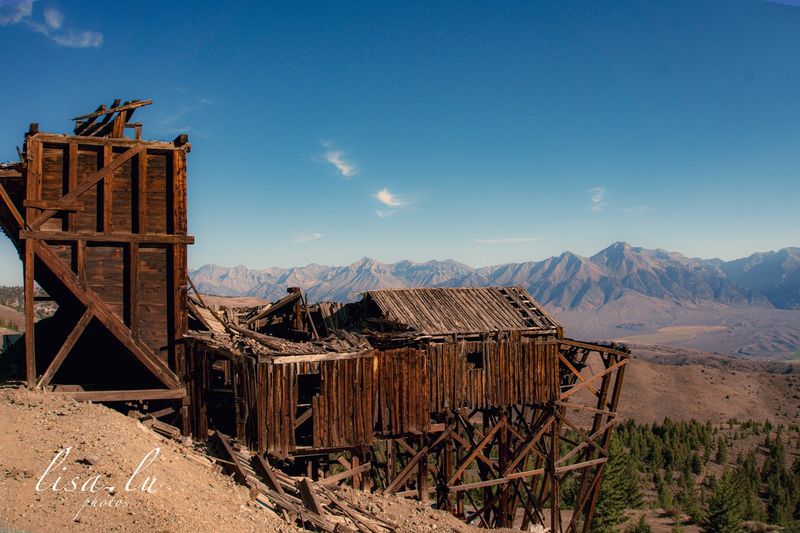
A free map can lead to several hours of mining ruins and enormous mountain views above Mackay. The self-guided Mine Hill Tour includes up to 19 interpretive sites and several additional points of interest.
Old tramway structures, cabins, mine remnants, and the restored Shay railroad trestle appear along the routes. Not every road suits every vehicle.
The green route uses rough but maintained gravel roads. Blue sections become steeper and are unsuitable for low-clearance cars.
Red sections are limited to narrower recreational vehicles, motorcycles, bicycles, horses, and hikers. Ongoing mining has also removed public access to some former sites.
Temporary closures can happen too. Pick up the current map before heading uphill rather than relying on an old online route description.
Bring food, water, and a spare tire plan because services disappear quickly above town. There is no general admission charge for the tour itself.
Your biggest cost is fuel, which makes this an excellent choice when you want a full day of exploring without paying attraction fees at every stop.
4. Sawtooth Fish Hatchery, Stanley
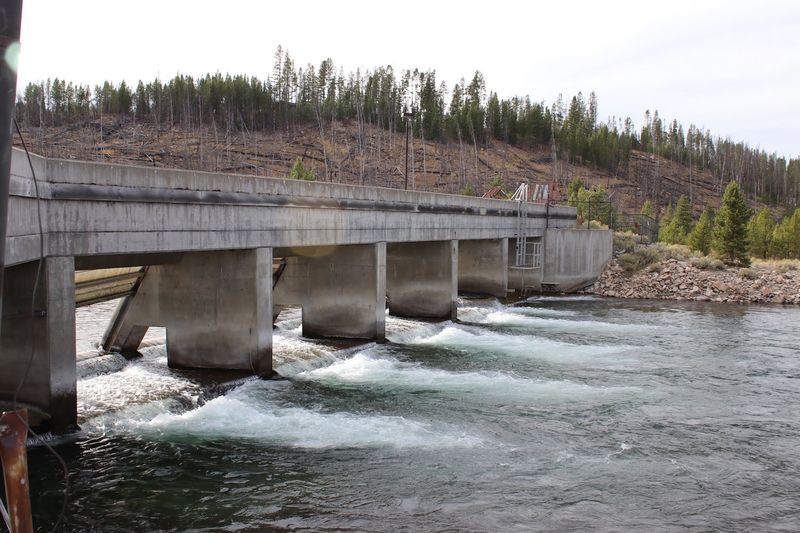
Late summer gives this free stop one of its most interesting seasonal highlights. Adult Chinook salmon can be seen at Sawtooth Fish Hatchery from late July through mid-September.
The facility sits about five miles south of Stanley at 10 Fish Hatchery Drive. Its visitor center is open daily from 8 a.m. to 5 p.m. year-round.
During the summer season, guided tours run daily at 1:30 p.m. from Memorial Day through Labor Day. The hatchery raises spring Chinook salmon and works with steelhead as part of a much larger regional fish program.
Visitors can see raceways, learn about migration, and understand how fish return to the upper Salmon River. A fishing pond is also available for anglers age 17 and younger.
Do not count on complimentary tackle during an ordinary visit. Loaner equipment is offered during certain special events rather than every day.
Admission itself costs nothing. Pair the hatchery with a picnic beside the Salmon River and the day can feel surprisingly complete before a dollar reaches an attraction counter.
3. Silver Creek Preserve, Near Picabo
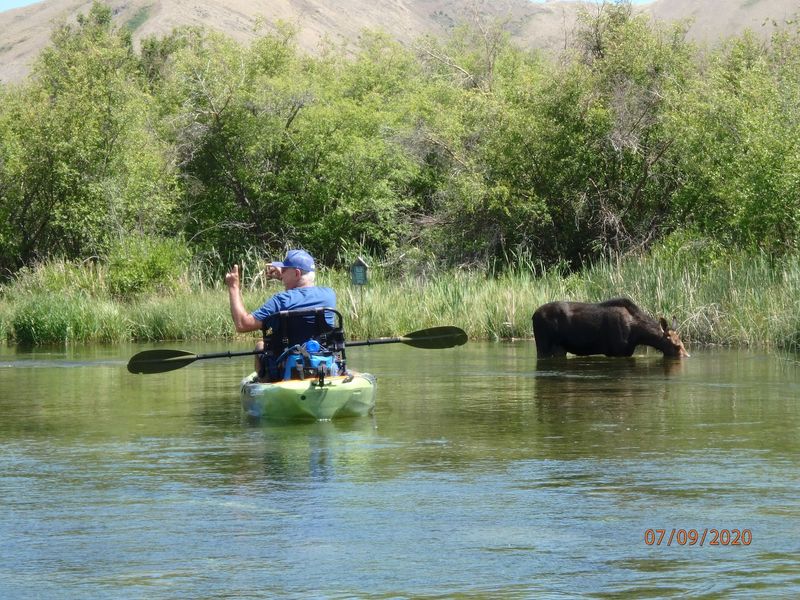
Slow the day down beside one of Idaho’s most celebrated spring-fed streams. Silver Creek Preserve protects clear water, wetlands, meadows, and riparian habitat near Picabo.
Around 150 bird species have been identified here, while moose, elk, deer, and other wildlife also use the area. Hiking, photography, birdwatching, and seasonal fishing give visitors several ways to explore.
The preserve itself is open from dawn to dusk throughout the year. Fishing runs from Memorial Day weekend through November 30.
Before entering, every visitor must complete the required electronic sign-in. Dogs are not allowed.
The Conservation and Education Center has separate seasonal hours and is closed on Mondays. Summer hours extend through Labor Day, though some areas can be restricted during ongoing restoration work.
A self-guided trail starts near the visitor facilities. There is even a free downloadable audio tour for anyone who wants more context while walking.
Pack out everything you bring because public trash service is not provided. The preserve itself remains an exceptionally low-cost way to spend several peaceful hours outdoors.
2. Ernest Hemingway Memorial, Sun Valley
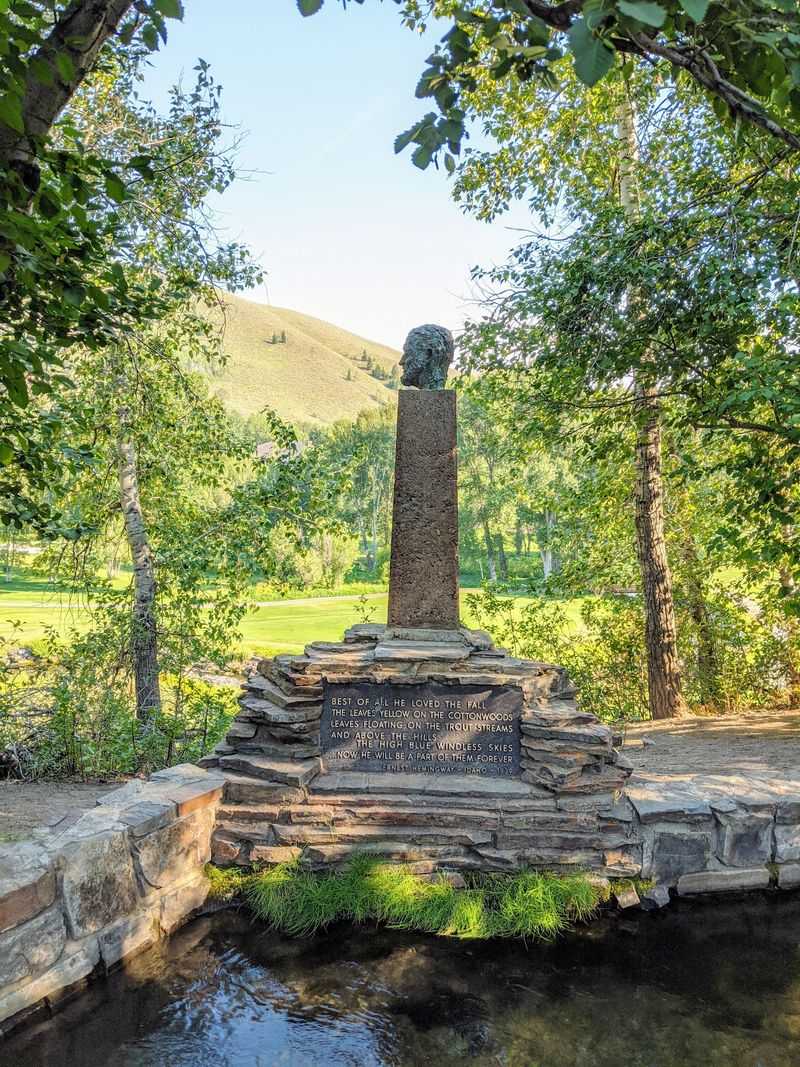
A quiet bend along Trail Creek offers a short literary stop without an admission booth or scheduled tour. The Ernest Hemingway Memorial stands about one mile east of Sun Valley Lodge.
A bronze bust and stone monument sit among trees beside the creek, creating a setting that feels much calmer than the resort activity nearby. The memorial was dedicated in 1966 and remains accessible throughout the year.
There is no fee to visit. The stop itself may take only 20 or 30 minutes, which is exactly why it works well inside a larger Sun Valley day.
Pair it with a walk around the village, a picnic, or a scenic drive toward Galena Summit. That combination keeps the day focused on landscape and local history without requiring expensive resort activities.
Trail Creek also gives the memorial a strong sense of place. Trees, flowing water, and mountain air do most of the work.
For travelers interested in Idaho’s literary connections, this small site provides an easy addition to the itinerary without changing the budget at all.
1. Galena Summit Overlook, Between Ketchum And Stanley
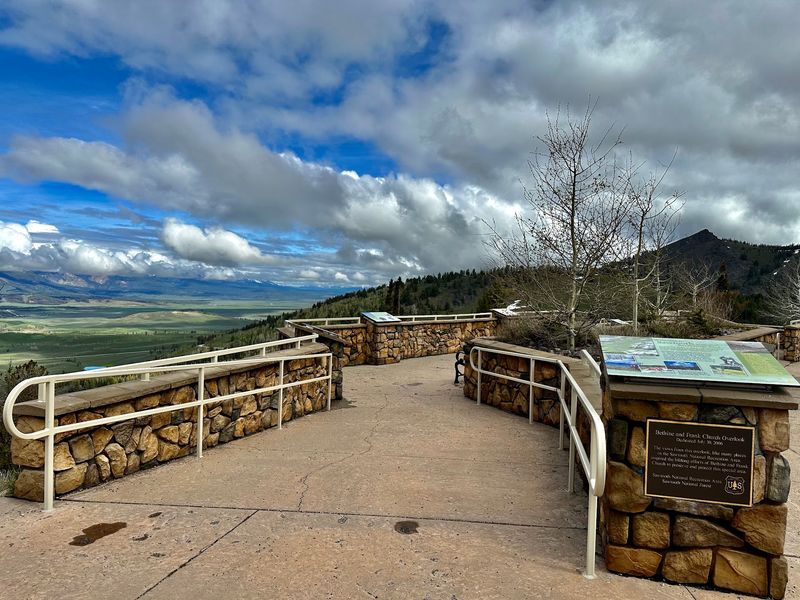
Few free roadside stops deliver a payoff this large. Highway 75 climbs from the Wood River Valley to Galena Summit at about 8,701 feet.
Just beyond the pass, a large scenic pullout opens toward the Sawtooth Valley. The headwaters of the Salmon River spread below, while the jagged Sawtooth Mountains rise across the western horizon.
Nothing has to be booked. There is no admission window and no attraction schedule to beat.
Pull over safely, step out, and let the scale of the valley take over. Summer offers the easiest driving conditions, though mountain weather can change quickly at this elevation.
Fall brings another beautiful version as vegetation begins shifting color. The overlook becomes even more useful when paired with the drive between Ketchum and Stanley.
Redfish, Pettit, and Alturas lakes all lie farther north in the broader valley. You can easily build a full scenic day around the highway while keeping the actual sightseeing cost at zero.
Sometimes the best Central Idaho admission price is simply an empty parking space beside an enormous view.