An Iconic Connecticut Roadside Stand Has Been Serving Up Tradition For More Than 85 Years
Roadside stands earn their charm the old-fashioned way: one summer at a time, one familiar order at a time.
This place has been doing exactly that since 1939, which means generations have pulled over for the same simple ritual.
The menu is uncomplicated, the picnic-table setting is part of the appeal, and nobody seems especially interested in reinventing what already works.
Connecticut has plenty of newer food stops, but very few can match this kind of lived-in roadside history.
You come for something quick and end up getting a little slice of summer tradition with it.
That is what makes places like this stick.
No giant sign is needed. No dramatic makeover either. Just a stand that has kept showing up season after season while people keep finding their way back.
After more than eight decades, that kind of staying power says almost everything you need to know about why people still stop.
1. Roadside Simplicity Has Barely Changed In Decades
Some places make simplicity feel special. That is exactly what happens here.
The routine feels almost frozen in time. Even the ordering process has barely changed from what longtime visitors remember.
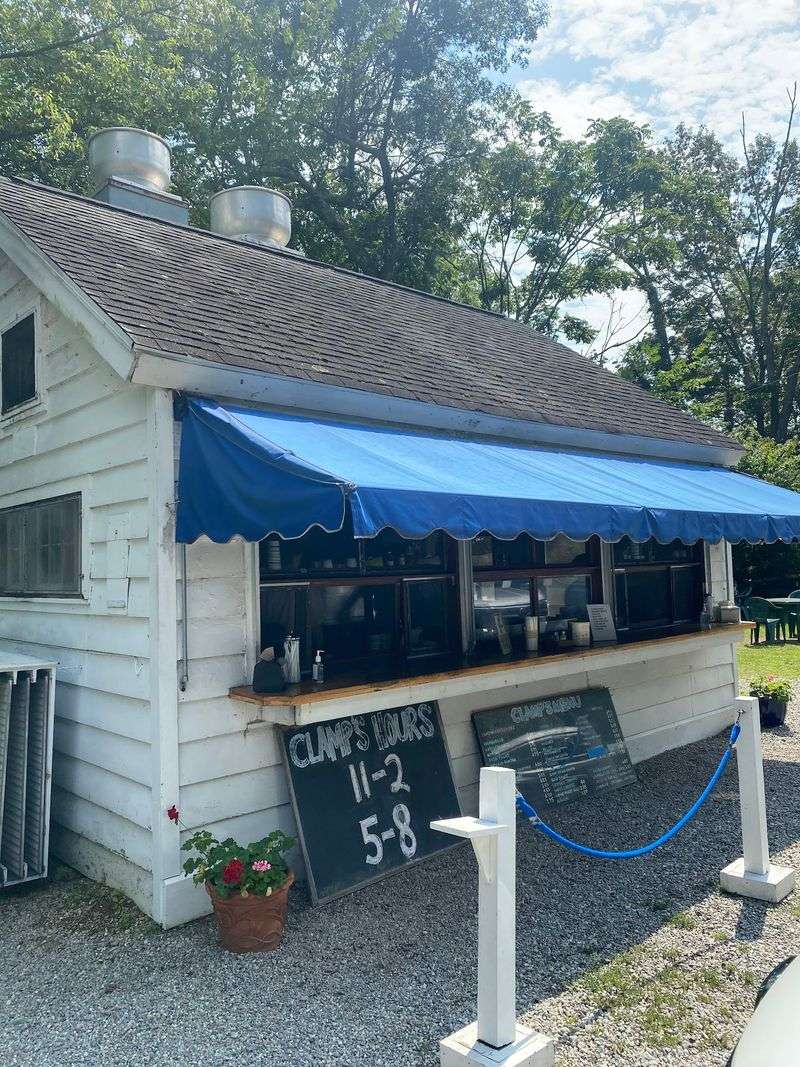
Guests walk up to one of the front windows, place an order, and wait for their name to be called. Food comes out on round white trays, ready to carry over to the picnic tables outside.
There is no indoor dining room, which keeps the whole experience casual from the moment you arrive.
Since 1939, Clamp’s Hamburger Stand has been serving locals and travelers along Route 202 in New Milford. The menu stays focused on familiar roadside favorites, with burgers drawing much of the attention.
Cash remains the way to pay, adding another old-school touch to a stop that has never needed much fuss.
The little building is modest, the seating stays outdoors, and passing traffic becomes part of the background while people eat. Nothing feels polished just for appearances.
That is exactly why the experience works.
Restaurant trends may come and go, but this seasonal roadside favorite keeps returning to the same simple formula. Order at the window, grab a tray, and settle in outside.
The charm comes from how little the routine has needed to change.
2. A Remote Country Road Keeps The Stand Hidden
Blink and you might miss it. That is part of the charm.
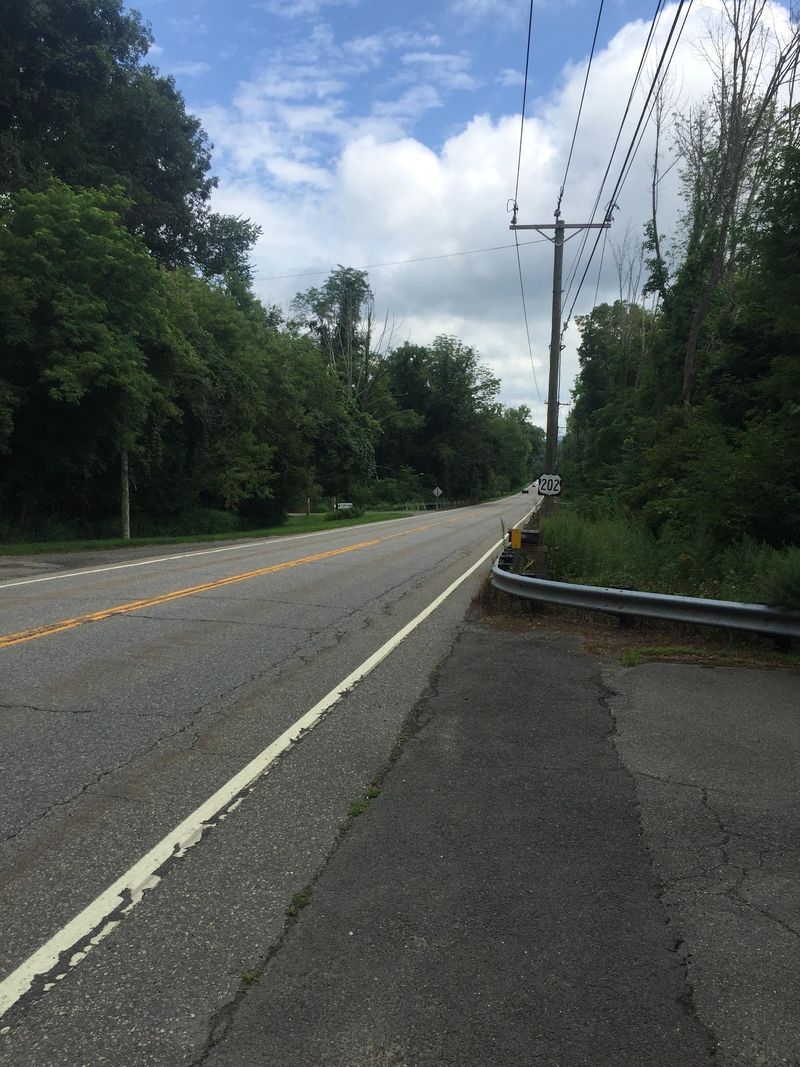
The little roadside stand sits low among trees beside Route 202. Passing traffic can hide it before you realize you have arrived.
For generations, Clamp’s Hamburger Stand has felt more like a local secret than a marked destination. The modest white shack keeps the focus on simple roadside dining, with picnic tables outside and woods framing the scene.
Regulars have long helped newcomers find it by word of mouth, adding to the old-school appeal.
Even today, the setting feels pleasantly removed from busier commercial stretches. Cars roll past on Route 202, but once you settle at a picnic table, the surrounding greenery gives the stop an easy country-road atmosphere.
The stand has served customers since 1939, and that history makes the unchanged setting feel especially memorable.
Visitors coming for the first time should slow down as they approach and watch for parked cars gathered near the roadside. Clamp’s Hamburger Stand is at 518 Litchfield Rd, New Milford, CT 06776.
On busy summer days, those cars can be a better clue than any oversized roadside marker. Once you spot the little stand, the search becomes part of the fun.
3. Summer Tradition Has Lived Here Since 1939
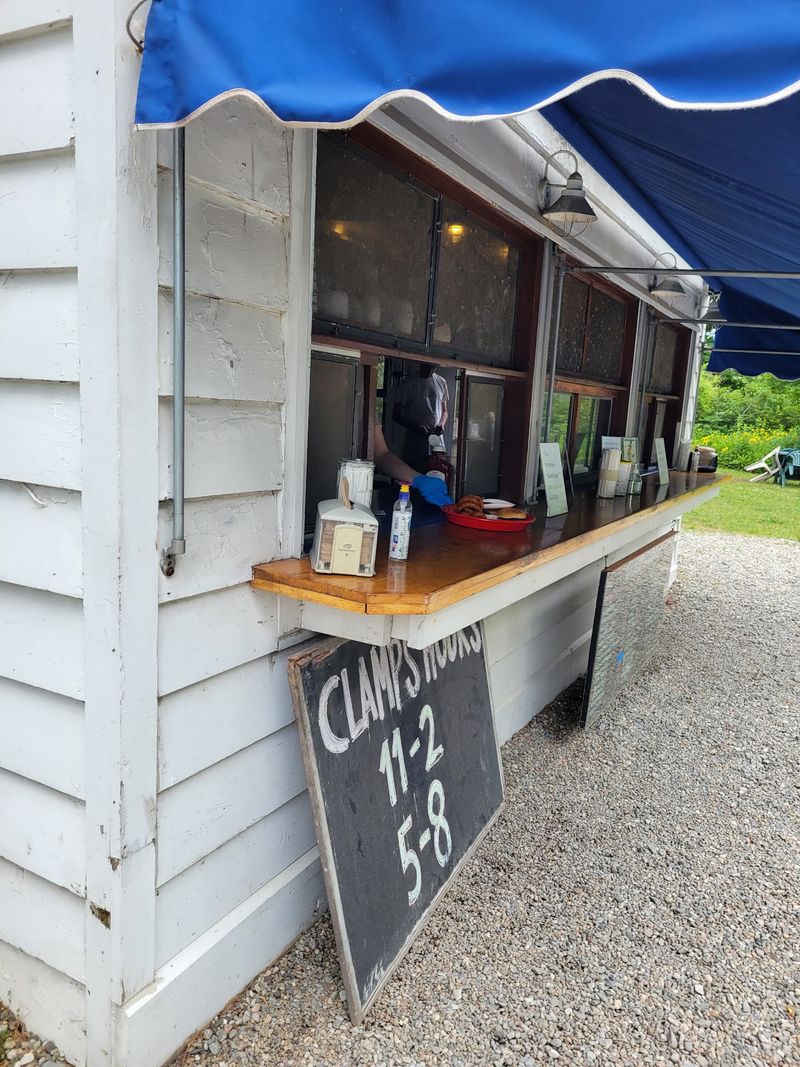
Back in 1939, roadside stands like this one dotted American highways, built during hard times to feed travelers something quick and hot. Most of them faded away as chain restaurants spread. Clamp’s kept going.
Generations of Connecticut families have grown up with the same ritual: the first warm week of the season arrives, someone says it must be open by now, and off everyone goes.
The stand typically opens in late April and wraps up its season in early September, which ties it neatly to summer itself. That short window turns each visit into something a little more meaningful than an ordinary lunch stop.
Longtime visitors often talk about coming here as children and later bringing their own kids, which says plenty about how deeply the place is woven into local memory.
Part of what makes the experience feel historic is that so little has been updated. The trays, the windows, the picnic tables, and the short menu all look much the way earlier customers would remember them.
You are eating at one of the last survivors of a vanished era of American road food. That thought alone tends to make the burger taste better.
4. No Phone And Little Advertising Keep Things Old-School
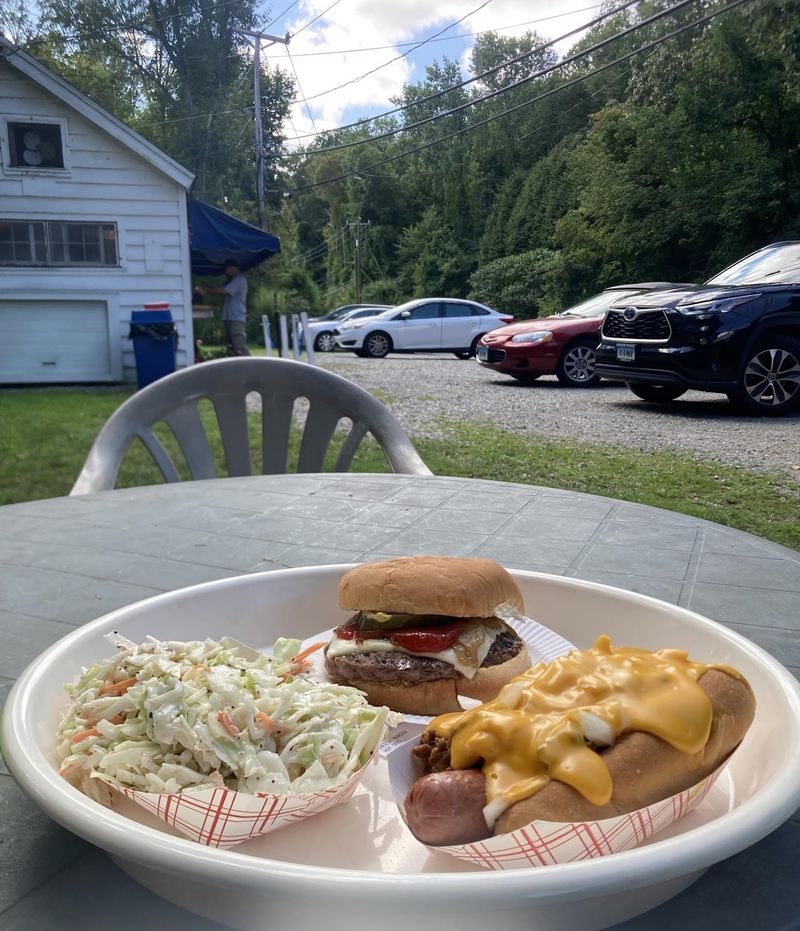
Here is the quirk that turned a burger shack into a legend: the business card once read NO SIGN, NO ADDRESS, NO PHONE, JUST GOOD FOOD. That was not a marketing slogan.
It was a plain description of the situation.
The stand has never advertised and operated without a phone line for essentially its entire history, and it was not listed in phone books either.
There was a larger sign once, but a windstorm in the 1960s took it down and nobody bothered to put up a replacement. The only marker now is a small sign on the side of the building reading Clamp’s Est. 1939.
Social media presence stays minimal too, though travelers coming from a distance can sometimes send a message and get a reply from the crew about whether the grill is on that day.
What makes all this remarkable is that the place still draws steady crowds. Word of mouth has carried it for more than eight decades, showing how far a consistent local reputation can travel without much advertising.
If you are driving in from far away, build a little flexibility into your plans and treat the trip as part of the adventure.
5. Fresh Burgers Built The Stand’s Reputation
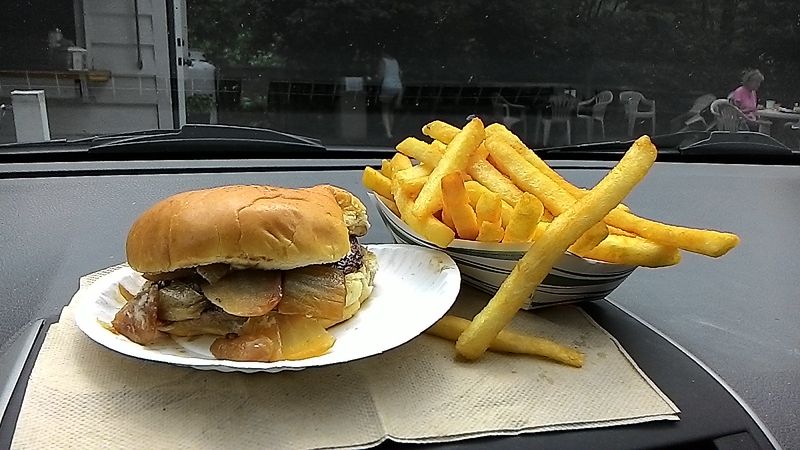
Order a cheeseburger with fried onions and you will understand the fuss within two bites. The patty comes off the grill with slightly crisp, charred edges and a smoky flavor, while the inside stays juicy enough to soften the soft bun holding it together.
Portions are modest rather than towering, which lets the flavor of the meat do the talking.
The beef is picked up daily from a local butcher and cooked to order, so a small wait is normal and worth it. Regulars swear by the fried onions, cooked down until they turn sweet and golden, with nothing more than salt and pepper to finish.
Beyond burgers, the board covers the classics of roadside cooking: hot dogs, grilled cheese, steak sandwiches, hand-cut fries, and onion rings that get talked about nearly as much as the burgers themselves.
Fried seafood options and a fish sandwich turn up on the menu as well, and milkshakes have been part of the lineup.
Families with picky eaters do fine here, since grilled cheese and fries please almost everyone. Come hungry, order simply, and let the fryer and grill handle the rest.
6. Shady Picnic Tables Complete The Experience
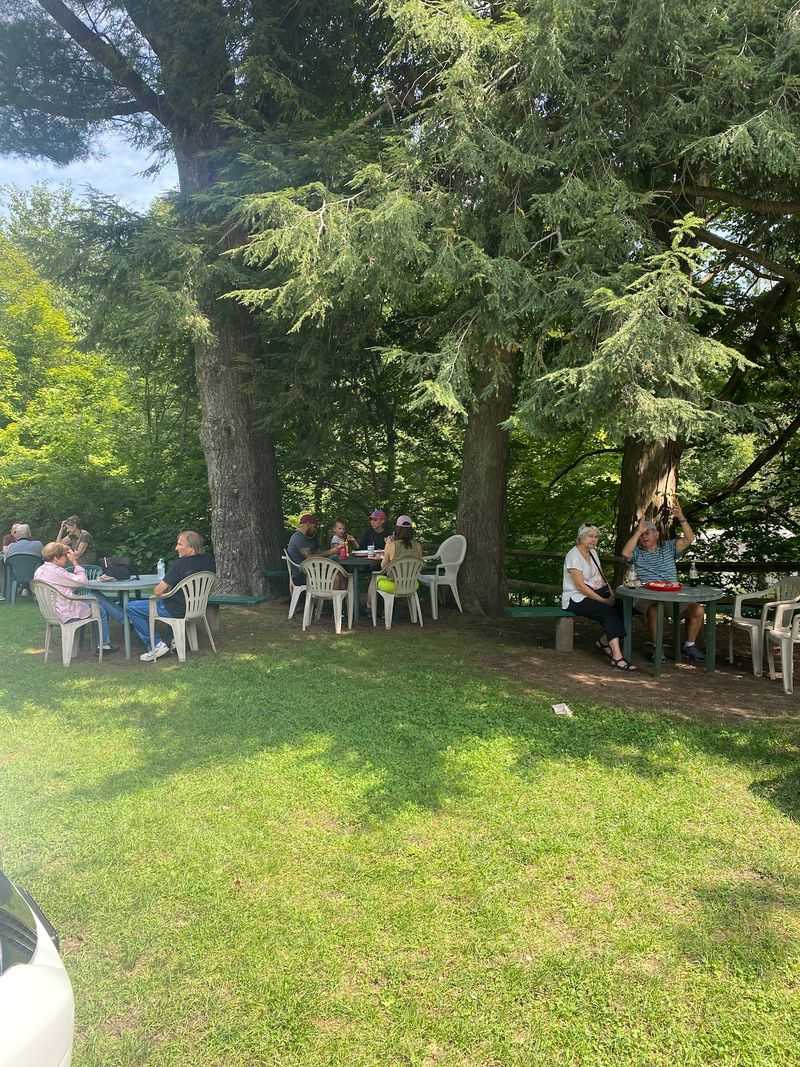
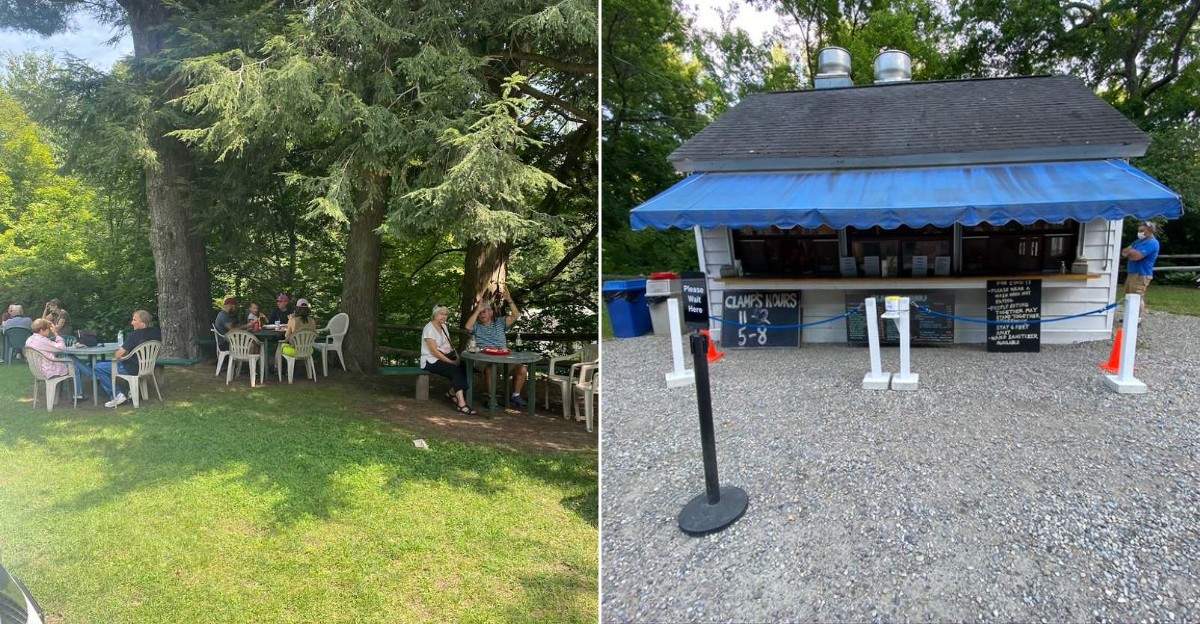
Grab your tray and look for a spot on the grass. Dining here happens entirely outdoors, since there is no indoor seating at all, and honestly that is the best part.
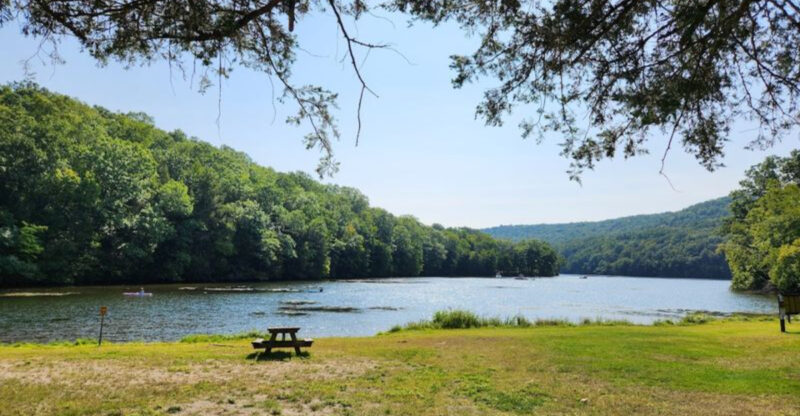
Wooden picnic tables sit in shaded, grassy areas on both sides of the building, sheltered by tall trees that keep the worst of the midday sun off your food.
The setting turns an ordinary meal into a proper country picnic. Leaves rustle overhead, cars hum past on the road, and kids wander between tables while the grown-ups finish their fries.
Dogs are a common sight in the grass too, which adds to the relaxed, neighborly feel.
Parking is available on site, though the lot fills up quickly on weekend afternoons and can take a bit of patience.
A few practical suggestions make the visit smoother. Bring napkins if you like extra, since outdoor eating gets messy.
Arrive a little before the rush if you want a shaded table rather than a sunny one.
And keep an eye on the sky, because a rainy day changes everything about eating at a place with no roof over the seats.
7. Seasonal Hours Make Timing Part Of The Tradition
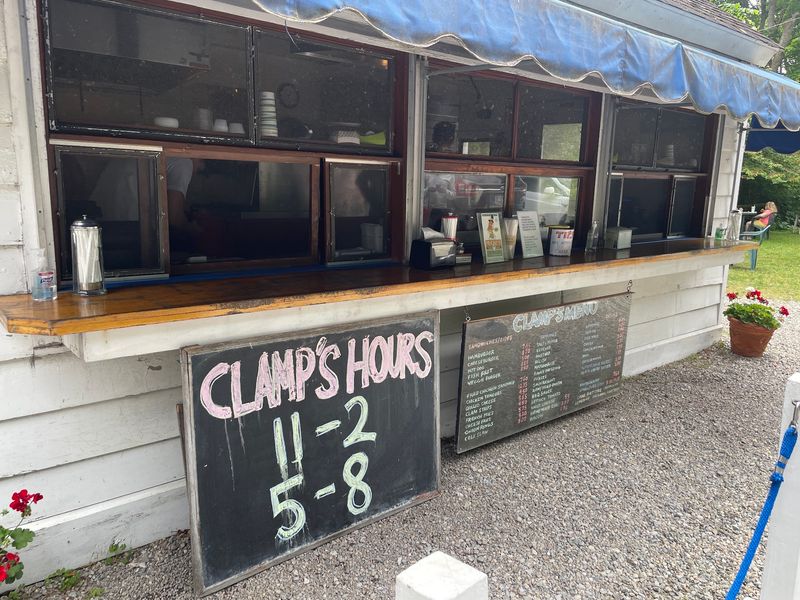
Planning matters here more than at almost any other restaurant in the state. The stand runs on a seasonal schedule, typically opening in late April and closing by early September, so roughly four and a half months of the year.
Within that season, the daily rhythm is split in two: service generally runs from 11 AM to 2 PM, then pauses before starting again from 5 PM to 8 PM.
That midday break catches plenty of first-timers off guard. Roll in at three in the afternoon and you will find a quiet, empty lot.
Heavy rain can also bring an early close, since the entire dining area sits outside under open sky.
Rather than treating the schedule as an inconvenience, longtime visitors have folded it into the tradition. Trips get planned around lunch or an early supper, and arriving during those windows becomes part of the ritual.
If you are driving a long distance, aim for the start of a service window on a clear, dry day, and keep a backup plan in your pocket just in case.
Weather and seasonal dates can shift year to year, so a bit of flexibility goes a long way.
8. More Than 85 Years Still Feel Refreshingly Simple
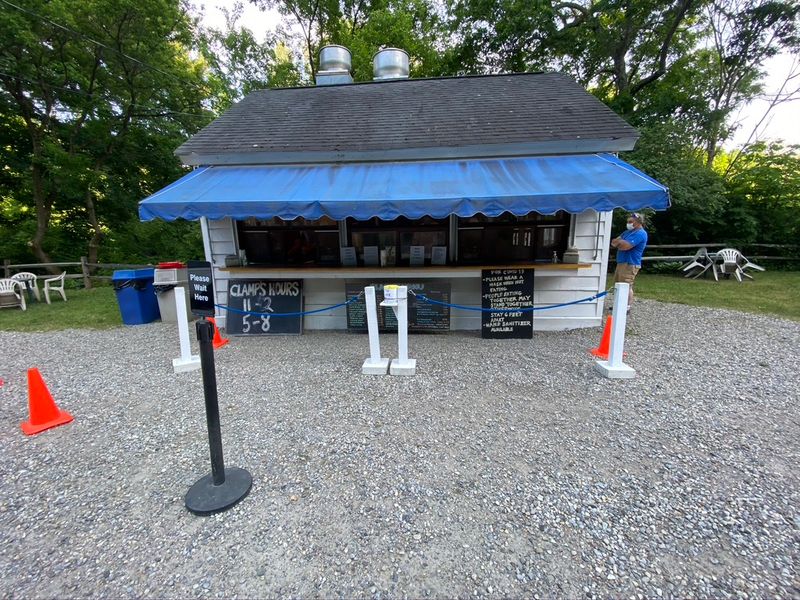
Eighty-five years is a long run for any restaurant, let alone a seasonal shack with no phone and barely a sign. Since 1939, this small stand has kept doing the same handful of things well, and that steadiness is exactly why people keep returning.
The food is uncomplicated, the setting is grass and trees, and the service moves at the pace of a hot grill.
Visitors frequently describe the atmosphere as friendly and unhurried, the kind of place where you finish eating and then linger a while because leaving feels premature. Families use it as a summer marker, a stop on the way to a lake or a reason for an afternoon drive through Litchfield County.
Prices reflect fresh ingredients and a short season, and most people find the trade worthwhile for food cooked to order.
What lasts in memory is not any single sandwich. It is the whole scene: a tray in your hands, a shaded table, the sound of traffic on 202, and the feeling that some good things really can stay the same.
Make the drive once and you will understand why generations keep coming back.