This Small Connecticut Restaurant Is Getting National Attention For Its Incredible House-Made Pasta
What makes a small restaurant start turning heads far beyond its own neighborhood?
Sometimes it is not a flashy dining room or an oversized menu. It is the kind of cooking that quietly makes people pay attention. That is exactly what has happened here.
In Connecticut, this intimate Italian spot has earned national recognition while keeping the focus on carefully made food and a dining experience that feels personal rather than showy.
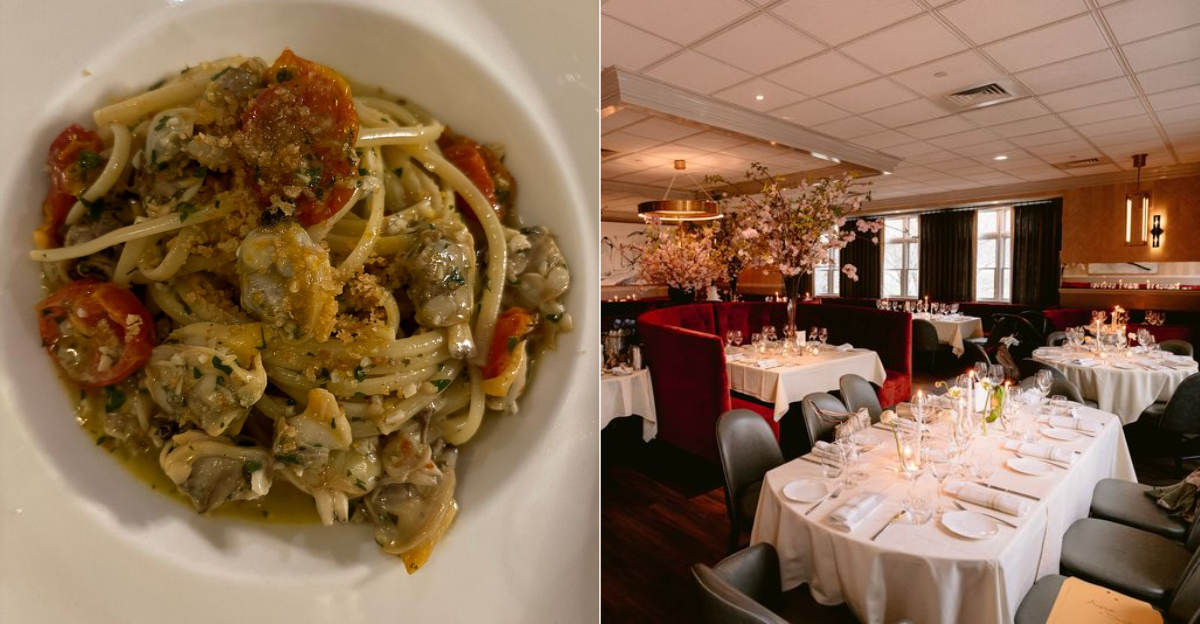
The house-made pasta is a big reason people get excited.
It has the kind of texture and richness that can make a simple plate feel much more memorable than expected.
There is a confidence to the cooking without any need to overcomplicate things.
You come in curious about the buzz, then start understanding why the restaurant has reached a much wider audience.
For a place this small, the attention is getting pretty big.
And the pasta may be the most convincing reason to see what everyone is talking about.
1. Refined Italian Cooking Gives This Small Restaurant Big Appeal
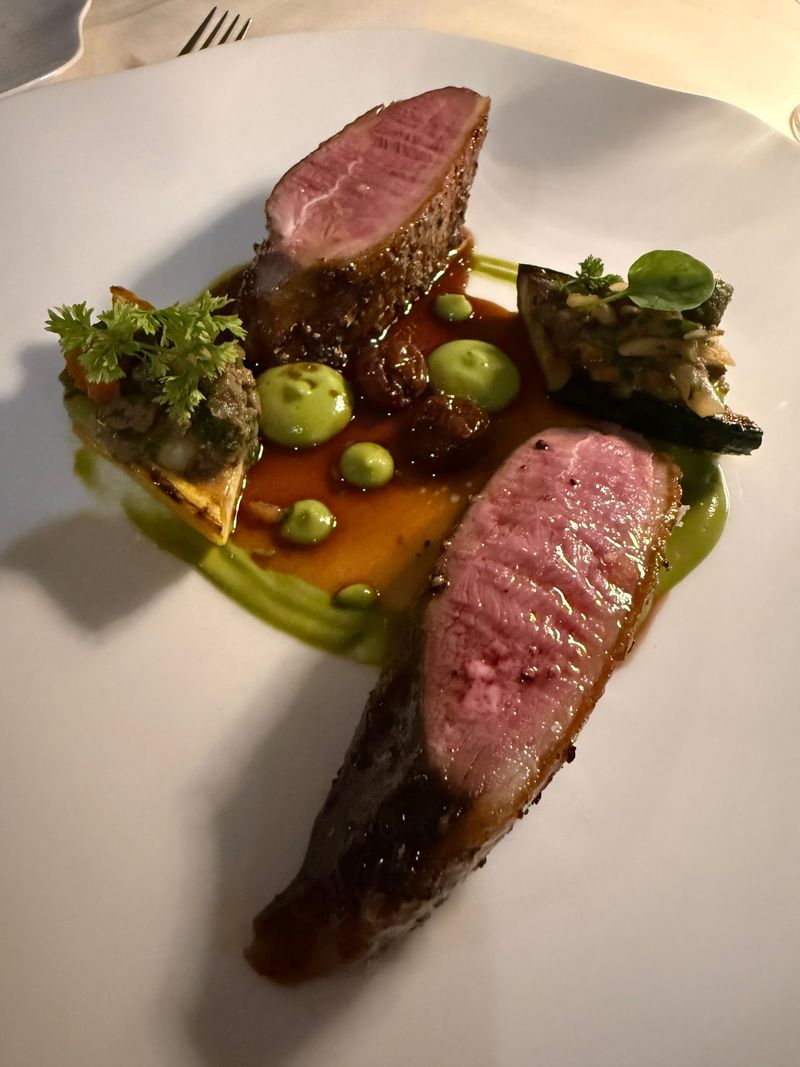
Great Italian cooking can make a familiar dish feel completely new. That is exactly where Materia Ristorante makes its mark, pairing traditional technique with a sharp focus on carefully sourced, seasonal ingredients.
Even the restaurant’s guiding phrase, “la materia prima,” points back to the quality of the raw materials behind each plate.
The food moves well beyond the heavier Italian-American classics many diners know. Pastas and other dishes are presented with a lighter, more modern touch, while local ingredients help keep the menu connected to the season.
The result feels refined without losing the warmth that makes Italian cooking so inviting.
That same balance carries into the dining room. The setting feels polished enough for a special celebration, but the atmosphere never turns overly formal.
It is the kind of place where careful presentation and genuine hospitality work quietly in the background.
The recognition has been substantial. Materia earned Connecticut Restaurant Association honors including Best Restaurant Newcomer and Litchfield County Restaurant of the Year, while Connecticut Magazine has repeatedly highlighted it for Italian dining and romance.
Chef David DiStasi was also named a 2026 James Beard Award nominee for Best Chef: Northeast, giving this small Bantam restaurant an even bigger national spotlight.
2. The Litchfield Hills Create A Peaceful Backdrop

Some dinners are better when the drive feels like part of the plan. Up in the northwestern corner of the state, Bantam makes it easy to slow down before the meal even begins.
The village sits among the Litchfield Hills, where scenic roads and quiet countryside turn an evening reservation into an excuse to linger a little longer.
Materia Ristorante fits that mood beautifully. Its setting feels calm and open, while outdoor dining gives warmer evenings an especially relaxed pace when the weather cooperates.
The surrounding countryside also makes the restaurant feel pleasantly removed from the usual rush.
That makes this a natural ending to a day spent exploring the area. A morning outdoors or an afternoon browsing nearby shops can flow easily into dinner without a long detour or a frantic drive across the state. The slower pace suits a leisurely meal perfectly.
Materia Ristorante welcomes guests at 637 Bantam Road, Bantam, CT 06750, within easy reach of the wider Litchfield area. Arriving before dark can make the trip feel even more scenic, especially for visitors coming from farther away.
It is an easy place to build an entire afternoon around rather than treating dinner as the only destination.
3. James Beard Recognition Puts Materia In The National Spotlight
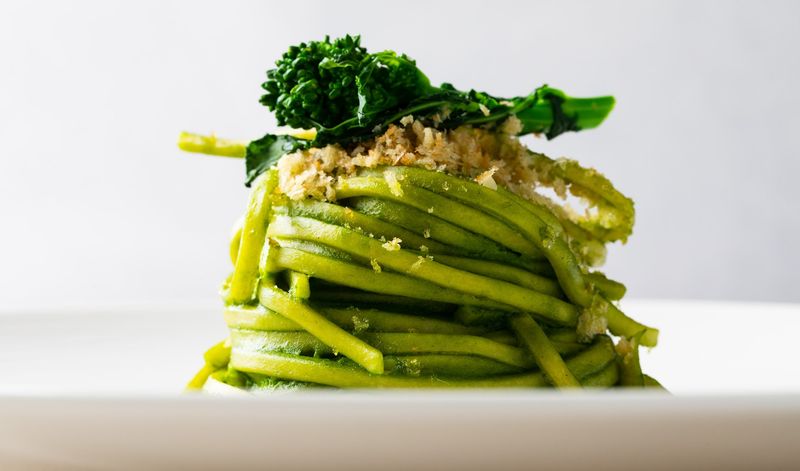
National recognition can change the way people look at a small restaurant. In 2026, Materia Ristorante received a major boost when chef David DiStasi was named one of five nominees for the James Beard Award for Best Chef: Northeast.
That distinction placed the Bantam restaurant on a national stage. The James Beard Awards are among the best-known honors in American dining, and reaching the nominee round put DiStasi alongside chefs from across the region who had already drawn serious attention for their work.
The setting makes that recognition feel even more notable. Materia operates in Bantam, a small borough within the town of Litchfield, rather than in a city.
Its dining room remains intimate, keeping the experience personal even as the restaurant’s profile has grown.
For visitors, the award adds another reason to plan ahead. Reservations are available through the restaurant, and booking in advance makes sense when you want a specific evening.
The national attention may be the headline, but the appeal still comes back to the food. Materia’s focus on refined Italian cooking and house-made pasta gives curious diners a clear reason to see why this small restaurant earned such a prominent place on the 2026 nominee list.
4. Elegant Booths Keep The Dining Room Intimate
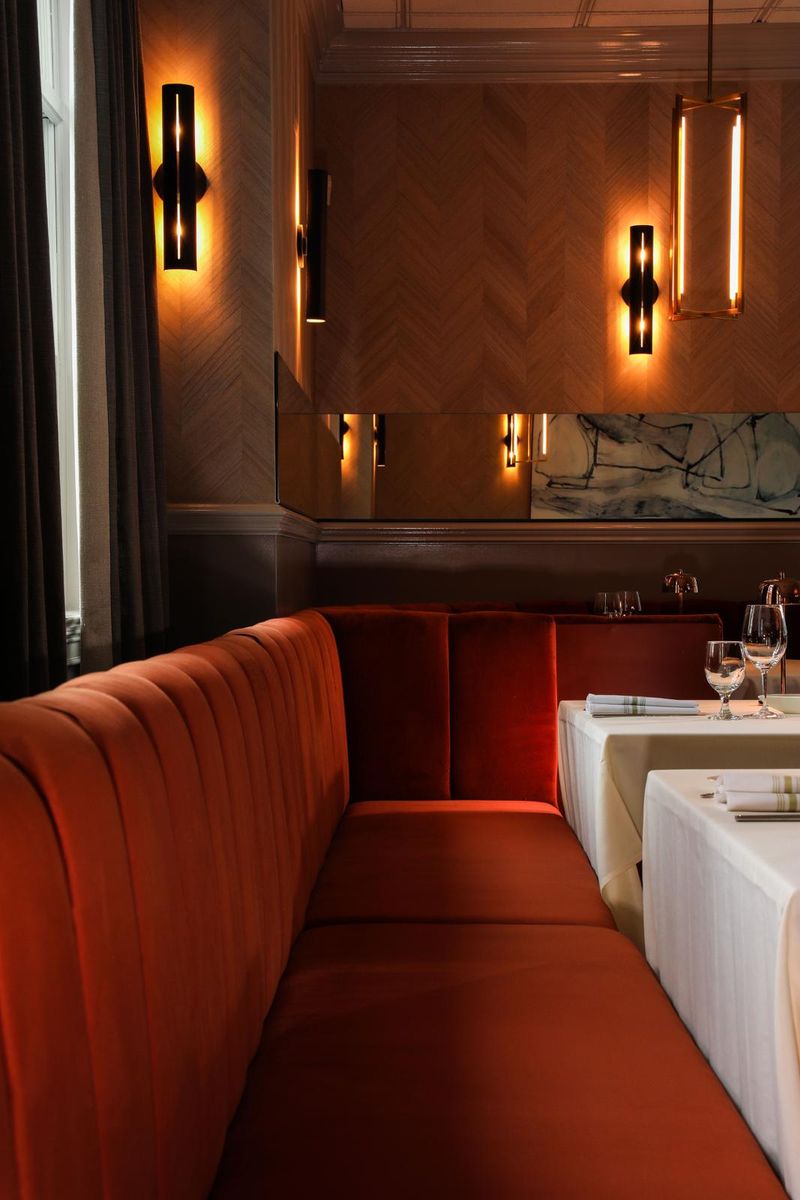
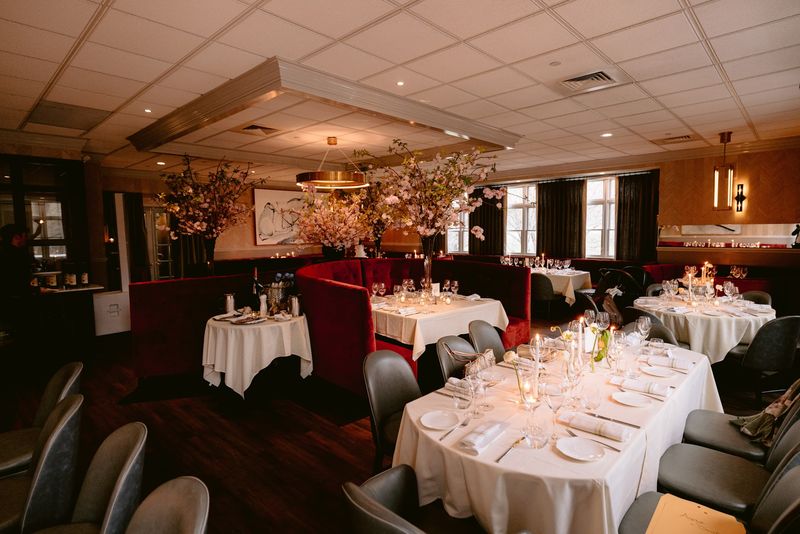
Comfort matters more than people admit when they talk about restaurants. A redesign brought wraparound banquette seating into the dining room, along with lighting warmed by gold accents, and the result feels tailored to long, unhurried meals.
Soft seating changes how an evening unfolds. Conversations stay contained, the room reads as intimate rather than echoey, and the surroundings match the precision of the cooking without feeling formal or fussy.
Guests often describe the atmosphere as warm and approachable even though the food is clearly fine dining.
Size is part of the charm. The dining room is on the smaller side, which keeps things personal but also means reservations are strongly recommended, especially during the busy stretch between seven and eight in the evening.
Private dining is available too. The Montalcino Room hosts groups of roughly ten to twenty-two guests for private events with a required prix fixe menu, and a separate private space accommodates parties of eleven or more with a custom set menu.
Both options suit rehearsal dinners, milestone birthdays, and small family gatherings.
5. House-Made Pasta Takes Center Stage
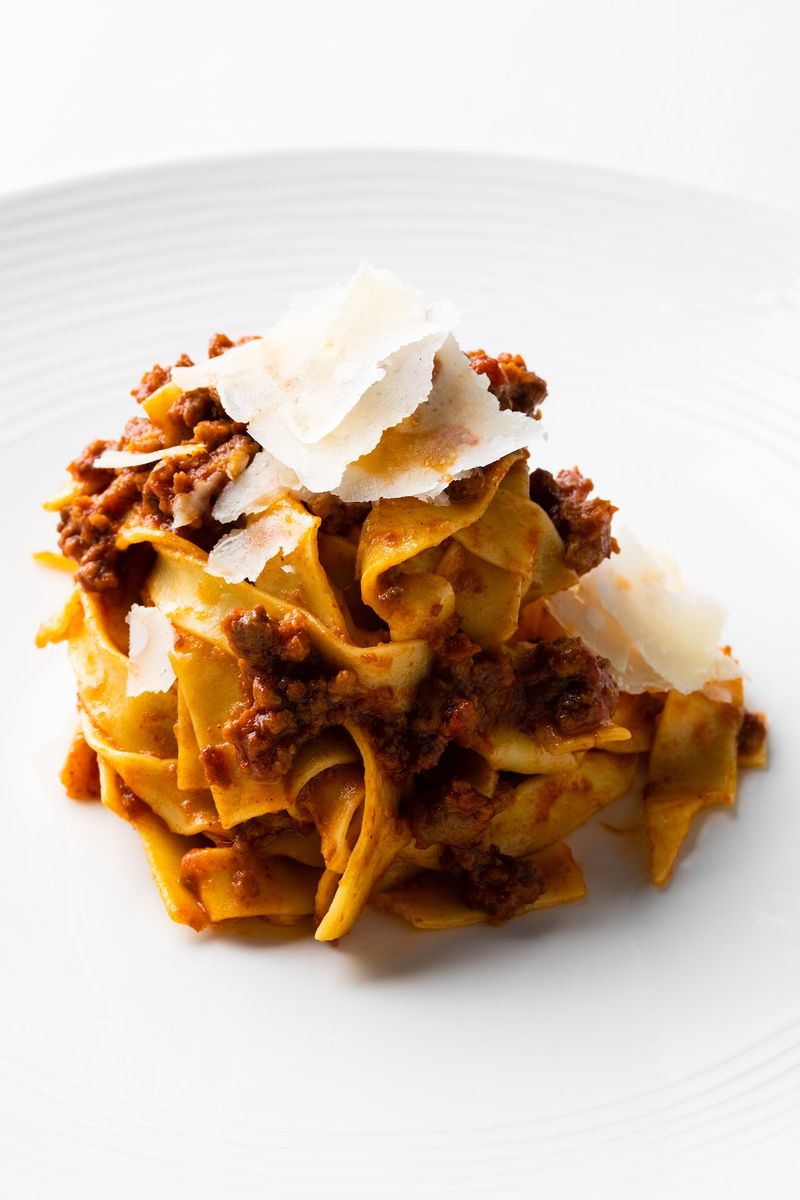
House-made pasta is a defining part of the menu, with the kitchen preparing its pastas by hand. All of the pastas and ragus are made in house, and that daily labor shows up in texture more than anything else.
The strands come out delicate but still firm, with just enough bite to hold sauce properly.
Pasta is the heart of the menu rather than a supporting act. Dishes lean on classic Italian flavors, then take an inventive turn in how they are built and plated, so a familiar name on the menu often arrives looking like something new.
Guests regularly single out the pasta courses as the highlight of their meal, and many order more than one to share across the table. That approach works well here because portions are refined rather than oversized, which leaves room to sample widely.
Here is a small planning tip. If it is your first visit, consider building the meal around two or three pastas instead of jumping straight to a main course.
Servers tend to be knowledgeable and happy to steer you toward whatever the kitchen is most excited about that week, which is often a seasonal shape you will not find on the printed menu next month.
6. Tuscan Training Shapes The Cooking Style
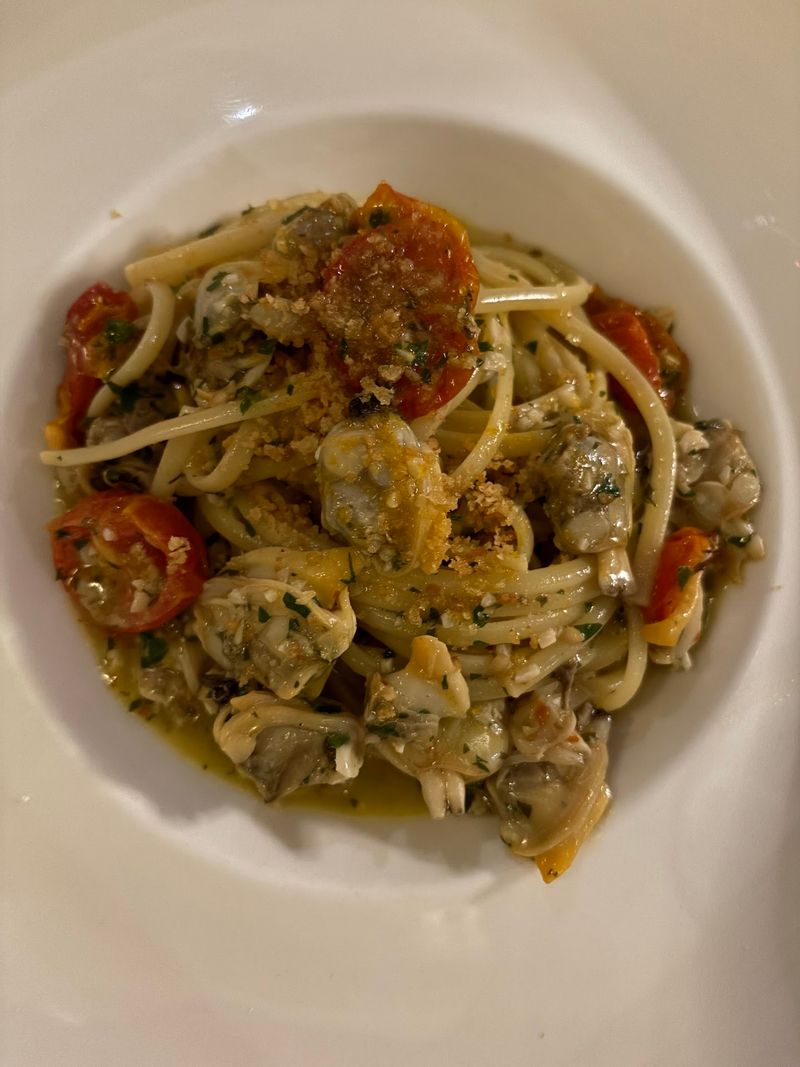
Cooking styles usually trace back to somewhere, and this one traces to southern Tuscany. The kitchen’s culinary leader spent three years cooking there, following a five-year stretch at Le Bernardin in New York, and both experiences left clear fingerprints on the food.
Tuscan cooking rewards restraint. The approach favors outstanding ingredients handled simply, with fresh pasta, slow-cooked ragu, and generous herbs doing most of the talking.
The cooking generally keeps competing flavors in check, allowing the main ingredients to stay clear.
That philosophy meets New England’s growing season head on. Classic technique provides the framework, while local produce, seafood, and meats fill it in, so a dish rooted in central Italy can taste distinctly of a summer or autumn.
The fine dining training shows in the plating. Sauces are precise, components are balanced, and dishes arrive looking composed rather than casual, yet the flavors stay grounded in tradition.
Diners familiar with real Italian cooking often note that the kitchen respects the originals instead of reinventing them for the sake of novelty.
If you enjoy understanding what you are eating, ask about the day’s preparations. Staff are generally well versed in the reasoning behind each dish, and those explanations add a layer of enjoyment to the meal.
7. The Pasta Tasting Makes Dinner Extra Special
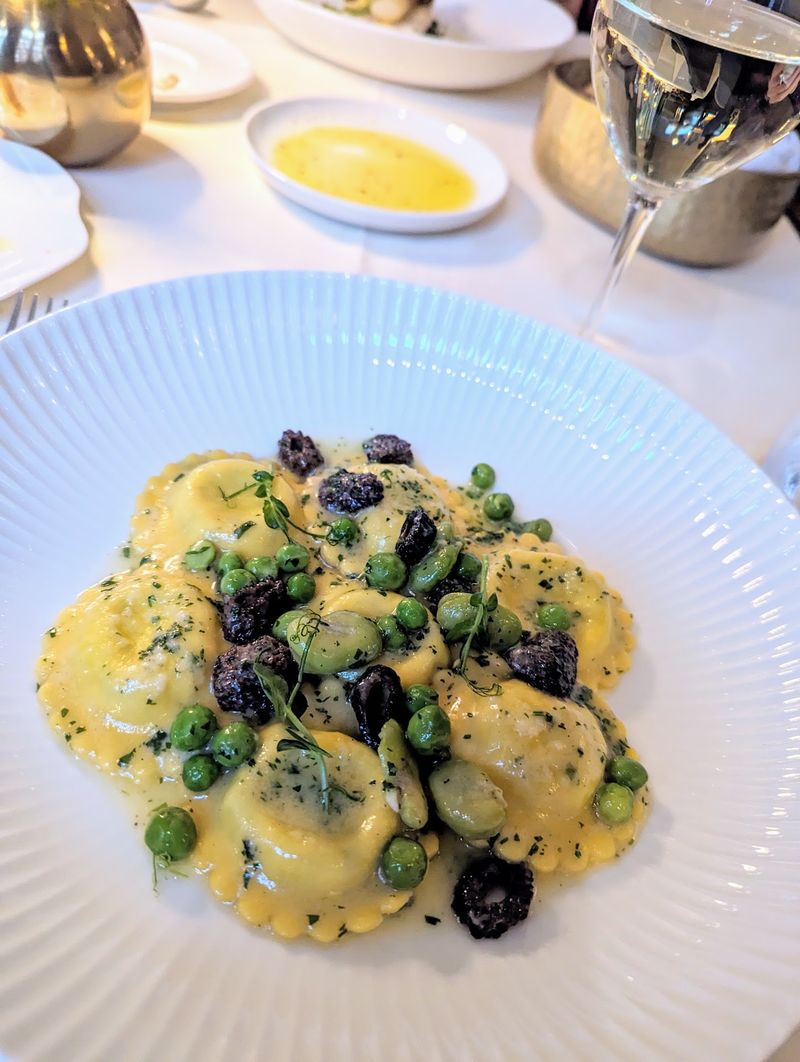
Sometimes the best decision at dinner is letting the kitchen decide. Materia currently offers tasting-menu options, including a Tradizione Menu, with selections that can change with the restaurant’s seasonal approach.
A shorter option exists as well. The current Tradizione Menu offers a structured tasting option, with its exact courses and availability subject to change.
The tasting-menu lineup changes over time, so the number and sequence of courses can vary with the restaurant’s current offerings. Guests who choose it often describe the pacing as the highlight, since each course arrives as a small surprise rather than a predictable progression.
One practical detail is worth knowing before you book. Tasting menus generally require the entire table to participate, so check with the restaurant when reserving if your group has mixed preferences or dietary needs.
Plan for a longer evening too. A multi-course meal is meant to be savored, so avoid scheduling anything immediately afterward and let the night unfold at its own speed.
8. Seasonal Ingredients Keep The Menu Interesting
Seasonal changes can make one visit feel different from the next, and that variety is part of the restaurant’s approach. The menu is built around whatever is freshest and most local at the moment, which means handmade pasta shapes, seafood, meats, and vegetables rotate as the calendar turns.
The guiding phrase is la materia prima, the finest raw materials, and it drives sourcing decisions more than any fixed recipe list. State farms and regional purveyors supply much of what appears on the plate, so the cooking stays connected to the surrounding countryside.
Summer might bring bright, herb-forward pastas, while cooler months tend toward richer braises and slow-cooked sauces. Repeat guests often say the changing lineup is the reason they keep coming back, since there is always something unfamiliar to try alongside the dishes they already love.
Tuscan roots hold the menu together even as the details shift. The structure stays traditional while the ingredients keep it current, which is a difficult balance to maintain year round.
For visitors, the smart move is simple. Ask what is new that week and be open to a special, because those seasonal dishes tend to represent the kitchen at its most inspired and they usually disappear once the ingredient does.