19 Arizona Outdoor Places Worth Exploring Beyond The State’s Famous Landmarks
Everyone flocks to the same spot, snaps a photo, and leaves thinking they’ve seen Arizona. They haven’t.
This state is hiding parks so stunning they make the famous ones feel overrated. I stumbled onto my first underrated gem by accident, and it cracked something open in me.
Suddenly I needed to find them all. Ancient cliff dwellings, glassy lakes, caves still dripping with minerals, red rock formations that look painted by hand.
The state keeps these places quiet, and locals prefer it that way. I spent months tracking down parks that most visitors never even search for.
Some left me speechless. A few made me genuinely emotional.
All of them made me rethink everything I thought I knew about this place. You are not ready for what is in here.
1. Kartchner Caverns State Park
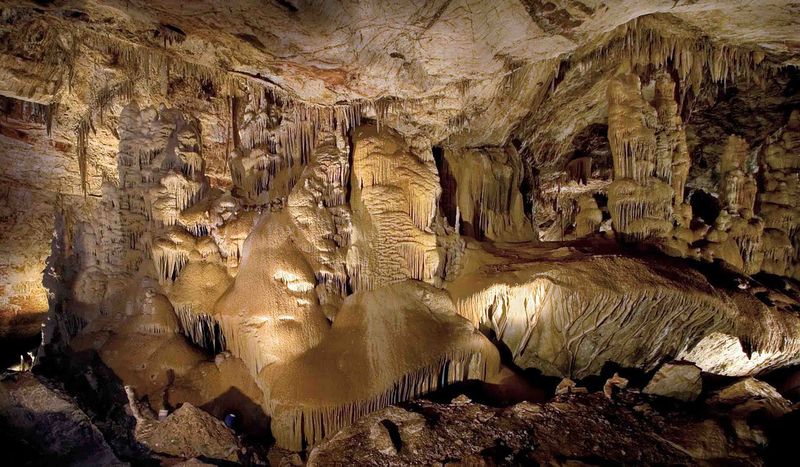
Most caves feel cold and dead, but this one is very much alive. Kartchner Caverns holds a living limestone cave system packed with stalactites, stalagmites, and delicate soda straws.
Guided tours take you deep underground where the air stays humid and the formations keep growing. It feels like walking inside a science experiment that has been running for 200,000 years.
Above ground, desert trails wind through classic Sonoran landscape. You can camp overnight and wake up to saguaro silhouettes at sunrise.
Located at 2980 AZ-90, Benson, AZ 85602, this park rewards visitors who plan ahead. Tours book up fast, so reserve early.
The cave discovery story is also worth reading before your visit.
2. Tonto Natural Bridge State Park
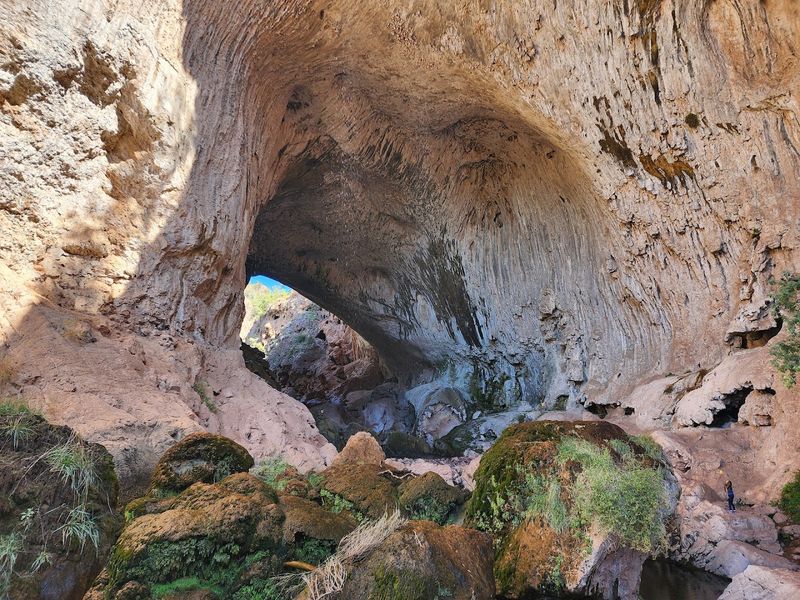
Standing under a bridge that nature built entirely on its own is a surreal feeling. Tonto Natural Bridge is considered one of the largest natural travertine bridges on Earth.
Water trickles over mossy rocks as you hike down to the canyon floor. The views from the top trail are wide and dramatic, while the base feels cool and almost tropical.
Families love this park because the hikes are manageable and the payoff is huge. There is a natural pool near the base that makes the whole trip feel refreshing.
Find it at NF-583A, Pine, AZ 85544, tucked into the Tonto National Forest. The drive through the Pine area is scenic all on its own.
Pack water shoes for exploring the creek bed properly.
3. Lost Dutchman State Park
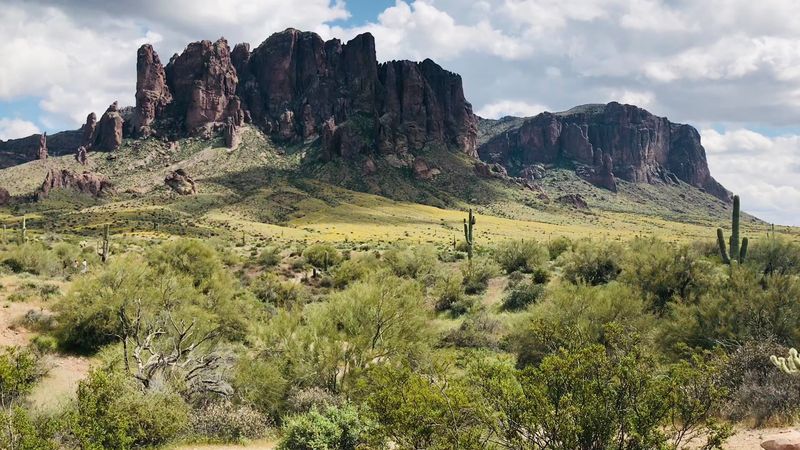
Legend says a lost gold mine hides somewhere in the Superstition Mountains nearby. Nobody has found it yet, but Lost Dutchman State Park delivers some seriously dramatic desert scenery that feels like a reward on its own.
Trails here range from easy nature walks to challenging ridge climbs. The Siphon Draw Trail is a favorite for those who want sweeping mountain views without a full-day commitment.
This is the closest state park to the Phoenix metro area, making it a very easy weekend escape. Wildflower season in spring turns the desert floor into something almost painterly.
The address is 6109 N Apache Trail, Apache Junction, AZ 85119. Sunsets here are the kind that make you stop mid-sentence.
Bring a camera and a good pair of boots, and you will leave very satisfied.
4. Catalina State Park
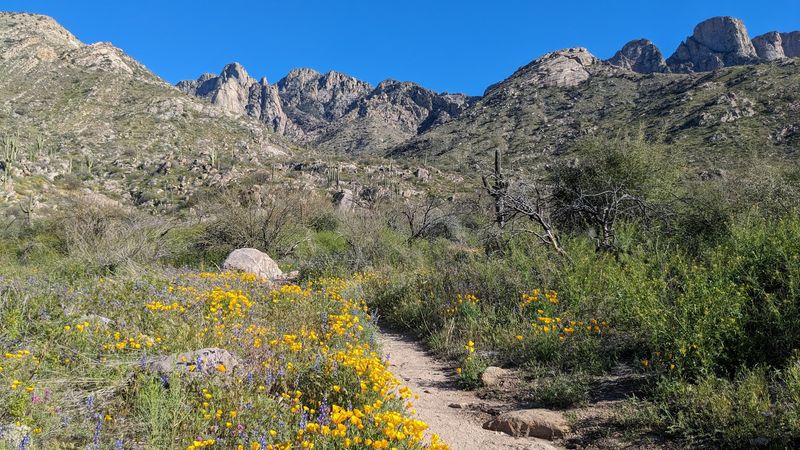
Right at the edge of Tucson, the Santa Catalina Mountains rise sharply and dramatically. Catalina State Park sits at their base, offering trails that cut through saguaro forests and mesquite bosques.
Birders absolutely love this park. Over 150 bird species have been spotted here, including some rare migratory visitors that stop through each season.
Seasonal wildflowers add color to trails that are already stunning on their own. The Romero Ruins Trail leads to actual Hohokam archaeological sites, which adds a historical layer to the hike.
You will find the park at 11570 N Oracle Rd, Tucson, AZ 85737. Morning hikes here feel especially peaceful before the heat builds.
The mix of geology, wildlife, and history in one park is genuinely hard to beat.
5. Dead Horse Ranch State Park
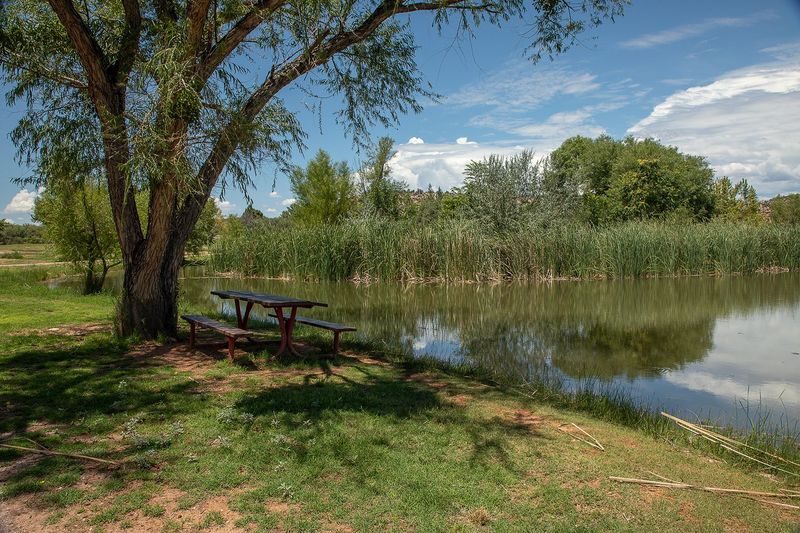
The name sounds alarming, but the park itself is wonderfully calm and green. Dead Horse Ranch sits along the Verde River, one of the few perennial rivers in the region.
Lagoons within the park are perfect for fishing and kayaking on a quiet afternoon. Cottonwood trees line the riverbanks and create natural shade that feels rare in desert parks.
Cyclists and hikers share well-maintained trails that run through riparian habitat teeming with birds. Great blue herons are spotted here regularly, along with bald eagles during winter months.
Located at 675 Dead Horse Ranch Rd, Cottonwood, AZ 86326, this park offers a refreshing contrast to the dry desert landscapes nearby. Camping here feels genuinely peaceful.
The Verde River Greenway connects here to other trails for longer adventures.
6. Picacho Peak State Park
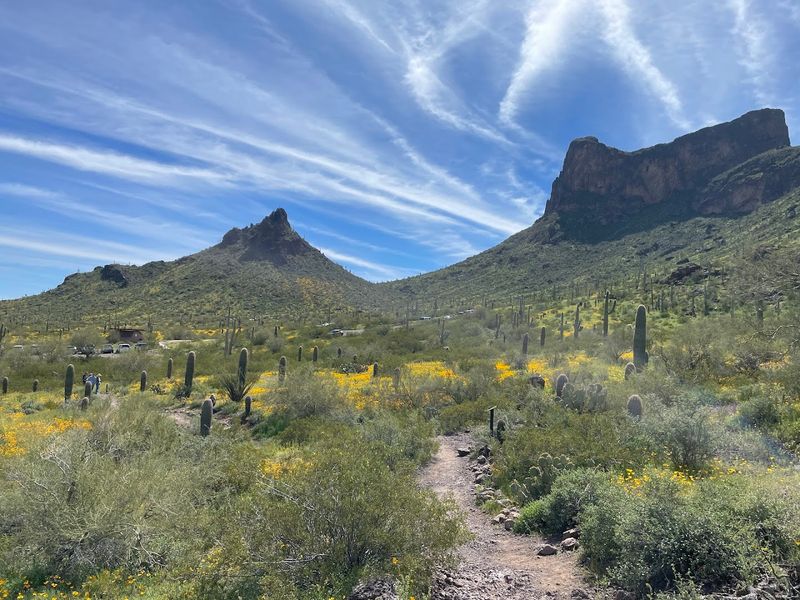
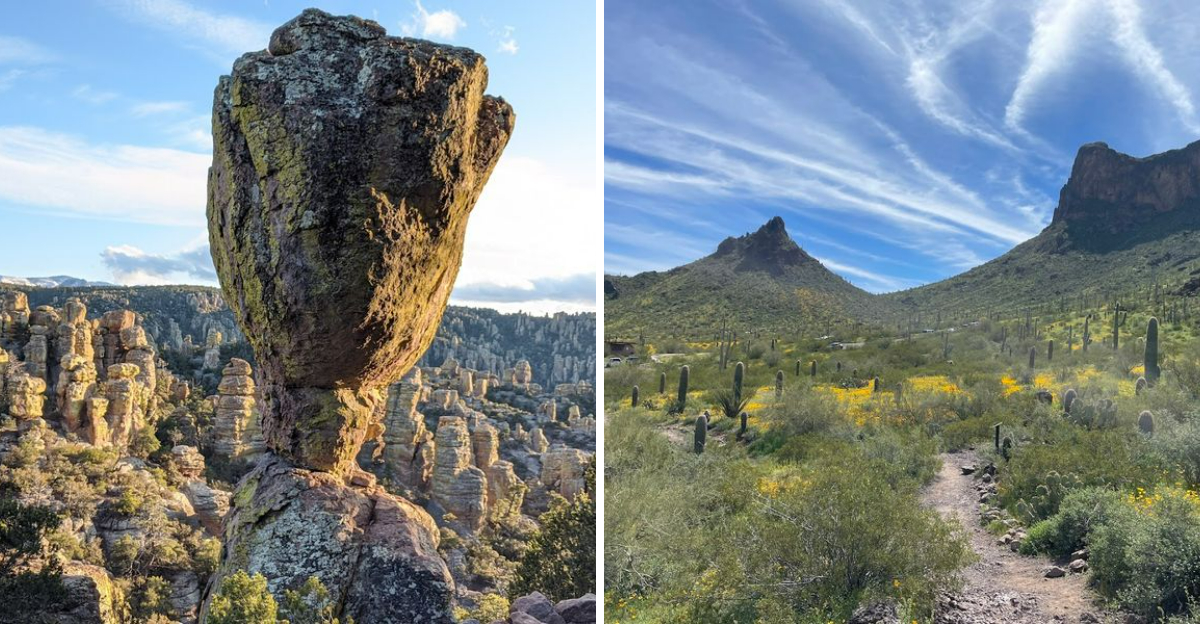
That sharp volcanic spire rising out of flat desert land is impossible to ignore from the highway. Picacho Peak is one of the most visually striking natural formations in the entire state.
Spring wildflower season here is legendary. Mexican gold poppies and owl clover carpet the desert floor in waves of orange and purple that photographers chase every March.
The Hunter Trail to the summit is steep and uses cables for assistance on the trickiest sections. It is challenging but absolutely worth the top-of-the-world feeling at the peak.
The park sits at 15520 Picacho Peak Rd, Picacho, AZ 85141, just off Interstate 10. Civil War history is also tied to this location, with a battle reenactment held annually.
Plan your wildflower visit between late February and early April for best results.
7. Boyce Thompson Arboretum
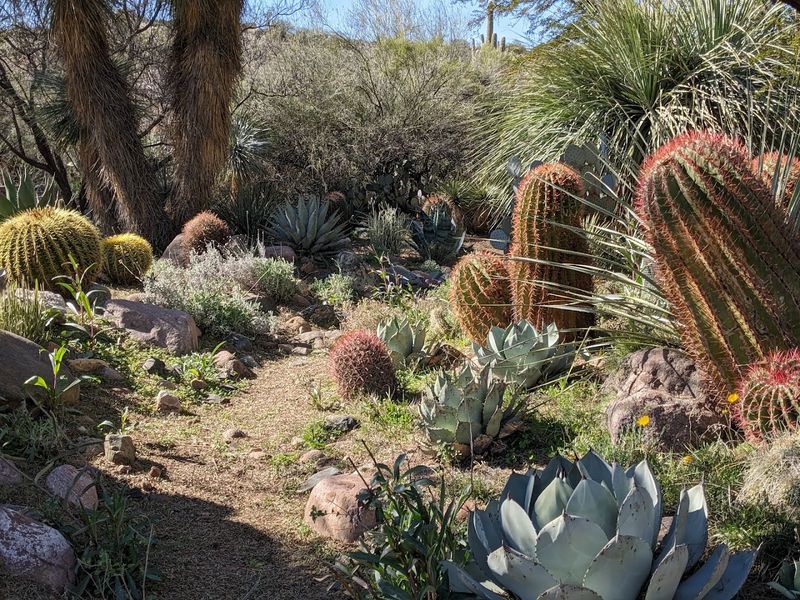
Arizona’s oldest botanical garden is also one of its most underrated outdoor destinations. Boyce Thompson Arboretum has been collecting and growing desert plants since 1924.
Trails wind past towering saguaros, rare succulents, and plants sourced from deserts across the globe. The layout feels more like an adventure trail than a formal garden, which makes it genuinely fun to walk.
A small lake along the route attracts birds and adds a peaceful moment to the visit. Educational signs throughout explain plant adaptations in ways that are easy and interesting to read.
The arboretum is located at 37615 E Arboretum Way, Superior, AZ 85173. It sits about an hour east of Phoenix, making it a great day trip.
Children’s programs run seasonally and are worth checking before your visit.
8. Jerome State Historic Park
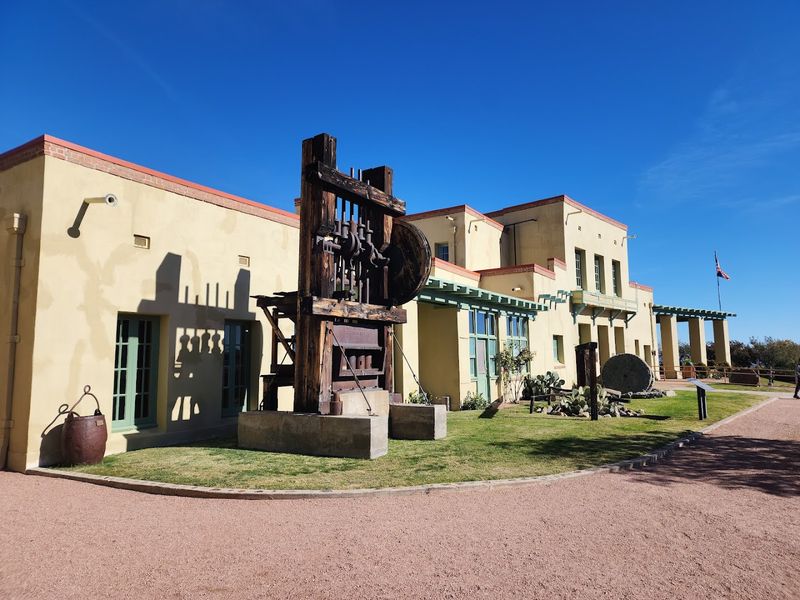
Perched on a hillside above a former copper boomtown, this park tells a story that feels almost cinematic. Jerome was once called the wickedest town in the West, and its history absolutely lives up to that reputation.
The Douglas Mansion now serves as the park museum, filled with mining artifacts, maps, and geological displays. The views from the mansion over the Verde Valley below are genuinely spectacular.
Jerome itself is a fascinating place to wander after visiting the park. Art galleries, quirky shops, and historic buildings line steep streets that seem to defy gravity.
Find the park at 100 Douglas Rd, Jerome, AZ 86331. The copper mine history is presented in a way that even non-history fans find engaging.
It is a great pairing with nearby Dead Horse Ranch for a full day out.
9. Patagonia Lake State Park
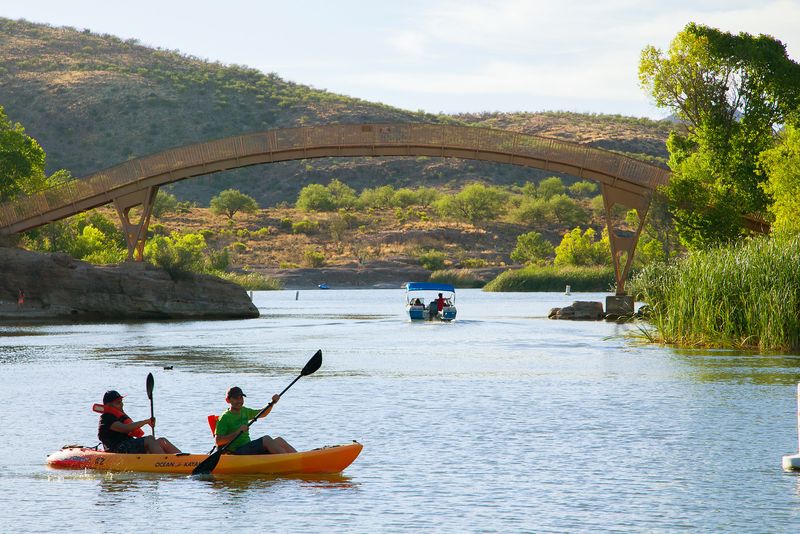
Southern Arizona does not get nearly enough credit for its peaceful lake scenery. Patagonia Lake is a calm, beautiful reservoir that draws birders, anglers, and kayakers looking for a quiet retreat.
Over 275 bird species have been recorded in and around the park. The surrounding riparian corridor makes it one of the top birding destinations in the entire country.
Boat-in campsites give the park a backcountry feel without requiring serious gear or skills. Families enjoy the beach area and the easy paddling conditions on calm mornings.
The park is at 400 Patagonia Lake Rd, Nogales, AZ 85621, near the Mexican border. The area feels lush and green compared to much of the surrounding desert.
Fishing for bass, crappie, and catfish is productive year-round here.
10. Alamo Lake State Park
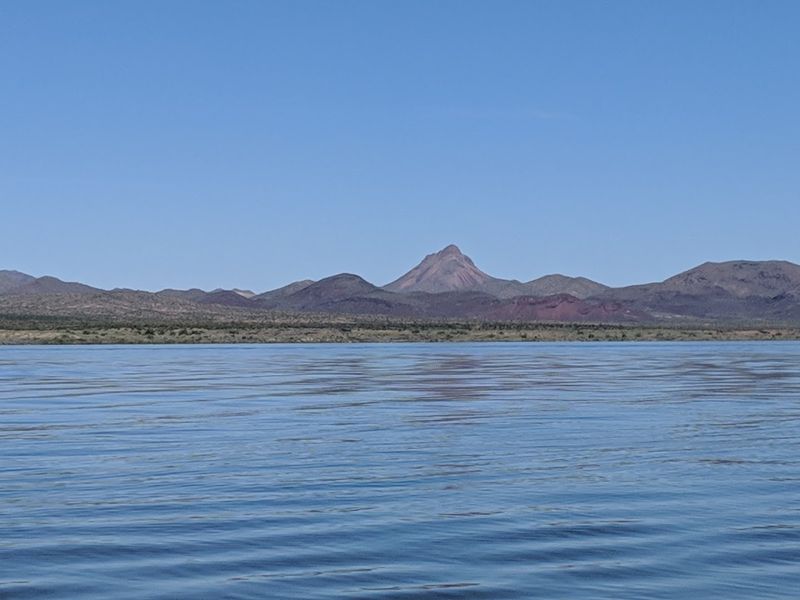
Getting off the grid does not require crossing state lines. Alamo Lake sits deep in western Arizona, far from any city, surrounded by desert silence and impressive dark skies.
Bass fishing here has a strong reputation among serious anglers. The lake regularly produces largemouth and striped bass, drawing fishing enthusiasts from across the region.
Night skies at Alamo Lake are breathtaking because light pollution is almost nonexistent. Stargazing from a camp chair here feels like a private planetarium show.
The address is Alamo Rd, Wenden, AZ 85357, about two hours from Phoenix. Wildlife including bald eagles and osprey visit the lake during cooler months.
The remoteness is actually the biggest draw for people who want a real escape from crowded parks.
11. Homolovi State Park
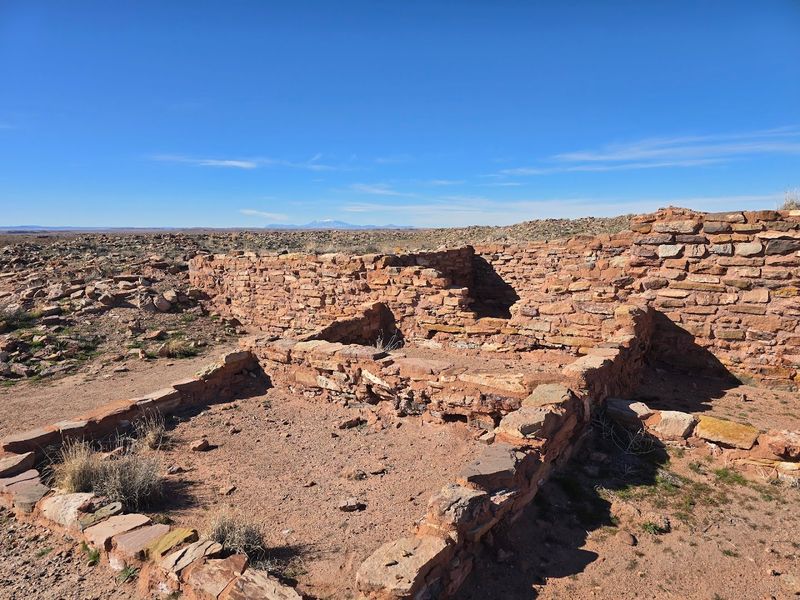
Few parks connect you to ancient human history as directly as this one does. Homolovi preserves ancestral Hopi archaeological sites that date back to the 14th century.
Excavated pueblo ruins, petroglyphs, and a well-designed visitor center make the history accessible and genuinely interesting. The Hopi people still consider this land sacred, which adds meaningful context to every step you take.
The park sits along the Little Colorado River near Winslow, which itself has Route 66 history worth exploring. Sunsets over the open desert here are wide, colorful, and completely unobstructed.
You will find Homolovi at AZ-87, Winslow, AZ 86047. Interpretive programs run seasonally and are especially good for families.
Bring binoculars because the open terrain makes wildlife spotting surprisingly productive here.
12. Oracle State Park
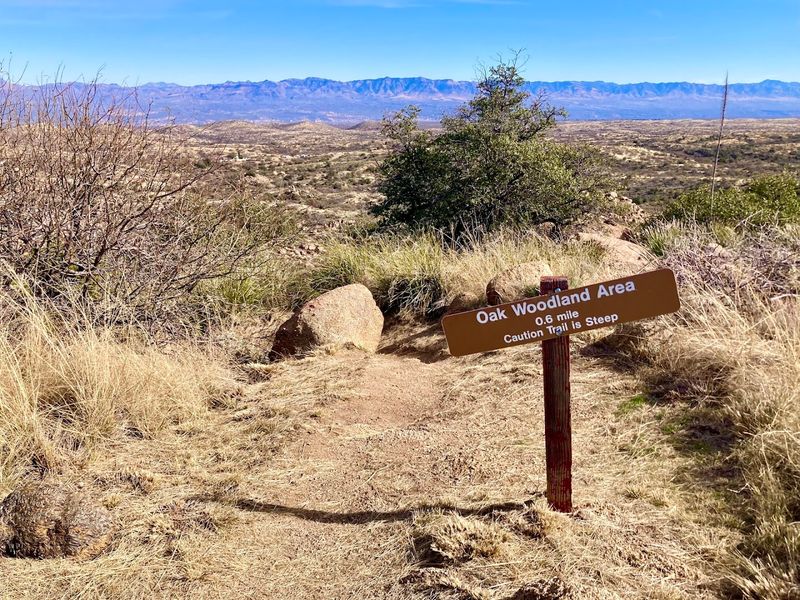
Not every great park is about cacti and canyon walls. Oracle State Park surprises visitors with oak woodlands, rolling grasslands, and mountain views that feel more like the Southwest’s quieter side.
It holds designation as an International Dark Sky Park, which means stargazing here is genuinely world-class. Monthly star parties are hosted at the park and draw astronomy fans from across the region.
Trails are open to hikers, mountain bikers, and horseback riders, making it flexible for different adventure styles. Wildlife sightings include javelinas, deer, and a wide variety of raptors.
The park is located at 3820 E Wildlife Dr, Oracle, AZ 85623. The historic Kannally Ranch House on the property adds an interesting architectural element to explore.
This park consistently surprises first-time visitors who expect something more ordinary.
13. Roper Lake State Park
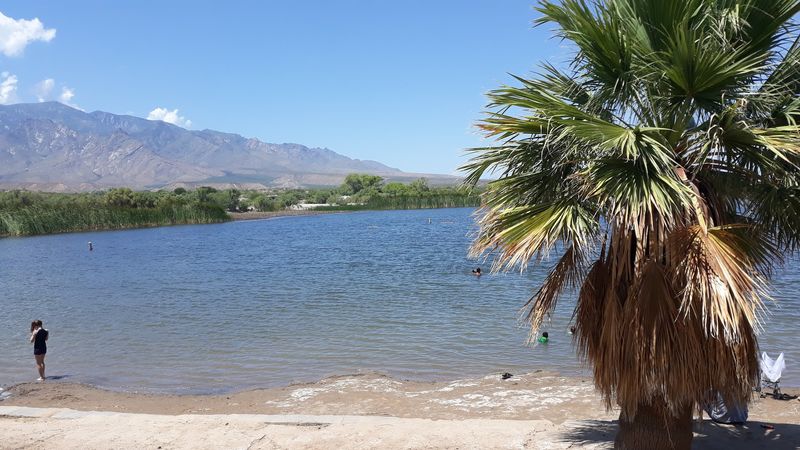
Roper Lake State Park combines peaceful lake scenery, camping, fishing, and mountain views in southeastern Arizona.
The park is especially popular for its quiet atmosphere, fishing opportunities, and scenic desert surroundings. Soaking in warm mineral water while looking up at mountain peaks feels like an unexpected luxury.
The lake itself is stocked with trout, bass, and catfish, making it a reliable fishing destination. Kayaking and paddleboarding are popular on calm mornings when the water is glassy and still.
Located at 101 E Roper Lake Rd, Safford, AZ 85546, the park is in the Gila Valley region. Nearby Mount Graham is one of the tallest peaks in the state.
This park packs an impressive variety of experiences into a compact and accessible space.
14. Fort Verde State Historic Park
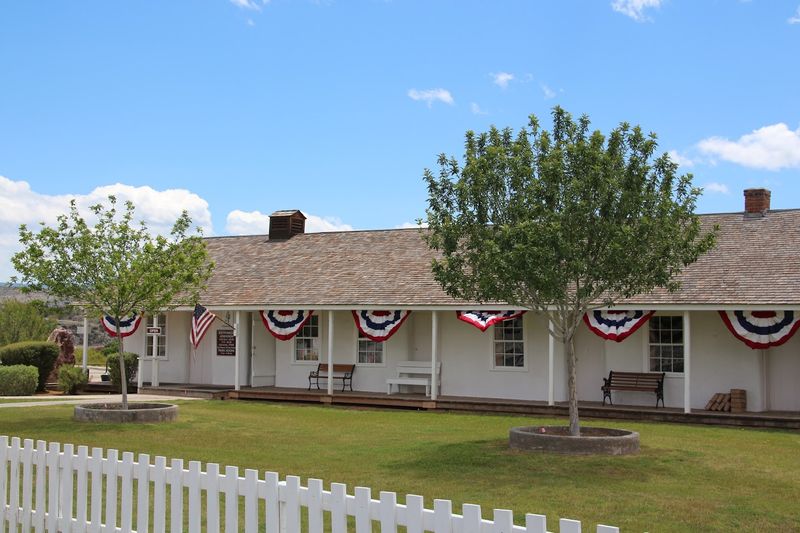
Walking through preserved 19th-century military buildings gives history a physical weight that textbooks simply cannot match. Fort Verde was an active U.S.
Army post during the Apache Wars era.
Four original buildings still stand and are open for tours, including officers’ quarters and an administration building. The period furnishings inside feel remarkably authentic and transport you directly to that chapter of Western history.
The park also tells the story of the Apache people and the complex conflicts of that era with care and accuracy. Living history events happen throughout the year and bring the 1880s to vivid life.
Find the park at 125 E Hollamon St, Camp Verde, AZ 86322. It pairs naturally with nearby Tuzigoot National Monument for a full history-focused day.
The small size of the park makes it easy to explore thoroughly in just a few hours.
15. Tuzigoot National Monument
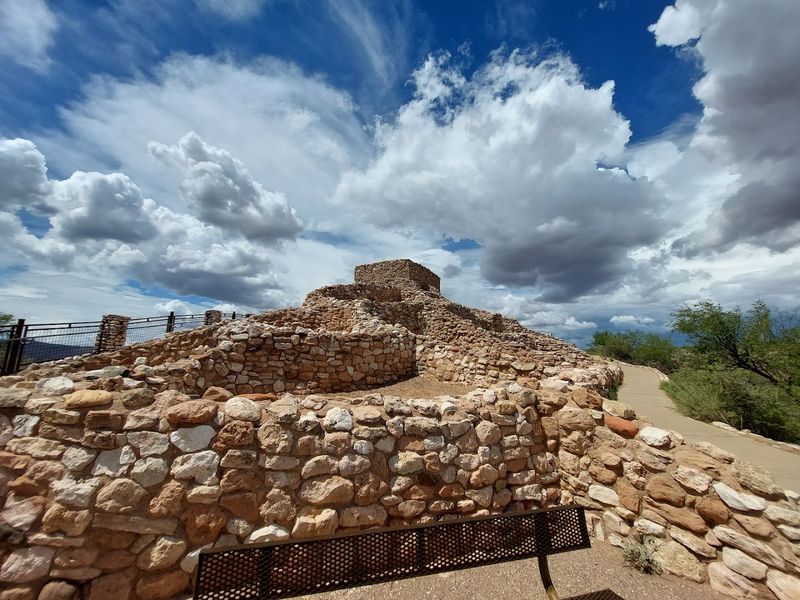
Climbing a hilltop and stepping into rooms built by people who lived here 800 years ago is a genuinely humbling experience. Tuzigoot preserves a Sinagua pueblo that once housed over 200 people.
The ruins sit on a prominent ridge with sweeping views of the Verde Valley and Tavasci Marsh below. The marsh is a birding hotspot, adding a natural layer to the cultural history visit.
A small but well-curated museum at the visitor center displays pottery, tools, and artifacts recovered during excavations. Context panels explain Sinagua culture in a clear and engaging way.
The monument address is 25 Tuzigoot Rd, Clarkdale, AZ 86324. The short loop trail around the ruins is accessible and takes about 45 minutes.
Pairing this with Jerome State Historic Park nearby makes for an exceptional cultural day trip.
16. Canyon De Chelly National Monument
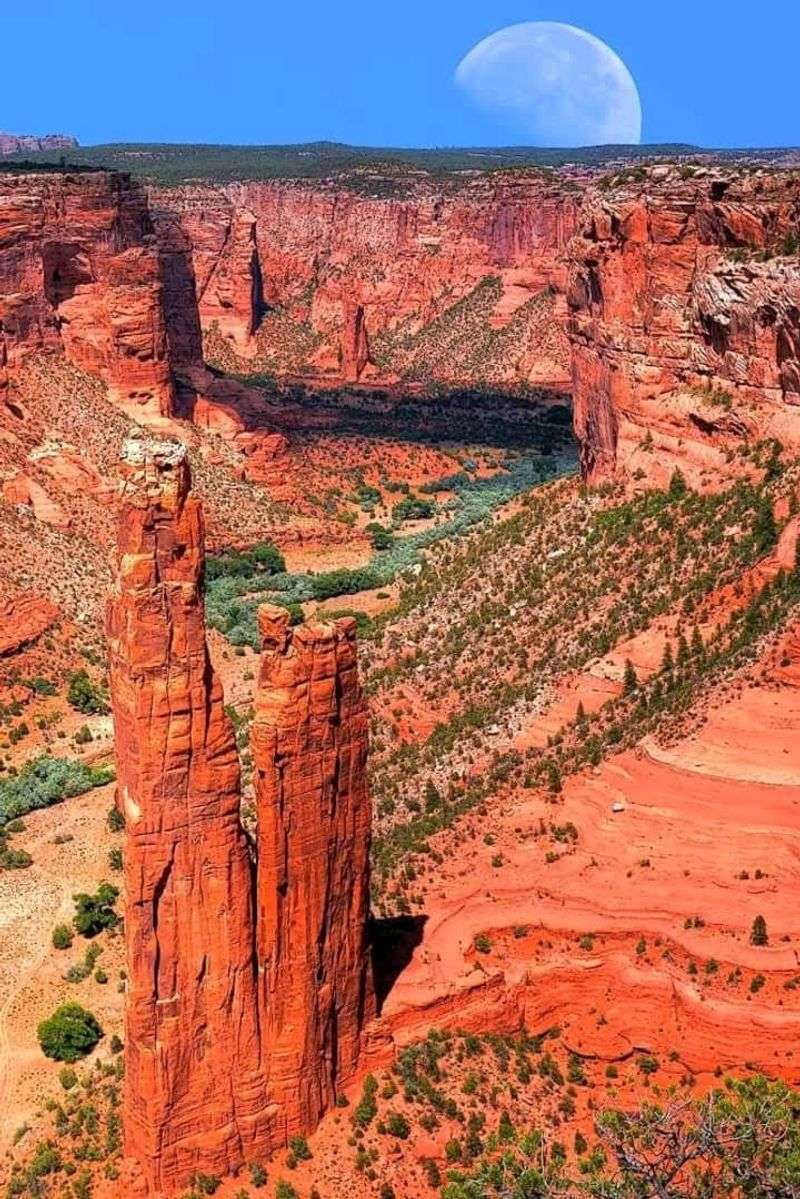
Some places carry a presence that you feel before you even understand what you are looking at. Canyon de Chelly is one of those places, and its canyon walls hold 5,000 years of continuous human history.
Ancient cliff dwellings are visible in the alcoves of sheer red sandstone walls that drop hundreds of feet to the canyon floor. The White House Ruin Trail is the only hike you can do without a Navajo guide, and it is absolutely worth every step.
The monument is located on Navajo Nation land, and guided tours with local Navajo guides offer perspectives unavailable anywhere else. Those tours add depth and meaning that transforms the visit entirely.
The address is Indian Rte 7, Chinle, AZ 86503. Spider Rock, a soaring sandstone spire, is visible from an overlook on the South Rim Drive.
This is one of the most culturally significant landscapes in North America.
17. McDowell Sonoran Preserve (Gateway Trailhead)
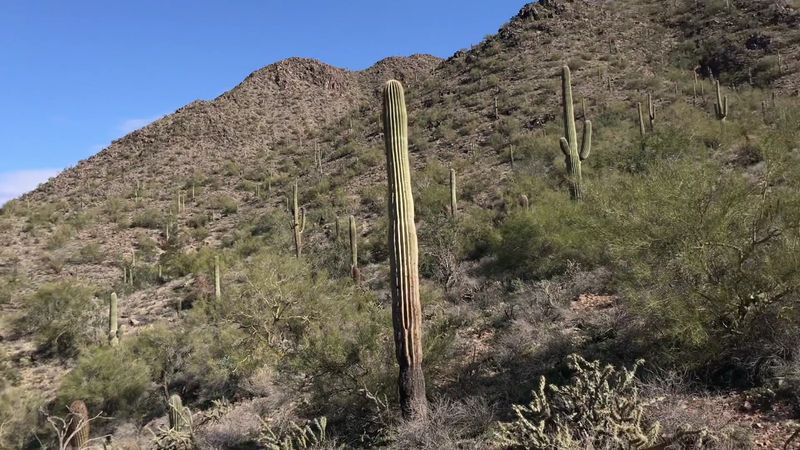
Right on the edge of one of the most developed cities in the Southwest sits 30,000 acres of protected Sonoran Desert. The McDowell Sonoran Preserve is Scottsdale’s extraordinary backyard wilderness.
The Gateway Trailhead is the most popular entry point, offering well-marked trails through dense saguaro forests toward the McDowell Mountains. Early morning hikes here feel wild and peaceful despite being minutes from city streets.
Trail options range from short nature loops to full-day summit hikes with panoramic valley views. The Bell Pass and Tom’s Thumb trails are local favorites for their dramatic rocky terrain.
Find the trailhead at 18333 N Thompson Peak Pkwy, Scottsdale, AZ 85255. Parking fills quickly on weekends, so arriving before 7 AM is strongly recommended.
Birding is excellent here, especially during spring migration season when activity peaks.
18. Granite Gardens Trails
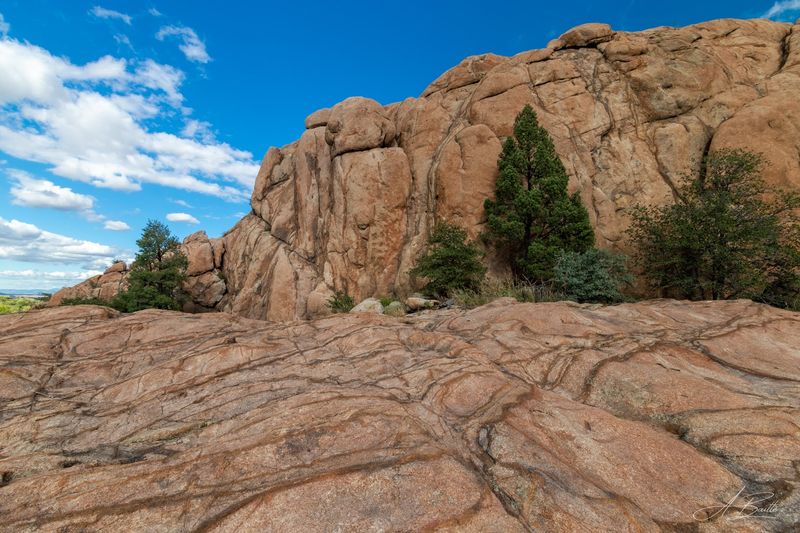
Rounded boulders the size of houses stacked together like a giant’s toy collection is the best way to describe the Granite Dells. This geological feature near Prescott is genuinely unlike anything else in the region.
Watson Lake sits right among these boulders, creating reflections so perfect that photos from here look almost unreal. Kayaking between the granite formations is one of the most visually memorable water experiences in the state.
The Granite Gardens trail system offers accessible paths through the boulders with consistent wow-factor views around every corner. Rock climbers also use the area regularly, adding a dynamic energy to the landscape.
The trailhead is at 2523 E Granite Gardens Dr, Prescott, AZ 86301. Prescott’s walkable historic downtown is just minutes away for post-hike food and exploration.
Sunset light on the pink granite boulders is something worth planning your visit around.
19. Lake Havasu State Park
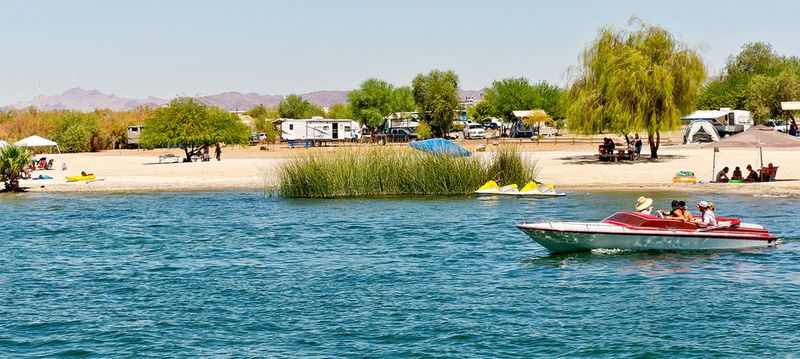
A 19th-century London Bridge reassembled in the middle of the Arizona desert sounds like a joke, but it is completely real. Lake Havasu City built its identity around this landmark, and the state park surrounding it delivers far more than a novelty.
The park offers sandy beaches, clear blue water, and excellent conditions for boating, paddleboarding, and swimming. The Colorado River feeds the lake, keeping water levels consistent and recreation opportunities plentiful year-round.
Camping here is popular with families and water sports enthusiasts who come for multi-day stays. The park’s Windsor Beach area is particularly lively and well-equipped with facilities.
Located at 699 London Bridge Rd, Lake Havasu City, AZ 86403, the park is easy to navigate. Catfish and striped bass fishing are reliable along the quieter coves.
The combination of history, water, and desert scenery makes this a genuinely unique stop.
20. Chiricahua National Monument
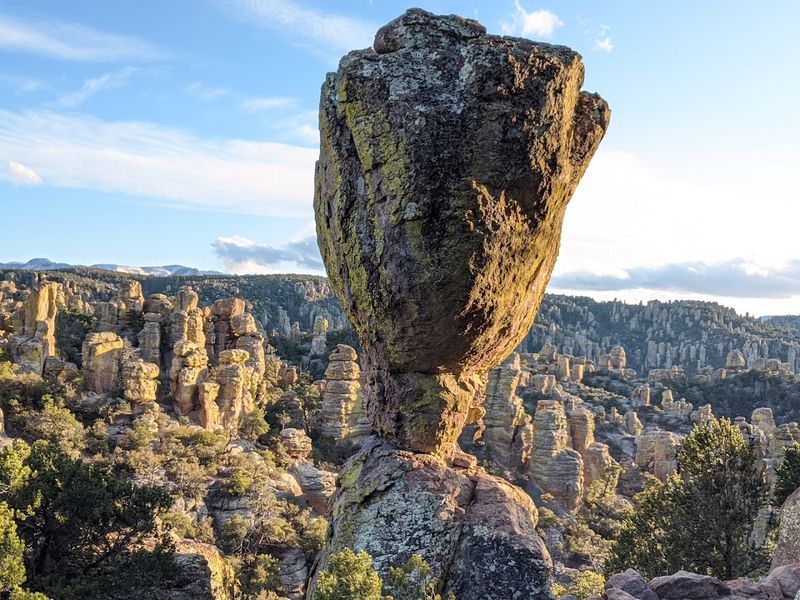
Someone once called this place the Wonderland of Rocks, and after seeing it in person, that description feels completely accurate. Chiricahua’s volcanic rock spires rise in bizarre, beautiful formations across a dramatic southeastern landscape.
The Heart of Rocks Loop is a 7-mile trail that winds through the densest concentration of these formations. Balanced rocks, towering columns, and narrow passageways make every turn feel like a new discovery.
Wildlife here is exceptional, including white-tailed deer, coatis, and a remarkable variety of bird species found nowhere else in the country. The Chiricahua Mountains create a biological crossroads between Mexican and North American ecosystems.
The monument sits at 12856 E Rhyolite Creek Rd, Willcox, AZ 85643. Crowds here are noticeably smaller than at more famous parks.
That means more trail space, more quiet, and more of those jaw-dropping rock formations all to yourself.