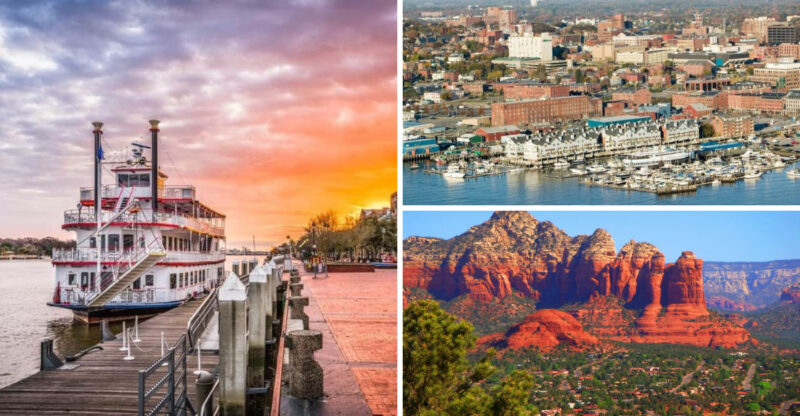
9 Arizona Road Trips Where The Desert Views Steal The Show
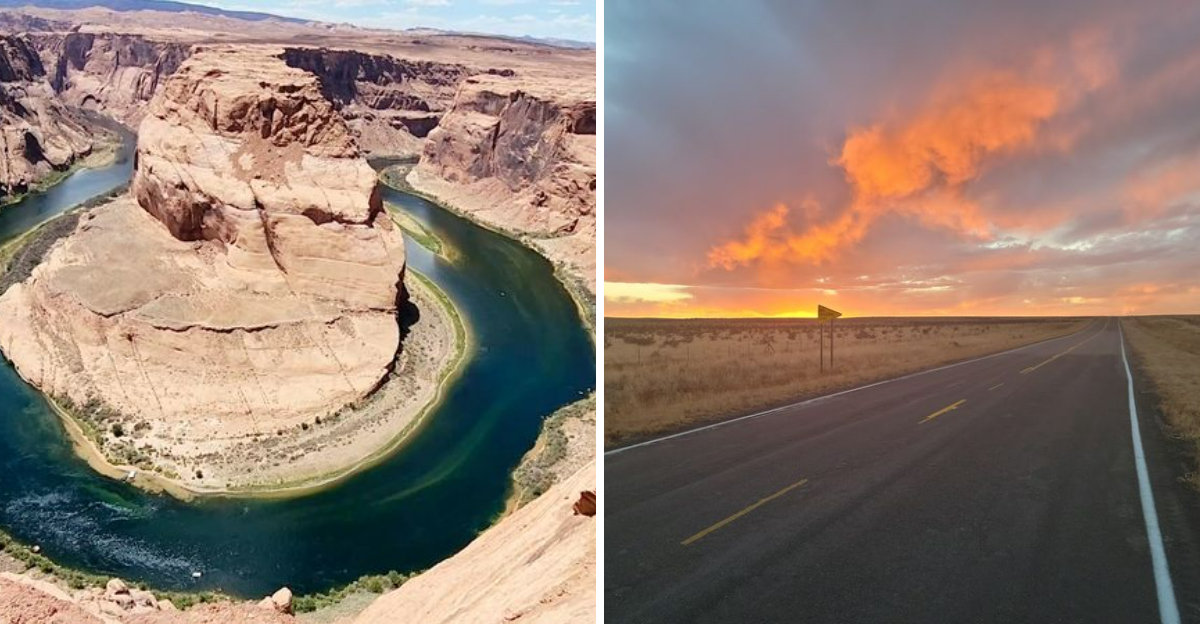
Nobody warns you about Arizona. You think you’re just driving through the desert, then the road curves and the whole world turns red.
Suddenly you’re pulling over every ten minutes because your camera can’t keep up with the scenery. This state doesn’t do subtle.
Canyon walls, painted mesas, and skies so wide they make you feel gloriously small, all hitting you at once. And the best way to see all of it?
Keep driving. Each road trip on this list will take you through the most jaw-dropping corners of the state, the ones that make passengers forget their phones and actually stare out the window.
Got a weekend or a full week, there’s a route here that will wreck your camera roll in the best possible way.
1. Sedona’s Red Rock Scenic Byway
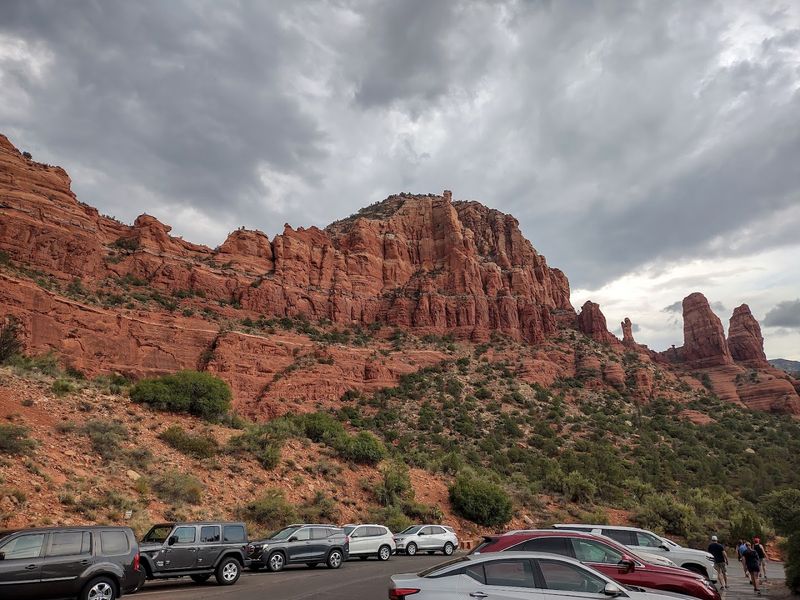
Some rocks make you slow down. These make you stop the car completely and just stand there.
SR-179 runs through the heart of Sedona, delivering formations so vivid they look like someone painted them without ever hearing the word subtle. Cathedral Rock, Bell Rock, the names make complete sense the moment you see them.
The byway stretches about 7.5 miles from the Village of Oak Creek up to Sedona proper. It moves through galleries, trailheads, and pullouts where you can stop and stare.
I pulled over at least four times on my first drive through. Each stop was better than the last.
Sunrise is the magic hour here. The rocks glow orange and deep red before the crowds arrive, and the light changes every few minutes.
Afternoon hits differently too, casting long shadows across the canyon walls that make everything feel cinematic.
Photographers, hikers, and first-time visitors all find something worth stopping for. The road is paved and easy to navigate.
Sedona sits about 2 hours north of Phoenix, making this a very doable day trip or a strong reason to book a weekend stay.
2. Monument Valley Navajo Tribal Park Loop
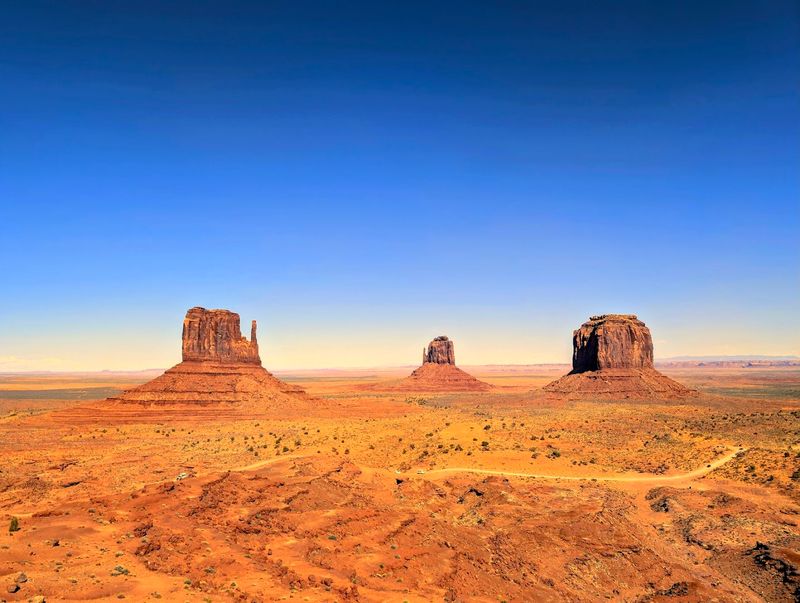
Some places you recognize before you have ever visited them. Monument Valley is exactly that, and somehow the real thing still manages to shock you.
The Mittens and Merrick Butte rise from the desert floor like ancient sentinels. No photo fully captures the scale.
The 17-mile Valley Drive loops through the park on an unpaved road. It is rough, so conditions should be checked before you head in.
Speed is not the point here. Every turn brings a new angle on formations that have been standing for millions of years.
The park sits within the Navajo Nation. Guided tours led by Navajo guides offer stories and history you simply cannot get from a road sign.
Booking one adds real depth to the visit. The park entrance is located off US-163 near Oljato-Monument Valley, right on the Utah border.
Sunset here earns its reputation. The buttes shift from burnt orange to deep purple as the sun drops, and the silence is almost loud.
Stargazing after dark in this remote landscape is equally unforgettable. Bring water, snacks, and a full tank of gas because services are limited once you head into the valley.
3. Horseshoe Bend & Antelope Canyon
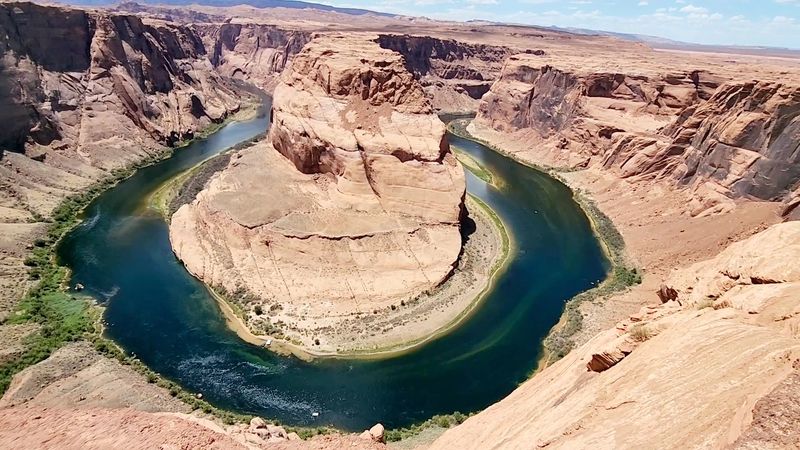
Two of the most photographed spots in the American West sit within a few miles of each other near Page. Combining them into one drive along US-89 makes for a seriously unforgettable day.
This stretch of road punches well above its weight, and most people who do it say they wished they had started earlier and stayed longer.
Horseshoe Bend is where the Colorado River curls around a massive sandstone cliff in a near-perfect horseshoe shape. The drop from the rim is about 1,000 feet.
Yes, it is as dizzying as it sounds. Standing at the edge, you get a sense of scale that photos simply cannot deliver, no matter how good the camera.
Antelope Canyon is a slot canyon carved by flash floods over thousands of years. Light beams pour through the narrow openings above, creating streaks of gold and amber that bounce off the curved sandstone walls.
Upper Antelope Canyon is operated by the Navajo Nation and requires a guided tour. It is worth every penny, and the guides know exactly when and where to position you for the best light.
Page sits near Glen Canyon Dam and Lake Powell. The drive along US-89 offers open desert, canyon country, and turquoise reservoir water all in one stretch.
That combination is rare anywhere on earth, and it makes the road itself part of the experience rather than just a way to get between stops.
Plan for an early start if you want softer crowds at Horseshoe Bend. The trail from the parking area to the overlook is about 1.5 miles round trip.
Wear sturdy shoes, bring plenty of water, and expect your jaw to drop right on schedule.
4. Painted Desert & Petrified Forest National Park Scenic Drive
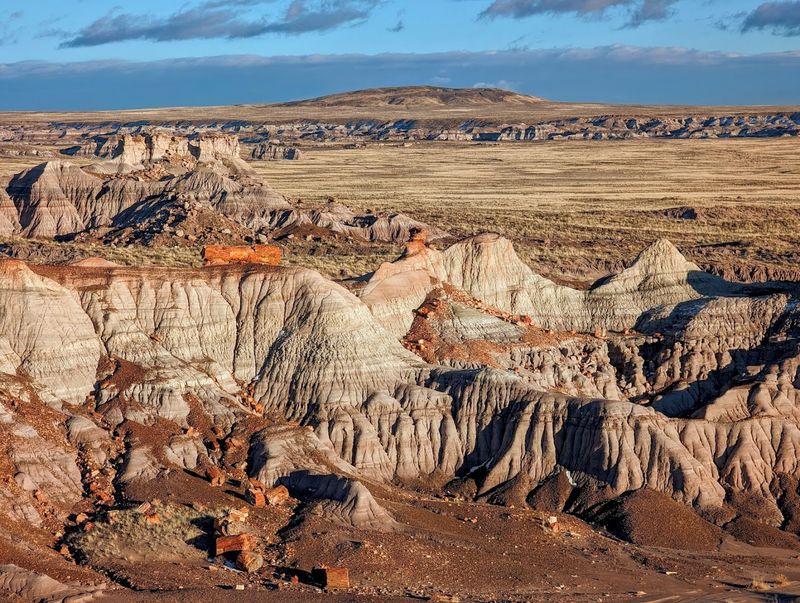
Imagine a desert where the ground looks like a watercolor painting and the logs have turned to crystal. That is not a fantasy.
That is the Painted Desert and Petrified Forest National Park, and the 28-mile scenic drive through it is one of the most genuinely strange and beautiful roads in the state. The colors of the badlands shift from lavender to deep red depending on the time of day.
Petrified wood is the real showstopper. Ancient trees that fell over 200 million years ago were buried, mineralized, and preserved as solid crystal logs.
Some pieces are massive. The colors inside the cross-sections look almost too vivid to be natural.
The park protects over 200,000 acres of this surreal landscape.
The scenic drive connects the north and south entrances of the park along I-40 near Holbrook. Pullouts and overlooks line the route.
Trailheads let you walk among the petrified logs up close. The Painted Desert Rim Trail near the north entrance offers a short, rewarding walk with sweeping views.
Sunrise or late afternoon brings out the most dramatic colors in the badlands. The park is open year-round, and summer mornings are ideal before the heat builds.
Bring binoculars. Pronghorn antelope and various bird species are commonly spotted along the drive, adding a wildlife element to an already spectacular trip.
5. Catalina Highway to Mount Lemmon
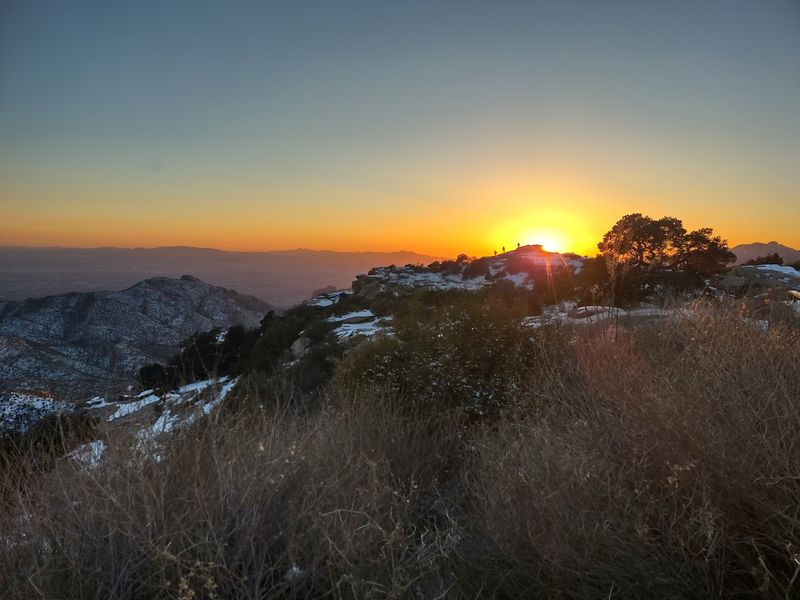
Not many drives in the world take you from cactus to pine trees in under an hour. The Catalina Highway climbs from the Sonoran Desert floor near Tucson all the way up to the summit of Mount Lemmon at 9,157 feet, passing through multiple ecological zones along the way.
It is like driving from Mexico to Canada without leaving southern Arizona.
The road is officially called the Sky Island Scenic Byway and covers about 27 miles from the Tucson city limits to the summit. As elevation increases, the saguaros give way to oaks, then pines, then firs.
Each zone brings cooler temperatures and entirely new scenery. On a hot Tucson day, the summit can be 30 degrees cooler than the city below.
Pullouts along the way offer views back down into the desert valley that are genuinely breathtaking. Windy Point Vista, at around 6,000 feet, is a popular stop with rock formations and wide open sightlines.
The Catalina Highway begins near the intersection of Tanque Verde Road and Catalina Highway in Tucson.
Mount Lemmon also has a small ski area, Ski Valley, which operates in winter when snowfall permits. In summer, the summit area has trails and a small village called Summerhaven with a bakery.
The whole drive is paved, well-maintained, and suitable for any standard vehicle. It is one of the most ecologically diverse drives in the entire Southwest.
6. Vermilion Cliffs Scenic Road
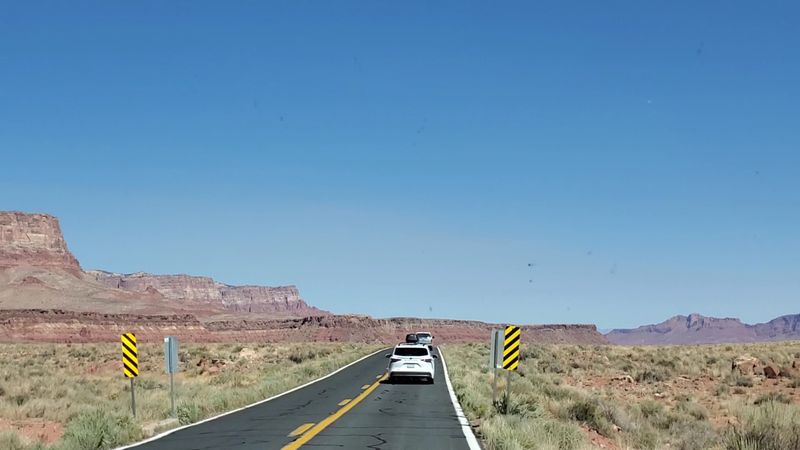
Few roads feel as remote and cinematic as US-89A through the Vermilion Cliffs corridor. The cliffs rise over 3,000 feet above the Colorado Plateau.
Striped in red, orange, and cream, they change color with every passing cloud. This is the kind of road where you keep pulling over just to confirm what your eyes are telling you.
The route runs between Lees Ferry and Jacob Lake, covering roughly 40 miles. The landscape feels completely untouched.
The Vermilion Cliffs National Monument protects over 293,000 acres here, and driving through it gives you a powerful sense of just how vast and raw this terrain really is.
Condor sightings are possible along this corridor. The California condor was reintroduced to the area in 1996, and the population has been growing steadily.
Spotting one with a wingspan exceeding nine feet is a genuinely memorable moment.
Lees Ferry sits at the junction of the Colorado and Paria rivers. It is the only place to launch a Grand Canyon river trip.
The nearby Marble Canyon is spectacular on its own. The road is paved and accessible year-round, though winter can bring snow at higher elevations.
Fuel up before you start because services along this stretch are very limited.
7. Salt River Canyon (US-60)
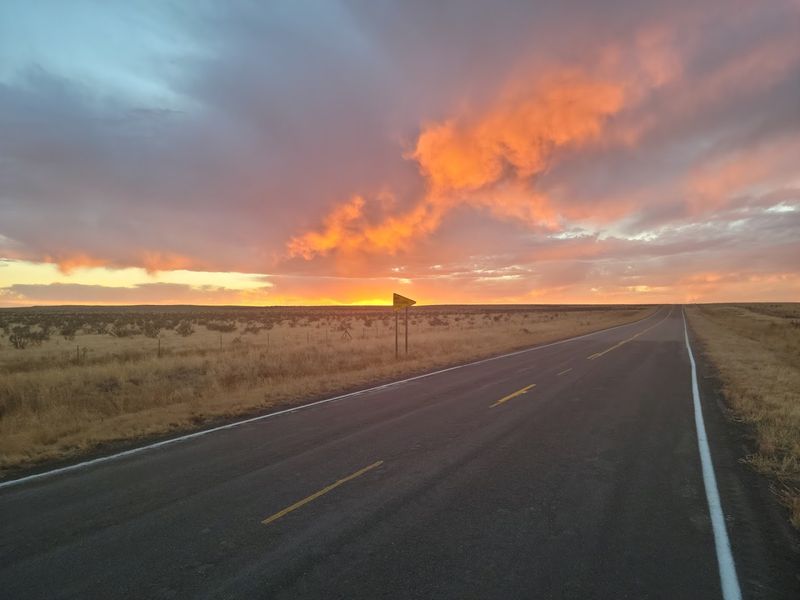
People call it the mini Grand Canyon, but that nickname undersells it. Salt River Canyon drops over 2,000 feet from the surrounding plateau to the river below, and US-60 snakes right down into it with switchbacks that demand your full attention.
The first glimpse of the canyon from the rim is the kind of sight that makes passengers grab the dashboard.
The drive starts near Show Low in the White Mountains and heads southwest toward Globe, with the canyon reveal happening about midway. The descent into the canyon is dramatic, with exposed rock walls in layers of red, grey, and rust closing in on both sides.
At the bottom, the Salt River runs clear and cold, and there is a rest area where you can get out and feel the cool air rising off the water.
The canyon sits within the Fort Apache Indian Reservation and the San Carlos Apache Indian Reservation. Fishing and rafting are popular activities on the river for those who want to extend the experience beyond the drive itself.
US-60 is a well-maintained highway and the drive through the canyon section is only about 40 miles, but the scenery packs a serious punch for a relatively short stretch. Morning light hits the canyon walls beautifully from the southbound direction.
Combine this with a White Mountains loop for a full day of varied Arizona landscape. Few drives surprise people quite this much.
8. White Mountains Scenic Road (SR-260)
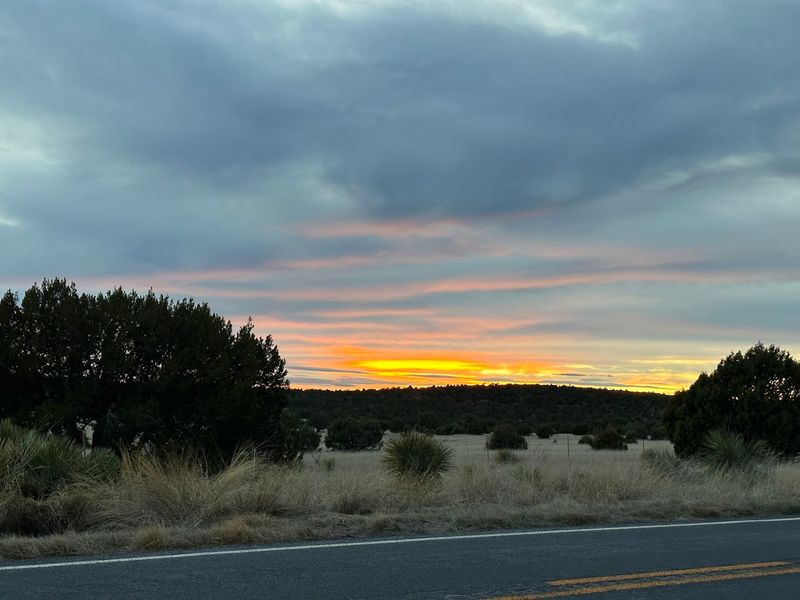
SR-260 through the White Mountains is proof this state has a completely different personality above 8,000 feet. Thick ponderosa pines line the road.
Meadows open up between the trees, and the air carries a coolness that feels almost shocking after the desert below.
The route crosses the Apache-Sitgreaves National Forest through forested high-country terrain. The scenery shifts constantly, from open grasslands to dense forest to creek crossings and small ranching communities.
It feels nothing like the state most visitors picture.
Elk are commonly spotted along this corridor, especially in early morning and at dusk. The White Mountains are one of the few places where you might actually need a jacket in July.
That alone makes it worth the drive for anyone visiting during summer.
Small towns like Pinetop-Lakeside offer local restaurants and shops along the way. Fishing in the mountain lakes and streams is popular, and the drive connects naturally to the Mogollon Rim, a dramatic escarpment that drops from the high country back into the desert below.
SR-260 is paved throughout and easy to drive year-round, though winter snowfall can require chains or four-wheel drive on some sections.
9. Chiricahua National Monument
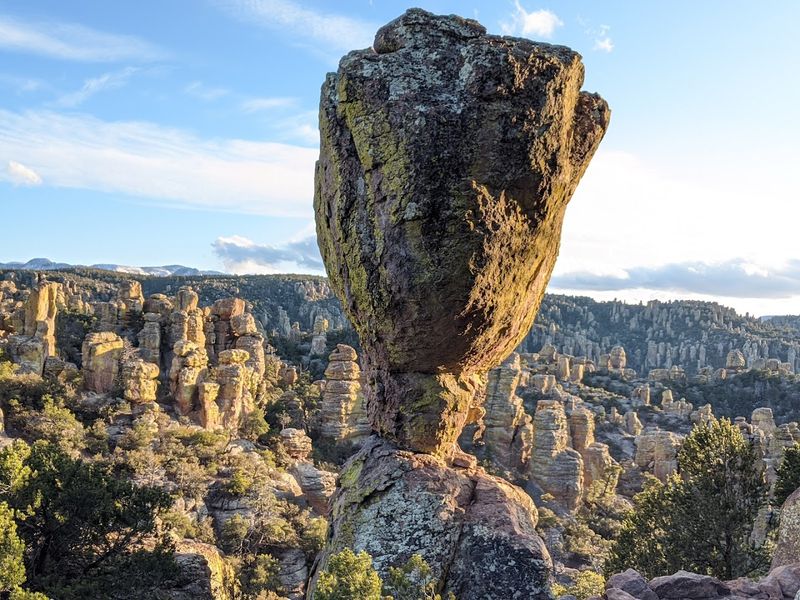
Standing among the rock columns at Chiricahua feels like someone stacked thousands of giant boulders by hand and then walked away. The volcanic pinnacles and balanced rocks here are unlike anything else in the state.
The Apache called this place the Land of Standing-Up Rocks, which is about as accurate a description as you will find.
Chiricahua National Monument sits in the far southeast corner of the state, near the town of Willcox and about 120 miles east of Tucson. The Bonita Canyon Drive runs about 8 miles into the monument from the entrance.
It climbs to Massai Point at 6,870 feet. On a clear day, the views stretch out over the Sulphur Springs Valley and into Mexico.
The rock formations were created by a massive volcanic eruption about 27 million years ago. Ash deposits hardened into rhyolite, and erosion carved the columns and balanced rocks over millions of years.
The geology here is genuinely unique on a global scale.
Wildlife is abundant in the Chiricahua Mountains. White-tailed deer, coati, and an impressive variety of bird species attract serious birdwatchers from across the country.
The monument is open year-round, and spring and fall bring the most comfortable temperatures. The entrance fee is modest, and this is one of the most underrated road trip destinations in the state by a wide margin.