This Scenic Arizona Destination Is One Of The Southwest’s Best Kept Secrets
I almost drove past it. A quick glance at the map, a gut feeling, and suddenly I was pulling over on the side of a road I had no business being on.
What I found next genuinely changed how I think about road trips. Arizona has two faces: the one everyone photographs and the one it keeps for itself.
This is the second one. Red rock formations that rise like monuments nobody bothered to name.
Trails where the only sounds are your own footsteps. A state that surprises you even after you think you know it well.
Most travelers chase the obvious landmarks, but the state’s real magic hides in plain sight, patient and unhurried, waiting for the ones curious enough to stop.
The Wonderland Of Rocks That Will Make Your Jaw Drop
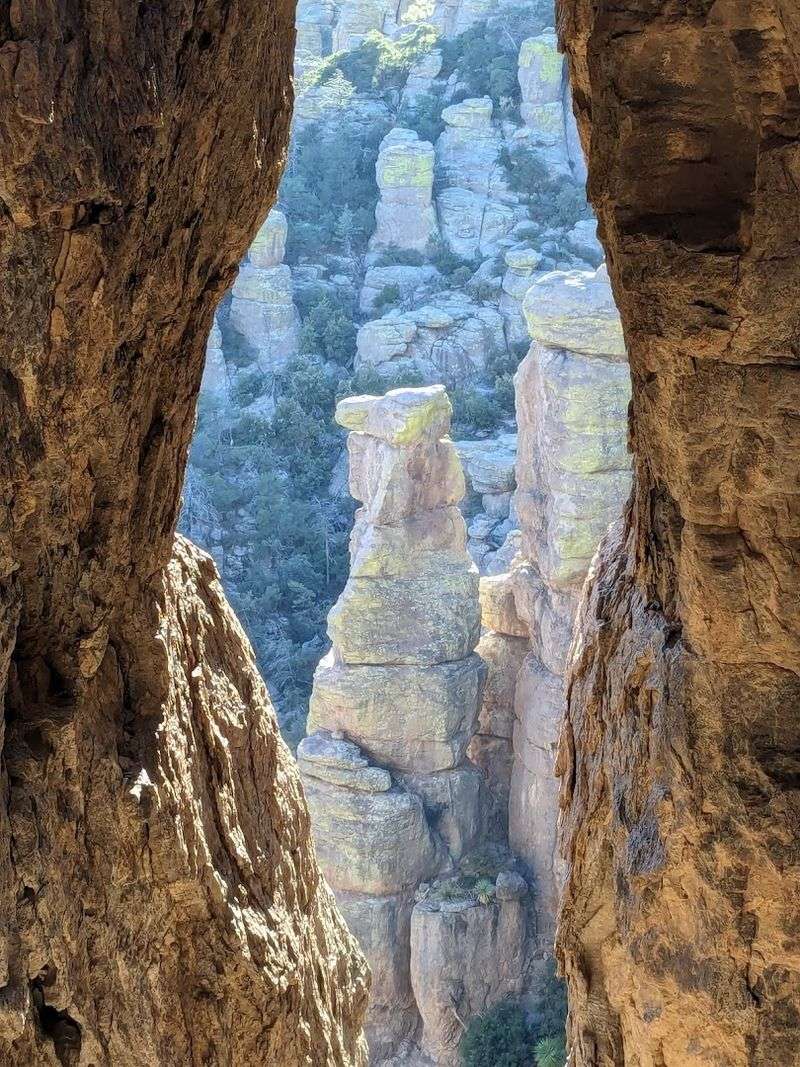
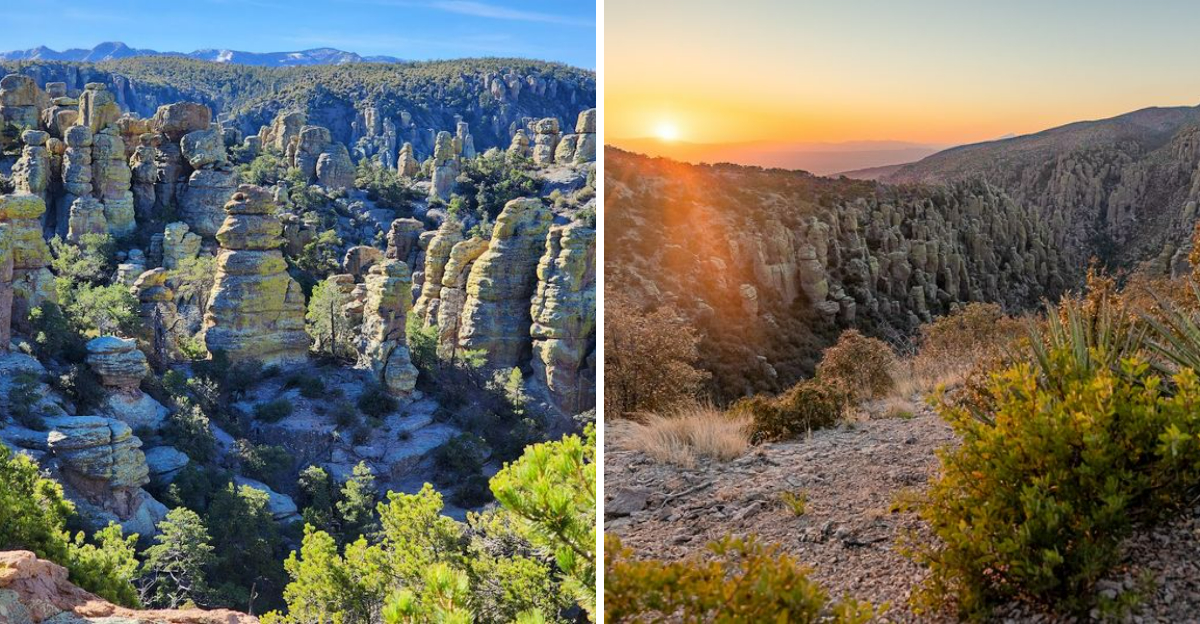
Nothing really prepares you for the first time you see them. Hundreds of towering rock spires shoot straight into the sky like something out of a fantasy novel.
About 27 million years ago, a massive volcanic eruption from the Turkey Creek Caldera blanketed the region in thick ash and debris.
That eruption was significantly larger than the 1980 Mount St. Helens event. Over millions of years, water, wind, and ice carved the hardened ash into the hoodoos, pinnacles, columns, and balanced rocks you see today.
Chiricahua National Monument sits at 12856 East Rhyolite Creek Road, Willcox, AZ 85643, and its geological story is wild.
Some formations rise hundreds of feet skyward. The rocks have names like Punch and Judy, Big Balanced Rock, and Duck on a Rock.
Each one looks completely different depending on where you stand.
The entire landscape feels ancient and alive at the same time. Standing among those formations, you feel genuinely small in the best possible way.
It is one of the most visually dramatic places I have ever visited.
Echo Canyon Loop Trail Is Worth Every Single Step
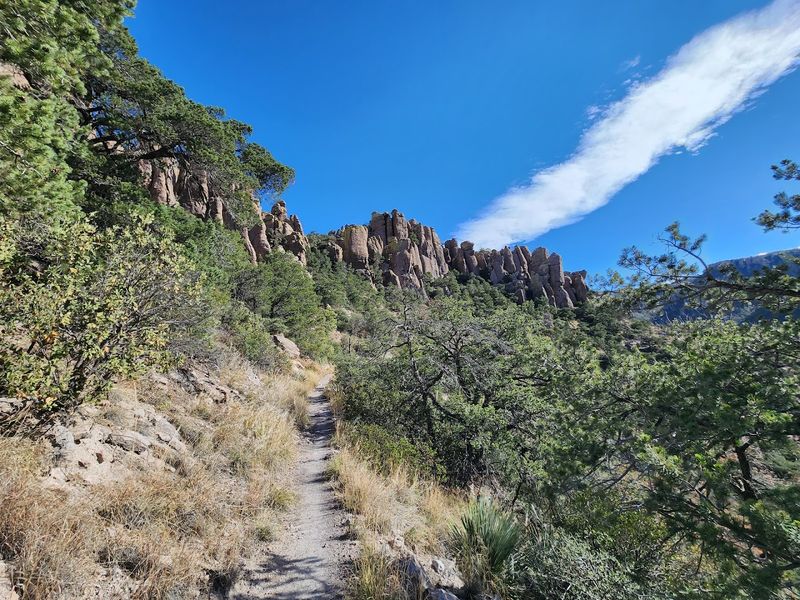
Ask anyone who has hiked here which trail to tackle first, and the answer is almost always the same. Echo Canyon Loop is the trail that converts casual visitors into lifelong fans of this place.
The loop winds through narrow rock corridors, past dramatic grottoes, and beneath stacked boulders that seem to defy gravity. The trail is well-marked and manageable for most hikers, though the elevation shifts will remind your legs they exist.
Going down into the canyon floor rewards you with completely different perspectives of the formations. The rock walls close in around you in the most spectacular way.
You hear your own footsteps echo, which makes the name feel perfectly chosen.
The trail stretches several miles, so pack water and snacks before you head out. There are no food services inside the monument, so preparation matters.
Bring layers too, because the shaded canyon sections can get surprisingly cool even on warm days.
Arriving early means better parking at the trailhead and softer morning light on the rocks. The Echo Canyon Grotto section alone is worth the entire drive.
Plan for at least half a day on this trail.
Heart Of Rocks Loop Delivers The Monument’s Most Iconic Views
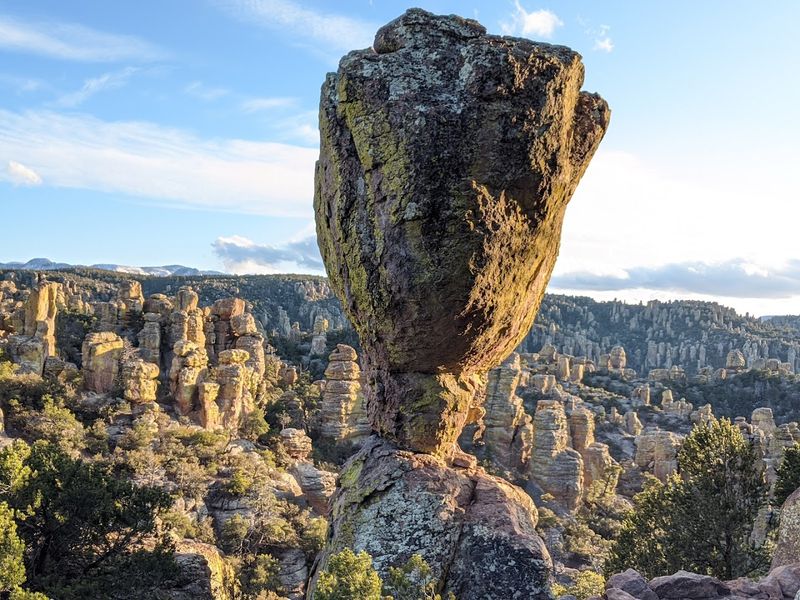
Some trails are nice. This one is unforgettable.
The Heart of Rocks Loop brings you face to face with the most bizarre and beautiful rock formations in the entire monument.
Balanced rocks perch impossibly on narrow pedestals. Columns of stacked boulders rise like ancient sculptures nobody carved.
The landscape here feels more like art than geology.
The loop covers roughly 7 miles total when combined with connector trails, making it a solid full-day adventure. Experienced hikers will love the challenge, but even moderately fit visitors can tackle it with proper pacing.
One honest warning: near the Balanced Rock area, the trail opens up and it is surprisingly easy to lose your bearings. Everything looks similar, and cell service is nonexistent out here.
Download an offline map before you leave the visitor center.
Starting early gives you the best light for photographs and helps you avoid afternoon heat. The views from the upper sections of this loop stretch for miles across the surrounding valleys.
You will want to stop constantly just to stare.
Bring more water than you think you need. The elevation sits above 6,000 feet, and the dry air will dehydrate you faster than expected.
Bonita Canyon Drive Gives You Stunning Views Without Breaking A Sweat
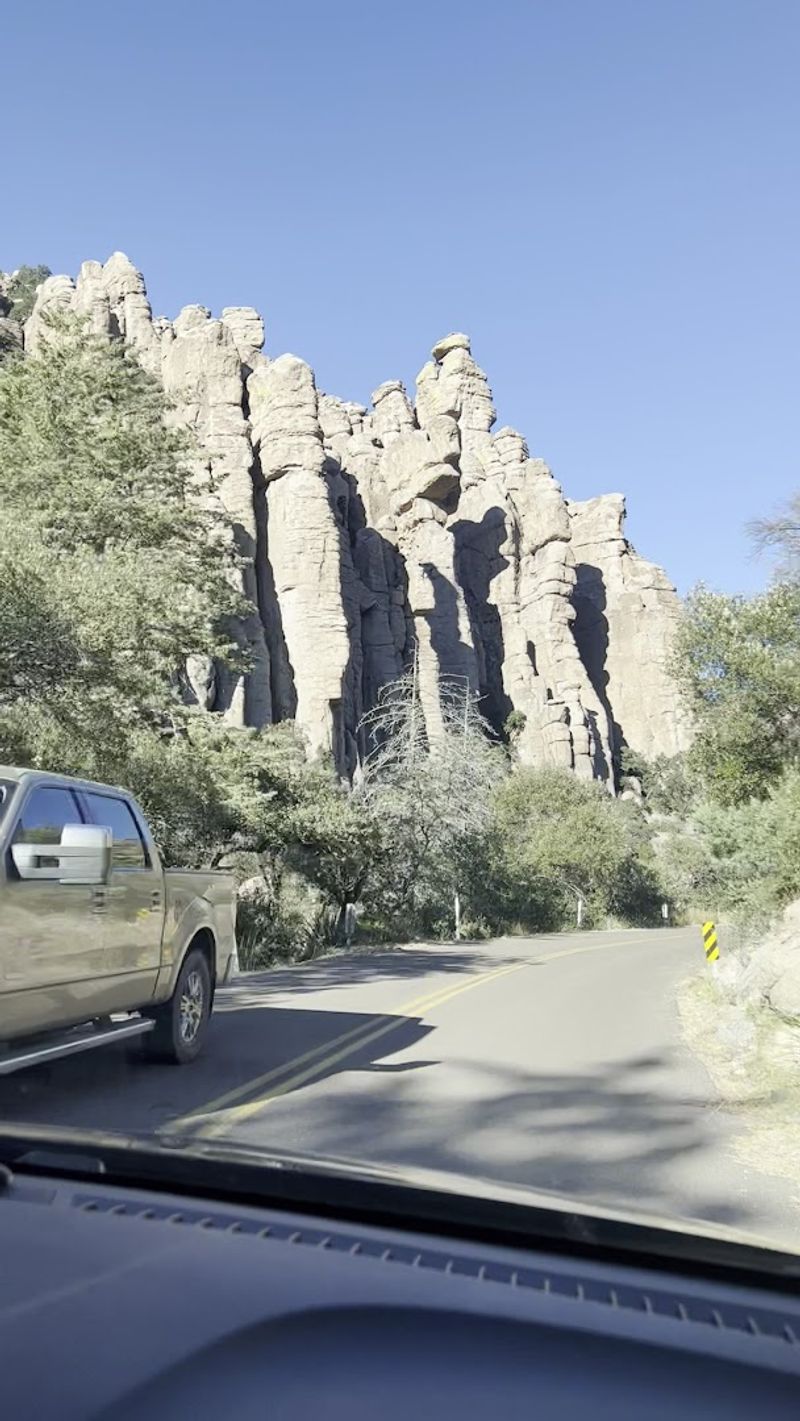
Not every great adventure requires hiking boots. Bonita Canyon Drive proves that a car window can frame some seriously spectacular scenery.
This 8-mile paved road climbs through the heart of the monument, delivering jaw-dropping views of rock formations at every bend. The road winds upward to Massai Point, which sits at an elevation offering 360-degree panoramic views of the surrounding rock valleys and distant mountain ranges.
Massai Point has a small exhibit shelter where you can learn about the volcanic history that shaped everything you see. The geology explanations are genuinely fascinating, not the dry textbook kind.
Kids and adults both tend to linger longer than planned.
The drive is perfect for visitors with limited mobility, families with young children, or anyone who just wants to soak in the scenery at their own pace. You can pull over at multiple viewpoints along the route.
Early morning and late afternoon light transforms the rock colors dramatically. Reds, oranges, and tawny browns shift with every passing hour.
Photographers especially love the golden hour along this road.
The drive is free to complete, just like entry to the entire monument. That detail alone makes this one of the most rewarding scenic drives in the entire region.
Faraway Ranch Connects You To A Fascinating Piece Of Pioneer History
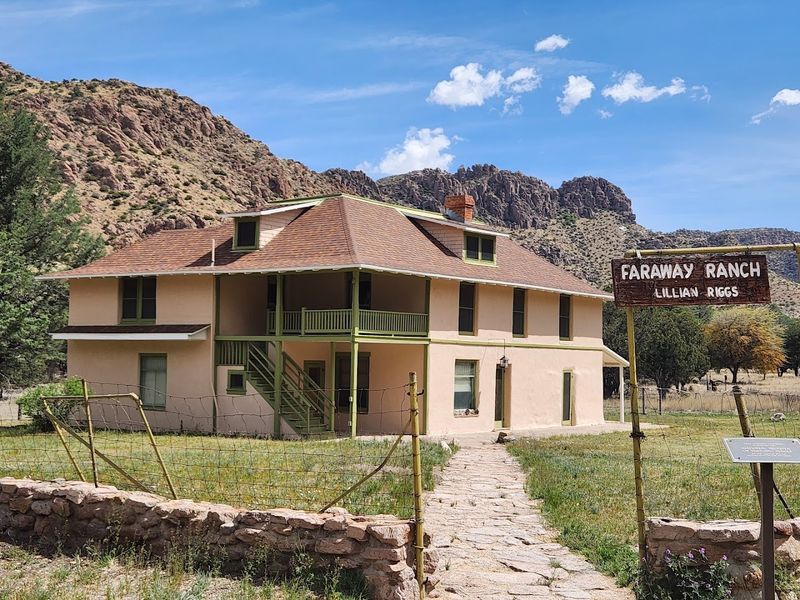
History here goes deeper than geology. Faraway Ranch is a well-preserved 19th-century homestead that tells the story of pioneer life in one of Arizona’s most remote corners.
The ranch became one of the very first guest ranches in the state, welcoming travelers long before national park tourism was a mainstream concept. The buildings have been carefully maintained and offer a vivid window into what frontier life actually looked like in this rugged landscape.
Visiting the ranch adds a human layer to a place that could otherwise feel purely geological. People built lives here, raised families, and found beauty in the same formations that draw visitors today.
That continuity feels meaningful and grounding.
The Civilian Conservation Corps also left a lasting mark on this monument during the 1930s. Roads, trails, and buildings throughout the park were built by CCC crews.
Their craftsmanship has held up remarkably well across nearly a century of use.
The visitor center near the entrance provides excellent context for both the ranch history and the broader story of the Apache people who called this region home long before settlers arrived. Budget extra time for the exhibits.
They are genuinely well done and add real depth to your visit.
The Sky Island Ecosystem Makes This A Birdwatcher’s Dream
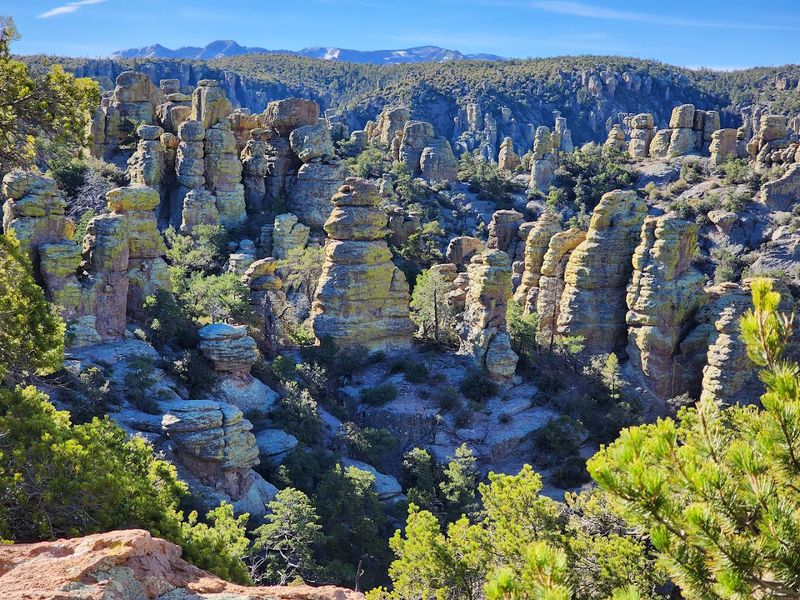
Few places on the continent pack this much biodiversity into one location. Chiricahua sits at the crossroads of four major biomes, the Sierra Madre, Rocky Mountain, Chihuahuan Desert, and Sonoran Desert.
That rare intersection creates what scientists call a Sky Island ecosystem. Species from completely different environments overlap here in ways that happen almost nowhere else.
The result is a wildlife experience that genuinely surprises even experienced naturalists.
Birdwatchers travel from across the country specifically for the Chiricahua Mountains. Rare species that exist nowhere else in the United States show up here regularly.
Serious birders keep detailed life lists, and this area checks off entries that other parks simply cannot offer.
Beyond birds, the monument hosts deer, bears, mountain lions, and the always entertaining coatimundi. Spotting a coatimundi troop moving through the rocks is one of those unexpected wildlife moments that sticks with you.
They look like a raccoon crossed with an anteater, and they move with complete confidence.
Early morning hikes offer the highest chance of wildlife encounters. Animals are most active in the cooler hours before midday heat settles in.
Bring binoculars regardless of your experience level, because you will absolutely want them.
Free Entry Makes This One Of The Southwest’s Greatest Outdoor Bargains
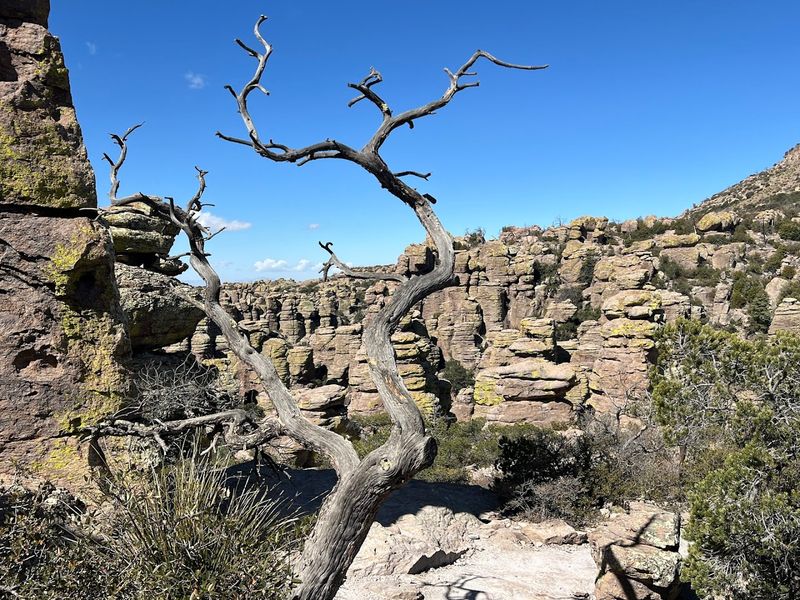
Here is a detail that genuinely surprises most first-time visitors. Entry to Chiricahua National Monument is completely free of charge.
No entrance fee. No timed reservation system.
No crowded ticketing lines. You simply drive in, pick up a trail map at the visitor center, and start exploring nearly 12,000 acres of extraordinary landscape.
That free access makes this place one of the most accessible outdoor destinations in the entire region. Families on tight budgets can spend a full day here without spending a dollar on admission.
The experience rivals national parks that charge $35 per vehicle.
Camping is available within the monument for those who want to extend their stay, and overnight fees are very reasonable. Waking up among those rock formations with morning light painting the spires is something photographs cannot fully capture.
The monument sits roughly 45 minutes south of Interstate 10, making it genuinely off the main travel corridor. That distance is exactly why crowds stay manageable.
Most visitors who make the drive say it was absolutely worth every mile.
Fuel up your vehicle before leaving Willcox, because services near the monument are limited.
Massai Point Offers The Best Panoramic Payoff In The Entire Monument
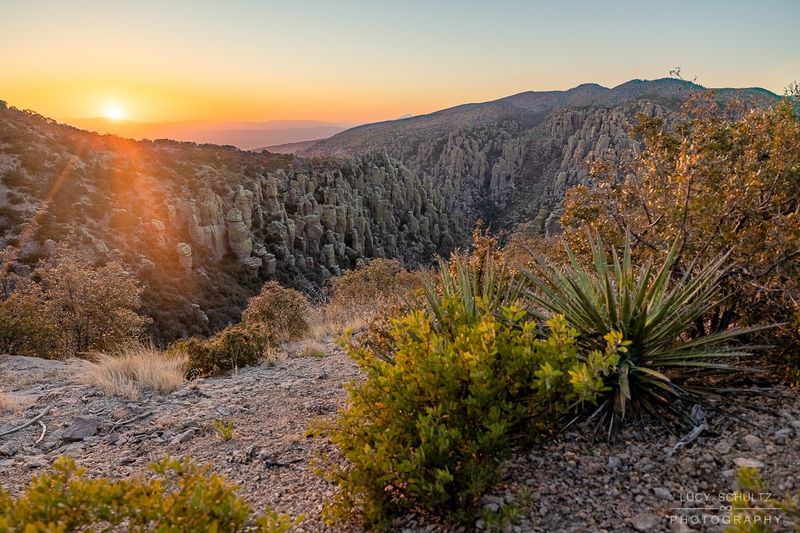
Some viewpoints are nice photo stops. Massai Point is a full sensory experience that earns its reputation as the crown jewel of the monument.
Reached via Bonita Canyon Drive, the point sits high enough to deliver unobstructed 360-degree views of the surrounding rock valleys and distant mountain ridges. On clear days, the visibility stretches for dozens of miles in every direction.
The scale of it genuinely takes a moment to process.
The Massai Point Nature Trail offers an easy half-mile walk that loops around the summit area. Even visitors with limited time or mobility can complete it comfortably.
The trail passes interpretive signs that explain the volcanic origins of everything you see spread out below.
Sunrise at Massai Point is something photographers specifically plan trips around. The first light hits the rock formations at a low angle that makes the colors glow in ways that feel almost unreal.
Arriving before dawn is absolutely worth the early alarm.
Sunset delivers an equally dramatic show from the same spot. The western sky turns vivid shades of orange and pink while the rock formations shift through amber and deep red below.
It is one of those views you carry with you long after the drive home.
Bring a camera with extra battery. You will take far more photos than you planned.