This Atlanta Georgia Gem Began With Circus Animals In 1889 And Is Now A Leading Research Zoo
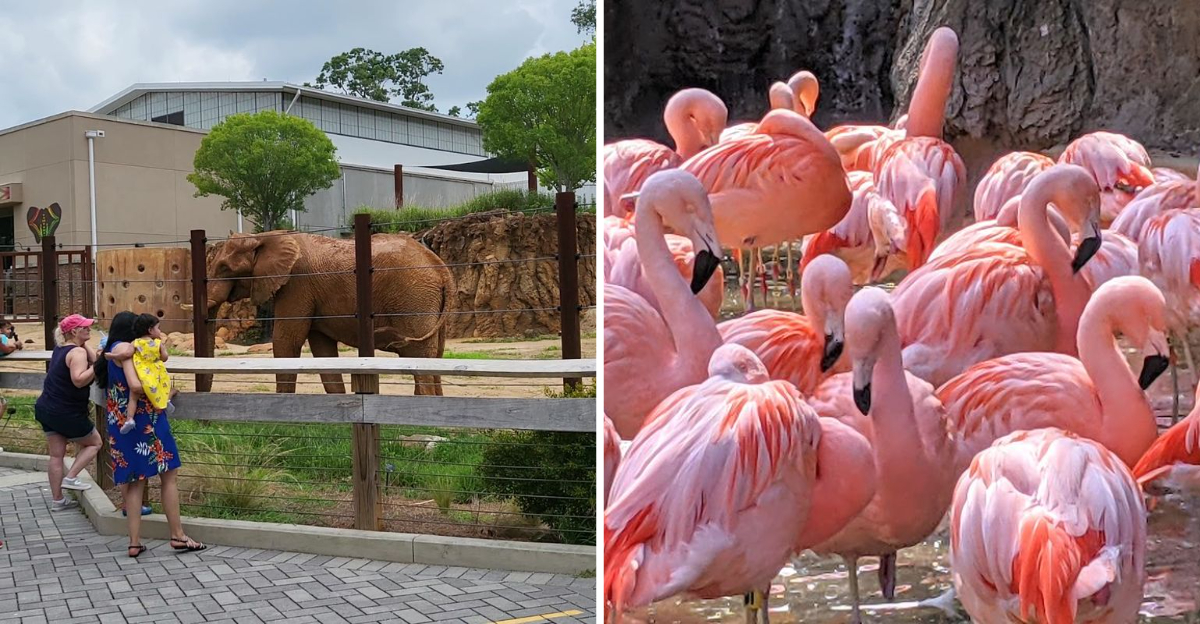
Not every zoo comes with a story that stretches back more than a century, but Zoo Atlanta does. Located in the historic Grant Park neighborhood, this well-known attraction traces its origins to 1889, when animals from a struggling traveling circus were given a new home in the city. What began as a small rescue effort has grown into one of the country’s most respected zoological institutions.
Today, Zoo Atlanta cares for more than 1,000 animals representing over 200 species, creating an experience that is both engaging and educational. Visitors can explore thoughtfully designed habitats, learn about conservation efforts, and see firsthand how the zoo contributes to wildlife research and protection.
The setting makes it easy to spend a full day discovering something new around every corner. For families and curious travelers alike, Zoo Atlanta offers a meaningful and memorable experience in the heart of the city.
1. African Savanna
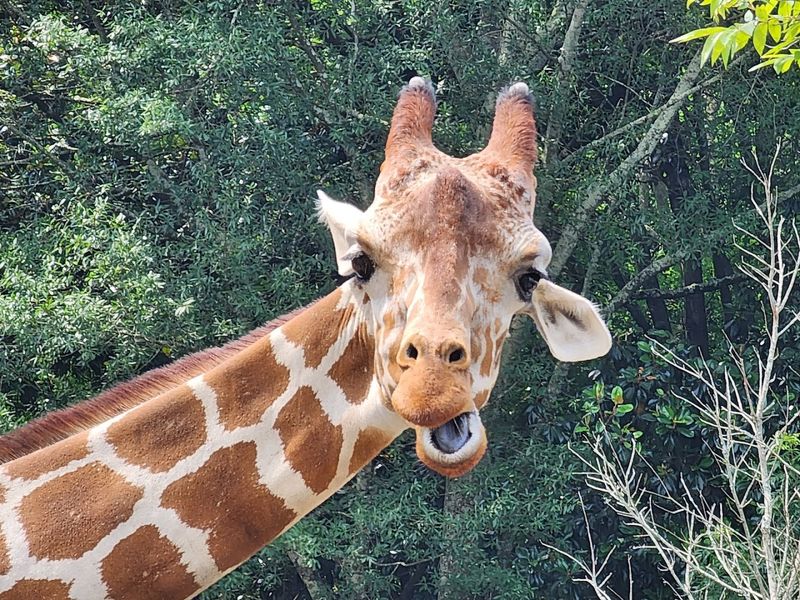
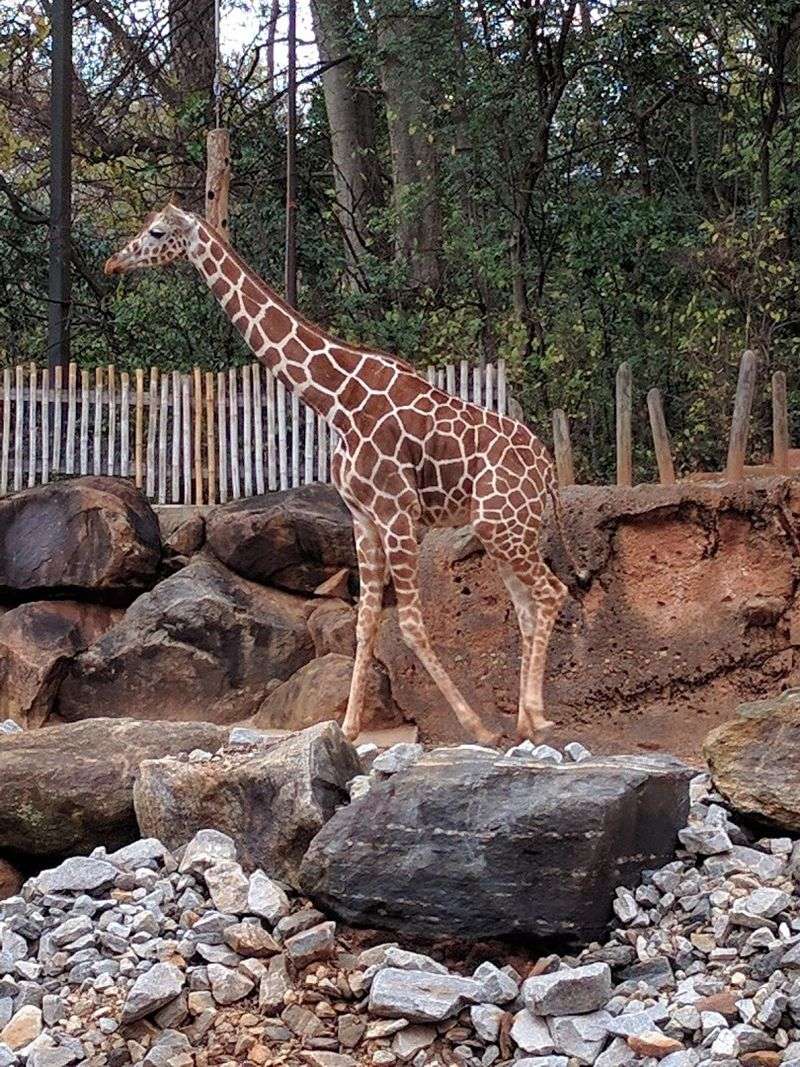
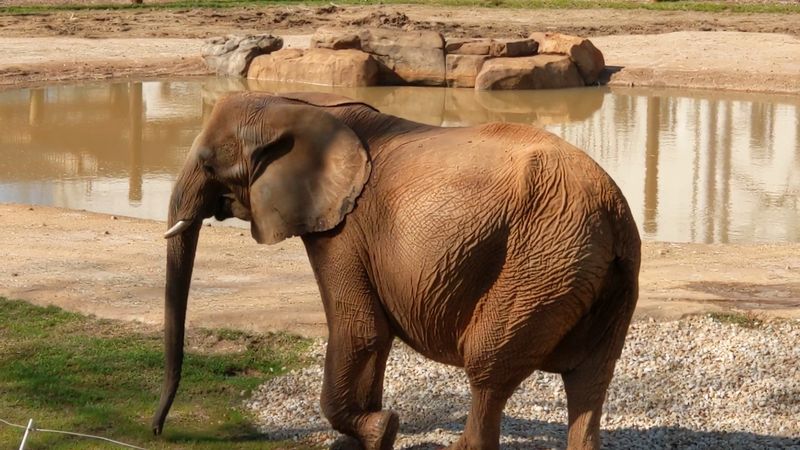
Few things match the feeling of watching a giraffe stretch its long neck toward the treetops just a few yards away from where you are standing. The African Savanna at Zoo Atlanta, located at 800 Cherokee Ave SE, Atlanta, GA 30315, brings together one of the most diverse collections of African wildlife found anywhere in the southeastern United States.
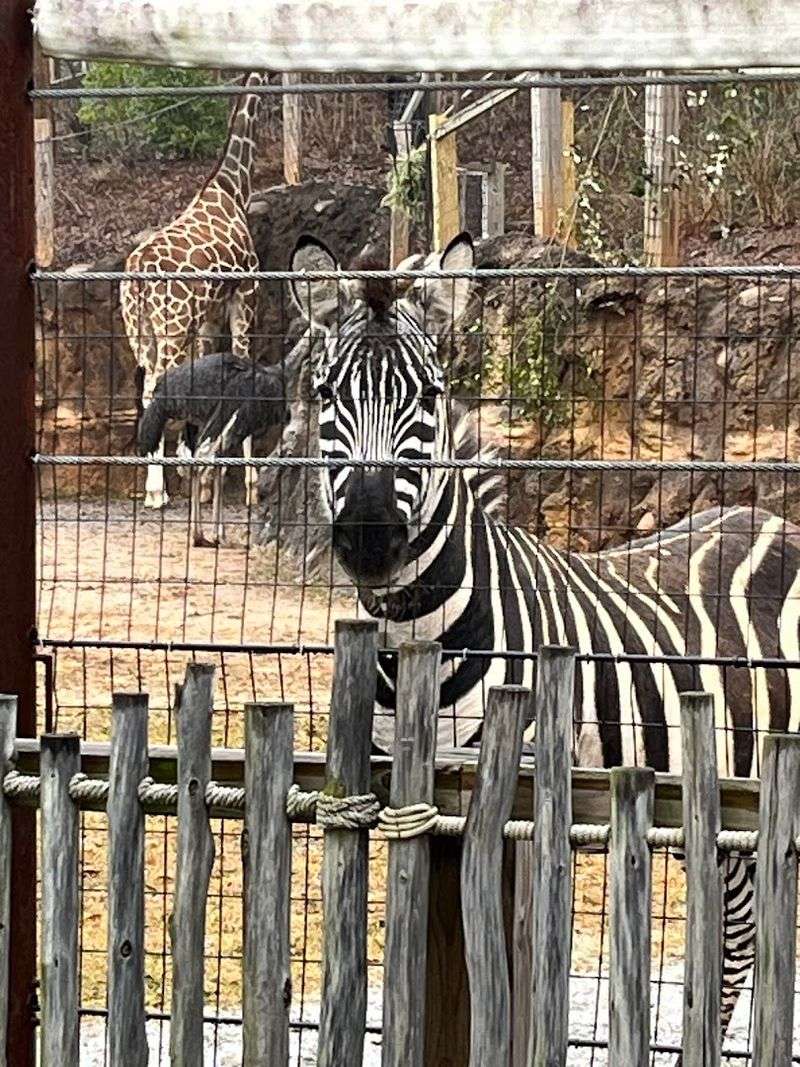
African elephants, zebras, warthogs, ostriches, and meerkats all share this expansive habitat, giving visitors a layered and genuinely immersive viewing experience. The wide pathways make it easy to move around and find the best vantage points without feeling crowded.
Mornings tend to be the most active time for the animals, so arriving early pays off in a big way. Comfortable footwear is a smart choice since there is quite a bit of ground to cover here. Families with young children especially enjoy the open sightlines that make spotting animals simple and exciting.
2. Ford African Rain Forest
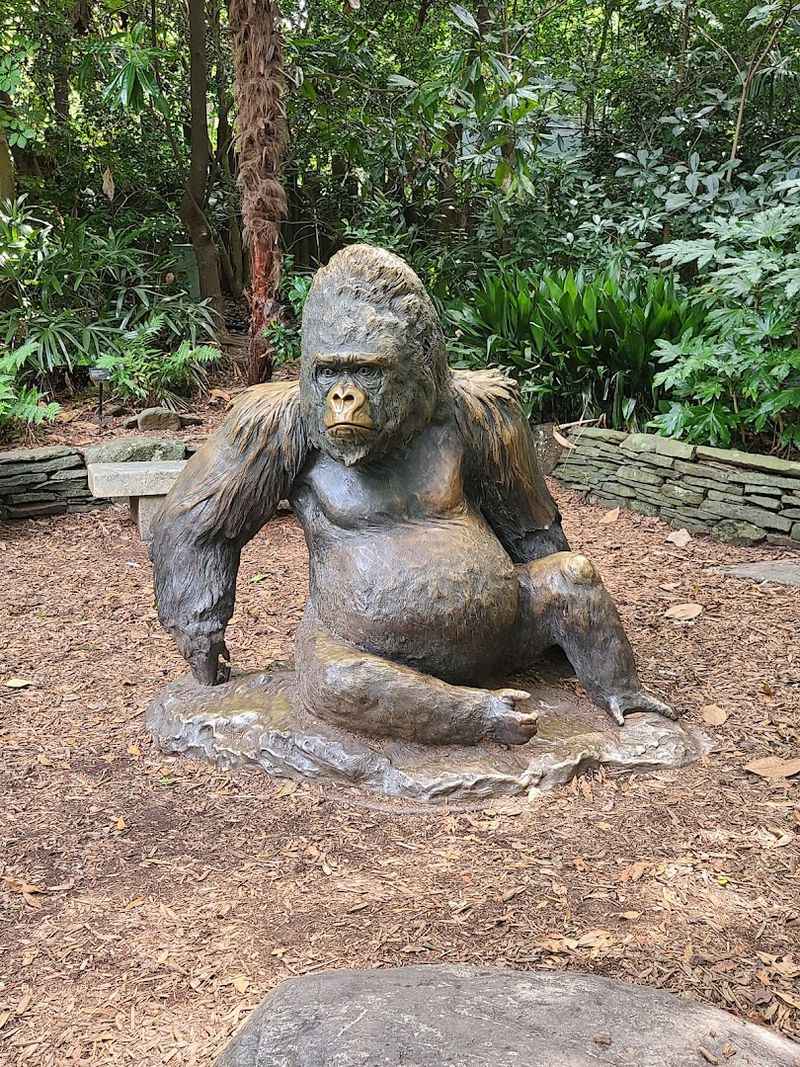
North America does not have many places where you can observe western lowland gorillas living in a habitat this thoughtfully designed, and Zoo Atlanta happens to be one of them. The Ford African Rain Forest, part of Zoo Atlanta supports one of the largest gorilla populations on the continent, making it a landmark exhibit in American zoology.
The habitat feels genuinely lush, with dense vegetation, climbing structures, and open spaces that allow the gorillas to move naturally throughout the day. Watching family groups interact, play, and rest offers a window into animal behavior that no documentary can fully replicate.
Conservation research conducted here contributes to global gorilla protection programs, so a visit carries real meaning beyond the sightseeing. Keeper talks scheduled throughout the day add helpful context about individual gorilla personalities and the broader conservation mission. Checking the daily schedule before your visit helps you catch these talks at the right time.
3. Asian Forest Exhibit
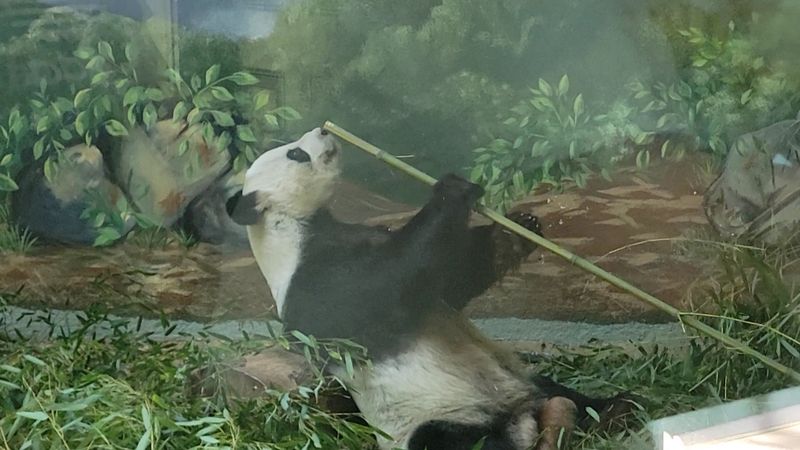
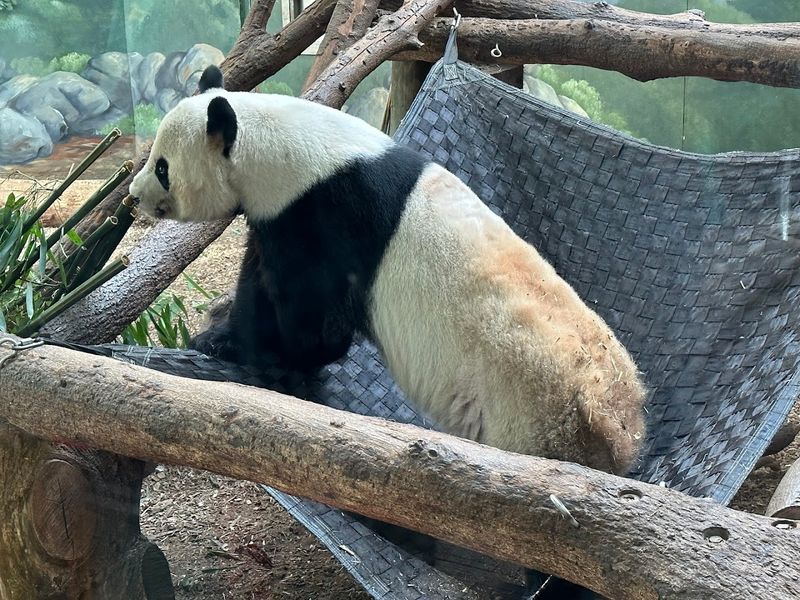
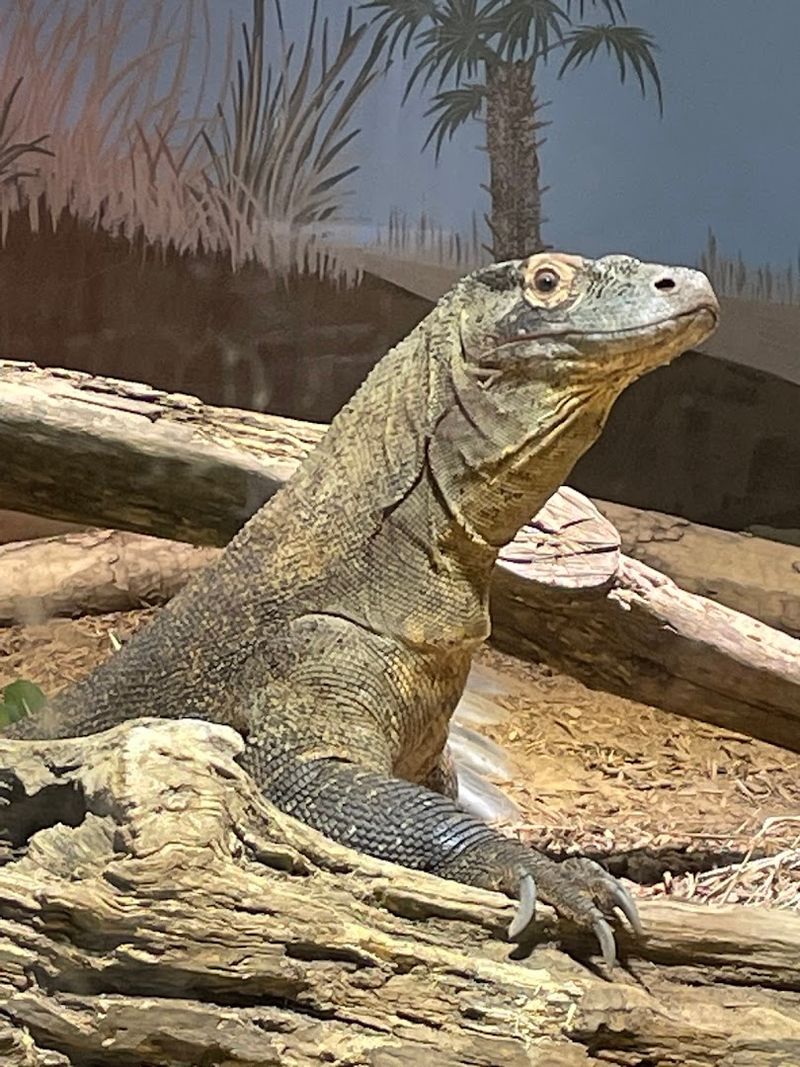
Giant pandas have a way of stopping people in their tracks, and the Asian Forest exhibit at Zoo Atlanta has long been one of the most talked-about destinations in the entire park. Situated within Zoo Atlanta this section also features red pandas, Komodo dragons, and sun bears, creating a rich tapestry of Asian wildlife all in one area.
Red pandas, with their rust-colored fur and curious expressions, tend to be a crowd favorite among visitors who may not have seen them before. Komodo dragons bring a prehistoric energy to the exhibit that older kids and adults find genuinely captivating.
The winding paths through this section create a sense of discovery around each corner, which keeps the energy of a visit moving naturally. Shaded viewing areas help on warmer Georgia days, and benches are scattered throughout for a comfortable pause. Weekday visits typically mean shorter waits near the panda viewing area.
4. Scaly Slimy Spectacular
Not every zoo can claim a world record, but Zoo Atlanta holds one worth talking about. The Scaly Slimy Spectacular is the world’s first LEED Gold-certified amphibian and reptile complex, housed within Zoo
Poison dart frogs in vivid electric colors, massive pythons, Komodo dragons, and a dazzling variety of lizards fill the carefully climate-controlled exhibits inside. The building itself was designed with environmental sustainability in mind, which aligns with the zoo’s broader conservation values.
Children who might typically rush past reptile displays tend to slow down here because the exhibits are positioned at eye level and the lighting creates a genuinely theatrical effect. The educational signage throughout the building explains the ecological roles these animals play in their native environments. Rainy days actually make this an ideal stop since the indoor setting keeps the experience comfortable regardless of Atlanta’s unpredictable weather.
5. Giant Panda Conservation Center
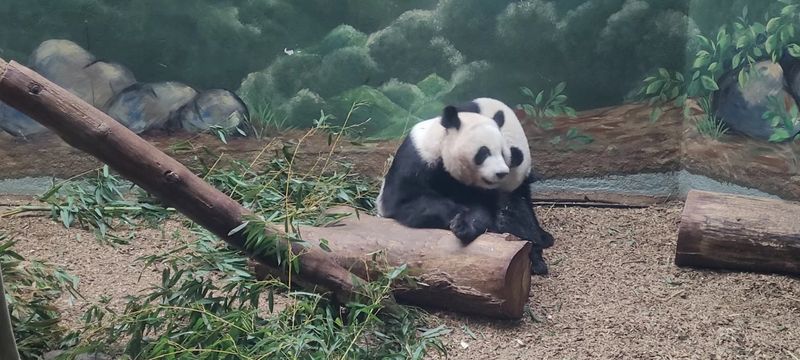
For over two decades, Zoo Atlanta was one of only four zoos in the United States to house giant pandas, and the Giant Panda Conservation Center became a defining feature of the park’s identity.
Though the giant pandas have since returned to China as part of international conservation agreements, the center continues to serve an important purpose by supporting conservation efforts for other vulnerable species. The history of the panda program here is documented through exhibits and educational displays that tell the story of the zoo’s long partnership with Chinese wildlife authorities.
Visitors curious about what the center looks like today will find it thoughtfully repurposed rather than left empty. The conservation mission that drove the panda program still shapes how Zoo Atlanta approaches animal care and research across the entire facility.
6. Wild Encounters Behind-the-Scenes Experiences
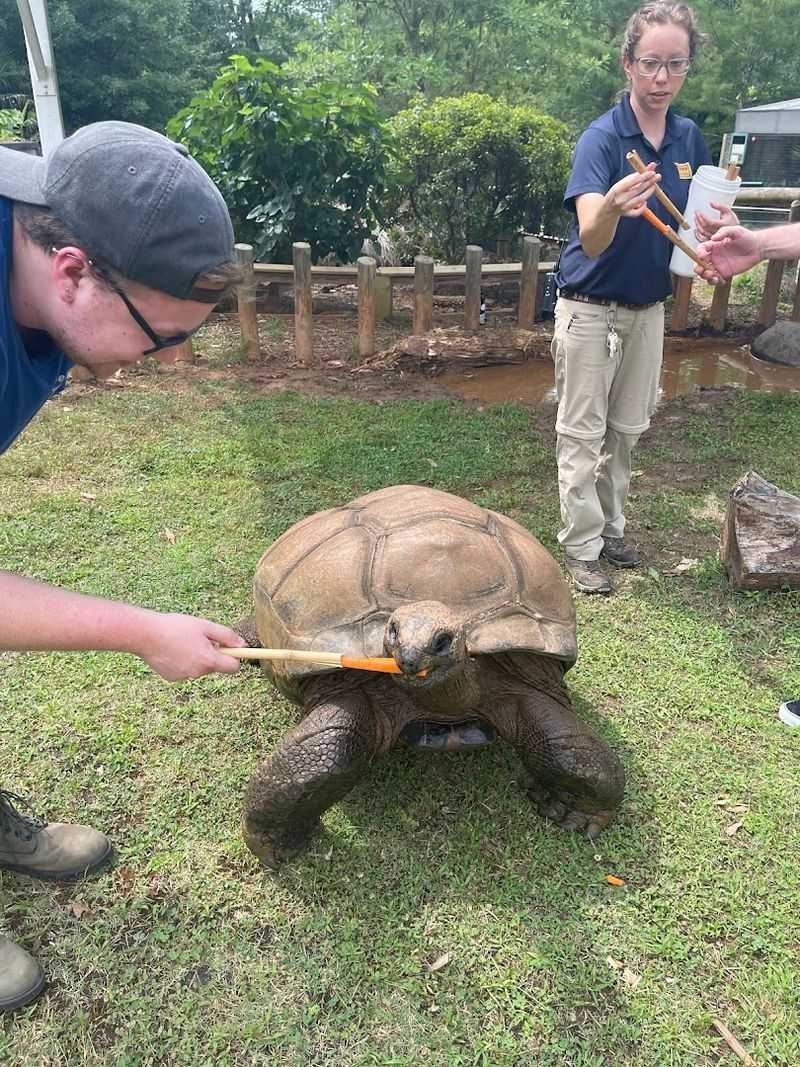
Getting closer to wildlife than a standard zoo visit allows is something most animal lovers dream about, and Zoo Atlanta’s Wild Encounters program makes that possible. These behind-the-scenes experiences, available through Zoo Atlanta offer guests the chance to meet specific animals with the guidance of trained keepers in a controlled, respectful setting.
Options vary depending on the season and availability, and past experiences have included up-close time with animals like giant tortoises, flamingos, and African penguins. Each session is designed to be educational as well as memorable, with keepers sharing behavioral insights and conservation context throughout.
Booking in advance is strongly recommended since spots fill up quickly, especially on weekends and during school holiday periods. Pricing is separate from general zoo admission, so factoring that into the overall budget before the visit helps avoid any surprises. For families celebrating a birthday or special occasion, this kind of personalized experience adds a layer of magic that standard zoo visits simply cannot replicate.
7. Keeper Talks and Animal Demonstrations
Hearing directly from the people who care for zoo animals every single day changes the experience of a zoo visit entirely. Keeper Talks at Zoo Atlanta, held at various points throughout the grounds give visitors a chance to ask real questions and hear genuine stories about the animals they are watching.
These talks cover topics ranging from feeding habits and enrichment activities to the conservation challenges facing specific species in the wild. Keepers often share personal anecdotes about individual animals, which makes the information feel personal rather than textbook-dry.
The schedule for daily talks is posted at the zoo entrance and updated regularly, so picking up a map on arrival and planning around two or three talks can significantly enrich the overall visit. Children tend to engage especially well during these sessions because the conversational format invites curiosity. Arriving a few minutes early to a talk ensures a good viewing spot near the habitat where the keeper will be presenting.
8. KIDZone and Treetop Tykes Trail
Younger visitors sometimes need a break from walking and observing, and Zoo Atlanta has built something genuinely fun just for them. The KIDZone and Treetop Tykes Trail, located within Zoo Atlanta offer interactive, animal-themed play spaces designed specifically for toddlers and early elementary-aged children.
Climbing structures, splash elements, and sensory play areas give kids a chance to burn off energy in a setting that still connects them to the zoo’s conservation themes. Parents tend to appreciate how the design keeps children engaged without feeling like a detour from the zoo experience itself.
On warmer Atlanta days, the water play elements in the KIDZone are particularly popular, so bringing a change of clothes for younger kids is a practical tip worth remembering. The trail portion winds through a naturalistic setting that introduces children to concepts like forest habitats and tree canopy ecosystems in a playful, hands-on way. Stroller parking is available nearby for convenience.
9. Seasonal Events and After-Hours Programs
A zoo that transforms after dark is a different kind of adventure, and Zoo Atlanta delivers that experience through its rotating lineup of seasonal events. Programs like Family Nightcrawler and Kids Night Out, offered at Zoo Atlanta give families a reason to return throughout the year rather than treating a zoo visit as a one-time outing.
These after-hours events typically feature special animal programming, themed activities, and an atmosphere that feels distinctly different from a standard daytime visit. The cooler evening temperatures during Atlanta summers make nighttime events particularly appealing for families who find midday heat challenging.
Holiday-season events have drawn large crowds in past years, so purchasing tickets well in advance is a practical necessity rather than just a suggestion. The zoo’s event calendar is updated regularly on its official website, making it easy to plan around specific programs. Seasonal events often sell out, especially those tied to school breaks or long weekends when Atlanta families are actively looking for outings.
10. Year-Round Educational Programs
Conservation awareness does not happen by accident, and Zoo Atlanta has built an educational infrastructure that reaches students, families, and community groups throughout the entire year. The educational programs offered at Zoo Atlanta range from school field trip curricula to summer camps and adult learning series, covering topics tied directly to wildlife science and environmental stewardship.
Teachers who bring classes to the zoo can often connect the visit to specific curriculum standards, which makes the outing academically purposeful rather than purely recreational. Summer camp programs at Zoo Atlanta have developed a loyal following among Atlanta families who want their children engaged with nature and science during the break.
Community outreach efforts extend the zoo’s educational reach beyond its physical gates, partnering with schools and organizations across the Atlanta metro area. For homeschooling families, the zoo offers structured programming that fits naturally into science and biology units. Checking the education section of the zoo’s official website reveals the full scope of what is currently available and enrollable.
11. Global Conservation Efforts
Supporting a zoo visit means contributing to something much larger than the park itself, and Zoo Atlanta takes that responsibility seriously. As an accredited member of the Association of Zoos and Aquariums, Zoo Atlanta channels resources into conservation programs that protect species across Africa, Asia, and the Americas.
Research conducted at the zoo has contributed to scientific understanding of great ape behavior, reptile ecology, and the reproductive biology of endangered species. Field conservation partnerships extend the zoo’s impact into natural habitats where animals face real threats from habitat loss, poaching, and climate change.
Every admission ticket purchased helps fund these programs, which gives visitors a tangible connection to global wildlife protection. The zoo’s published conservation reports detail ongoing projects and measurable outcomes, which is worth exploring for anyone who wants to understand the full scope of what their visit supports. Atlanta is fortunate to host an institution with this level of scientific credibility and global reach.
12. Endangered Species Carousel and Zoo Train
Classic zoo rides carry a nostalgic charm that newer digital attractions simply cannot replicate, and Zoo Atlanta keeps that tradition alive with two family favorites. The Endangered Species Carousel and the Norfolk Southern Zoo Train, both located within Zoo Atlanta offer lighthearted fun that appeals to visitors across multiple generations.
The carousel features beautifully crafted figures of endangered animals, which turns a simple ride into a subtle lesson about species at risk. Children are often drawn to specific animals on the carousel, sparking conversations about why those species need protection.
The zoo train provides a relaxed way to cover ground while getting a different perspective on the park’s layout and some of its habitats. Rides are priced separately from general admission, so budgeting a few extra dollars per person keeps the experience smooth and stress-free. Lines for both attractions tend to grow during peak midday hours, so riding earlier in the visit or closer to closing time usually means shorter waits.
13. Diverse Animal Exhibits Including Lions and Flamingos
Beyond the headline animals like gorillas and pandas, Zoo Atlanta fills its grounds with an impressive variety of species that reward curious visitors who take their time exploring. The lion and flamingo exhibits, among many others within Zoo Atlanta demonstrate the breadth of the park’s animal collection and habitat design philosophy.
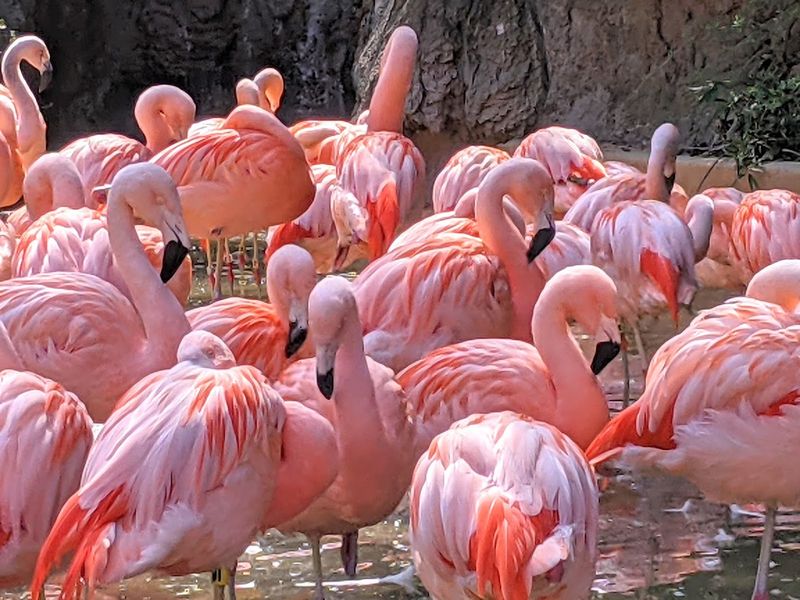
African lions in a well-designed habitat have a commanding presence that draws crowds throughout the day, and the viewing angles at Zoo Atlanta allow for close, clear observation of these iconic animals. Flamingos, by contrast, bring a delicate splash of pink and a surprisingly social energy to their exhibit that younger children find endlessly entertaining.
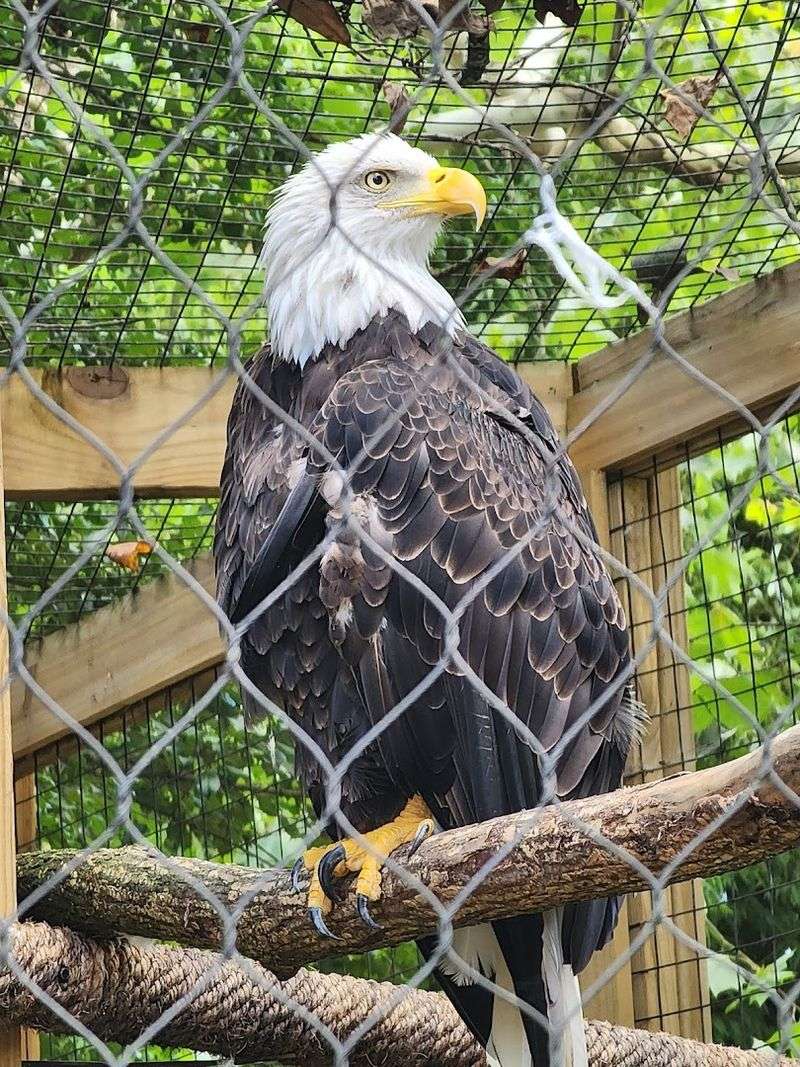
Tigers, meerkats, and a wide variety of bird species round out the diversity visitors encounter as they move through different sections of the park. The variety means that even repeat visitors tend to discover something new each time. Picking up the zoo map at the entrance helps with planning a route that covers the exhibits most important to each visitor’s personal wish list.
14. Informative Educational Signage Throughout the Zoo
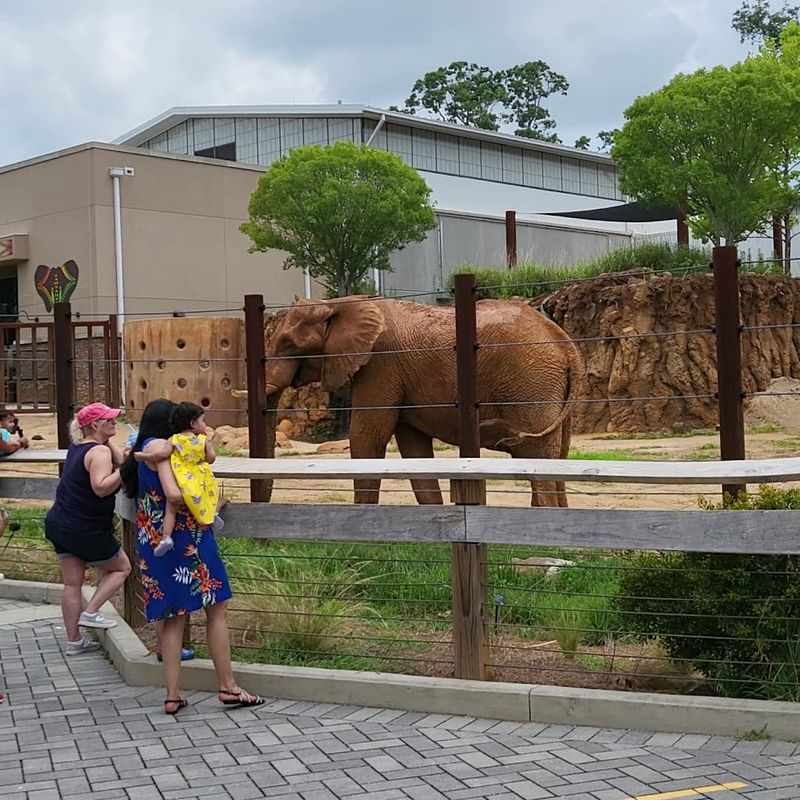
Good zoo signage can transform a walk through animal exhibits into something closer to a guided course in wildlife science, and Zoo Atlanta invests meaningfully in this often-overlooked element. Throughout the grounds informative displays accompany nearly every exhibit, explaining animal behavior, diet, habitat range, and conservation status in language accessible to visitors of all ages.
The signage is designed with visual appeal in mind, using graphics and photography that hold attention rather than feeling like a wall of text. Children who can read independently often slow down at these panels and ask follow-up questions, which turns the signage into an organic learning moment.
For adults with a deeper interest in zoology or ecology, the information provided goes beyond surface-level facts and offers genuine scientific context. The conservation status indicators on each sign create a quiet but persistent reminder of why institutions like Zoo Atlanta matter beyond entertainment. Taking time to read the signs rather than rushing between exhibits meaningfully enriches the overall experience of a visit.
15. Accessibility and Family-Friendly Layout
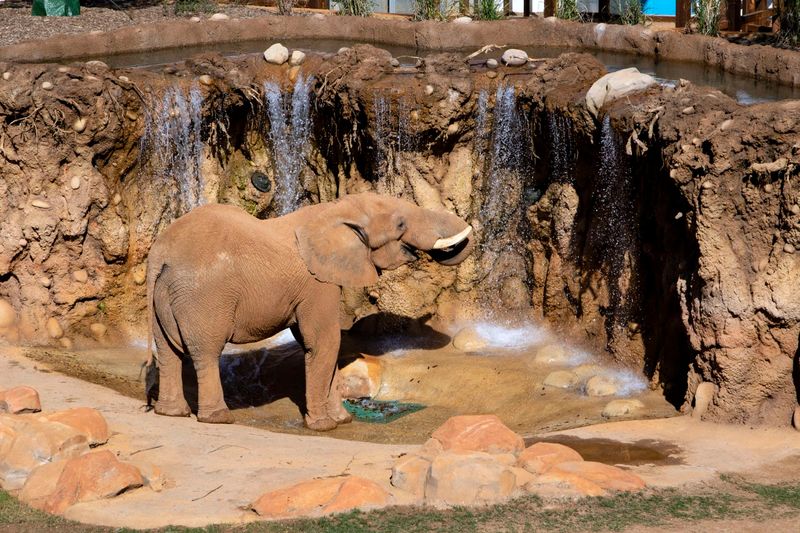
Planning a zoo visit with very young children, elderly family members, or anyone with mobility considerations requires knowing in advance whether the space will actually accommodate everyone comfortably. Zoo Atlanta is designed with genuine accessibility in mind, featuring stroller-friendly paved paths, shaded rest areas, and clearly marked facilities throughout the grounds.
The relatively flat terrain in most sections of the park makes navigation manageable for strollers and wheelchairs, though some areas may have gentle inclines worth noting during planning. Shaded seating areas are distributed across the park, which matters considerably during Atlanta’s warm and humid summer months when taking regular breaks becomes a practical necessity.
Stroller and wheelchair rentals are available at the entrance for families who prefer not to bring their own equipment. Water refill stations and food venues are spaced conveniently around the grounds so that longer visits do not require extensive backtracking. Arriving with a loose, flexible itinerary rather than a rigid schedule tends to produce the most relaxed and enjoyable experience for groups with mixed ages and energy levels.