This Beachfront Camping Adventure In Georgia Belongs On Your Bucket List
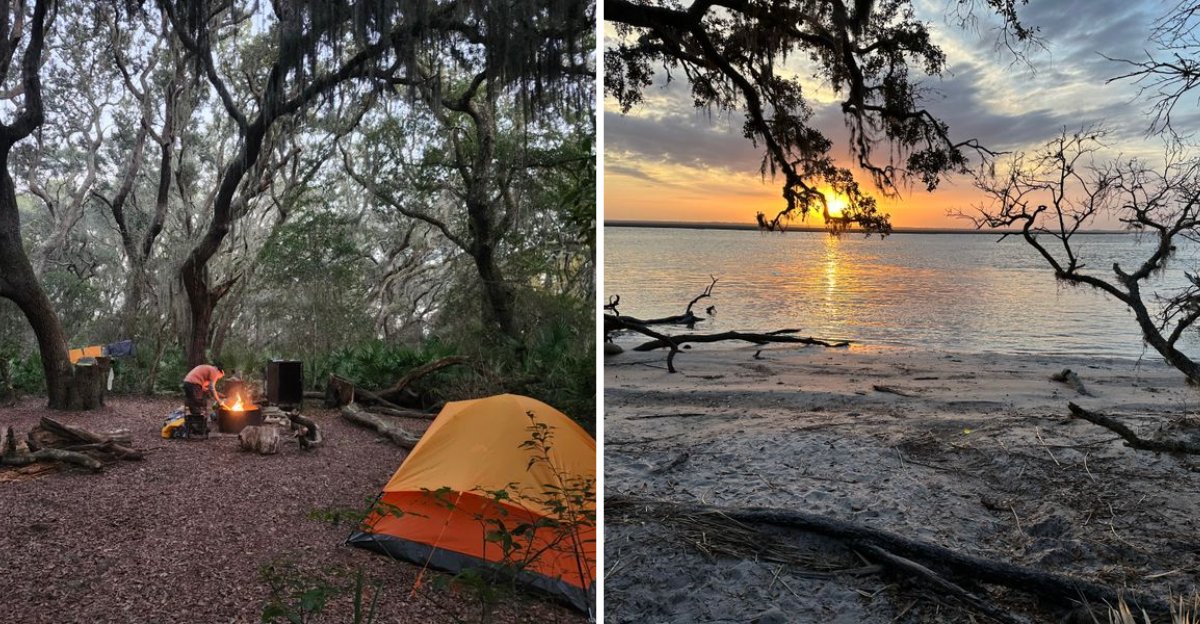
Cumberland Island offers an escape unlike any other coastal destination in Georgia, blending raw natural beauty with a sense of timeless adventure. This barrier island feels wonderfully untouched, where wild horses roam freely across dunes and along pristine beaches shaped only by wind and tide. Ancient maritime forests stretch inland, while crumbling ruins quietly tell stories of families, fortunes, and a very different era.
Camping here is not about convenience or crowds. It is about immersion. You wake to the sound of Atlantic waves rolling ashore and spend your days exploring empty beaches, shaded trails, and historic landmarks scattered across the island.
As night falls, the sky opens up with stars rarely seen elsewhere, creating a peaceful end to an active day. With no cars, no resorts, and limited access, every moment feels intentional. Cumberland Island rewards those willing to slow down, unplug, and experience Georgia’s coast in its most natural and unforgettable form.
1. Wild Horses Roaming the Beaches
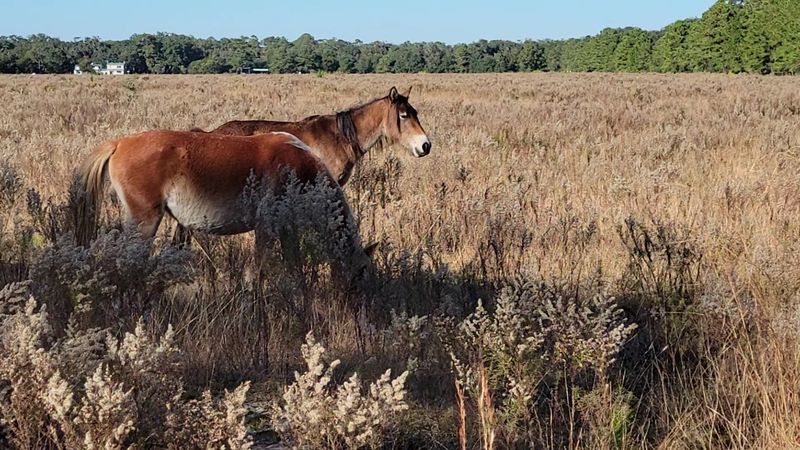
Few sights compare to watching wild horses gallop across the sand as waves crash nearby. These magnificent animals have called Cumberland Island home for centuries, descendants of horses brought by Spanish settlers. You’ll spot them grazing near dunes, wandering through maritime forests, and cooling off in tidal pools.
The island’s horse population numbers around 120 to 150 animals. They’ve adapted perfectly to island life, feeding on spartina grass and freshwater from ponds. Morning and late afternoon offer your best chances for sightings along the beach.
Remember to admire these beauties from a respectful distance of at least 40 feet. They’re wild animals and can be unpredictable if approached. Bring binoculars for closer views without disturbing them, and keep your camera ready because these encounters create unforgettable memories you’ll treasure forever.
2. Dungeness Ruins Historic Mansion
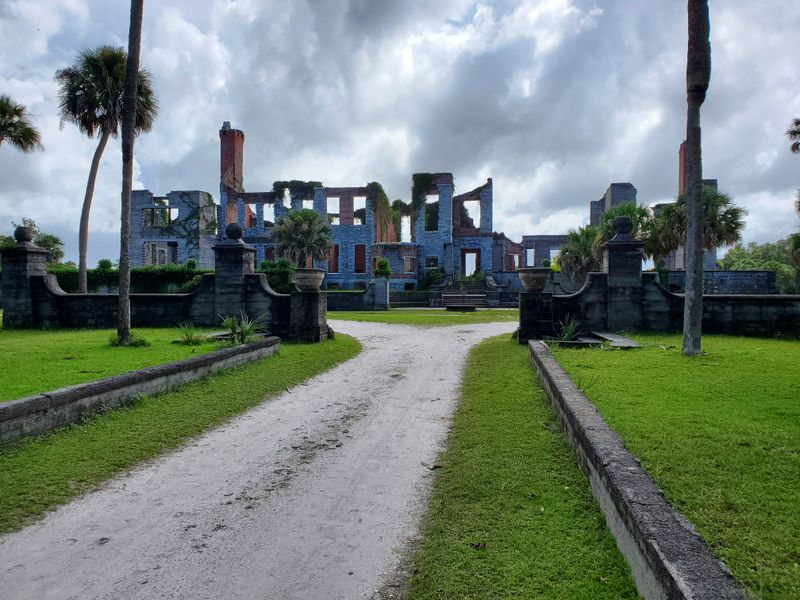
Imagine walking through the skeletal remains of a once-grand mansion that hosted America’s wealthiest families. Dungeness Ruins stand as a hauntingly beautiful reminder of Cumberland Island’s gilded age. Built by the Carnegie family in the 1880s, this mansion boasted 59 rooms before fire consumed it in 1959.
The tabby walls and towering chimneys still reach toward the sky, creating dramatic photo opportunities. Spanish moss drapes from surrounding live oaks, adding to the atmospheric setting. You can explore the formal gardens where peacocks once strutted and fountains sparkled.
The ruins sit about a mile from the Sea Camp Dock at Cumberland Island National Seashore, 113 St Marys Street, St Marys, GA 31558. Spring and fall bring the most pleasant weather for exploring. Pack water and wear sturdy shoes since you’ll be walking over uneven terrain covered with centuries of history.
3. Sea Camp Beach Camping Area
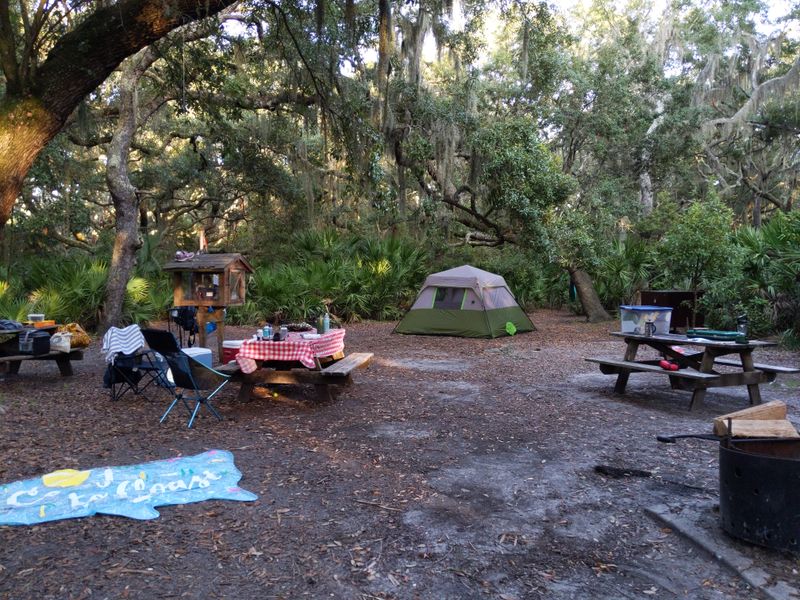
Setting up your tent within earshot of crashing waves creates an experience most campers only dream about. Sea Camp offers the island’s most accessible camping option, featuring 16 individual sites and four group sites. Each spot comes with a picnic table, fire ring, and access to restrooms with cold showers.
The campground sits just behind the primary dunes, giving you quick beach access. Tall pines provide shade during hot afternoons, and the sound of surf lulls you to sleep each night. Wildlife frequently passes through, from armadillos to deer.
Reservations are essential and can be made through recreation.gov up to six months in advance. You’ll need to bring everything via ferry, so pack wisely. The Sea Camp Dock is accessible from 113 St Marys Street, St Marys, GA 31558.
Remember to store food properly in provided lockers to avoid attracting raccoons and other curious critters.
4. Plum Orchard Mansion Tour
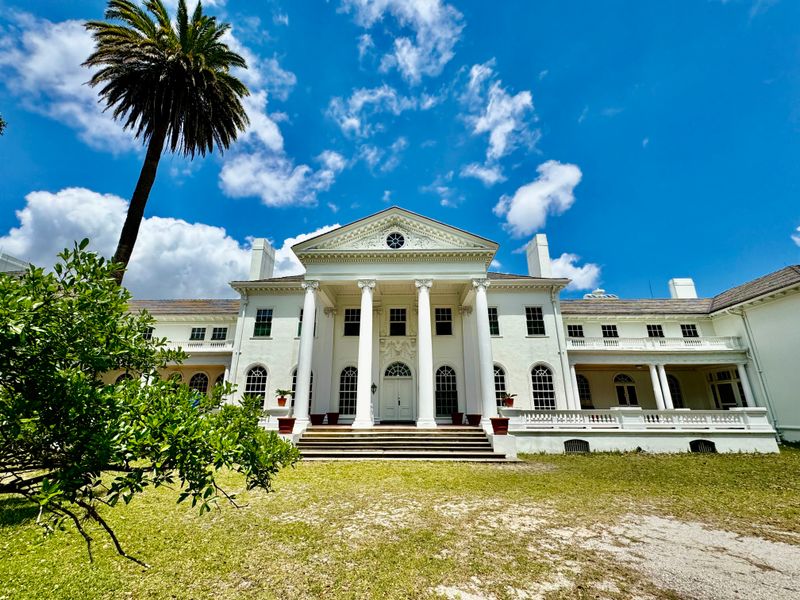
This perfectly preserved Carnegie mansion transports visitors back to the Gilded Age with remarkable authenticity. Plum Orchard was completed in 1898 as a wedding gift for George Carnegie’s son. The mansion features 30 rooms filled with period furnishings, Tiffany glass, and technological marvels of its era.
Unlike Dungeness, Plum Orchard survived intact and underwent extensive restoration. You can peek into the grand parlor, formal dining room, and even the basement swimming pool. The mansion’s isolation deep in the island’s interior adds to its mystique.
Reaching Plum Orchard requires a 7-mile bike ride or hike from Sea Camp Dock, or you can join a ranger-led van tour. The mansion is located at Cumberland Island National Seashore, accessible from 113 St Marys Street, St Marys, GA 31558. Tours are offered on select days, so check the schedule before planning your visit.
The journey through maritime forest makes the destination even more rewarding.
5. Pristine Undeveloped Beaches
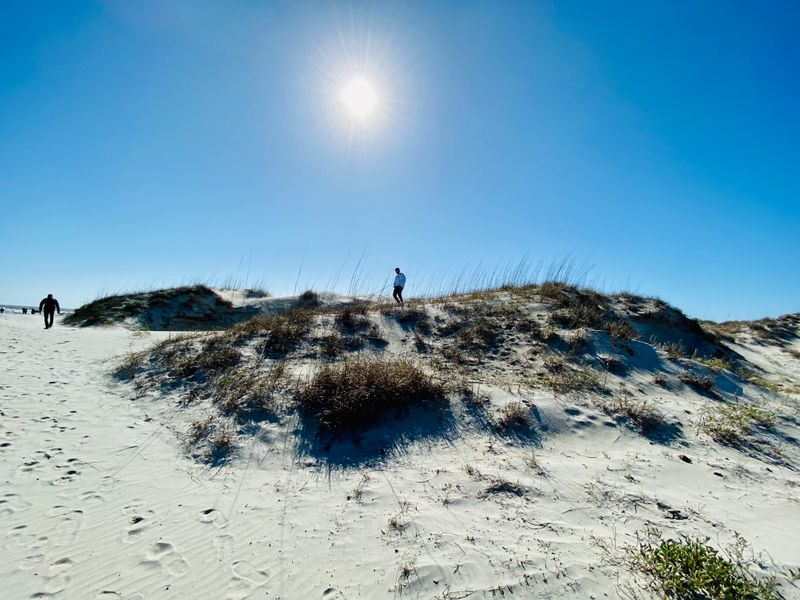
Picture 18 miles of coastline where footprints and shells outnumber people and development. Cumberland Island’s beaches remain largely untouched by commercialization, offering a rare glimpse of Atlantic coast wilderness. You won’t find boardwalks, concession stands, or crowds competing for space here.
The sand ranges from white to golden depending on the location. Dunes rise naturally behind the beach, stabilized by sea oats that sway in constant ocean breezes. Tide pools form during low tide, revealing crabs, small fish, and colorful shells.
Swimming is possible but exercise caution since no lifeguards patrol these shores. Strong currents and riptides can develop unexpectedly. The best beach access points are near Sea Camp and Stafford Beach.
Remember to pack out everything you bring in, leaving no trace of your visit. These beaches represent what Georgia’s coast looked like before development, making them truly priceless natural treasures worth protecting.
6. Maritime Forest Hiking Trails
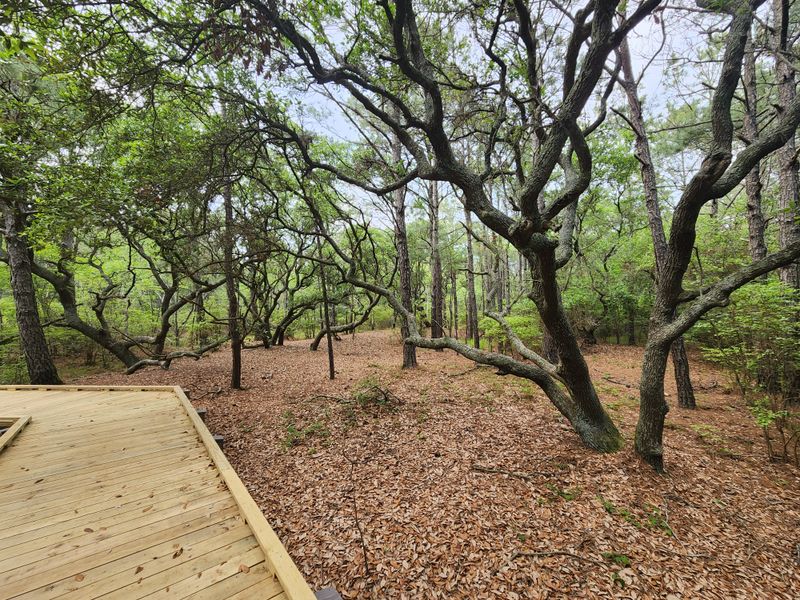
Stepping into Cumberland Island’s maritime forest feels like entering another world entirely. Massive live oaks draped in Spanish moss create cathedral-like canopies overhead. The forest floor stays relatively clear, making hiking pleasant even during summer months when shade provides welcome relief.
Over 50 miles of trails crisscross the island, ranging from easy walks to challenging treks. The Parallel Trail runs the island’s length, connecting major sites and beaches. You’ll encounter saw palmettos, magnolias, and hickory trees along the way.
Wildlife abounds in these forests, including wild turkeys, deer, and countless bird species. Bring insect repellent during warmer months and watch for ticks. Trail maps are available at the Sea Camp Ranger Station near 113 St Marys Street, St Marys, GA 31558.
Carry plenty of water since freshwater sources are limited. These trails offer solitude and natural beauty that make every step worthwhile for adventurous hikers.
7. First African Baptist Church
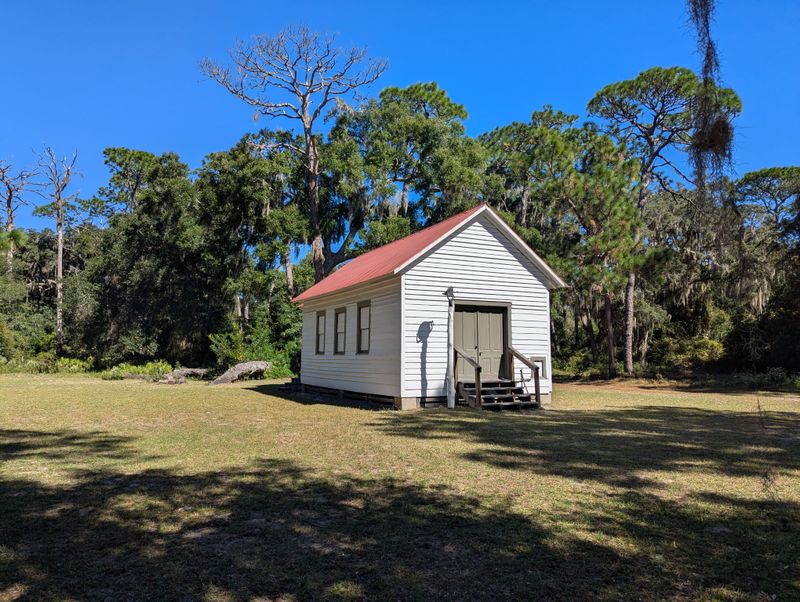
This humble white church holds profound significance in American history and the island’s cultural heritage. Built in 1893 by freed slaves and their descendants, First African Baptist Church served Cumberland Island’s African American community for decades. The simple wooden structure stands as a testament to faith and perseverance.
The church gained modern fame when John F. Kennedy Jr. married Carolyn Bessette here in 1996. Despite its celebrity moment, the building maintains its authentic character.
Original pews remain inside, and the architecture reflects the modest means of its builders.
The church is located along the main trail system at Cumberland Island National Seashore, accessible from 113 St Marys Street, St Marys, GA 31558. You can peek through windows or step inside during daylight hours. The surrounding cemetery contains graves dating back to the 1800s.
This sacred space reminds visitors that Cumberland Island’s story includes all who called it home, not just the wealthy families.
8. Stafford Beach Remote Camping
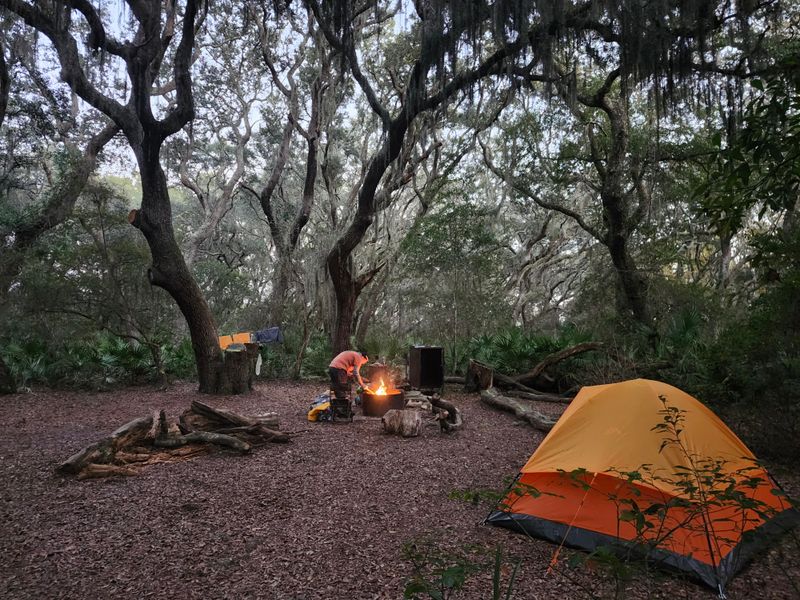
True wilderness camping awaits those willing to hike several miles into the island’s northern reaches. Stafford Beach campground offers only three sites, making it Cumberland Island’s most secluded camping option. No amenities exist here beyond a composting toilet, creating an authentic backcountry experience.
Getting there requires a 3.5-mile hike from Sea Camp Dock, carrying all your gear. The trail passes through maritime forest before emerging at a stunning stretch of beach. You’ll camp among the dunes with nothing between you and the Atlantic Ocean.
This campground suits experienced campers comfortable with primitive conditions. You must bring all water or purification equipment since none is available on site. Access is through Cumberland Island National Seashore from 113 St Marys Street, St Marys, GA 31558.
Reservations are essential and fill quickly. The isolation and natural beauty make the effort worthwhile for those seeking true escape from civilization’s noise and lights.
9. Armadillos and Island Wildlife
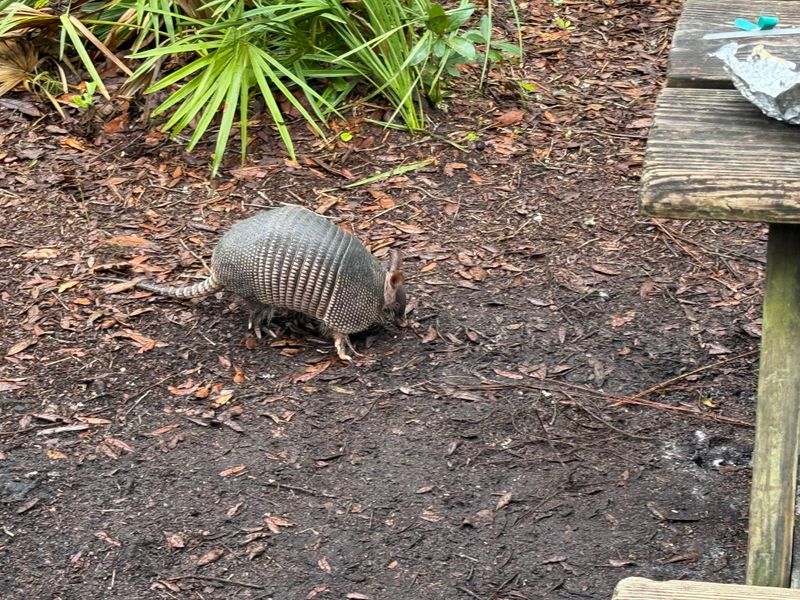
Spotting an armadillo shuffling through the underbrush ranks among Cumberland Island’s most delightful surprises. These armored mammals arrived on the island relatively recently and have thrived in the maritime forest habitat. You’ll often hear them rustling through leaves before actually seeing them.
Beyond armadillos, the island supports incredible biodiversity. White-tailed deer browse in clearings, while raccoons patrol campsites at night. Over 300 bird species have been recorded here, from painted buntings to bald eagles.
Loggerhead sea turtles nest on beaches during summer months.
The best wildlife watching happens during early morning and late evening hours. Bring binoculars and move quietly through natural areas. Remember that feeding any wildlife is prohibited and harmful to animals.
The island’s protected status at Cumberland Island National Seashore, 113 St Marys Street, St Marys, GA 31558, helps maintain healthy populations. Your respectful observation ensures these creatures continue thriving for future visitors to enjoy and appreciate.
10. Hickory Hill Backcountry Site
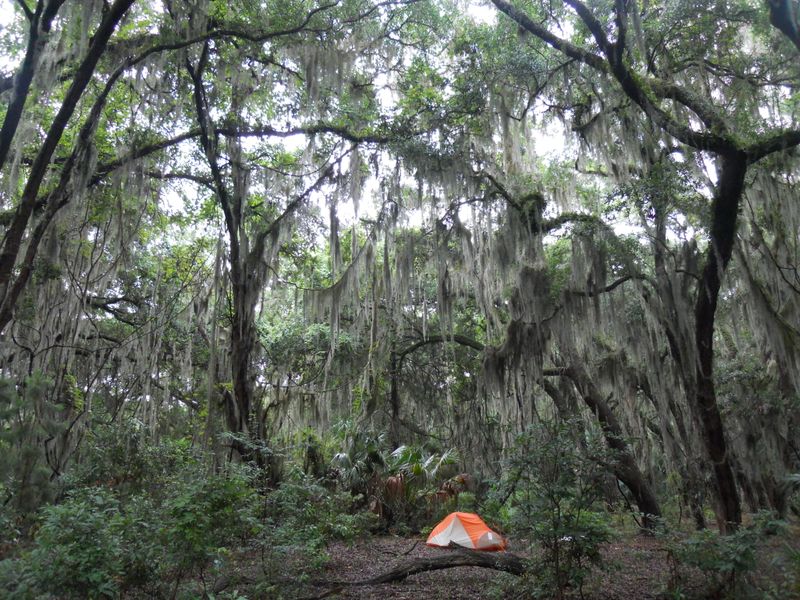
Adventurous campers seeking solitude will appreciate Hickory Hill’s remote location and primitive setting. This backcountry site sits approximately 5.5 miles from Sea Camp Dock, requiring a moderate hike through varied terrain. Only five individual sites are available, ensuring a quiet experience far from crowds.
The campground occupies a shaded area within the maritime forest. A composting toilet provides the only facility, maintaining the wilderness atmosphere. You’ll need to carry in all supplies, including sufficient water for your entire stay.
The location offers easy access to both beach and forest trails, making it ideal for exploring different island ecosystems. Spring and fall bring the most comfortable camping weather, though summer visits are possible with proper preparation. Reservations through recreation.gov are required and should be made well in advance.
The site is managed by Cumberland Island National Seashore, 113 St Marys Street, St Marys, GA 31558. Experienced backpackers will find Hickory Hill offers the perfect balance of challenge and reward.
11. Sea Turtle Nesting Season
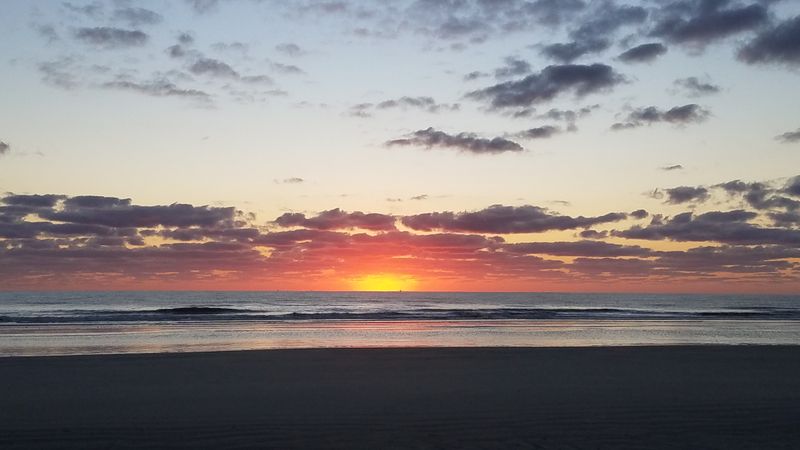
Between May and October, Cumberland Island’s beaches transform into vital nesting grounds for loggerhead sea turtles. Female turtles emerge from the ocean at night, laboriously crawling up the beach to dig nests and deposit eggs. Each nest contains approximately 120 eggs that incubate for about 60 days.
Witnessing a nesting turtle or watching hatchlings scramble toward the ocean ranks among nature’s most moving experiences. Park rangers monitor nests throughout the season, marking them to protect against disturbance. If you camp during turtle season, you might observe these ancient rituals firsthand.
Always respect marked nests and maintain distance from nesting turtles. Artificial lights disorient hatchlings, so use red-filtered flashlights if necessary at night. The National Park Service at Cumberland Island National Seashore, 113 St Marys Street, St Marys, GA 31558, offers turtle walks and educational programs during peak season.
These endangered creatures depend on protected beaches like Cumberland Island for species survival, making conservation efforts critically important.
12. Ferry Ride from St. Marys
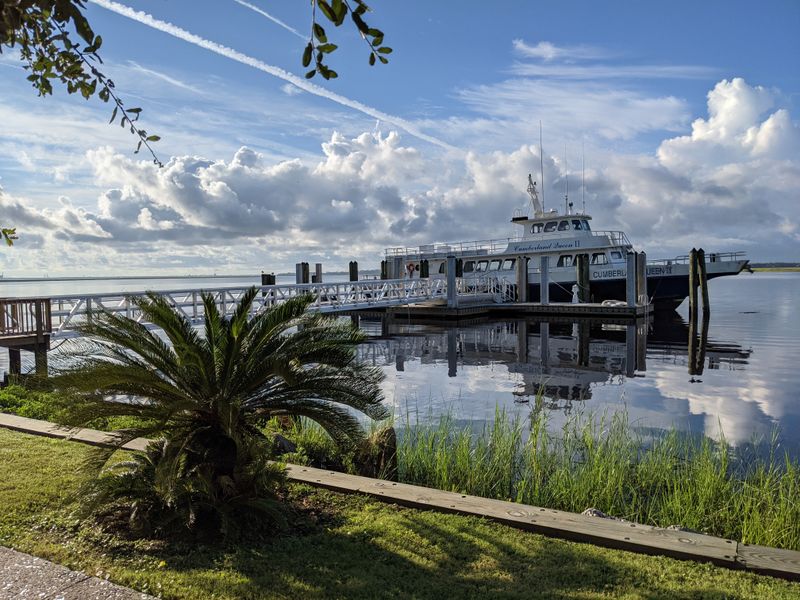
Your Cumberland Island adventure begins with a scenic 45-minute ferry ride across Cumberland Sound. The journey itself offers entertainment as dolphins often swim alongside the boat and pelicans soar overhead. You’ll leave civilization behind as the mainland shrinks and the island’s wild shoreline grows closer.
The ferry departs from the St. Marys waterfront, providing two trips daily during most of the year. Reservations are strongly recommended since capacity is limited and the ferry frequently sells out. You’ll board at 113 St Marys Street, St Marys, GA 31558.
Pack everything you need for your stay since the ferry is your only access point. Weight and size restrictions apply to gear, so check guidelines before arriving. The boat features both indoor and outdoor seating areas.
Bring layers since wind and spray can make the ride chilly even on warm days. The anticipation builds as you approach the dock, knowing an untamed island paradise awaits your exploration and discovery.
13. Brickhill Bluff Backcountry Camp
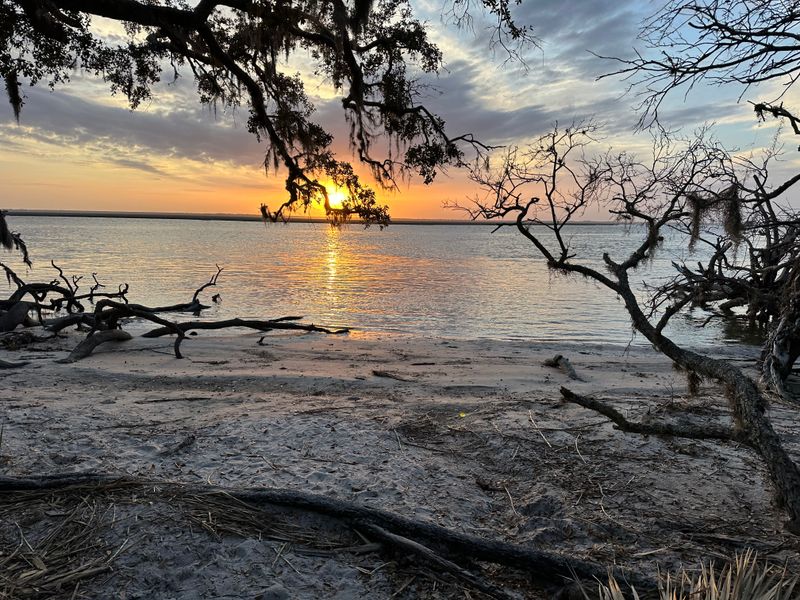
Positioned along the island’s western shore, Brickhill Bluff offers a completely different camping perspective from the oceanside sites. This backcountry campground sits near the marshes and tidal creeks that separate Cumberland Island from the mainland. The setting provides exceptional opportunities for observing wading birds and marsh wildlife.
Only three sites are available, making this one of the island’s most exclusive camping experiences. The 6-mile hike from Sea Camp Dock challenges campers but rewards them with solitude and unique ecosystems. A composting toilet serves as the only facility.
Sunset views across the marsh create spectacular photo opportunities as the sky explodes in orange and pink hues. Bring all necessary water and supplies for your stay. The campground is managed through Cumberland Island National Seashore, 113 St Marys Street, St Marys, GA 31558.
Mosquitoes can be intense during warmer months, so pack effective repellent. This location suits campers who appreciate marsh environments and don’t mind trading ocean breezes for tidal creek tranquility.
14. Shell Collecting and Beach Combing
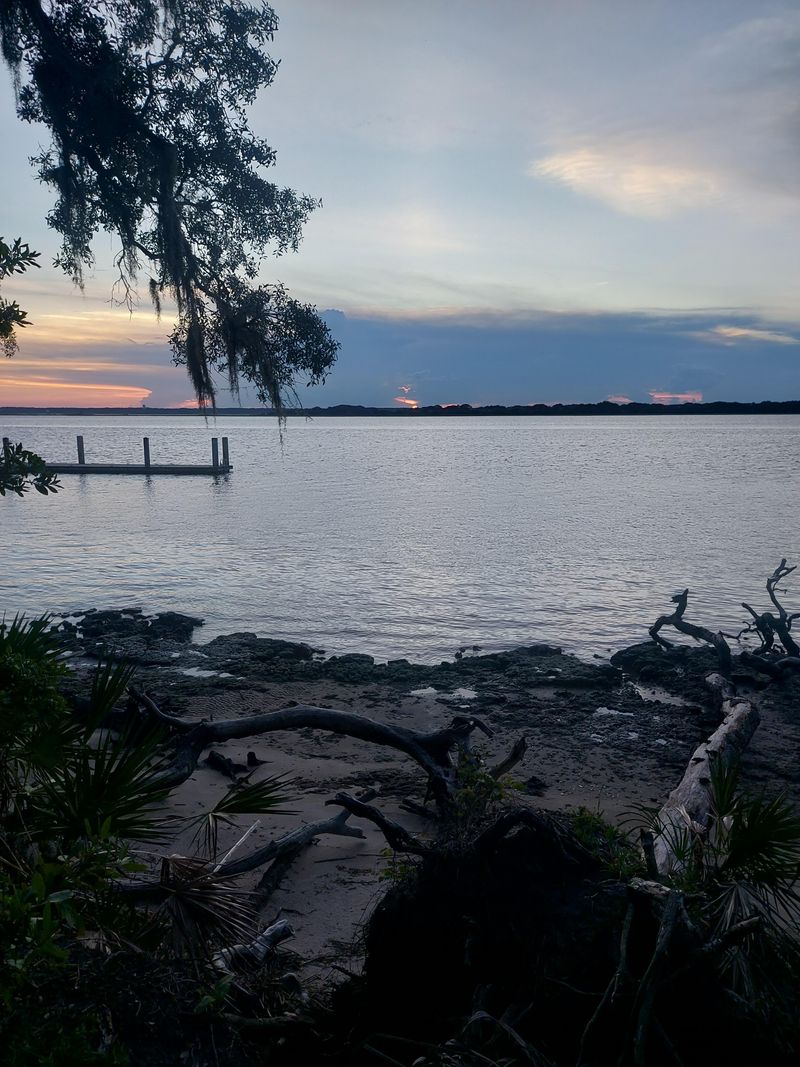
Cumberland Island’s beaches offer treasure hunters endless opportunities to discover beautiful shells and natural artifacts. Each tide brings new gifts from the ocean, scattering them along the high tide line. You’ll find everything from delicate sand dollars to sturdy whelk shells in surprising variety.
Early morning beach walks yield the best finds before other visitors arrive. Look for shark teeth, sea glass worn smooth by waves, and colorful coquina shells. Driftwood pieces sculpted by salt and time make interesting souvenirs or photography subjects.
Remember that live shells containing creatures must be left where you find them. Also, historical artifacts like pottery shards belong to the island and should remain in place. Bring a small bag or bucket for your collection.
The beaches near Sea Camp and Stafford areas, accessible from Cumberland Island National Seashore at 113 St Marys Street, St Marys, GA 31558, offer excellent shell collecting. Each piece tells a story of the ocean’s power and the island’s natural abundance that continues generation after generation.
15. Yankee Paradise Backcountry Area
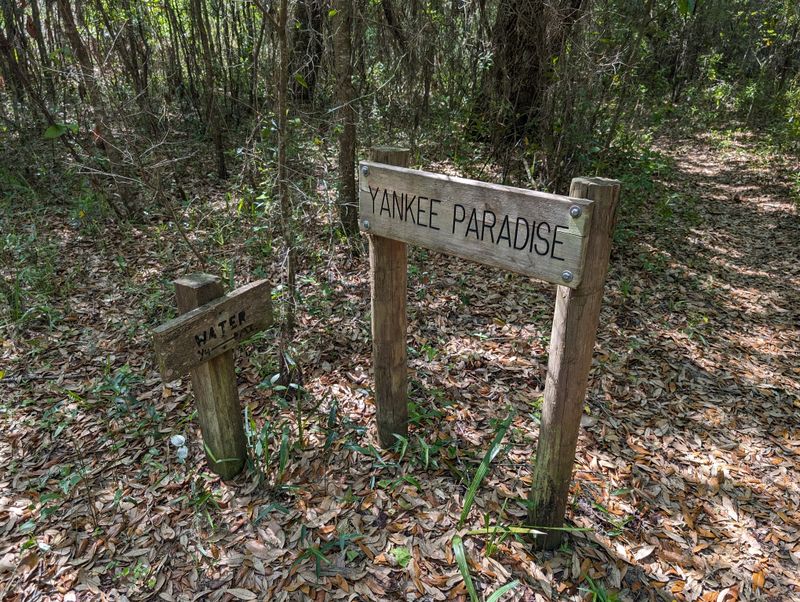
This backcountry campground earns its paradisical name through stunning natural beauty and strategic location. Yankee Paradise sits roughly 7.5 miles from Sea Camp Dock, requiring a substantial hike that filters out casual visitors. Five sites nestle in the maritime forest with easy access to both beach and interior trails.
The campground offers a composting toilet as its only facility, maintaining true backcountry character. Campers must pack in all supplies including adequate water for drinking and cooking. The isolation creates incredible stargazing opportunities since no artificial lights pollute the darkness.
Beach access lies just a short walk through the dunes, while forest trails extend in multiple directions for exploration. Spring wildflowers carpet the understory, and fall brings comfortable temperatures perfect for extended stays. Make reservations well ahead through the Cumberland Island National Seashore system at 113 St Marys Street, St Marys, GA 31558.
Experienced backpackers will appreciate Yankee Paradise’s combination of challenge, beauty, and the profound sense of wilderness immersion it provides.
16. Cumberland Island Museum

Before boarding the ferry, spend time at this excellent museum to understand the island’s complex history. The Cumberland Island Museum occupies a historic building in downtown St. Marys, offering exhibits covering Native American inhabitants, Spanish missions, plantation era, and the Carnegie family legacy. Interactive displays engage visitors of all ages.
You’ll learn about the Timucuan people who first called the island home thousands of years ago. Artifacts, photographs, and documents trace the island’s transformation through various eras. Special attention is given to the African American community that persisted through slavery and beyond.
The museum is located at 113 St Marys Street, St Marys, GA 31558, right near the ferry dock. Admission is free, making it an accessible resource for all visitors. Rangers staff the facility and can answer questions about camping, trails, and current island conditions.
Plan at least 30 minutes to explore the exhibits thoroughly. Understanding the island’s past enriches your camping experience, helping you appreciate the layers of history beneath every shell and tree.